
Mastering Canine Freestyle: Advanced Techniques for ShowStopping Performances

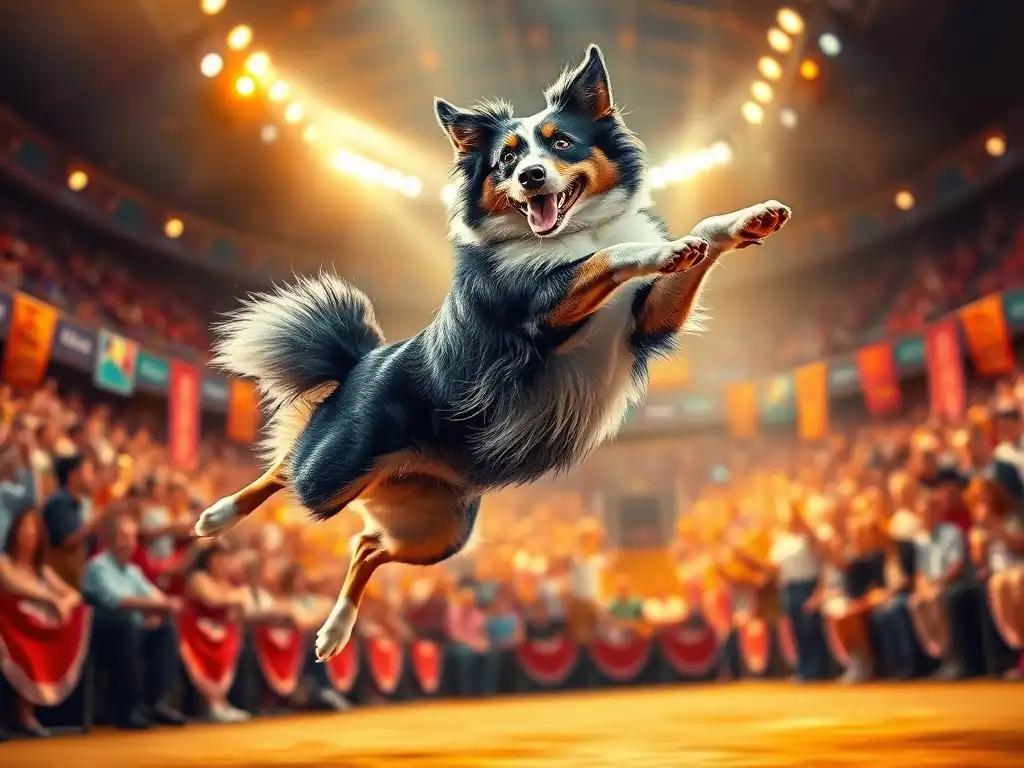
Welcome to PetCareWorld, your ultimate guide to a happier, healthier life with your beloved pets! Are you ready to take your dog's freestyle routine to the next level? Discover Advanced Canine Freestyle Techniques that will transform your performances from good to show-stopping. Dive in and unlock the secrets to achieving breathtaking synchronicity and unparalleled connection with your canine companion. Prepare to be amazed!
- Elevating Your Canine Freestyle Routine: Beyond the Basics
- Enhancing Your Canine Freestyle Performance: Creativity and Expression
- Fine-Tuning Your Canine Freestyle Performance: Precision and Polish
- Advanced Canine Freestyle Training Strategies: Consistency and Reward
- Show Preparation and Performance Strategies for Canine Freestyle
- Resources for Continued Learning in Advanced Canine Freestyle
-
Frequently Asked Questions
- What are some advanced canine freestyle techniques beyond the basics?
- How can I improve my dog's focus and engagement during advanced freestyle routines?
- What is the importance of choreography and musicality in advanced canine freestyle?
- How can I ensure the safety of my dog while practicing advanced freestyle techniques?
- What resources are available for learning advanced canine freestyle techniques?
- Final Reflection: The Enduring Dance Between Human and Canine
- Unleash Your Dog's Inner Star: Take the Next Steps in Freestyle
Elevating Your Canine Freestyle Routine: Beyond the Basics
Canine freestyle, also known as dog dancing, is a dynamic and rewarding activity that strengthens the bond between you and your canine companion. While mastering the fundamentals is crucial, truly captivating audiences requires venturing into the realm of advanced techniques. This guide delves into the intricacies of elevating your dog dancing performances from competent to show-stopping, focusing on advanced footwork, complex tricks, and seamless handling techniques.
We'll explore how to seamlessly integrate these elements to create a truly unforgettable routine, pushing the boundaries of what's possible in canine freestyle and enhancing your chances of success in competitions. This article will equip you with the knowledge and strategies necessary to conquer advanced canine freestyle techniques, transforming your performances from good to truly exceptional. We'll cover everything from precise turns and transitions to incorporating complex tricks and mastering advanced handling techniques, all while emphasizing the importance of a strong bond with your canine partner.
Get ready to take your dog dancing to the next level! 🎉
Mastering Advanced Canine Freestyle Footwork: Precise Turns and Transitions
Precise footwork is the cornerstone of any compelling canine freestyle routine. Moving beyond basic steps requires mastering techniques like tight pivots, quick changes of direction, and seamless transitions between different movements. This section focuses on refining your dog's ability to execute these maneuvers with speed, accuracy, and grace. We'll break down the training process into manageable steps, emphasizing positive reinforcement and clear communication.
For example, perfecting a precise 180-degree turn requires consistent practice using clear hand signals and verbal cues. Initially, you might use a wider arc, gradually narrowing it until your dog can execute a sharp, controlled turn on the spot. Similarly, transitioning smoothly from a fast-paced sequence to a slower, more deliberate movement requires precise timing and anticipation on both your and your dog's part. This often involves incorporating subtle body language cues to guide your dog into the next movement without disrupting the flow of the routine. Consider using a variety of training aids, such as targets or cones, to help establish clear pathways and improve your dog's spatial awareness. Remember, patience and consistency are key! 🐾
The successful execution of advanced footwork depends heavily on clear communication and a strong understanding between you and your dog. Regular practice sessions focusing on specific aspects of footwork will significantly improve the quality and precision of your routines. Remember to always prioritize your dog's comfort and safety, ensuring that all movements are performed within their physical capabilities.
Incorporating Complex Tricks into Your Choreography: Flips, Rolls, and Jumps
Once your dog has mastered fundamental footwork, you can start incorporating more complex tricks to elevate your routine's visual appeal and difficulty. This section explores how to safely and effectively teach your dog advanced tricks like flips, rolls, and jumps, seamlessly integrating them into your choreography. Remember, safety is paramount – never push your dog beyond their comfort zone or physical capabilities.
Teaching a dog to perform a backflip, for instance, requires a phased approach. Start with building up to the trick gradually using simpler movements like backward rolls and jumps. Introduce the concept of the flip using target training and positive reinforcement. Break down the entire trick into smaller, manageable steps, rewarding each successful step along the way. Similarly, teaching a precise jump over your leg requires careful timing and clear cues.
Start with a simple jump over a low object, gradually increasing the height. Consistency and positive reinforcement are crucial for building your dog's confidence and ensuring a smooth, controlled jump. Remember to always prioritize your dog's safety and well-being, using appropriate padding and supervision. Use a variety of reward systems, including verbal praise, treats, and toys, to maintain your dog's motivation and engagement throughout the training process.
Seamless transitions are crucial for creating a fluid and captivating routine. This section explores advanced handling techniques, including the use of subtle cues and body language, to guide your dog through complex transitions without disrupting the flow of your performance. Mastering these techniques transforms your routine from a series of individual movements into a cohesive and visually stunning performance.
Effective use of hidden cues, such as subtle shifts in your weight or hand movements, allows you to guide your dog without distracting the audience. This requires careful practice and a deep understanding of your dog's body language and responsiveness to your cues. Similarly, mastering subtle body language cues allows for a more natural and less intrusive interaction between you and your dog, enhancing the overall aesthetic of the performance.
This could involve using your body position to guide your dog's movement, or using subtle eye contact and facial expressions to communicate your intentions. The key is to develop a refined understanding of how your body movements affect your dog's actions, allowing for smooth and almost invisible transitions between different elements of your routine. This level of coordination takes time and dedication, but the result is a truly mesmerizing and professional performance.
Enhancing Your Canine Freestyle Performance: Creativity and Expression
This section delves into the crucial elements that elevate canine freestyle from mere obedience exercises to captivating performances. Mastering advanced techniques hinges not just on precise movements, but on imbuing your routine with creativity and emotional expression. The goal is to create a performance that resonates with the audience, leaving a lasting impression.
This requires a deep understanding of your dog's capabilities and a willingness to experiment with different styles and approaches. Think of it as storytelling through movement, where your dog is the star and you are the director. Remember, advanced canine freestyle techniques involve more than just tricks; it's about communicating a narrative.
Developing a Compelling Choreography: Storytelling Through Movement
A truly captivating freestyle routine tells a story. It's not just a series of unconnected tricks; it's a narrative arc with a beginning, middle, and end. Consider the mood you want to convey – joyful exuberance, graceful elegance, or dramatic intensity. The choreography should reflect this mood. For example, a routine themed around "a day at the park" might begin with a playful trot, incorporate fetching and retrieving elements, then transition to a relaxed down-stay as the dog "rests" before a final energetic leap.
To develop a compelling choreography, start by outlining the key moments of your story. Then, select tricks and movements that fit each moment. Consider transitions between tricks – smooth, flowing movements are more pleasing to the eye than abrupt changes. Practice each segment individually before combining them into a complete routine.
Don't be afraid to experiment and adjust. The best choreographies are often born from improvisation and refinement. Remember to factor in your dog's physical capabilities and limitations; avoid overly complex movements that could lead to frustration or injury. Consistent positive reinforcement and rewarding even small successes are crucial throughout this process.
Incorporating Music and Rhythm: Syncing Movements to the Beat
Music is an integral part of a successful canine freestyle performance. The right music can amplify the emotional impact of your routine, enhancing the audience's engagement. However, simply playing music in the background isn't enough; the movements must be synchronized with the rhythm and tempo. This requires careful planning and practice.
Selecting the appropriate music is crucial. The tempo should match the energy level of your routine. Upbeat music works well for energetic routines, while slower music suits more graceful, elegant performances. Consider the genre – classical music can lend a sense of sophistication, while pop or rock can create a more dynamic feel.
Once you've chosen your music, analyze its structure, identifying key changes in tempo and rhythm. Then, design your choreography to complement these changes. For instance, a crescendo in the music could correspond to a series of increasingly complex tricks, culminating in a dramatic finale. Practice syncing your movements to the music repeatedly, paying attention to the precise timing of each trick.
Adding Props and Costumes: Enhancing Visual Appeal and Engagement
Props and costumes can significantly enhance the visual appeal of your canine freestyle routine, adding another layer of engagement for both the performers and the audience. However, careful consideration is required to ensure that these additions complement the routine, rather than distracting from it. The goal is to enhance the storytelling and create a more memorable performance, not to overwhelm the audience with unnecessary embellishments.
When choosing props, consider their size, weight, and safety. Ensure they are easy for your dog to interact with and won't pose a risk of injury. Examples include simple items like balls, hoops, or tunnels, which can be incorporated seamlessly into the choreography. Costumes, similarly, should be comfortable and safe for your dog. They should allow for free movement and not restrict your dog's ability to perform the tricks.
The costume should enhance the overall theme and narrative of your routine. For instance, a pirate-themed routine might feature your dog in a miniature pirate hat, while a fairy-themed routine could involve a whimsical costume with flowing fabric. Remember, the key is to strike a balance between visual interest and functionality. The props and costumes should support the performance, not overshadow it. Always prioritize the safety and comfort of your canine partner.
Fine-Tuning Your Canine Freestyle Performance: Precision and Polish
This section delves into the crucial aspects of refining your canine freestyle routine, moving beyond the basics to achieve a truly show-stopping performance. Mastering advanced canine freestyle techniques requires meticulous attention to detail and a commitment to consistent practice. We'll explore key areas for improvement, focusing on precision, polish, and overall performance quality. The goal isn't just to execute the moves, but to execute them flawlessly, with seamless transitions and captivating presentation. This level of refinement significantly impacts your score in competitions and enhances the overall viewing experience.
Refining Timing and Synchronization: Achieving Perfect Harmony
Perfect timing is the cornerstone of any successful canine freestyle routine. It's not just about completing the moves; it's about executing them in perfect synchronization with the music. This requires dedicated practice and a deep understanding of your dog's capabilities. Consider these strategies:
- Metronome Training: Start by practicing individual moves to the beat of a metronome. Gradually increase the tempo as your dog masters each element. This builds precision and responsiveness to rhythm.
- Music Analysis: Don't just play the music; analyze it. Identify key beats, changes in tempo, and musical phrases. Structure your routine to coincide with these musical cues, creating a dynamic and engaging performance.
- Repetition and Refinement: Practice the entire routine repeatedly, focusing on the transitions between moves. Smooth, fluid transitions are key to a polished performance. Video record your practice sessions to objectively assess timing and synchronization. Even slight improvements in timing can dramatically elevate the overall quality of your performance. For example, a delay of even a fraction of a second in a complex sequence can appear jarring to the judges.
Example: Imagine a routine incorporating a series of spins and jumps. A perfectly timed routine will see the jumps flawlessly executed on the beat, with the spins seamlessly flowing into the jumps, creating a visually appealing and musically harmonious sequence. Poor timing, on the other hand, might result in rushed jumps, hesitant spins, or a jarring disconnect between the music and the movements.
Improving Your Dog's Focus and Concentration: Maintaining Engagement During Performances
Maintaining your dog's focus throughout a performance is paramount. Distractions are inevitable, particularly in competitive settings. Employ these strategies to enhance your canine partner's concentration:
- Positive Reinforcement Training: Reward your dog consistently for maintaining focus and responding correctly to cues. Use high-value rewards and enthusiastic praise to reinforce desired behaviors.
- Desensitization Training: Gradually expose your dog to potential distractions, such as loud noises, other dogs, and crowds, while continuing training. This helps build resilience and reduces the likelihood of your dog becoming distracted during a performance.
- Pre-Performance Routine: Establish a consistent pre-performance routine to help your dog mentally prepare. This could include a calm walk, a short period of focused training, or simply quiet time together. This predictability reduces anxiety and enhances focus.
- Practice in Different Environments: Don't limit your practice sessions to your home or yard. Practice in various locations with different levels of distraction to prepare your dog for the unpredictable nature of competitions. This will build confidence and adaptability.
Handling Distractions and Maintaining Performance Consistency: Competition Readiness
Even with meticulous preparation, unexpected distractions can occur during competitions. Developing strategies to handle these challenges is crucial for maintaining performance consistency:
- Cue Word Reinforcement: Utilize clear and consistent cue words throughout your routine. This helps to redirect your dog's attention if they become distracted.
- Emergency Plan: Develop a contingency plan for handling common distractions. For instance, if another dog barks, have a pre-determined response ready to regain your dog's focus.
- Mental Fortitude Training: Focus on building your dog's mental resilience. This involves gradually exposing them to increasingly challenging situations, helping them to remain calm and focused even under pressure. This could involve incorporating unexpected noises or movements during practice.
- Performance Analysis: Record your performances and analyze them objectively. Identify areas where distractions impacted your dog's performance, and adjust your training accordingly. This continuous improvement process is key to achieving consistent results.
| Potential Distraction | Mitigation Strategy | Example |
|---|---|---|
| Loud Noises | Consistent cue words, desensitization training | Using a specific whistle sound as a cue. |
| Other Dogs | Controlled exposure during training, ignoring techniques | Practicing near other dogs, teaching ignore. |
| Unfamiliar Environments | Practice in various locations, pre-performance routine | Practicing at a park or show venue beforehand. |
| Unexpected Movements | Focus on maintaining eye contact, positive reinforcement | Rewarding calm behavior during disruptions. |
By focusing on these advanced canine freestyle techniques and consistently practicing, you'll elevate your performances to a new level of precision, polish, and overall excellence. Remember, the journey to mastering canine freestyle is a continuous process of refinement and adaptation.
Advanced Canine Freestyle Training Strategies: Consistency and Reward
Mastering advanced canine freestyle techniques requires more than just memorizing routines; it demands unwavering consistency and a deep understanding of canine learning principles. Success hinges on establishing a robust training foundation built on clear communication, positive reinforcement, and a meticulously planned training schedule. This section focuses on strategies to optimize your training approach for achieving truly show-stopping performances. The key is to consistently reinforce desired behaviors, gradually increasing the complexity of the routine while maintaining a positive and engaging training experience for your canine partner.
Remember, building a strong bond with your dog is paramount to success in advanced freestyle. This translates to better communication, increased motivation, and a more enjoyable training journey for both of you. The more consistent your training sessions are, the faster your dog will learn and the smoother your performances will become.
Positive Reinforcement Techniques for Advanced Freestyle: Rewarding Effort and Precision
Positive reinforcement remains the cornerstone of effective canine freestyle training, even at advanced levels. However, refining your reward system is crucial for success. Instead of simply rewarding completion of a trick, focus on rewarding effort and precision. For example, if your dog is learning a complex spin, reward even small improvements in the spin’s execution, such as a quicker turn or a more precise circle.
This encourages your dog to strive for perfection. Use a variety of rewards, including high-value treats, praise, and even toys, to keep your dog engaged. Vary the timing and type of reward to maintain novelty and excitement. Consider incorporating a clicker for precise marking of desired behaviors.
Remember, the goal is to create a positive association with the training process, making it enjoyable for both you and your dog. This positive reinforcement not only accelerates learning but also strengthens the bond between you and your canine partner. The use of a variety of rewards also helps prevent boredom and keeps the training sessions exciting.
Troubleshooting Common Challenges in Advanced Freestyle: Addressing Specific Issues
Even experienced freestyle teams encounter challenges. Common issues in advanced freestyle often stem from a lack of precision, inconsistent execution, or difficulty transitioning between elements. For example, a dog might struggle with maintaining a steady pace during a complex sequence, or they may hesitate before initiating a difficult trick. Addressing these issues requires careful observation and tailored solutions. Break down complex sequences into smaller, manageable steps, focusing on one element at a time.
If your dog is struggling with a specific transition, practice that transition repeatedly, using positive reinforcement to reward even slight improvements. Use shaping techniques to gradually guide your dog towards the desired behavior. Video recording your practice sessions allows for objective assessment and identification of areas needing improvement. Remember, patience and persistence are crucial when troubleshooting advanced freestyle challenges.
Don't be afraid to seek guidance from experienced freestyle trainers or handlers. Their expertise can help you identify and correct any issues before they become ingrained habits. Analyzing your video recordings meticulously will allow you to identify recurring issues and adjust your training accordingly. This analytical approach is vital for consistent progress.
Creating a Consistent Training Environment: Optimizing Learning and Retention
Consistency extends beyond the frequency of training sessions. It also includes maintaining a consistent training environment. This means minimizing distractions, using the same cues and rewards consistently, and establishing a clear routine for your training sessions. A predictable training environment helps your dog understand what is expected of them, improving focus and reducing confusion. Train in various locations to help your dog generalize their skills.
However, initially, focus on a quiet, distraction-free space where your dog can concentrate. As your dog progresses, gradually introduce more distractions to build their ability to perform under pressure. Maintain a positive and encouraging attitude throughout your training sessions. Remember, your dog is learning complex behaviors, and occasional setbacks are normal.
Celebrate successes, and approach challenges with patience and understanding. A structured and consistent training environment will significantly contribute to your dog's learning and retention of advanced freestyle techniques. This creates a positive training association and builds confidence in your canine partner. This consistent approach is crucial for long-term success and creates a strong, reliable partnership between you and your dog.
Show Preparation and Performance Strategies for Canine Freestyle
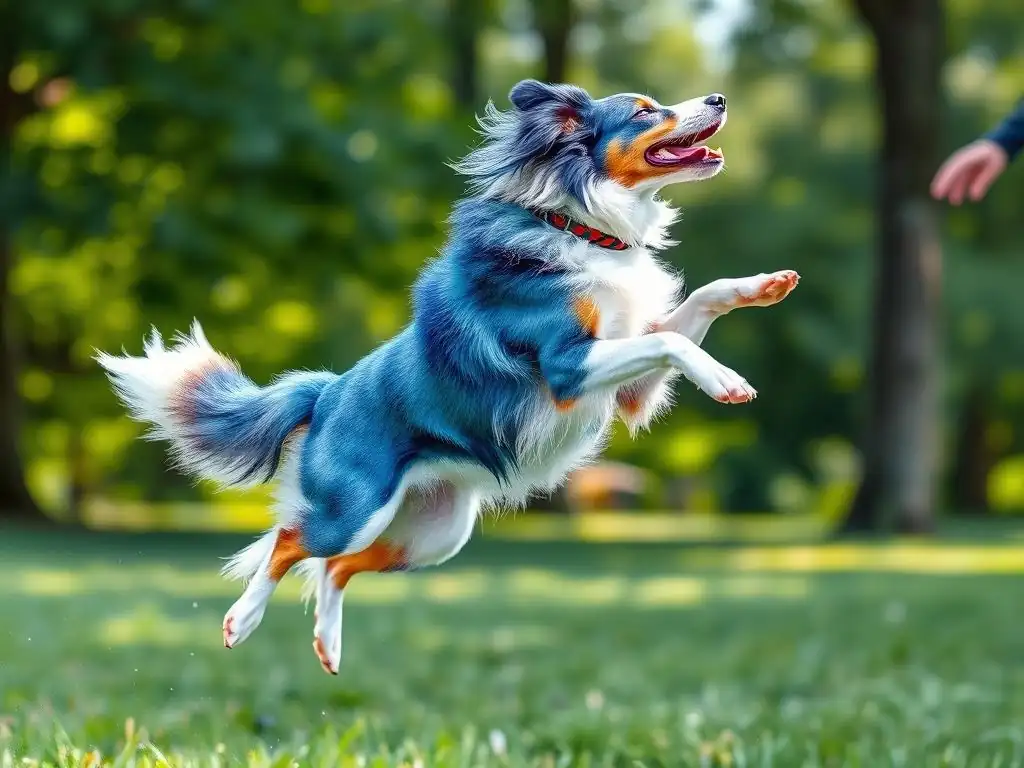
This section delves into the crucial aspects of preparing your canine partner for a successful freestyle competition. Mastering advanced canine freestyle techniques isn't just about perfecting the moves; it's about ensuring your dog is comfortable, confident, and ready to shine on the big day. We'll explore strategies to manage stress, build stage presence, and effectively utilize post-performance feedback for continuous improvement. Remember, a strong performance hinges on meticulous preparation and a deep understanding of your dog's needs.
Preparing Your Dog for Competition: Managing Stress and Excitement
Competition day can be overwhelming for even the most seasoned canine athletes. Managing your dog's stress and excitement is paramount to achieving a smooth and successful performance. A stressed dog is unlikely to execute advanced canine freestyle techniques with precision and confidence. Here's how to mitigate potential anxieties:
- Pre-Competition Routine: Establish a consistent pre-competition routine to create a sense of predictability and reduce anxiety. This might involve a specific warm-up routine, a calm and quiet space for rest, and familiar treats or toys. Consistency is key!
- Desensitization Training: Gradually expose your dog to the sights and sounds of a competition environment. This could involve practicing in increasingly busy locations, playing music similar to that used at competitions, and introducing them to other dogs and handlers.
- Calming Techniques: Learn and practice calming techniques for your dog, such as gentle massage, deep breathing exercises (for you, which will calm your dog), or using calming aids like pheromone diffusers (always consult your vet before using any calming aids). Knowing how to quickly soothe your dog is crucial if they become overwhelmed.
- Hydration and Nutrition: Ensure your dog is well-hydrated and has eaten a light, easily digestible meal before the competition. Avoid feeding them anything new or unfamiliar on the day of the event.
Stage Presence and Confidence Building: Ensuring a Smooth Performance
A confident dog translates to a captivating performance. Building your dog's stage presence requires careful planning and consistent training. Your dog's body language speaks volumes; a relaxed, focused dog will execute advanced canine freestyle techniques with greater ease and precision.
- Positive Reinforcement: Throughout your training, consistently use positive reinforcement techniques. Reward even small successes with praise, treats, or toys. This fosters a positive association with the performance environment.
- Controlled Excitement: While enthusiasm is good, uncontrolled excitement can hinder performance. Teach your dog to focus on you, even amidst distractions. Use focused training exercises that require them to maintain concentration despite external stimuli.
- Practice in Varied Environments: Avoid practicing solely in your backyard. Practice in different locations with varying levels of distractions to build your dog’s resilience and confidence in unfamiliar settings. This will better prepare them for the competitive environment.
- Eye Contact and Connection: Develop a strong bond and connection with your dog. Maintain consistent eye contact during your routines to ensure they remain focused and engaged. This connection is fundamental to a successful freestyle performance.
Post-Performance Feedback and Improvement: Analyzing and Refining Your Routine
Analyzing your performance and identifying areas for improvement is crucial for continuous growth in advanced canine freestyle techniques. Don't just focus on the score; critically evaluate your dog’s performance and your own handling.
- Video Recording: Record your routines to objectively assess your performance. Pay close attention to your dog's body language, your timing, and the overall flow of the routine.
- Judge's Feedback: Carefully review the judge's comments. Understand their critique and identify specific areas for improvement in your choreography, execution, and overall presentation.
- Targeted Practice: Based on your analysis and the judge's feedback, develop a targeted practice plan to address specific weaknesses. Focus on improving those aspects of your routine that need the most attention.
- Continuous Learning: Stay updated on the latest trends and techniques in canine freestyle. Attend workshops, seminars, or online courses to expand your knowledge and refine your skills. This continuous learning process ensures ongoing growth and improvement. Remember, the journey to mastering advanced canine freestyle techniques is ongoing and requires dedication, patience, and a strong bond with your canine partner.
Resources for Continued Learning in Advanced Canine Freestyle
This section delves into the essential resources needed to continue your journey in advanced canine freestyle, focusing on practical tools, expert guidance, and community engagement. Mastering advanced techniques requires dedication and access to the right resources; this section aims to provide you with a comprehensive roadmap for continued growth and success in this exciting canine sport. We'll explore the best training aids, finding qualified instructors, and staying updated on the latest trends.
Recommended Training Aids and Equipment for Advanced Freestyle
Progressing to advanced canine freestyle demands specialized equipment beyond the basics. Investing in high-quality tools will significantly enhance your training sessions, promoting safety and efficiency. Here's a curated list:
- High-Value Rewards: Beyond basic treats, consider incorporating a variety of high-value rewards tailored to your dog's preferences. This might include small pieces of cooked chicken, cheese, or even their favorite squeaky toy used strategically during training. Variety keeps your dog engaged and motivated.
- Clicker: A clicker remains an invaluable tool for marking precise behaviors, even at the advanced level. Its consistent use builds a strong association between the click and reward, crucial for shaping complex sequences.
- Target Stick: A target stick aids in teaching precise movements and positioning, especially beneficial for advanced choreography involving specific body positions or spatial awareness.
- Long Line: A long line offers greater control and freedom during practice, allowing for more fluid movement and preventing your dog from running too far ahead. This is essential for practicing complex transitions and sequences.
- Comfortable, Supportive Clothing: Consider athletic wear that allows for ease of movement, especially when engaging in more dynamic routines. Comfortable clothing prevents hindering your movements and interacting with your dog.
Finding Qualified Canine Freestyle Instructors: Seeking Expert Guidance
Seeking guidance from a qualified instructor is paramount for achieving advanced levels in canine freestyle. An experienced instructor can provide personalized feedback, identify areas for improvement, and help you refine your technique and choreography.
Here’s what to look for when searching for an instructor:
- Credentials and Experience: Look for instructors with proven experience in competitive canine freestyle, preferably with a record of training dogs to advanced levels. Certifications from recognized canine organizations are a plus.
- Teaching Style and Approach: A good instructor will adapt their teaching methods to your dog's individual personality and learning style. Observe their interaction with dogs—is it positive, patient, and rewarding?
- Focus on Positive Reinforcement: Ensure the instructor uses positive reinforcement methods exclusively, avoiding punishment or harsh corrections. A positive training environment is crucial for building a strong bond with your dog and maximizing their learning potential.
- Client Testimonials: Seek out reviews and testimonials from previous clients to gauge their satisfaction with the instructor's teaching style and results. Word-of-mouth referrals are often valuable.
Finding the right instructor is a crucial investment in your dog's training and your shared success in canine freestyle.
Staying Updated on the Latest Techniques and Trends in Canine Freestyle: Community and Resources
The world of canine freestyle is constantly evolving, with new techniques and trends emerging regularly. Staying updated is key to maintaining a competitive edge and ensuring your training remains effective and innovative.
Here are some ways to stay informed:
- Attend Workshops and Seminars: Participate in workshops and seminars led by renowned canine freestyle instructors. These events offer invaluable opportunities to learn new techniques, network with other enthusiasts, and gain fresh perspectives.
- Join Online Communities: Engage with online communities dedicated to canine freestyle. Forums, social media groups, and online discussions provide a platform to share experiences, ask questions, and learn from other enthusiasts. This creates a valuable support network.
- Subscribe to Relevant Publications: Stay abreast of the latest developments by subscribing to magazines, newsletters, and online resources focused on canine training and competitive dog sports.
- Watch Competitions: Observe top competitors at canine freestyle events. Analyzing their routines can provide inspiration and insights into advanced techniques and choreography. This allows you to learn from the best in the field.
Staying connected with the canine freestyle community is essential for continuous learning and growth in this dynamic and rewarding sport. It’s a journey of constant improvement and learning, and these resources will help you on your path to mastering advanced canine freestyle techniques.
Frequently Asked Questions
What are some advanced canine freestyle techniques beyond the basics?
Advanced techniques include incorporating complex transitions, such as seamless changes between gait and position. Precision movements like tight turns, spins, and quick changes in direction are also crucial. Finally, integrating challenging tricks into a flowing routine elevates the performance.
How can I improve my dog's focus and engagement during advanced freestyle routines?
Consistent positive reinforcement is key. Use high-value rewards and keep training sessions short and fun. Clear communication and gradually increasing difficulty are also essential for maintaining your dog's engagement.
What is the importance of choreography and musicality in advanced canine freestyle?
Effective choreography ensures a smooth and visually appealing routine. Matching the movements to the music enhances the performance, creating a captivating experience for both the dog and the audience. A well-choreographed routine tells a story.
How can I ensure the safety of my dog while practicing advanced freestyle techniques?
Prioritize your dog's physical well-being. Start slowly and gradually increase the difficulty of movements. Always ensure your dog is comfortable and not stressed during training. Avoid pushing them beyond their physical limits.
What resources are available for learning advanced canine freestyle techniques?
PetCareWorld offers in-depth guides and expert advice on advanced canine freestyle. You can also find instructional videos online and consider attending workshops or seminars led by experienced canine freestyle instructors.
Final Reflection: The Enduring Dance Between Human and Canine
The art of canine freestyle, far from being a mere trick-show, represents a profound connection between human and animal, a testament to the power of trust, communication, and shared passion. This intricate dance, demanding both physical and emotional dexterity from both partners, continues to evolve, pushing the boundaries of what's possible in canine athleticism and performance art. The advanced techniques explored in this article are not just about winning ribbons; they are about forging an unbreakable bond.
The journey of mastering advanced canine freestyle is a deeply personal one, a testament to the incredible capacity for learning and growth inherent in both dogs and their handlers. It's a journey that demands patience, dedication, and a willingness to embrace the unexpected. The rewards, however, far surpass the challenges. The joy of witnessing your canine companion flourish, their eyes shining with understanding and excitement as they execute a complex routine, is an experience unlike any other. The best moments in life are not things; they are people, places, memories and feelings.
This quote perfectly encapsulates the essence of canine freestyle – it's not about the trophies, but about the shared journey and the lasting memories created.
Now, it's your turn. Consider the techniques discussed, and reflect on how you can incorporate them into your own training regimen, not just to improve your performance scores, but to deepen your connection with your canine partner. Embrace the challenge, celebrate the small victories, and never stop learning. The dance continues, and the possibilities are endless. Let the journey of mastering canine freestyle be a testament to the incredible bond you share with your dog, a bond built on mutual respect, understanding, and a shared love for the art of movement.
Unleash Your Dog's Inner Star: Take the Next Steps in Freestyle
Thanks for exploring the world of canine freestyle! We hope you've gained valuable insights into creating captivating routines with your dog. Now it's time to put your knowledge into practice.
Here's how you can continue this exciting journey:
- Develop a signature move: Think creatively! Design a unique trick or sequence that showcases your dog's personality and your shared bond. Share your progress by filming your training sessions!
- Practice consistently: Even short, focused daily sessions will significantly improve your progress. Remember to prioritize fun and positive reinforcement for your dog.
- Connect with the community: Share your journey and find inspiration from other freestyle enthusiasts. Let's discuss techniques and celebrate each other's achievements.
What amazing trick or routine are you most excited to master with your canine companion?