
The Complete Guide to Dog Bathing Frequency: How Often is Too Often?

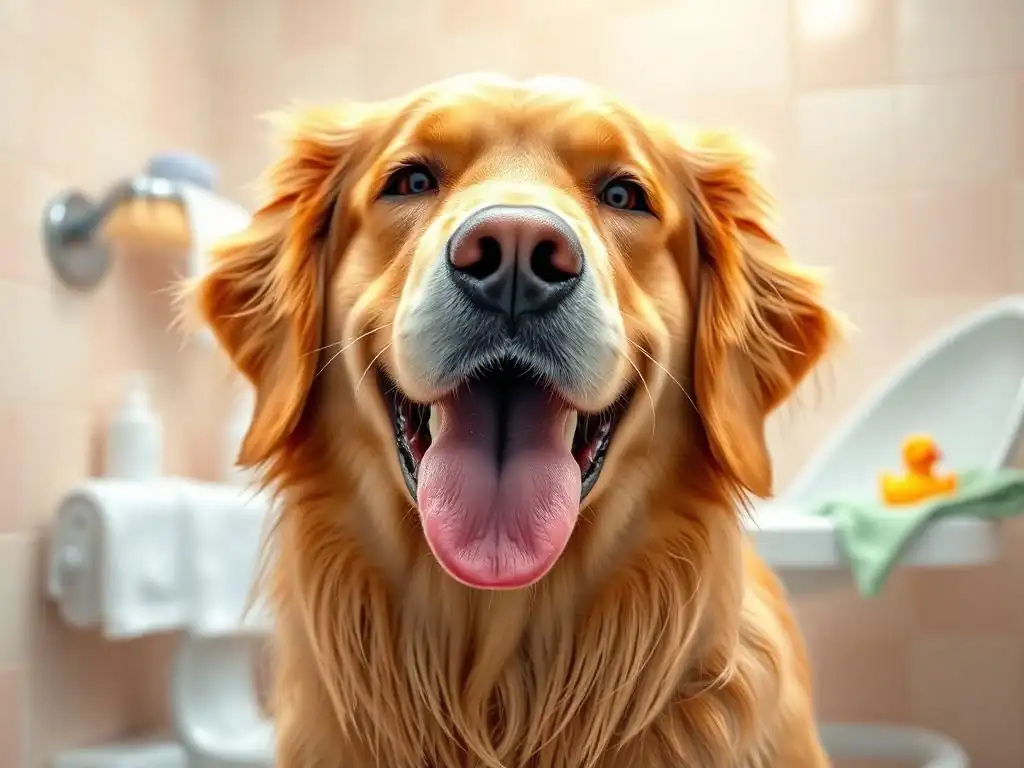
Welcome to PetCareWorld, your ultimate guide to a happier, healthier life for your beloved companion! Are you unsure about how often you should bathe your furry friend? Our Dog bathing frequency guide will answer that question and more, revealing the secrets to maintaining a clean, comfortable, and healthy coat for your canine companion. Discover the perfect bathing schedule to avoid over-bathing and understand the crucial role of proper grooming in your dog's overall well-being. Dive in and unlock the knowledge you need to keep your dog sparkling clean and feeling their best!
-
Understanding Your Dog's Bathing Needs: A Frequency Guide
- Determining the Ideal Bathing Schedule for Your Dog Breed
- Coat Type and Bathing Frequency: Short-haired vs. Long-haired Dogs
- Skin Sensitivity and Bathing Frequency: Identifying Potential Issues
- Lifestyle Factors Affecting Bathing Frequency: Active vs. Sedentary Dogs
- Coat Type and Grooming Needs: Short-haired vs. Long-haired Breeds
- How Often Should You Bathe Your Dog? A Comprehensive Breakdown
- Signs Your Dog Needs a Bath: Recognizing the Indicators
- The Right Way to Bathe Your Dog: A Step-by-Step Guide
- Potential Problems with Over-Bathing Your Dog: Risks and Consequences
- Alternatives to Frequent Bathing: Maintaining Cleanliness Without Daily Showers
- Frequently Asked Questions
- Final Reflection: The Ripple Effect of a Clean Canine
- Unlock Your Dog's Shinier, Healthier Coat: Take Action Today!
Understanding Your Dog's Bathing Needs: A Frequency Guide
Keeping your canine companion clean and healthy involves more than just occasional baths. The frequency of dog bathing is a crucial aspect of responsible pet ownership, impacting not only their hygiene but also the health of their skin and coat. This comprehensive guide delves into the intricacies of determining the ideal bathing schedule for your furry friend, considering factors such as breed, coat type, and skin sensitivity.
Understanding these nuances will empower you to provide the best possible care and prevent potential skin problems. We'll explore how often is too often, and how to strike the perfect balance between cleanliness and maintaining your dog's natural oils, ensuring a happy and healthy coat for years to come.
This guide aims to help you confidently navigate the world of dog bathing, providing you with the knowledge to create a personalized bathing routine tailored to your dog's specific needs. Let's dive in and discover the secrets to a perfectly clean and happy pup!
Determining the Ideal Bathing Schedule for Your Dog Breed
The breed of your dog significantly influences how often it needs a bath. Certain breeds, due to their coat type and activity levels, require more frequent bathing than others. For instance, breeds with thick double coats, like Huskies or Malamutes, generally need less frequent bathing to avoid stripping their coats of natural oils. Conversely, breeds with shorter, thinner coats, such as Greyhounds or Dobermans, might require slightly more frequent bathing to maintain cleanliness. However, it’s crucial to remember that breed is just one factor; individual variations within breeds exist. Consider these examples:
| Breed | Approximate Bathing Frequency | Notes |
|---|---|---|
| Golden Retriever | Every 6-8 weeks | Prone to shedding, regular brushing is crucial. |
| German Shepherd | Every 8-12 weeks | Moderate shedding, regular brushing helps manage loose hair. |
| Poodle | Every 4-6 weeks | Requires regular grooming to prevent matting, even with less frequent baths. |
| Chihuahua | Every 8-12 weeks | Short coat, less prone to dirt buildup. |
Remember, these are approximations. Always observe your dog's individual needs and adjust the bathing frequency accordingly. A dog that spends a lot of time outdoors playing in mud will naturally require more frequent baths than a dog that primarily stays indoors.
Coat Type and Bathing Frequency: Short-haired vs. Long-haired Dogs
The length and texture of your dog's coat dramatically impact its bathing needs. Short-haired dogs generally require less frequent bathing than their long-haired counterparts. Their coats are less likely to trap dirt and debris, and they tend to shed less. Long-haired dogs, however, need more frequent baths to prevent matting and tangles.
Their longer coats can easily trap dirt, allergens, and other irritants, leading to skin problems if not cleaned regularly. Furthermore, the type of coat also matters. A wiry coat, like a Terrier's, may require less frequent washing than a silky coat, such as a Yorkshire Terrier's, which is more prone to tangling.
Consider these additional factors: Regular brushing is vital for both short-haired and long-haired dogs, reducing the need for frequent bathing by removing loose hair and dirt. For long-haired breeds, detangling before bathing is essential to prevent painful pulling and matting. The use of high-quality dog shampoos and conditioners designed for their specific coat type is also crucial.
Skin Sensitivity and Bathing Frequency: Identifying Potential Issues
Some dogs have sensitive skin, prone to allergies, irritations, or other skin conditions. For these dogs, overly frequent bathing can strip away essential oils, leading to dryness, itching, and even skin infections. If your dog exhibits signs of skin sensitivity, such as excessive scratching, redness, or flaking skin, it's crucial to consult a veterinarian. They can help identify any underlying issues and recommend an appropriate bathing schedule and products to minimize irritation. Over-bathing can exacerbate existing skin problems, so a less frequent, gentler approach is usually best for dogs with sensitive skin.
Using hypoallergenic shampoos and conditioners formulated for sensitive skin is also vital. Pay close attention to your dog's reaction to each bath, noting any changes in their skin or coat. If you observe any negative reactions, adjust the frequency and/or products accordingly. Always prioritize your dog's comfort and well-being. 🐶
Lifestyle Factors Affecting Bathing Frequency: Active vs. Sedentary Dogs
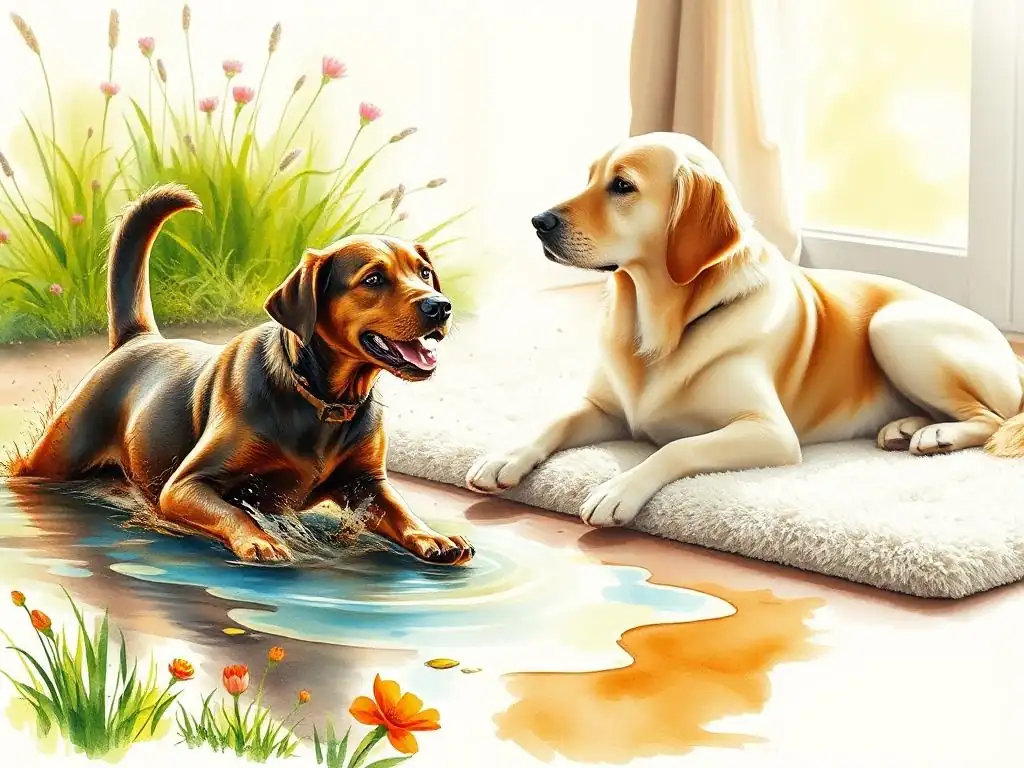
A dog's lifestyle significantly impacts how often it needs a bath. Highly active dogs, especially those who enjoy rolling in mud, playing in the park, or frequenting beaches, accumulate dirt and debris much faster than their sedentary counterparts. These adventurous pups may require bathing every 2-4 weeks, or even more frequently depending on their adventures. Consider a muddy romp in the woods—a bath is almost certainly necessary afterward! Think of the sheer amount of dirt, leaves, and potentially even burrs that can cling to their fur.
Regular bathing helps prevent these elements from irritating their skin and causing discomfort. Conversely, a dog who spends most of its time indoors, on a couch or bed, will likely require less frequent bathing. For these indoor-dwelling dogs, a monthly bath, or even every six to eight weeks, might be sufficient to maintain cleanliness and a healthy coat. However, even indoor dogs benefit from occasional baths to remove dead skin cells and oils, preventing skin issues and promoting a healthy coat.
The key is observation; if your dog starts to smell or their coat looks dull, even an indoor dog might need a bath sooner than expected. This highlights the importance of regularly checking your dog's coat and adjusting bath frequency accordingly, regardless of their lifestyle. Remember, always use a dog-specific shampoo to avoid skin irritation. 🐶
Coat Type and Grooming Needs: Short-haired vs. Long-haired Breeds
The length and type of your dog's coat drastically influences how often it needs a bath. Short-haired breeds, such as Labradors or Boxers, generally require less frequent bathing than long-haired breeds like Golden Retrievers or Shih Tzus. Short hair doesn't trap as much dirt or debris, and it dries more quickly after a bath, reducing the risk of skin issues. However, even short-haired dogs benefit from regular bathing to remove excess oils and dirt.
Long-haired breeds, on the other hand, are more prone to matting and tangling, requiring more frequent grooming and, consequently, more frequent baths. Their longer coats trap more dirt, allergens, and dead skin cells, necessitating more frequent cleaning to prevent skin problems and keep their coat healthy and shiny. Regular brushing is crucial for long-haired dogs, minimizing the need for frequent baths, but occasional baths are still essential to maintain cleanliness.
Furthermore, certain coat types, like those prone to matting, may necessitate professional grooming services in addition to regular home bathing. Always consult with a professional groomer to determine the best bathing and grooming schedule for your specific breed and coat type. 🐾
How Often Should You Bathe Your Dog? A Comprehensive Breakdown
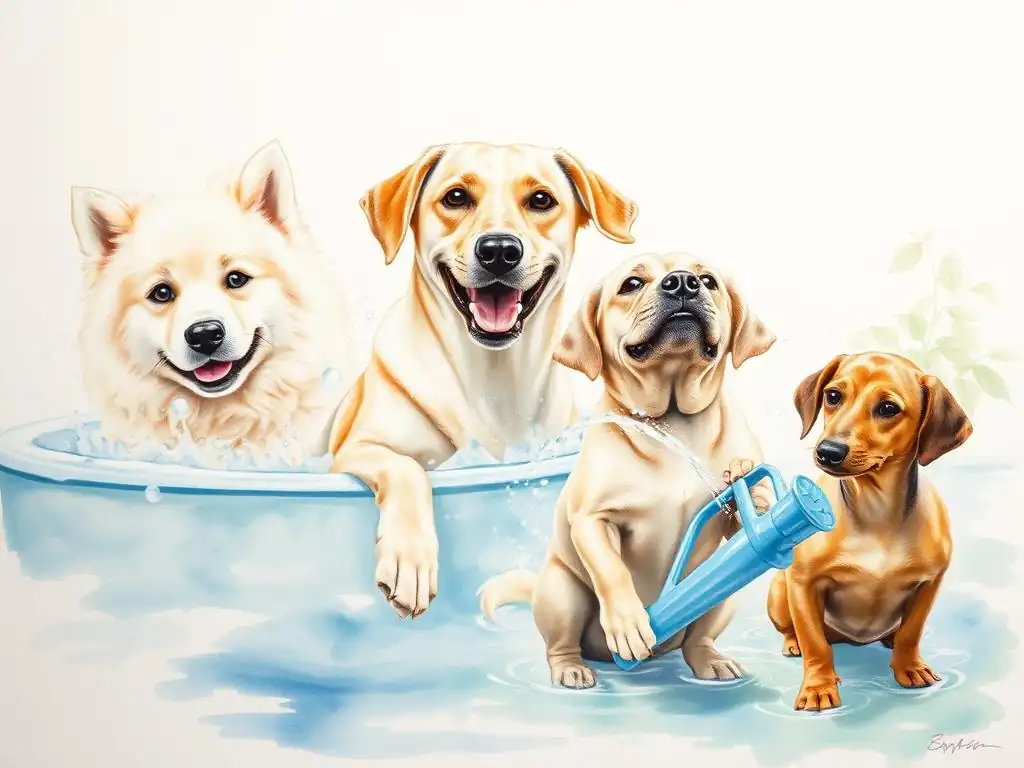
This section delves into the optimal bathing frequency for dogs, considering various factors like breed, coat type, lifestyle, and age. Finding the right balance is crucial for maintaining your dog's healthy skin and coat, while avoiding over-bathing, which can strip away essential oils and lead to skin irritation. This dog bathing frequency guide will help you determine the perfect schedule for your furry friend. Remember, consistency is key – establishing a routine early on will make bath time easier for both you and your dog.
Bathing Frequency for Puppies: Establishing Healthy Habits Early On
Puppies, with their playful nature and tendency to get into messes, might seem like they need frequent baths. However, over-bathing a puppy can be detrimental to their developing skin and coat. Their skin is more sensitive than that of an adult dog, and frequent washing can disrupt their natural oil balance, leading to dryness, itching, and even skin infections.
Generally, puppies under six months old should only be bathed every 4 to 8 weeks, unless they've rolled in something particularly foul. Focus instead on spot cleaning any dirty areas with a damp cloth. Use a mild, puppy-specific shampoo to avoid harsh chemicals that could irritate their delicate skin. Introduce bath time gradually, making it a positive experience with treats and praise to prevent future anxieties. Remember to thoroughly rinse all shampoo to avoid residue that can cause skin problems. A good quality conditioner can also help maintain the puppy's coat health.
Bathing Frequency for Adult Dogs: Maintaining Cleanliness and Health
The bathing frequency for adult dogs depends heavily on their breed, coat type, and lifestyle. Dogs with short, smooth coats, like Labradors or Greyhounds, generally require less frequent bathing than those with long, thick coats, such as Golden Retrievers or Huskies. Similarly, an active dog who frequently rolls in mud or spends time outdoors will likely need more baths than an indoor dog.
As a general guideline, most adult dogs benefit from bathing every 4 to 8 weeks. However, this is just a starting point. Observe your dog's coat and skin. If it looks dull, feels greasy, or has an unpleasant odor, it might be time for a bath.
Conversely, if their skin appears dry or flaky, you may be bathing them too often. Always use a dog-specific shampoo formulated for their coat type to prevent skin issues. Consider using a conditioner to keep the coat soft and shiny. Regular brushing between baths helps remove loose hair and dirt, reducing the need for frequent washing.
Bathing Frequency for Senior Dogs: Considerations for Aging Skin
Senior dogs often experience changes in their skin and coat, making appropriate bathing frequency even more critical. Their skin becomes thinner and drier with age, making them more susceptible to irritation and dryness from frequent washing. Furthermore, senior dogs may have underlying health conditions affecting their skin, such as allergies or infections.
For senior dogs, bathing every 8 to 12 weeks is usually sufficient, unless there's a specific need. Use a gentle, moisturizing shampoo specifically designed for sensitive skin. Avoid hot water, which can further dry out their skin. A lukewarm bath with a thorough rinse is ideal. Consider using a dog-specific conditioner to help maintain coat hydration and reduce dryness. Regularly checking their skin for any signs of irritation, dryness, or infection is crucial. If you notice any abnormalities, consult your veterinarian. Remember, a senior dog's comfort and health should always be prioritized.
Seasonal Adjustments to Bathing Frequency: Summer vs. Winter Care
The ideal dog bathing frequency isn't static; it's significantly influenced by the season. During the summer months, increased outdoor activity and exposure to dirt, pollen, and other environmental allergens often necessitate more frequent bathing. A weekly bath might be necessary for dogs who spend considerable time playing in parks, swimming in lakes or oceans, or rolling around in mud.
However, it's crucial to use a gentle, dog-specific shampoo and conditioner to avoid stripping their coat of its natural oils, which are especially important during warmer weather to protect their skin from sun damage and dryness. Over-bathing in summer can lead to dry, itchy skin, so always prioritize a balanced approach. Remember to rinse thoroughly to prevent shampoo residue from irritating their skin.
In contrast, winter bathing should be approached more cautiously. While your dog might still get dirty, less frequent bathing is often sufficient. The cold weather can dry out your dog's skin more readily, and frequent bathing can exacerbate this issue, leading to discomfort and potentially skin problems. For dogs with thick coats, bathing every 2-3 months might be sufficient unless they encounter exceptionally muddy conditions.
Consider using a moisturizing shampoo during winter to counteract the drying effects of cold air and infrequent bathing. Always ensure your dog is thoroughly dried after a bath in winter to prevent hypothermia, especially for smaller breeds or those with short coats. A warm towel dry followed by a warm room to finish drying is recommended.
Remember, a dry dog is a happy and healthy dog, especially during the colder months. The key is to find the right balance, adjusting the bathing frequency based on your dog's individual needs and the prevailing weather conditions. Observe your dog's skin and coat for any signs of dryness, itchiness, or irritation to guide your decisions.
Signs Your Dog Needs a Bath: Recognizing the Indicators
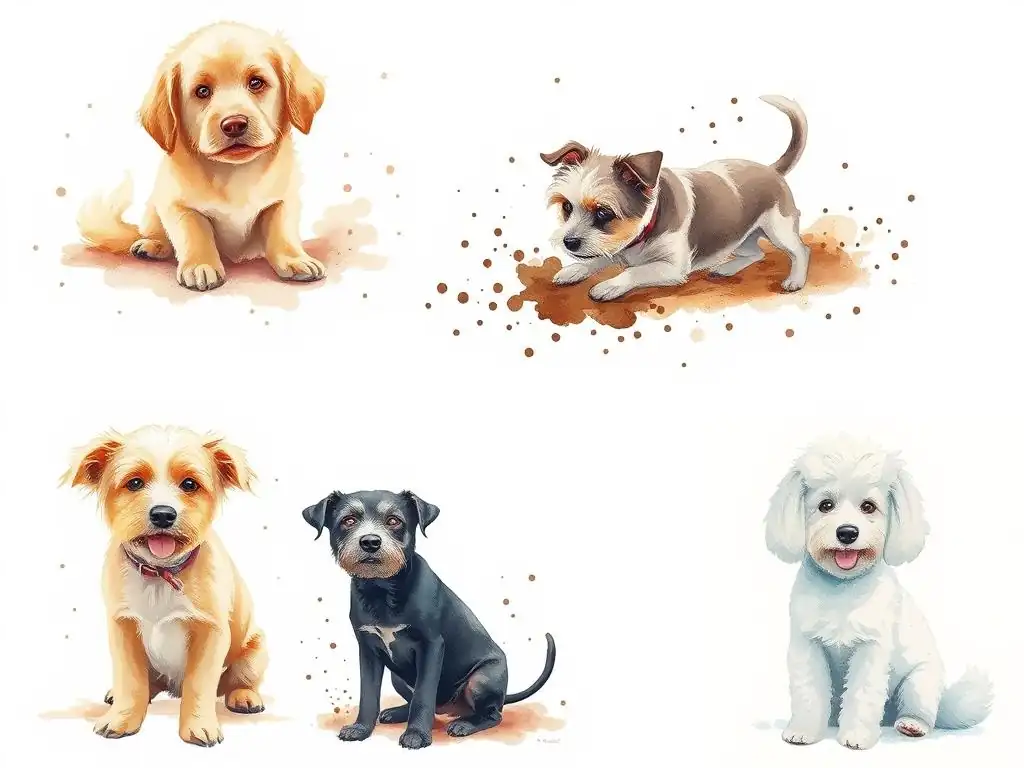
This section helps you identify when your canine companion requires a bath, focusing on key indicators that go beyond just a "dirty dog" appearance. Regular bathing is crucial for maintaining your dog's coat health and overall well-being, but over-bathing can be detrimental. This guide provides a balanced perspective, enabling you to determine the optimal bathing frequency for your furry friend. Remember, the ideal dog bathing frequency guide depends heavily on breed, lifestyle, and coat type.
Excessive Shedding and Matting: A Clear Sign of Neglected Grooming
Excessive shedding and matting are strong indicators that your dog needs a bath. Shedding is a natural process, but an unusually high amount of hair loss, coupled with matting, suggests a build-up of dirt, oils, and dead skin cells. These accumulations trap moisture, promoting bacterial growth and skin irritation. For instance, a long-haired breed like a Golden Retriever might require more frequent bathing if shedding becomes excessive, forming unsightly mats. Regular bathing helps to remove loose hair, reducing shedding and preventing matting.
You can also use a de-shedding tool to help manage the shedding between baths. Ignoring these signs can lead to skin problems, discomfort for your dog, and potentially costly vet visits. A well-timed bath can significantly alleviate these issues. Consider the severity of the matting; minor tangles might be manageable with brushing, but severe matting necessitates a bath and potentially professional grooming.
Unpleasant Odor: When a Bath Becomes Necessary
A noticeable unpleasant odor emanating from your dog is another clear sign that a bath is overdue. While dogs naturally have a certain scent, a strong, persistent odor indicates a build-up of dirt, bacteria, or other substances on their coat and skin. This unpleasant smell often accompanies excessive shedding and matting.
The odor might be musky, sour, or even fishy depending on the cause. For example, a dog that frequently rolls in mud or other unpleasant substances will require more frequent bathing to eliminate the lingering odor. Similarly, a dog with a skin condition may have a distinct odor.
Addressing the underlying cause of the odor is crucial. A simple bath might suffice for a muddy dog, but a dog with a persistent odor may require veterinary attention to rule out underlying medical issues. Always prioritize identifying and addressing the root cause of the odor to ensure your dog's health and well-being.
Visible Dirt and Debris: Maintaining a Clean Coat
Visible dirt and debris on your dog's coat are an obvious indication that a bath is needed. This isn't just about aesthetics; leaving dirt and debris on the coat can irritate the skin and lead to various health problems. Consider the type of dirt involved: mud, grass stains, or even something more concerning like burrs or other foreign objects. A dog that spends time outdoors, particularly in muddy or dusty environments, will inevitably accumulate more dirt and require more frequent bathing.
Regular bathing helps to remove these contaminants, preventing skin irritation and maintaining a healthy coat. However, remember to use a dog-specific shampoo and conditioner to avoid damaging your dog's skin and coat. The frequency of bathing based on visible dirt should always be balanced with the other factors mentioned above. A balanced approach ensures a clean, healthy, and happy dog.
The Right Way to Bathe Your Dog: A Step-by-Step Guide
This section provides a detailed, practical guide to bathing your canine companion, ensuring a positive and effective experience for both you and your furry friend. Following these steps will help maintain your dog's coat health and minimize stress during bath time. This is crucial for implementing a healthy dog bathing frequency routine.
Preparing Your Dog for a Bath: Creating a Relaxing Environment
Before you even think about getting the shampoo out, setting the right mood is paramount. A stressed dog is more likely to resist bath time, leading to a chaotic and unpleasant experience. Here's how to create a calming atmosphere:
- Choose the right location: Opt for a warm, well-lit bathroom with a non-slip surface. A bathtub is ideal, but a large sink or even a shower stall can work for smaller breeds.
- Gather your supplies: Have everything ready before you start – shampoo, conditioner (if needed), towels, a cup or jug for rinsing, treats, and any other tools you might need (like a detangling brush). This minimizes interruptions and keeps your dog calm.
- Introduce positive associations: Before bath time, spend some time playing with your dog in the bathroom. Give them treats and praise to create positive associations with the space. Consider using calming music or white noise to further reduce anxiety.
- Brush your dog thoroughly: This removes loose hair, mats, and dirt, making the bathing process more efficient and less stressful. Pay special attention to areas prone to matting.
- Protect your dog's ears: Use cotton balls or ear plugs to prevent water from entering your dog's ears, which can lead to infections.
Choosing the Right Shampoo and Conditioner for Your Dog
Selecting the appropriate shampoo and conditioner is essential for maintaining your dog's coat health. Using human products can strip your dog's coat of its natural oils, leading to dryness, irritation, and even skin problems.
- Consider your dog's coat type: Different shampoos are formulated for different coat types. Short-haired breeds may need a different formula than long-haired breeds or dogs with sensitive skin. Look for shampoos specifically designed for dogs with sensitive skin if your dog has allergies or skin irritations.
- Read the label carefully: Check for ingredients and ensure the shampoo is pH-balanced for dogs. Avoid shampoos containing harsh chemicals, artificial fragrances, or dyes. Opt for natural and organic options whenever possible.
- Consider adding a conditioner: Conditioner helps to detangle, soften, and moisturize your dog's coat, particularly beneficial for long-haired breeds. It can help prevent mats and make brushing easier.
- Consult your veterinarian: If your dog has any skin conditions or allergies, consult your veterinarian before choosing a shampoo and conditioner. They can recommend products specifically formulated to address your dog's unique needs. This is especially important when establishing your dog bathing frequency.
The Bathing Process: A Detailed Step-by-Step Approach
With your preparations complete, it's time for the bath itself. Remember, patience and positive reinforcement are key!
- Wet your dog's coat thoroughly: Use lukewarm water, avoiding hot water which can scald your dog. Start from the neck down, avoiding the face and ears.
- Apply shampoo: Work the shampoo into a lather, massaging it gently into your dog's coat. Pay attention to areas prone to dirt and odor, such as the paws, tail, and underbelly.
- Rinse thoroughly: Thoroughly rinse all the shampoo from your dog's coat. Any remaining shampoo can irritate the skin. Use plenty of lukewarm water.
- Apply conditioner (if using): Follow the instructions on the conditioner bottle. Let it sit for a few minutes before rinsing.
- Rinse again: Ensure all the conditioner is rinsed out to avoid leaving any residue.
- Towel dry: Gently towel dry your dog's coat. For long-haired breeds, you might need to use a hairdryer on a low, cool setting. Avoid using a hot hairdryer, as this can burn your dog's skin.
- Reward your dog: Give your dog plenty of praise and treats throughout the process and especially at the end. This positive reinforcement will make future bath times much easier.
Remember, the optimal dog bathing frequency depends on your dog's breed, coat type, and lifestyle. While this guide provides a comprehensive approach, always prioritize your dog's comfort and well-being. Regular brushing between baths can help reduce the need for frequent washing. 🐶
Drying Your Dog Properly: Preventing Skin Irritation
Thoroughly drying your dog after a bath is crucial, not just for comfort but also for preventing skin irritation and potential health problems. Damp fur provides a breeding ground for bacteria and yeast, leading to skin infections, especially in dogs with sensitive skin or allergies. Leaving your dog wet can also cause chilling, potentially leading to illness. Therefore, a proper drying process is an essential part of a successful bath.
Several methods exist for drying your dog effectively. Towel drying is a good starting point. Use a large, absorbent towel and gently but thoroughly rub your dog's coat, working from the head to the tail. Pay special attention to areas prone to moisture retention, such as the ears, paws, and underbelly. For long-haired breeds, this might require considerable time and effort. However, simply towel-drying might not be sufficient for complete dryness, especially in larger breeds or during colder months.
For a faster and more thorough drying, consider using a hairdryer. However, it's vital to use a hairdryer specifically designed for pets, on a low heat setting, and to keep it at a safe distance from your dog's skin to avoid burning. Always check the temperature of the air with your hand before directing it at your dog. Some dogs may be initially apprehensive about the hairdryer, so start slowly and reward them with treats to create a positive association. A high-velocity, low-heat pet dryer can be a significant time-saver.
Another option, particularly for breeds prone to matting, is to use a forced-air dryer. These dryers are more powerful than standard hair dryers and can significantly reduce drying time. However, they are typically more expensive and require careful use to avoid frightening or injuring your pet. It is crucial to maintain a safe distance and monitor your dog's reaction closely. Always prioritize your dog's comfort and safety.
No matter which method you choose, remember that patience is key. Rushing the drying process can lead to stress for your dog and leave their coat damp, increasing the risk of skin problems. Take your time, and ensure your dog is completely dry before letting them back into their usual environment. Regular brushing after drying can also help distribute natural oils and prevent matting. A well-dried dog is a happy and healthy dog, minimizing the chances of developing skin irritations or infections. 🐶
Potential Problems with Over-Bathing Your Dog: Risks and Consequences
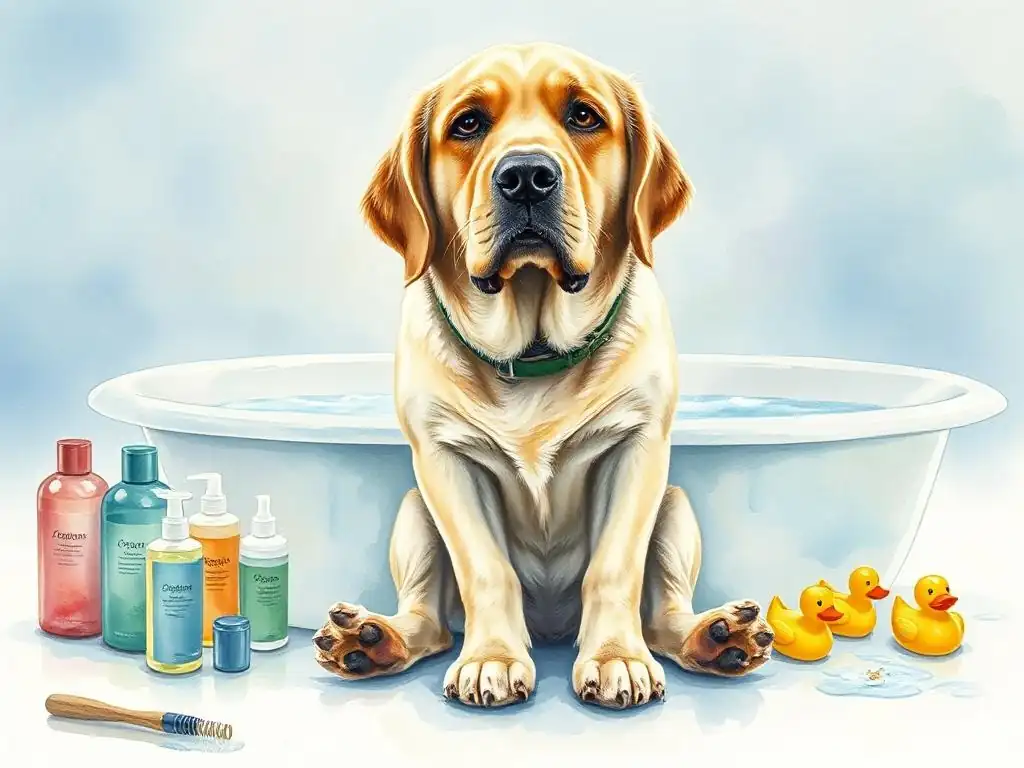
Over-bathing your canine companion, while seemingly harmless, can lead to a range of detrimental effects on their skin and coat health. A dog bathing frequency guide should emphasize moderation, as too frequent washing strips away essential oils and compromises their natural defenses. This section delves into the specific risks associated with excessive bathing, offering insights into maintaining your dog's optimal well-being. Remember, a healthy, balanced approach to hygiene is key to a happy and healthy dog.
Dry Skin and Itchiness: The Dangers of Excessive Washing
Excessive washing removes the natural oils (sebum) that keep your dog's skin hydrated and protected. This leads to dry, flaky skin, which is incredibly uncomfortable and can trigger intense itching. Imagine the discomfort of having constantly dry, irritated skin – your dog experiences this too! This dryness can pave the way for secondary infections, further complicating the issue and requiring more extensive veterinary care.
The frequency of bathing should be adjusted based on your dog's breed, coat type, and overall skin sensitivity. For instance, dogs with short, fine coats require less frequent bathing than those with thick, double coats. 🐕🦺
The severity of dry skin and itchiness can range from mild discomfort to severe inflammation. Symptoms can include excessive scratching, licking, biting at the skin, redness, and even hot spots – painful, inflamed areas of skin. In severe cases, your dog may develop a secondary bacterial or yeast infection, requiring antibiotic or antifungal treatment prescribed by your veterinarian. Regularly inspecting your dog's skin for dryness, redness, or irritation is crucial, especially after bathing. Early detection allows for prompt intervention and prevents the problem from escalating.
Damage to the Protective Coat: Maintaining a Healthy Hair Coat
Your dog's coat serves as a protective barrier against environmental elements and parasites. Frequent bathing strips away not only natural oils but also the protective outer layer of the hair shaft, leaving the coat dull, brittle, and prone to damage. This can lead to increased susceptibility to environmental irritants, such as pollen and dust, exacerbating allergies and skin sensitivities. A well-maintained coat is essential for your dog's overall health and comfort.
Think of it like constantly washing your own hair with harsh detergents – eventually, it will become dry, damaged, and prone to breakage. The same principle applies to your dog's coat. A dog bathing frequency guide should emphasize the importance of using gentle, pH-balanced shampoos specifically formulated for dogs.
Regular brushing plays a critical role in maintaining a healthy coat. Brushing helps to distribute natural oils, remove loose hair, and prevent matting. It also allows you to detect early signs of skin problems, such as dryness, irritation, or parasites. By combining proper brushing techniques with a balanced bathing schedule, you can significantly improve the health and appearance of your dog's coat. A healthy coat is resilient, shiny, and free from excessive shedding or breakage.
Disruption of Skin's Natural Oils: Maintaining Skin Balance
The skin's natural oils, or sebum, play a crucial role in maintaining its pH balance and protecting it from harmful bacteria and fungi. Over-bathing disrupts this delicate balance, making your dog's skin more vulnerable to infections. This can manifest as skin irritations, redness, inflammation, and unpleasant odors.
Maintaining the skin's natural oil balance is essential for preventing these problems. A dog bathing frequency guide should highlight the importance of using a mild, moisturizing shampoo to minimize the disruption of the skin's natural oils. Consider the potential consequences of over-washing: a compromised immune system, increased susceptibility to infections, and persistent skin irritations.
The frequency of bathing should be tailored to your dog's individual needs. Some dogs may only need bathing every few months, while others may require more frequent baths, perhaps every 4-6 weeks. Consult with your veterinarian to determine the optimal bathing schedule for your dog, taking into consideration their breed, coat type, and any underlying skin conditions.
Regular veterinary check-ups are essential for monitoring your dog's skin health and addressing any concerns promptly. Remember, a healthy skin barrier is crucial for preventing infections and maintaining your dog's overall well-being. A balanced approach to hygiene, coupled with regular veterinary care, is the key to keeping your canine companion happy and healthy.
Alternatives to Frequent Bathing: Maintaining Cleanliness Without Daily Showers
Frequent bathing can strip your dog's coat of its natural oils, leading to dry skin, irritation, and even more serious skin conditions. Therefore, finding alternatives to daily showers is crucial for maintaining your canine companion's health and a shiny, healthy coat. This section explores effective methods to keep your dog clean without resorting to frequent baths, addressing the needs of various coat types and breeds. A well-structured dog bathing frequency guide should always include these options.
Regular Brushing and Grooming: Keeping Your Dog's Coat Clean
Regular brushing is arguably the most important aspect of maintaining your dog's cleanliness between baths. The frequency depends heavily on your dog's breed and coat type. Long-haired breeds like Golden Retrievers or Yorkshire Terriers may require daily brushing to prevent matting and tangles, which can trap dirt and debris. Shorter-haired breeds, such as Labradors or Boxers, might only need brushing a few times a week.
Using the appropriate brush is also key. Slicker brushes are excellent for removing loose fur and undercoat, while bristle brushes help to distribute natural oils and add shine. Regular brushing not only removes dirt but also stimulates the skin, promoting healthy hair growth and reducing shedding. This proactive approach significantly reduces the need for frequent bathing. Remember, a well-groomed dog is a cleaner dog!
Spot Cleaning: Addressing Localized Dirt and Debris
Not every muddy paw print or accidental spill requires a full bath. Spot cleaning is a highly effective way to address localized dirt and debris without the need for complete immersion. For minor messes, a damp cloth or sponge can work wonders. Simply wipe away the dirt, paying attention to the affected area.
For tougher stains, consider using a pet-specific stain remover, always testing a small, inconspicuous area first to ensure it doesn't irritate your dog's skin. This targeted approach minimizes water usage and preserves your dog's natural oils. Think of it as a mini-spa treatment, focusing only on the areas that need attention!
Using Dry Shampoo for Dogs: A Convenient Alternative to Wet Baths
Dry shampoo for dogs is a game-changer for maintaining cleanliness between baths. These specialized products are designed to absorb dirt and oil without the need for water. Simply apply the dry shampoo to your dog's coat, massage it in, and then brush it out. The result is a cleaner, fresher-smelling coat without the hassle of a full bath. Dry shampoos are particularly beneficial for dogs with sensitive skin or those who dislike baths.
However, always choose a dry shampoo specifically formulated for dogs, as human products can be harmful. Always check the ingredients and make sure it’s safe for your pet. This is a fantastic addition to any dog bathing frequency guide for busy pet owners. 🐶
Remember, the ideal dog bathing frequency depends on several factors, including your dog's breed, coat type, activity level, and overall health. While this guide offers valuable alternatives to frequent bathing, always consult with your veterinarian if you have any concerns about your dog's skin or coat. A healthy, happy dog is a clean dog, and finding the right balance is key to maintaining both their well-being and a sparkling coat!
Frequently Asked Questions
How often should I bathe my dog?
The ideal bathing frequency depends on your dog's breed, coat type, and lifestyle. Generally, most dogs only need bathing every 4-8 weeks. More frequent baths can dry out their skin.
What if my dog gets really dirty between baths?
For spot cleaning, use a damp cloth to wipe away mud or other messes. Avoid frequent full body washes unless absolutely necessary. Over-bathing can strip their coat of natural oils.
What kind of shampoo should I use for my dog?
Always use a dog-specific shampoo, as human shampoos can be harsh on their skin. Look for shampoos formulated for your dog's specific coat type (e.g., sensitive skin, long hair).
My dog hates bath time! How can I make it easier?
Make bath time a positive experience with treats and praise. Use warm (not hot) water and a gentle approach. Consider using a non-slip mat in the tub.
Are there any signs I should watch for that indicate my dog needs a bath less often?
Look for signs of dry, flaky skin or excessive shedding. These could indicate you're bathing your dog too frequently. Consult your vet if you have concerns.
Final Reflection: The Ripple Effect of a Clean Canine
The health and happiness of our canine companions are intrinsically linked to their overall well-being, and a crucial element of this is maintaining proper hygiene. Ignoring the seemingly simple act of bathing can lead to a cascade of issues, from skin irritations and allergies to more serious infections. This guide has highlighted the importance of finding the right balance, avoiding both over-bathing and neglecting essential cleanliness.
The impact of responsible pet ownership extends far beyond the individual dog; it shapes our understanding of animal welfare and our relationship with the natural world. The greatness of a nation and its moral progress can be judged by the way its animals are treated.
- Mahatma Gandhi. This quote resonates deeply, reminding us that our care for our pets reflects our values and our commitment to a compassionate society. Understanding the nuances of dog bathing frequency is a small but significant step in fostering this responsible relationship.
Now, consider your own furry friend. Have you been inadvertently harming their delicate skin through excessive washing, or perhaps neglecting a crucial aspect of their health? Take a moment to reflect on your current bathing routine. Is it aligned with your dog's breed, coat type, and individual needs? Make a conscious effort to adjust your approach, ensuring your canine companion thrives in clean, healthy comfort. The journey towards responsible pet ownership is ongoing, and this guide serves as a stepping stone towards a happier, healthier life for both you and your beloved dog.
Unlock Your Dog's Shinier, Healthier Coat: Take Action Today!
Learning how to bathe your dog properly is key to their health and happiness. We hope this guide has given you the confidence to keep your canine companion clean and healthy. Ready to put this new knowledge into practice?
- Start by bathing your dog, keeping in mind the frequency recommendations from this article. Pay attention to how your dog reacts to different bathing schedules and adjust your routine accordingly for the best results.
- Share this helpful guide with other dog owners! Let's work together to promote happy, healthy canine hygiene.
- Experiment with a new, natural shampoo. You might be surprised by the positive impact on your dog's coat and skin. It's a simple change that could make a big difference.
Ready to see a noticeable improvement in your dog's coat? What's the first step you'll take based on what you've learned today?