
The Ultimate Dog Bathing Checklist: Everything You Need for Success

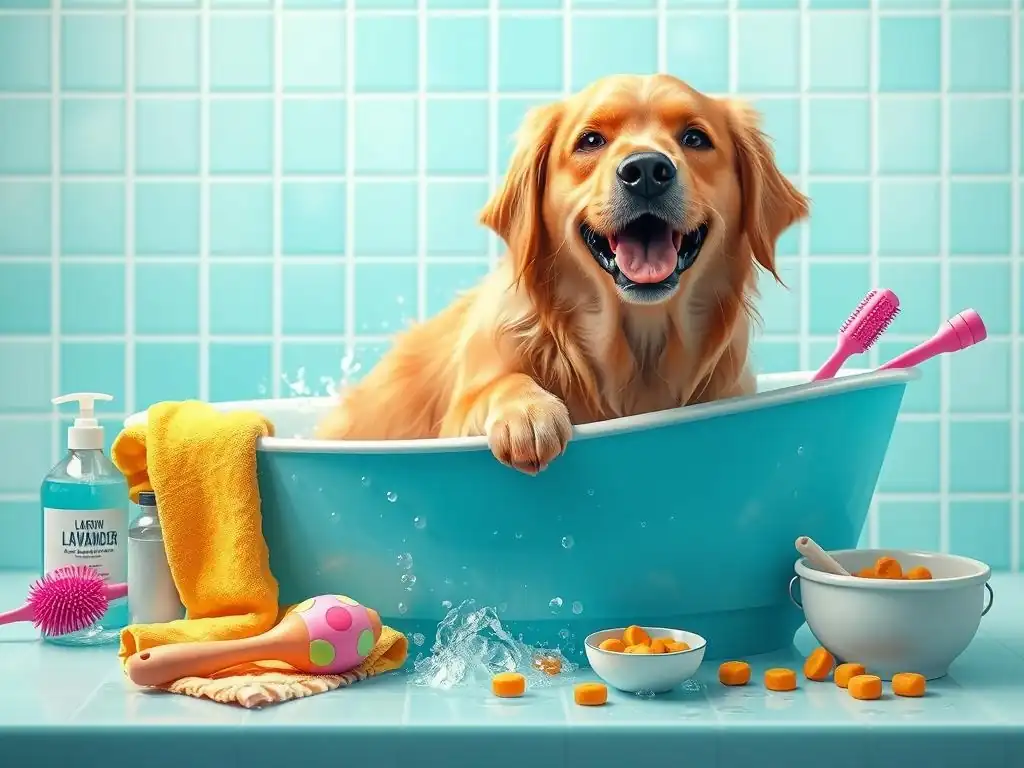
Welcome to PetCareWorld, your ultimate guide to a happier, healthier life for your beloved pets! Are you ready to transform bath time from a stressful ordeal into a bonding experience? Our comprehensive Dog Bathing Checklist: Supplies and Techniques will equip you with everything you need for a successful and enjoyable wash. Discover the secrets to a sparkling clean pup and avoid common bathing mistakes. Dive in and unlock the secrets to a stress-free bath time!
- Preparing for a Stress-Free Dog Bath: Your Essential Dog Bathing Checklist Supplies
- Setting the Stage for a Successful Dog Bath
- The Step-by-Step Dog Bathing Process: A Comprehensive Guide
- Post-Bath Care: Keeping Your Dog Comfortable and Clean
- Maintaining Your Dog's Hygiene Between Baths
- Troubleshooting Common Dog Bathing Challenges
- Frequently Asked Questions
- Final Reflection: The Joyful Ritual of a Sparkling Clean Canine
- Ready to Unleash Your Dog's Sparkling Smile?
Preparing for a Stress-Free Dog Bath: Your Essential Dog Bathing Checklist Supplies
Giving your furry friend a bath shouldn't be a stressful experience for either of you! A well-planned approach, using the right tools and techniques, transforms bath time from a dreaded chore into a bonding experience. This ultimate dog bathing checklist will guide you through everything you need for a successful and relaxing bath, ensuring your dog feels clean, comfortable, and happy. We'll cover essential supplies, shampoo selection, and pre-bath preparation, equipping you with the knowledge to make bath time a breeze.
This guide focuses on providing a comprehensive list of supplies needed, helping you effectively manage the process and ultimately achieve a sparkling clean pup. Remember, a happy, clean dog is a healthy dog! 🧼🐕
Gathering Your Dog Bathing Supplies: The Complete Checklist
Before you even think about turning on the tap, gather all your supplies. Having everything readily available prevents interruptions and keeps the bathing process smooth and efficient. This checklist ensures you don't forget anything crucial:
- Several large towels: You'll need at least two or three, depending on your dog's size and coat thickness. One for drying, one for soaking up excess water, and possibly a third for unexpected spills!
- Dog shampoo: Choose a shampoo formulated specifically for dogs. Human shampoos can be harsh and irritate their skin. Consider your dog's coat type (short, long, sensitive skin) when making your selection. (More on shampoo selection in the next section!)
- Dog conditioner (optional): Conditioner helps detangle and soften your dog's coat, especially beneficial for long-haired breeds.
- A non-slip bath mat: This prevents your dog from slipping and sliding, providing them with better stability and reducing anxiety.
- A gentle dog brush: Pre-bath brushing removes loose hair and mats, making the bathing process easier.
- A pitcher or cup: For rinsing your dog's coat thoroughly. Avoid using a forceful showerhead, as this can scare some dogs.
- Dog-safe ear cleaning solution (optional): If your dog's ears need cleaning, use a solution specifically designed for dogs. Never use cotton swabs inside their ears.
- Treats: Positive reinforcement is key! Reward your dog throughout the bath for good behavior.
- A comfortable, non-slip surface: Consider a rubber mat in your tub or shower.
Essential Dog Shampoo Selection: Choosing the Right Formula for Your Dog's Coat
Choosing the right shampoo is crucial for maintaining your dog's coat health and preventing skin irritation. Avoid human shampoos, as their pH levels differ significantly from those of a dog's skin. Here are some key factors to consider:
- Coat type: Different shampoos cater to different coat types. Long-haired dogs may need a detangling shampoo, while short-haired dogs might benefit from a simple, moisturizing formula. Dogs with sensitive skin require a hypoallergenic, fragrance-free option.
- Skin conditions: If your dog has any skin conditions like allergies or dryness, choose a shampoo specifically formulated to address those concerns. Consult your veterinarian for recommendations.
- Ingredients: Look for natural and gentle ingredients, avoiding harsh chemicals and artificial fragrances. Oatmeal-based shampoos are often soothing for sensitive skin.
- Scent: While some dogs enjoy fragrant shampoos, many prefer unscented options. Choose a scent that your dog tolerates well, or opt for an unscented formula to minimize the risk of irritation.
Pre-Bath Prep: Brushing Your Dog's Coat and Removing Mats
Before you even wet your dog, thorough brushing is essential. This step removes loose hair, dirt, and debris, preventing them from clogging up your drain and making the bath more effective. Brushing also helps to identify and address any mats or tangles, which can be painful for your dog.
- Use the appropriate brush: Select a brush suited to your dog's coat type. Long-haired breeds will need a slicker brush or a de-shedding tool, while short-haired breeds may only need a soft bristle brush.
- Be gentle: Avoid pulling or tugging on the fur, as this can be uncomfortable and even painful for your dog. Work slowly and methodically, paying attention to any particularly matted areas.
- Detangling mats: For stubborn mats, you may need to use a de-matting tool or even carefully cut them out with blunt-ended scissors. If you are unsure how to handle a mat, consult a professional groomer.
- Pre-bath brushing: This should be done before the bath, not during. Wet fur is more prone to matting, so remove all tangles before wetting your dog.
Setting the Stage for a Successful Dog Bath
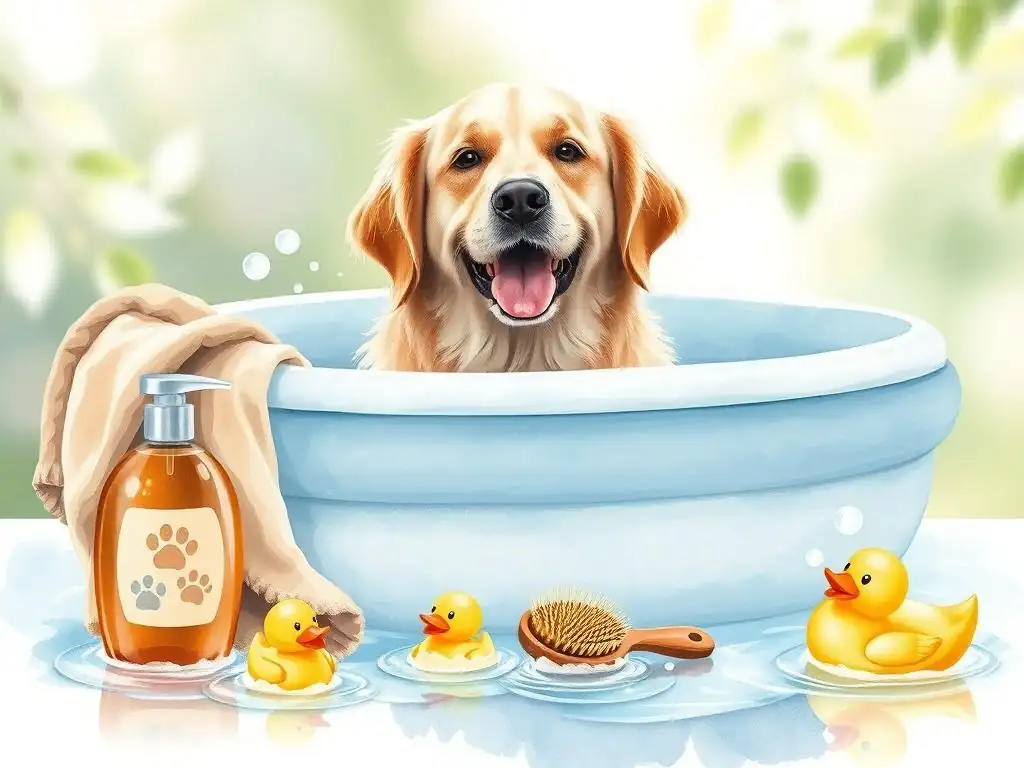
This section focuses on the crucial preliminary steps to ensure a stress-free and effective dog bath. Proper preparation is key to a positive experience for both you and your furry friend. Failing to adequately prepare can lead to a chaotic and ultimately unsuccessful bathing session. Remember, a calm and organized approach is essential for managing even the most energetic canine companions.
Let's dive into the specifics of setting the stage for a successful dog bath, focusing on location, setup, and temperature control. This will help you confidently tackle the task of bathing your dog and achieve a sparkling clean result while minimizing stress and maximizing enjoyment for both of you. This section will help you expertly check off the items on your Dog bathing checklist supplies.
Choosing the Right Location: Indoor vs. Outdoor Dog Bathing
The choice between an indoor or outdoor dog bath depends heavily on several factors. Consider your dog's size, temperament, and the weather conditions. Larger dogs might be easier to manage outdoors, especially if you have access to a hose with a spray nozzle. However, outdoor bathing is unsuitable in inclement weather, or if your dog dislikes getting wet in the open.
Indoor bathing offers more control over the environment. You can easily regulate the temperature and prevent your dog from running off mid-bath. However, indoor bathing requires more preparation, including protecting your bathroom floor and having sufficient towels readily available. For smaller dogs or those with anxiety, an indoor bath might be the more comfortable and controlled option. Ultimately, the best location depends on your specific circumstances and your dog's individual needs. Choosing the right location is a key component of your dog bathing checklist supplies strategy.
Preparing Your Bathing Area: Setting up for a Smooth Experience
Before you even think about wetting your dog, meticulously prepare your bathing area. This is where a well-thought-out dog bathing checklist supplies becomes invaluable. For indoor bathing, lay down absorbent towels or a waterproof mat to protect your floor from water damage. Gather all your supplies beforehand – shampoo, conditioner (if needed), towels, a non-slip mat for the tub or shower, a cup or jug for rinsing, and any grooming tools you might need (brush, detangling spray). Have everything within easy reach to avoid interrupting the bathing process.
Consider using a raised platform or non-slip mat inside the tub or shower to provide your dog with better footing and reduce anxiety. This step is particularly crucial for senior dogs or those with mobility issues. For outdoor bathing, ensure a level surface and have a readily available source of fresh water. A garden hose with a spray nozzle is ideal for rinsing, but remember to adjust the water pressure to avoid startling your dog. Preemptive planning drastically improves the efficiency and comfort of the dog bathing experience.
Temperature Control: Ensuring a Comfortable Water Temperature for Your Dog
The water temperature is paramount for a pleasant bathing experience. Water that's too hot can scald your dog, while water that's too cold can cause shivering and discomfort. The ideal water temperature should be lukewarm – similar to the temperature you'd use for bathing a baby. Test the water on your inner wrist before using it on your dog; if it feels comfortably warm to you, it should be suitable for them.
Never use scalding hot water, even if you're attempting to remove stubborn dirt. This can lead to burns and significant discomfort for your dog. Similarly, avoid using excessively cold water, especially in colder weather. The focus should always be on a gentle, comfortable temperature. This careful attention to temperature is another critical aspect of preparing your dog bathing checklist supplies and ensuring a positive bathing experience. Consistent temperature monitoring throughout the bath is essential for maintaining your dog's comfort and preventing any negative reactions.
The Step-by-Step Dog Bathing Process: A Comprehensive Guide
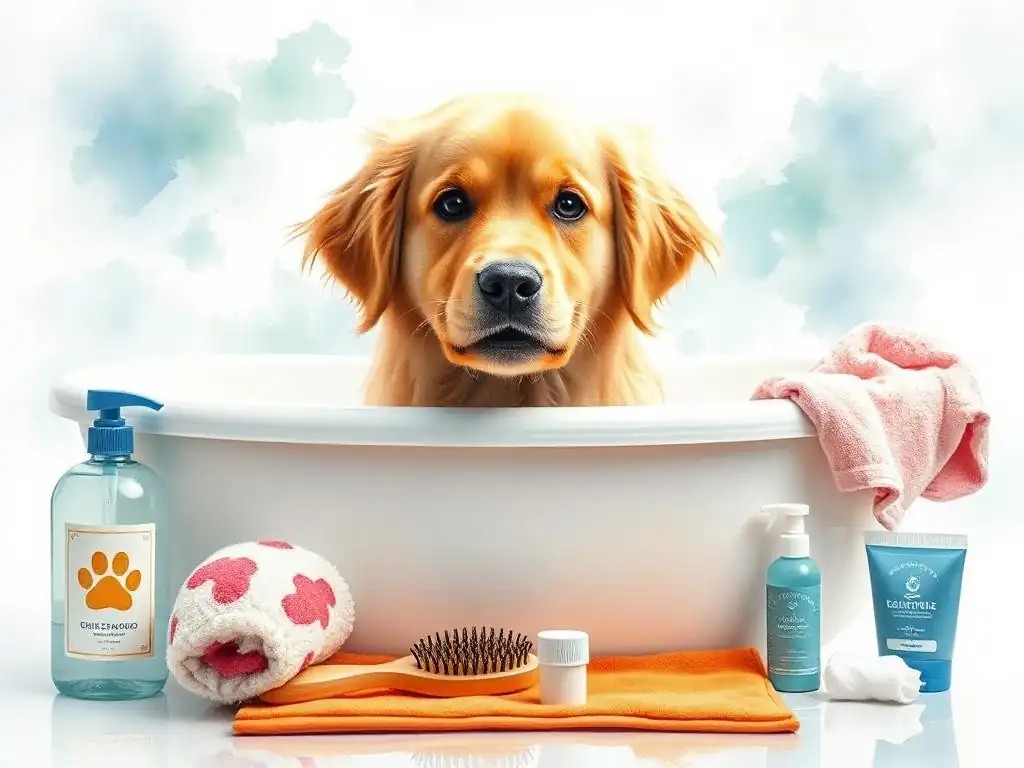
This section details the crucial steps involved in effectively bathing your canine companion. Following this checklist will ensure a positive and thorough cleaning experience for both you and your furry friend, minimizing stress and maximizing cleanliness. Remember, a well-executed bath contributes significantly to your dog's overall health and well-being. This guide focuses on the process itself, assuming you've already gathered the necessary supplies as outlined in the "Dog Bathing Checklist Supplies" section. Let's dive in!
Wetting Your Dog's Coat Thoroughly: Avoiding Hot Spots
Thoroughly wetting your dog's coat before applying shampoo is paramount. Insufficient wetting leads to uneven shampoo distribution, resulting in potential hot spots – areas of irritated skin due to concentrated shampoo residue. Aim for a complete saturation, paying particular attention to the areas often missed: under the legs, around the tail base, and behind the ears.
Use lukewarm water – never hot! Hot water can dry out your dog's skin and cause discomfort. A gentle spray from a shower head or a pitcher is ideal. For long-haired breeds, consider using a detangling spray beforehand to prevent matting and make the process smoother. Patience is key here; rushing this step will negate the benefits of the subsequent shampooing. A fully saturated coat ensures even cleaning and prevents harsh scrubbing, which can irritate sensitive skin. Think of it like pre-soaking dishes before washing – it makes the whole process much more efficient and effective.
Remember to avoid getting water directly in your dog's ears and eyes. Use a damp washcloth to gently clean these sensitive areas separately. Observe your dog's reaction; if they show signs of discomfort, adjust the water temperature or take more frequent breaks. A relaxed dog will make the whole bathing process much easier.
Applying Dog Shampoo: Techniques for Effective Cleaning
Once your dog's coat is thoroughly wet, it's time to apply the dog shampoo. Avoid using human shampoo, as its pH level is often too harsh for a dog's skin, potentially leading to dryness, irritation, and other skin problems. Opt for a shampoo specifically formulated for dogs, taking into account your dog's coat type (short, long, curly) and any specific skin conditions they might have.
Apply the shampoo directly to the coat, starting at the neck and working your way down. Massage the shampoo gently into the fur, creating a lather. Pay extra attention to areas prone to dirt and odor build-up, such as the paws, tail, and belly. Avoid rubbing too vigorously, as this can damage the hair and irritate the skin.
Instead, use a gentle massaging motion to work the shampoo through the coat. A good lather is key to ensuring effective cleaning and removing dirt, debris, and excess oil. The amount of shampoo needed will vary depending on your dog's size and coat thickness. Always follow the instructions on the shampoo bottle for the correct dilution ratio.
Rinsing Your Dog Thoroughly: Removing All Shampoo Residue
Thorough rinsing is just as important as applying the shampoo. Leaving shampoo residue on your dog's coat can cause irritation, dryness, and even skin infections. Use lukewarm water again and rinse thoroughly, ensuring that all traces of shampoo are removed. Pay close attention to the areas where you applied the most shampoo, such as the paws and belly, and also check under the legs and around the tail. You might need to rinse multiple times to ensure complete removal of the shampoo.
You can check for remaining shampoo by running your hand through the wet fur. If you feel any residue or if the water runs off looking sudsy, keep rinsing. A properly rinsed coat will feel smooth and clean to the touch, and the water will run off clearly. A final rinse with cool water can help close the hair follicles and leave your dog's coat feeling shiny and healthy.
Remember, patience is key to ensuring a complete and effective rinse. A thorough rinse will leave your dog feeling refreshed and comfortable, setting the stage for a healthy and happy post-bath experience. 🎉
Drying Your Dog: Techniques for a Quick and Comfortable Dry
Drying your dog thoroughly after a bath is crucial not only for their comfort but also for preventing skin issues and that unpleasant doggy odor. A damp dog is a breeding ground for bacteria, and lingering moisture can lead to irritation and even infections. The method you choose will depend on your dog's size, breed, and temperament.
There are several effective drying techniques you can employ. Towel drying is a great starting point, regardless of your dog's size. Use a large, absorbent towel – microfiber towels are excellent for their absorbency – and gently but thoroughly pat your dog dry. Avoid rubbing, as this can irritate their skin and make their coat more fluffy. Focus on getting as much water out as possible before moving on to other methods. For smaller dogs, this might be sufficient, especially if you've used a good quality dog shampoo that doesn't leave excessive residue.
For larger breeds, or if your dog has a thick, dense coat, towel drying alone might not be enough. A hairdryer can be a very effective tool, but it’s important to use it correctly. Use a low heat setting and keep the hairdryer moving constantly to prevent burning your dog's skin.
Maintain a safe distance, and always check the temperature of the air on your own hand before directing it towards your dog. Many dogs find the sound of a hairdryer unsettling, so start slowly and reward your dog with treats and praise to create a positive association. Consider using a specialized pet hairdryer that offers lower noise levels and features specifically designed for pet grooming.
Another option is to let your dog air dry, particularly on a warm, sunny day. This is a gentle and stress-free method, but it’s important to ensure your dog is in a safe, enclosed area to prevent them from running off and getting dirty again. Supervise them closely, especially if they are prone to shaking excessively and spreading water everywhere. Air drying is best suited for dogs with shorter coats and in warmer weather.
Finally, for particularly thick-coated breeds or those who are sensitive to the noise or heat of a hairdryer, consider using absorbent dog drying coats. These are designed to absorb excess water and help speed up the drying process. Simply place the coat on your wet dog after towel drying and let them wear it until they are mostly dry. This provides gentle warmth and helps to reduce drying time while minimizing stress.
Remember to always prioritize your dog's comfort and safety during the drying process. If your dog shows any signs of discomfort or stress, stop immediately and try a different method. A positive and calm approach will make bath time a much more enjoyable experience for both you and your furry friend. A well-dried dog is a happy dog! 🐶
Post-Bath Care: Keeping Your Dog Comfortable and Clean
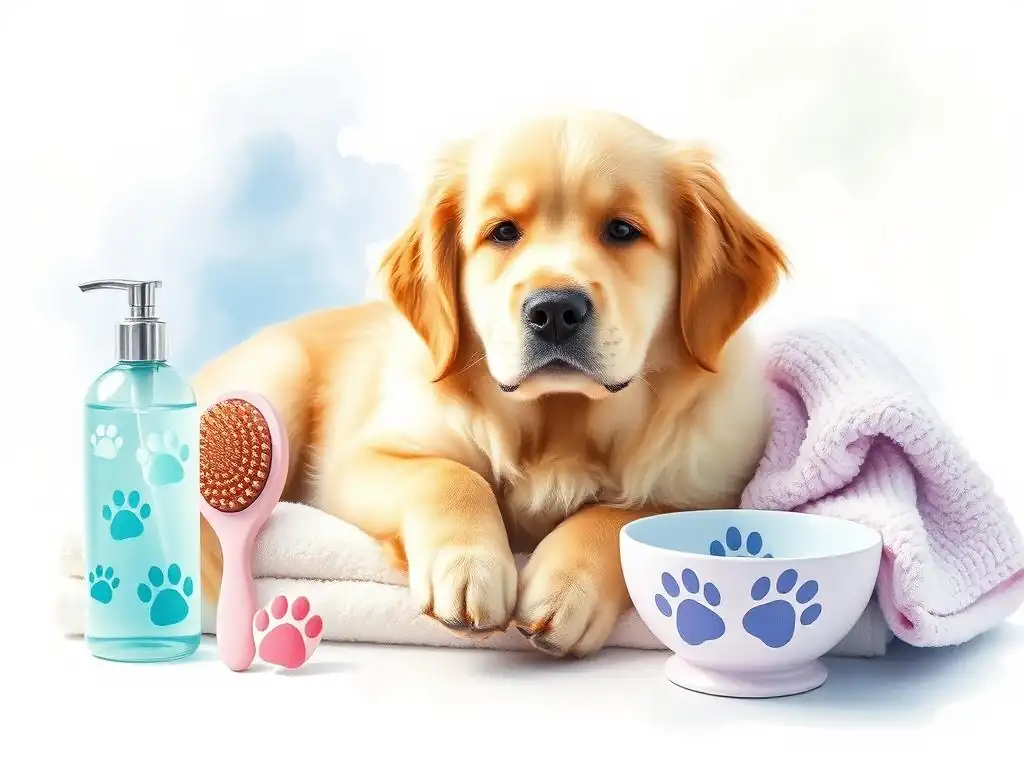
After the invigorating experience of a thorough bath, ensuring your canine companion's comfort and cleanliness is paramount. This post-bath routine is crucial not only for their immediate well-being but also for preventing skin issues and promoting a healthy coat. Proper post-bath care is a key component of responsible dog ownership, contributing significantly to their overall health and happiness. Let's delve into the specifics of this essential phase.
Brushing Your Dog's Coat After Bathing: Removing Excess Water and Tangles
Brushing your dog's coat after a bath serves multiple purposes. Firstly, it helps remove excess water, speeding up the drying process and preventing the development of that damp, chilly dog smell. Secondly, it helps to detangle their fur, preventing matting and promoting a healthy, shiny coat. The type of brush you use will depend on your dog's breed and coat type. For example, a short-haired dog might only need a soft bristle brush, while a long-haired dog might benefit from a combination of a slicker brush for removing mats and a wide-tooth comb for gently detangling.
Remember to be gentle, especially around sensitive areas. Start brushing at the tips of the hair and work your way up to the roots, avoiding pulling or tugging. This process not only improves their coat's appearance but also strengthens the bond between you and your furry friend. A well-brushed coat is a happy coat!
Consider incorporating a detangling spray if your dog has particularly thick or prone-to-tangling fur. This can make the process much smoother and less stressful for both of you. The frequency of brushing will vary depending on your dog's breed and coat, but aiming for at least once a week, and more frequently after a bath, is a good starting point.
Treating Your Dog's Ears: Preventing Infections
A bath can introduce moisture into your dog's ears, creating a breeding ground for bacteria and yeast, potentially leading to ear infections. Therefore, post-bath ear care is vital for maintaining their ear health. Gently clean your dog's ears using a soft, damp cloth or a cotton ball. Avoid using cotton swabs, which can push debris further into the ear canal. Only clean the visible outer ear; avoid inserting anything into the ear canal.
If you notice any unusual discharge, redness, odor, or excessive scratching at their ears, consult your veterinarian immediately. Early intervention is crucial in preventing serious ear infections. Regular ear cleaning, even outside of bath time, is a preventative measure that can significantly reduce the risk of these issues. For dogs with floppy ears, particularly prone to moisture buildup, this step is even more critical. Consider using a veterinarian-recommended ear cleaning solution if needed, but always follow the instructions carefully. This proactive approach to ear care is a significant part of responsible dog bathing and overall health maintenance.
Rewarding Your Dog: Positive Reinforcement for a Positive Experience
The entire bathing process, from preparation to post-bath care, should be a positive experience for your dog. Positive reinforcement plays a vital role in this. Throughout the process, offer praise, gentle encouragement, and treats to associate bath time with positive feelings. This approach helps build trust and makes future bathing sessions much easier.
Consider using high-value treats, those your dog particularly enjoys, to reinforce good behavior during and after the bath. The reward should be immediate and consistent, linking the treat directly to the positive action. This positive association is crucial for making bath time a less stressful experience. A happy, relaxed dog is much easier to manage, and this positive reinforcement strategy is a cornerstone of achieving that goal. Remember, patience and consistency are key to successfully implementing positive reinforcement techniques. The goal is not just a clean dog, but a happy and well-adjusted dog who enjoys the pampering experience.
Maintaining Your Dog's Hygiene Between Baths
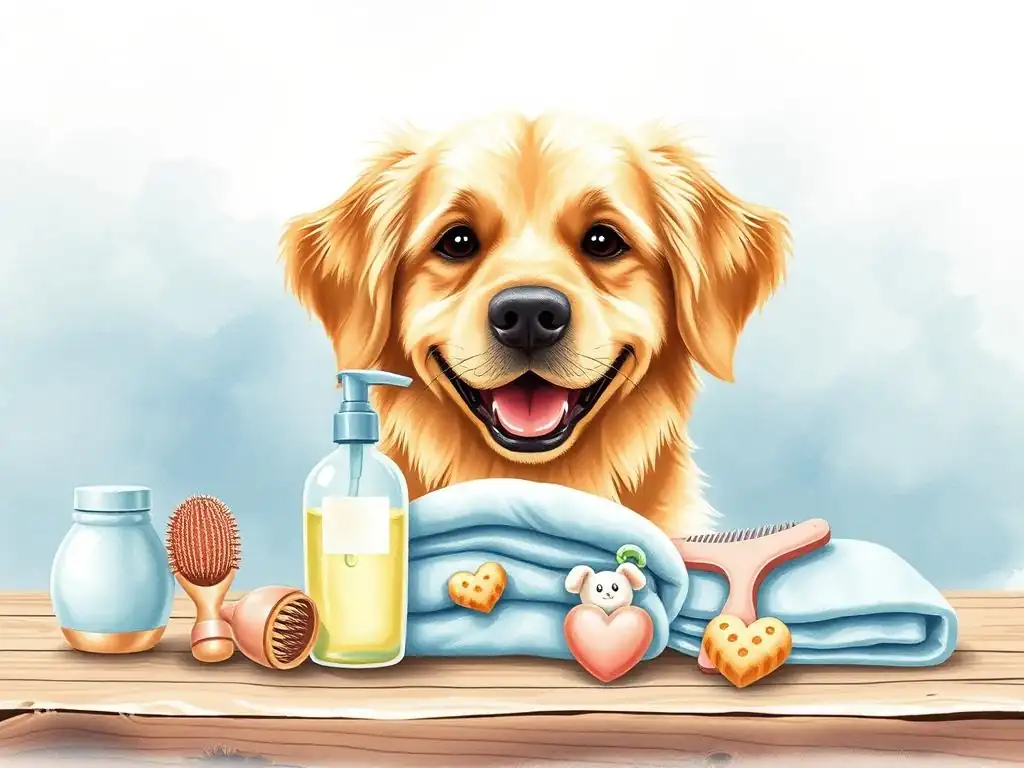
Maintaining your dog's hygiene between full baths is crucial for their overall health and well-being. Regular grooming significantly reduces the need for frequent bathing, preventing dry skin and minimizing the risk of skin irritations. A well-maintained coat is less likely to trap dirt, debris, and allergens, keeping your furry friend cleaner and happier for longer. This section focuses on practical strategies for keeping your dog clean and comfortable between professional or at-home baths.
Remember, proper hygiene is a key component of responsible dog ownership and contributes to a stronger bond between you and your canine companion. The right approach will minimize the need for frequent bathing, saving you time and resources while keeping your dog healthy. Let's explore effective methods for maintaining your dog's cleanliness between baths.
Regular Brushing: Keeping Your Dog's Coat Healthy and Clean
Regular brushing is the cornerstone of maintaining your dog's hygiene between baths. The frequency depends heavily on your dog's breed and coat type. Short-haired breeds may only need brushing once or twice a week, while long-haired breeds often require daily brushing to prevent matting and tangles. Using the appropriate brush is also essential; a slicker brush is ideal for short-haired dogs, while a pin brush or undercoat rake is better suited for long-haired breeds.
Brushing doesn't just remove loose hair and dirt; it also stimulates the skin, distributing natural oils and promoting a healthy, shiny coat. This process helps remove dead skin cells and prevents the buildup of dander, which is a common allergen. Regular brushing also allows you to detect any skin abnormalities, such as lumps, bumps, or parasites, early on. This early detection can be crucial for timely veterinary intervention.
Consider these tips for effective brushing:
- Start slowly: Introduce your dog to the brush gradually, making it a positive experience with treats and praise.
- Use the right tools: Invest in high-quality brushes appropriate for your dog's coat type.
- Be gentle: Avoid pulling or tugging on the fur, which can be painful and stressful for your dog.
- Brush in the direction of hair growth: This prevents breakage and matting.
- Be thorough: Pay attention to all areas of your dog's body, including the legs, belly, and tail.
Spot Cleaning: Addressing Minor Messes Between Baths
Even with regular brushing, minor accidents or messes can happen. Spot cleaning is a quick and effective way to address these situations without resorting to a full bath. For minor dirt or mud, a damp cloth or sponge can often suffice. For more stubborn stains, consider using a pet-specific stain and odor remover. Always test any cleaning product on a small, inconspicuous area first to ensure it doesn't irritate your dog's skin.
Remember to avoid harsh chemicals and human shampoos, as these can strip your dog's skin of its natural oils, leading to dryness and irritation. Opt for products specifically formulated for dogs. Pay close attention to areas prone to dirt accumulation, such as paws, face, and belly. After spot cleaning, allow the area to air dry completely, or gently towel dry to prevent moisture buildup.
When to Bathe Your Dog: Frequency Recommendations Based on Breed and Lifestyle
The frequency of bathing your dog depends on several factors, primarily their breed and lifestyle. Some breeds, like Poodles or Bichon Frises, have coats that require more frequent bathing than short-haired breeds like Labrador Retrievers or Boxers. Dogs who spend a lot of time outdoors or engage in activities like swimming or rolling in mud will naturally require more frequent baths. However, over-bathing can strip the skin of essential oils, leading to dryness, itching, and skin problems.
As a general guideline:
| Breed Type | Bathing Frequency |
|---|---|
| Short-haired breeds | Every 2-3 months, or as needed. |
| Long-haired breeds | Every 4-6 weeks, or more frequently if needed. |
| Breeds prone to odor | More frequently, perhaps every 4-8 weeks. |
Always prioritize your dog's individual needs. If you notice any skin irritation, excessive shedding, or unpleasant odor, consult your veterinarian. They can advise on the appropriate bathing schedule and recommend suitable products for your dog's specific needs. Remember, a happy and healthy dog is a clean dog, but maintaining cleanliness should always be balanced with the health of their skin and coat. 🐶
Troubleshooting Common Dog Bathing Challenges
This section addresses common problems encountered during dog bathing, offering practical solutions to ensure a positive experience for both you and your canine companion. Successfully navigating these challenges contributes to a cleaner, healthier, and happier dog. Remember, a well-prepared bath time routine minimizes stress and maximizes the benefits of regular cleaning. This checklist helps you anticipate and address potential issues related to "Dog bathing checklist supplies" and overall bath time success.
Dealing with a Dog Who Hates Baths: Tips and Techniques for a Stress-Free Experience
Many dogs aren't thrilled about bath time. However, with patience and the right techniques, you can transform this dreaded event into a more manageable, even positive experience. The key is to create a calm and reassuring environment.
First, desensitization is crucial. Start by associating bath-related items (towels, brushes, the tub itself) with positive reinforcement. Give treats and praise when your dog approaches these items voluntarily. Gradually introduce water, starting with small amounts on their paws and rewarding calm behavior. Never force your dog into the bath; this will only worsen their anxiety.
Next, consider the environment. A non-slip mat in the tub provides security. Warm water is essential; cold water will only increase their discomfort. Use calming verbal cues and gentle touch. A helper can be invaluable, especially for larger breeds, providing support and distraction while you bathe your pet.
Finally, make the experience short and sweet. Focus on efficiency, using the right "Dog bathing checklist supplies" to minimize the time spent in the water. End with a positive reinforcement, like a favorite toy or treat, associating bath time with something pleasant. Remember, consistency is key; regular, positive bath experiences can significantly reduce anxiety over time. This process requires patience and understanding, but the rewards of a calm and cooperative dog during bath time are well worth the effort.
Managing Matted Fur During Bathing: Preventing and Removing Tangles
Matted fur is a common problem, especially for long-haired breeds. It's not only unsightly but can also trap dirt, moisture, and even parasites, leading to skin irritation and discomfort. Preventing matting is key, and this involves regular brushing. Aim for daily brushing, especially during shedding seasons, to remove loose hair and prevent tangles.
However, if matting has already occurred, attempting to brush it out during bath time can be difficult and painful for your dog. Instead, carefully work on detangling before the bath using a de-matting tool. Use a conditioner specifically designed for matted fur to help loosen the knots. If the mats are severe, professional grooming may be necessary to avoid causing your dog pain.
During the bath itself, use a gentle, moisturizing shampoo and conditioner to avoid further exacerbating the problem. Avoid scrubbing aggressively, as this can damage the hair and skin. After the bath, carefully towel-dry your dog's fur and use a wide-tooth comb to gently remove any remaining tangles. Regular brushing and preventative care are the best ways to manage matted fur and ensure a comfortable bath time experience. This prevents future issues and reduces the need for emergency "Dog bathing checklist supplies."
Addressing Skin Irritation After Bathing: Identifying and Treating Potential Problems
Skin irritation after bathing, while not always common, can occur due to several factors. Using harsh shampoos, excessively hot water, or leaving soap residue on the skin are common culprits. Allergies to specific ingredients in shampoos can also trigger reactions. Signs of irritation include redness, itching, scratching, and even hair loss in the affected area.
If you notice any skin irritation after bathing, rinse your dog's coat thoroughly to ensure all soap residue is removed. Consider using a mild, hypoallergenic shampoo designed for sensitive skin in future baths. If the irritation persists or worsens, consult your veterinarian. They can help identify the underlying cause, whether it's an allergic reaction, a fungal infection, or another skin condition.
They can also recommend appropriate treatment options, potentially including medicated shampoos or other topical treatments. Addressing skin irritation promptly prevents further discomfort and ensures your dog's overall well-being. Always prioritize a gentle approach and choose "Dog bathing checklist supplies" appropriate for your dog's specific needs.
Frequently Asked Questions
What supplies do I need for a successful dog bath?
You'll need dog shampoo and conditioner, towels, a non-slip mat, a container for warm water, and treats to reward your dog. Consider adding ear cleaning solution and a detangling spray if needed.
How often should I bathe my dog?
The frequency depends on your dog's breed, coat type, and lifestyle. Generally, every 4-8 weeks is sufficient for most dogs, but more frequent baths might be necessary for dogs who get frequently dirty.
What's the best way to prepare my dog for a bath?
Before you start, brush your dog's coat to remove mats and tangles. Ensure you have all your supplies readily available and make the bathroom a comfortable and safe environment for your pet.
What type of shampoo should I use for my dog?
Use a dog-specific shampoo, as human shampoos can be too harsh and disrupt their skin's pH balance. Choose a shampoo formulated for your dog's coat type (e.g., short-haired, long-haired).
What should I do after bathing my dog?
Thoroughly dry your dog's coat, either with towels or a hairdryer (on a low, cool setting). Reward your dog with treats and praise for their good behavior during the bath. Check for any remaining soap residue.
Final Reflection: The Joyful Ritual of a Sparkling Clean Canine
The perfect dog bath isn't just about squeaky-clean fur; it's about strengthening the bond with your beloved pet and ensuring their overall well-being. A well-executed bath, armed with the right supplies and a calm approach, transforms a potentially stressful chore into a cherished moment of connection. This checklist isn't just about ticking boxes; it's about creating a positive experience for both you and your furry friend.
The impact of a clean and healthy dog extends far beyond the immediate aesthetic. It's about preventing skin irritations, managing allergies, and fostering a sense of comfort and confidence in your dog. A dog is the only thing on earth that loves you more than he loves himself.
This simple truth highlights the profound responsibility we have to care for our canine companions, and a regular, well-executed bath is a significant part of that care. The process itself, when approached with patience and love, becomes a small act of devotion, strengthening the unique bond we share.
Now, consider your own dog. Think about their unique needs and preferences. Do they require specialized shampoos? Are they sensitive to certain scents or textures? Take the time to personalize this checklist, making it your own, and transforming the bath time experience into a ritual of love and care. Remember, the goal isn't just a clean dog; it's a happy, healthy, and deeply loved companion. Embrace the process, enjoy the moment, and cherish the bond you share.
Ready to Unleash Your Dog's Sparkling Smile?
Thank you for learning how to give your dog a stress-free bath! We hope you're now confident and ready to make bath time a positive experience.
- Give your dog a spa day! Use the checklist from the article as your guide, transforming bath time from a struggle into a bonding experience. Remember to reward your pup with their favorite treats!
- Share your post-bath photos with us! We'd love to see your happy, clean dog on social media— use #PetCareWorldBathTime.
- Explore our other articles on pet grooming for more tips and tricks to keep your furry friend looking and feeling their best.
What's the most rewarding aspect of bathing your dog, besides the sparkling clean coat? Let's discuss in the comments!