
Dog Bathing Before and After Grooming: Maximizing the Benefits

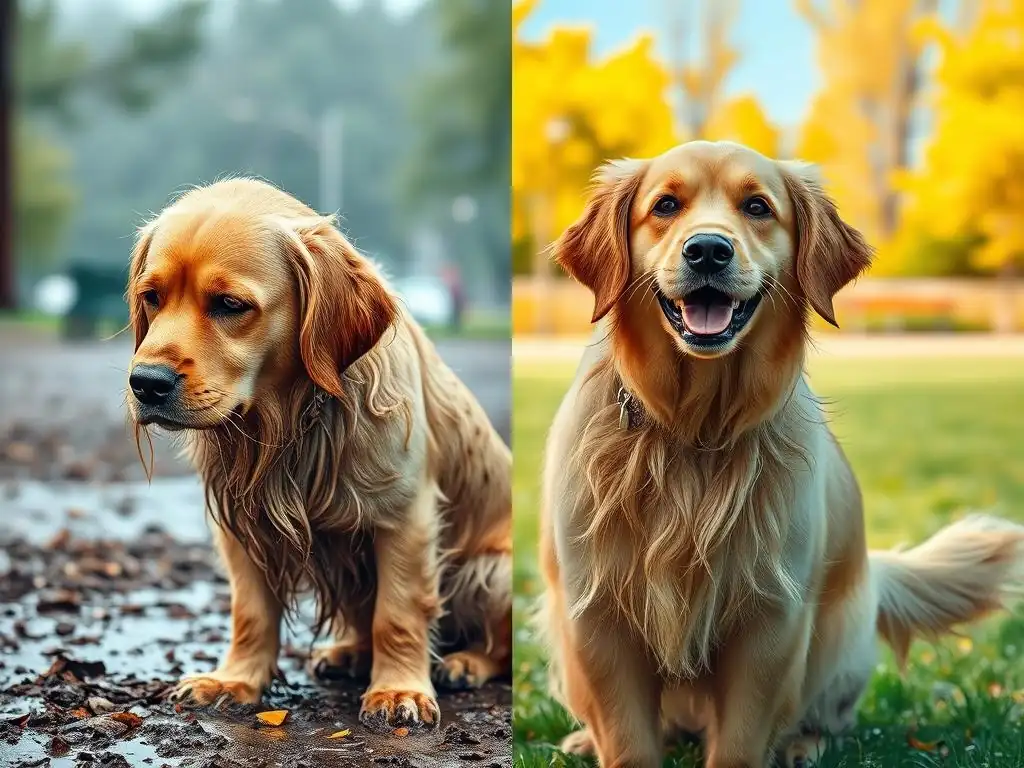
Welcome to PetCareWorld, your ultimate guide to a happier, healthier life for your beloved pets! Are you ready to unlock the secrets to a truly amazing bath time experience for your furry friend? Discover our expert advice on Best dog bath grooming tips and learn how to maximize the benefits of bathing before and after professional grooming, ensuring your dog looks and feels their absolute best. Dive in and explore the world of optimal pet care – your journey to a cleaner, more confident companion starts now!
- Preparing Your Dog for a Professional Groom: Pre-Bath Best Practices
- The Importance of a Thorough Dog Bath Before Grooming
- Post-Grooming Dog Bath Care: Maintaining a Healthy Coat
-
Long-Term Dog Bathing Strategies for Optimal Coat Health
- Creating a Consistent Bathing Routine for Your Dog
- Recognizing Signs of Skin Problems and When to Consult a Vet
- Choosing the Right Grooming Products for Your Dog's Needs
- The Relationship Between Bathing and Overall Dog Health
- Choosing the Right Shampoo and Conditioner for Your Dog's Coat
- The Importance of Thorough Drying After Bathing
- Maximizing the Benefits of Professional Dog Grooming with Proper Bathing
- Frequently Asked Questions
- Final Reflection: The Transformative Power of a Good Dog Bath
- Unleash Your Dog's Sparkling Best!
Preparing Your Dog for a Professional Groom: Pre-Bath Best Practices
Giving your canine companion a bath before their professional grooming appointment is a crucial step in maximizing the benefits of the grooming session. A pre-bath helps the groomer work more efficiently, leading to a better overall experience for both you and your furry friend.
This process isn't just about cleanliness; it's about preparing your dog's coat for optimal health and a stunning final look. This guide will walk you through the essential steps of preparing your dog for a professional grooming appointment, focusing on the pre-bath routine to ensure your dog receives the best possible care and the groomer achieves exceptional results.
We'll cover everything from proper brushing techniques to selecting the right shampoo and conditioner, ultimately helping you achieve the best dog bath grooming tips for a truly luxurious grooming experience. This detailed approach will ensure your dog is comfortable and ready for a professional grooming session, resulting in a healthier, happier, and better-looking pet.
Essential Pre-Grooming Dog Bath Tips: Brushing and Tangle Removal
Before even thinking about the bath, thorough brushing is paramount. This step is crucial for several reasons. Firstly, it removes loose fur, preventing mats and tangles from forming during the bath and making the grooming process significantly easier for the professional groomer. Secondly, brushing stimulates the skin, distributing natural oils and promoting a healthy, shiny coat.
Finally, it allows you to identify any skin irritations or potential problems that might need attention before the bath. For long-haired breeds, dedicate extra time to this step, using a de-shedding tool followed by a slicker brush to gently work through any tangles. For short-haired breeds, a firm bristle brush will suffice. Remember, gentle but firm strokes are key to avoid hurting your dog.
A calm and patient approach will make the entire process more pleasant for your pet. Consider using a detangling spray to help ease the removal of stubborn knots, especially in sensitive areas. The goal is to leave your dog's coat as smooth and tangle-free as possible before the bath begins.
Pre-Bath Cleaning: Addressing Dirt and Debris for Optimal Grooming Results
Once your dog is thoroughly brushed, it's time to address any visible dirt and debris. While a full bath will follow, pre-cleaning helps prevent dirt from becoming embedded in the coat during the bath, making the cleaning process more effective. Use a damp cloth or sponge to gently wipe away mud, leaves, or other surface dirt.
Pay particular attention to areas like the paws, face, and underbelly, where dirt tends to accumulate. This pre-cleaning step doesn't need to be extensive; it's simply a quick pre-emptive measure to make the subsequent bath more efficient. Remember to avoid getting your dog excessively wet at this stage, as the goal is to prepare them for the proper bath, not to give them a partial wash.
This targeted cleaning will significantly improve the efficiency of the professional groomer's work. This process contributes to a more thorough and effective bath, resulting in a cleaner and healthier coat.
Choosing the Right Shampoo and Conditioner for Your Dog's Coat Type
While the professional groomer will likely have their preferred products, understanding your dog's coat type is vital. Different coat types require different shampoos and conditioners. For example, dogs with sensitive skin need hypoallergenic formulas, while those with oily coats benefit from clarifying shampoos. Long-haired breeds often need conditioners to detangle and moisturize.
Discussing your dog's coat type and any specific skin concerns with the groomer beforehand allows them to prepare accordingly. Knowing your dog's specific needs beforehand ensures that the bath is not only effective in removing dirt and debris but also caters to the unique requirements of their coat and skin. This collaborative approach helps to maintain your dog's coat health and prevent potential skin issues. The right products can make a significant difference in the overall health and appearance of your dog's coat.
Maintaining a Comfortable Water Temperature During Bathing
Maintaining the correct water temperature is crucial for a positive bathing experience for your dog. Too hot, and you risk scalding their delicate skin; too cold, and they'll be shivering and uncomfortable, making the whole process stressful. The ideal water temperature should be lukewarm, similar to what you'd use for a baby's bath. Think of it as a comfortable temperature for you – not too hot, not too cold, just pleasantly warm.
You can test the water temperature with your elbow or wrist. Submerge your elbow or wrist in the water for a few seconds. If it feels comfortably warm, it's likely suitable for your dog. Avoid using excessively hot water, even if you think your dog enjoys warmer temperatures. Prolonged exposure to hot water can lead to skin irritation and dryness. Remember, your dog's skin is much more sensitive than human skin.
Consider investing in a handheld showerhead or a detachable shower hose for better control over the water stream and temperature. This allows you to adjust the flow and temperature precisely, ensuring your dog remains comfortable throughout the entire bath. This is particularly helpful for smaller dogs or those who are easily startled by sudden changes in water pressure. A consistent, gentle stream of lukewarm water will help reduce anxiety and make the experience more pleasant.
Regularly check the water temperature during the bath, as the water can cool down or heat up depending on the ambient temperature and the duration of the bath. Always prioritize your dog's comfort and safety. A stress-free bath is key to a successful grooming session. This attention to detail contributes significantly to the overall success of your dog's grooming experience and reinforces a positive association with bath time.
The Importance of a Thorough Dog Bath Before Grooming
A pre-grooming bath is not merely a superficial step; it's a crucial foundation for a successful and effective grooming session. Think of it as preparing the canvas before painting a masterpiece. A clean coat allows for better penetration of grooming products, resulting in a more polished and healthier-looking pet.
Neglecting this essential step can lead to suboptimal results, hindering the groomer's ability to achieve the desired outcome and potentially even causing harm to your dog's skin and coat. This section will explore the vital reasons why a thorough dog bath before grooming is paramount for maximizing the benefits of the overall process and achieving the best possible results, contributing to your dog's overall well-being and showcasing their best features. The benefits extend beyond aesthetics, impacting the health and comfort of your canine companion.
Removing Loose Hair and Matting for a Smoother Groom
Loose hair and matting are the enemies of a smooth grooming experience. Before any styling or trimming can begin, these obstacles must be addressed. A pre-grooming bath effectively loosens and softens dead hair, making it much easier to remove during brushing.
This reduces the time spent on detangling, minimizing stress for both your dog and the groomer. Furthermore, a wet coat allows for more efficient removal of mats, preventing painful pulling and potential skin damage. Consider this: a thorough pre-bath can reduce grooming time by as much as 20-30%, improving efficiency and cost-effectiveness.
The difference is significant, transforming a potentially stressful experience into a more comfortable one for your furry friend. Imagine the difference between trying to comb through dry, tangled hair versus wet, conditioned hair – the same principle applies to your dog's coat. A pre-bath truly sets the stage for a smoother, less stressful grooming process, making it a vital component of optimal dog care.
Cleaning the Skin: Preventing Skin Irritation and Infections
Beyond coat preparation, a pre-grooming bath plays a vital role in skin health. Accumulated dirt, debris, and oils can clog pores and lead to skin irritation, infections, and even allergic reactions. A gentle, thorough cleansing removes these impurities, allowing the skin to breathe and promoting a healthy, balanced environment. Using a dog-specific shampoo formulated for your dog's skin type is essential. This ensures that the skin's natural oils aren't stripped away, leaving it vulnerable.
Regular cleaning also helps detect early signs of skin problems, such as rashes, redness, or excessive dryness. Early detection is crucial for timely intervention, preventing minor issues from escalating into more significant health concerns. Think of it as preventative maintenance for your dog's skin – a proactive approach to long-term health and well-being. A clean, healthy skin is essential for a happy and comfortable dog, showcasing the importance of a pre-grooming bath.
Preparing for a Flawless Finish: Enhancing the Effects of Grooming
The final benefit of a pre-grooming bath is its ability to enhance the overall results of the grooming process. A clean, conditioned coat allows for better penetration of grooming products, such as conditioners and styling aids. This leads to a more polished and longer-lasting finish.
Imagine trying to style unruly, dirty hair – the results would be far from ideal. The same principle applies to dog grooming. A clean coat provides a blank canvas for the groomer to work with, allowing for precise styling and showcasing your dog's best features.
This translates to a more aesthetically pleasing outcome, highlighting the importance of a pre-grooming bath as a critical step in achieving a truly professional and effective grooming experience. It's the difference between a good grooming job and a truly exceptional one, maximizing the benefits of your investment in your pet's care. This final step ensures that your dog looks and feels their absolute best, showcasing the importance of attention to detail in all aspects of pet care.
Achieving a Clean and Healthy Coat Through Proper Bathing Techniques
A clean coat is paramount before any grooming appointment. A thorough bath not only removes dirt and debris but also prepares the coat for optimal grooming results. Neglecting this crucial step can lead to subpar grooming, as mats and tangles are harder to remove from a dirty coat. The process also allows for better assessment of the skin's condition, enabling the groomer to identify potential issues like dryness, irritation, or parasites. This proactive approach helps prevent more serious problems down the line.
The technique itself is crucial for achieving a truly clean and healthy coat. Using lukewarm water—never hot—is essential to avoid stressing your dog's skin. A high-quality, pH-balanced dog shampoo is a must; human shampoos can disrupt the natural balance of your dog's skin, leading to dryness and irritation. Avoid harsh scrubbing, which can damage the coat and irritate the skin. Instead, gently massage the shampoo into the coat, working from the neck down to the tail.
Pay special attention to areas prone to matting, like the legs and underbelly. Thoroughly rinse all the shampoo; residue can cause skin problems and dull the coat. Finally, towel-dry your dog thoroughly before proceeding with any further grooming. Using a high-velocity dryer can expedite the drying process and reduce the risk of matting. Always monitor your dog's body temperature during drying to prevent chills.
Remember, the goal is not just cleanliness, but also to prepare the coat for optimal grooming. A clean coat allows the groomer to effectively trim, brush, and style the fur, achieving the best possible results. A well-executed pre-grooming bath is an investment in your dog's overall health and appearance.
Investing in the right tools, such as a good quality shampoo and a comfortable non-slip mat for your dog to stand on during bathing, will contribute to a more positive experience for both you and your furry friend. This meticulous approach sets the stage for a successful and stress-free grooming session. The time and effort spent on this crucial preparatory step will significantly enhance the overall grooming outcome and your dog's comfort.
Post-Grooming Dog Bath Care: Maintaining a Healthy Coat
Following a professional grooming session, a post-grooming bath is crucial for maximizing the benefits of the grooming process. This final bath isn't about deep cleaning; instead, it focuses on removing any lingering residue from the grooming products and ensuring your dog's coat is left in optimal condition. This careful attention to detail helps maintain the health and beauty of your dog's fur, preventing potential skin irritations and promoting a shiny, healthy coat. Think of it as the finishing touch, the final polish to a beautifully groomed dog.
This section will delve into the essential steps to ensure your canine companion benefits fully from their grooming experience. Remember, consistency in these post-grooming practices is key to achieving the best results and maintaining your dog's coat health in the long term. This contributes significantly to achieving the best possible outcome when searching for "best dog bath grooming tips."
Post-Grooming Rinse: Removing All Traces of Shampoo and Conditioner
A thorough rinse is paramount after any grooming session. Leaving behind even tiny amounts of shampoo or conditioner can irritate your dog's sensitive skin, leading to itching, dryness, and potentially more serious skin conditions. The goal here is not just to wet the fur, but to ensure every last trace of product is completely removed.
This requires a meticulous and patient approach. Use lukewarm water – avoiding hot water which can dry out the skin – and gently massage the water through the coat, paying special attention to areas where product might accumulate, such as behind the ears, under the legs, and around the tail. You should continue rinsing until the water runs completely clear, indicating that all product residue has been eliminated.
Consider using a shower head with a gentle spray setting to aid in this process. Regularly checking the water clarity will help you determine when the rinse is complete. This careful rinsing is a vital step in providing the best possible post-grooming care and achieving optimal results when searching for "best dog bath grooming tips".
Drying Techniques: Preventing Skin Irritation and Maintaining Coat Health
Proper drying is just as important as the initial bath. Leaving your dog damp can create a breeding ground for bacteria and lead to skin infections. The best drying method depends on your dog's breed and coat type. For short-haired breeds, towel drying is often sufficient, followed by air drying.
However, for long-haired or thick-coated breeds, a hairdryer on a low, cool setting can be helpful. Always maintain a safe distance to avoid burning your dog's skin. Never use a hot setting, as this can severely damage the coat and cause discomfort. Another important aspect is to ensure the entire coat is thoroughly dried, including areas like the undercoat and between the toes.
Remaining moisture can contribute to skin irritations and unpleasant odors. For dogs who dislike the hairdryer, consider using absorbent towels and letting them air dry naturally in a warm, draft-free environment. The key is to be patient and gentle, prioritizing your dog's comfort throughout the drying process. Finding the right drying technique is a crucial component of achieving the best dog bath grooming tips.
Best Practices for Post-Bath Brushing and Combing
Post-bath brushing and combing are essential for removing any tangles or mats that may have formed during the drying process. This is also an excellent opportunity to distribute natural oils throughout the coat, leaving it shiny and healthy. Use a brush appropriate for your dog's coat type – a slicker brush for short coats, a wide-toothed comb for long coats, etc.
Start by gently brushing in the direction of hair growth, working through any tangles carefully to avoid pulling or causing discomfort. Pay particular attention to areas prone to matting, such as behind the ears and under the legs. Regular brushing also helps to remove loose hair, preventing excessive shedding.
For dogs with particularly thick or long coats, you may need to use a de-shedding tool to remove undercoat effectively. This final brushing step contributes significantly to achieving the best results and maintains the health and beauty of your dog's coat, offering valuable insights when searching for "best dog bath grooming tips." Remember, gentle and consistent brushing is key to maintaining a healthy and beautiful coat.
Maintaining Coat Health Between Baths: Regular Brushing and Grooming Schedule
Regular brushing and grooming are crucial for maintaining your dog's coat health between baths. This prevents matting, removes loose hair and dirt, and distributes natural oils, leading to a healthier, shinier coat. The frequency of brushing depends on your dog's breed and coat type. Long-haired breeds like Yorkshire Terriers or Afghan Hounds may require daily brushing to prevent tangles and mats. Shorthaired breeds like Labradors or Boxers might only need brushing once or twice a week. However, even short-haired dogs benefit from regular brushing to remove dead hair and stimulate circulation.
A consistent grooming schedule is key. It's not just about brushing; it also includes checking for fleas, ticks, and skin irritations. Regular inspections allow for early detection of potential problems. For example, a small skin irritation caught early can be treated easily, preventing it from becoming a larger, more complicated issue. This proactive approach saves you time, money, and reduces your dog's discomfort. Consider incorporating a weekly grooming session into your routine – it's a great way to bond with your furry friend while ensuring their coat remains healthy and beautiful.
Beyond brushing, consider using grooming tools appropriate for your dog's coat type. Slicker brushes are excellent for removing loose undercoat, while bristle brushes help to distribute oils and add shine. De-shedding tools can be incredibly helpful during shedding seasons, reducing the amount of hair around your house and improving your dog's comfort. Remember to always use gentle strokes and avoid pulling or tugging on the coat, which can cause discomfort and damage.
Remember, a well-maintained coat is less prone to matting and tangles, reducing the need for frequent baths and minimizing the risk of skin problems. Regular brushing also helps to distribute your dog's natural oils, leading to a healthier, shinier coat, and improving the overall appearance of your canine companion. This preventative care is much more effective and less stressful for your dog than trying to manage a severely matted coat. The investment in time and appropriate tools pays off handsomely in a happier, healthier dog. 🐶
Long-Term Dog Bathing Strategies for Optimal Coat Health
Maintaining your dog's coat health requires a proactive, long-term approach to bathing. Simply bathing your dog occasionally isn't enough; a strategic plan is crucial for achieving optimal results and preventing potential skin issues. This involves understanding your dog's breed, coat type, and any underlying health conditions that might influence their bathing frequency and product choices. Remember, the "best dog bath grooming tips" often revolve around consistency and awareness.
Creating a Consistent Bathing Routine for Your Dog
Establishing a consistent bathing routine is paramount for maintaining your dog's coat health. This doesn't necessarily mean weekly baths; the frequency depends entirely on your dog's breed and lifestyle. For example, a short-haired dog with a low-shedding coat might only need a bath every 2-3 months, while a long-haired, high-shedding breed might require more frequent baths, perhaps every 4-6 weeks. However, even less frequent baths can benefit from a consistent schedule.
Consider creating a simple schedule—perhaps using a calendar or a reminder app—to ensure regular bathing. This consistency helps prevent dirt and debris buildup, which can lead to skin irritation and matting. Note any changes in your dog's coat or skin following a bath. If you notice excessive dryness or flakiness, you may need to adjust your bathing frequency or the products you use. A consistent routine also helps you track any potential skin issues early on. Remember to always use lukewarm water, never hot, to avoid skin irritation.
Recognizing Signs of Skin Problems and When to Consult a Vet
Regular bathing allows you to closely monitor your dog's skin and coat for any signs of underlying problems. Early detection is key to successful treatment. Pay close attention to the following indicators:
- Excessive scratching or licking: Persistent scratching or licking, especially in a specific area, could indicate allergies, parasites, or other skin irritations.
- Redness or inflammation: Noticeable redness or inflammation on the skin could signal an allergic reaction, infection, or other skin condition.
- Hair loss or thinning: Patches of hair loss or thinning could be a sign of several issues, including fungal infections, hormonal imbalances, or even parasites.
- Dry, flaky skin: Dry, flaky skin can be a symptom of allergies, dehydration, or underlying health conditions.
- Unusual odor: A persistent unpleasant odor from your dog's coat, beyond the usual "doggy" smell, might suggest an infection or other problem.
If you notice any of these signs, consult your veterinarian immediately. They can diagnose the problem and recommend appropriate treatment. Ignoring these signs can lead to more severe health issues, emphasizing the importance of regular observation. Early intervention is often crucial for successful treatment and improved long-term health.
Choosing the Right Grooming Products for Your Dog's Needs
Selecting the appropriate grooming products is crucial for maintaining your dog's coat health. Using harsh chemicals or unsuitable products can lead to skin irritation, dryness, and other problems. Consider these factors when choosing shampoos, conditioners, and other grooming products:
| Product Type | Considerations | Example |
|---|---|---|
| Shampoo | Coat type (short, long, thick, fine), skin sensitivity, allergies | Oatmeal shampoo for sensitive skin |
| Conditioner | Coat type, desired effect (detangling, moisturizing, shine) | Leave-in conditioner for long-haired dogs |
| De-shedding Tool | Breed, coat type, shedding frequency | Furminator for heavy-shedding breeds |
Avoid using human shampoos or harsh chemicals, as these can strip your dog's coat of its natural oils, leading to dryness and irritation. Opt for dog-specific shampoos and conditioners that are formulated for your dog's particular coat type and skin sensitivity. Always test a small area first to check for allergic reactions before applying the product to your dog’s entire body. Remember, the best dog bath grooming tips include selecting products tailored to your dog's specific needs. Choosing the right products is a significant part of a comprehensive dog bathing strategy.
The Relationship Between Bathing and Overall Dog Health
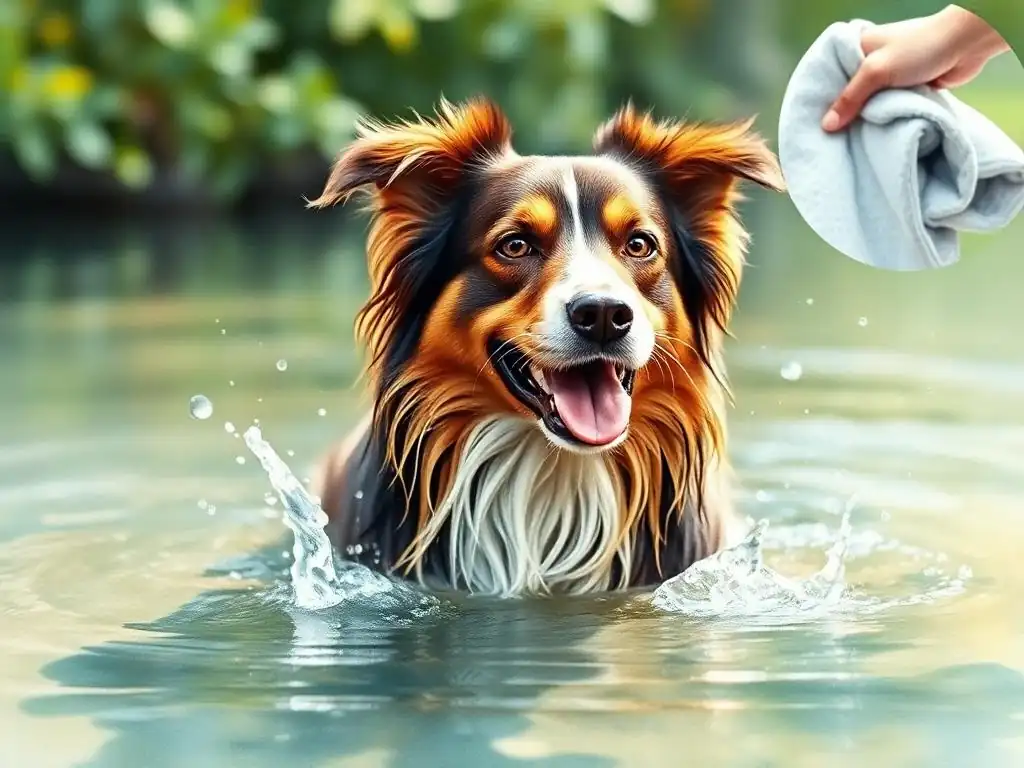
Regular bathing is not just about keeping your dog smelling fresh and looking clean; it's a crucial aspect of maintaining their overall health and well-being. A clean coat acts as a natural barrier, protecting your dog's skin from irritants and infections. Dirt, debris, and excessive oils can clog pores, leading to skin conditions like dermatitis or even bacterial infections. These issues can manifest as itching, redness, inflammation, and hair loss, significantly impacting your dog's comfort and quality of life. Moreover, regular bathing helps remove parasites like fleas and ticks, preventing infestations and the associated health problems.
Failing to bathe your dog appropriately can lead to a build-up of allergens in their fur, potentially exacerbating allergies and triggering respiratory issues. Therefore, establishing a consistent bathing routine tailored to your dog's breed and coat type is essential for preventative healthcare. The frequency will vary, but maintaining a clean and healthy coat is a vital part of responsible pet ownership. Remember to consult with your veterinarian to determine the optimal bathing schedule for your specific canine companion, taking into account any pre-existing health conditions.
They can provide personalized advice and recommendations to ensure your dog receives the best possible care. For example, dogs with sensitive skin might require less frequent baths with specialized hypoallergenic shampoos. Conversely, dogs with particularly thick or oily coats might benefit from more frequent bathing. The key is to strike a balance to promote healthy skin and a shiny, vibrant coat.
Choosing the Right Shampoo and Conditioner for Your Dog's Coat
Selecting the appropriate shampoo and conditioner is paramount for achieving optimal results from your dog's bath. Using human shampoos or harsh chemicals can strip your dog's coat of its natural oils, leading to dryness, irritation, and even skin damage. Always opt for shampoos specifically formulated for dogs, taking into account your dog's coat type and any skin sensitivities. For example, dogs with short, smooth coats might require a different shampoo than dogs with long, thick, or curly coats. Similarly, dogs prone to allergies or sensitive skin need hypoallergenic, fragrance-free options to minimize the risk of irritation.
Many shampoos cater to specific needs, such as those designed to control shedding, address dandruff, or soothe irritated skin. Consider the ingredients carefully; avoid shampoos containing harsh sulfates, parabens, or artificial fragrances, which can be detrimental to your dog's skin health. A good quality conditioner is equally important, especially for dogs with long or thick coats. Conditioners help detangle fur, reduce static, and add shine, leaving your dog's coat feeling soft and manageable.
Always follow the instructions on the shampoo and conditioner bottles carefully, ensuring you rinse thoroughly to prevent any residue from irritating your dog's skin. Investing in quality dog grooming products is a worthwhile investment in your dog's long-term health and well-being. Regularly assessing your dog's skin and coat condition and adjusting your shampoo and conditioner choices accordingly will help maintain optimal coat health. This proactive approach minimizes potential skin problems and ensures your dog stays comfortable and happy.
The Importance of Thorough Drying After Bathing
Thorough drying is a frequently overlooked yet crucial step in the dog bathing process. Leaving your dog damp after a bath creates a breeding ground for bacteria and can lead to skin infections, especially in breeds prone to skin issues. Damp fur can also cause discomfort and chills, potentially leading to illness. Therefore, ensuring your dog is completely dry after every bath is essential for their health and well-being. There are several effective drying methods, including towel drying, air drying, and using a pet-safe hairdryer.
Towel drying is a good first step, gently but thoroughly patting your dog's fur to remove excess water. However, towel drying alone might not be sufficient for complete drying, particularly for dogs with thick or long coats. Air drying can be a suitable option for some dogs, but it can take a considerable amount of time, especially in cooler environments. If using a hairdryer, always use a low heat setting to prevent burning your dog's skin. Maintain a safe distance and regularly check the temperature to avoid discomfort.
Never point the hairdryer directly at your dog's face or ears. Consider using a specialized pet grooming hairdryer with adjustable temperature settings for optimal control and safety. The choice of drying method depends on your dog's breed, coat type, and tolerance. Regardless of the method you choose, ensuring complete dryness is paramount in preventing skin problems and maintaining a healthy coat. A well-dried coat is a happy and healthy coat, contributing to your dog's overall well-being.
Maximizing the Benefits of Professional Dog Grooming with Proper Bathing
Professional dog grooming offers numerous advantages beyond a simple bath. Groomers possess the expertise and tools to address matting, tangles, and skin issues that a home bath might miss. A professional groom not only cleans your dog but also inspects their skin and coat for potential problems, such as parasites, allergies, or early signs of illness. This proactive approach can lead to early intervention and better overall health for your furry friend.
Combining professional grooming with regular home bathing maximizes these benefits. The frequency of professional grooming will depend on your dog's breed and coat type; some breeds require monthly grooming, while others may only need it every few months. However, consistent home bathing helps maintain the results of professional grooming between appointments, keeping your dog cleaner, healthier, and smelling fresher for longer. This proactive approach to hygiene directly contributes to a happier, healthier pet.
Combining Professional Grooming with Home Bathing for Best Results
The key to maximizing the benefits of both professional and home dog bathing lies in coordination. Think of professional grooming as a deep clean and comprehensive assessment, while home bathing serves as essential maintenance. After a professional grooming session, maintaining the cleanliness and condition of your dog's coat becomes easier. Regular home baths, using appropriate shampoos and conditioners recommended by your groomer, will prevent the rapid build-up of dirt and oil, extending the time between professional appointments.
Consider this example: A long-haired breed like a Golden Retriever benefits immensely from professional de-shedding and de-matting services every 6-8 weeks. However, weekly or bi-weekly home baths with a gentle, moisturizing shampoo will help remove loose fur and dirt, preventing matting and keeping their coat healthy and shiny between professional sessions. This combination keeps your dog looking and feeling their best, maximizing the investment in professional grooming.
Furthermore, consistent home bathing can help you identify potential skin issues earlier, allowing for quicker intervention and potentially preventing more costly problems down the line. Remember, consistent care is crucial for maintaining a healthy and happy dog.
Understanding Your Dog's Breed-Specific Grooming Needs
Different dog breeds have vastly different grooming needs. A short-haired dog like a Boxer requires less frequent bathing than a long-haired breed like a Yorkshire Terrier. Understanding your dog's breed-specific needs is crucial for effective bathing. For instance, double-coated breeds, such as Huskies or German Shepherds, require specialized shampoos and techniques to prevent damage to their undercoat. Conversely, breeds prone to skin allergies, such as Bulldogs or Poodles, need gentle, hypoallergenic shampoos to minimize irritation. Failure to cater to these specific needs can lead to skin problems, matting, and even discomfort for your pet.
The best way to learn your dog's specific needs is through research and consultation with a professional groomer. They can advise on the optimal bathing frequency, appropriate shampoos, and techniques to use. This personalized approach ensures that you are providing the best possible care for your dog's unique coat and skin type. Remember, proper grooming is not just about aesthetics; it's a crucial part of your dog's overall health and well-being. Failing to meet these breed-specific needs can lead to various problems, including skin infections, allergies, and excessive shedding.
Budget-Friendly Dog Bathing Tips and Tricks
While professional grooming offers significant benefits, it can be costly. Here are some budget-friendly tips and tricks to maximize the effectiveness of your home bathing routine:
- Invest in quality, yet affordable, dog shampoos and conditioners: You don't need to break the bank to find effective products. Look for shampoos designed for your dog's coat type and skin sensitivities.
- Utilize DIY dog grooming solutions: Simple solutions like baking soda paste can help remove odors and clean minor dirt, reducing the need for frequent full baths.
- Bathe your dog less frequently: Over-bathing can strip your dog's coat of its natural oils, leading to dryness and irritation. Find the right balance based on your dog's breed and lifestyle.
- Learn proper bathing techniques: This will help you get the best results while using less shampoo and water. Watch videos and read articles to master the art of dog bathing.
- Consider grooming your dog yourself: With practice and the right tools, you can gradually learn to handle some basic grooming tasks at home, reducing the frequency of professional grooming sessions.
Remember, finding the right balance between professional grooming and home bathing is crucial. By understanding your dog's needs and employing smart strategies, you can achieve optimal results without overspending. Regular, well-executed home baths, combined with occasional professional grooming sessions, will keep your dog looking and feeling their best while staying within your budget. This combination ensures your canine companion remains healthy, happy, and smelling fantastic!
Frequently Asked Questions about Dog Bathing Before and After Grooming (FAQ)
This section addresses common queries regarding bathing your dog before and after professional grooming appointments. Proper bathing techniques significantly impact the longevity and effectiveness of a grooming session. Understanding these best practices ensures your canine companion receives optimal care.
Q: How often should I bathe my dog before a grooming appointment?
A: The frequency depends on your dog's breed, coat type, and lifestyle. For dogs with shorter coats and less active lifestyles, a bath a week or two before grooming might suffice. However, dogs with longer, thicker coats, or those who spend time outdoors playing in mud or dirt, may benefit from a bath closer to their appointment, perhaps 2-3 days prior. Always consult with your groomer for personalized recommendations based on your dog's specific needs. Over-bathing can strip the coat of its natural oils, leading to dryness and irritation.
Q: What type of shampoo should I use before grooming?
A: Opt for a mild, pH-balanced shampoo specifically formulated for dogs. Human shampoos are too harsh and can disrupt your dog's skin's natural pH balance, causing irritation and dryness. Avoid shampoos with strong fragrances or harsh chemicals. A clarifying shampoo can be beneficial for dogs with particularly dirty or oily coats, but use it sparingly as it can be drying. Again, your groomer can advise you on the best shampoo for your dog's coat type.
Q: Should I condition my dog's coat before grooming?
A: Conditioning is highly recommended, especially for dogs with long or thick coats. A good quality dog conditioner helps detangle, moisturize, and soften the coat, making the grooming process smoother and more comfortable for your dog. This also helps prevent breakage and damage during brushing and styling. Look for conditioners that are specifically designed for dogs and are free from harsh chemicals.
Q: How should I dry my dog after bathing before grooming?
A: Thoroughly drying your dog's coat is crucial. Leaving your dog damp can lead to bacterial growth and discomfort. Use a high-quality dog towel to absorb excess water. You can also use a hairdryer on a low, cool setting, keeping it at a safe distance to avoid burning your dog's skin. Be gentle and patient throughout the drying process. Remember, a completely dry coat is essential for a successful grooming session.
Q: What should I do after my dog's grooming appointment regarding bathing?
A: Most groomers recommend avoiding bathing your dog for at least a week after their grooming appointment. This allows the groomer's work, such as haircuts and styling, to settle and retain its shape. Washing too soon can wash away styling products and affect the overall look. However, if your dog gets exceptionally dirty, you may need to spot-clean affected areas with a damp cloth. Always consult with your groomer regarding post-grooming care for your specific dog's needs. Following these guidelines will help maintain your dog's beautiful, healthy coat for longer. 🐶
Frequently Asked Questions
How often should I bathe my dog?
The frequency depends on your dog's breed, coat type, and lifestyle. Generally, bathing every 4-8 weeks is sufficient for most dogs, unless they get particularly dirty. Over-bathing can strip their coat of natural oils.
What are the best products to use when bathing my dog?
Use a dog-specific shampoo and conditioner, avoiding human products which can be harsh on their skin. Look for formulas designed for your dog's coat type (e.g., sensitive skin, long hair). Conditioner helps detangle and keep their coat healthy.
How can I make bath time less stressful for my dog?
Positive reinforcement is key! Use treats and praise. Make the experience positive and comfortable, using warm water and a non-slip mat. Consider introducing bath time gradually if your dog is anxious.
What should I do before and after bathing my dog to maximize the benefits?
Before: Brush your dog thoroughly to remove mats and loose fur. After: Thoroughly dry their coat to prevent skin issues. Consider using a dog-specific leave-in conditioner for added shine and protection.
Are there any specific grooming tips to consider after a bath?
Yes, carefully dry your dog's ears to prevent infections. Brush their coat again to remove any remaining tangles. Trim their nails if needed, and check for any skin irritations or injuries.
Final Reflection: The Transformative Power of a Good Dog Bath
The art of bathing your dog isn't just about cleanliness; it's about fostering a deeper bond and ensuring their overall well-being. A clean, healthy coat contributes significantly to a happier, more comfortable canine companion, impacting everything from their skin health to their confidence. This is more than just a routine; it's an act of love and care.
The impact of proper dog bathing extends far beyond the immediate shine of their fur. It's a ritual that strengthens the human-animal connection, creating a space for calm interaction and mutual trust. The bond between a dog and its human is one of the most powerful and pure relationships in the world.
This simple act of grooming reinforces that bond, creating a positive association with care and attention. Beyond the personal connection, understanding the nuances of dog bathing contributes to a wider understanding of animal welfare and responsible pet ownership.
Now, consider your own dog. Think about the joy you see in their eyes after a refreshing bath, the way their fur feels soft and healthy against your hand. Take the knowledge you've gained here and make it a part of your routine. Embrace the opportunity to not only improve your dog's physical health but also to deepen your connection with your beloved furry friend. Make bath time a positive experience, and you'll be rewarded with a happier, healthier, and more loving companion for years to come.
Unleash Your Dog's Sparkling Best!
Thank you for exploring the world of pre- and post-grooming dog baths! We hope you feel confident in enhancing your dog's grooming experience. Ready to put your new knowledge into practice?
- Strategically schedule your dog's next bath: Consider their upcoming grooming appointment and schedule a bath beforehand for a smoother, more effective experience for both you and your furry friend. This is key to a happier, cleaner pup!
- Share your bath-time tips and tricks: Let's build a supportive community! Share your favorite bathing products or techniques in the comments below.
- Consider trying a new grooming style or product based on what you've learned. Surprise your dog (and yourself!) with a fresh look!
What improved bathing routine will you adopt to make your dog's grooming experience even better?