Substrate and Shedding: How Proper Bedding Aids the Process
🤔 Unlock the secret to healthy reptile shedding! Discover the best reptile shedding substrate for a smooth, stress-free process, ensuring your scaly…
Read article
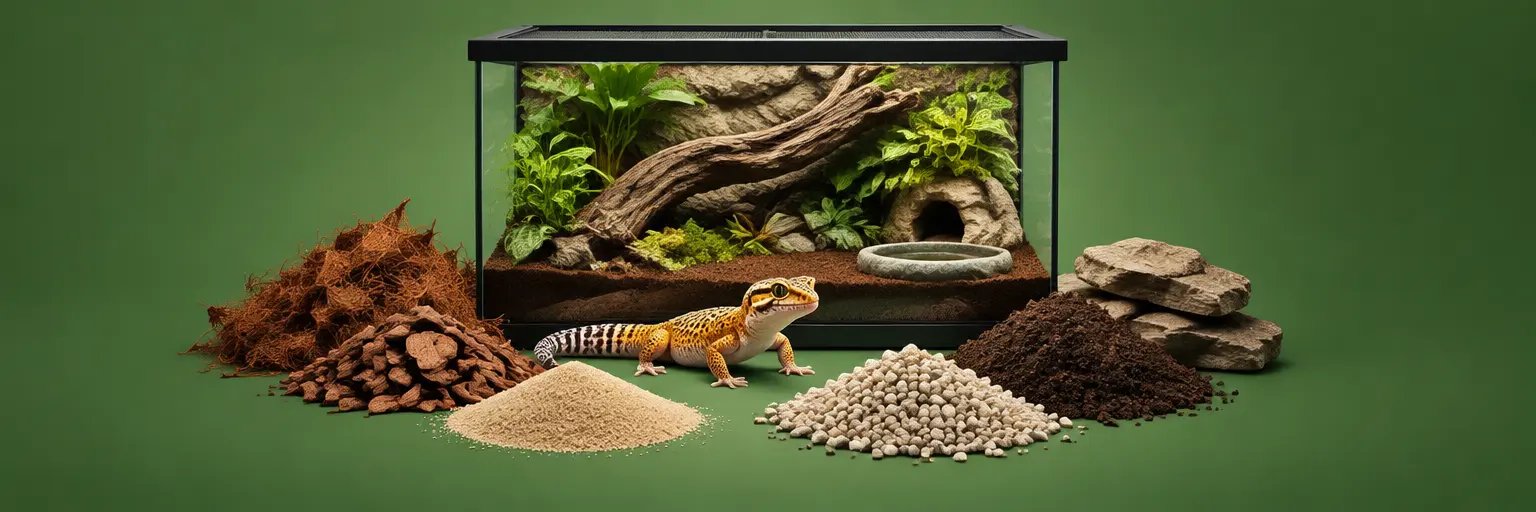
Discover the perfect foundation for your scaly companion’s habitat with our expert-curated selection of reptile terrarium substrates. Whether you’re nurturing a tropical gecko, a desert-dwelling bearded dragon, or a burrowing snake, the right substrate isn’t just décor—it’s vital for humidity control, hygiene, and natural behaviors like digging and nesting. From moisture-retaining coconut fiber and bark chips for rainforest species to heat-friendly sand mixes and easy-to-clean paper liners, we break down the pros, cons, and safety tips for every option. Avoid harmful impaction risks by learning which substrates suit your pet’s age and species, and get practical advice on spot-cleaning, full replacements, and bioactive setups that boost a thriving ecosystem. Your reptile’s health starts from the ground up—explore our guides to create a safe, comfortable, and enriching environment that mimics their wild home. Ideal for both new and seasoned keepers, our insights ensure you choose a substrate that balances moisture retention, odor control, and easy maintenance for a happier, healthier pet. Dive in to transform your terrarium into a paradise your reptile will love to explore!
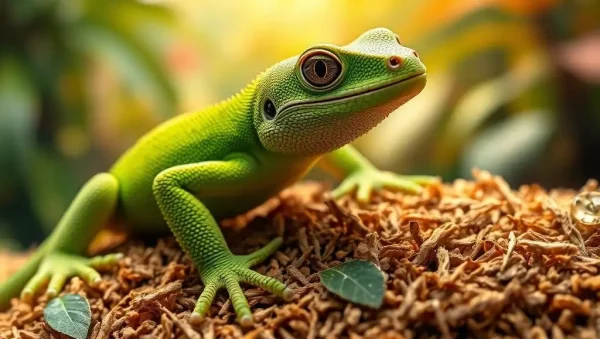
🤔 Unlock the secret to healthy reptile shedding! Discover the best reptile shedding substrate for a smooth, stress-free process, ensuring your scaly…
Read article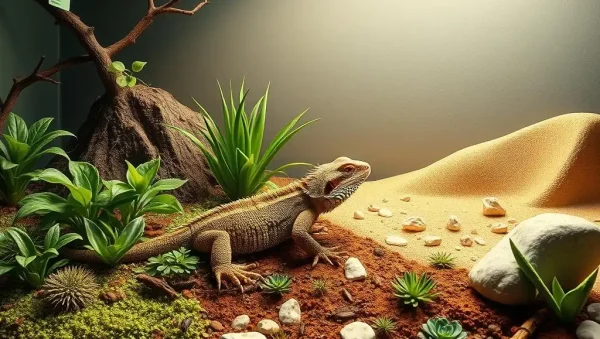
🤔 Discover how much reptile bedding really costs! Our Reptile substrate cost guide helps you budget wisely for your terrarium, ensuring your…
Read article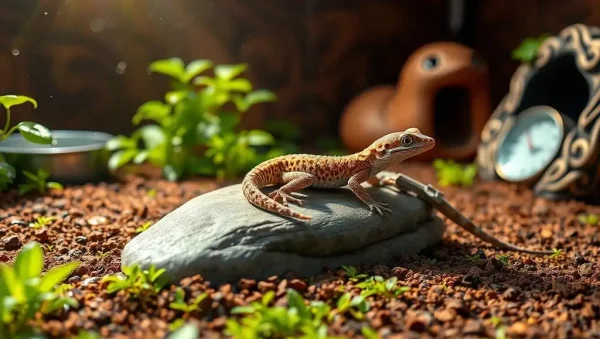
😊 Maintain a healthy environment for your reptile with our expert clean reptile substrate guide. Learn essential cleaning steps, ensuring optimal hygiene…
Read articleSelecting the right substrate for your reptile's terrarium is one of the most critical decisions for their health, comfort, and natural behavior expression. The substrate—whether it’s soil, bark, sand, or paper—affects humidity levels, burrowing opportunities, cleanliness, and even digestion. At PetCareWorld, we break down the many options available, helping you match the perfect ground cover to your reptile’s species-specific needs, while also considering ease of maintenance and safety.
Naturalistic substrates like organic topsoil, cypress mulch, orchid bark, and coconut coir are favorites among keepers aiming to replicate a reptile's wild habitat. These materials excel at retaining moisture, which is essential for tropical species such as crested geckos, green tree pythons, and many frogs. They also allow for natural digging and nesting behaviors, reducing stress and promoting mental stimulation.
When using these substrates, be mindful of particle size—smaller particles are safer for species that may ingest substrate while eating. Always choose products free from fertilizers, pesticides, and dyes. While naturalistic options are highly enriching, they require regular spot-cleaning and complete replacement every few months to prevent bacterial and fungal growth, especially in high-humidity enclosures.
Sand substrates, including play sand, calcium sand, and specialized desert mixes, are traditionally used for arid species like bearded dragons, leopard geckos, and uromastyx. These substrates support burrowing and retain heat well, mimicking the loose, sandy terrain of their native habitats. However, the risk of impaction is a significant concern, particularly for juvenile reptiles or those that feed on the ground.
To reduce risk, many experts recommend a mix of sand with soil or excavator clay, which hardens when dried but allows for tunneling. Calcium sand is not recommended as reptiles may ingest it in large quantities, leading to digestive blockages. Always provide a feeding dish to minimize accidental ingestion and monitor your pet for any signs of lethargy or appetite loss, which could signal impaction.
For quarantine enclosures, medical monitoring, or simple setups, non-particulate substrates are the safest and most hygienic choice. Options include paper towels, newspaper, butcher paper, and specially designed reptile carpet or vinyl liners. These are highly absorbent, easy to clean, and completely eliminate the risk of accidental ingestion or impaction. They are also excellent for hatchlings, sick animals, or species prone to respiratory issues from dusty substrates.
The downside is minimal aesthetic appeal and no support for natural digging behaviors. For burrowing species, you can provide a separate dig box filled with a safe material. When using reptile carpet, have two on hand to swap out during cleaning, and always ensure loose threads or frayed edges are trimmed to prevent toe snagging. This category is a go-to for breeders and first-time keepers prioritizing safety above all else.
Bioactive substrates are a revolutionary option that combines a drainage layer, substrate, and a clean-up crew (such as springtails and isopods) to create a self-sustaining miniature ecosystem. These setups are ideal for tropical reptiles like dart frogs, crested geckos, and some skinks. The substrate—often a blend of organic soil, sphagnum moss, coconut fiber, and leaf litter—supports plant growth and natural decomposition, drastically reducing the frequency of full cleanouts.
Maintaining a bioactive terrarium requires careful initial setup, including a proper moisture gradient and adequate ventilation to prevent anaerobic bacteria. It also demands patience as the ecosystem matures. However, the long-term benefits include reduced odor, improved mental health for the reptile, and a stunning, lush display. For beginners, starting with a simple bioactive kit and following manufacturer guidelines is a smart approach to avoid common pitfalls like mold blooms.
While many substrates are marketed for reptiles, some are dangerous and should be strictly avoided. This includes walnut shells, corncob bedding, pine and cedar shavings, and any substrate with sharp edges or aromatic oils. Walnut shells and corncob can cause intestinal blockages and irritate the skin and eyes, while pine and cedar release toxic phenols that harm respiratory systems. Additionally, avoid reptile sand with added dyes or chemicals, which can stain your pet and pose toxicity risks.
When evaluating any substrate, consider the particle size, dustiness, and chemical safety. Always research your specific reptile species, as some are prone to licking their environment. If you are ever unsure about a product, consult a veterinarian specializing in exotic pets. A little caution at the start can save you from costly vet bills and ensure your reptile thrives in a clean, safe environment.
For baby bearded dragons, the safest substrate is paper towel or reptile carpet, as these eliminate any risk of impaction. Young dragons are clumsy feeders and often ingest substrate accidentally. Once they are over 12 months old and feeding from a bowl consistently, you can transition to a soil and sand mix that is firmly packed to reduce ingestion risk.
Plain sand is risky for leopard geckos due to the high impaction risk, especially when they hunt insects on the ground. Instead, use a topsoil and play sand mix (washed and free of additives) or a specialized loose substrate designed for arid geckos. Provide a feeding dish and monitor your gecko’s stools regularly for any signs of digestive distress.
Paper-based substrates should be replaced every day or two, while carpet should be washed weekly and replaced when worn. Naturalistic substrates require spot-cleaning daily and full replacement every 1 to 3 months, depending on humidity and the number of animals. Bioactive substrates, when healthy, can last for 1 to 2 years with proper maintenance and fauna supplementation.
Coconut fiber is excellent for tropical and forest species because it retains moisture well, but it is not suitable for desert reptiles, as it stays too damp and can cause respiratory issues. It's also loose and dusty when dry, so it is best used in humid environments. For snakes that need high humidity, coconut husk bark chips are often preferred over the finer fiber.
If you notice your reptile ingesting substrate, immediately switch to a non-particulate option like paper towels or reptile carpet to prevent further intake. Watch for signs of lethargy, vomiting, loss of appetite, or difficulty defecating, and contact an exotics vet right away if these occur. Impaction often requires surgical intervention if not caught early, so prompt action is crucial.