Seasonal Ferret Care: Adjusting to Summer and Winter
😊 Beat the heat and chill! Our Ferret summer winter care guide offers expert advice on keeping your ferret happy and healthy…
Read article

Ferrets are irresistibly playful, endlessly curious, and surprisingly affectionate companions that bring a unique spark to any exotic pet household. 🐾 At PetCareWorld, we understand that caring for these energetic mustelids requires specialized knowledge—from ferret-proofing your home and understanding their high-protein carnivorous diet to recognizing early signs of common health issues like adrenal disease or insulinoma. Our expert-backed guides break down everything you need to know, including cage setup, litter training, enrichment activities, and the all-important daily out-of-cage playtime that keeps these intelligent creatures thriving. Whether you’re a first-time ferret parent or a seasoned enthusiast, our practical tips and clear, compassionate advice help you build a stronger bond with your fuzzy slinky-like friend. 🦦 Unlock the secrets to a happy, healthy ferret life and ensure your playful pal enjoys every day to the fullest—because a well-informed owner makes all the difference.

😊 Beat the heat and chill! Our Ferret summer winter care guide offers expert advice on keeping your ferret happy and healthy…
Read article
🤔 Ferrets' delicate respiratory systems are prone to infections. PetCareWorld provides expert guidance on recognizing symptoms and effective ferret respiratory infection treatment,…
Read article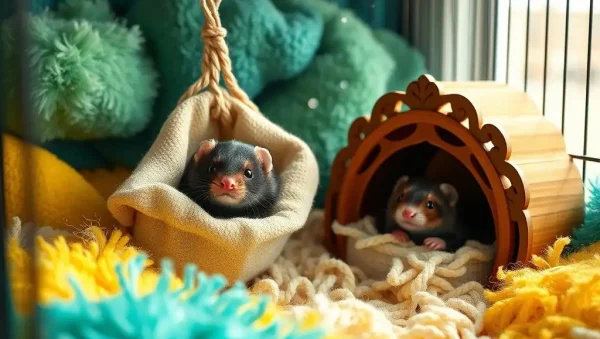
😊 Discover the best ferret cage accessories for a happy, healthy pet! PetCareWorld guides you through essential bedding, hammocks, and hideaways to…
Read article
😊 Master the art of ferret grooming with our easy ferret grooming guide! Learn simple techniques for bathing, nail trimming, and more,…
Read articleFerrets are among the most intelligent, playful, and mischievous exotic pets you can welcome into your home. However, their unique physiology and high-energy lifestyle demand specialized knowledge that goes far beyond basic pet care. This dedicated section on Small Mammal Care – Ferrets at PetCareWorld is designed to be your definitive resource for everything from diet and enrichment to medical emergencies and behavioral training. Whether you are a first-time owner or a seasoned enthusiast, our expert-backed articles will help you navigate the complexities of ferret ownership with confidence, ensuring your slinky companion thrives in a safe, stimulating, and loving environment.
Ferrets are prone to specific health issues like adrenal disease, insulinoma, and gastrointestinal obstructions, making proactive veterinary care non-negotiable. Our guides explain the early warning signs of these common conditions, what to expect during routine check-ups, and how to find a veterinarian who specializes in exotic mammals. You will learn why annual vaccinations for canine distemper and rabies are critical, and how to perform simple at-home health checks to catch problems before they escalate.
We also demystify the tricky symptoms that often mimic other illnesses, helping you distinguish between a harmless hairball and a life-threatening blockage. By understanding the unique metabolic rate of ferrets, which can drop dangerously low within hours of refusing food, you will be equipped to act swiftly. Our actionable checklists and symptom trackers ensure you never miss a subtle sign, giving you peace of mind and your ferret the longest, healthiest life possible.
As obligate carnivores, ferrets require a high-protein, high-fat, and low-carbohydrate diet that mimics their natural prey. Our comprehensive nutrition section breaks down the differences between premium kibble, raw diets, and whole-prey feeding, explaining the pros and cons of each approach. You will discover why plant-based fillers and sugary treats are toxic to their digestive systems and how to read ingredient labels like a pro to avoid hidden sugars and grains.
We also provide practical meal planning tips, including portion sizes based on age, activity level, and health status. Learn how to transition your ferret safely from one food to another without causing gastrointestinal upset, and find out which safe fruits and vegetables (in tiny amounts) can be used as rare treats. With our guidance, you can craft a feeding schedule that prevents obesity, supports dental health, and keeps your ferret’s energy levels stable throughout its daily play cycles.
Ferrets are escape artists that need a spacious, multi-level cage plus supervised time outside it for at least 4 hours a day. Our habitat guides cover cage size requirements, bedding materials, litter training strategies, and the best toys that satisfy their natural burrowing and tunneling instincts. We detail how to create a "ferret-proof" playroom by eliminating small gaps, covering electrical cords, and removing toxic plants that could cause severe harm.
Enrichment goes far beyond simple toys; we show you how to build plastic tubing mazes, dig boxes filled with rice, and puzzle feeders that challenge their problem-solving skills. Learn to rotate toys to prevent boredom, which often leads to destructive behaviors like chewing on furniture or hoarding forbidden objects. We also discuss the importance of social interaction, whether you should consider adopting two ferrets to keep each other company, and how to introduce new ferrets without triggering territorial conflicts.
Despite their reputation for nipping, ferrets are highly trainable when you understand their motivation. Our behavior section unpacks the reasons behind biting, hissing, dooking, and tail puffing, helping you decode your ferret’s emotional state. We provide step-by-step positive reinforcement training methods for teaching basics like "come," "sit," and using the litter box, along with gentle techniques to curb unwanted nipping without ever using punishment.
You will also learn about the importance of scent marking and how to manage it without stress, as well as how to handle common nighttime activity cycles by establishing a predictable routine. Our articles address the tricky stage of "ferret adolescence" where they test boundaries, offering patient strategies to build trust. By the end of this section, you will communicate more effectively with your ferret, transforming potential behavioral challenges into delightful interactive play sessions.
Ferrets have unique grooming demands, including sensitive skin that requires very infrequent bathing, regular nail trims, and ear cleaning to prevent painful wax buildup. Our detailed tutorials demonstrate safe handling techniques for these procedures, even for wiggly or resistant ferrets. We explain how to manage the heavy seasonal shedding that ferrets experience twice a year, and how a high-quality diet reduces hairballs, which are a leading cause of intestinal blockages.
We also cover dental care, including how to brush your ferret’s teeth without a fight, and why routine ear cleaning prevents serious infections like ear mites. Learn the proper way to clean their cage to minimize odors without using harsh chemicals, and discover natural odor-control remedies that keep your home fresh without risking your ferret’s respiratory health. With our practical, step-by-step grooming routines, you will keep your ferret looking sleek, feeling comfortable, and smelling surprisingly pleasant.
Ferrets require at least 4 hours of supervised, interactive playtime outside their cage every single day. This time is crucial for their physical health and mental stimulation. Make sure the play area is thoroughly ferret-proofed, as they will investigate every nook and cranny. Without this daily exercise, ferrets can become obese, depressed, and develop destructive habits.
Feed a high-quality, meat-based ferret kibble containing 30-40% protein and 15-20% fat, with minimal carbohydrates and no grains or vegetables. Raw diets are also excellent but require careful preparation to avoid bacterial contamination. Avoid sugary treats, dairy, and fruits as they can cause insulinoma or digestive issues. Always provide fresh water, and never feed dog or cat food.
Ferrets can be rewarding but are not ideal for complete beginners due to their high energy, strong prey drive, and specific health needs. They require a larger time commitment and more specialized veterinary care than cats or dogs. If you are prepared for the challenges of ferret-proofing, training, and potential medical expenses, they make wonderfully affectionate and playful companions.
Nipping is often caused by fear, playfulness, or lack of training. Never hit or yell at your ferret. Instead, give a firm "no" and pause playtime for a few minutes. Use positive reinforcement by rewarding gentle behavior with treats. Socializing your ferret early through gentle handling and ensuring it has a companion can significantly reduce biting incidents.
Most experts recommend keeping two or more ferrets because they are highly social and bond deeply with their kind. They play together, groom each other, and provide comfort, reducing loneliness and boredom when you are away. However, ensure you can afford double the food, vet bills, and cage space. If you adopt a single ferret, be prepared to dedicate extensive interactive time daily.