Preventing MBD: Essential Steps for a Healthy Reptile
😊 Prevent reptile metabolic bone disease! PetCareWorld shows you how. Learn essential steps for providing optimal nutrition and environmental enrichment to ensure…
Read article
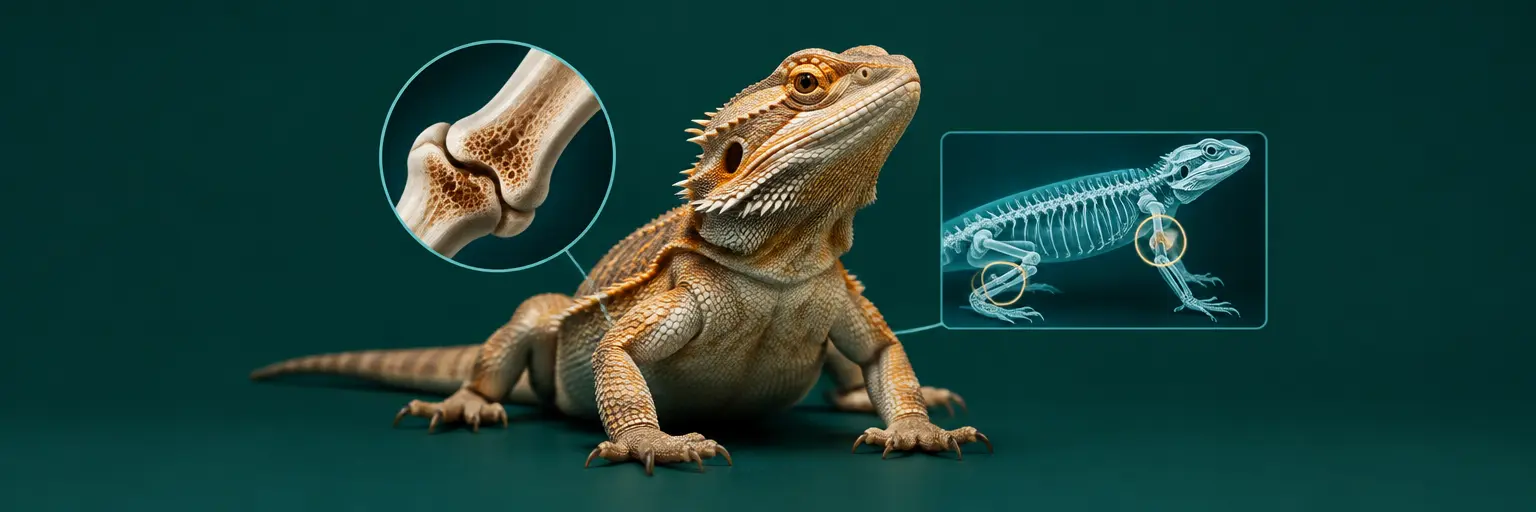
Metabolic Bone Disease (MBD) is one of the most serious and commonly overlooked health threats for pet reptiles, yet it is also entirely preventable with the right knowledge. At PetCareWorld, our expert guides break down the complex interplay of calcium, phosphorus, and UVB lighting that keeps your scaly companion’s skeleton strong and healthy. MBD occurs when a reptile’s body pulls calcium from its own bones to support vital functions, leading to soft, deformed, or fractured bones, muscle tremors, and even paralysis. Whether you keep a bearded dragon, leopard gecko, or tortoise, learn to spot the early warning signs—like a rubbery jaw, swollen limbs, or reluctance to move—before they become life-threatening. Our in-depth resources explain how to create the perfect habitat, choose the right supplements, and provide the correct UVB exposure to prevent this painful condition. With actionable tips and vet-approved protocols, we help you turn your vivarium into a thriving, bone-friendly environment, ensuring your reptile lives a long, vibrant, and active life. Trust PetCareWorld to be your partner in proactive reptile health, because a strong skeleton means a happier, healthier pet. 🦎💪
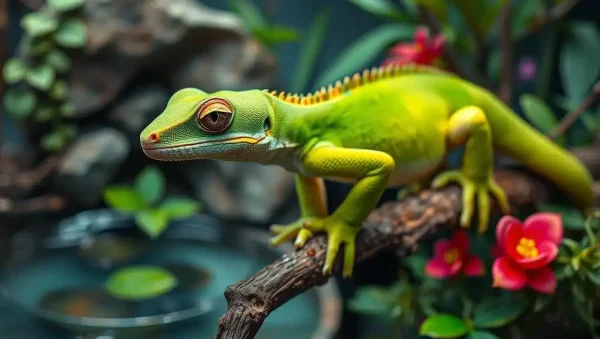
😊 Prevent reptile metabolic bone disease! PetCareWorld shows you how. Learn essential steps for providing optimal nutrition and environmental enrichment to ensure…
Read article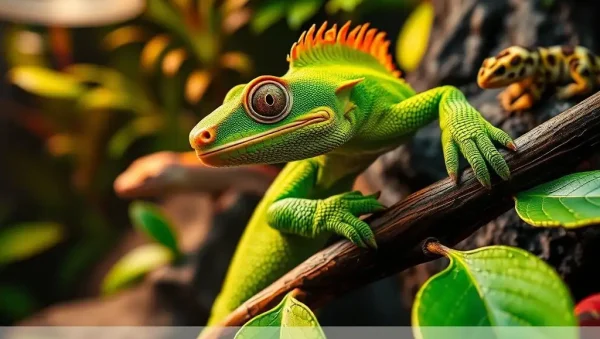
😊 Prevent reptile metabolic bone disease! PetCareWorld reveals simple, actionable steps to ensure your reptile thrives. Learn how proper diet and UVB…
Read article
🤔 Breeding reptiles carries significant risks, especially Metabolic Bone Disease (MBD). Proper calcium and UVB lighting are crucial to prevent MBD in…
Read article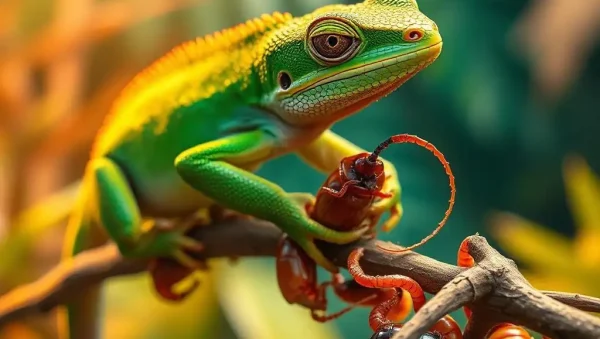
🤔 Maximize your reptile's health and vitality! Learn the best practices of gut loading, ensuring optimal nutrition through carefully selected insect diets.…
Read articleMetabolic Bone Disease (MBD) is one of the most prevalent and devastating health conditions affecting captive reptiles, particularly in species like bearded dragons, leopard geckos, and iguanas. This subcategory of PetCareWorld delivers a comprehensive, science-backed resource on identifying, treating, and preventing MBD. Here, you will learn how calcium, phosphorus, and vitamin D3 imbalances wreak havoc on your reptile’s skeletal system, leading to deformities, fractures, and even death. We break down the clinical signs, veterinary diagnostics, dietary corrections, and UVB lighting requirements essential for recovery and long-term vitality.
Early detection is your best defense against irreversible bone damage. In this section, we explain the subtle to severe indicators of MBD, from softening of the jaw (rubber jaw) and swollen limbs to lethargy, tremors, and difficulty climbing. You’ll learn how to perform a simple at-home physical assessment, recognizing asymmetrical gait, spinal curvature, and a visibly reduced appetite. Prompt recognition can mean the difference between a reversible condition and a chronic disability, so we highlight which species display symptoms differently—for example, nocturnal geckos may show more neurological signs than diurnal lizards.
We also discuss secondary complications often mistaken for other illnesses, such as egg binding in females or constipation, which are frequently linked to underlying MBD. By understanding the progression from mild hypocalcemia to severe skeletal demineralization, you can monitor your pet’s posture, grip strength, and feeding enthusiasm daily. Our detailed symptom checklist empowers you to log changes over time, making your veterinary consultations more precise and actionable. Remember, a reptile hiding its pain is instinctive, so subtle behavioral shifts are the most critical clues you must not ignore.
The root causes of MBD are multifaceted, but the three pillars are insufficient calcium intake, inadequate UVB exposure, and imbalanced phosphorus-to-calcium ratios. In this section, we dissect how a diet high in oxalates (e.g., spinach, kale) or lacking in calcium-rich insects (like gut-loaded crickets) directly contributes to hypocalcemia. We also explain why UVB lighting is non-negotiable—without it, reptiles cannot synthesize cholecalciferol, leading to poor calcium absorption even if the diet is perfect. Improper supplementation schedules, such as overusing phosphorus-heavy multivitamins or forgetting to dust feeders, are detailed here with practical correction charts.
Beyond nutrition, environmental stressors like inadequate basking temperatures, overcrowded enclosures, and chronic dehydration exacerbate metabolic dysregulation. We also address species-specific vulnerabilities: rapidly growing juveniles and gravid females have higher calcium demands, making them more susceptible. Furthermore, we explore hidden risk factors like kidney disease, which impairs vitamin D activation, and the use of certain anti-inflammatory drugs. By understanding these interconnected causes, you can audit your husbandry setup holistically—lighting distances, bulb wattage, and D3 degradation over time—to eliminate preventable triggers before they become pathological.
When home adjustments don’t halt progression, professional diagnosis is vital. This section demystifies the veterinary toolkit for MBD, including radiographs to visualize bone density, blood work to measure ionized calcium and parathyroid hormone levels, and manual palpation for fracture detection. We explain how a vet distinguishes MBD from traumatic injuries or congenital defects, and why a biopsy might be necessary in ambiguous cases. Early veterinary intervention often includes injectable calcium gluconate, calcitonin therapy, or even surgical stabilization for severe limb deformities, and we outline each option’s expected outcomes and recovery timelines.
Beyond emergency care, we cover long-term medical management protocols, such as oral calcium supplements with vitamin D3, phosphorus binders, and anti-inflammatory medications for arthritis-like symptoms. You’ll learn when to consider surgical amputation for non-viable limbs versus conservative splinting, and how to assess pain levels to prescribe appropriate analgesia. We also emphasize the importance of follow-up imaging to confirm bone remineralization, typically within 3–6 months, and adjust medication dosages accordingly. This section ensures you enter any vet visit with informed questions and realistic expectations, transforming fear into proactive partnership with your veterinarian.
Recovery from MBD hinges on rebuilding your reptile’s environment and diet from the ground up. Here, we provide step-by-step blueprints for optimizing UVB lighting—choosing between mercury vapor bulbs and tube fluorescents, setting proper distances (e.g., 6–8 inches for T5 bulbs), and establishing a 12-hour photoperiod. We also detail calcium dusting frequencies by age and species, from daily for juveniles to twice weekly for adults, and how to balance with multivitamins containing D3. The section includes sample meal plans for insectivores, herbivores, and omnivores, highlighting calcium-rich insects like black soldier fly larvae and low-oxalate greens like collard or mustard greens.
Thermoregulation is equally crucial, so we provide a temperature gradient chart—basking spots at 95–110°F for most desert species, and bly cooler zones for nocturnal reptiles—to support metabolic efficiency. We also teach you how to gut-load feeder insects for 24–48 hours before feeding, and how to avoid common pitfalls like offering fruit-heavy diets that dilute calcium absorption. Hydration strategies, including shallow water baths for species that absorb moisture through their cloaca, are covered to ensure renal function supports mineral metabolism. This practical rehab plan turns your vivarium into a healing sanctuary, not just a housing unit.
Surviving MBD is a lifelong commitment to vigilance, and this section equips you with maintenance routines to prevent recurrence. You’ll learn to track growth rates, subjective bone density, and behavioral basking patterns via a simple weekly log, which helps you spot early relapse signs like reduced appetite or grasping weakness. Annual veterinary wellness exams with baseline blood work and fecal checks are strongly recommended, particularly for older or breeding individuals. We also discuss seasonal adjustments—such as reducing UVB output during winter months—and how to compensate with dietary changes to maintain calcium homeostasis without oversupplementation, which can cause kidney stones.
Preventative care extends to educating yourself on emerging research, such as the role of vitamin K2 in directing calcium to bones rather than soft tissues. We explore safe alternatives, like providing natural sunlight via supervised outdoor time, but caution against glass-filtered UVB that blocks essential wavelengths. For breeding females, we outline pre-ovulatory calcium loading protocols and postpartum monitoring for eclampsia. Additionally, we cover quarantine procedures for new reptiles to avoid introducing infectious diseases that could compromise recovery. With these strategies, you transition from reactive treatment to proactive guardianship, ensuring your reptile thrives, not just survives, for years to come.
Yes, early-stage MBD can be reversed with aggressive correction of UVB lighting, dietary calcium, and phosphorus imbalances. However, skeletal deformities like limb curvature or spinal kinks are permanent. The bone density can improve over 3–6 months, but corrective husbandry must be maintained lifelong to prevent relapse and ensure your reptile lives comfortably.
In an emergency, a veterinarian may administer injectable calcium gluconate for immediate intracellular uptake. At home, you can offer a slurry of calcium carbonate powder mixed with water or fruit purée, administered via syringe. Simultaneously, improve UVB exposure immediately, as oral calcium without UVB is ineffective long-term.
Yes, MBD causes significant pain due to bone fractures, muscle spasms, and joint inflammation. Reptiles often hide pain, but you may observe reduced mobility, flinching when touched, or constant restlessness. Analgesics prescribed by a vet, along with supportive care like soft bedding, can greatly improve their comfort during recovery.
Early on, appetite may remain normal, but as the disease progresses, pain or weakness may cause difficulty gripping food or chewing, especially with a “rubber jaw.” Offering smaller, softer prey items or hand-feeding can help. Always address the underlying calcium deficiency to restore feeding enthusiasm and prevent starvation.
No, UVB requirements vary by species—diurnal desert reptiles like bearded dragons need stronger UVB (UVI 3–5) than crepuscular species like leopard geckos, which require lower levels (UVI 1–2). Foliage-dwelling species may need shaded basking spots. Always research your specific species’ photobiological needs to avoid overexposure or insufficiency.







