Understanding Box Turtle Lifespan: How to Ensure a Long, Healthy Life
😊 Discover the secrets to maximizing your box turtle's lifespan! Learn about box turtle lifespan expectancy and essential care tips to ensure…
Read article
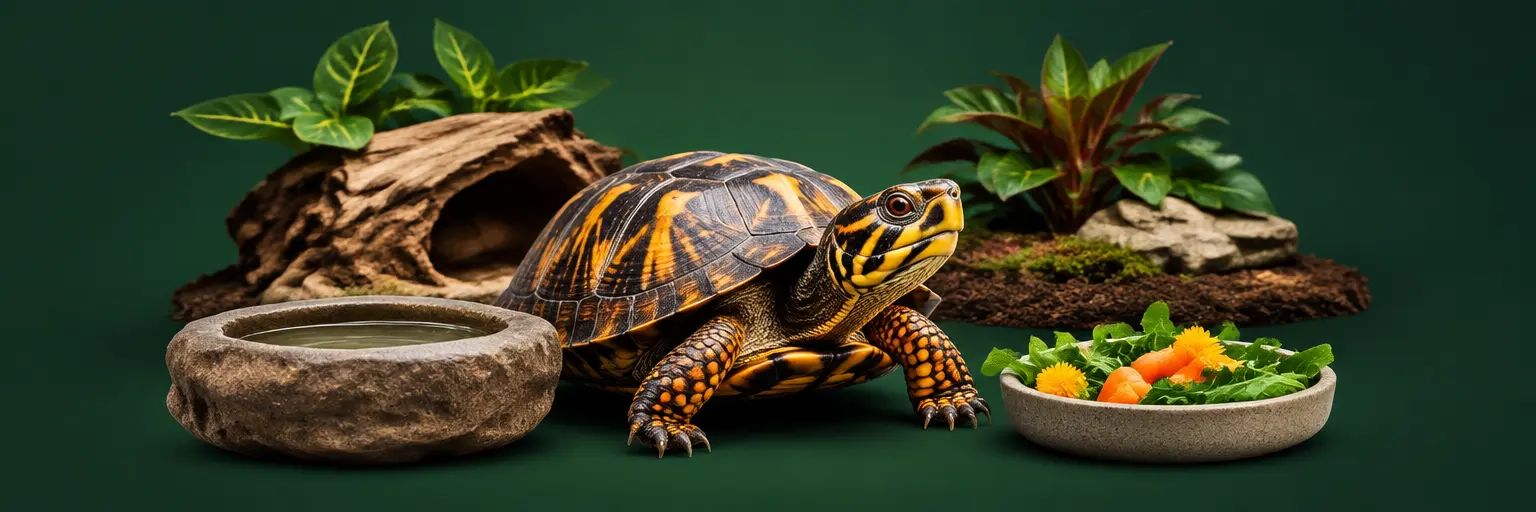
Discover the rewarding journey of caring for box turtles, where expert guidance meets practical tips to ensure your shelled companion thrives. 🐢 From crafting the perfect habitat with proper humidity and UVB lighting to mastering a balanced diet of greens, insects, and calcium-rich supplements, our in-depth advice covers every aspect of box turtle wellness. Whether you’re a first-time owner or a seasoned reptile enthusiast, we break down essential husbandry, seasonal hibernation care, and common health issues—empowering you to build a lifelong bond with these fascinating, terrestrial turtles. Explore our resources to create a safe, stimulating environment and enjoy the unique personality of your box turtle every step of the way. ✨

😊 Discover the secrets to maximizing your box turtle's lifespan! Learn about box turtle lifespan expectancy and essential care tips to ensure…
Read article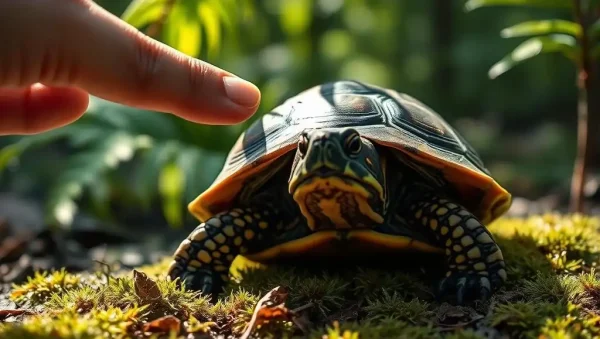
😊 Learn safe box turtle handling tips from PetCareWorld! Our expert guide provides gentle interaction techniques to ensure your turtle's safety and…
Read article
😊 Unlock the secrets of your box turtle's actions! Learn to interpret subtle cues and understand box turtle behavior meaning with PetCareWorld's…
Read articleWelcome to our dedicated section on box turtle care, a vital subcategory within our Reptiles & Exotic Pets hub. Box turtles are fascinating, long-lived reptiles that require a specialized blend of habitat management, nutrition, and health monitoring to thrive in captivity. Unlike aquatic turtles, box turtles are predominantly terrestrial, and their unique needs make them a rewarding yet challenging pet. This guide will walk you through the essential aspects of their care, from building a proper enclosure to understanding their dietary quirks. Whether you're a first-time keeper or a seasoned enthusiast, our goal is to provide accurate, actionable, and compassionate advice to help your shelled companion live a healthy, enriched life.
Your box turtle’s enclosure is its entire world, so replicating a forest floor environment is crucial. For an adult box turtle, a minimum enclosure size of 4 feet by 2 feet is recommended, with larger space always being better. Use a substrate that retains humidity but isn’t soaking wet, such as a mix of coconut coir, cypress mulch, and organic topsoil. This substrate layer should be at least 3-4 inches deep to allow for natural burrowing behavior, which is essential for their comfort and stress reduction.
Temperature and lighting are non-negotiable for box turtle health. Provide a temperature gradient with a basking spot of 85-90°F, a warm side near 80°F, and a cooler side around 70-75°F. Use a UVB bulb (5-10% output) alongside a heat source, as UVB is critical for vitamin D3 synthesis and calcium absorption. Keep the bulb on for 10-12 hours daily to mimic natural daylight cycles. Also, maintain ambient humidity at 60-80% by misting the enclosure regularly, which helps prevent pyramiding and respiratory issues.
Box turtles are omnivores, and their diet should reflect this diversity. A good rule of thumb is that 50-60% of their diet should be leafy greens and vegetables, such as dandelion greens, collard greens, squash, and carrots. Avoid iceberg lettuce and spinach in excess, as they offer poor nutritional value or block calcium absorption. The remaining 40-50% should be protein, including insects like crickets, mealworms, and earthworms, plus occasional cooked lean chicken or low-fat dog food for variety.
Fruits like berries and melon should be offered sparingly, about 10% of the total diet, as they are high in sugar. Always dust protein items with a high-quality calcium supplement containing vitamin D3 at every feeding, and use a multivitamin powder once or twice a week. Fresh, shallow water must be available for drinking and occasional soaking, as box turtles often prefer to hydrate during a soak. Avoid feeding them processed human food, dairy, or raw meat, which can cause digestive upset.
While indoor enclosures are necessary, providing a safe outdoor pen offers unmatched enrichment. A secure outdoor enclosure should have solid walls at least 12 inches high extending a few inches underground, as box turtles are excellent diggers and climbers. Place the pen in a location that offers both sunny basking spots and shaded, cool retreats. Use native plants (non-toxic) and provide a shallow water dish sunk into the ground to create a naturalistic environment.
Seasonal care requires careful adjustments. During warm months, outdoor time is beneficial, but you must monitor for predators like raccoons and dogs. In colder climates, box turtles may undergo a natural brumation period (hibernation-like state) for 2-5 months. Only allow brumation if your turtle is healthy and at an appropriate weight; otherwise, keep them indoors under controlled temperatures to avoid health risks. Always consult a reptile veterinarian before deciding on brumation, as improper cold exposure can be fatal.
Box turtles hide symptoms of illness well, so proactive observation is vital. Respiratory infections are common and manifest as wheezing, nasal discharge, or open-mouth breathing; these are often triggered by low temperatures or high humidity. Metabolic bone disease (MBD) arises from inadequate UVB or calcium, leading to soft shells and limb deformities. Regularly inspect your turtle’s shell for soft spots, scut separation, or fungal patches.
Preventive care starts with quarantine any new turtle for 60 days before introducing it to an existing group, as they can carry parasites. Annual fecal exams by a vet are recommended to detect internal parasites common in wild-caught specimens. Keep a daily care log noting appetite, activity, and stool consistency. If you notice lethargy, weight loss, or abnormal shell growth for more than a day or two, seek prompt veterinary assistance. Early intervention is the single best way to ensure a long, healthy life, as some box turtles can live 50+ years.
Box turtles are not typically “cuddly” pets, and they feel safest when left alone for observation. Limit handling to necessary maintenance, such as cleaning or vet trips, as excessive handling causes stress and can lead to self-defense biting or withdrawal. When you must handle your turtle, support its entire body with both hands, avoiding the shell edges. Always wash your hands before and after to prevent salmonella transmission.
Enrichment is key to mental health. Add hiding spots, logs, leaf piles, and safe climbing structures to encourage natural behaviors like foraging and exploring. Rotate these items weekly to keep the environment interesting. You can also offer puzzle feeders with insects to stimulate hunting instincts. Importantly, keep males separate or with a single female, as multiple males will fight aggressively. A calm, enriched environment reduces stress, boosts immunity, and makes your box turtle a more content, reliable companion.
Box turtles are exceptionally long-lived, with average lifespans of 30 to 50 years in captivity, though some individuals exceed 80 years with proper care. This is a lifelong commitment, so plan for their housing, diet, and veterinary needs for decades. Many owners arrange a care plan in their wills to ensure their turtle’s future is secure.
Tomatoes are safe in very small amounts as an occasional treat, but they are acidic and high in sugar. Iceberg lettuce offers almost no nutritional value and should be avoided. Better choices include romaine, red leaf, or butter lettuce in moderation, alongside darker leafy greens like collards and dandelion greens for essential vitamins.
Juvenile box turtles should be soaked in shallow, lukewarm water daily for 15-20 minutes to ensure proper hydration. Adults benefit from soaking 2-3 times per week. This encourages drinking and healthy bowel movements. Always supervise the soaking session and keep the water level below the chin to prevent drowning.
No, box turtles require a temperature drop at night to mimic natural cycles, ideally between 60-70°F. A night lamp is typically unnecessary unless your home falls below 60°F, in which case use a ceramic heat emitter—not a light bulb—to avoid disrupting their day/night rhythm.
A sudden loss of appetite can indicate stress, improper temperature, or illness. Check basking temperature and humidity first, as a cold turtle will become sluggish and unfed. If conditions are correct, assess for signs of respiratory infection or parasites. If refusal lasts more than 3-4 days, consult a reptile veterinarian.







