Puppy and Kitten Socialization: Creating a Strong Bond
😊 PetCareWorld reveals essential puppy kitten socialization tips for building a lasting friendship between your furry pals. Early introduction and supervised play…
Read article
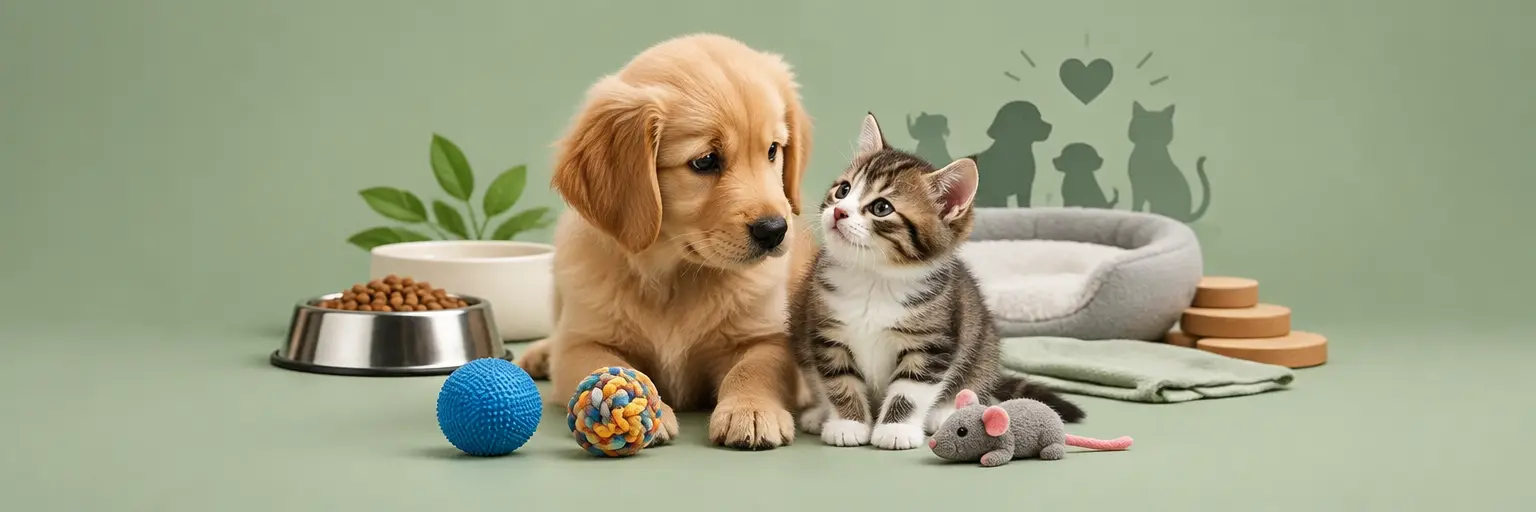
Early socialization is the most critical gift you can give your puppy or kitten, setting the foundation for a confident, well-adjusted companion. During their sensitive developmental window—roughly 3 to 16 weeks for puppies and 2 to 7 weeks for kittens—positive, controlled exposure to new people, sounds, surfaces, and gentle handling dramatically reduces future fear, anxiety, and aggression. At PetCareWorld, we guide you through safe, step-by-step socialization techniques that turn everyday moments into building blocks for resilience, ensuring your young pet grows into a happy, sociable family member. From puppy playdates and car rides to kitten carrier training and meeting friendly adult cats, our expert-backed tips prioritize safety and fun, helping you nurture curiosity while preventing overwhelm. Start early, start gently, and unlock a lifetime of trust—because every positive interaction now shapes a braver, more loving pet tomorrow. 🐾

😊 PetCareWorld reveals essential puppy kitten socialization tips for building a lasting friendship between your furry pals. Early introduction and supervised play…
Read article
😊 Crucial for a happy cat, kitten socialization with humans builds lifelong bonds. PetCareWorld offers expert kitten socialization human bonding tips, ensuring…
Read article
😊 Proper kitten socialization and grooming are crucial for their development. PetCareWorld offers expert kitten socialization grooming tips to build positive associations,…
Read articleWelcoming a puppy or kitten into your home is an exciting journey, but early life experiences shape their entire future personality. Early socialization is the critical process of introducing your young pet to the world in a positive, safe, and controlled manner, laying the foundation for a well-adjusted adult. This subcategory of Pet Health & Nutrition specializes in proven techniques, age-appropriate milestones, and expert strategies to prevent fear, anxiety, and behavioral issues later in life. Discover how to transform your curious youngster into a resilient, friendly, and confident lifelong family member.
Understanding the optimal timing for socialization is key to success. Puppies have a prime window from 3 to 16 weeks of age, while kittens benefit most from exposure between 2 and 9 weeks. During these sensitive periods, their brains are highly receptive to new experiences, making positive associations far more likely to stick, reducing the risk of adult phobias.
Our guides break down each developmental stage, showing you what your pet is capable of perceiving and learning week by week. You'll learn to avoid overwhelming your pet while maximizing learning opportunities. Proper timing means you'll introduce novel sights, sounds, and surfaces gently, ensuring that every interaction builds confidence rather than stress, which is essential for lifelong emotional health.
Early exposure isn't just about meeting people and animals; it's about the everyday textures, noises, and places your pet will encounter throughout life. From vacuum cleaners and traffic sounds to grass, tiles, and stairs, our specialized checklists cover every common scenario. Each session is designed to be short, playful, and rewarding, using treats and praise to create a positive connection.
We emphasize gradual desensitization to avoid scary confrontations that can trigger lifelong fears. You will learn how to introduce household appliances, grooming tools, and exterior environments like parks and veterinary clinics. By carefully managing the intensity and duration of each exposure, you build a resilient pet who navigates the world with curiosity, not anxiety, making daily life more enjoyable for both of you.
One of the most valuable skills you can teach your young pet is how to interact safely and politely with strangers, children, and other animals. We cover the nuances of reading canine and feline body language—like tail wags, ear positions, and hisses—so you can intervene before stress escalates. This proactive approach prevents nipping, scratching, or hiding behaviors that often stem from fear.
Expert-approved playdates with well-vaccinated, calm adult animals are dissected step by step, ensuring productive sessions. You will also learn how to introduce your puppy or kitten to children of different ages, always supervising and rewarding gentle behavior. These foundations lead to a sociable adult who welcomes visitors and other pets, creating a harmonious multi-pet household.
Desensitizing your pet to being touched, held, and examined early on is vital for easier veterinary visits, grooming, and medication administration. Our tutorials demonstrate how to handle paw pads, ears, mouth, and tails gently from day one, using high-value treats to create a positive association. This simple groundwork can turn stressful procedures into routine cooperation.
We also provide mock vet exam routines you can practice at home, introducing the feel of stethoscopes and restraint techniques safely. By rehearsing these situations, your puppy or kitten learns that being examined is safe and rewarding, not frightening. This dramatically reduces anxiety during real vet appointments, making the experience faster, safer, and more pleasant for your pet, yourself, and the veterinary team.
Enrolling in a well-run puppy or kitten socialization class is a powerful way to accelerate learning in a structured environment. We guide you in selecting the right class, what to expect in your first sessions, and how practicing basic cues like “sit,” “stay,” and “come” builds mental stimulation and impulse control, which are essential components of the socialization process.
Beyond basic obedience, these classes provide controlled exposure to other animals and unfamiliar humans, reinforcing your home-based efforts. You’ll learn to incorporate socialization into every training session, turning walks and playtime into learning events. This combined approach of training and exposure produces a dog or cat that is both obedient and socially savvy, greatly simplifying everyday life and deepening your bond.
The most critical window is between 3 and 16 weeks of age for puppies. During this period, their brains are most open to forming positive associations with new experiences. Missing this window can make training more challenging, but with patient, gentle exposure, older puppies can still make significant progress, just at a slower pace.
Yes, while the primary window closes around 9 weeks, kittens can still learn new social skills later. Socialization after this age requires more frequent, shorter, and highly rewarding sessions. Focus on positive reinforcement with treats and play. Older kittens may be more cautious, so patience and consistency are essential to build their confidence safely.
Start by introducing them to various safe surfaces like carpet, tile, and grass, paired with treats. Play recorded sounds of thunderstorms and traffic at a low volume, gradually increasing it. Invite vaccinated, calm adult dogs to meet them in your backyard. Always supervise and end each session on a positive note.
Use a slow, scent-based introduction. Keep the new kitten separated in a room initially, swapping bedding between them for a few days. Then, allow brief, supervised visual meetings through a baby gate. Reward both animals for calm behavior. Slowly increase interaction time, watching for signs of stress or aggression, and separate if needed.
Avoid forcing interactions if your pet shows fear or stress, as negative experiences can cause lasting trauma. Also, avoid public areas with unknown vaccination status until fully immunized. Never punish fear-based behaviors like hiding or growling, as this increases anxiety. Instead, redirect and reward calm, curious actions to create a positive learning environment.







