
Kitten Socialization and Grooming: Building Positive Associations

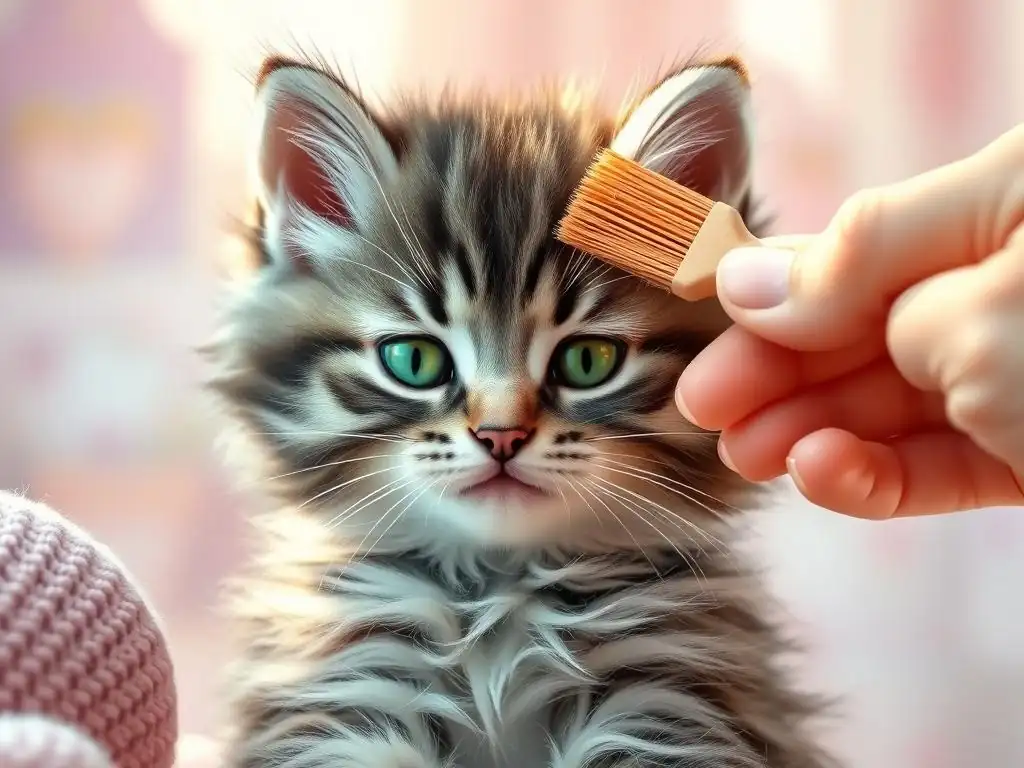
Welcome to PetCareWorld, your ultimate guide to a happier, healthier life for your beloved companion! Are you ready to unlock the secrets to a well-adjusted and perfectly groomed kitten? Our expert guide on Kitten Socialization Grooming Tips reveals how to build positive associations during this crucial developmental stage, ensuring your furry friend thrives. Dive in and discover the techniques that will transform grooming time from a stressful ordeal into a bonding experience!
- The Importance of Early Kitten Socialization
- Integrating Grooming into Socialization
- Kitten Socialization Grooming Tips: A Step-by-Step Guide
- Handling Common Challenges During Kitten Socialization and Grooming
- Maintaining Positive Associations Throughout Kittenhood
- Advanced Kitten Socialization and Grooming Techniques
- When to Seek Professional Help for Kitten Socialization and Grooming
- Frequently Asked Questions
- Final Reflection: The Lasting Impact of Early Kitten Care
- Unlock Your Kitten's Purrfect Potential!
Bringing a new kitten into your home is an exciting time, filled with playful antics and adorable purrs. However, ensuring your kitten's well-being extends far beyond providing food, water, and a cozy bed. Early socialization and proper grooming are crucial for developing a well-adjusted, confident, and happy cat.
This article delves into the vital role of early socialization in shaping your kitten's personality and behavior, alongside practical grooming tips to build positive associations from a young age. We'll explore the benefits of early socialization, the critical developmental window, and how to identify potential signs of poor socialization, providing you with the knowledge to raise a healthy and happy feline companion. This comprehensive guide will equip you with the tools and understanding necessary to navigate this crucial phase in your kitten's life, helping you build a strong bond based on trust and positive interactions.
Understanding the nuances of kitten socialization and grooming is key to preventing future behavioral problems and ensuring a lifetime of companionship. Let's embark on this journey together to create a harmonious relationship with your beloved kitten.
Early socialization offers a multitude of benefits for kittens, shaping their future behavior and overall well-being. A well-socialized kitten is more likely to be:
- Confident and outgoing: Exposure to various sights, sounds, and experiences builds resilience and reduces fear-based reactions.
- Adaptable to new situations: Kittens socialized early adjust more easily to changes in their environment and routine.
- Friendly and approachable: Positive interactions with humans and other animals foster a trusting and affectionate nature.
- Less prone to behavioral problems: Early socialization helps prevent the development of anxiety, aggression, or fear-based behaviors.
- Easier to handle and groom: Positive experiences during grooming sessions from a young age make future grooming much simpler.
The impact of early socialization is profound and long-lasting. Investing time and effort in this crucial period sets the stage for a happy and harmonious relationship with your kitten throughout its life. Think of it as building a strong foundation for a lifetime of companionship. The rewards far outweigh the initial investment of time and patience. Consider it an investment in a healthier, happier cat.
The period between 2 and 7 weeks of age is considered the most crucial window for kitten socialization. During this time, kittens are highly receptive to new experiences and readily form associations. This means that positive interactions during this period have a significantly greater impact on their future behavior compared to later interventions. Missing this window doesn't mean all is lost, but it makes the process considerably more challenging.
Early socialization involves exposing your kitten to a variety of stimuli in a controlled and positive manner. This includes gentle handling, exposure to different sounds (e.g., vacuum cleaner, doorbell), textures (e.g., different fabrics), and other animals (if appropriate and safe). Remember, the goal is to create positive associations, not to overwhelm or frighten your kitten.
Patience and a gradual approach are key to success. Think of it as carefully introducing your kitten to the world, one step at a time. Positive reinforcement through treats and praise further enhances the learning process.
Unfortunately, not all kittens receive adequate socialization in their early lives. Identifying signs of poor socialization is crucial for early intervention. Kittens lacking proper socialization may exhibit:
- Excessive fear or anxiety: They may cower, hide, or show signs of distress in response to everyday stimuli.
- Aggression or biting: This can manifest as defensive aggression when approached or handled.
- Avoidance of human contact: They may actively avoid interaction or become fearful when approached.
- Difficulty adapting to new environments: Changes in routine or surroundings can trigger significant stress or anxiety.
- Problems with litter box training: Stress and anxiety can sometimes manifest as litter box issues.
If you observe any of these signs, it's crucial to seek professional help from a veterinarian or a certified cat behaviorist. Early intervention can significantly improve your kitten's behavior and quality of life. Remember, a well-socialized kitten leads to a happier cat and a more rewarding relationship for you. Early detection and intervention are critical to a positive outcome. Don't hesitate to seek expert advice if you're concerned.
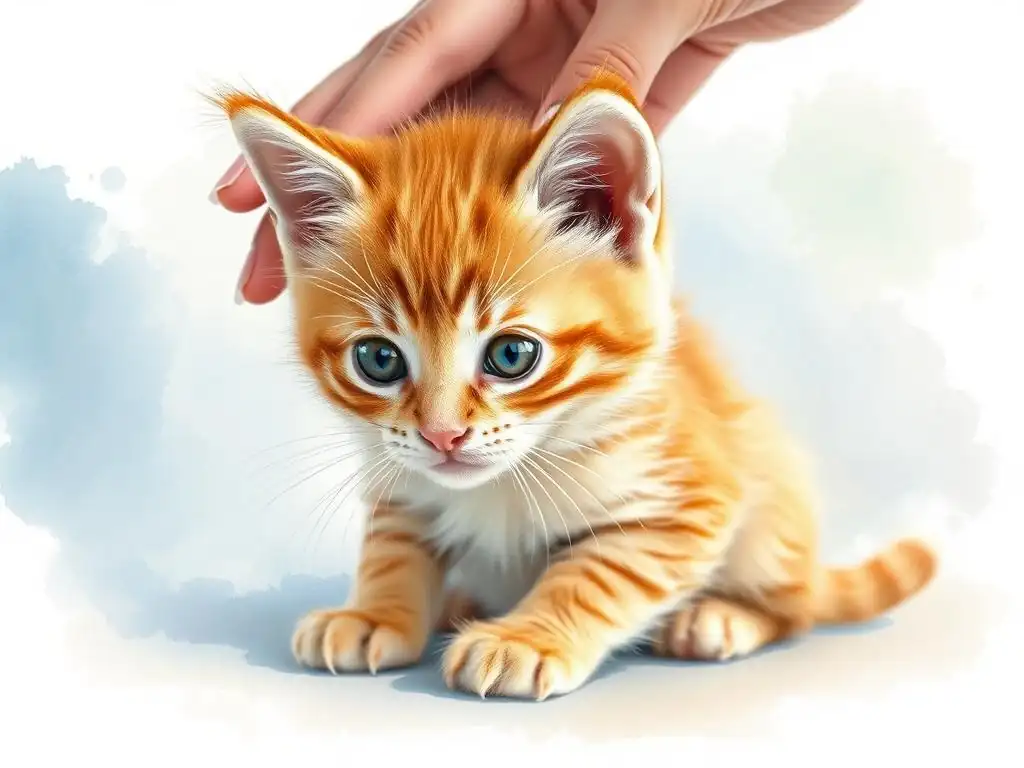
This section delves into the crucial intersection of kitten socialization and grooming, emphasizing how early positive experiences with grooming can significantly impact a kitten's overall well-being and future interactions with humans. Successfully integrating these two aspects lays the foundation for a calm and cooperative cat throughout its life. Remember, the goal is to build positive associations with handling and grooming, transforming these potentially stressful activities into enjoyable experiences.
This proactive approach minimizes anxiety and fear later on, making veterinary visits and routine care much smoother. Effective kitten socialization grooming tips hinge on patience, consistency, and a deep understanding of feline behavior.
Positive Reinforcement During Grooming Sessions
Positive reinforcement is paramount when socializing a kitten and introducing grooming. Avoid any forceful actions; instead, focus on rewarding calm behavior. Every time you handle your kitten, even for brief periods, reward them with treats, praise, or gentle petting. This creates a positive association with being handled. During grooming sessions, start with short, rewarding sessions, gradually increasing the duration as your kitten becomes more comfortable. For example, initially, simply touch their paws for a few seconds and immediately reward them.
The next day, you might brush a small area of their fur. Each incremental step forward should be accompanied by positive reinforcement. This systematic approach, built on positive reinforcement, is key to successful kitten socialization grooming. Consider using a clicker for training; the click signals the immediate reward, making the association clearer for your kitten. The consistency of positive reinforcement is more effective than sporadic rewarding.
Introducing Grooming Tools Gradually
Introducing grooming tools gradually is crucial to avoid overwhelming your kitten. Begin by letting your kitten sniff and investigate the tools without actually using them. Allow them to explore the brushes, combs, and nail clippers at their own pace. Reward any positive interaction—a sniff, a lick, or simply a lack of fear. Once they seem comfortable with the tools' presence, gently touch them to various parts of their body while using the tools.
Start with areas they are most tolerant of, such as their head or back. Gradually introduce the tools onto other areas, like their paws and belly. Remember, every step requires patience and positive reinforcement. If your kitten shows signs of distress (ears flattened, hissing, tail twitching), immediately stop and try again later.
Never force your kitten to accept the grooming tools. A slow, gradual approach is far more effective than rushing the process. This careful introduction minimizes fear and builds confidence, making future grooming sessions easier. The goal is to create a positive association with these tools, transforming them from potential threats into familiar and comforting objects.
Age-Appropriate Grooming Techniques for Kittens
Age significantly influences the approach to kitten socialization and grooming. Very young kittens (under 8 weeks) are highly sensitive and require extremely gentle handling. Focus on short, positive interactions, avoiding any pressure. As they grow older (8-12 weeks), you can gradually increase the duration and intensity of grooming sessions. For example, you might start with gentle stroking, followed by brushing, and finally, nail trimming.
By 12 weeks, most kittens are more confident and better tolerate more extensive grooming. Always be mindful of your kitten's body language. If they seem uncomfortable, stop immediately. Different kittens will have different tolerances; some might be more accepting of grooming than others.
This approach is essential for building trust and preventing future behavioral issues. Adapting your technique to the kitten's age and temperament is crucial for successful kitten socialization grooming and creates a lasting positive association with this essential aspect of pet care. Remember to always prioritize the kitten's comfort and well-being during this process. Using age-appropriate techniques ensures a smooth and positive experience.
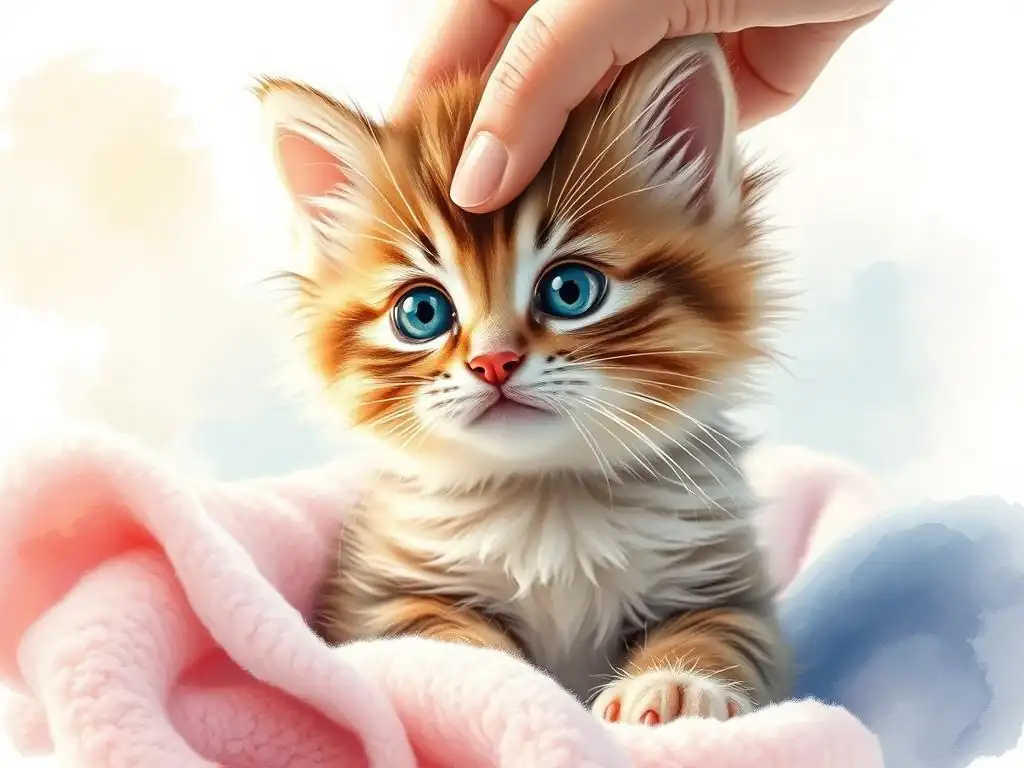
This section details a structured approach to kitten socialization and grooming, focusing on building positive associations from a young age. Early, positive experiences are crucial for a well-adjusted cat comfortable with handling and grooming throughout its life. This program emphasizes gradual introduction and positive reinforcement, minimizing stress and maximizing the chances of success. Remember, patience and consistency are key when implementing these kitten socialization grooming tips.
Week 1-4: Gentle Handling and Touch
The first few weeks are about establishing trust and comfort. Avoid overwhelming the kitten with prolonged sessions. Instead, aim for short, frequent interactions. Think of it as building a foundation of positive experiences.
- Daily Handling: Spend several short periods each day gently handling your kitten. Pick them up, supporting their chest and hindquarters. Pet them all over – head, ears, paws, belly, and tail. Talk to them in a soothing voice. The goal is to make them associate your touch with positive feelings.
- Different Textures: Introduce your kitten to a variety of textures – soft blankets, smooth surfaces, slightly rough towels. This helps them get used to different sensations on their fur.
- Positive Reinforcement: Reward calm behavior with treats, praise, or gentle petting. Avoid forceful handling at all costs. If the kitten seems stressed (ears back, tail tucked, hissing), stop immediately and try again later.
- Environmental Enrichment: Ensure the kitten has a safe, stimulating environment with plenty of places to hide and explore. This reduces stress and makes them more receptive to handling.
Example: A typical session might involve picking the kitten up for 5 minutes, petting them gently, and then giving them a small treat before putting them back down. Repeat this several times throughout the day.
Week 5-8: Introducing Grooming Tools and Sounds
Once your kitten is comfortable with handling, you can gradually introduce grooming tools. Start with sounds first.
- Sound Introduction: Turn on the hairdryer or clippers at a low setting, keeping them a distance from the kitten. Reward calm behavior. Gradually decrease the distance and increase the volume over several days.
- Tool Introduction: Introduce the brush, comb, nail clippers, and any other tools you'll use for grooming. Let the kitten sniff and explore them. Reward any positive interaction.
- Gentle Brushing: Begin with short, gentle brushing sessions. Focus on areas the kitten seems most comfortable with. If they show signs of discomfort, stop immediately.
- Positive Associations: Always associate grooming tools with positive experiences – treats, praise, and playtime. This helps the kitten learn to view these tools favorably.
Week 9-12: Full Grooming Routine and Positive Reinforcement
By now, your kitten should be relatively comfortable with handling and the grooming tools. You can now start working towards a full grooming routine.
- Complete Grooming: Gradually increase the duration of grooming sessions. Include brushing, combing, nail trimming, ear cleaning (if necessary), and teeth brushing (using a pet-specific toothpaste).
- Consistent Routine: Establish a regular grooming schedule – perhaps once or twice a week. Consistency is key to building positive associations.
- Reward System: Continue to reward calm behavior during grooming sessions. Use positive reinforcement consistently.
- Addressing Challenges: If your kitten resists a particular aspect of grooming, go back a step and reintroduce it more gradually. Never force the issue. Patience and understanding are crucial.
Remember, every kitten is different. Some may adapt quickly, while others may need more time and patience. The key is to build positive associations with handling and grooming, making it a pleasant experience for both you and your furry friend. This approach not only helps with grooming but also strengthens the bond between you and your kitten, improving their overall well-being. These kitten socialization grooming tips are designed to create a positive and stress-free experience for your feline companion.
Kitten socialization and grooming are crucial for their overall well-being, shaping their behavior and health for years to come. However, the process isn't always smooth sailing. Many kittens, especially those rescued or from less-than-ideal breeding environments, may present challenges during handling and grooming. Understanding these challenges and implementing appropriate strategies is key to building positive associations and ensuring a happy, healthy cat.
This section delves into common difficulties and offers practical solutions to help you navigate these hurdles successfully. Remember, patience and positive reinforcement are paramount throughout this journey. Effective kitten socialization grooming tips hinge on understanding your kitten's individual needs and adapting your approach accordingly.
Dealing with Fear and Anxiety During Grooming
Fear and anxiety are common obstacles during kitten grooming. Signs of anxiety can range from subtle behaviors like flattened ears and a tucked tail to more overt displays like hissing, growling, or even biting. Understanding the root cause is the first step. Was the kitten previously mistreated? Are they simply overwhelmed by the experience?
Several strategies can help alleviate fear and anxiety:
- Gradual desensitization: Start by simply letting your kitten sniff and explore grooming tools. Reward calm behavior with treats and praise. Gradually introduce the tools closer to their body, rewarding any relaxed response. This process should be slow and patient, taking weeks or even months depending on the kitten's level of fear.
- Positive reinforcement: Always reward calm behavior during grooming with treats, praise, or gentle petting. Avoid punishment, which will only increase their anxiety. Positive reinforcement creates a positive association with grooming.
- Creating a safe space: Grooming should take place in a familiar and comfortable environment for the kitten. A soft bed or blanket can provide a sense of security.
- Short sessions: Keep grooming sessions short, especially in the beginning. A few minutes of positive interaction are far more effective than a long, stressful session. Frequent, short sessions are better than infrequent, lengthy ones. Think of it as building up their tolerance gradually. Consider using a timer to ensure you stick to the planned session length.
- Consult a veterinarian or professional: If anxiety is severe or persistent, consult your veterinarian or a certified cat behaviorist. They can help identify underlying issues and recommend tailored solutions. They may suggest pheromone sprays or other calming aids.
Remember, consistency is key. By consistently practicing these techniques, you can help your kitten overcome their fear and anxiety, transforming grooming time into a positive experience.
Addressing Aggressive Behaviors During Handling
Some kittens may exhibit aggressive behaviors during handling, such as hissing, swatting, biting, or scratching. These behaviors are often rooted in fear, pain, or a lack of positive handling experiences. Addressing these behaviors requires a careful and patient approach.
Here’s how to tackle aggression:
- Identify the triggers: What specifically triggers the aggressive behavior? Is it a particular tool, a specific body part, or the act of handling itself? Identifying the trigger allows you to address it directly.
- Avoid forceful handling: Never force a kitten to accept grooming or handling. This will only escalate the aggression and damage your relationship.
- Use positive reinforcement: Reward calm behavior with treats and praise. Even a small moment of calm should be rewarded to reinforce positive associations.
- Body language awareness: Learn to read your kitten's body language. Signs of stress include flattened ears, dilated pupils, a tucked tail, and a stiff body. If you see these signs, stop the interaction immediately and give your kitten space.
- Professional guidance: If aggression persists despite your efforts, seek professional help from a veterinarian or certified cat behaviorist. They can assess the situation and recommend appropriate behavioral modification techniques. They might suggest using specific training methods or even medication in severe cases.
| Trigger | Response |
|---|---|
| Touching the paws | Gradually introduce touch, rewarding calm behavior |
| Brushing | Start with short, gentle brushing sessions |
| Nail trimming | Desensitize to the clippers using positive reinforcement |
Aggression is a serious concern, and early intervention is crucial. Don't hesitate to seek professional help if needed.
Creating a Calming and Safe Environment for Grooming
The environment plays a significant role in a kitten's comfort level during grooming. A calming and safe space is essential for positive associations.
Consider these factors:
- Location: Choose a quiet, comfortable area away from loud noises and distractions. A quiet room or a comfortable bed can be ideal.
- Temperature: Ensure the room is neither too hot nor too cold. A comfortable temperature reduces stress.
- Sounds and smells: Use calming sounds like soft music or nature sounds to create a relaxing atmosphere. Avoid using strong-smelling cleaning products that might overwhelm your kitten's sensitive nose. Consider using calming pheromone diffusers.
- Positive associations: Associate the grooming area with positive experiences, such as playtime or feeding. This helps create a positive emotional response to the space.
- Safe handling: Always handle your kitten gently and respectfully. Avoid sudden movements or loud noises that could startle them.
Creating a relaxing atmosphere is crucial for successful kitten socialization and grooming. By paying attention to these environmental details, you can significantly improve your kitten's experience and build positive associations with grooming. This careful approach is a cornerstone of effective kitten socialization grooming tips. Remember, a calm environment fosters a calm kitten. 😻
Maintaining Positive Associations Throughout Kittenhood
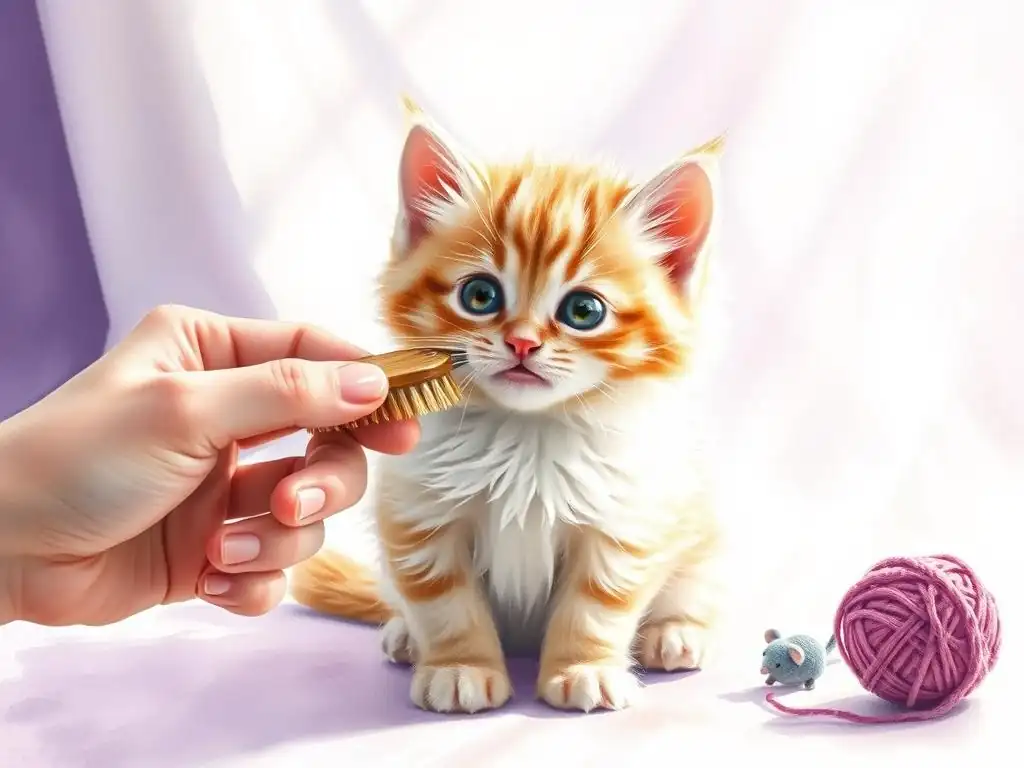
This section focuses on the crucial role of consistent positive reinforcement in building a positive association between your kitten and grooming practices. Early socialization and proper handling are key to preventing future behavioral problems and ensuring a smooth grooming experience for both you and your feline companion. Remember, the goal is to create a positive experience, not a stressful one, for your kitten. This will contribute significantly to your kitten's overall well-being and your bond. Effective kitten socialization grooming tips are centered around making grooming a pleasurable activity.
Consistency is Key: Regular Grooming and Handling
Consistency is paramount when it comes to kitten socialization and grooming. Start early, ideally from the time you bring your kitten home. Even brief, daily handling sessions—just a few minutes of gentle petting, stroking, and playing—can make a huge difference. Gradually introduce grooming tools, one at a time. Begin with a soft brush, allowing your kitten to investigate it and sniff it before gently brushing its fur.
Don't force the interaction. If your kitten seems anxious or resists, stop immediately and try again later. Positive reinforcement techniques, such as rewarding calm behavior with treats or praise, are essential. A structured approach helps kittens understand what's expected and reduces their anxiety.
Consider establishing a regular grooming schedule, perhaps once a week or even more frequently for long-haired breeds. This predictability helps kittens anticipate the experience and reduces uncertainty, which can be a major source of stress. Short, frequent sessions are preferable to long, infrequent ones. This way, your kitten won't become overwhelmed or frustrated.
Remember, the goal is to create a positive routine that your kitten will come to associate with comfort and affection, not fear or stress. This consistent approach is a cornerstone of effective kitten socialization grooming tips.
Rewarding Calm Behavior During Grooming
Positive reinforcement is a powerful tool for shaping your kitten's behavior during grooming. Every time your kitten exhibits calm behavior during a grooming session—sitting still, allowing you to brush its fur, or remaining relaxed while you clean its ears—reward it immediately with a small treat, verbal praise ("Good kitty! "), or gentle petting. This helps your kitten associate grooming with positive experiences.
The timing of the reward is crucial. It should be given immediately after the desired behavior to create a strong association. Avoid rewarding unwanted behaviors, such as struggling or biting. Instead, calmly redirect your kitten's attention and resume grooming when it is more relaxed. This targeted approach will reinforce calm behavior and minimize negative interactions.
Consider using a variety of rewards to keep your kitten engaged. Some kittens respond better to treats, while others prefer praise or playful interaction. Observe your kitten's preferences and tailor your rewards accordingly. This personalized approach ensures your kitten receives the best possible reinforcement. Tracking your kitten's reactions and adjusting your technique accordingly demonstrates your commitment to its well-being and strengthens your bond.
Recognizing and Addressing Stress Signals in Kittens
It's crucial to learn to recognize signs of stress or anxiety in your kitten during grooming. These can include flattened ears, dilated pupils, a tucked tail, hissing, growling, or attempts to escape. If you observe any of these signs, stop the grooming session immediately and allow your kitten to relax. Forcing a stressed kitten to undergo grooming will only worsen the situation and create negative associations.
Understanding your kitten's body language is essential for effective kitten socialization and grooming. A relaxed kitten will have relaxed muscles, soft eyes, and a slightly wagging tail. Conversely, a stressed kitten will exhibit tense muscles, wide or narrowed eyes, and a tucked or stiff tail. Pay attention to these subtle cues, as they provide valuable insights into your kitten's emotional state.
If your kitten consistently displays signs of stress during grooming, you might need to adjust your approach. Try shorter grooming sessions, use different grooming tools, or work in a quieter environment. Consult with a veterinarian or a professional cat behaviorist if you're struggling to manage your kitten's anxiety. They can provide additional guidance and support to help you develop effective strategies for positive kitten socialization and grooming. Remember, patience and understanding are key to success. 🎉
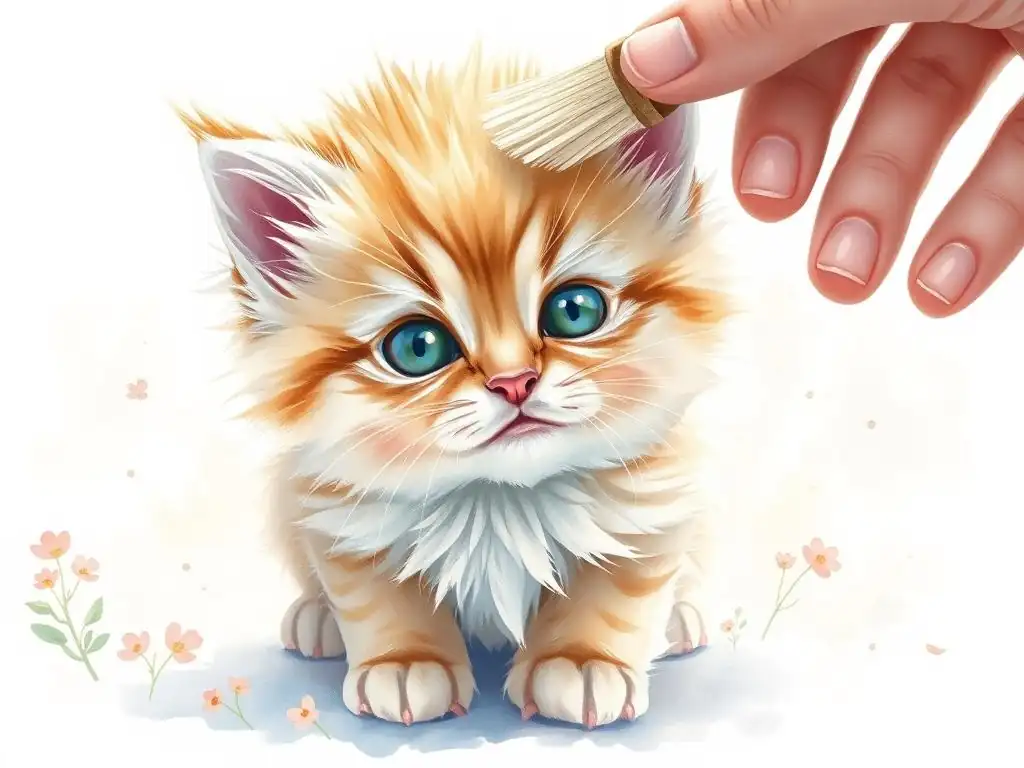
This section delves into more sophisticated strategies for socializing and grooming your kitten, building upon the foundational techniques discussed earlier. Remember, early and consistent socialization is crucial for a well-adjusted adult cat. These advanced techniques will help you navigate potential challenges and ensure your kitten develops into a confident and comfortable companion. Successful kitten socialization grooming tips hinge on patience and positive reinforcement.
Introducing your kitten to other pets requires careful planning and gradual introductions. Avoid forcing interaction; instead, create positive associations. Start by allowing the kitten and other pets to smell each other under the door or through a carrier. Supervise all interactions closely, providing treats and praise for calm behavior.
- Gradual Introductions: Short, supervised sessions are key. Begin with brief visual contact, gradually increasing the proximity as both animals remain calm.
- Safe Space: Ensure your kitten has a safe retreat, like a cat tree or a quiet room, where it can escape if feeling overwhelmed.
- Positive Reinforcement: Reward calm behavior with treats and praise for both the kitten and the resident pet.
- Body Language: Learn to recognize signs of stress in both animals—flattened ears, hissing, puffed-up fur—and separate them immediately if necessary.
Consider the personalities of your existing pets. A dominant dog might need more careful management than a laid-back canine companion. Similarly, a shy or fearful resident cat may require a longer, more gradual introduction process. Patience is paramount; it might take weeks or even months for a harmonious relationship to develop. Remember, successful integration is a process, not an event.
Introducing Kittens to Different Environments
Exposure to diverse environments is vital for a well-adjusted kitten. This helps prevent fear and anxiety later in life. Start with small, manageable steps, gradually increasing the complexity of the environment.
- Controlled Exposure: Begin with short trips to familiar, safe places like a friend's house or a quiet park. Keep the kitten on a leash or in a carrier initially.
- Variety of Stimuli: Expose your kitten to different sounds, sights, and smells. This can include the gentle sounds of a vacuum cleaner, the sight of children playing from a distance (with supervision, of course), and the smell of various surfaces.
- Positive Associations: Always associate new experiences with positive reinforcement—treats, praise, and gentle petting.
- Desensitization: If your kitten shows fear of a particular stimulus, gradually introduce it at a distance, slowly decreasing the distance as the kitten remains calm. Never force the kitten into a situation that causes distress.
Data suggests that kittens exposed to a variety of environments during their critical socialization period (roughly 2-7 weeks) are less likely to develop behavioral problems as adults. However, even older kittens can benefit from careful socialization, albeit at a slower pace. The key is consistent positive reinforcement and understanding your kitten's individual needs and anxieties.
Dealing with Specific Grooming Needs (e.g., long-haired breeds)
Grooming is an essential part of kitten socialization, helping build positive associations with handling. Long-haired breeds require more frequent and thorough grooming than short-haired cats.
- Regular Brushing: Daily brushing is recommended for long-haired breeds to prevent matting and tangles. Use a soft-bristled brush and gentle strokes.
- Nail Trimming: Regular nail trims are crucial to prevent overgrowth and scratching. Introduce nail clippers gradually, rewarding calm behavior with treats.
- Ear Cleaning: Clean your kitten's ears regularly with a veterinarian-recommended ear cleaner. Avoid using cotton swabs, which can damage the eardrum.
- Bathing: Bathing should be infrequent, only when necessary. Use a kitten-specific shampoo and lukewarm water. Thoroughly rinse and dry your kitten to prevent skin irritation.
Long-haired breeds are particularly prone to matting, which can be painful and uncomfortable. Early and consistent grooming helps prevent this problem and builds a positive association with handling. If you are unsure about any aspect of grooming, consult with a veterinarian or a professional groomer. They can provide personalized advice and demonstrate the proper techniques. Remember, gentle handling and positive reinforcement are key to making grooming a positive experience for your kitten. This helps to establish trust and makes future grooming sessions easier and less stressful for both you and your furry friend. 😻
Kitten socialization and grooming are crucial for their overall well-being, shaping their behavior and health for years to come. While many aspects can be managed at home with patience and positive reinforcement, recognizing when professional intervention is necessary is vital. Ignoring early warning signs can lead to more significant behavioral issues and health problems later on. This section focuses on identifying those signs and finding the right professional support.
Identifying Signs that Professional Help is Needed
Several indicators suggest your kitten might need professional assistance with socialization or grooming. These signs shouldn't be taken lightly; early intervention often yields the best results. Here's a breakdown of key warning signals:
- Excessive fear or aggression: A kitten consistently hissing, spitting, swatting, or showing extreme fear in response to gentle handling or new stimuli may require professional behavioral modification. This could stem from inadequate early socialization or a negative experience. For instance, a kitten relentlessly attacking hands during petting sessions needs immediate attention.
- Grooming difficulties: While kittens naturally groom themselves, excessive matting, difficulty with nail trimming, or a complete aversion to grooming necessitates professional help. This could indicate underlying health problems or a deeply ingrained negative association with grooming practices. For example, if you cannot even approach your kitten with a brush without a violent reaction, it's time to seek assistance.
- Inability to handle common situations: A kitten consistently hiding or panicking during everyday events like vet visits, car rides, or exposure to other animals, indicates a serious socialization deficit. Professional help can teach your kitten coping mechanisms and positive associations with these common situations. A kitten who freezes and refuses to move during a simple vet check-up needs more than just patience at home.
- Self-mutilation: Excessive licking, biting, or scratching to the point of causing self-injury is a serious sign requiring immediate veterinary and potentially behavioral intervention. This could be due to underlying medical conditions or severe anxiety. Observe for bald patches, wounds, or any signs of distress.
- Elimination problems: Urinating or defecating outside the litter box consistently, especially if accompanied by other behavioral problems, may need the attention of a veterinarian or behaviorist to rule out medical causes or address underlying anxiety.
Finding a Qualified Veterinarian or Pet Behaviorist
Locating a qualified professional is crucial. Don't hesitate to ask for recommendations from your primary veterinarian, other pet owners, or local animal shelters. When searching, prioritize professionals with experience in feline behavior and socialization.
Consider the following factors when selecting a veterinarian or pet behaviorist:
- Credentials and experience: Look for certifications, qualifications, and demonstrable experience in working with kittens and addressing behavioral issues. Ask about their success rate and approach to treatment.
- Approach to training: Ensure they utilize positive reinforcement methods, avoiding punishment-based techniques that can be detrimental to a kitten's emotional well-being.
- Client testimonials: Check online reviews and ask for references to gauge their professionalism and effectiveness.
- Availability and communication: Choose someone readily available to answer your questions and provide ongoing support.
The Role of Positive Reinforcement Training in Addressing Challenges
Even with professional help, positive reinforcement training remains a cornerstone of addressing socialization and grooming challenges. It's not a quick fix but a long-term strategy that builds trust and positive associations. The professional will likely incorporate these principles into their approach:
- Reward-based learning: Using treats, praise, and toys to reward desired behaviors—such as calm acceptance of handling or positive reactions to grooming—is paramount.
- Gradual desensitization: Slowly introducing your kitten to new stimuli or situations, starting with minimal exposure and gradually increasing the intensity, is a key technique.
- Counter-conditioning: Pairing previously negative stimuli with positive experiences to change your kitten's emotional response is incredibly effective. For example, associating nail trimming with treats and praise.
- Consistency and patience: Remember that progress takes time. Consistency in training and patience in dealing with setbacks are crucial for success. Positive reinforcement requires dedication and understanding.
This approach, combined with professional guidance, offers the best chance for a well-adjusted, confident, and happy kitten. Remember, early intervention is key to preventing more serious behavioral problems in the future. Don't underestimate the power of a proactive and positive approach to kitten socialization and grooming.
Frequently Asked Questions
Early socialization is crucial for a kitten's development. It helps them become well-adjusted adults, comfortable with people, other animals, and different environments. Positive experiences during this period are key.
Expose your kitten to various sights, sounds, and smells in a controlled and positive manner. Introduce them gradually to other pets and people. Positive reinforcement with treats and praise is essential.
When should I start grooming my kitten?
Start grooming your kitten early, ideally around 8 weeks old. This helps them get used to the process and makes it easier to maintain their hygiene throughout their life. Gentle handling is key.
What grooming tools are essential for kittens?
A soft brush, a kitten-safe nail clipper, and pet-friendly shampoo are essential. Avoid harsh chemicals and always use gentle techniques. A comb can help prevent mats.
How can I make grooming a positive experience for my kitten?
Keep grooming sessions short and positive. Reward your kitten with treats and praise. Turn it into a bonding experience rather than a chore. If they resist, try again later with shorter sessions.
Final Reflection: The Lasting Impact of Early Kitten Care
The crucial window of opportunity for kitten socialization and proper grooming practices significantly impacts their future well-being and their relationship with humans. A well-socialized and well-groomed kitten is more likely to become a confident, adaptable cat, leading to a happier life for both the pet and its owner. This isn't just about aesthetics; it's about building a strong foundation for a lifelong bond.
The impact of early socialization extends far beyond the kitten's formative months. It shapes their personality, their ability to cope with stress, and their overall health. Positive associations created during grooming sessions translate into a more cooperative cat during veterinary visits and future grooming needs. As the saying goes, A well-behaved cat is a happy cat, and a happy cat is a healthy cat.
This simple truth underscores the importance of investing time and effort in these early stages of a kitten's life.
Now, consider your own relationship with your feline companion, or the cats you've encountered. Reflect on the importance of those early interactions and how they shaped their personalities. You have the power to make a difference in a kitten's life. By implementing the techniques discussed in this article – gentle handling, positive reinforcement, and consistent grooming – you can contribute to a happier, healthier, and more well-adjusted cat. Embrace the opportunity to build a strong, loving bond with your kitten, one paw-sitive interaction at a time.
Unlock Your Kitten's Purrfect Potential!
Thank you for joining us on this journey into the world of kitten socialization and grooming! We hope you've gained valuable insights into building a strong, positive bond with your feline companion. Now it's time to put that knowledge into practice.
Here's how to maintain a positive relationship with your kitten:
- Prioritize daily playtime and gentle grooming: Even just a few minutes a day can significantly strengthen your bond and build positive associations. Make it fun!
- Share your knowledge! Tell your friends and family about the importance of early socialization and grooming for kittens. They'll appreciate your advice.
- Try a new grooming technique – perhaps introduce a new brush or use a calming spray. Experiment to find what works best for you and your kitten.
So, what will you do today to strengthen your bond with your kitten?