
Kitten Socialization with Humans: Building Trust and Affection

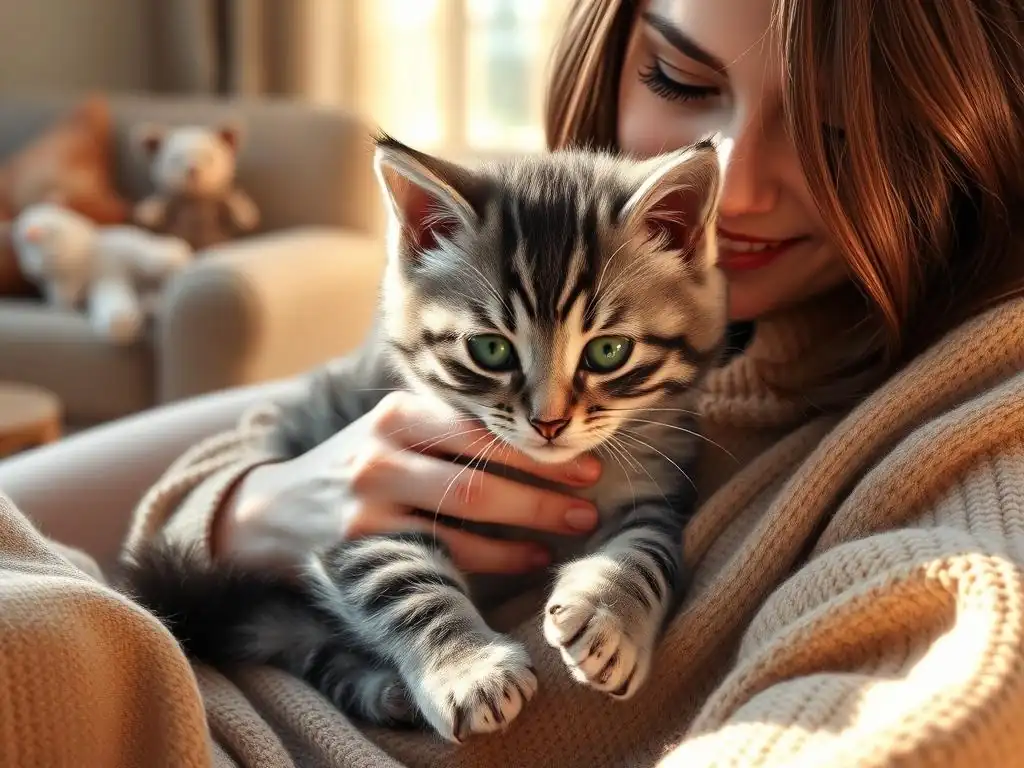
Welcome to PetCareWorld, your ultimate guide to a happier, healthier life for your beloved companion! Are you ready to unlock the secrets to a deep, loving bond with your kitten? Our expert guide on Kitten Socialization: Human Bonding Tips reveals crucial strategies for building trust and affection from a young age. Discover the simple yet powerful techniques that will transform your relationship and ensure a lifetime of purrs and cuddles. Dive in and learn how to nurture a truly special connection with your furry friend!
- The Crucial Window: Early Kitten Socialization for Strong Human Bonds
- Kitten Socialization Techniques: Building Positive Human Interactions
- Overcoming Challenges: Addressing Fear and Anxiety in Kittens
-
Strengthening the Human-Kitten Bond: Ongoing Enrichment and Interaction
- Playtime: Essential for Physical and Mental Stimulation
- Grooming: A Bonding Experience for Kittens
- Providing Environmental Enrichment: Toys, Climbing Structures, and Hiding Places
- Maintaining a Consistent Routine for Your Kitten
- Creating a Safe and Enriching Environment for Your Kitten
- Incorporating Positive Reinforcement Training Techniques
- Long-Term Benefits of Early Kitten Socialization: A Well-Adjusted Companion
- Frequently Asked Questions
- Final Reflection: The Enduring Power of the Human-Kitten Bond
- Unlock Your Kitten's Purrfect Potential!
Bringing a new kitten into your home is an incredibly rewarding experience, filled with playful antics and purring cuddles. However, the foundation for a loving and trusting relationship with your feline companion is laid during the crucial early weeks and months of its life. This article focuses on kitten socialization with humans, exploring the critical period for development and providing practical tips to foster strong human-kitten bonds.
We'll delve into the importance of early interaction, highlighting the key differences between a well-socialized kitten and one that may exhibit shyness or fear. Understanding these concepts will empower you to build a deep, lasting connection with your furry friend, ensuring a happy and harmonious life together. Successfully navigating this crucial socialization period will significantly impact your kitten's behavior, temperament, and overall well-being throughout its life, minimizing potential behavioral problems and maximizing its potential for a joyful existence alongside you.
This guide offers practical strategies and insights to help you achieve this crucial milestone in your kitten's development, promoting healthy human-animal bonding. Let's explore how to create a positive and enriching environment for your new kitten, setting the stage for years of purrfect companionship.
Understanding the Sensitive Period for Kitten Development
Kittens undergo a period of rapid development between 2 and 7 weeks of age, often referred to as the "sensitive period" or "socialization window." During this time, their brains are incredibly receptive to new experiences and learning. Positive interactions during these formative weeks lay the groundwork for a well-adjusted adult cat.
Exposure to various sights, sounds, smells, and textures during this window helps kittens develop appropriate social skills and reduces the likelihood of fear and aggression later in life. Failure to socialize kittens adequately during this period can lead to behavioral issues such as fearfulness, anxiety, or aggression towards humans and other animals. Think of it as a crucial foundation – a strong foundation ensures a stable and well-balanced adult cat.
This period is not just about playing; it's about shaping your kitten's understanding of the world and its place within it. The positive experiences during this time will directly contribute to the strength of the human-kitten bond. Missing this crucial window doesn't mean all is lost, but it makes the process significantly more challenging later on.
Importance of Early Human Interaction for Future Behavior
Early and consistent human interaction is paramount for healthy kitten development and strong human-animal bonding. Gentle handling, petting, and playful interactions during the sensitive period help kittens associate humans with positive experiences. This builds trust and reduces the likelihood of fear or aggression.
Regular interaction also helps kittens become accustomed to common household sounds and activities, reducing the risk of stress and anxiety later in life. For example, gradually introducing your kitten to everyday noises like vacuum cleaners or doorbell rings, while providing comfort and reassurance, will help it learn to associate these sounds with safety rather than fear. Positive reinforcement techniques, such as rewarding calm behavior with treats or praise, further strengthen the bond.
Remember, consistency is key – regular, positive interactions will yield the best results. The more comfortable your kitten is with human touch and interaction early on, the more likely it is to remain a relaxed and affectionate companion throughout its life. This investment of time and attention in your kitten's early development will pay dividends in the years to come.
A well-socialized kitten displays confidence and curiosity. It approaches new people and environments with ease, readily accepting petting and handling without fear or aggression. It plays appropriately, interacts positively with other cats (if introduced carefully), and demonstrates a healthy balance of independence and affection. Conversely, a shy or fearful kitten may exhibit signs of anxiety, such as hiding, hissing, or running away from people.
It may show signs of fear when approached or handled, potentially exhibiting flattened ears, a tucked tail, or dilated pupils. These behaviors often stem from inadequate socialization during the sensitive period. Early intervention is crucial to address these issues and help the kitten develop appropriate social skills. If you observe these signs in your kitten, consult a veterinarian or a certified cat behaviorist for guidance.
Early intervention can make a significant difference in shaping your kitten's behavior and establishing a strong, loving bond. Remember, a confident and well-adjusted kitten is a happy kitten, and a happy kitten makes for a happy owner! 😻
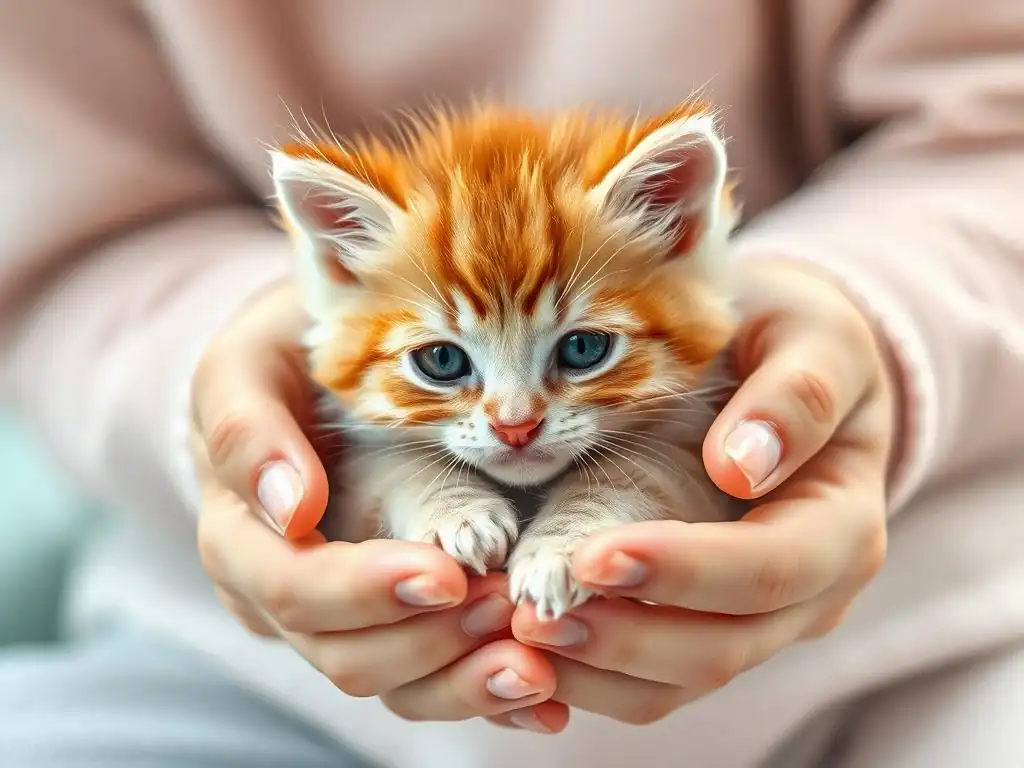
This section delves into practical techniques for fostering strong human-kitten bonds, crucial for a well-adjusted and happy feline companion. Successful kitten socialization hinges on establishing positive associations with humans from a young age. This involves gentle handling, rewarding desired behaviors, and gradual exposure to various stimuli. Remember, patience and consistency are key to achieving successful kitten socialization and building lasting human-kitten bonds – crucial elements in the "Kitten socialization human bonding tips" you seek.
Handling Your Kitten: Gentle and Positive Approaches
Handling your kitten correctly from day one is paramount. Rough or forceful handling can instill fear and negatively impact your relationship. Instead, prioritize gentle interactions. Start with short sessions (5-10 minutes) to avoid overwhelming your kitten. Pick them up supporting their chest and rear, never lifting them by the scruff of the neck unless absolutely necessary (for example, in a medical emergency).
Speak to your kitten in a soft, soothing voice. Let them explore your hands and lap at their own pace. If they show signs of stress (ears flattened, tail tucked, hissing), immediately stop and give them space. Never force interaction. Gradually increase the duration of handling sessions as your kitten becomes more comfortable.
Consider incorporating petting sessions into your daily routine. Many kittens enjoy gentle strokes under the chin, along the cheeks, and behind the ears. Observe your kitten's body language; if they purr, knead, or rub against you, they're enjoying the interaction. If they pull away or become tense, stop immediately.
| Handling Technique | Description | Positive Outcome | Negative Outcome |
|---|---|---|---|
| Gentle stroking | Slow, soft strokes along the fur in the direction of hair growth. | Relaxation, purring, bonding | Fear, avoidance, aggression |
| Supporting chest & rear | Holding the kitten securely, supporting their weight evenly. | Secure feeling, trust | Injury, fear, feeling trapped |
| Talking softly | Using a calm, soothing voice to reassure the kitten. | Comfort, reduced anxiety | Increased anxiety, fear |
| Respecting boundaries | Stopping interaction immediately if the kitten displays signs of distress. | Prevents negative associations, builds trust | Fear, aggression, damaged bond |
Positive Reinforcement Training for Kittens: Rewards and Play
Positive reinforcement is the most effective training method for kittens. It focuses on rewarding desired behaviors rather than punishing unwanted ones. This builds a positive association between you and the desired action, strengthening your bond. For "Kitten socialization human bonding tips," this is paramount.
Use high-value rewards such as small pieces of cooked chicken or tuna (ensure it's safe for kittens! ), catnip (use sparingly), or their favorite toys. Reward your kitten immediately after they exhibit a desired behavior, such as coming when called, sitting, or using their scratching post. Keep training sessions short and fun, ending on a positive note.
Play is also a crucial aspect of positive reinforcement training. Interactive play, such as using a wand toy or feather teaser, helps stimulate your kitten physically and mentally, building a strong bond through shared activity. It provides an outlet for their natural hunting instincts and strengthens their confidence. Remember, playful interaction is a key component of effective "Kitten socialization human bonding tips".
Remember to use consistent verbal cues during training. For example, say "Good kitty!" every time your kitten performs a desired behavior. Consistency is key to ensuring your kitten understands the connection between their actions and the rewards.
Introducing Your Kitten to Different Environments and Sounds
Gradual exposure to various environments and sounds is essential for well-rounded socialization. Start with small, controlled exposures, gradually increasing the intensity and duration as your kitten becomes more comfortable. Avoid overwhelming them with too much stimulation at once.
Begin by introducing your kitten to different rooms in your house. Let them explore at their own pace, providing safe spaces to retreat if they feel overwhelmed. Gradually introduce them to different textures, such as carpets, hardwood floors, and grass (if safe and supervised).
Next, introduce them to a variety of sounds. Start with quiet sounds, such as the ticking of a clock or the sound of a television, gradually introducing louder sounds like vacuum cleaners or traffic noise. Always monitor your kitten's reaction, and provide reassurance if they seem scared or anxious. This desensitization process is vital for building a confident and well-adjusted cat, a key aspect of successful "Kitten socialization human bonding tips". Remember, a gradual approach, patience, and positive reinforcement will ensure your kitten develops into a well-socialized and loving companion.
Safe and Controlled Interactions with Children and Other Pets
Introducing a kitten to children requires careful supervision and gradual introductions. Never leave a kitten unsupervised with young children, as even playful interactions can unintentionally injure a small kitten. Start by allowing the child to observe the kitten from a distance, perhaps through a baby gate. Let the child offer the kitten treats or toys under your close guidance. Praise calm behavior from both the child and the kitten.
Gradually decrease the distance between the child and kitten, always ensuring the child understands how to gently handle the kitten, avoiding sudden movements or loud noises. Teach children to respect the kitten's personal space and cues, such as hissing or flattened ears, which indicate discomfort or stress. These early interactions will lay the groundwork for a positive and safe relationship. Remember, patience and consistency are key.
Introducing a kitten to resident pets, whether dogs or other cats, also requires a measured approach. First, allow the pets to become acquainted with each other’s scents through scent swapping – rubbing a towel on one animal and then on the other. Then, supervised, short, controlled interactions are crucial. Begin with visual introductions from separate rooms, gradually decreasing the distance. Always ensure that there's a safe escape route for the kitten, such as a high perch or a separate room they can retreat to.
Never force interactions. Positive reinforcement, rewarding calm behavior with treats and praise, is vital for both pets. Monitor their interactions closely and be prepared to separate them if any signs of aggression or stress appear. If necessary, consult with a veterinarian or a certified animal behaviorist to help manage introductions and establish a harmonious co-existence.
Remember, the safety and well-being of both the kitten and resident pets are paramount. The goal is a peaceful, positive introduction, not a forced friendship. Patience and controlled introductions will significantly increase the likelihood of successful integration. This careful approach minimizes the risk of conflict and fosters a more positive environment for all involved.
Overcoming Challenges: Addressing Fear and Anxiety in Kittens
Kittens, like all young animals, can experience fear and anxiety, especially during the crucial socialization period. Successfully navigating these challenges is key to fostering strong human-kitten bonds and ensuring a well-adjusted feline companion. Understanding the signs of fear and anxiety, implementing effective training techniques, and creating a safe haven are all vital components of a successful socialization strategy. Ignoring these issues can lead to behavioral problems later in life, making early intervention crucial for achieving optimal "Kitten socialization human bonding tips".
Identifying Signs of Fear and Anxiety in Kittens
Recognizing the subtle and overt signs of fear and anxiety in your kitten is the first step towards addressing the issue. These signs can manifest in various ways, and understanding them is paramount for effective intervention. A fearful or anxious kitten might exhibit:
- Body language: Flattened ears, a tucked tail, dilated pupils, crouching posture, hissing, growling, or swatting. They might also avoid eye contact and try to hide.
- Behavioral changes: Changes in appetite (either increased or decreased), increased vocalization (meowing, yowling), excessive grooming, or elimination outside the litter box. They may become more clingy or, conversely, withdrawn and unresponsive.
- Physiological responses: Increased heart rate, panting, trembling, or even vomiting or diarrhea in extreme cases.
It's important to differentiate between normal kitten play behavior and signs of genuine fear or anxiety. Playful swatting is usually accompanied by a relaxed body posture and playful vocalizations, unlike the tense and fearful displays mentioned above. Observing your kitten carefully will help you distinguish between playful behavior and signs of distress. Keep a detailed "Kitten socialization human bonding tips" journal to track these behaviors over time. This will help you identify patterns and assess the effectiveness of your intervention strategies.
Desensitization and Counter-Conditioning Techniques
Desensitization and counter-conditioning are powerful behavioral modification techniques that can help alleviate fear and anxiety in kittens. These methods gradually expose the kitten to fearful stimuli at a low intensity, while simultaneously pairing it with positive experiences.
- Desensitization: This involves gradually exposing the kitten to the fearful stimulus (e.g., loud noises, unfamiliar people) at a distance and intensity that does not elicit a fear response. Slowly decrease the distance and increase the intensity over time, always ensuring the kitten remains calm. For example, if your kitten is afraid of the vacuum cleaner, start by turning it on in another room and gradually move it closer as the kitten remains relaxed.
- Counter-conditioning: This involves pairing the fearful stimulus with a positive experience, such as treats, praise, or play. This helps the kitten associate the stimulus with something positive, gradually replacing the fear response with a positive one. Continuing with the vacuum cleaner example, you would pair the sound of the vacuum with treats and praise, eventually associating the sound with positive reinforcement.
Consistency is key to the success of these techniques. Start slowly, and always prioritize your kitten's comfort. If your kitten shows signs of fear or anxiety, immediately back off and try again later at a lower intensity. Remember patience is crucial – it may take time and repetition for your kitten to overcome its fears. Implementing these "Kitten socialization human bonding tips" effectively takes dedication.
Creating a Safe and Secure Environment for Your Kitten
Providing a safe and secure environment is fundamental to reducing fear and anxiety in kittens. A kitten's environment should offer places to hide, climb, and explore, while minimizing exposure to overwhelming stimuli.
- Safe spaces: Designate a quiet, comfortable area where your kitten can retreat when feeling overwhelmed or stressed. This could be a cat bed, a cardboard box, or a shelf high off the ground. Ensure this space is free from disturbances and provides a sense of security.
- Controlled stimulation: Gradually introduce your kitten to new sights, sounds, and smells, always monitoring its response. Avoid overwhelming it with too much stimulation at once. Use positive reinforcement to reward calm behavior.
- Predictable routine: Kittens thrive on routine. Establish a consistent daily schedule for feeding, playtime, and litter box cleaning. A predictable routine helps reduce anxiety and creates a sense of security.
Creating a safe, stimulating, and predictable environment is a cornerstone of successful kitten socialization. These "Kitten socialization human bonding tips" focus on prevention and proactive management, leading to a happier, healthier, and more confident kitten. Remember that every kitten is unique, and what works for one may not work for another. Be patient, observant, and flexible in your approach, adjusting your strategies as needed.
Seeking Professional Help: When to Consult a Veterinarian or Behaviorist
Fear and anxiety in kittens aren't always easily overcome with home remedies. Sometimes, underlying medical conditions or deeply ingrained behavioral issues require professional intervention. Knowing when to seek help is crucial for your kitten's well-being and your peace of mind. Ignoring persistent fear or anxiety can lead to more significant problems later in life, impacting your kitten's overall health and happiness, and potentially straining the human-animal bond you're working so hard to build. Early intervention is often key to successful treatment.
Several signs indicate that professional help is necessary. If your kitten exhibits excessive hiding, constant trembling or shaking, aggressive responses even to gentle handling, or self-mutilating behaviors like overgrooming, it's time to consult a veterinarian. These symptoms could point to underlying medical issues like hyperthyroidism or other health problems that manifest as behavioral changes. A vet can rule out any medical causes for your kitten's anxiety. Furthermore, some kittens may have a genetically predisposed tendency towards anxiety, which a vet can help assess. Remember, a healthy kitten is more likely to respond positively to socialization efforts.
Beyond medical concerns, a veterinary behaviorist or a certified professional dog trainer with cat expertise can provide invaluable assistance. These specialists possess the knowledge and experience to diagnose and treat complex behavioral issues. They can perform thorough behavioral assessments, identify the root causes of your kitten's fear or anxiety, and create a tailored behavior modification plan.
This plan will likely include a combination of techniques, such as counter-conditioning (associating positive experiences with previously feared stimuli), desensitization (gradually exposing your kitten to feared stimuli at a low intensity), and environmental enrichment to create a safer and more stimulating environment for your kitten. They may also recommend specific training tools or techniques to support your efforts. Don't hesitate to reach out; seeking professional help is a sign of responsible pet ownership and is often the most effective way to address deep-seated anxieties and build a strong, loving bond with your feline companion.
The investment in professional guidance can yield significant rewards in terms of your kitten's long-term well-being and your relationship with them. Remember, a calm and confident kitten is a happy kitten! 😻
Strengthening the Human-Kitten Bond: Ongoing Enrichment and Interaction
This section focuses on maintaining and strengthening the human-kitten bond beyond the initial socialization period. Consistent positive interaction is crucial for a well-adjusted and affectionate cat. Remember, kitten socialization human bonding tips aren't just about the first few weeks; they're a lifelong commitment to building a strong, trusting relationship. We'll explore several key activities to enrich your kitten's life and deepen your connection.
Playtime: Essential for Physical and Mental Stimulation
Play is paramount for a kitten's physical and mental well-being. It provides crucial exercise, prevents boredom (which can lead to destructive behaviors), and strengthens the bond between you and your kitten. Interactive play sessions, especially, are vital for building trust and affection.
Instead of simply leaving toys scattered around, engage actively with your kitten. Use wands, feather toys, or laser pointers (used responsibly, ensuring your kitten can "catch" the light) to encourage chasing and pouncing. These activities mimic natural hunting instincts, providing mental stimulation and a rewarding physical outlet. Aim for several short play sessions throughout the day, adjusting the intensity to your kitten's energy levels. Observe your kitten's cues; if they seem tired or disinterested, end the playtime.
A structured approach to playtime is beneficial. For example, you could dedicate 15 minutes in the morning and 15 minutes in the evening to interactive play. This predictability provides a sense of routine and security for your kitten, further strengthening your bond. Remember to vary the toys and activities to keep your kitten engaged and prevent boredom.
Grooming: A Bonding Experience for Kittens
Grooming isn't just about hygiene; it's a fantastic opportunity for bonding. Regular grooming sessions allow for close physical contact, providing a calming and reassuring experience for your kitten. This tactile interaction releases endorphins in both you and your kitten, reinforcing positive associations.
Start slowly, introducing the grooming tools gradually. Use positive reinforcement, such as gentle praise and treats, to reward calm behavior during grooming. Focus on short sessions, especially in the beginning, and gradually increase the duration as your kitten becomes more comfortable. Pay attention to your kitten's body language. If they show signs of stress (ears flattened, tail tucked, hissing), stop immediately and try again later.
Here's a sample grooming schedule:
| Day of the Week | Activity | Duration (minutes) | Notes |
|---|---|---|---|
| Monday | Brushing | 5-10 | Focus on the head and body. |
| Wednesday | Ear Cleaning | 2-3 | Use a pet-safe ear cleaner. |
| Friday | Nail Trimming | 5-7 | Trim only the tips to avoid quicking. |
| Sunday | Full Body Grooming | 10-15 | Combine brushing, ear cleaning, and nail trim. |
The consistent touch and positive reinforcement during grooming sessions significantly contribute to a stronger human-kitten bond. This routine fosters trust and affection, transforming a necessary task into a cherished bonding experience.
Providing Environmental Enrichment: Toys, Climbing Structures, and Hiding Places
Environmental enrichment is crucial for a kitten's well-being and contributes significantly to its overall happiness and bond with you. A stimulating environment keeps your kitten mentally and physically engaged, reducing boredom and stress. This, in turn, fosters a stronger, more positive relationship.
Providing a variety of toys is essential. Offer a mix of interactive toys (like wands and balls), puzzle toys (that dispense treats), and soft plush toys for cuddling. Rotate toys regularly to keep your kitten interested and prevent boredom. Remember to always supervise your kitten with toys to ensure their safety.
Climbing structures, such as cat trees, are vital for kittens. They allow for exploration, exercise, and a sense of security. Cats are naturally arboreal, and providing vertical space allows them to express their natural instincts. The higher vantage points also offer a sense of security and control, reducing stress and anxiety.
Finally, providing hiding places is crucial. Kittens, like all cats, need safe spaces where they can retreat when feeling overwhelmed or stressed. Boxes, tunnels, or even a cozy bed under a piece of furniture can serve as safe havens. These spaces should be easily accessible and allow your kitten to feel secure and in control of their environment.
This sense of security is fundamental to building a strong and trusting relationship. Providing a rich and stimulating environment contributes significantly to a strong and positive human-kitten bond. Remember, a happy, stimulated kitten is a kitten more likely to bond deeply with its human companion.
Maintaining a Consistent Routine for Your Kitten
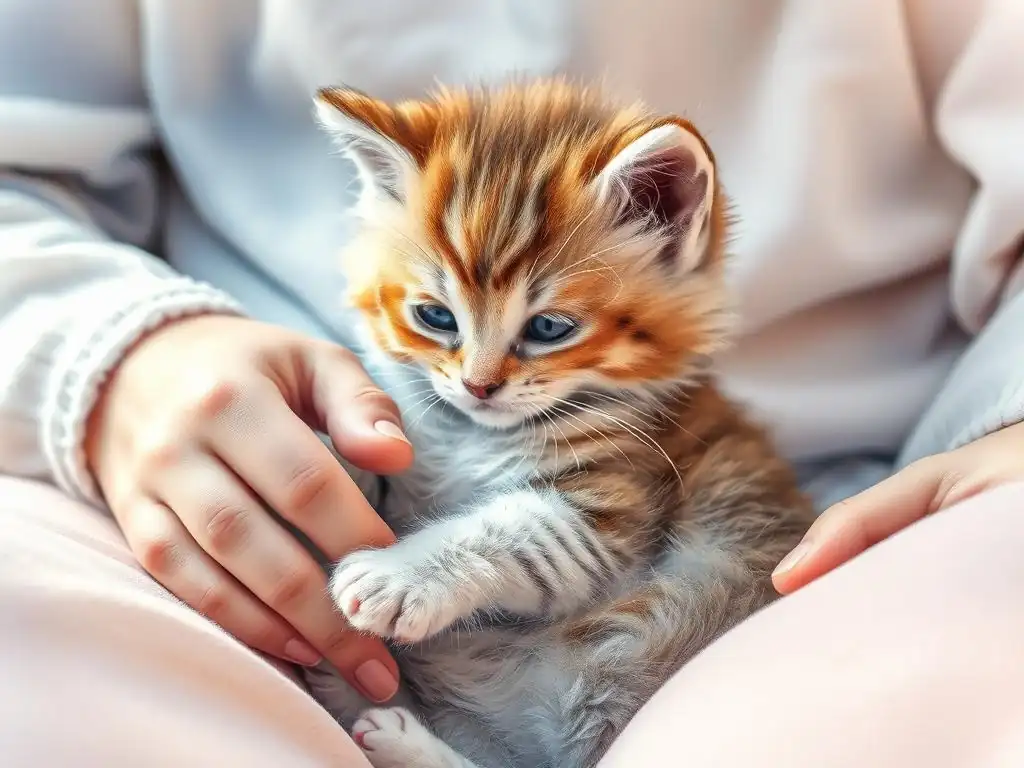
A predictable schedule is crucial for a kitten's well-being and significantly contributes to building a strong bond with its human companions. Kittens thrive on routine; it provides them with a sense of security and reduces anxiety. A consistent routine helps them understand what to expect, minimizing stressful surprises. This predictability translates directly into increased trust and a deeper connection with you.
For example, feeding times should be regular, perhaps twice a day at the same time each day. This establishes a positive association between you and the provision of their basic needs. Similarly, playtime should occur at consistent intervals, perhaps twice a day for 15-20 minutes each session. This dedicated playtime is not just about physical exercise; it's about interaction, bonding, and learning to trust your touch. Consistent playtime helps establish you as a source of fun and positive experiences.
Beyond feeding and play, consider establishing a consistent sleep schedule. Kittens need ample sleep, often 12-16 hours a day. Providing a comfortable, safe, and quiet sleeping area will help them settle into a routine and associate their sleep space with comfort and security. This consistent sleep pattern will also contribute to their overall health and well-being, further strengthening your bond as you become an essential part of their daily rhythm.
Remember, consistency is key; even slight variations can disrupt a kitten's sense of security, potentially hindering the bonding process. Aim for a routine that works for both you and your kitten, ensuring it remains consistent for optimal results. The more predictable their world becomes, the more comfortable and trusting your kitten will be with you.
Creating a Safe and Enriching Environment for Your Kitten
Providing a safe and stimulating environment is paramount for a kitten's development and its ability to bond with you. A safe space, free from potential hazards, allows your kitten to explore and play confidently, fostering a sense of security that is essential for building trust. This safe haven should be easily accessible and include comfortable bedding, toys, scratching posts, and a food and water bowl.
Enrichment goes beyond safety. It involves providing your kitten with opportunities for exploration, play, and problem-solving. This can include puzzle feeders, interactive toys, climbing structures, and even strategically placed cardboard boxes for exploration. These activities stimulate their natural instincts, keeping them engaged and mentally stimulated. As you interact with your kitten during playtime or while they explore their environment, you further strengthen your bond.
Consider the placement of your kitten's resources. Avoid placing their food and water bowls near their litter box. This respects their natural cleanliness and contributes to a more comfortable environment. Also, ensure that their sleeping space is away from high-traffic areas for minimal disruption.
Observe your kitten's behavior to identify areas of comfort and discomfort. A happy, stimulated kitten is more likely to bond with its human caregiver. Remember, a safe and enriching environment provides the foundation for a strong human-kitten bond, allowing your kitten to flourish and feel secure in your presence. This will translate to a more affectionate and trusting relationship.
Incorporating Positive Reinforcement Training Techniques
Positive reinforcement is a cornerstone of building a strong and trusting relationship with your kitten. This method focuses on rewarding desired behaviors, rather than punishing undesirable ones. By consistently rewarding positive actions, such as using the litter box, coming when called, or playing gently, you create positive associations with your presence and guidance. This fosters trust and encourages your kitten to seek out your interaction.
For example, using treats as rewards is highly effective. Small, tasty treats can be used to reinforce positive behaviors during training sessions. Verbal praise and gentle petting are also highly effective rewards, creating a positive emotional connection. Consistency is key; always reward the desired behavior immediately to create a clear association. Avoid punishing negative behaviors; instead, redirect your kitten's attention to a more appropriate activity. For instance, if your kitten scratches furniture, redirect them to a scratching post and reward them for using it.
Remember, patience is essential when using positive reinforcement training. Kittens learn at their own pace, and consistency is crucial for success. Avoid using harsh methods or punishment, as this can damage your bond and create fear or anxiety. The goal is to create a positive and trusting relationship, where your kitten views you as a source of comfort, security, and positive reinforcement. This approach strengthens the bond between you and your kitten, resulting in a more loving and harmonious relationship. The more positive interactions you share, the deeper the bond will become.
Early socialization is crucial for kittens, laying the foundation for a well-adjusted adult cat. The process of kitten socialization human bonding during the critical period (between 2 and 7 weeks of age) profoundly impacts their behavior and relationship with humans throughout their lives. Investing time and effort in this phase yields significant long-term rewards, fostering a harmonious and enriching companionship. This section explores the key advantages of early socialization, focusing on how it contributes to a happier, healthier, and more confident cat.
Reduced Risk of Behavioral Problems in Adult Cats
A well-socialized kitten is significantly less likely to develop behavioral issues as an adult. Problems like excessive fear, aggression, or anxiety are often rooted in negative experiences during early development. By exposing kittens to a variety of sights, sounds, smells, and gentle handling from a young age, we can help them develop healthy coping mechanisms and reduce their predisposition to fear-based reactions.
For example, a kitten regularly exposed to different people, including children and elderly individuals, is more likely to remain calm and tolerant of varied human interactions throughout its life. Conversely, a kitten raised in isolation or with limited human contact may develop fear aggression, becoming fearful or defensive around strangers or even familiar people.
Studies have shown a strong correlation between early socialization and a reduced incidence of behavioral problems in adult cats, highlighting the importance of proactive engagement during the kitten's formative weeks. This proactive approach reduces the need for potentially stressful and costly behavioral modification interventions later in the cat's life.
Improved Adaptability to New Situations and People
Proper socialization equips kittens with the resilience to adapt to new environments and people with greater ease. A kitten accustomed to various stimuli – such as different textures, sounds (vacuum cleaners, loud noises), and the presence of other animals – will navigate new situations with more confidence and less stress. This adaptability is invaluable throughout their lives, whether it involves a move to a new home, a visit to the veterinarian, or interactions with new people and pets.
Think of it like this: a kitten regularly handled and exposed to gentle grooming will likely tolerate vet checkups with minimal fuss. Similarly, a kitten accustomed to the presence of other animals is less likely to exhibit aggression or fear when introduced to a new pet. The improved adaptability translates to a more relaxed and comfortable cat, better equipped to handle the inevitable changes and challenges that life throws its way. This ease of adaptation is a direct result of positive early experiences and a key benefit of successful kitten socialization human bonding.
A Stronger, More Confident Human-Animal Bond
The most rewarding outcome of early kitten socialization is the development of a deep and trusting bond between the cat and its human companions. Consistent positive interactions during the kitten's critical socialization period create a foundation of trust and affection that lasts a lifetime. This strong bond is characterized by mutual respect, understanding, and a comfortable level of intimacy.
Early positive interactions, such as gentle petting, playful interactions, and quiet cuddles, create positive associations with humans. This leads to a more confident and affectionate cat that actively seeks out human interaction, enhancing the overall quality of the human-animal relationship. This close bond contributes to a happier and more fulfilling life for both the cat and its owner, making the investment in early socialization a worthwhile endeavor.
The resulting strong bond is arguably the most significant long-term benefit of early socialization, creating a loving and lasting companionship. Investing in this kitten socialization human bonding is an investment in a lifetime of mutual affection.
Enhanced Enjoyment for Both Cat and Owner
Early kitten socialization significantly enhances the enjoyment of cat ownership for both the pet and the human. A well-socialized kitten is more likely to be a confident and relaxed companion, readily engaging in playful interactions and accepting cuddles without fear or aggression. This translates to a deeper bond between cat and owner, fostering a richer and more fulfilling relationship. Imagine the joy of a kitten who eagerly greets you at the door, purring contentedly as you pet them, or who happily participates in interactive play sessions.
This positive interaction becomes a cornerstone of a long-lasting and mutually enriching companionship. Conversely, a poorly socialized kitten might exhibit fear, anxiety, or aggression, making interactions stressful and less enjoyable for everyone involved. The difference is profound; early socialization lays the groundwork for a harmonious and deeply rewarding relationship. This positive dynamic extends beyond simple playtime; a confident cat is more likely to adapt to changes in their environment, such as house guests or vet visits, resulting in reduced stress for both the cat and the owner.
The investment in early socialization yields substantial returns in the form of a more adaptable, affectionate, and enjoyable feline companion. The enriched bond strengthens the human-animal connection, creating a positive feedback loop that benefits both parties. This, in turn, contributes to a happier and healthier life for your beloved pet and a more rewarding experience for you as the owner. The long-term benefits of a well-adjusted cat far outweigh the initial effort invested in early socialization.
Frequently Asked Questions
Early socialization (between 2-7 weeks) is crucial for kittens' development. It helps them become well-adjusted adults and form positive associations with humans and other animals. Failing to socialize them properly can lead to behavioral problems later on.
What are some key ways to bond with a kitten?
Positive reinforcement is key! Use gentle handling, play with interactive toys, and offer treats and praise during positive interactions. Create a safe and stimulating environment for your kitten to explore.
Introduce your kitten to other pets gradually and under supervision. Start with short, controlled sessions in a neutral area. Positive reinforcement for calm behavior is essential for both animals. Monitor them closely to prevent aggression.
My kitten is fearful and avoids human contact. What should I do?
Be patient and understanding. Avoid forcing interaction. Instead, try offering treats and toys from a distance, gradually decreasing the space between you. Create a safe and quiet space where your kitten can retreat when feeling overwhelmed. Consult a vet or professional behaviorist if needed.
What are some signs of a successful human-kitten bond?
Signs include a relaxed and playful kitten that seeks out human interaction, purrs frequently, and enjoys being petted and cuddled. They will also show trust and affection by sleeping near you and following you around.
Final Reflection: The Enduring Power of the Human-Kitten Bond
The crucial window of kitten socialization directly impacts their future well-being and the strength of their bond with humans. A well-socialized kitten is not just a happier pet; it's a testament to the power of early interaction and the profound connection we can forge with these tiny creatures. This understanding is more vital than ever in a world where pet ownership is increasingly common, yet responsible socialization practices aren't always widely understood.
The impact of early human interaction on a kitten's development is undeniable, shaping their personality, behavior, and ultimately, the quality of their life with us. It's a privilege, and a responsibility, to nurture this bond. The bond between a human and an animal is one of the most beautiful and rewarding relationships in the world.
This simple truth underscores the importance of the work we do in those formative weeks and months, shaping not only the kitten's life but also our own experience of companionship and unconditional love.
Consider the lessons learned within this article. Think about the gentle handling, the positive reinforcement, and the consistent exposure to new sights and sounds. You now hold the key to fostering a deep, trusting relationship with your kitten, a relationship built on mutual respect and affection. Embrace the opportunity to shape a happy, well-adjusted feline companion, and in doing so, enrich your own life immeasurably. The journey of kitten socialization is not just about training; it's about building a lifetime of love and companionship.
Unlock Your Kitten's Purrfect Potential!
Thank you for learning about the joys—and challenges—of kitten socialization. You've gained valuable insights into building a strong bond with your new furry friend. Now it's time to put that knowledge into practice!
- Prioritize playtime: Dedicate at least 15 minutes each day to interactive play with your kitten using wands, toy mice, or puzzle feeders. This is key to building confidence and a positive relationship with you.
- Share your success: Tell us about your kitten's socialization journey on our PetCareWorld social media pages! We'd love to hear your tips and celebrate your progress.
- Explore our kitten care resources: Learn more about litter box training, nutrition, and common kitten health concerns. Discover additional tips and tricks to help your kitten thrive.
Ready to watch your kitten blossom into a confident, affectionate companion? What's your favorite way to play with your kitten?