
AtHome Pet Health Checks: A Guide to Peace of Mind

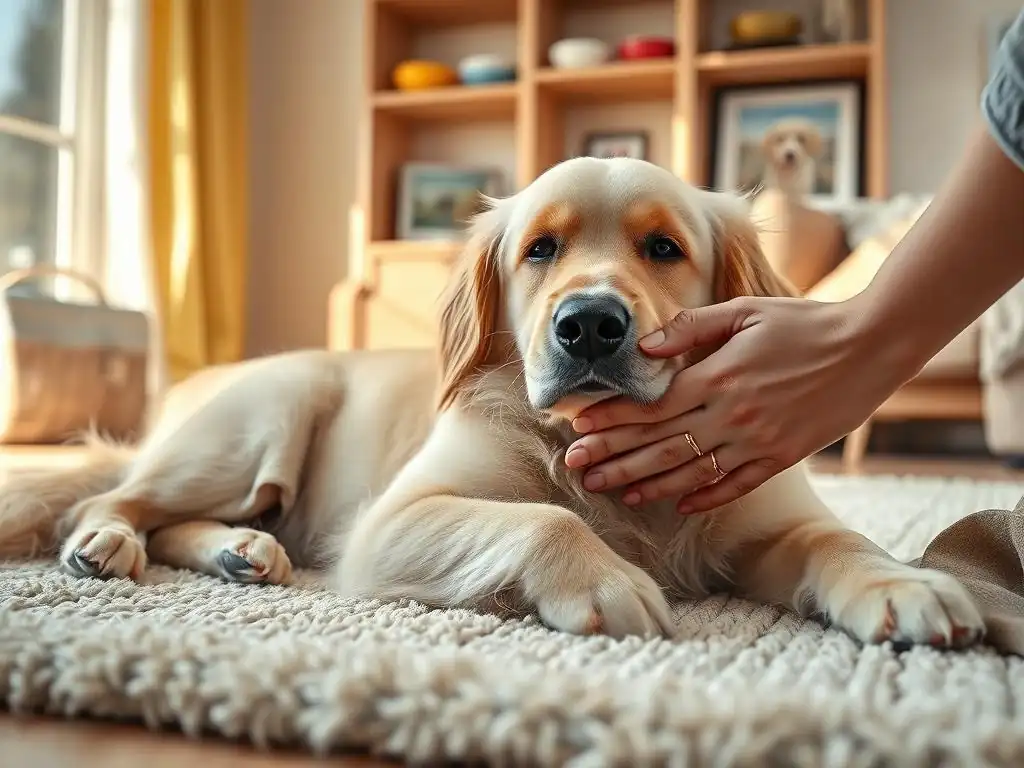
Welcome to PetCareWorld, your ultimate guide to happy and healthy pets! Are you ready to take control of your pet's well-being? Learn how to perform essential DIY pet health checks at home and gain the peace of mind that comes with knowing your furry, feathered, or scaled friend is thriving. Discover simple yet effective techniques that will empower you to identify potential health issues early, saving you time, money, and worry. Dive in and explore the world of proactive pet care!
- Understanding the Importance of Regular DIY Pet Health Checks at Home
- Essential Elements of a Comprehensive At-Home Pet Examination
- How to Perform Basic Pet Health Checks at Home: A Step-by-Step Guide
- Interpreting Your Findings: Common Issues and When to Contact Your Vet
- Creating a Pet Health Record for Consistent Monitoring
- DIY Pet Health Checks for Specific Pet Types: Dog, Cat, Rabbit, Bird, Reptile
- Resources and Further Information on Pet Health and Wellness
-
Frequently Asked Questions
- What are the basic components of a DIY pet health check?
- How often should I perform a DIY pet health check?
- What are some signs that indicate I should take my pet to the vet immediately?
- Can I use a DIY health check to replace regular vet visits?
- What are some safe and effective tools for a DIY pet health check?
- Final Reflection: Empowering Pet Owners Through Proactive Care
- Unlock Your Pet's Health Potential: Take Charge Today!
Understanding the Importance of Regular DIY Pet Health Checks at Home
Regularly performing DIY pet health checks at home is crucial for maintaining your furry, feathered, or scaled friend's well-being. Early detection of health issues can significantly improve treatment outcomes and potentially save your pet's life. This comprehensive guide will empower you to conduct thorough at-home assessments, enabling you to identify subtle signs of illness and contribute to your pet's preventative care.
By learning to recognize normal versus abnormal behaviors and physical characteristics, you'll become a more informed and proactive pet owner, fostering a stronger bond with your companion and contributing to their longevity. This proactive approach is particularly vital for detecting problems before they escalate into serious conditions, potentially saving you significant veterinary costs and reducing your pet's discomfort.
Think of these DIY checks as a form of preventative medicine, allowing for timely intervention and peace of mind. This guide will equip you with the knowledge and tools necessary to perform effective DIY pet health checks, enhancing your pet's overall health and quality of life.
Why Daily Pet Health Checks Matter for Early Detection
Daily pet health checks are essential for early disease detection. Many illnesses manifest initially through subtle changes, easily missed by the untrained eye. Regular observation allows you to establish a baseline for your pet's normal behavior and physical characteristics.
This baseline serves as a crucial reference point against which you can compare any deviations. For example, a slight limp, a change in appetite, or a subtle cough might be easily overlooked in the absence of a consistent monitoring routine. However, by performing daily checks, you increase the likelihood of detecting these early warning signs, enabling prompt veterinary intervention before the condition worsens.
Early detection often translates to less invasive and more effective treatments, ultimately improving your pet's prognosis and reducing overall treatment costs. Think of it like this: the earlier you catch a problem, the easier it is to fix. This is especially important for pets who can't communicate their discomfort verbally.
Consider this example: A cat exhibiting slightly lethargic behavior and a decreased appetite might be initially dismissed as just a "lazy day." However, these could be early indicators of a urinary tract infection or other serious illness. Regular daily checks would highlight this deviation from the cat's normal behavior and prompt a visit to the vet for diagnosis and treatment. Early diagnosis in such cases can make all the difference in the world.
Recognizing Subtle Signs of Illness in Your Pet
Recognizing subtle signs of illness requires careful observation and attention to detail. Beyond the obvious, such as vomiting or diarrhea, there are many more subtle indicators that require a keen eye. These can include changes in:
- Appetite: A decrease or increase in food consumption can be a significant sign.
- Water intake: Increased thirst could indicate kidney problems.
- Urination and defecation: Changes in frequency, consistency, or color warrant attention.
- Energy levels: Lethargy, excessive sleeping, or unusual restlessness can be warning signs.
- Coat condition: Dull, dry, or excessively shedding fur can indicate underlying health problems.
- Breathing: Rapid, labored, or noisy breathing should be evaluated.
- Eyes and ears: Discharge, redness, or unusual odor should be noted.
- Skin: Lumps, bumps, rashes, or sores require examination.
- Gait: Limping, stiffness, or unusual posture may signal musculoskeletal issues.
Regularly checking these areas will help you build a comprehensive understanding of your pet's normal state, making it easier to detect even the smallest deviations. Remember, even small changes can be indicative of a larger problem. Don't hesitate to consult your veterinarian if you notice any unusual symptoms. Early detection is key to successful treatment.
The Role of DIY Pet Health Checks in Preventative Care
DIY pet health checks are an integral part of preventative care, helping to identify potential problems before they become serious. Regular checks allow for early intervention, reducing the severity of illnesses and the need for extensive treatment. This proactive approach is far more effective than waiting for symptoms to become severe. Furthermore, consistent monitoring helps build a strong relationship with your veterinarian.
You'll be able to provide them with detailed information about your pet's health history, enabling more accurate diagnoses and treatment plans. Preventative care, including regular DIY checks, can also significantly reduce long-term veterinary costs by preventing costly emergency treatments. It’s a cost-effective and proactive way to ensure your pet's health and well-being.
Think of it as an investment in your pet's future. The time and effort spent on these checks are far outweighed by the peace of mind and improved health outcomes they provide. Remember, a healthy pet is a happy pet!
Essential Elements of a Comprehensive At-Home Pet Examination
This section details the key components of a thorough DIY pet health check at home, empowering you to monitor your pet's well-being effectively. Regular at-home examinations, coupled with professional veterinary care, are crucial for early disease detection and preventative health management. Remember, early intervention is key to successful treatment and a happier, healthier pet. This guide focuses on providing you with the tools and knowledge to perform these checks confidently and responsibly. Always consult your veterinarian for any concerns or if you notice anything unusual.
Visual Inspection: Coat, Skin, and Eyes
A quick visual assessment can reveal a surprising amount about your pet's health. Start by carefully examining their coat. Look for any signs of:
- Matting or tangles: Excessive matting can indicate neglect or underlying skin conditions.
- Patchy hair loss: This could signal allergies, parasites, or even more serious issues like ringworm or autoimmune diseases.
- Dull or dry coat: A lackluster coat might suggest nutritional deficiencies or hormonal imbalances.
- Excessive shedding: While some shedding is normal, excessive shedding might indicate stress, allergies, or underlying medical conditions.
- Skin irritations: Look for redness, bumps, rashes, or any signs of inflammation or infection.
Next, inspect their eyes. Note any:
- Discharge: Clear, watery discharge is sometimes normal, but cloudy, yellow, or green discharge can signal an infection.
- Redness or swelling: Inflammation around the eyes can indicate allergies or infection.
- Cloudiness or opacity in the cornea: This could indicate corneal ulcers or other eye problems.
- Dilated or constricted pupils: Unusual pupil size might be a sign of neurological problems or other health issues.
Finally, assess their skin for any abnormalities. Feel for lumps, bumps, or unusual growths. Pay close attention to areas that are difficult to see, such as under the arms, in the groin area, and around the ears. Note any changes in skin pigmentation or texture. For example, a persistent dry, flaky patch could signal a dietary issue or skin allergy.
Checking Ears and Teeth for Infections or Issues
Regular ear and teeth checks are vital for preventing infections and maintaining your pet's overall health. Ear infections are common in pets and can be quite painful. When examining your pet's ears, look for:
- Redness or swelling: Inflammation indicates potential infection.
- Discharge: Brown, yellow, or greenish discharge is a clear sign of infection.
- Bad odor: A foul smell emanating from the ears is another indicator of infection.
- Excessive ear wax: While some wax is normal, excessive buildup can trap moisture and bacteria.
Gently clean your pet's ears with a veterinarian-recommended ear cleaner only if necessary, and never insert cotton swabs deep into the ear canal. This can cause injury and push debris further in.
For teeth, examine them for:
- Plaque and tartar buildup: This can lead to gingivitis and periodontal disease.
- Broken or chipped teeth: These can cause pain and infection.
- Loose teeth: Loose teeth should be checked by a veterinarian immediately.
- Red, swollen gums: This indicates gingivitis.
- Bad breath (halitosis): This often signals dental problems.
Regular brushing with a pet-specific toothbrush and toothpaste is crucial for preventing dental issues. Consult your vet about professional dental cleanings if necessary.
Examining Paws and Claws for Injuries or Problems
Your pet's paws are constantly in contact with the ground, making them vulnerable to injury and infection. Regularly check their paws for:
- Cuts or abrasions: Clean and treat any minor wounds. Deep or severe injuries require veterinary attention.
- Swelling or inflammation: This could indicate an infection or injury.
- Foreign bodies: Thorns, splinters, or other debris can become embedded in the paws.
- Broken or cracked claws: Overgrown or damaged claws can cause discomfort and lameness.
- Signs of lameness or limping: This could indicate pain in the paw or leg.
Trim your pet's claws regularly using appropriate clippers to prevent overgrowth and potential problems. If you are unsure how to trim your pet's claws, consult your veterinarian or a professional groomer. Pay close attention to the quick (the pink part of the claw containing blood vessels and nerves) to avoid causing pain or bleeding. Regular paw inspections are vital for maintaining your pet's comfort and mobility. Early detection of paw problems can prevent more serious issues. Remember, a thorough DIY pet health check at home is a valuable tool, but professional veterinary care remains essential for optimal pet health.
Assessing Your Pet's Breathing and Heart Rate
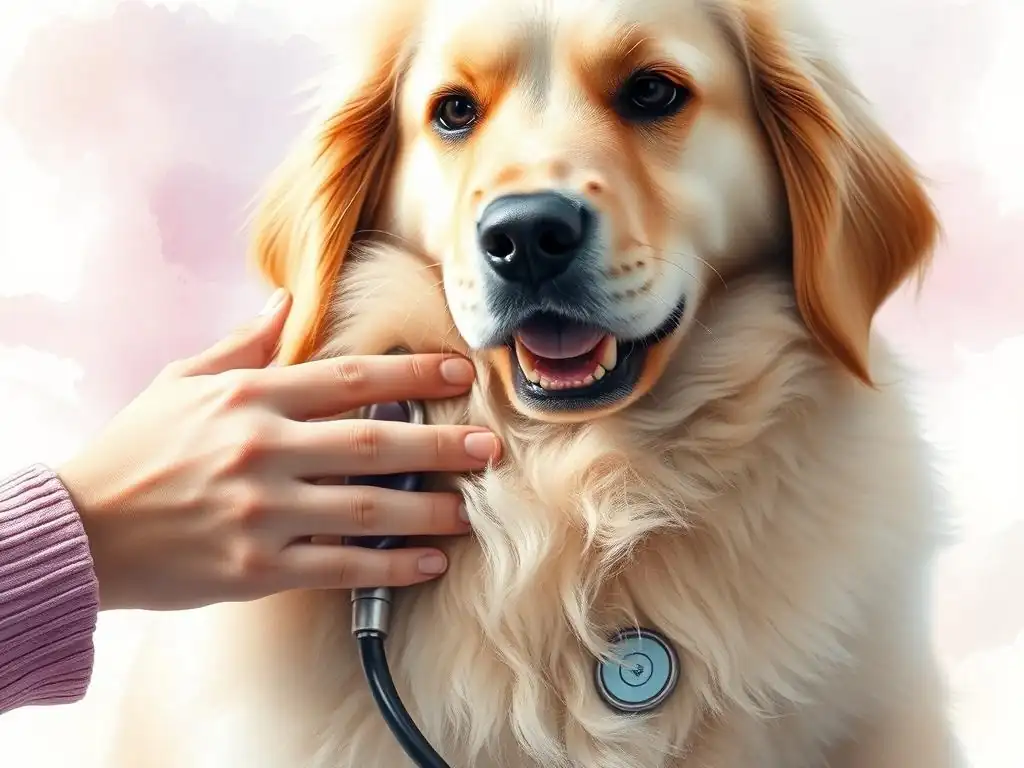
Regularly monitoring your pet's respiratory and cardiac function is crucial for early detection of potential health issues. A healthy pet's breathing should be smooth and effortless, with a consistent rhythm. Observe your pet at rest; count the breaths per minute by watching their chest rise and fall. For dogs, a normal resting respiratory rate generally ranges from 10 to 30 breaths per minute, while cats typically breathe between 15 and 30 times per minute.
However, these numbers can vary depending on factors like breed, size, age, and activity level. Any significant increase or decrease from their baseline, accompanied by labored breathing (open-mouthed breathing, wheezing, or excessive effort), warrants immediate veterinary attention. Furthermore, note the quality of the breathing; is it shallow, deep, or gasping? These details are important clues for your veterinarian.
Assessing your pet's heart rate is equally important. Place your fingers gently on their chest, slightly behind the elbow. You should feel a rhythmic pulse. Count the heartbeats for 15 seconds and multiply by four to get the beats per minute (BPM). Normal resting heart rates vary widely depending on the species and size of your pet. For example, small dogs often have faster heart rates than large dogs.
A typical range for adult dogs is 60-120 BPM, while cats usually fall within the 110-140 BPM range. Again, significant deviations from the established baseline for your pet should prompt a consultation with a veterinarian. Irregular heartbeats (arrhythmias) are also a cause for concern and require professional evaluation. Remember to always approach this examination calmly and gently to avoid stressing your pet. A stressed pet may exhibit abnormal readings.
Monitoring Your Pet's Appetite, Hydration, and Bowel Movements
Regularly monitoring your pet's eating, drinking, and elimination habits provides valuable insights into their overall health. Changes in appetite can signal illness. Note any decrease or increase in food consumption, as well as any changes in preference – for example, a sudden refusal of their usual food. A healthy appetite is usually a good indicator of well-being, but a sudden loss of appetite should never be ignored. Keep a record of how much food your pet eats daily to establish a baseline. This will make it easier to detect any significant deviations.
Hydration is equally critical. Check your pet's gums; they should be moist and pink. Dry, sticky gums can indicate dehydration, a serious condition that requires prompt veterinary attention. Also, observe the frequency and volume of their urination and defecation.
Changes in urine color (darker than usual) or frequency (more or less than normal) can indicate underlying problems. Similarly, monitor their stool consistency; it should be firm but not hard. Diarrhea or constipation are both indicative of potential digestive issues. Keep track of your pet's bowel movements; note any changes in frequency, color, consistency, or the presence of blood or mucus.
Maintaining a detailed record of your pet's appetite, hydration, and bowel movements will help you identify subtle changes that may indicate a developing health problem and allow for timely veterinary intervention. This proactive approach is key to ensuring your pet's long-term health and well-being. Remember to consult your veterinarian if you observe any significant changes.
How to Perform Basic Pet Health Checks at Home: A Step-by-Step Guide
This section provides a practical, step-by-step guide on how to conduct routine DIY pet health checks at home. Regular monitoring is crucial for early detection of potential health issues, allowing for prompt veterinary intervention and improved pet well-being. Remember, while these checks are valuable tools, they are not a replacement for professional veterinary care. Always consult your veterinarian for any concerns or if you notice anything unusual.
Setting the Stage for a Stress-Free Examination
Creating a calm and comfortable environment is paramount for a successful DIY pet health check. A stressed pet will be less cooperative, making the examination difficult and potentially inaccurate. Here's how to set the stage:
- Choose the right time: Select a time when your pet is relaxed and not overly hungry or tired. Avoid performing checks immediately after playtime or during periods of high activity.
- Gather your supplies: Before you begin, assemble all necessary tools: a soft towel, a well-lit area, a thermometer (rectal preferred for accurate readings), a small flashlight, and any other tools recommended by your vet for specific checks (e.g., ear cleaning solution).
- Positive reinforcement: Use positive reinforcement techniques throughout the process. Offer treats, praise, and gentle petting to keep your pet calm and engaged. Consider using calming pheromone diffusers or sprays for anxious pets.
- Familiar surroundings: Conduct the exam in a familiar and safe space for your pet – their bed, a quiet corner, etc. This reduces anxiety and allows for a smoother process. Minimize distractions like loud noises or other pets.
Remember, patience is key! If your pet becomes stressed or resistant, stop the examination and try again later.
Gentle Handling and Restraint Techniques
Safe and gentle handling is crucial during a DIY pet health check, especially for larger or more energetic pets. Improper handling can lead to injury for both you and your pet.
- Dogs: For dogs, use a gentle but firm approach. Avoid sudden movements or loud noises. If necessary, use a towel to gently restrain your pet while checking their paws, ears, or mouth. Always support their body weight to prevent injury.
- Cats: Cats are notoriously independent. Approach them slowly and calmly, allowing them to sniff your hands before touching them. Speak to them in a soft voice and offer treats to build trust. Use a towel only if absolutely necessary, and avoid restraining them tightly, which can cause stress and injury.
- Small animals: Small animals like rabbits, guinea pigs, and hamsters require extra care. Support their bodies gently to prevent injury. Use a soft towel or a small carrier to restrain them if needed, but always ensure sufficient air circulation.
The key is to be patient and understanding. Every pet is different, and some may require more patience than others.
Visual Assessment of Your Pet's Appearance
A visual assessment forms the foundation of any DIY pet health check. Pay close attention to the following aspects:
| Feature | What to Look For | Potential Issues |
|---|---|---|
| Coat | Shiny, smooth, free from mats and bald patches; appropriate thickness for the season. | Dull, dry coat; excessive shedding; patches of hair loss; skin irritations. |
| Eyes | Bright, clear, moist; no discharge or cloudiness. | Redness, swelling, discharge, cloudiness, squinting. |
| Ears | Clean, pink inside; no redness, swelling, or discharge. | Redness, swelling, inflammation, excessive wax or discharge; unpleasant odor. |
| Nose | Moist, cool, and clean. | Dry, cracked nose; excessive discharge; sneezing. |
| Mouth | Pink gums; no swelling, bleeding, or discoloration; teeth clean and free from tartar. | Pale gums; bleeding gums; swollen or discolored gums; broken or missing teeth; bad breath. |
| Body Condition | Ribs easily palpable but not visible; healthy weight; good muscle tone. | Overweight or underweight; muscle wasting; unusual lumps or bumps. |
Regularly performing these visual checks can help you identify potential health problems early on. Remember to document any changes you observe and consult your veterinarian for any concerns. Early detection is crucial for effective treatment and improved pet well-being. Remember to always prioritize your pet's comfort and safety during these examinations. 🐾
Detailed Examination of Specific Body Parts

Performing a thorough DIY pet health check involves a systematic examination of your pet's body. Begin with a visual inspection, looking for any abnormalities. Pay close attention to the following areas:
- Eyes: Check for clear, bright eyes. Look for any discharge, cloudiness, redness, or swelling. Notice if your pet seems to have trouble seeing, such as bumping into objects. Different eye colors are normal in some breeds, but sudden changes should be noted.
- Ears: Gently inspect the outer ears for redness, swelling, discharge (wax, pus, or blood), or unpleasant odors. Look inside the ears if you can safely do so, but avoid inserting anything deep into the ear canal. Excessive scratching at the ears could indicate an underlying issue.
- Nose: Check for any discharge (clear, watery, or colored), dryness, or crusting. A slightly moist nose is normal, but excessively dry or wet noses can be a sign of illness. Note any sneezing or nasal congestion.
- Mouth: Gently lift your pet's lips to examine their gums. Healthy gums are pink and moist. Pale gums may indicate anemia, while dark red or bluish gums can suggest respiratory issues. Check the teeth for any broken teeth, plaque buildup, or loose teeth. Bad breath is common, but excessive bad breath could signal dental problems.
- Skin and Coat: Feel your pet's coat for any lumps, bumps, dryness, excessive shedding, or areas of irritation. Part the fur to examine the skin underneath. Look for fleas, ticks, or other parasites. Note any changes in skin color or texture.
- Body: Palpate (gently feel) your pet's abdomen for any pain, swelling, or unusual masses. Feel along the spine for any curvature or pain. Check the limbs for any lameness, swelling, or injuries.
Recording Observations and Identifying Potential Concerns
After your detailed examination, meticulously record your observations. Use a notebook or a digital document to maintain a consistent record of your pet’s health. Include the date and time of each check-up. Your notes should include:
- Specific details: Instead of writing "eyes are bad," note "Left eye shows slight redness and watery discharge." The more detail you provide, the more helpful the information will be for your veterinarian.
- Quantifiable data: When possible, quantify your observations. For example, instead of "dog is lethargic," note "dog slept for 12 hours today, significantly more than usual."
- Behavioral changes: Note any changes in your pet’s behavior, such as appetite changes, changes in water intake, increased or decreased activity levels, changes in urination or defecation habits, or changes in social interaction.
- Photos and videos: Consider taking photos or short videos of any abnormalities you observe. This can be incredibly helpful when describing the issue to your vet.
By consistently recording your observations, you can identify subtle changes in your pet's health over time. Early detection of potential issues significantly increases the likelihood of successful treatment. Remember, even small changes can be indicators of underlying health problems. Compare your observations with previous records to pinpoint any deviations from the norm. If you notice any recurring patterns or sudden changes, it’s crucial to seek professional veterinary advice.
When to Seek Professional Veterinary Care
While regular DIY pet health checks at home are beneficial, they are not a substitute for professional veterinary care. You should always consult a veterinarian if you notice any of the following:
- Sudden changes in behavior: Lethargy, vomiting, diarrhea, loss of appetite, difficulty breathing, or unusual vocalizations warrant immediate veterinary attention.
- Visible injuries: Open wounds, bleeding, broken bones, or any other significant injuries require prompt professional care.
- Abnormal bodily functions: Changes in urination or defecation (frequency, color, consistency), excessive thirst or urination, or difficulty urinating or defecating need veterinary evaluation.
- Persistent symptoms: If your pet exhibits any symptoms that persist for more than 24-48 hours, schedule a vet visit.
- Concerning findings during your at-home health check: If you discover any lumps, bumps, skin lesions, eye or ear discharge, or other abnormalities during your examination, consult your vet for diagnosis.
Remember, prevention is key. Regular DIY pet health checks combined with professional veterinary care provide the best chance for your pet to live a long and healthy life. Early detection of illness often leads to better treatment outcomes and improved chances of recovery. Don't hesitate to contact your veterinarian if you have any concerns about your pet's health. They are your best resource for ensuring your furry friend's well-being.
Interpreting Your Findings: Common Issues and When to Contact Your Vet
Performing DIY pet health checks at home empowers you to monitor your pet's well-being proactively. However, understanding what constitutes a cause for concern is crucial. This section will help you interpret your findings and determine when professional veterinary attention is necessary. Remember, these are guidelines; a veterinarian’s diagnosis is always the most reliable.
Recognizing Signs of Pain or Discomfort in Your Pet
Recognizing pain in pets can be challenging, as they don't always express it in obvious ways. Subtle changes in behavior can often indicate discomfort. Look for these common signs:
- Changes in Appetite: A sudden decrease or complete loss of appetite is a significant warning sign. This could be due to pain, illness, or even stress. Note any changes in the type of food your pet prefers as well; a shift from kibble to only soft food may suggest dental issues or jaw pain.
- Lethargy and Decreased Activity: A normally playful pet becoming unusually sluggish or withdrawn may indicate underlying pain or illness. Monitor their activity levels compared to their usual baseline. A significant drop in energy warrants a veterinary visit.
- Vocalizations: Excessive whining, whimpering, or yelping, especially without apparent cause, should be investigated. Pay close attention to the context; is it triggered by specific movements or touch?
- Changes in Posture or Gait: Limping, stiffness, reluctance to jump or climb stairs, or a hunched posture could all signify pain in the musculoskeletal system. Observe their movement carefully—is there any favoring of one leg or side?
- Changes in Grooming Habits: A normally meticulous groomer suddenly neglecting their grooming could be a sign of pain, particularly if it involves areas they can't easily reach themselves. Observe any areas of matting or excessive shedding.
- Restlessness and Difficulty Settling: Constant shifting, pacing, or inability to find a comfortable position may indicate discomfort.
Remember to record the onset and progression of any symptoms. This information is invaluable for your veterinarian. Don't hesitate to contact your vet if you observe several of these signs simultaneously or if a single symptom is severe.
Understanding Normal vs. Abnormal Vital Signs in Pets
Monitoring your pet's vital signs – temperature, heart rate, and respiratory rate – provides valuable insights into their health. However, normal ranges vary depending on the species, breed, age, and size of your pet. Consult your vet for breed-specific information.
| Vital Sign | Normal Range (Approximate) | Abnormal Signs |
|---|---|---|
| Temperature | 100.5-102.5°F (rectal) | < 99°F or > 103.5°F (hypothermia/hyperthermia) |
| Heart Rate | 60-160 bpm (dogs), 110-140 bpm (cats) | Rapid or slow heart rate, irregular rhythm |
| Respiratory Rate | 10-30 breaths/minute (dogs), 15-30 breaths/minute (cats) | Rapid, labored breathing, or difficulty breathing |
A significant deviation from these ranges, especially in conjunction with other symptoms, should prompt a veterinary consultation. Take accurate measurements and record them for your vet. Remember that stress can temporarily affect vital signs, so try to keep your pet calm during measurement. Consider using a pet thermometer designed for accurate and safe readings.
Identifying Potential Parasites or Skin Conditions
Regularly checking your pet's skin and fur for parasites and skin issues is vital for their health and well-being. While some minor issues can be addressed at home, others require professional veterinary intervention.
- Fleas and Ticks: Regularly check your pet's fur for these external parasites. Fleas are small, dark-brown insects, while ticks are larger and often embedded in the skin. Use a fine-toothed comb to check thoroughly.
- Mites: Mites are microscopic parasites that cause skin irritation and often lead to hair loss and intense itching. Signs include redness, scaling, and crusting of the skin.
- Skin Infections: Look for areas of redness, swelling, pus, or excessive scabbing. These could indicate bacterial or fungal infections.
- Allergies: Allergies can manifest as excessive scratching, licking, or chewing, leading to hair loss, redness, and skin irritation. Note any patterns or triggers.
If you find parasites or suspect a skin condition, it is crucial to consult your veterinarian. They can diagnose the specific problem and recommend appropriate treatment options. Never attempt to treat severe skin conditions or infestations at home without professional guidance. Accurate diagnosis and treatment are essential to prevent complications. Regular grooming and preventative measures, such as flea and tick medication, are important for maintaining your pet's skin health.
Recognizing Signs of Digestive Upset

Digestive issues are common in pets, and recognizing the signs early can be crucial for their well-being. Changes in bowel movements are often the first indicator. This could manifest as diarrhea, which can range from loose stools to watery, sometimes bloody, bowel movements. The frequency of bowel movements also matters; significantly increased or decreased frequency compared to your pet's normal routine should raise a flag. Constipation, characterized by hard, dry stools that are difficult to pass, is another key sign.
Observe the consistency, color, and odor of your pet's stool. Changes in any of these aspects can point to underlying problems. For example, dark, tarry stools might indicate internal bleeding, while pale stools could suggest liver issues. A strong, foul odor is often associated with infections or digestive disorders.
Beyond stool changes, pay attention to vomiting. Occasional vomiting can be normal, particularly after eating something unsuitable, but persistent or forceful vomiting warrants veterinary attention. Note the frequency, volume, and content of the vomit. Is it food, bile, or just clear liquid? The presence of blood is a serious sign requiring immediate veterinary consultation.
Finally, observe your pet's overall demeanor. Lethargy, abdominal pain (indicated by vocalization, guarding of the abdomen, or reluctance to move), and loss of appetite often accompany digestive upset. Remember, even seemingly minor changes in your pet's bowel habits or behavior can be indicators of a problem requiring professional assessment. Don't hesitate to contact your veterinarian if you notice any persistent or concerning symptoms. Early intervention can often make a significant difference in your pet's recovery.
Interpreting Changes in Behavior and Appetite
Significant shifts in your pet's behavior and appetite can be strong indicators of underlying health problems. A sudden loss of appetite, or anorexia, is a serious concern and should never be ignored. This can be caused by various factors, including pain, illness, dental problems, or even stress. Observe how much your pet is eating and drinking; a dramatic decrease in either can signal a need for veterinary care. Conversely, a sudden increase in appetite, while seemingly positive, can also be a symptom of certain medical conditions like hyperthyroidism in cats or diabetes in both cats and dogs.
Behavioral changes can be subtle or dramatic. Lethargy, a noticeable decrease in energy levels and activity, is a common sign of many illnesses. Increased sleepiness, reluctance to play, or a general lack of interest in their usual activities should prompt further investigation. Conversely, unusual restlessness, anxiety, or aggression can also indicate underlying health issues.
Pain is another crucial factor. Pets often exhibit subtle signs of pain, such as limping, vocalizing when touched, or avoiding certain movements. A change in their grooming habits, such as excessive licking or scratching, might also suggest discomfort or underlying skin issues.
Remember to consider the context of these changes; a temporary shift might be normal, but persistent alterations warrant professional evaluation. Documenting these changes over time can be incredibly helpful for your veterinarian in making an accurate diagnosis. Regularly monitoring your pet's behavior and appetite is a crucial part of proactive pet care and can help you identify potential health problems early.
Creating a Pet Health Record for Consistent Monitoring
Creating a comprehensive pet health record is crucial for proactive pet care. This allows for consistent monitoring of your pet's well-being, facilitating early detection of potential health issues and enabling more effective communication with your veterinarian. Regularly recording observations allows you to identify subtle changes in your pet's behavior or physical condition that might otherwise go unnoticed.
This proactive approach can significantly improve your pet's quality of life and longevity. Think of it as a personalized health journal, tailored specifically to your furry, feathered, or scaled friend. By tracking your pet's health over time, you build a valuable resource that aids in informed decision-making regarding their care.
The Benefits of Keeping Detailed Pet Health Records
Maintaining detailed pet health records offers numerous advantages. Firstly, it provides a clear timeline of your pet's health history, invaluable for identifying patterns or trends. For example, consistent tracking of weight can reveal subtle weight loss or gain, potentially indicating underlying health problems. Secondly, accurate records facilitate more efficient veterinary visits.
Having readily available information about your pet's medical history, vaccinations, and current medications speeds up consultations and allows your vet to focus on diagnosis and treatment. This is especially helpful during emergencies. Thirdly, a detailed record empowers you to be a more active participant in your pet's healthcare. You'll be better equipped to notice deviations from the norm and advocate for your pet's needs.
Finally, in the unfortunate event of a serious illness or injury, a comprehensive health record can prove invaluable in guiding treatment decisions. It can provide crucial information that could make the difference between a successful outcome and a less favorable one. The peace of mind derived from knowing you're meticulously tracking your pet's health is immeasurable.
What Information to Include in Your Pet's Health Log
Your pet's health log should be a comprehensive repository of information. Include essential details such as your pet's species, breed, age, date of birth, and any identifying microchip number. Beyond basic information, meticulously record vaccination dates and types, details of any illnesses or surgeries, medications administered (including dosage and frequency), and the results of any diagnostic tests. Don't forget to note any allergies or sensitivities your pet may have.
Regularly record observations of your pet's behavior, appetite, bowel movements, and urination patterns. Any changes in these areas, even subtle ones, should be documented. For example, a sudden decrease in appetite or a change in stool consistency might indicate a developing health problem. Consider using a simple table to organize this information:
| Date | Observation | Notes |
|---|---|---|
| 2024-10-26 | Slightly lethargic, reduced appetite | Might be related to recent weather change? |
| 2024-10-27 | Appetite returned to normal, more active | Seems to have recovered. Continue monitoring. |
| 2024-10-28 | Normal activity levels |
Also, consider including information about your pet's diet, exercise routine, and any supplements they receive. This holistic approach provides a complete picture of your pet's health and lifestyle. Remember, consistency is key. Regular entries, even if only noting "normal" observations, build a valuable historical record.
Utilizing Technology to Manage Your Pet's Health Data
In today's digital age, technology offers convenient ways to manage your pet's health information. Several smartphone apps are designed specifically for pet health record-keeping. These apps allow you to input and track all the information mentioned above, often with features for scheduling vet appointments, medication reminders, and even photo storage to document any changes in your pet's appearance.
Some apps even allow you to share your pet's health data directly with your veterinarian, simplifying communication and improving the efficiency of care. Cloud-based storage ensures your data is safe and accessible from multiple devices. While paper-based records are still perfectly acceptable, digital solutions offer enhanced convenience and organization, particularly for those with multiple pets or complex health situations.
The use of technology, such as dedicated pet health apps, can significantly streamline the process of DIY pet health checks at home, making it easier to monitor your pet's health and wellness. Exploring these technological options can greatly improve the effectiveness of your home-based pet health monitoring.
Sharing your meticulously maintained pet health records with your veterinarian is crucial for effective healthcare. This proactive approach significantly improves the quality of care your pet receives, facilitating quicker diagnoses and more informed treatment plans. Think of your pet's health record as a comprehensive history, providing valuable context to your veterinarian beyond a single visit.
This continuous record allows for the tracking of trends over time, enabling early detection of potential health issues. For example, consistent weight monitoring documented in your records can alert your vet to subtle weight gain or loss, potentially signaling underlying problems like hyperthyroidism or diabetes before they become severe.
Regularly updating your veterinarian with your pet's health record empowers them to tailor preventive care strategies to your pet's specific needs and history. This could involve adjusting vaccination schedules, recommending specific dietary changes based on observed trends, or modifying medication dosages based on documented responses. The more complete the information, the better equipped your veterinarian is to provide optimal care.
Furthermore, having readily available records significantly streamlines visits, saving both time and reducing potential anxieties during appointments. Instead of relying on memory, you and your vet can focus on the current health concerns, facilitated by a clear and readily accessible history.
Consider the scenario where your pet experiences a sudden illness. Having a detailed history readily available, including previous illnesses, treatments, allergies, and medication details, can be a lifesaver. This comprehensive overview enables your veterinarian to make quicker, more informed decisions, potentially improving your pet's chances of a full recovery. The information contained within your pet's record can even be vital during emergencies, allowing the veterinarian to administer appropriate care immediately without delay.
In essence, sharing your pet's health records is not merely a helpful practice; it's a critical component of responsible pet ownership and ensures the best possible healthcare for your beloved companion. Remember to always keep a digital and physical copy of your pet's records for easy access. Regularly updating this document will significantly benefit both your pet and your veterinarian.
DIY Pet Health Checks for Specific Pet Types: Dog, Cat, Rabbit, Bird, Reptile
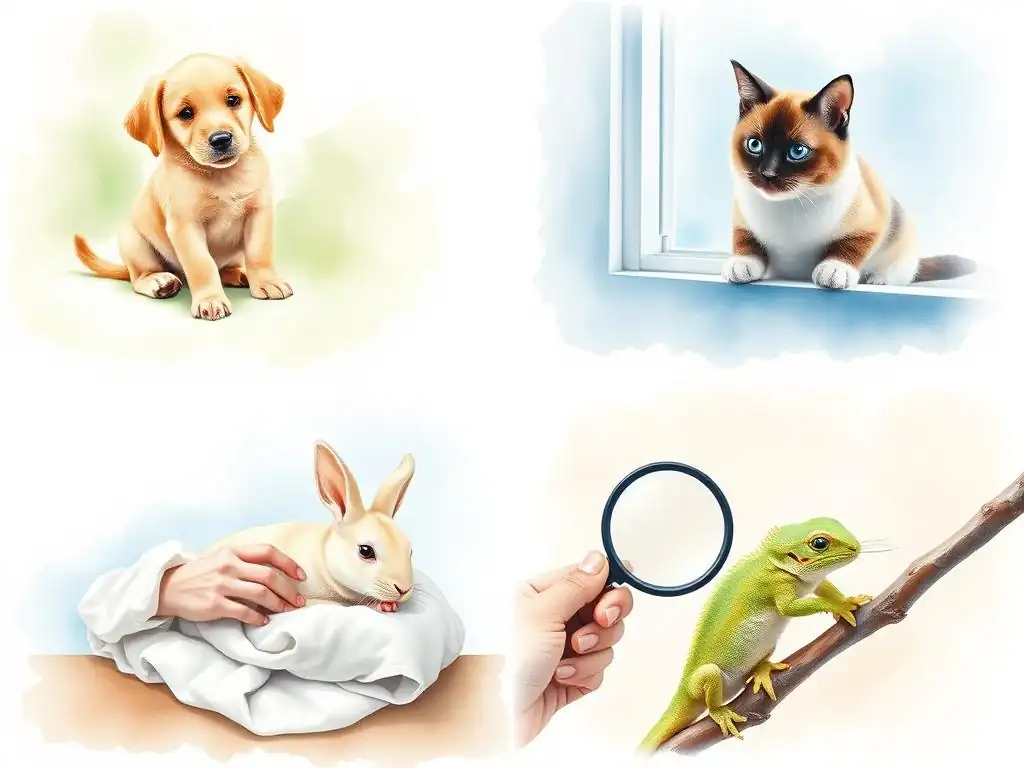
This section details how to perform basic DIY pet health checks tailored to different animal types. Remember, these checks are for early detection and should not replace professional veterinary care. If you notice anything unusual or concerning, contact your vet immediately. Regular DIY pet health checks at home can significantly contribute to your pet's overall well-being and help you identify potential problems early.
Specific Checkpoints for Dogs
Regularly checking your canine companion is crucial for maintaining their health. A thorough DIY pet health check should be incorporated into your routine. Here's a detailed guide:
- Eyes: Examine for any redness, discharge (color and consistency matter! ), cloudiness, or swelling. Look for any signs of irritation or infection. Note: A small amount of clear discharge is normal in some breeds.
- Ears: Gently lift the ear flaps and check inside for redness, swelling, inflammation, unusual odor, excessive wax, or the presence of parasites. Clean ears only with a vet-recommended cleaner if necessary and avoid using cotton swabs which can damage the eardrum.
- Nose: Check for any discharge (color and consistency are key indicators), dryness, or crusting. A slightly moist nose is normal, but excessive dryness or discharge warrants attention.
- Mouth: Gently lift your dog's lips to examine their gums. Healthy gums are pink and moist. Pale gums can indicate anemia, while excessively red or bluish gums may point to other health issues. Check their teeth for any broken teeth, plaque buildup, or unusual discoloration.
- Coat and Skin: Feel your dog's coat for any lumps, bumps, dryness, excessive shedding, or patches of hair loss. Examine their skin for redness, irritation, or parasites (fleas, ticks).
- Body: Palpate your dog's body gently for any unusual lumps, bumps, or swellings. Check their abdomen for firmness or distension.
| Check Point | Healthy Appearance | Concerning Signs |
|---|---|---|
| Eyes | Clear, bright, no discharge | Redness, swelling, cloudy appearance, discharge |
| Ears | Pink, clean, no odor | Redness, swelling, excessive wax, bad odor |
| Nose | Slightly moist | Dryness, excessive discharge |
| Mouth/Gums | Pink, moist gums, clean teeth | Pale gums, red gums, broken teeth, plaque |
| Coat & Skin | Smooth, shiny, no lesions | Dryness, excessive shedding, lumps, bumps |
| Body/Abdomen | Firm, no lumps or swelling | Lumps, bumps, distension |
Remember to note any changes from previous checks and consult your veterinarian if you have any concerns. Early detection through regular DIY pet health checks at home can make a huge difference.
Specific Checkpoints for Cats
Cats are masters of disguise when it comes to illness, making regular DIY pet health checks at home even more important. Pay close attention to subtle changes:
- Eyes: Similar to dogs, look for redness, discharge (note the color and consistency), cloudiness, or any signs of squinting or discomfort.
- Ears: Check for redness, swelling, excessive wax, or a foul odor. Cats are prone to ear mites, so pay particular attention to any dark brown or black debris.
- Nose: Observe the moisture level. A slightly moist nose is typical, but excessive dryness or discharge should be noted.
- Mouth: Gently check the gums for color (pink is healthy, pale is concerning). Examine their teeth for plaque, tartar, or broken teeth. Cats are prone to dental problems.
- Coat and Skin: Examine their coat for dullness, excessive shedding, matting, or any lumps or bumps. Check the skin for fleas, ticks, or any signs of irritation or inflammation.
- Litter Box Habits: Monitor changes in urination or defecation frequency, consistency, or color. Changes can indicate urinary tract infections or other digestive issues. This is a crucial aspect of at-home cat health monitoring.
Remember to approach your cat gently and calmly during the examination. A stressed cat will be less cooperative. Reward them with treats and praise to make it a positive experience.
Specific Checkpoints for Rabbits
Rabbits are delicate creatures, and early detection of health problems is vital. Regular DIY pet health checks at home are essential for their well-being:
- Eyes: Look for any redness, discharge, cloudiness, or swelling. Rabbits' eyes should be bright and clear.
- Nose: Check for any discharge (clear is normal, but colored discharge is not). Note any sneezing or unusual breathing sounds.
- Ears: Examine the ears for redness, swelling, scabs, or parasites. Rabbits' ears should be clean and free of debris.
- Teeth: Rabbits' teeth continuously grow, so check for overgrown teeth which can cause eating difficulties. Look for any signs of malocclusion (misalignment).
- Coat: Feel their fur for any lumps, bumps, matting, or bald patches. Check for parasites.
- Feet: Inspect the feet for any injuries, sores, or overgrown nails.
- Waste: Monitor the consistency and amount of their droppings. Changes can indicate digestive problems. Pay close attention to urine output as well.
Regular monitoring of these aspects will help you identify potential problems early, allowing for prompt veterinary intervention. Remember that even seemingly minor changes can be indicative of underlying health issues. Always consult your veterinarian if you have any concerns about your rabbit's health.
Specific Checkpoints for Birds
Regular DIY health checks for your feathered friend are crucial for early disease detection. Birds are masters of hiding illness, so attentive observation is key. Beyond the standard visual checks (cleanliness, bright eyes, alert demeanor), focus on these specific areas:
- Feathers: Examine your bird's plumage carefully. Are the feathers smooth, glossy, and neatly arranged? Excessive preening, ruffled feathers, or feather loss can indicate stress, illness, or parasites. Look for any signs of broken or damaged feathers, which could point to injuries or nutritional deficiencies. A dull, lackluster appearance often suggests underlying health problems. Regularly inspect for external parasites like mites or lice. These tiny creatures can cause significant discomfort and even lead to feather damage and skin infections.
- Respiratory System: Listen carefully to your bird's breathing. Normal bird breathing is relatively quiet. Any wheezing, gasping, or labored breathing warrants immediate veterinary attention. Observe the bird's droppings – changes in consistency, color, or frequency can also signal respiratory issues. Pay attention to the bird's posture; a hunched or lethargic posture can indicate respiratory distress. Also, observe the bird's nostrils. Any discharge or swelling could be indicative of a respiratory infection.
- Digestive System: Monitor your bird's droppings regularly. Healthy droppings should be firm, well-formed, and have a consistent color and texture. Changes in color (too green, too dark, or watery), consistency (diarrhea or constipation), or frequency can indicate digestive problems. Observe your bird's appetite and eating habits. Any sudden decrease in food intake or changes in preference can signal illness. Regularly check the bird's crop (the pouch in the throat where food is stored) for any abnormalities, such as distension or unusual contents. A swollen or impacted crop is a serious issue requiring veterinary care.
- Beak and Nails: Regularly check your bird's beak and nails for overgrown or damaged areas. Overgrown beaks or nails can interfere with eating and perching, causing significant discomfort. Trim the beak and nails using appropriate tools only if you are experienced in doing so; otherwise, seek professional help. Observe the condition of the beak for any cracks, deformities, or discoloration. These could indicate nutritional deficiencies or underlying health problems.
Specific Checkpoints for Reptiles
Reptilian health checks require a keen eye for subtle changes. Their stoic nature often masks illness until it's advanced. These checkpoints are crucial for early detection:
- Eyes and Mouth: Examine your reptile's eyes for clarity and brightness. Cloudy eyes, discharge, or swelling are warning signs. Check the mouth for any abnormalities such as swelling, discoloration, or unusual discharge. Open the mouth gently (if possible and safe) to check for oral infections. Look for signs of shedding difficulty; stuck shed can cause problems.
- Skin and Scales: Reptiles shed their skin regularly. Shedding should be smooth and complete. Difficulty shedding, retained shed, or abnormal skin coloration or texture (such as discoloration, bumps, lesions, or unusual dryness) can indicate metabolic bone disease, parasites, or other health issues. Regularly examine the scales for any signs of damage or infection. Scratches, abrasions, and sores should be monitored closely for signs of infection.
- Movement and Behavior: Observe your reptile's movement and behavior. Is it alert and responsive? Any lethargy, unusual posture, or difficulty moving is a cause for concern. Assess the reptile's appetite and feeding habits. Changes in feeding behavior can be a major indicator of illness. Observe the reptile’s defecation patterns. Changes in frequency, consistency, or color of the feces can indicate digestive or other underlying health issues.
- Temperature and Humidity: Reptiles are ectothermic (cold-blooded), meaning their body temperature depends on their environment. Maintain appropriate temperature and humidity levels within their enclosure. Regularly monitor these levels using accurate thermometers and hygrometers. Incorrect temperatures and humidity levels can lead to metabolic bone disease, respiratory infections, and other health problems. Ensure your reptile has access to appropriate basking spots and cool areas.
Remember, these are general guidelines. Consult a veterinarian specializing in your pet's specific species for any concerns. Early detection through regular DIY pet health checks at home is crucial for your pet’s well-being.
Resources and Further Information on Pet Health and Wellness
This section provides valuable resources to supplement your understanding of DIY pet health checks and overall pet wellness. Knowing when to seek professional veterinary care is crucial, and having access to reliable information empowers you to make informed decisions about your pet's health. Regular DIY pet health checks are a proactive approach, but professional veterinary care remains essential for comprehensive health management.
Recommended Reading on Pet Health and Care
Staying informed about pet health is key to responsible pet ownership. While DIY pet health checks are beneficial, supplementing your knowledge with reputable books and guides is highly recommended. These resources can help you understand the nuances of pet anatomy, common illnesses, and preventative care.
Look for books written by veterinary professionals or experienced pet care experts. Consider focusing on breed-specific guides if you have a purebred pet, as certain breeds are prone to specific health issues. For example, a book dedicated to the health concerns of Golden Retrievers will offer different insights than a general guide to canine health.
Pay attention to the publication date, ensuring the information is current and reflects the latest veterinary practices. Reputable publishers often have a section dedicated to pet care, offering a wide selection of books catering to various pet types and experience levels. Furthermore, consider exploring resources available through your local library or online bookstores, which often offer broader selections and potentially better pricing.
Reliable Online Resources for Pet Owners
The internet offers a wealth of information, but it's crucial to discern credible sources from unreliable ones. When researching pet health online, prioritize websites maintained by veterinary organizations, universities with veterinary schools, or reputable pet care institutions. These sources usually employ veterinary professionals to review and update their content, ensuring accuracy and adherence to current veterinary best practices. Always cross-reference information from multiple reputable sources to obtain a holistic understanding. Be wary of websites or forums that promote unproven treatments or remedies.
Remember, DIY pet health checks are a tool to assist you, not replace professional veterinary advice. A balanced approach combining DIY checks with expert veterinary guidance is optimal for your pet's well-being. Look for sites offering detailed, evidence-based information, not just anecdotal evidence or opinions. The use of visual aids like diagrams and videos can also greatly improve understanding, so look for resources that utilize these effectively.
Finding a Qualified Veterinarian Near You
Even with diligent DIY pet health checks, regular veterinary visits are non-negotiable. Finding a qualified veterinarian you trust is a cornerstone of responsible pet ownership. Start by asking friends, family, or other pet owners for recommendations. Online directories can also help you locate veterinarians in your area.
Check reviews and ratings to get a sense of other pet owners’ experiences. Consider factors such as the veterinarian's specialization, experience with your pet's breed, and the clinic's facilities and services. Schedule a consultation to meet the veterinarian and assess whether you feel comfortable and confident in their expertise. Don't hesitate to ask questions about their approach to pet care and their availability for emergencies.
Regular check-ups, even for healthy pets, are crucial for preventative care and early detection of potential health problems. Building a strong relationship with a qualified veterinarian ensures your pet receives the best possible care throughout their life. Remember, proactive care, combined with regular veterinary check-ups, is the best way to ensure your pet's long-term health and happiness. 🐶🐱🐹🐰🦜🐍
Frequently Asked Questions
What are the basic components of a DIY pet health check?
A basic DIY pet health check involves visually inspecting your pet's eyes, ears, nose, and mouth, feeling for lumps or bumps, checking their skin and coat, and observing their behavior and appetite. Remember to always consult your vet for any concerns.
How often should I perform a DIY pet health check?
Ideally, you should perform a quick visual check daily, paying close attention to any changes in your pet's behavior or appearance. More thorough checks should be conducted at least weekly, or more frequently if your pet is elderly or has pre-existing conditions.
What are some signs that indicate I should take my pet to the vet immediately?
Seek immediate veterinary attention if you notice any significant changes in your pet's behavior, such as lethargy, difficulty breathing, vomiting, diarrhea, or sudden loss of appetite. Also, consult a vet for any unexplained wounds, bleeding, or discharge.
Can I use a DIY health check to replace regular vet visits?
No, DIY pet health checks are supplementary to professional veterinary care. They are a helpful tool for early detection of potential problems, but cannot replace the expertise and diagnostic capabilities of a veterinarian. Regular vet check-ups are crucial.
What are some safe and effective tools for a DIY pet health check?
You'll primarily need your eyes and hands for a basic check. A bright light can help examine ears and eyes. A soft brush can aid in coat inspection. However, avoid using any sharp objects or instruments without proper training. Remember, safety is paramount.
Final Reflection: Empowering Pet Owners Through Proactive Care
The ability to perform basic DIY pet health checks at home is not just a convenience; it's a crucial step towards ensuring the well-being of our beloved animal companions. Early detection of potential health issues can significantly improve treatment outcomes and, ultimately, save lives. This knowledge empowers pet owners to become active participants in their pets' healthcare, fostering a stronger bond and a more confident approach to veterinary care.
The impact of readily available information on pet health is undeniable. We've moved beyond a solely reactive approach to pet care, where visits to the vet are solely triggered by visible illness. The best healthcare is preventative healthcare,
a maxim that applies equally to our furry friends. This shift towards proactive monitoring, fueled by resources like this guide, fosters a more responsible and informed pet ownership community, leading to healthier and happier pets across the board. It's incredibly rewarding to see this positive change unfold, knowing that even small actions, like regularly checking your pet's teeth or listening to their heart, can make a world of difference.
Now, it's your turn. Take the knowledge gained from this guide and use it to build a stronger, healthier relationship with your pet. Don't just wait for problems to arise; actively participate in their well-being. Schedule regular at-home check-ups, learn to recognize subtle changes in their behavior, and don't hesitate to reach out to your veterinarian with any concerns. Your proactive care will not only provide peace of mind but will also contribute to a longer, happier life for your cherished companion.
Unlock Your Pet's Health Potential: Take Charge Today!
Thank you for learning more about proactive pet healthcare! We hope this guide has empowered you to better understand your pet's well-being. Now, let's put that knowledge into action.
- Schedule a veterinary checkup: Preventative care is key. Early detection of potential health problems is crucial for your pet's well-being. Regular checkups are the foundation of responsible pet ownership.
- Share this guide: Help other pet owners by sharing this informative article with your friends and family on social media. Let's create a healthier community for our beloved animals!
- Visit PetCareWorld.org for more resources: Discover additional guides and articles to further support your pet's health and happiness.
What simple health check will you perform on your pet today?