
Exotic Pet Behavior Changes: Deciphering the Clues Your Pet Provides


Welcome to PetCareWorld, your ultimate guide to the wonderful world of pet ownership! Are you noticing unusual shifts in your exotic pet's behavior? Understanding these subtle changes is crucial to their well-being. Our in-depth article, " Exotic Pet Behavior Changes: Deciphering the Clues Your Pet Provides," explores the meaning behind these shifts, helping you identify potential problems and ensure your beloved companion thrives. Dive in and discover the secrets to a happier, healthier exotic pet!
- Understanding Exotic Pet Behavior: A Baseline for Change Detection
-
Exotic Pet Behavior Changes: What to Watch For
- Changes in Appetite and Eating Habits in Exotic Pets
- Alterations in Sleeping Patterns and Activity Levels
- Unusual Vocalizations or Communication Signals in Exotic Animals
- Changes in Social Interaction and Play Behavior in Exotic Pets
- Shifts in Hygiene and Grooming Habits: A Key Indicator of Illness
- Physical Changes Accompanying Behavioral Shifts in Exotic Animals
- Interpreting Exotic Pet Behavior Changes: Potential Causes
- When to Seek Veterinary Care for Your Exotic Pet
- Exotic Pet Behavior Changes Meaning: Practical Tips for Observation and Record Keeping
- Proactive Measures to Prevent Exotic Pet Behavior Problems
- Frequently Asked Questions
- Final Reflection: Understanding the Silent Language of Exotic Companions
- Unlock Your Pet's Secrets: Decode Their Behavior Today!
Understanding Exotic Pet Behavior: A Baseline for Change Detection
Exotic pet ownership is a rewarding but demanding experience. Understanding your pet's normal behavior is crucial for early detection of potential health problems or distress. Subtle shifts in behavior can be the first sign of illness, discomfort, or environmental issues.
This article serves as a guide to help you recognize significant changes in your exotic pet's behavior, enabling you to seek timely veterinary attention and maintain your pet's well-being. We will explore how to establish baseline behaviors, recognize individual personality quirks, and identify common behaviors to better understand what constitutes a deviation from the norm. Early detection of behavioral changes significantly increases the chances of successful intervention and contributes to a longer, healthier life for your exotic companion.
This is especially critical for exotic pets, as their unique needs and communication styles can often be misunderstood by inexperienced owners. Learning to decipher the clues your pet provides is essential for responsible and compassionate pet ownership.
Establishing Normal Behavior Patterns in Your Exotic Pet
Before you can identify behavioral changes, you need a solid understanding of your pet's typical behavior. This requires consistent observation over time. Start by documenting your pet's daily routines. What are their feeding habits? How much time do they spend sleeping, exploring, and interacting with their environment? Do they exhibit any specific preferences for their enclosure setup, such as basking spots, hiding places, or perches?
Keep a detailed journal or use a dedicated app to record these observations. Pay attention to subtle details, such as their posture, vocalizations, and activity levels. Regular observations are key. For example, a normally active gecko becoming lethargic could indicate illness, while a usually shy snake showing increased aggression might signal stress or discomfort. The more data you collect, the better equipped you'll be to identify deviations from their normal behavior. Consider creating a simple table to track key behaviors:
| Day | Date | Activity Level | Appetite | Sleeping Habits | Other Observations |
|---|---|---|---|---|---|
| 1 | 2024-10-27 | High | Good | Normal | Active exploration of enclosure, bright coloration |
| 2 | 2024-10-28 | Moderate | Good | Normal | Slight decrease in exploration |
| 3 | 2024-10-29 | Low | Poor | Increased | Lethargy, dull coloration |
This detailed record will be invaluable in identifying significant changes. Remember, consistency is key to establishing a reliable baseline.
Recognizing Individual Personality Traits in Exotic Animals
Just like humans and domestic animals, every exotic pet has a unique personality. Some are naturally more active and inquisitive, while others are shy and prefer to stay hidden. A shy chameleon, for instance, hiding more than usual might not be cause for alarm if it's within the range of its usual behavior. However, a previously outgoing chameleon suddenly becoming withdrawn could be a significant red flag. Understanding your pet's individual temperament is critical to differentiating between normal behavior variations and concerning changes.
For example, a normally docile bearded dragon displaying aggressive behavior is a more significant concern than a naturally feisty one showing a slight increase in assertiveness. Observe your pet's interactions with you and their environment. Do they enjoy being handled? Do they approach you for food or attention?
Do they have any specific likes or dislikes? Documenting these personality traits will help you better understand their responses to different stimuli and identify anomalies. Remember that even within their personality, there should be a consistent range of behaviour. Significant deviations from this range should be noted and investigated.
Common Exotic Pet Behaviors: A Quick Reference Guide
This section provides a quick reference guide to common behaviors in some popular exotic pets. Remember that this is not exhaustive, and individual variations exist. Always consult with a veterinarian specializing in exotic animals for any concerns about your pet's health or behavior.
- Reptiles: Lethargy, loss of appetite, changes in skin color or shedding patterns, unusual posture (e.g., gaping mouth, difficulty moving), and changes in basking behavior are all potential warning signs. 🦎
- Birds: Changes in vocalizations, feather plucking, decreased activity, changes in appetite or droppings, and difficulty perching are signs that warrant attention. 🦜
- Amphibians: Changes in skin texture, lethargy, loss of appetite, unusual posture, and difficulty breathing can indicate problems. 🐸
This guide highlights some of the most common behavioral changes, but it's crucial to remember that each species and individual pet has unique characteristics. Careful observation and detailed record-keeping are the best tools for early detection of problems. Don't hesitate to seek professional veterinary help if you notice any significant or persistent changes in your exotic pet's behavior. Early intervention can often make a significant difference in their health and well-being.
Exotic Pet Behavior Changes: What to Watch For
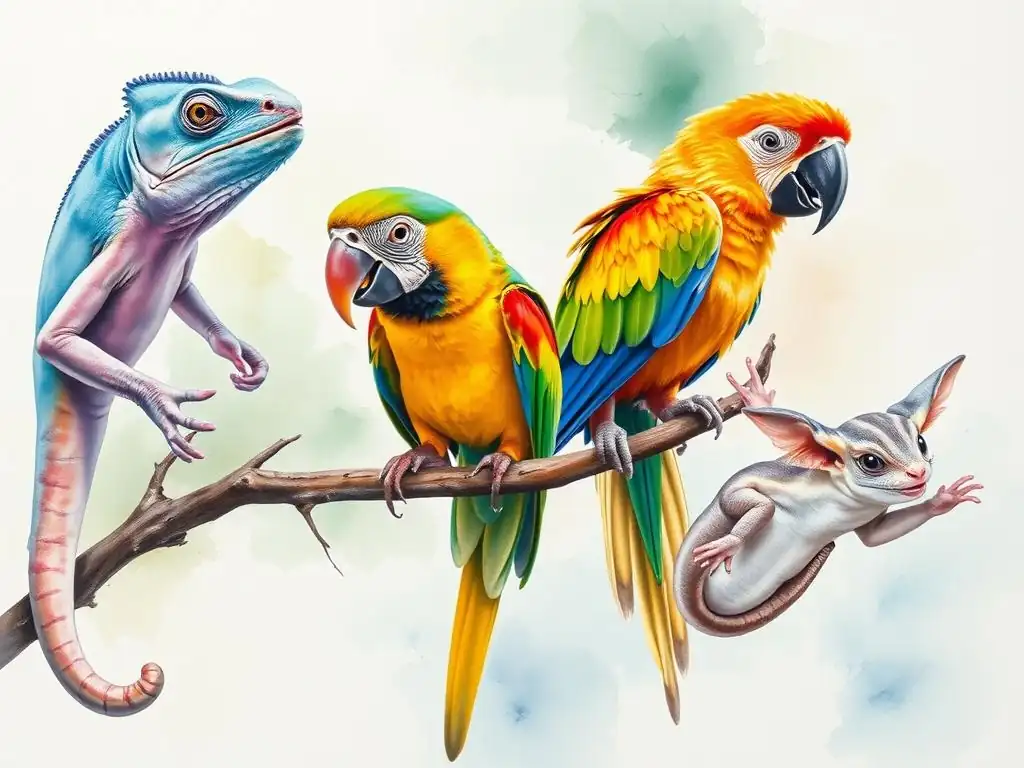
Understanding subtle shifts in your exotic pet's behavior is crucial for early detection of potential health problems. These changes, often overlooked, can be early warning signs of underlying illnesses or discomfort. Learning to recognize these subtle cues empowers you to seek timely veterinary care, improving your pet's chances of a swift recovery. This section focuses on key behavioral indicators that warrant attention, providing you with the tools to become a more attentive and proactive exotic pet caregiver. Recognizing these changes and understanding their potential exotic pet behavior changes meaning is paramount to responsible pet ownership.
Changes in Appetite and Eating Habits in Exotic Pets
Appetite fluctuations are a significant indicator of health in exotic pets. A sudden increase or decrease in food intake, changes in preferred foods, or difficulty eating can signify various issues. For example, a normally ravenous bearded dragon suddenly refusing its crickets might indicate a developing infection or digestive problem. Similarly, a usually picky gecko suddenly devouring everything in sight could be a sign of underlying metabolic issues or parasite infestation.
Detailed observation is key. Note not only the quantity of food consumed but also the quality of eating. Is your pet struggling to eat? Are they dropping food? Are they exhibiting signs of pain or discomfort during feeding? Keep a detailed food diary, noting the type and amount of food offered, the amount consumed, and any observed difficulties.
Consider these examples:
| Pet Type | Normal Eating Habits | Change Indicating Potential Problem | Possible Underlying Issue(s) |
|---|---|---|---|
| Leopard Gecko | Eats 2-3 insects every other day | Refusal to eat for multiple days, lethargy | Impaction, infection, metabolic bone disease |
| Bearded Dragon | Eats a variety of insects and vegetables daily | Significant decrease in insect consumption, weight loss | Parasites, bacterial infection, vitamin deficiency |
| Corn Snake | Eats a pre-killed mouse once a week | Repeated regurgitation of food | Digestive issues, stress, improper handling |
Remember, even seemingly minor changes in appetite can be significant. Documenting these changes meticulously provides valuable information for your veterinarian, aiding in a faster and more accurate diagnosis. Don't hesitate to consult a veterinarian specializing in exotic pets if you observe any persistent or concerning changes in your pet's eating habits.
Alterations in Sleeping Patterns and Activity Levels
Exotic pets have unique sleep-wake cycles. However, significant deviations from their established routines can signal distress or illness. Increased lethargy, excessive sleeping, or conversely, unusual hyperactivity, can all indicate a problem. For instance, a usually active chameleon becoming lethargic and spending most of its time hiding could suggest a respiratory infection or a metabolic disorder.
Consider these factors when assessing changes in activity levels:
- Baseline Behavior: Establish a baseline of your pet's normal activity levels. Note how often they move around, explore their enclosure, and interact with their environment.
- Environmental Factors: Rule out environmental factors that might influence activity levels, such as temperature fluctuations, inadequate lighting, or changes in the enclosure.
- Duration of Change: A temporary change might be insignificant, but a persistent alteration warrants veterinary attention.
- Associated Symptoms: Note any other symptoms, such as changes in appetite, respiratory distress, or changes in defecation patterns.
Remember, consistent monitoring is vital. A detailed log of your pet's activity levels, including periods of sleep, wakefulness, and interaction, will be invaluable in communicating with your veterinarian.
Unusual Vocalizations or Communication Signals in Exotic Animals
Many exotic pets communicate through subtle signals, often missed by inexperienced owners. Changes in these vocalizations or communication signals can be early indicators of a health problem. A normally quiet gecko suddenly emitting high-pitched chirps might be expressing pain or distress. A usually vocal bird becoming quiet and withdrawn could indicate illness or depression.
Understanding your pet's normal communication style is crucial. Note the frequency, intensity, and type of vocalizations or signals your pet exhibits. Any significant deviation from the norm requires careful observation and potential veterinary consultation.
Consider these examples:
- Hissing (Reptiles): While hissing can be a normal defensive behavior, increased hissing or hissing in unusual situations could indicate pain, stress, or illness.
- Chirping (Birds): Changes in the frequency or intensity of chirping can indicate stress, illness, or even boredom.
- Changes in Body Language (Most Species): Changes in posture, such as hunching, lethargy, or unusual stillness, can signify pain or discomfort.
Remember, early detection is key when dealing with exotic pet health. By carefully observing your pet's behavior and noting any changes, you can contribute significantly to their well-being and provide timely interventions when necessary. Always consult a qualified exotic animal veterinarian for any concerns regarding your pet's health.
Changes in how your exotic pet interacts with you and its environment can be a significant indicator of underlying health issues or discomfort. For instance, a normally playful ferret that suddenly avoids interaction, showing less interest in its favorite toys or refusing to engage in its usual playful antics, may be experiencing pain or illness. Similarly, a usually docile bearded dragon that becomes aggressive or bites when handled could be signaling discomfort, perhaps due to an injury or internal problem. These shifts aren't always dramatic; subtle changes in play intensity or frequency are also important to note.
A decrease in the frequency or duration of play sessions, even without outright refusal, warrants attention. Keep a detailed behavioral log, noting any changes from the pet's typical behavior. Regularly scheduled playtime provides a baseline for comparison, making it easier to detect deviations that might signal a problem.
Remember, every species displays affection and play differently; understanding your pet's normal baseline is crucial for recognizing unusual behavior. For example, a normally active sugar glider that suddenly spends more time sleeping could indicate a health problem. Documenting these changes allows for a more informed discussion with your veterinarian, leading to faster diagnosis and treatment.
Shifts in Hygiene and Grooming Habits: A Key Indicator of Illness
Unexpected changes in your exotic pet's hygiene and grooming habits often serve as early warning signs of illness or discomfort. A normally meticulous gecko that suddenly neglects its self-grooming routine, leaving its skin dirty or unkempt, might be suffering from pain or weakness. Similarly, a normally clean and tidy bird that starts exhibiting feather plucking or excessive preening could be experiencing stress, parasites, or an underlying medical condition. Changes in urination or defecation patterns are also crucial to monitor.
Increased frequency, changes in consistency, or unusual coloration of urine or feces can all indicate a health problem. For example, a rabbit exhibiting changes in stool consistency might be experiencing digestive issues. Similarly, a reptile with unusually frequent or watery urination could indicate kidney problems.
Paying close attention to these details, alongside other behavioral changes, provides a comprehensive picture that can assist your veterinarian in reaching a timely diagnosis. Keep a detailed record of your pet's hygiene and waste elimination patterns, noting any abnormalities or deviations from its usual habits. This meticulous record keeping empowers you to become a proactive participant in your pet's healthcare.
Physical Changes Accompanying Behavioral Shifts in Exotic Animals
Behavioral changes in exotic pets are rarely isolated incidents; they often accompany visible physical changes. These physical signs, when considered alongside behavioral shifts, can provide a more complete picture of your pet's health. For example, lethargy or decreased activity often accompanies illness, weight loss, or pain. A reptile that is usually active and alert but suddenly becomes lethargic might be experiencing a metabolic issue or infection.
Similarly, weight loss, even a small amount, can be a significant indicator of underlying illness. Changes in appetite, such as sudden loss of interest in food or increased food intake, are also important to note. A bird that suddenly stops eating or starts consuming excessive amounts of food could be experiencing hormonal imbalances, digestive problems, or other health issues. Furthermore, observe your pet's posture and gait.
Limping, difficulty moving, or an unusual posture can all indicate injury or illness. A ferret showing signs of weakness or difficulty walking might have a neurological issue. Combining these physical observations with your detailed behavioral logs allows for a much more comprehensive assessment of your pet's health, facilitating efficient communication with your veterinarian and leading to a quicker and more accurate diagnosis. Documenting both physical and behavioral changes is crucial for effective exotic pet healthcare.
Interpreting Exotic Pet Behavior Changes: Potential Causes

Understanding changes in your exotic pet's behavior is crucial for their well-being. A shift from their typical patterns can signal underlying health issues, environmental stress, or nutritional deficiencies. Recognizing these changes early allows for prompt intervention and can significantly impact your pet's quality of life. This section explores the common causes behind behavioral alterations in exotic pets, equipping you with the knowledge to better understand your companion's needs. Pinpointing the exact exotic pet behavior changes meaning requires careful observation and potentially, veterinary consultation.
Illness and Disease as a Cause of Altered Exotic Pet Behavior
Illness and disease are frequently overlooked causes of behavioral changes in exotic pets. Subtle shifts in activity levels, appetite, or social interaction can precede more obvious symptoms. For example, a normally active gecko becoming lethargic might indicate a developing respiratory infection. Similarly, a usually sociable parrot exhibiting aggression could be experiencing pain due to an underlying condition.
Several diseases can manifest as behavioral changes. Metabolic bone disease (MBD) in reptiles, for instance, often leads to lethargy, weakness, and reluctance to move. This is due to calcium and vitamin D deficiencies impacting bone structure and causing pain. In birds, feather plucking can be a symptom of various illnesses, including bacterial or parasitic infections, or even stress-induced hormonal imbalances.
It's crucial to remember that the presentation of illness varies greatly among species. What might appear as a minor change in one species could be a serious indicator in another. Therefore, any noticeable behavioral change warrants careful observation and, ideally, a consultation with an exotic animal veterinarian. Early diagnosis and treatment are key to improving your pet's prognosis and preventing further complications. Maintaining detailed records of your pet's behavior, including feeding habits, sleeping patterns, and social interactions, can be invaluable in assisting your veterinarian in making a diagnosis.
Environmental Stressors Affecting Exotic Pet Behavior
Environmental stressors are a significant contributor to behavioral problems in exotic pets. These can include changes in temperature, humidity, lighting, enclosure size, or the presence of other animals. Even seemingly minor alterations can trigger significant behavioral shifts.
For instance, a reptile kept in an enclosure with insufficient basking spots might exhibit lethargy and decreased appetite due to difficulty thermoregulating. Similarly, a bird housed in a small cage might exhibit increased aggression or self-mutilating behaviors due to confinement stress. Introducing a new pet to an existing enclosure can also lead to territorial disputes and behavioral changes in both animals.
| Stress Factor | Potential Behavioral Changes | Species Affected |
|---|---|---|
| Temperature Fluctuations | Lethargy, anorexia, unusual postures | Reptiles, amphibians |
| Inadequate Lighting | Decreased activity, abnormal shedding (reptiles), feather plucking (birds) | Reptiles, birds |
| Overcrowding | Aggression, increased stress vocalizations, reduced activity | Many species |
| Noise | Increased anxiety, hiding, vocalizations | Birds, mammals |
Careful consideration of your pet's environmental needs is paramount. Providing a spacious, appropriately furnished enclosure with consistent temperature and humidity levels is crucial for maintaining their physical and mental health. Regular enrichment activities, such as providing climbing structures, toys, or opportunities for foraging, can also help reduce stress and improve their overall well-being.
Nutritional Deficiencies and Their Impact on Exotic Pet Behavior
Nutritional deficiencies can significantly impact an exotic pet's behavior. Inadequate intake of essential vitamins, minerals, and other nutrients can lead to a range of behavioral problems, often mimicking symptoms of illness. For example, a calcium deficiency in reptiles can manifest as lethargy, tremors, and bone fragility, while a vitamin A deficiency can lead to respiratory problems and changes in skin condition. These physical issues directly affect behavior, leading to decreased activity and increased irritability.
The specific behavioral changes observed will depend on the type and severity of the deficiency. However, common signs include:
- Decreased appetite or changes in eating habits
- Lethargy and reduced activity levels
- Aggression or unusual fearfulness
- Abnormal shedding (reptiles) or feather plucking (birds)
- Reproductive problems
Providing a balanced and species-appropriate diet is essential to prevent nutritional deficiencies. This may involve supplementing the diet with commercially available vitamin and mineral mixes or altering the types and quantities of food provided. It's vital to consult with a veterinarian or a reptile/bird specialist to determine the most appropriate dietary plan for your pet, considering their species, age, and health status.
Regular veterinary check-ups, including blood tests to assess nutrient levels, are also recommended to ensure your pet is receiving adequate nutrition. Ignoring nutritional needs can lead to serious health problems and significantly impact your exotic pet's behavior and overall quality of life.
Pain and Discomfort as Underlying Causes of Behavioral Change
Pain and discomfort are significant, often overlooked, drivers of behavioral changes in exotic pets. Unlike dogs and cats who can readily communicate discomfort through vocalizations or body language, exotic pets often mask their pain, making it crucial for owners to be vigilant observers. A subtle shift in behavior—a normally active lizard becoming lethargic, a usually vocal bird becoming quiet, or a playful ferret becoming withdrawn—could signal underlying pain.
Several factors can contribute to pain in exotic pets. Infections, such as respiratory infections in birds or abscesses in reptiles, can cause significant discomfort and lead to noticeable behavioral alterations. Trauma, from falls or fights, can also result in pain and altered behavior.
Arthritis, particularly common in older reptiles and birds, causes joint pain and stiffness, impacting their mobility and activity levels. Finally, underlying medical conditions, such as kidney disease or tumors, can manifest as behavioral changes before other clinical signs become apparent. For example, a normally active sugar glider exhibiting decreased grooming and social interaction might be suffering from an internal issue causing pain.
Recognizing these subtle changes is paramount. Owners should be familiar with their pet's baseline behavior and be alert to any deviations. A detailed record of daily observations can be invaluable in detecting early signs of pain. If any unusual behavior is observed, a prompt veterinary examination is crucial. Early diagnosis and treatment are vital to alleviate pain and prevent further complications. Ignoring subtle changes can lead to more severe health issues and potentially irreversible damage. Remember, proactive care is key to ensuring your exotic pet's well-being.
Just like humans and other domesticated animals, exotic pets experience age-related changes that can significantly alter their behavior. These changes are often gradual and may not be immediately apparent, requiring careful observation and understanding. These alterations are not necessarily indicative of illness but rather a natural progression of aging. However, it's crucial to differentiate between normal age-related changes and those that could signal underlying health problems.
For instance, older reptiles may exhibit decreased activity levels, spending more time basking or resting. This reduced mobility is often attributed to age-related arthritis, a common condition affecting joints and causing stiffness and pain. Similarly, older birds may show a decline in vocalizations, a reduction in preening, and decreased interaction with their owners.
These changes are often associated with the natural decline in physical capabilities and the slowing of metabolic processes. In mammals like ferrets, age-related behavioral changes might include decreased playfulness, increased sleeping, and changes in appetite. They may also become more sensitive to their environment and less tolerant of handling.
Differentiating between normal aging and disease requires careful observation and veterinary consultation. While some behavioral changes are expected with age, a sudden or dramatic shift warrants immediate veterinary attention. For example, a normally active bearded dragon suddenly refusing food and becoming lethargic could indicate a serious health issue, not simply age.
Regular veterinary checkups, especially for older exotic pets, are essential for early detection of any underlying health problems and to ensure that any age-related changes are managed appropriately. Providing appropriate environmental enrichment and adapting care routines to accommodate age-related limitations can significantly improve the quality of life for senior exotic pets.
When to Seek Veterinary Care for Your Exotic Pet

Understanding subtle shifts in your exotic pet's behavior is crucial for their well-being. While some behavioral changes are minor and might resolve on their own, others indicate serious underlying health issues requiring immediate veterinary intervention. Recognizing these differences is key to ensuring your pet receives timely and appropriate care.
This section will help you decipher the signs and understand when to seek professional help, focusing on the meaning behind these changes in your exotic companion's behavior. This is especially important for exotic pet owners, as many behavioral changes can be subtle and easily missed if you aren't aware of your pet's normal routines and habits.
Urgent Situations Requiring Immediate Veterinary Attention
Certain behavioral changes in exotic pets signal a life-threatening emergency. These situations demand immediate veterinary attention. Delaying treatment in these cases can have severe consequences, even leading to the death of your pet. Some examples include:
- Sudden lethargy or collapse: If your pet is unusually unresponsive, weak, or unable to stand, seek immediate veterinary care. This could indicate a multitude of serious problems, such as internal bleeding, severe infection, or a toxic ingestion. The quicker you act, the better the chance of a positive outcome.
- Respiratory distress: Difficulty breathing, gasping, open-mouth breathing, or wheezing are clear signs of respiratory problems. These can be caused by pneumonia, lung infections, or other serious ailments. Immediate veterinary intervention is crucial.
- Severe diarrhea or vomiting: Persistent, profuse diarrhea or vomiting can lead to rapid dehydration and electrolyte imbalance, especially in smaller exotic pets. This is a critical situation demanding immediate attention.
- Seizures or convulsions: Seizures can be caused by a variety of factors, including neurological disorders, metabolic imbalances, or toxins. They are always a serious sign and require immediate veterinary assessment and treatment.
- Loss of appetite and significant weight loss: While a temporary loss of appetite isn't always cause for immediate concern, a prolonged lack of interest in food coupled with significant weight loss is a serious red flag. This could indicate a severe underlying illness that needs prompt veterinary attention. Monitoring your pet's weight regularly is crucial for early detection of such problems. Weighing them weekly can help you notice changes quickly.
Less Urgent but Still Important Signs Warranting Veterinary Consultation
While not always life-threatening, some behavioral changes should still prompt a consultation with an exotic animal veterinarian. Early intervention can often prevent minor issues from escalating into more serious problems. These signs might include:
- Changes in eating habits: A sudden increase or decrease in appetite, or a change in preferred food items, can be an indication of a developing health problem or discomfort. Note that some changes are normal, such as seasonal changes, but significant or persistent changes warrant attention.
- Increased or decreased activity levels: A significant shift in your pet's typical activity level, whether they're unusually lethargic or hyperactive, may indicate a problem. This could be linked to pain, discomfort, or an underlying medical condition.
- Changes in sleep patterns: Prolonged periods of sleep or unusual insomnia can signify illness or discomfort. Changes in sleep patterns can sometimes be early warning signs of other health issues. Consistent monitoring of sleep behaviors is important.
- Changes in social interaction: If your usually sociable pet is becoming withdrawn, aggressive, or exhibiting unusual behaviors around other animals or people, it's important to consult a veterinarian. This could indicate pain, fear, or an underlying medical condition impacting their behavior.
- Self-mutilation or excessive grooming: Excessive scratching, biting, or feather plucking can indicate skin problems, parasites, or underlying psychological issues requiring veterinary intervention. Addressing these behaviors early can prevent further complications.
Finding an Exotic Animal Veterinarian: A Crucial Step
Finding a veterinarian experienced with exotic pets is crucial for their proper care. General practice veterinarians may not possess the specialized knowledge needed to diagnose and treat the unique health concerns of exotic animals. Therefore, proactive research is essential. Consider these factors when searching for a suitable veterinarian:
- Specialized experience: Look for veterinarians who explicitly state their expertise in exotic animal care. Many will list their specialties on their website or in their clinic information.
- Species-specific knowledge: Ensure the veterinarian has experience with your specific type of exotic pet. The needs of a reptile differ significantly from those of a bird, for instance. Confirm that they have experience in treating your specific species.
- Client reviews and recommendations: Check online reviews and ask for recommendations from other exotic pet owners. Word-of-mouth recommendations can be invaluable in finding a qualified and caring veterinarian.
- Accessibility and location: Consider the veterinarian's location, availability, and their willingness to accommodate your pet's specific needs. This includes factors such as travel distance, appointment availability, and their approach to exotic pet care.
Remember, proactive monitoring of your exotic pet’s behavior is essential for early detection of potential health issues. Don't hesitate to seek veterinary assistance if you notice any significant changes, no matter how subtle they may seem. Early intervention is key to maintaining the health and well-being of your beloved exotic companion.
Exotic Pet Behavior Changes Meaning: Practical Tips for Observation and Record Keeping

Understanding changes in your exotic pet's behavior is crucial for early detection of potential health problems or underlying stress. A seemingly minor shift can sometimes indicate a significant issue. This section will equip you with the tools and techniques to effectively observe, document, and interpret these changes, ultimately contributing to your pet's well-being. Recognizing the meaning behind these behavioral shifts is paramount for proactive exotic pet care.
Detailed Observation Techniques for Exotic Pet Owners
Effective observation requires a systematic approach. Don't just rely on casual glances; dedicate specific times for focused observation. Consider your pet's normal routine – feeding times, sleeping patterns, activity levels – and note any deviations. For example, a usually active gecko suddenly hiding constantly could signify illness or discomfort. Similarly, a normally placid snake becoming aggressive might suggest pain or stress.
Here's a checklist to guide your observations:
- Appetite Changes: Is your pet eating less, more, or different foods than usual? Note any changes in food preference or refusal of favorite treats. Quantify these changes – "ate 50% of usual food portion" is more informative than "ate less."
- Activity Levels: Is your pet less active, more lethargic, or exhibiting unusual restlessness? Record specific examples: "spent 80% of the day basking, compared to the usual 50%," or "exhibited repetitive pacing for 30 minutes."
- Elimination Habits: Note any changes in urination or defecation frequency, consistency, or location. Changes in urine color or stool consistency can be indicative of health problems.
- Social Interactions: If your pet interacts with other animals or humans, observe any changes in their behavior. Increased aggression, avoidance, or unusual clinginess should be noted.
- Physical Appearance: While this is covered in other sections, note any visible changes such as weight loss, skin changes, or unusual discharges. These can be correlated with behavioral changes for a more complete picture.
It's crucial to be detailed and objective in your observations. Avoid anthropomorphism – projecting human emotions onto your pet. Focus on concrete, observable behaviors, using specific measurements and times whenever possible. For example, instead of "seems sad," write "spent 2 hours motionless in a corner, unlike its usual exploratory behavior." This precision enhances the value of your observations for veterinary diagnosis.
Maintaining a Behavioral Diary for Your Exotic Pet
A dedicated behavioral diary is invaluable for tracking changes over time. This isn't just a casual log; it's a precise record that enables you to identify patterns and subtle shifts that might otherwise go unnoticed. Consistency is key; aim for daily entries, even if nothing significant happens. This provides a baseline for comparison.
Your diary should include:
- Date and Time: Precise timestamps are essential for tracking changes.
- Observed Behavior: Detailed description of the behavior, including duration and context.
- Quantifiable Data: Measurements such as weight, food intake, and duration of specific behaviors.
- Environmental Factors: Note any changes in temperature, humidity, lighting, or social interactions.
- Your Observations: Any personal notes or interpretations, but clearly distinguish these from objective observations.
Consider using a spreadsheet or dedicated pet health app to organize your data efficiently. This allows for easy sorting and analysis of the information. A well-maintained diary provides a comprehensive history of your pet's behavior, invaluable for veterinary visits. The more detailed your records, the better equipped your veterinarian will be to provide accurate diagnosis and treatment. This proactive approach significantly improves the chances of a positive outcome when dealing with exotic pet health concerns.
Utilizing Technology to Monitor Exotic Pet Behavior (e.g., cameras)
Modern technology offers powerful tools for observing your exotic pet, even when you're not directly present. Pet cameras, equipped with motion detection and recording capabilities, can provide valuable insights into your pet's behavior throughout the day. This is especially helpful for nocturnal animals or pets that are active when you're not at home.
Using a camera allows for:
- Remote Monitoring: Observe your pet's behavior in real-time, even from your workplace or while traveling.
- Video Recording: Capture instances of unusual behavior for later review and analysis. This can be particularly useful for identifying subtle changes that you might miss during live observation.
- Time-Lapse Recording: Observe patterns and trends in behavior over extended periods.
- Automated Alerts: Set up notifications for specific behaviors or events, such as prolonged inactivity or unusual vocalizations.
Remember that while technology is a valuable tool, it shouldn't replace direct interaction and observation. Cameras provide supplementary data; they don't negate the importance of spending quality time with your pet and observing its behavior firsthand. A combination of direct observation and technological monitoring provides the most comprehensive understanding of your pet's well-being, helping you address any "exotic pet behavior changes" promptly and effectively.
Proactive Measures to Prevent Exotic Pet Behavior Problems
Understanding the nuances of "exotic pet behavior changes meaning" is crucial for proactive pet care. Many behavioral issues stem from unmet needs, highlighting the importance of preventative measures. Ignoring subtle shifts in behavior can lead to more significant problems down the line, impacting both the pet's well-being and the owner's experience. By implementing proactive strategies, you can significantly reduce the likelihood of encountering serious behavioral challenges. This section focuses on preventative care to maintain a happy and healthy exotic pet.
Providing a Stimulating and Enriching Environment for Exotic Pets
An enriching environment is paramount in preventing behavioral problems in exotic pets. A lack of stimulation can lead to boredom, frustration, and ultimately, undesirable behaviors such as destructive chewing, excessive vocalization, or aggression. The specific needs vary drastically depending on the species.
For example, a reptile, such as a bearded dragon, needs a terrarium that accurately mimics its natural habitat. This includes appropriate temperature gradients, basking spots, hiding places, and climbing structures. Providing these elements not only satisfies their instinctual needs but also reduces stress and boredom. A poorly designed enclosure can manifest as lethargy, refusal to eat, or even self-mutilation.
Similarly, avian species require ample space to fly and explore, along with various perches, toys, and opportunities for foraging. Lack of mental stimulation in birds can result in feather plucking, excessive screaming, or aggression towards their owners.
Creating a stimulating environment also involves regular interaction with your pet. This doesn't necessarily mean constant handling, but rather providing opportunities for positive engagement tailored to the species' preferences. This could involve offering puzzle feeders, interactive toys, or simply spending time observing your pet in its environment.
Proper Nutrition and Diet for Exotic Animals
Nutritional deficiencies can significantly impact an exotic pet's behavior. Malnutrition can lead to lethargy, irritability, and a range of other behavioral changes. Providing a balanced and species-appropriate diet is fundamental to preventing behavioral problems.
The dietary requirements for exotic pets are diverse and often complex. A diet lacking essential nutrients can lead to a cascade of issues, including hormonal imbalances which can manifest as aggression, anxiety, or unusual repetitive behaviors. For instance, a lack of calcium in a reptile's diet can lead to metabolic bone disease, causing pain and impacting mobility, potentially leading to increased aggression or withdrawal.
Researching the specific nutritional needs of your exotic pet is crucial. Consult with a veterinarian specializing in exotic animals or a reputable herpetologist (for reptiles) or avian veterinarian (for birds) to determine the ideal diet for your pet's species, age, and individual health status. Following a carefully planned feeding schedule and ensuring access to clean water are equally important. Monitoring your pet's weight and body condition are also key indicators of the effectiveness of their diet.
Regular Veterinary Checkups for Early Detection of Problems
Regular veterinary checkups are essential for early detection of underlying medical conditions that might be contributing to behavioral changes. Many behavioral problems in exotic pets are secondary to an underlying physical issue. Early intervention can often prevent the problem from escalating.
During these checkups, a veterinarian can assess your pet's overall health, conduct thorough physical examinations, and perform necessary diagnostic tests. This proactive approach allows for early detection of conditions such as parasites, infections, or metabolic disorders, which can significantly impact behavior. For example, a seemingly aggressive reptile might actually be experiencing pain due to an undetected injury or infection.
Regular veterinary visits also provide an opportunity to discuss any observed behavioral changes with a professional. A veterinarian can help determine whether the changes are normal variations within the species or indicate a more serious underlying problem, providing valuable guidance on management strategies and potential treatments. This preventative approach can help maintain your exotic pet's well-being and prevent minor issues from developing into major behavioral challenges.
Socialization and training are crucial aspects of proactive exotic pet care, significantly impacting their behavior and well-being. Early and consistent socialization helps your exotic pet develop appropriate social skills and reduces the likelihood of future behavioral issues. This process involves gradually exposing your pet to various sights, sounds, smells, and even gentle handling from a young age.
The specific approach will vary drastically depending on the species; a young bearded dragon will have different socialization needs than a juvenile sugar glider. For example, a reptile might benefit from regular, short interactions involving careful handling and gentle movements, while a bird might require exposure to different environments and sounds within a safe and controlled setting.
The key is to make these experiences positive and rewarding, avoiding any situations that could cause fear or stress. Failure to socialize properly can lead to fear-based aggression, anxiety, and difficulty adapting to changes in their environment, all contributing to behavioral problems later in life.
Training, while often associated with dogs and cats, is equally beneficial for exotic pets. It builds a strong bond between you and your pet, enhancing communication and understanding. Training methods should be species-appropriate, focusing on positive reinforcement techniques.
This means rewarding desired behaviors with treats, praise, or other positive stimuli, rather than relying on punishment, which can be detrimental to your pet's emotional well-being and lead to fear or aggression. For example, teaching a ferret to come when called or a parrot to step up onto your hand strengthens the bond and provides valuable control, making handling and veterinary care easier. Furthermore, training can help redirect undesirable behaviors, such as excessive biting or chewing, by providing alternative outlets for their natural instincts.
A well-trained exotic pet is a happy and manageable pet, significantly reducing the chances of future behavioral challenges. Remember to research species-specific training techniques and consult with a veterinarian or experienced exotic pet handler for guidance. Consistent and patient training, tailored to your pet's individual needs, is key to success.
The importance of early intervention cannot be overstated. Addressing potential behavioral problems early on, through appropriate socialization and training, prevents them from escalating into more serious issues later in life. This proactive approach not only improves the quality of life for your exotic pet, but also makes them easier to manage and care for, strengthening the bond between you and your unique companion.
Remember, a well-adjusted exotic pet is a happy pet, and a happy pet is a healthier pet. The effort invested in socialization and training will be repaid many times over in a more harmonious and fulfilling relationship with your exotic companion.
Frequently Asked Questions
What does a change in exotic pet behavior actually mean?
Changes in behavior can signal underlying health issues, stress, or environmental problems. It's crucial to observe these changes carefully and seek veterinary advice if concerned.
How can I tell if my exotic pet's behavior change is serious?
Sudden and drastic changes, such as lethargy, loss of appetite, or aggression, often indicate a serious problem requiring immediate veterinary attention. Subtle changes should also be monitored.
What are some common behavioral changes in exotic pets?
Common changes include altered eating habits, changes in sleeping patterns, increased or decreased activity levels, and unusual vocalizations or displays. These can stem from various factors.
My exotic pet is showing unusual aggression. What should I do?
Avoid direct confrontation. Identify potential stressors (new pets, changes in environment) and consult a veterinarian or exotic animal behaviorist to determine the cause and develop a management plan.
Where can I find more information on exotic pet behavior?
PetCareWorld offers in-depth guides and expert advice on exotic pet behavior. Consult reputable sources and always seek professional help when needed for accurate diagnosis and treatment.
Final Reflection: Understanding the Silent Language of Exotic Companions
The subtle shifts in behavior exhibited by our exotic pets are often the earliest warning signs of underlying health issues or environmental stressors; ignoring these clues can have devastating consequences. Understanding the nuances of their communication is not merely a matter of responsible ownership; it's a crucial step towards building a strong, trusting bond and ensuring their well-being.
The responsibility of caring for an exotic pet extends far beyond providing food and shelter. It demands a deep understanding of their unique needs, a keen eye for subtle behavioral changes, and a willingness to learn and adapt. The animals that we keep as pets are not just objects; they are sentient beings with their own unique personalities and needs.
This quote underscores the ethical obligation we have to truly understand and respond to the complex communication systems of our exotic companions. Their silent cues, often overlooked, speak volumes about their internal state, and recognizing these signals is paramount to their health and happiness.
Now, consider your own relationship with your exotic pet. Are you actively observing their daily routines, noting any deviations from the norm? Take the time to truly listen to your pet, not just with your ears, but with your heart and mind. Learn to decipher their body language, their vocalizations, and their subtle shifts in appetite or activity levels. By doing so, you'll not only strengthen your bond but also become a more effective advocate for their health and well-being, ensuring a long and fulfilling life together.
Unlock Your Pet's Secrets: Decode Their Behavior Today!
Thanks for exploring the fascinating world of exotic pet behavior! We hope you've gained valuable insights into understanding your unique companion. Now let's put that knowledge into practice.
Here's how you can strengthen your bond and ensure your pet's well-being:
- Observe and Record: Keep a detailed behavioral journal, noting even subtle changes in your pet's routine. Early detection of any issues is crucial for proactive care.
- Share Your Experiences: Tell us about your exotic pet's unique personality! Share your observations and experiences in the comments below – you could help another pet owner facing similar challenges.
- Explore Enrichment Activities: Search online for enrichment activities specifically designed for your pet's species. Even a small change can significantly improve their happiness and well-being.
What small step will you take today to better understand your exotic pet's communication style?