
Cat's Behavior Changes: Subtle Signs That Your Cat May Not Be Well

Welcome to PetCareWorld, your ultimate guide to a happier, healthier life for your beloved pets! Are you concerned about your feline friend? We delve into the often-overlooked world of subtle illness signs in cats, exploring how seemingly minor behavioral changes can actually signal underlying health issues. Discover crucial information on Cat behavior subtle illness signs and learn how to become a more attentive and informed pet owner. Don't wait for a major crisis – unlock the secrets to understanding your cat's communication and ensure their well-being.
- Recognizing Subtle Signs of Illness in Cats: Early Detection is Key
- Behavioral Changes Indicating Potential Health Problems in Cats
- Understanding Your Cat's Baseline Behavior: The First Step to Detection
- When to Seek Veterinary Attention for Your Cat
- Common Underlying Health Issues Manifested Through Subtle Behavioral Changes
- Preventing Illness and Maintaining Your Cat's Well-being
-
Frequently Asked Questions
- What are some subtle signs of illness in cats that are often overlooked?
- How can I tell if my cat's behavioral change is due to illness or just a personality shift?
- My cat is suddenly less playful. Could this be a sign of illness?
- My cat is hiding more than usual. Is this a cause for concern?
- Should I be worried if my cat's coat looks duller than usual?
- Final Reflection: Understanding the Whispers of a Sick Cat
- Uncover the Secrets to a Healthier, Happier Cat
Recognizing Subtle Signs of Illness in Cats: Early Detection is Key
Understanding your cat's normal behavior is crucial for recognizing when something is amiss. Cats are masters of disguise, often hiding illness until it's advanced. This article focuses on subtle behavioral changes that can indicate underlying health problems in your feline friend. Early detection is key to successful treatment, potentially saving your cat from significant discomfort and even life-threatening complications.
We will explore several key areas where subtle changes in your cat's behavior can signal a need for veterinary attention, empowering you to become a more proactive and informed pet owner. Learning to interpret these subtle cues can significantly improve your cat's quality of life and longevity. Remember, even small changes can be important indicators – don't hesitate to consult your veterinarian if you notice anything unusual.
Changes in Appetite: Eating Habits and Illness
A change in appetite, whether increased or decreased, can be a significant indicator of illness in cats. While a temporary decrease in appetite might be due to stress or a change in food, persistent changes warrant attention. Consider these scenarios:
- Sudden decrease in appetite: This could signal a variety of issues, including dental problems (making eating painful), gastrointestinal upset, kidney disease, or even infections. Note the severity of the decrease – is your cat refusing all food, or just picking at their usual portions? Also observe if they are drinking less water, a common companion symptom of many illnesses.
- Increased appetite with weight loss: This paradoxical situation often points to underlying metabolic disorders like hyperthyroidism or diabetes. The cat's body is working harder to process nutrients, leading to increased hunger despite weight loss.
- Changes in food preferences: A sudden aversion to their favorite food, or a preference for unusual items, might indicate a change in taste or smell perception related to a health issue.
- Vomiting or diarrhea: While not strictly appetite changes, these digestive issues are often directly related to appetite loss and should be considered alongside changes in eating habits. Note the frequency, consistency, and color of vomit and stool. Keep a detailed record for your veterinarian.
Litter Box Issues: Changes in Urination and Defecation
The litter box provides valuable insights into your cat's health. Changes in urination and defecation patterns can be subtle but significant warning signs:
- Increased urination frequency: This can indicate urinary tract infections (UTIs), kidney disease, or diabetes. Observe the amount of urine – is it increased overall, or are they simply urinating more frequently in smaller amounts? Pay attention to straining or difficulty urinating.
- Decreased urination frequency: This might be a sign of kidney problems, dehydration, or blockage in the urinary tract. This is a serious condition requiring immediate veterinary attention.
- Inappropriate urination: Urinating outside the litter box, even in seemingly appropriate locations, can be a symptom of stress, urinary tract infections, or even cognitive decline in older cats.
- Changes in stool consistency: Diarrhea or constipation can be indicative of dietary issues, infections, or intestinal problems. Note the color, consistency, and presence of blood or mucus in the stool.
- Straining to urinate or defecate: This indicates discomfort and potential blockage, requiring immediate veterinary assessment. This is a serious symptom and should not be ignored.
Grooming Habits: Matted Fur, Excessive Licking, or Neglect
Cats are meticulous groomers. Changes in their grooming habits often reflect underlying health issues:
- Matted fur: A sudden lack of grooming can be due to pain, arthritis, or neurological problems that make grooming difficult. This is particularly noticeable in long-haired cats.
- Excessive licking: This can be a sign of allergies, skin irritations, or even anxiety. Observe the location of the licking – is it concentrated in one area? Excessive licking can lead to hair loss and skin damage.
- Neglect of grooming: A generally unkempt appearance could indicate pain, weakness, or cognitive decline. This is often accompanied by other symptoms like lethargy or decreased appetite.
Remember to keep a detailed record of any changes you observe, including the frequency, duration, and severity of the symptoms. This information will be invaluable to your veterinarian in diagnosing the underlying cause of your cat's behavioral changes. Early intervention is crucial for the best possible outcome. 😻
Sleeping Patterns: Increased or Decreased Sleep
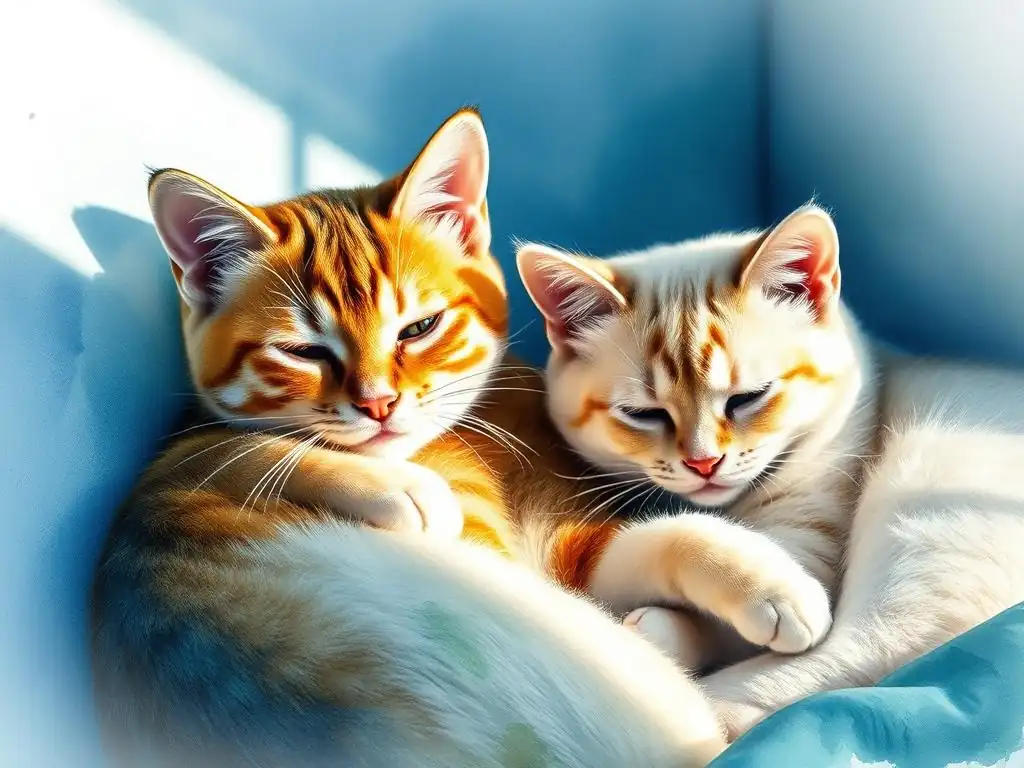
Cats are naturally prone to napping, often spending up to 12-16 hours a day sleeping. However, significant deviations from their usual sleeping patterns can be a subtle indicator of underlying health issues. A sudden and dramatic increase in sleep, where your cat is sleeping significantly more than usual and seems lethargic even when awake, could signal a variety of problems. This could range from mild infections to more serious conditions like kidney disease or hyperthyroidism.
Observe not only the quantity of sleep but also the quality. Is your cat sleeping more soundly than usual, or is it a restless sleep punctuated by frequent awakenings? Restless sleep can be a sign of pain or discomfort.
Conversely, a noticeable decrease in sleep, where your cat is far more active at night or displaying unusual wakefulness, might also be cause for concern. This could be linked to hyperthyroidism, pain, anxiety, or even cognitive decline in older cats. A change in sleeping location – perhaps your cat is now avoiding its favorite sleeping spot – can also be a subtle clue.
Consider keeping a sleep diary for a week or two to track changes in your cat's sleeping habits. Note the duration of sleep periods, the times of day your cat sleeps most, and any unusual behaviors observed during sleep or immediately after waking. This detailed record will be invaluable for your veterinarian.
This meticulous record-keeping will help you present a clear picture to your veterinarian, aiding in a quicker and more accurate diagnosis. Don't dismiss changes in sleep patterns as simply a quirky behavior; they can often be a vital early warning sign.
Energy Levels: Lethargy, Increased Restlessness, or Lack of Playfulness
A cat's energy levels are a reliable barometer of its overall health. A noticeable decrease in energy, characterized by lethargy and a general lack of interest in their usual activities, is a significant red flag. Instead of their usual playful antics, your cat might spend most of its time sleeping or lying around, showing little interest in food, toys, or even your company.
This could indicate a variety of underlying health issues, from infections and allergies to more serious conditions such as feline leukemia virus (FeLV) or feline immunodeficiency virus (FIV). Even seemingly minor issues, such as dental problems, can lead to lethargy due to chronic pain and discomfort.
On the other hand, increased restlessness or agitation can also be a sign of illness. A cat that is suddenly pacing, vocalizing excessively, or exhibiting unusual grooming behaviors may be experiencing pain, anxiety, or cognitive dysfunction. This heightened activity is often different from their normal playful energy; it's usually more frantic and less focused. Consider the context; is this restlessness accompanied by other symptoms, such as changes in appetite, litter box habits, or grooming?
Finally, a lack of playfulness, a significant departure from your cat's usual energetic self, is another important subtle sign. If your cat, typically a playful and active companion, suddenly loses interest in interactive play, toys, or even chasing after a laser pointer, it warrants attention. This could be a sign of pain, illness, or even depression. A gradual decline in playfulness might be more difficult to detect than a sudden change, so it's crucial to pay close attention to your cat's usual behavior and any deviations from the norm.
Remember, a healthy cat is usually curious, playful, and engaging. Any significant change in these behaviors should prompt a veterinary check-up. 😻
Behavioral Changes Indicating Potential Health Problems in Cats
Cats are masters of disguise when it comes to illness. They often hide signs of discomfort until the problem becomes quite severe. Therefore, paying close attention to subtle shifts in their behavior is crucial for early detection of potential health issues. Recognizing these subtle changes can be the difference between prompt treatment and a more serious, potentially life-threatening condition.
This section focuses on key behavioral changes that might indicate your cat isn't feeling their best. Understanding these subtle signs is paramount for responsible cat ownership and proactive pet care. Early intervention is key in ensuring your feline friend receives the necessary veterinary attention.
Increased Aggression or Irritability: A Sign of Discomfort
A sudden increase in aggression or irritability in a cat that's normally docile can be a significant warning sign. This isn't just about playful swatting; we're talking about uncharacteristic biting, hissing, or growling, even when approached gently. Several underlying health conditions can trigger this behavioral shift.
Pain is a major culprit. Arthritis, dental problems (such as abscesses or gingivitis), or internal organ issues can cause significant discomfort, making your cat easily startled and prone to lashing out. Imagine how irritable you would be if you were constantly in pain! This irritability isn't a sign of a bad temperament; it's a symptom of underlying physical distress.
Furthermore, cognitive dysfunction syndrome (CDS), often seen in older cats, can manifest as increased aggression or confusion. This neurodegenerative disease affects the brain, leading to behavioral changes, including increased irritability and disorientation. Similarly, hyperthyroidism, a condition affecting the thyroid gland, can cause increased anxiety and aggression.
Here's a table summarizing potential causes of increased aggression in cats:
| Potential Cause | Symptoms | Additional Notes |
|---|---|---|
| Pain (Arthritis, etc.) | Increased hissing, biting, growling, avoidance | Examine for signs of lameness, difficulty eating |
| Dental Problems | Increased aggression when near mouth area | Check for redness, swelling, or bad breath |
| Hyperthyroidism | Restlessness, irritability, aggression | Increased appetite, weight loss, increased thirst |
| Cognitive Dysfunction (CDS) | Disorientation, confusion, aggression | More common in older cats |
It's crucial to consult your veterinarian if you notice a sudden change in your cat's temperament. A thorough examination can help pinpoint the underlying cause and allow for timely intervention.
Hiding Behavior: When Your Cat Seeks Isolation
Cats are naturally independent creatures, but a sudden increase in hiding behavior, especially in a cat that's usually sociable, can signal underlying health issues. This isn't just about finding a quiet spot for a nap; it's about withdrawing from normal interactions and seeking isolation.
Several factors can contribute to this change in behavior. Pain, as discussed previously, is a significant driver. A cat experiencing pain may seek a secluded, dark place to minimize discomfort and avoid interaction. This is a survival instinct – the cat is trying to protect itself.
Illness can also cause lethargy and weakness, making your cat less inclined to engage in activities it normally enjoys. Infections, kidney disease, or other systemic illnesses can sap your cat's energy and motivation, leading to increased hiding.
Furthermore, a change in the environment, such as a new pet or a move, can also contribute to hiding behavior. However, if this change is accompanied by other symptoms like lethargy or changes in appetite, it's crucial to rule out any underlying medical conditions.
Consider these points:
- Is your cat hiding in unusual places?
- Is it harder to coax them out than usual?
- Are they less responsive to your calls or attempts at interaction?
A combination of hiding and other symptoms warrants a visit to the vet for proper diagnosis.
Vocalization Changes: Excessive Meowing or Unusual Sounds
Changes in vocalization can be another subtle indicator of illness in cats. While some meowing is normal, a sudden increase in meowing, particularly at unusual times or with a different tone, can be cause for concern.
Excessive meowing could indicate pain, discomfort, or cognitive dysfunction. A cat experiencing pain might meow incessantly to signal its distress. Similarly, a cat with cognitive dysfunction may meow more frequently due to confusion or disorientation.
Unusual sounds, such as yowling, caterwauling, or other unusual vocalizations, can also point towards underlying health problems. These sounds often indicate pain, anxiety, or distress. For example, a cat with a urinary tract infection might vocalize excessively while trying to urinate.
Consider the following:
- Is your cat meowing more frequently than usual?
- Has the tone of their meows changed? Are they higher-pitched, more insistent, or more distressed?
- Are there any unusual vocalizations, such as yowling or caterwauling?
Changes in vocalization, especially when combined with other behavioral changes, should be taken seriously. Consulting a veterinarian is crucial to determine the underlying cause and ensure your cat receives appropriate care. Don't dismiss these changes as simply "your cat being your cat." They could be subtle but important signals that your cat needs your help.
Changes in Interaction: Less Affectionate or More Demanding
Cats are known for their independent nature, but even the most aloof feline usually displays some level of affection towards their human companions. A significant shift in your cat's typical interaction style can be a subtle yet crucial indicator of underlying health issues. For instance, a cat who once eagerly greeted you at the door with purrs and rubs might now avoid physical contact, preferring to stay hidden or distant. This withdrawal could signal pain, discomfort, or even cognitive decline.
Conversely, a usually independent cat might become excessively demanding of attention, constantly meowing, rubbing against you insistently, or following you around the house. This clinginess could be a sign that they are feeling insecure due to an undiagnosed illness. The change isn't necessarily about the amount of attention, but rather the nature of the interaction; an abrupt change in their usual affectionate behavior warrants attention.
Consider the specific nuances of the change. Has your usually cuddly cat suddenly become averse to being petted in certain areas? This could indicate pain in that specific region. Does your cat meow excessively, even when its needs are met? This could point towards cognitive dysfunction or a painful condition.
Keep a detailed record of these changes, noting the frequency, intensity, and any other accompanying symptoms. For example, a cat who suddenly becomes more demanding could be experiencing increased anxiety due to a physical ailment. Documenting this shift provides valuable information for your veterinarian, allowing for a more accurate diagnosis. Remember, even subtle changes in your cat's interaction style deserve careful observation and veterinary consultation.
Early detection is key to effective treatment, improving your cat's quality of life and overall well-being. A seemingly minor change in behavior could be a sign that your cat is trying to communicate a serious health concern. Don't underestimate the power of observation when it comes to your furry friend's health. Paying attention to these subtle cues is crucial for early intervention and improved outcomes.
Understanding Your Cat's Baseline Behavior: The First Step to Detection
Understanding your cat's normal behavior is crucial for recognizing subtle signs of illness. Many cat owners mistakenly attribute behavioral changes to personality quirks, overlooking potential health problems. Early detection is key to successful treatment, so establishing a baseline is paramount. Think of it as creating a "health profile" for your feline companion. This involves observing your cat's daily routines and noting any consistent patterns. This isn't a one-time observation; it's an ongoing process of getting to know your cat intimately.
Establishing a Normal Behavior Profile for Your Cat
Creating a comprehensive behavioral profile involves meticulous observation across various aspects of your cat's life. Consider these key areas:
- Activity Levels: Does your cat typically spend most of the day sleeping, or is it more active and playful? Note the duration and intensity of their active periods. A sudden decrease in activity, lethargy, or unusual periods of stillness could signal illness. For example, a usually playful Siamese suddenly refusing to chase toys may be a warning sign.
- Eating Habits: Observe your cat's appetite and eating patterns. How much food does it consume daily? Are there any changes in its preference for certain foods? A significant decrease in appetite, changes in food preferences, or difficulty eating can indicate underlying health issues. Keep a food diary for a week to establish a baseline.
- Litter Box Habits: Changes in urination or defecation are significant indicators. Note the frequency, amount, and consistency of your cat's bowel movements and urine output. Increased frequency, straining, accidents outside the litter box, or changes in urine color (e.g., darker or cloudier) warrant attention. Frequency of urination can also indicate kidney issues.
- Grooming Habits: Cats are meticulous groomers. Changes in grooming behavior, such as excessive licking or matting of fur, could signify skin problems, allergies, or pain. A normally well-groomed cat suddenly neglecting its fur may be experiencing discomfort.
- Social Interactions: How does your cat interact with you and other pets? Is it playful, affectionate, or aloof? Note any changes in its temperament, such as increased aggression, withdrawal, or excessive vocalization. A sudden shift from friendly to fearful could signal underlying pain or distress.
- Sleeping Patterns: Cats sleep a lot, but the duration and quality of sleep can vary. Note the typical sleep schedule of your cat and any deviations. Excessive sleeping or restlessness can indicate illness.
Remember to document these observations regularly. A simple notebook or a dedicated app can be helpful. The more detailed your records, the easier it will be to identify subtle changes in your cat's behavior that could indicate a health problem.
Recognizing Deviations from Your Cat's Usual Behavior
Once you've established a baseline, carefully monitor your cat for any deviations. Even small changes can be significant. For instance:
- Subtle changes in gait: A slight limp, stiffness, or reluctance to jump could indicate joint pain or other musculoskeletal issues. Observe carefully how your cat moves, paying attention to any subtle changes in their gait.
- Vocalization changes: Increased meowing, hissing, or unusual vocalizations could reflect pain, anxiety, or discomfort. A quiet cat suddenly becoming vocal warrants investigation.
- Changes in coat appearance: Dull, matted fur, excessive shedding, or skin lesions can be indicative of various health problems, including allergies, parasites, or hormonal imbalances.
- Increased thirst or urination: Excessive drinking and urination could point towards diabetes or kidney disease. Monitor your cat's water intake and litter box usage.
- Hiding behavior: Cats often hide when feeling unwell or in pain. If your cat is spending more time hiding than usual, it may be a sign of illness.
- Changes in alertness: A cat that seems less alert, more lethargic, or disoriented may be experiencing a medical issue.
Remember, these are just examples. Any unusual change in your cat's behavior, even if it seems minor, should prompt you to consult a veterinarian. Early detection and intervention are crucial for ensuring your cat's health and well-being. Don't hesitate to seek professional help if you're concerned. Early diagnosis significantly improves the chances of successful treatment and a speedy recovery for your beloved feline companion. 😻
When to Seek Veterinary Attention for Your Cat
Understanding your cat's normal behavior is crucial for recognizing when something is amiss. Subtle changes, often overlooked, can be early warning signs of underlying health issues. Recognizing these subtle shifts in your feline friend's demeanor is key to ensuring prompt veterinary care and improving their chances of a speedy recovery. This section will help you differentiate between situations requiring immediate action and those that warrant a veterinary check-up at your convenience.
Early detection is paramount in managing feline illnesses effectively, improving their quality of life, and potentially saving their life. The earlier you address potential problems, the better the outcome. This is especially true when dealing with subtle signs of illness in cats, which can easily be missed by the untrained eye. Paying close attention to your cat's behavior is a vital aspect of responsible pet ownership.
Urgent Signs Requiring Immediate Veterinary Care
Certain cat behavior changes necessitate immediate veterinary attention. These are often dramatic shifts indicating a severe problem that requires urgent care. Delaying treatment in these cases can have serious consequences. Don't hesitate to contact your veterinarian or an emergency animal hospital if you notice any of the following:
- Lethargy and Collapse: A cat that is unusually lethargic, weak, or collapses suddenly requires immediate veterinary attention. This could indicate a range of serious conditions, including poisoning, internal bleeding, or a severe infection. Don't wait to see if it improves; act quickly.
- Difficulty Breathing: Rapid, shallow breathing, labored breathing, or open-mouth breathing are all serious signs. These could point to respiratory distress, pneumonia, or heart failure. Seek immediate veterinary care.
- Seizures: Seizures in cats can be terrifying to witness. They can be caused by various factors, including poisoning, brain tumors, or epilepsy. Immediate veterinary intervention is crucial.
- Severe Vomiting or Diarrhea: Persistent, forceful vomiting or bloody diarrhea, especially accompanied by lethargy, can be indicative of a serious gastrointestinal issue. This needs immediate assessment and treatment.
- Sudden Changes in Urination or Defecation: Straining to urinate or defecate, inability to urinate or defecate, or blood in the urine or feces are all emergency situations. These could signal urinary tract infections, kidney failure, or other critical conditions.
- Trauma: Any visible injuries, such as bleeding wounds, broken bones, or suspected internal injuries, require immediate veterinary attention.
Remember, "Cat behavior subtle illness signs" often manifest as a combination of these urgent symptoms. Don't dismiss any of these signs as minor; they demand prompt professional veterinary assessment. Your swift response can significantly impact your cat's outcome.
Less Urgent Signs Warranting a Veterinary Check-up
While not immediately life-threatening, these subtle changes in your cat's behavior warrant a veterinary check-up as soon as reasonably possible. Early detection and intervention can prevent minor issues from escalating into more significant health problems. These subtle signs often require a more thorough examination to pinpoint the underlying cause.
- Changes in Appetite: A significant decrease or increase in appetite, particularly if accompanied by other symptoms, should be investigated. This could indicate various underlying medical issues, from dental problems to digestive disorders.
- Increased Thirst and Urination: Excessive drinking and urination (polydipsia and polyuria) can be a sign of kidney disease or diabetes. While not immediately life-threatening, these need veterinary monitoring.
- Changes in Grooming Habits: Excessive grooming, leading to bald patches or skin irritation, or neglecting grooming, resulting in a matted coat, could point to underlying skin conditions, allergies, or even stress.
- Behavioral Changes: Increased aggression, hiding more than usual, vocalization changes, or altered sleep patterns can all be subtle indicators of pain, discomfort, or underlying illness. These should be addressed with your veterinarian.
- Weight Loss or Gain: Unexplained weight loss or gain can be indicative of several medical conditions. Regular weight monitoring and veterinary check-ups are essential for maintaining your cat's health.
- Changes in Litter Box Habits: Increased frequency of urination or defecation outside the litter box, straining during urination or defecation, or changes in the consistency or appearance of feces can signify various health issues.
Careful observation of your cat's daily routines is key to detecting these "Cat behavior subtle illness signs". Regular veterinary check-ups, even in the absence of obvious symptoms, are crucial for proactive healthcare and early disease detection. Don't underestimate the importance of proactive pet care; it makes a significant difference in your cat's long-term well-being.
Common Underlying Health Issues Manifested Through Subtle Behavioral Changes
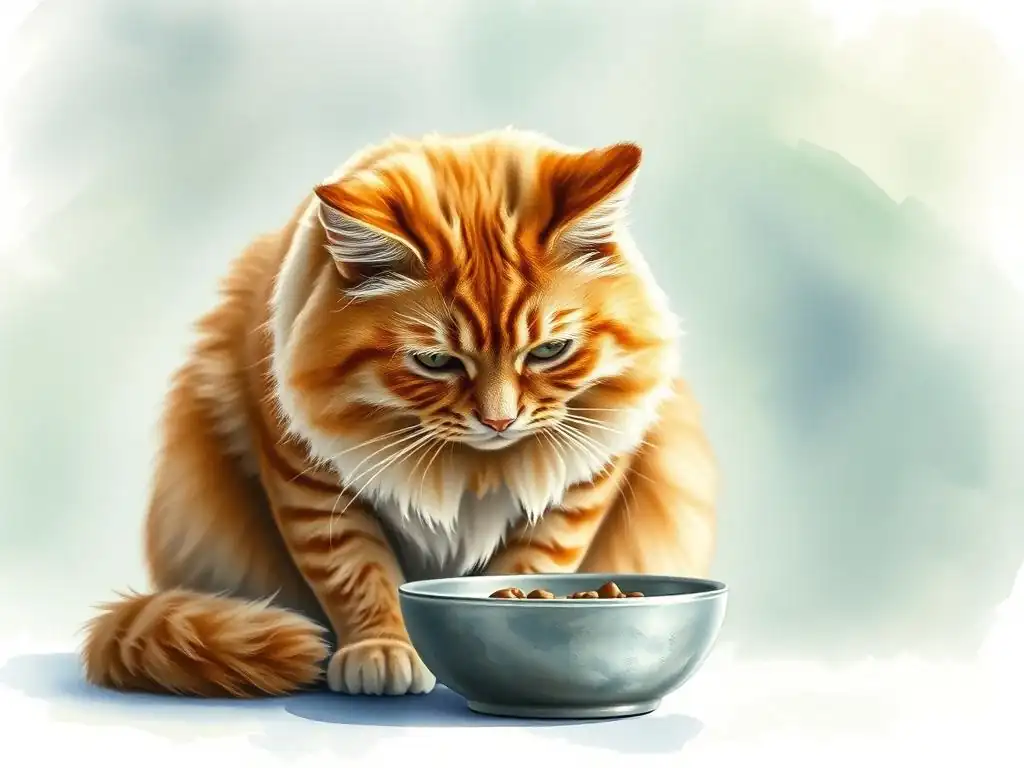
Many feline health problems initially present with subtle behavioral changes, often overlooked by even attentive owners. Understanding these subtle signs is crucial for early diagnosis and intervention, potentially saving your cat from significant discomfort and improving their quality of life. Recognizing these shifts in behavior, often subtle shifts in personality or routine, can be the first clue that your cat requires veterinary attention.
Early detection of illness can significantly impact treatment outcomes and prognosis, allowing for more effective management and a better chance of a full recovery. This section will explore some common health issues whose early symptoms manifest as subtle behavioral changes in cats.
Kidney Disease: Subtle Behavioral Indicators in Cats
Chronic kidney disease (CKD) is a prevalent and insidious condition in older cats. Early stages frequently go unnoticed due to the gradual onset of symptoms. Instead of dramatic changes, you might observe subtle shifts in your cat's behavior. These include increased thirst and urination (polydipsia and polyuria), which might manifest as more frequent trips to the litter box or increased water consumption. However, these aren't always easily detectable. More subtle indicators to watch for include:
- Changes in appetite: A decrease in appetite, or a preference for certain foods, can be an early sign. Your cat might become picky eaters, rejecting their usual food.
- Lethargy and decreased activity: While a cat sleeping more is normal, a noticeable decrease in playfulness, exploration, or interaction could indicate a problem. Look for a reduction in their usual energy levels.
- Weight loss: Gradual weight loss, even if seemingly insignificant, warrants attention. Regular weighing can help you track any changes.
- Changes in grooming habits: A decrease in grooming, resulting in a duller coat, can be a subtle yet important clue. CKD can affect a cat's ability to maintain their usual grooming routine.
It's important to note that these symptoms can overlap with normal aging, making early diagnosis challenging. Regular veterinary check-ups, especially for senior cats, are vital for early detection of CKD and other age-related illnesses. Early intervention, through dietary changes and medication, can significantly improve your cat's quality of life and extend their lifespan.
Hyperthyroidism: Behavioral Symptoms in Cats
Hyperthyroidism, an overactive thyroid gland, is another common condition in older cats that can present with subtle behavioral changes. These behavioral shifts are often the first signs noticed by owners before more obvious physical symptoms develop. The increased levels of thyroid hormone can significantly impact a cat's demeanor and activity levels. Look out for these subtle signs:
- Increased vocalization: Your usually quiet cat might become more vocal, meowing excessively or at unusual times.
- Restlessness and hyperactivity: A cat that's suddenly more restless, pacing more, or exhibiting increased activity levels might be suffering from hyperthyroidism. This contrasts with the lethargy often seen in CKD.
- Changes in appetite and weight: Similar to CKD, changes in appetite and weight can occur, although in hyperthyroidism, weight loss is more common, despite increased appetite. This paradoxical situation is a key differentiator.
- Increased grooming: Paradoxically, while some conditions lead to decreased grooming, hyperthyroidism can sometimes result in increased grooming, potentially leading to hair loss in certain areas.
Regular veterinary check-ups and blood tests are crucial for diagnosing hyperthyroidism. Treatment options are available, including medication, which can effectively manage the condition and restore your cat to their normal, happy self.
Arthritis: How it Affects Your Cat's Behavior
Arthritis, a common condition affecting joints in older cats, can significantly impact their behavior. While stiffness and pain are obvious symptoms, the behavioral changes can be more subtle and easily missed. These changes often manifest gradually, making it harder to pinpoint the cause. Pay close attention to:
- Changes in mobility: While limping is a clear sign, subtle changes in mobility, such as difficulty jumping onto furniture or reluctance to climb stairs, can indicate arthritis. Observe any changes in their agility and ease of movement.
- Increased aggression or irritability: Pain can make cats irritable and more prone to aggression, even towards their owners. Sudden changes in temperament should be noted.
- Changes in sleeping habits: Cats with arthritis might sleep more than usual, particularly in painful positions, to minimize discomfort. Observe their sleeping patterns and positions.
- Changes in litter box habits: Difficulty getting into or out of the litter box might lead to accidents outside the box. This can be a significant indicator, particularly if your cat has always been meticulously clean.
Veterinary intervention can significantly improve the quality of life for cats with arthritis. Pain management, through medication and lifestyle adjustments, can help your cat remain active and comfortable. Regular veterinary visits are important for monitoring the condition and adjusting treatment as needed. Remember, early detection and intervention are key to managing arthritis effectively.
Dental Problems: Behavioral Clues of Oral Pain
Dental disease is incredibly common in cats, often going unnoticed until it's quite advanced. Many cats are stoic creatures, masking pain effectively, making subtle behavioral changes the primary indicator of a problem. Instead of overt signs of distress, look for changes in their routine and demeanor. A cat suffering from dental issues might display increased irritability, especially when touched around the face or mouth. Gentle petting that once elicited purrs might now be met with a hiss or swat. This change in temperament is a crucial warning sign.
Furthermore, changes in eating habits are a significant red flag. Cats with painful teeth or gums may exhibit decreased appetite, preferring softer foods or avoiding eating altogether. You might observe them dropping food from their mouth, chewing on one side more than the other, or showing signs of difficulty swallowing. Careful observation of their eating patterns is essential. Don't just assume they're being picky; investigate potential underlying oral pain.
A thorough examination of their teeth and gums by a veterinarian is crucial for diagnosis and treatment. Regular dental checkups are highly recommended to catch potential issues early, before they lead to significant discomfort and behavioral changes. Early intervention can prevent more serious complications and improve your cat's overall quality of life. Remember, a subtle change in eating habits could be a sign of a much larger problem.
Another subtle clue is increased drooling. While some drooling is normal, a sudden increase or persistent drooling, especially accompanied by bad breath (halitosis), should raise concerns about potential dental issues. The bad breath itself is a strong indicator of infection or inflammation in the mouth. A thorough dental cleaning performed by a vet is often necessary to address the underlying cause of the drooling and halitosis. Finally, pay attention to changes in grooming habits.
Cats are meticulous groomers, but dental pain can make it difficult or painful for them to clean their faces and mouths properly. Observe for excessive pawing at the face or mouth, a sign they are trying to alleviate discomfort. This often goes unnoticed, especially in long-haired cats, so diligent observation is key. These subtle behavioral shifts, when considered together, can provide a strong indication that your cat is suffering from dental problems requiring veterinary attention.
Preventing Illness and Maintaining Your Cat's Well-being
This section focuses on proactive measures to minimize the likelihood of your cat experiencing health issues that manifest as subtle behavioral changes. Early intervention is key to addressing potential problems before they escalate into serious illnesses. Recognizing subtle shifts in your cat's behavior requires attentive observation and a commitment to preventative care. Understanding your cat's baseline behavior is crucial – this allows you to readily identify deviations from the norm, indicative of potential underlying health concerns.
Regular Veterinary Check-ups: Importance of Preventative Care
Regular veterinary check-ups are the cornerstone of preventative cat care. These visits allow your veterinarian to detect potential health problems before they become apparent through behavioral changes. Think of it as a proactive approach to cat health management. Many diseases, such as kidney disease or hyperthyroidism, often show subtle symptoms initially. Regular blood work and physical examinations can detect these early warning signs, enabling timely intervention and potentially improving your cat's quality of life and longevity.
Preventative care isn't just about detecting illness; it's also about vaccination and parasite prevention. Keeping your cat up-to-date on vaccinations protects them from contagious diseases, and regular parasite prevention (fleas, ticks, worms) minimizes the risk of infection and related health complications that can subtly impact behavior. For example, a cat with internal parasites might exhibit lethargy and changes in appetite, initially subtle signs easily missed without regular veterinary check-ups.
Consider scheduling check-ups at least once a year for adult cats, and more frequently for kittens and senior cats. During these visits, discuss any observed behavioral changes with your vet, no matter how minor they may seem. Even seemingly insignificant shifts in your cat's behavior could be an early indicator of a more serious underlying health issue. Early detection significantly improves the chances of successful treatment and a positive outcome. Don't underestimate the power of preventative care in maintaining your cat's health and happiness.
Providing a Healthy Diet and Environment for Your Cat
A balanced diet and a stimulating, safe environment are crucial for your cat's overall well-being and contribute significantly to preventing illness. Nutritional deficiencies can lead to a range of subtle behavioral changes, including lethargy, changes in appetite, and even increased aggression. Providing your cat with high-quality, age-appropriate cat food formulated to meet their nutritional needs is paramount. Avoid feeding your cat table scraps, as this can lead to nutritional imbalances and digestive upset.
The environment also plays a critical role. Cats need access to fresh water, clean litter boxes (multiple boxes are recommended for multi-cat households), and vertical space for climbing and exploring. A lack of environmental enrichment can lead to boredom, stress, and behavioral problems that might be misinterpreted as illness. Providing scratching posts, toys, and opportunities for play helps keep your cat physically and mentally stimulated, reducing the risk of behavioral issues stemming from boredom or stress.
Here's a table summarizing key aspects of providing a healthy environment:
| Aspect | Importance | Example |
|---|---|---|
| Clean Litter Boxes | Prevents urinary tract infections and stress, contributing to healthy behavior. | Multiple boxes, daily cleaning |
| Fresh Water | Essential for hydration and overall health. | Multiple water bowls in different locations |
| Environmental Enrichment | Prevents boredom and stress, reducing the likelihood of behavioral problems. | Toys, scratching posts, climbing structures |
| Safe Space | Provides a secure retreat for rest and relaxation. | Cat bed, hiding places |
Remember, a healthy cat is a happy cat. By implementing these preventative measures, you're not only reducing the risk of illness but also actively contributing to your cat's overall well-being and happiness. Paying close attention to your cat's behavior, coupled with regular veterinary care and a commitment to a healthy lifestyle, will help ensure a long and fulfilling life for your feline companion. 😻
Frequently Asked Questions
What are some subtle signs of illness in cats that are often overlooked?
Changes in litter box habits, such as increased urination or defecation outside the box, or straining, can be subtle indicators. A decrease in grooming or increased sleeping are also common early warning signs. Appetite changes, both increased and decreased, should be noted.
How can I tell if my cat's behavioral change is due to illness or just a personality shift?
It's difficult to distinguish without a veterinary examination. Sudden, dramatic changes are more likely to indicate illness, whereas gradual changes might be personality-related. Keep a detailed log of changes to help your vet.
My cat is suddenly less playful. Could this be a sign of illness?
Yes, a decrease in activity level and playfulness is a common sign of various feline illnesses. This could be due to pain, fatigue, or other underlying health issues. Consult your veterinarian.
My cat is hiding more than usual. Is this a cause for concern?
Increased hiding can indicate pain, discomfort, or fear. Cats often try to hide their illness from their owners. If this change is sudden or accompanied by other symptoms, seek veterinary attention.
Should I be worried if my cat's coat looks duller than usual?
A dull or unkempt coat can signify underlying health problems, such as malnutrition, hormonal imbalances, or parasite infestations. While not always indicative of serious illness, it warrants observation and potentially a vet visit.
Final Reflection: Understanding the Whispers of a Sick Cat
Recognizing subtle shifts in feline behavior is not merely pet ownership; it's a crucial aspect of responsible animal care. A seemingly insignificant change – a sudden aversion to their favorite toy, a shift in sleeping patterns, or a subtle limp – can be the first whisper of an underlying health issue. Ignoring these signals can have serious consequences, delaying vital treatment and potentially impacting your cat's quality of life.
The emotional bond we share with our feline companions makes understanding their subtle communication all the more important. Their inability to verbally express their discomfort places the onus of observation and interpretation squarely on us. As responsible owners, we must learn to decipher these silent pleas for help. The greatness of a nation and its moral progress can be judged by the way its animals are treated.
- Mahatma Gandhi. This quote, while addressing a broader societal issue, speaks to the inherent responsibility we bear towards the well-being of our animal companions. Their health is a reflection of our care and attentiveness.
Now, consider your own cat. Reflect on their routines, their quirks, their usual demeanor. Take the time to truly observe them, not just in fleeting moments, but consistently. Become familiar with their baseline behavior so that any deviation stands out. By actively engaging in this mindful observation, you are not only safeguarding your cat's health but also deepening the bond you share. Empower yourself with knowledge, and become your cat's advocate in their journey to wellness.
Uncover the Secrets to a Healthier, Happier Cat
Thank you for learning more about the subtle signs of feline illness! Understanding your cat's behavior is crucial for their well-being. Now, let's put that knowledge into practice.
- Schedule a veterinary check-up: This is the most important step. Even if your cat seems perfectly healthy, a professional examination can detect hidden problems early. Early detection significantly improves treatment outcomes and your cat's overall health.
- Maintain a detailed behavioral log: Record changes in your cat's eating habits, litter box use, and activity levels. This information will help your veterinarian identify subtle shifts in behavior that may indicate underlying health issues. This proactive approach can make a significant difference in your cat's health.
- Share this information with other cat owners: Helping others understand these subtle signs could save a cat's life.
What's the first step you'll take to ensure your feline companion remains happy and healthy?