The Connection Between Gut Bacteria and Pet Health
😊 Discover the crucial link between your pet's gut microbiome and overall health! PetCareWorld explores the remarkable pet gut bacteria health benefits,…
Read article
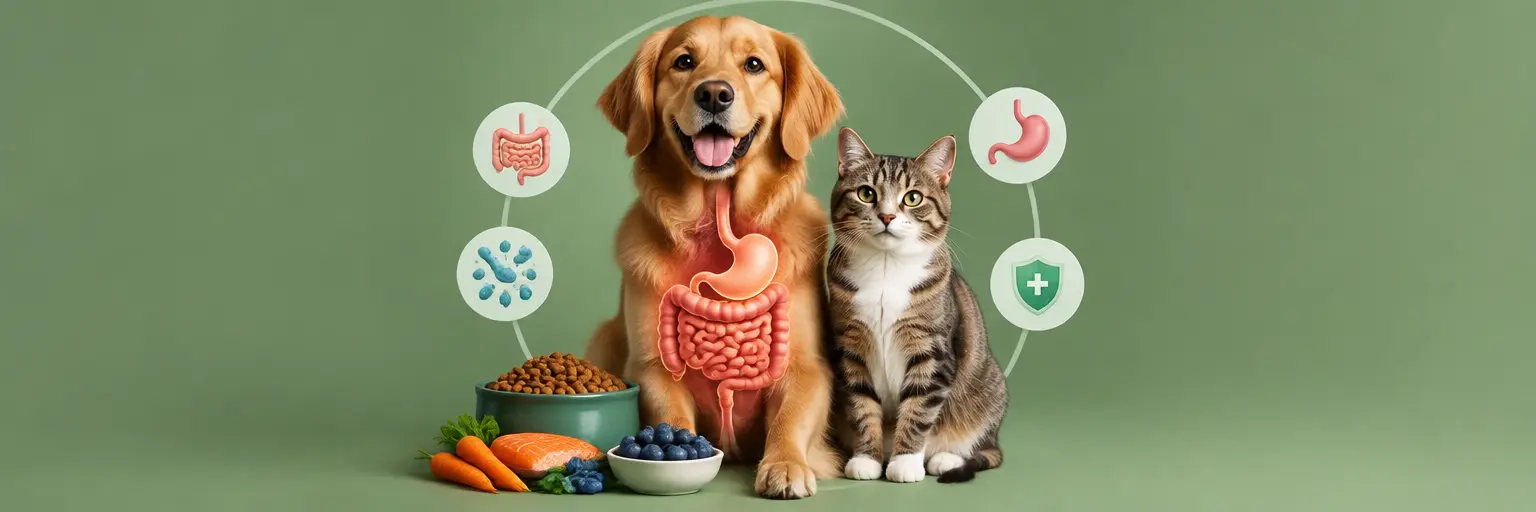
Discover essential insights into common pet illnesses with a focused look at digestive issues—from vomiting and diarrhea to constipation and appetite loss. This general overview helps you recognize early warning signs, understand potential causes like dietary indiscretion or infections, and know when to seek veterinary care. Whether you’re a new pet parent or a seasoned owner, these practical tips support your pet’s gut health and overall well-being. Stay informed to keep your furry friend happy, comfortable, and thriving every day.

😊 Discover the crucial link between your pet's gut microbiome and overall health! PetCareWorld explores the remarkable pet gut bacteria health benefits,…
Read article
😊 Discover the crucial link between your pet's digestive health and overall wellbeing! Pet gut health wellbeing impact is significant; learn how…
Read article
🤔 Is your pet suffering from digestive upset? Pet food allergies and intolerances are often overlooked causes of chronic vomiting, diarrhea, and…
Read articleDigestive problems are among the most common reasons pet owners visit the vet, affecting dogs, cats, birds, and even reptiles. This subcategory provides a clear, practical overview of gastrointestinal (GI) disturbances—from mild upset stomachs to chronic conditions. You’ll learn how to recognize early warning signs, understand underlying causes, and implement effective home care while knowing when professional help is essential. With a focus on prevention and symptom management, this guide equips you with actionable insights to keep your pet’s gut healthy and happy.
Early detection is key to managing any digestive issue. Common signs include vomiting, diarrhea, constipation, excessive gas, bloating, loss of appetite, and changes in stool consistency or color. Some pets may also show behavioral changes like lethargy, hiding, or reluctance to be touched around the abdomen. Pay attention to frequency and duration—occasional upset can be normal, but persistent symptoms lasting more than 24 hours warrant closer observation. Keep a symptom diary noting what your pet ate, when symptoms started, and any environmental changes. This information is invaluable for your veterinarian. For cats, watch for hairballs as a frequent culprit, while dogs often suffer from dietary indiscretion. Birds may fluff up or regurgitate, and reptiles might show reduced fecal output. Understanding these signs helps you respond swiftly and appropriately.
Digestive issues stem from varied triggers. Dietary indiscretion—eating spoiled food, garbage, or non-food items (like toys or socks)—is the top cause in dogs. Cats often react to sudden diet changes or food intolerances, especially to dairy or certain proteins. Infectious agents, including bacteria (Salmonella, E. coli), viruses (parvovirus in dogs, panleukopenia in cats), and parasites (worms, giardia), are serious concerns, especially in young or unvaccinated pets. Food allergies and sensitivities can cause chronic inflammation, while stress or anxiety can disrupt normal gut motility. In reptiles, improper temperature gradients or inadequate humidity impair digestion. Additionally, ingestion of toxic plants, medications, or chemicals can trigger acute gastrointestinal distress. Always assess your pet’s environment for hazards, and introduce any new food gradually over 7–10 days to minimize risk.
For mild, non-recurring episodes, simple home care often resolves the issue. Start with a 12-24 hour fast for adult dogs and cats (never for young, small, or diabetic pets) to let the gut settle, then offer a bland diet—boiled chicken or turkey (no skin) with plain white rice or pumpkin puree. For birds, offer warm, cooked millet or plain oatmeal. Reptiles may benefit from increased temperature and humidity to aid digestion. Ensure constant access to fresh water to prevent dehydration; consider offering unflavored electrolyte solutions formulated for pets. Avoid over-the-counter human medications like Pepto-Bismol or Imodium, as they can be toxic to animals. Monitor your pet’s energy and hydration status closely—pinch the skin on their back to check for elasticity; slow return indicates dehydration. If symptoms improve within 24 hours and your pet resumes normal eating, gradual reintroduction of their regular diet is safe. Otherwise, seek veterinary advice.
Some digestive signs are red flags requiring urgent medical attention. Contact your vet if your pet shows recurring vomiting (more than 2–3 times in a day), bloody diarrhea, black or tarry stools, extreme lethargy, collapse, or persistent abdominal pain (whining, hunched posture, or guarding the belly). Vomiting in puppies, kittens, or small exotic pets is especially dangerous due to rapid dehydration. Additionally, if your pet has a known underlying condition (like kidney disease or diabetes) or is on medication, never assume a digestive issue is minor. Foreign body obstructions—common in dogs that chew toys—can cause repeated retching and require surgical removal. Severe parasite loads in young animals can lead to anemia and shock. When in doubt, err on the side of caution. Prompt veterinary care significantly improves outcomes and prevents complications like pancreatitis, intestinal blockage, or sepsis.
Long-term digestive health starts with balanced nutrition tailored to your pet’s species, age, and lifestyle. For dogs and cats, choose high-quality commercial diets with identifiable protein sources and limited fillers. Look for prebiotics (like inulin) and probiotics (e.g., Lactobacillus) that support beneficial gut bacteria. Incorporate fiber-rich vegetables (for dogs) or safe fruits (like blueberries for cats) as treats—never grapes or onions. For birds, offer a pelleted diet supplemented with fresh dark leafy greens, carrots, and small amounts of grains. Reptiles need species-appropriate prey (insects, rodents) dusted with calcium and vitamin D3, alongside proper UVB lighting. Establish a consistent feeding schedule and avoid sudden diet switches. Clean water bowls daily and prevent access to trash, compost, or toxic plants. Regular deworming (as advised by your vet) and annual fecal exams are crucial. A healthy gut also depends on stress reduction—provide enrichment, safe spaces, and routine exercise to support overall well-being.
For a single bout of mild diarrhea in an otherwise healthy adult pet, monitor for 24–48 hours while offering bland food and water. If diarrhea persists beyond that, contains blood, or is accompanied by vomiting, lethargy, or loss of appetite, contact your vet immediately. Young, senior, or immunocompromised pets should be seen sooner—within 12 hours of onset.
Yes, plain canned pumpkin (not pie filling) is a safe, effective remedy for both diarrhea and constipation in dogs. It’s rich in soluble fiber, which absorbs excess water and firms stools. Start with one teaspoon for small dogs, up to two tablespoons for large breeds, mixed into their food once daily. Discontinue if symptoms worsen.
Early signs include repeated vomiting, retching without producing anything, loss of appetite, abdominal pain, and straining to defecate. Your pet may also show excessive drooling or a hunched posture. If you suspect your dog or cat swallowed a toy, sock, or bone, seek emergency veterinary care—obstructions can quickly become life-threatening.
Occasional hairball vomiting (once a week or less) is normal, but frequent vomiting—every few days or daily—signals an underlying issue like inflammatory bowel disease, food intolerance, or excessive grooming due to stress or skin allergies. Switch to a hairball-control diet, brush your cat daily, and consult your vet if the frequency increases.
Prevention hinges on a consistent, high-quality diet and hygiene. Offer fresh pelleted food daily, remove uneaten perishables within a few hours, and wash bowls with hot, soapy water. Avoid avocado, chocolate, and caffeine. Maintain proper cage temperature (70–80°F) and provide clean, fresh water. Schedule yearly avian vet check-ups to catch issues early.