The Complete Pet Emergency Kit: A Guide for Every Pet Owner
😊 PetCareWorld's expert guide helps you assemble the ultimate Complete pet emergency kit checklist, ensuring you're prepared for any pet emergency. Download…
Read article

Ensure your furry friend’s safety starts with preparation, and a well-stocked pet emergency kit is your ultimate lifeline. 🐾 From sudden injuries to natural disasters, having the right supplies on hand can mean the difference between panic and prompt action. Our guide breaks down the essential items every pet owner needs—from bandages and antiseptics to critical medications and comfort items—so you’re never caught off guard. 🚑 Learn how to tailor your kit for dogs, cats, or exotic pets, store it for easy access, and keep it fresh with regular check-ups. Don’t wait for an emergency to strike; build your kit today and give your pet the protection they deserve. 📦 With smart, practical tips, you’ll be ready to handle any crisis with confidence and calm. 🕒

😊 PetCareWorld's expert guide helps you assemble the ultimate Complete pet emergency kit checklist, ensuring you're prepared for any pet emergency. Download…
Read article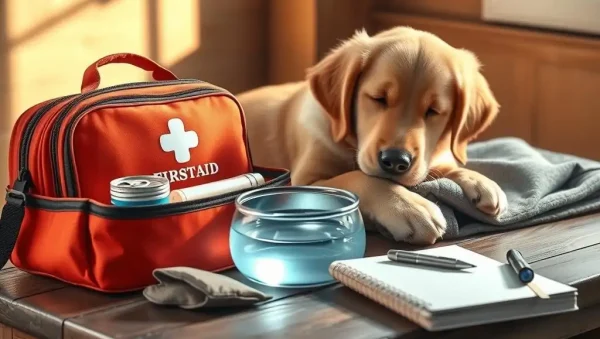
😊 Prepare for the unexpected! PetCareWorld's guide on building a comprehensive pet emergency kit checklist ensures your furry friend is safe and…
Read article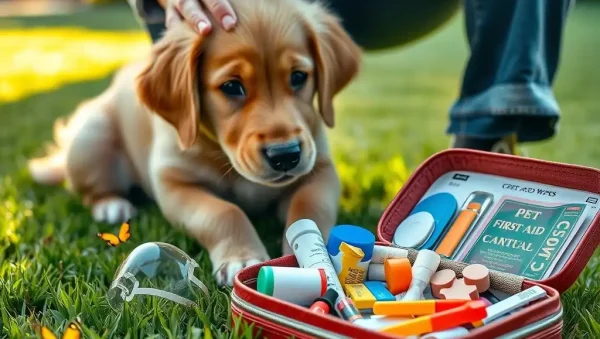
😊 Prepare for the unexpected! PetCareWorld's expert guide provides a vital Pet emergency kit checklist, ensuring your furry, feathered, or scaled friend…
Read articleWhen disaster strikes or a sudden illness hits, every second matters. At PetCareWorld, we know that being prepared is the single most effective way to protect your furry, feathered, or scaly family members. Our subcategory on Preparing a Pet Emergency Kit is your ultimate blueprint for assembling a lifesaving resource, tailored to your pet's unique needs. From natural disasters like floods and earthquakes to unexpected medical crises like toxin ingestion or injury, a well-stocked kit ensures you can act swiftly, reduce panic, and stabilize your pet before reaching a veterinarian. This guide moves beyond basic checklists, offering expert insight into essential supplies, proper storage techniques, and species-specific additions that keep your kit functional and accessible when you need it most. Discover how proactive preparation transforms chaos into confidence, giving you the power to be your pet’s calm, competent first responder.
Your pet’s emergency kit must function as a miniature first-aid station, equipped to handle common injuries and stabilize critical conditions. Begin with the non-negotiables: a digital thermometer (a pet’s normal temp runs higher than humans, between 101-102.5°F), sterile gauze pads, adhesive tape, non-stick bandages, and a pair of blunt-tipped scissors for trimming fur or cutting bandages. Include a triple antibiotic ointment safe for animals, hydrogen peroxide (3%, used only with vet guidance to induce vomiting), and a topical styptic powder to stop minor bleeding from nails or cuts. Always add a spare muzzle, even for the friendliest pet; pain or fear can trigger defensive biting, and a muzzle protects you while you administer aid. Store these items in a waterproof, hard-sided container, and place a clear list of your vet’s and the nearest 24-hour emergency clinic’s phone numbers inside the lid.
Do not overlook items that address respiratory and wound management. A bulb syringe can suction fluids from a pet’s nose or mouth in a choking emergency, while a roll of stretchable vet wrap (self-adherent) provides secure compression without cutting off circulation. For bleeding wounds, pack a hemostatic agent like QuickClot, which is safe for veterinary use and can be a lifesaver in severe lacerations. Additionally, include cotton balls, Q-tips, and saline solution for eye irrigation, as dust or debris can easily lead to corneal damage. Every month, check expiration dates—ointments, saline, and hydrogen peroxide degrade over time—and replace anything used immediately. A kit that sits untouched for a year is only valuable if its contents remain sterile and potent, so make it a habit to refresh on the first day of each month.
A sudden evacuation or a snowstorm that traps you at home can disrupt your pet’s normal feeding schedule, so your emergency kit must include a minimum of seven days’ worth of food and water for each pet. Pack unopened canned (wet) food in easy-open pop-top cans—these double as a moisture source—or resealable pouches with a longer shelf life. For dry kibble, transfer it into an airtight, waterproof container, and rotate it every three months to maintain freshness. Always copy the exact brand and formula from your pet’s regular diet; a sudden switch can cause gastrointestinal upset, compounding the stress of an emergency. Store bottled or jugged water at one gallon per pet per day, which covers drinking plus sanitation needs like refilling a collapsible water bowl. Throw in an emergency water purification tablet or a portable filter straw, suitable for pets, in case municipal supplies are compromised.
Beyond basic rations, add a few high-energy, shelf-stable snacks—dehydrated treats or jerky—that can serve as both a morale booster and a calorie boost during extended crises. For pets on prescription diets, keep a separate zipped baggie with a written note from your vet listing the food’s active ingredients and dosage; this helps emergency shelters or relief vets replicate a suitable plan. Do not forget collapsible food and water bowls, ideally stainless steel or BPA-free silicone, which fold flat for compact storage. If your pet has known food allergies or sensitivities, list those prominently in your kit’s instructions, and include a few days of an alternative hypoallergenic option. In multi-pet households, label each pet’s bag with their name and feeding schedule to prevent cross-feeding chaos during tense moments.
During an emergency, your pet’s legal and medical paperwork can be the difference between quick recovery and heartbreaking loss. Place photocopies (never originals) of vaccination records, especially rabies, and a valid health certificate in a laminated, waterproof sleeve inside your kit. If your pet is currently on medication, include the prescription labels and a written explanation of dosing instructions. Pre-print a pet ID card with your pet’s recent photograph, microchip number, your contact details, and a backup contact person (a relative or friend outside your zone). This information allows rescue workers or a boarding facility to identify your pet and reach you if you are separated. Keep a pet evacuation plan map showing the fastest route to your designated meeting point—your veterinarian’s office, an animal shelter, or a family member’s home—and update it annually.
Include a signed, notarized authorization form (a vet-release form) that grants your veterinarian permission to perform emergency procedures, like surgery or euthanasia, in your absence if you are incapacitated. This legal safeguard prevents delays when the vet must make a quick judgment call. Also add a copy of your pet insurance policy, if applicable, as it speeds up claims processing during chaotic times. For service animals, carry a copy of their certification or registration, plus a statement from their trainer. Store all these documents in a throw-proof, fireproof mini-safe or a heavy-duty sealable bag at the top of the kit for immediate access. Fold a printed list of emergency contacts—your primary vet, an emergency clinic, Poison Control (888-426-4435), and a local animal control hotline—into the same pouch, so you don’t waste precious time searching your phone.
Emergency environments are stressful, so your kit must include tools to keep your pet physically contained and psychologically soothed. Pack a sturdy wire crate or collapsible pet carrier that is large enough for the pet to stand, turn, and lie down; label it with your contact info and feeding instructions. Include a comfortable, washable blanket or towel, plus a familiar-smelling toy to reduce anxiety. For sanitation, stock waste bags (poop bags), disposable litter trays and a small scoop for cats, paper towels, and unscented baby wipes for cleaning your pet’s paws or face. A roll of heavy-duty tape and a utility knife help you seal off contaminated areas or cut fabric for makeshift bandages. For dogs, include a spare collar, a leash (ideally a 6-foot nylon one), but also a long line (15-30 feet) for safe outdoor relief in a new environment.
Do not underestimate the value of a visual aid: attach a recent whole-body photo and a close-up of any unique markings to the outside of the kit. If your pet gets lost, these images help you create effective “Lost Pet” posters quickly. Add a lightweight, reflective safety vest or LED collar to make your pet visible during nighttime evacuations. For cats, a small, portable litter pan and a bag of their usual litter are non-negotiable; a stressed cat may avoid going to the bathroom otherwise, leading to urinary retention. Pack a few calming aids, such as a pheromone spray (e.g., Adaptil for dogs, Feliway for cats) or a snuggle bed with a heartbeat simulator, to ease a panicked animal. Keep all sanitation items in a separate, clearly marked pouch so you can access them without rummaging through medical supplies during a messy situation.
One size does not fit all in emergency prep. For dogs, add a spare dog-specific muzzle (basket style that allows panting) and a few absorbent puppy pads to line a carrier for road trips. Also include a small, collapsible water bottle that attaches to a leash and a first-aid guidebook that covers canine CPR and Heimlich maneuvers. For cats, include a sturdy, top-loading carrier—cats often resist front-loading types during panic—plus a small, disposable litter box and a bag of catnip to lure a nervous feline into the carrier. Add a towel to cover the carrier, which provides a dark, secure den-like environment. For birds, reptiles, and small mammals (rabbits, guinea pigs, hamsters), emergencies require unique tools: a small, well-ventilated travel carrier, a heat source like a microwavable heating pad wrapped in cloth, and a mister bottle for hydration. Pack extra bedding (aspen or paper-based, never cedar) and a deep bowl for insects like crickets if you have reptiles.
Every exotic species has special dietary needs, so include a three-day supply of appropriate pellet food, hay, or live prey (in a separate escape-proof container), plus a daily vitamin supplement. For birds, add a cuttlebone and a small water bottle with a sipper tube—birds can drown in open dishes during transit. For reptiles, pack a battery-powered heat lamp and a backup thermostat to maintain their critical environmental temperature. For small mammals, include a water bottle that attaches to the cage, and for hamsters, a solid exercise wheel to reduce stress. Label every item with the species name and include a laminated sheet of care instructions, including normal temperature ranges, handling techniques, and signs of distress. Exotic pet owners should always photocopy any CITES (Convention on International Trade in Endangered Species) permits or veterinary health certificates, as these are essential for crossing state lines in an evacuation.
An emergency kit is only valuable if it is fresh and functional. Set a recurring calendar reminder—every two months for perishables like food and water, every six months for medications and batteries—to inspect and rotate contents. Discard any opened packages, expired pills, or cracked supplies. Check the integrity of the carrier’s zippers, latches, and handles, and test any digital thermometer or flashlight batteries. Use a permanent marker to write the “use by” date on every food item, and repack the kit in the same layout after each inspection so you know exactly where everything is. Store the entire kit in a cool, dry, easily accessible location—not in the garage, where temperature swings can degrade items, but near a main exit, like a hallway closet. Place a smaller “go-bag” version (24-hour supplies) in your car trunk and an even more compact version in your pet’s daily sleeping area.
Preparation is not just about supplies; it is about practice. Run quarterly emergency drills with your pet: practice loading them into the carrier within 60 seconds, leashing them, and moving to the designated meeting point. Teach your pet to willingly enter the carrier by associating it with treats and positive reinforcement. Simulate a power outage by using your kit’s contents for a full day—food, water, and lighting—to identify any gaps in your plan. Keep a printed checklist attached to the kit’s cover, listing essential tasks like “grab medications from fridge” and “verify microchip number,” so you do not forget under stress. After each drill, debrief with your family: note what worked, what was hard to find, and what you need to adjust. A kit that is never tested is just a box; a kit that is drilled is a lifeline.
Your kit should hold a minimum of seven days’ worth of food, water, and medication for each pet, per FEMA guidelines. This covers typical evacuation or shelter-in-place scenarios. For prolonged disasters like hurricanes, extend it to 10–14 days, but prioritize rotation every 2 months to maintain freshness.
Some items, like non-stick gauze and adhesive tape, are safe for pets. However, avoid human pain relievers like acetaminophen or ibuprofen—they are toxic. Always use pet-specific products, such as veterinarian-approved antibiotic ointment, and consult your vet before administering any medication, including hydrogen peroxide.
Keep the primary kit in a cool, dry, easily accessible spot near a main exit, like a hallway closet or entryway shelf. Avoid basements or garages due to temperature extremes. Always store a smaller 24-hour “go-bag” in your car trunk and a compact version near your pet’s sleeping area for quick access.
Reassess your kit every six months or after any major change: a new puppy, a senior pet with medication needs, or a weight change. Update food types, collar sizes, and medication dosages. Also add mobility aids (like a sling for an arthritic dog) or extra padding for older pets’ joints.
For reptiles, birds, and small mammals, heat regulation is critical. Pack extra battery-powered heat lamps, a portable temperature gauge, and a spray bottle for misting. In very high heat, include a gel ice pack wrapped in a cloth to provide a cool zone, but never place it directly on your pet.