
The Smart Pet Owner's Guide to Emergency Kit Essentials

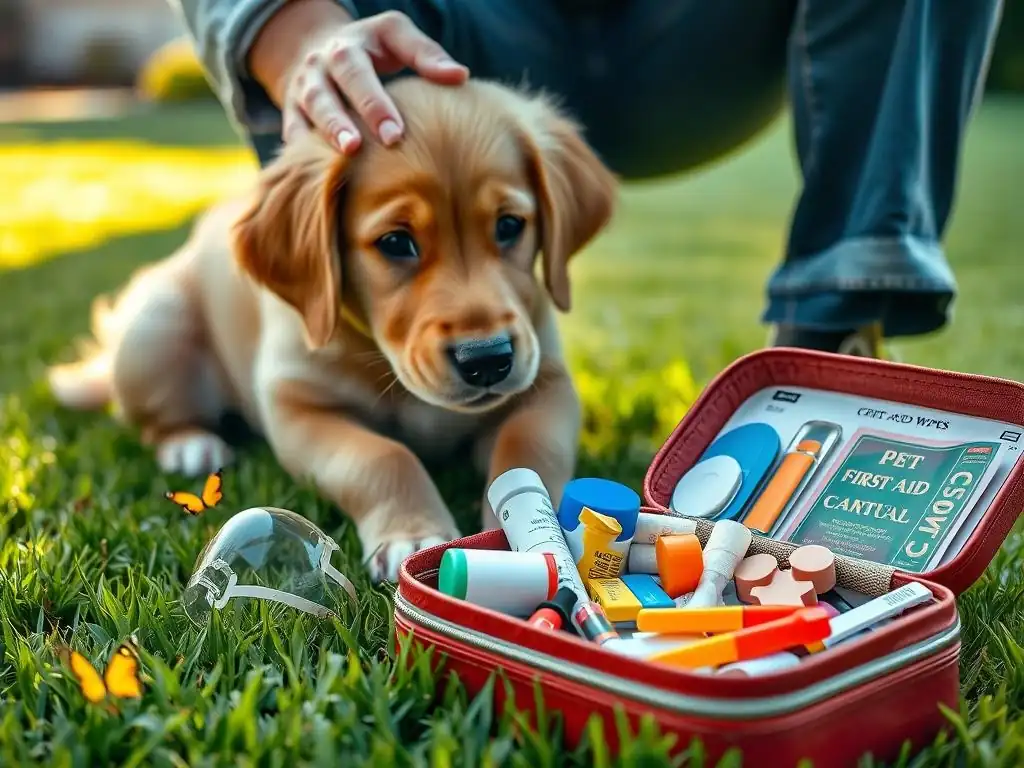
Welcome to PetCareWorld, your ultimate destination for everything pet-related! Are you prepared for the unexpected? We know that peace of mind comes from being ready, which is why we've created the definitive guide to building the perfect Pet emergency kit checklist. Discover the essential supplies and crucial steps to ensure your furry, feathered, or scaled friend receives immediate care in any situation. Dive in and learn how to safeguard your beloved companion's well-being – your adventure in responsible pet ownership starts now!
- Building Your Essential Pet First-Aid Kit: A Comprehensive Checklist
- Beyond the Basics: Expanding Your Pet Emergency Kit
- Creating a Pet Emergency Plan: Preparation is Key
- Customizing Your Pet Emergency Kit: Tailoring to Specific Needs
- Regularly Reviewing and Updating Your Pet Emergency Kit: Maintaining Preparedness
- Frequently Asked Questions
- Final Reflection: Preparing for the Unexpected: Your Pet's Lifeline
- Unleash Your Pet's Inner Superhero: Prepare for Anything!
Building Your Essential Pet First-Aid Kit: A Comprehensive Checklist
Preparing for pet emergencies is a crucial aspect of responsible pet ownership. A well-stocked pet first-aid kit can be the difference between a minor setback and a major crisis. This comprehensive guide provides a detailed checklist of essential items to include in your pet's emergency kit, ensuring you're ready to handle unexpected situations with confidence and efficiency. We'll cover everything from essential medications and supplies to crucial contact information and transportation plans, empowering you to become a truly smart pet owner.
This checklist will help you effectively address the keyword "Pet emergency kit checklist" and ensure you're prepared for any pet emergency. Remember, proactive preparation is the best way to safeguard your beloved companion's health and well-being. 🐾
Essential Medications and Supplies for Your Pet Emergency Kit
This section focuses on the immediate needs your pet might have in an emergency situation. Having these supplies readily available can significantly improve your pet's chances of a positive outcome. Remember to check expiration dates regularly and replace items as needed. The specific needs will vary based on your pet's breed, age, and health conditions. Consult with your veterinarian to personalize this list further.
- Wound Care: Sterile gauze pads, antiseptic wipes (chlorhexidine or povidone-iodine), non-stick bandages, vet wrap, scissors, tweezers.
- Pain Relief (Consult your vet): [Specific pain medication dosages and types pending veterinary consultation] This is crucial, but always obtain specific instructions from your veterinarian before administering any medication to your pet.
- Temperature Regulation: Rectal thermometer (for accurate readings), cooling pads (for heatstroke), warm blankets (for hypothermia).
- Other Essentials: Pet carrier, leash, muzzle (if necessary, especially for larger or aggressive animals), plastic bags for waste disposal, disposable gloves, clean towels.
- Additional Considerations: Consider including items specific to your pet's needs, such as eye wash solution, ear cleaning solution, or specialized medications for pre-existing conditions. Always keep a detailed list of your pet's medications, including dosages and administration instructions.
Veterinary Contact Information and Pet Records: Always Prepared
Having your veterinarian's contact information readily accessible is paramount during a pet emergency. Beyond just their number, consider adding emergency veterinary clinics in your area. Equally important is having your pet's vital records easily accessible. This ensures that emergency personnel have all the necessary information about your pet's history, allergies, and current medications.
- Veterinarian Information: Name, address, phone number, emergency contact number.
- Emergency Veterinary Clinics: List at least three nearby emergency veterinary clinics, including their addresses and phone numbers.
- Pet Records: Keep a copy of your pet's vaccination records, medical history, and any relevant test results (bloodwork, etc.) in a waterproof, easily accessible container within your kit. Consider also storing digital copies in the cloud or on your phone.
- Pet Identification: Include your pet's microchip information, license number, and a recent photograph. This is crucial for identification if your pet becomes lost or separated during the emergency.
Emergency Transportation for Your Pet: Planning for the Unexpected
Safe and efficient transportation is critical when dealing with a pet emergency. Knowing how you will transport your pet to the veterinarian ahead of time can save valuable time and reduce stress during a crisis. Consider the size and temperament of your pet when making your transportation plan.
- Pet Carrier: Ensure you have a well-ventilated and appropriately sized carrier for your pet. This is essential for safe and comfortable transport.
- Transportation Method: Decide on your primary method of transportation (car, taxi, etc.). If using a car, keep a blanket or towel to protect your car’s interior.
- Emergency Contacts: Have a list of reliable friends or family members who can assist with transportation if needed.
- Backup Plan: Consider alternative transportation options in case your primary method is unavailable. This might include a pet-friendly taxi service or a nearby animal shelter with transport capabilities.
This comprehensive checklist is designed to help you build a robust and effective pet emergency kit. Remember, this is not an exhaustive list, and you may need to tailor it to your specific pet's needs and your location. Regularly review and update your kit to ensure it remains current and effective. Your proactive preparation will greatly increase your pet’s chances of a speedy recovery in the event of an emergency. Stay prepared, and stay safe! 🏥🐶🐱🐰🐦🐍
Beyond the Basics: Expanding Your Pet Emergency Kit
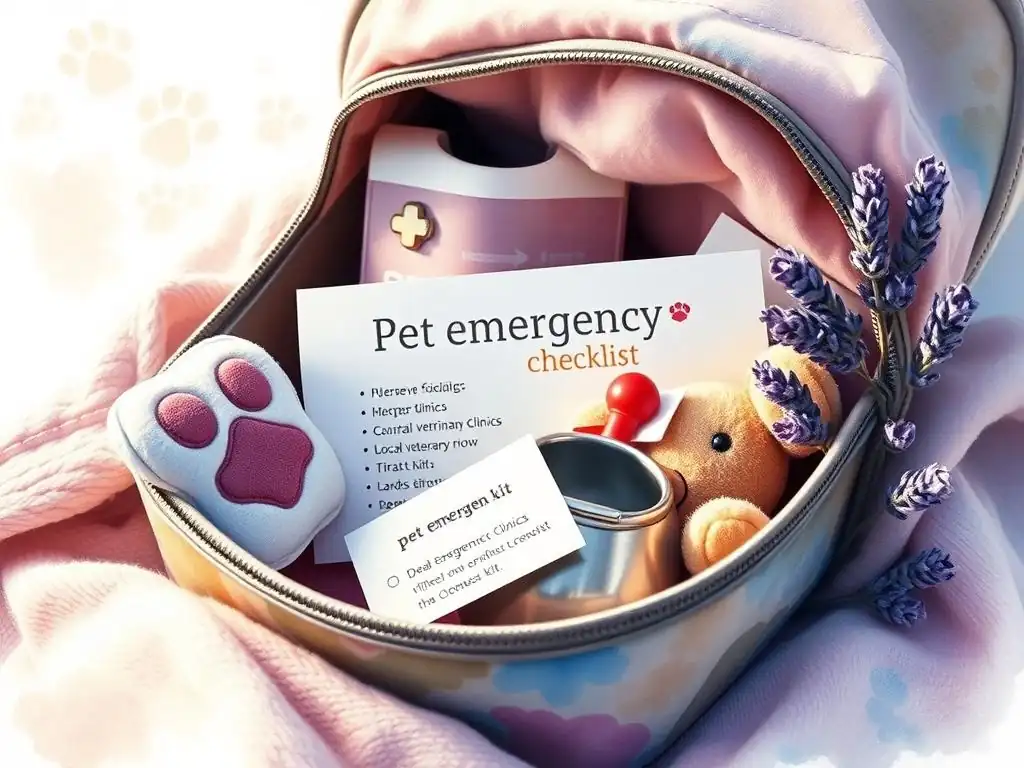
This section delves into the often-overlooked yet crucial components of a comprehensive pet emergency kit, moving beyond the basic first-aid supplies. A well-rounded kit considers your pet's specific needs and ensures their comfort and safety during unexpected events. Remember, a proactive approach to pet emergency preparedness is invaluable. This enhanced checklist will help you create a truly effective "pet emergency kit checklist".
Emergency Food and Water Supplies for Your Pet
Beyond the immediate need for water, ensuring your pet has access to nutritious food during an emergency is critical. The duration of a crisis is unpredictable, and relying solely on what's readily available may not meet your pet's dietary requirements or be appropriate for their health condition.
Consider these points when assembling your pet's emergency food and water supplies:
- Sufficient Quantities: Calculate at least a week's worth of food, factoring in your pet's breed, size, and activity level. For a 10kg dog, this could mean 7kg of kibble or equivalent canned food. For smaller pets, adjust accordingly. Always keep a few extra days' supply to account for unforeseen delays.
- Appropriate Food Type: Use the food your pet currently eats to avoid digestive upset during a stressful time. Sudden dietary changes can exacerbate existing health issues or cause new ones.
- Water Storage: Include multiple sources of water, such as sealed bottles of drinking water and a collapsible water bowl. Consider purification tablets or a filter in case of contamination. A water storage capacity of at least 1 gallon per pet per day is recommended.
- Feeding Utensils: Don't forget bowls, spoons, or other necessary feeding implements. These may seem insignificant but can be crucial when dealing with an anxious or injured pet.
- Special Dietary Needs: If your pet has allergies, specific dietary restrictions (e.g., diabetes), or requires prescription food, ensure you have an ample supply on hand. Keep a copy of your pet's veterinary records, including dietary instructions, in the kit for reference.
Comfort Items to Soothe Your Anxious Pet During Emergencies
Emergencies are stressful for both pets and their owners. Including comfort items in your pet emergency kit can significantly reduce your pet's anxiety and help you manage the situation more effectively. These items provide a sense of familiarity and security in an unfamiliar or chaotic environment.
Here are some essential comfort items to consider:
- Familiar Bedding: A small, familiar blanket or toy can provide comfort and a sense of security. The scent of home can be incredibly reassuring for a distressed pet.
- Favorite Toys: Include a few of your pet's favorite toys to provide distraction and mental stimulation. Interactive toys can be particularly helpful in reducing anxiety.
- Calming Pheromone Diffuser (if applicable): For pets prone to anxiety, a pheromone diffuser can help calm them during stressful situations. Always follow the manufacturer's instructions for use.
Cleaning and Hygiene Supplies for Pet Emergencies
Maintaining hygiene is crucial during an emergency, both for your pet's well-being and to prevent the spread of infection. A well-stocked cleaning and hygiene section in your pet emergency kit is therefore essential.
This section should include:
- Disinfectant Wipes: Useful for cleaning minor wounds, spills, or contaminated surfaces. Choose pet-safe disinfectants.
- Pet-Safe Shampoo: In case your pet gets dirty or needs to be cleaned after an injury.
- Paper Towels: For cleaning up messes and absorbing spills.
- Waste Bags: For cleaning up pet waste, especially important during evacuations or when access to sanitation is limited.
- Gloves: Disposable gloves are essential to protect yourself from potential contaminants or injuries while handling your pet.
Remember, this is a comprehensive "pet emergency kit checklist" aimed at proactive pet owners. Regularly review and update your kit's contents to ensure it remains relevant to your pet's changing needs and the potential hazards in your area. Proactive preparation is the best way to ensure the safety and well-being of your beloved companion during a crisis.
Creating a Pet Emergency Plan: Preparation is Key
Preparing for pet emergencies is crucial for responsible pet ownership. A well-defined plan, including a comprehensive emergency kit, can significantly impact your pet's survival and well-being during unexpected events. This section focuses on proactive steps you can take to minimize risks and maximize your pet's chances of a positive outcome in a crisis. Remember, a proactive approach to pet emergency preparedness is far more effective than reactive measures. This "pet emergency kit checklist" will help guide you.
Identifying Potential Pet Emergencies and Risks
Understanding potential risks is the first step in creating a robust pet emergency plan. Pet emergencies can range from minor injuries to life-threatening situations. Some common scenarios include:
- Traumatic Injuries: Car accidents, falls from heights, dog bites, and other physical traumas are frequent occurrences. The severity can vary widely, requiring immediate veterinary attention. Consider your pet's breed and activity level when assessing this risk. For example, a high-energy dog is more likely to sustain injuries during playtime than a less active cat.
- Sudden Illnesses: Conditions like heatstroke, poisoning (ingestion of toxins), allergic reactions, and sudden onset seizures demand swift action. Knowing your pet's medical history and recognizing early warning signs is vital. For instance, rapid breathing, lethargy, and vomiting could indicate a serious problem.
- Natural Disasters: Hurricanes, earthquakes, wildfires, and floods can displace pets and cause injuries. Having an evacuation plan and a readily accessible emergency kit is paramount in these scenarios. Consider your location's vulnerability to natural disasters when planning. Coastal regions, for instance, face a higher risk of hurricanes than inland areas.
- Lost Pets: Even the most well-trained pets can become lost. A well-fitting collar with identification tags and microchipping are essential preventative measures. Additionally, having current photos of your pet can be invaluable in a search effort.
- Other Emergencies: These include but are not limited to: severe weather events (blizzards, extreme heat), domestic disputes, and even power outages. Each presents unique challenges and necessitates preparedness.
Developing a realistic assessment of potential emergencies specific to your pet and your living environment is key to effective preparedness.
Step-by-Step Guide: Assembling Your Pet Emergency Kit
Building a comprehensive pet emergency kit is a crucial step in ensuring your pet's safety. This kit should be readily accessible and contain essential supplies for various scenarios. Here's a step-by-step guide to help you assemble yours:
- First-Aid Supplies: Include items like antiseptic wipes, gauze pads, bandages, vet wrap, non-stick pads, tweezers, and pet-safe pain relievers (only if prescribed by your veterinarian). Make sure these are readily accessible and clearly labeled.
- Medications: Store a supply of your pet's regular medications, ensuring they're properly labeled and stored according to the manufacturer's instructions. Include any prescription medications your pet regularly takes.
- Food and Water: Include at least a three-day supply of your pet's food and water. Consider your pet's specific dietary needs and preferences. For example, a cat might require wet food while a dog might do well with kibble.
- Identification: Pack your pet's current photos, vaccination records, and a copy of their microchip information. Include your contact information and emergency contact information.
- Other Essentials: Include a leash, collar, carrier, waste bags, a blanket or towel, a small toy to provide comfort, and a copy of your pet's medical history. Also consider including a flashlight and extra batteries.
- Emergency Contact Information: Include the phone numbers of your veterinarian, your local animal shelter, and a trusted friend or family member.
- Important Documents: Keep copies of your pet's registration papers, insurance information, and any relevant medical records.
This detailed "pet emergency kit checklist" should be reviewed and updated regularly to ensure its contents remain relevant and current. Consider adding specialized items based on your pet's specific needs and potential risks. For example, a reptile owner might include a heat source in their kit.
Practicing Your Pet Emergency Plan: Drills for Preparedness
Assembling a pet emergency kit is only half the battle. Regular practice is essential to ensure its effectiveness. Conducting drills helps familiarize yourself and your pet with the plan, minimizing stress and confusion during an actual emergency.
Here are some practice drills to consider:
- Kit Check: Regularly review and update your pet's emergency kit, ensuring all supplies are present and in good condition. Check expiration dates on medications and replace as needed. Consider this a monthly task.
- Evacuation Drill: Practice your evacuation plan, including how to safely transport your pet. If you live in an area prone to natural disasters, practice your evacuation route and identify safe locations. This should be done at least twice a year.
- First-Aid Practice: Familiarize yourself with basic pet first aid techniques. Consider taking a pet first aid course to enhance your skills. This will help build your confidence and preparedness.
- Carrier Acclimation: Get your pet accustomed to their carrier. This is particularly important if you have a pet who dislikes being confined. Regularly place treats or toys inside the carrier to create positive associations. This should be done frequently, especially in the case of anxious pets.
Regular practice builds confidence and ensures that your pet emergency plan is effective and readily implemented when needed. Remember, preparation is key to ensuring your pet's safety and well-being during an emergency. The more you practice, the better prepared you will be.
Customizing Your Pet Emergency Kit: Tailoring to Specific Needs
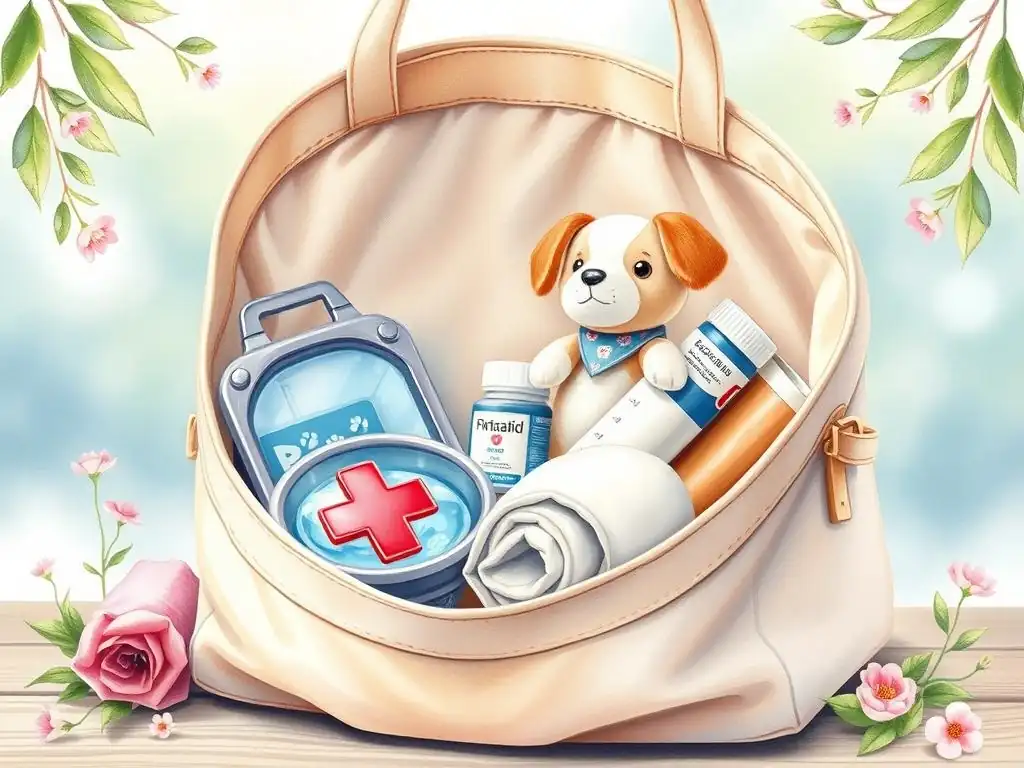
Creating a comprehensive pet emergency kit isn't a one-size-fits-all endeavor. The specific needs of your pet will heavily influence the contents of your kit. Factors such as breed, age, size, and pre-existing health conditions all play a crucial role in determining what supplies you should include. A thorough understanding of your pet's individual requirements is paramount to ensuring you are adequately prepared for any unforeseen event.
This section delves into the unique needs of different pet types, offering tailored advice for building a truly effective emergency kit. Remember, a well-stocked kit can be the difference between a minor inconvenience and a life-threatening situation for your beloved companion. Proactive planning is key to peace of mind.
Emergency Kit Essentials for Dogs: Breed-Specific Considerations
Dog breeds vary significantly in size, temperament, and susceptibility to specific health issues. Therefore, your emergency kit should reflect these differences. For example, a large breed dog like a Great Dane might require larger bandages and a different type of carrier than a small breed dog like a Chihuahua.
Consider these breed-specific considerations when assembling your dog's emergency kit:
- Size: Larger breeds may need larger bandages, carriers, and even medications. Smaller breeds might require specialized items like extra small harnesses or carriers.
- Breed-Specific Health Concerns: Certain breeds are predisposed to particular health problems. For instance, brachycephalic breeds (like Bulldogs and Pugs) are prone to breathing difficulties, so including an oxygen mask or a vet-approved breathing aid could be crucial. German Shepherds are known for hip dysplasia, so including information about their orthopedic history and any pain relief medication prescribed by their vet would be beneficial.
- Temperament: A highly energetic and excitable dog might require a more secure carrier or muzzle than a calm and docile one.
- Medication: Always include any prescribed medications your dog takes, along with a list of dosages and instructions.
| Breed Type | Potential Health Concerns | Kit Considerations |
|---|---|---|
| Brachycephalic | Breathing difficulties, overheating | Oxygen mask, cooling vest, vet contact information |
| Large Breeds | Hip dysplasia, joint problems | Larger bandages, comfortable carrier |
| Small Breeds | Hypoglycemia, dental issues | Glucose gel, small toothbrush |
| Senior Dogs | Arthritis, organ dysfunction | Pain relief medication, vet contact information |
Emergency Kit Essentials for Cats: Unique Needs and Considerations
Cats, with their independent nature and ability to hide illness, present unique challenges in emergency situations. Your cat's emergency kit should account for their specific needs and behaviors.
Cats are notoriously good at hiding illness, so regularly checking your cat for any signs of distress is crucial, alongside always having a fully stocked emergency kit ready. Their small size and agility also mean that a secure carrier designed specifically for cats is essential.
Unlike dogs, cats may be more stressed during transport. A familiar blanket or toy can help soothe your cat during an emergency. Consider including pheromone sprays or diffusers to help reduce anxiety. Furthermore, cats have specialized dietary needs, so ensure any emergency food supply is appropriate for their age, health, and dietary restrictions.
Remember to include:
- A secure carrier: Choose a carrier designed for cat transport, offering ample ventilation and secure locking mechanisms.
- Familiar items: A favorite blanket, toy, or even a piece of your clothing can help comfort your cat.
- Cat-specific first-aid supplies: Smaller bandages, specialized cleaning solutions, and potentially cat-specific pain medication (as prescribed by your vet).
- Emergency food and water: Provide a small supply of your cat's usual food and fresh water.
Emergency Kit Essentials for Exotic Pets: Reptiles, Birds, and More
Exotic pets, including reptiles, birds, and small mammals, have very specific needs that must be addressed in an emergency kit. These needs often differ significantly from those of dogs and cats.
For example:
- Reptiles: Reptiles require specific temperature and humidity levels. Your kit should include a thermometer, humidity gauge, and possibly a heat source (like a heat pack) to maintain their ideal environment during transport. You should also include information about their species and their usual temperature and humidity needs.
- Birds: Birds are highly susceptible to stress. A dark, quiet carrier lined with soft material can help minimize their anxiety during transport. Include a small water bottle and a familiar toy.
- Small Mammals (e.g., rabbits, guinea pigs, hamsters): These pets require specialized food, bedding, and often, specific veterinary care. Ensure you have a supply of their usual food and bedding materials. Information about their species and any specific dietary or health needs should also be included.
Remember to always consult with an exotic animal veterinarian to determine the specific needs of your pet and to create a customized emergency kit that addresses their unique requirements. This proactive approach can be crucial in ensuring the health and safety of your beloved companion in an emergency.
The preparation and attention to detail demonstrated in creating a customized pet emergency kit is a testament to your dedication and responsibility as a pet owner.
Regularly Reviewing and Updating Your Pet Emergency Kit: Maintaining Preparedness
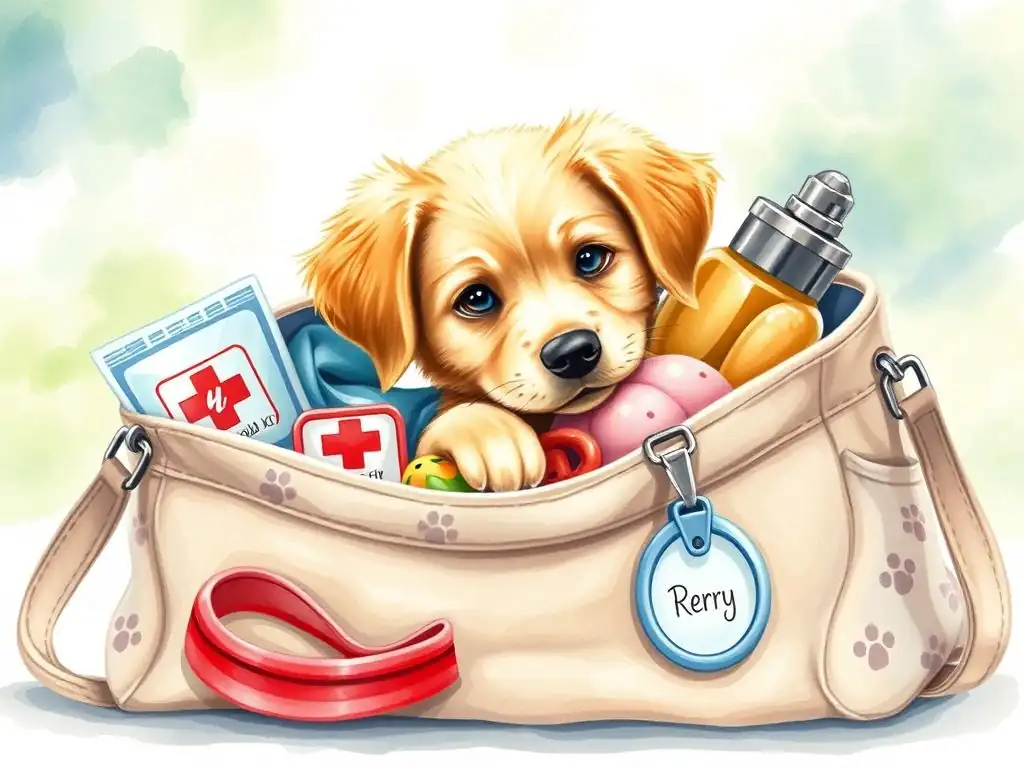
Maintaining a well-stocked pet emergency kit isn't a one-time task; it's an ongoing commitment to your pet's safety and well-being. Regular review and updates are crucial to ensure your kit remains effective in various situations. Think of it as a proactive approach to pet first aid – preparing for the unexpected and minimizing response time in a crisis. Neglecting this crucial step can have serious consequences, leaving you unprepared when your pet needs you most.
A neglected kit might contain expired medications, outdated supplies, or items no longer relevant to your pet's current needs. This section will outline the key aspects of maintaining a consistently reliable pet emergency kit, ensuring you're always ready to act swiftly and effectively during a pet emergency. Remember, a prepared pet owner is a responsible pet owner.
Checking Expiration Dates of Medications and Supplies
This is arguably the most critical aspect of kit maintenance. Expired medications can be ineffective, and in some cases, even harmful. Similarly, supplies like antiseptic wipes or bandages can degrade over time, losing their effectiveness. Establish a regular schedule – perhaps quarterly or semi-annually – to meticulously check all expiration dates. Use a sharpie to mark the expiration date on the packaging itself, making it easily visible.
Consider creating a simple spreadsheet or using a digital checklist to track expiration dates. This allows for organized monitoring and proactive replacement. Include the item name, purchase date, and expiration date in your record. This system will ensure you never miss a critical expiration date, keeping your pet safe and your kit fully functional.
Here's an example of what your spreadsheet might look like:
| Item | Purchase Date | Expiration Date | Notes |
|---|---|---|---|
| Antibiotic Ointment | 2024-03-15 | 2025-03-15 | Check for any discoloration or changes in consistency. |
| Hydrogen Peroxide | 2024-06-20 | 2025-06-20 | Replace if it becomes cloudy or discolored. |
| Gauze Pads | 2024-09-01 | 2026-09-01 | Check for any signs of tearing or damage. |
| Pet First Aid Manual | 2024-10-10 | N/A | Update if new versions are released. |
Remember to properly dispose of expired medications and supplies according to local regulations. Your veterinarian or local animal shelter can often provide guidance on safe disposal practices. Don't just throw them in the trash; responsible disposal is crucial for environmental safety.
Adapting Your Kit to Your Pet's Changing Needs
Your pet's needs evolve throughout their life. A kitten's emergency kit will differ significantly from that of a senior cat. Similarly, a small dog's needs will vary from those of a large breed. Regularly reassess your kit's contents to ensure they align with your pet's current size, age, and health status.
For example, a senior pet might require additional medications for chronic conditions, such as arthritis medication or diabetic supplies. A pregnant pet will have entirely different needs, requiring items related to birthing and newborn care. Consider these factors when updating your pet emergency kit. Always consult with your veterinarian for guidance on any specific medications or supplies your pet might need.
Make sure to account for changes in your pet's lifestyle as well. If your pet suddenly starts spending more time outdoors, you might need to add items like tick removal tools or a protective collar. If you travel frequently with your pet, consider adding a travel-sized kit with essential items for on-the-go emergencies. Regularly reviewing and adapting your pet emergency kit is a continuous process, ensuring you're always prepared for any unexpected event. This proactive approach to pet care demonstrates your commitment to your pet’s well-being and safety. Remember, a prepared pet owner is a responsible pet owner! 🐶🐱🐕🦺🦜
Frequently Asked Questions
What should I include in my pet's emergency kit?
Your pet's emergency kit should include essential medications, a first-aid kit with supplies for minor injuries, water and food for at least 72 hours, leash and carrier, and copies of your pet's medical records. Consider including a blanket and familiar toys for comfort.
How often should I check my pet's emergency kit?
It's crucial to check your pet's emergency kit at least every three months. This ensures that medications haven't expired, supplies are replenished, and contact information is up-to-date. Regular checks will ensure preparedness during any unexpected event.
What kind of first-aid supplies should I keep in my pet's kit?
Your pet's first-aid kit should contain items for cleaning wounds (like antiseptic wipes and gauze), items to stop bleeding (like styptic powder), and bandages. Remember to include pet-safe pain relievers (only if prescribed by a vet), and tweezers for removing splinters or ticks.
What information should I include in my pet's medical records copy?
Keep copies of your pet's vaccination records, microchip information, allergy details, and contact information for your veterinarian. Also include a recent photo of your pet in case they get lost. This information is crucial for quick identification and treatment.
Where should I keep my pet's emergency kit?
Store your pet's emergency kit in a convenient, easily accessible location. Keep it in a waterproof container and in a place where you can quickly grab it during an emergency. Consider keeping a smaller, travel-sized kit in your car for unexpected situations.
Final Reflection: Preparing for the Unexpected: Your Pet's Lifeline
The preparedness detailed in this guide isn't just about having a checklist; it's about ensuring the safety and well-being of your beloved companion in moments of crisis. A well-stocked pet emergency kit is the difference between a manageable situation and a devastating emergency. It's an investment in peace of mind, a tangible expression of the unconditional love we share with our pets.
The impact of responsible pet ownership extends far beyond daily care; it's about anticipating the unforeseen and being ready to act decisively when needed. This responsibility resonates deeply within me, shaped by personal experiences and a growing awareness of the vulnerability of our animal companions. The bond with a pet is one of the purest and most unconditional loves in life. Protecting them is a sacred duty.
This sentiment underscores the importance of proactive planning, ensuring we're equipped to provide the best possible care during times of uncertainty.
Now, consider your own pet's needs. Take a moment to review the checklist provided, adapt it to your specific pet's requirements, and ensure your kit is readily accessible. Don't wait for an emergency to strike; embrace the power of preparedness and build a lifeline for your furry friend today. Your proactive actions will not only provide comfort and security for your pet but will also grant you the peace of mind that comes with knowing you've done everything you can to protect your cherished companion.
Unleash Your Pet's Inner Superhero: Prepare for Anything!
Thanks for exploring pet preparedness! You've gained the knowledge to create a life-saving emergency kit. Ready to act? Let's begin:
- Assemble your pet's emergency kit today: Gather the essential supplies mentioned in the article—knowing you're prepared will bring peace of mind. This is the most crucial step!
- Share this vital information with other pet owners: Spread the word and help them create their own emergency kits. Collective responsibility ensures better care for our beloved animals.
- Personalize your kit: Include items specific to your pet's needs, such as their favorite toy or any necessary medication.
What special item will you add to your pet's emergency kit to make it truly exceptional?