
The Complete Pet Emergency Kit: A Guide for Every Pet Owner

Welcome to PetCareWorld, your ultimate guide to a happier, healthier life for your beloved companion! Are you prepared for the unexpected? We know that peace of mind comes from being ready for anything, which is why we've created the Complete Pet Emergency Kit Checklist. Discover the essential supplies and steps to build a kit that will give you confidence in any situation. Dive in and ensure your furry, feathered, or scaled friend receives the best possible care, no matter what!
- Building Your Essential Pet First-Aid Kit: A Comprehensive Checklist
-
Advanced Pet Emergency Kit Components: Beyond the Basics
- Addressing Specific Pet Needs: Tailoring Your Kit to Your Animal Companion
- Emergency Food and Water Supplies: Ensuring Your Pet's Hydration and Nutrition During Emergencies
- Transportation and Restraint: Safe and Secure Pet Transport Solutions
- Cleaning and Sanitation: Maintaining Hygiene During Pet Emergencies
- Organizing and Storing Your Pet Emergency Kit: Practical Tips
- Pet Emergency Preparedness: Beyond the Physical Kit
- Frequently Asked Questions
- Final Reflection: Preparedness: Your Pet's Lifeline in Times of Need
- Ready to Protect Your Furry Friend? Build Your Kit Now!
Building Your Essential Pet First-Aid Kit: A Comprehensive Checklist
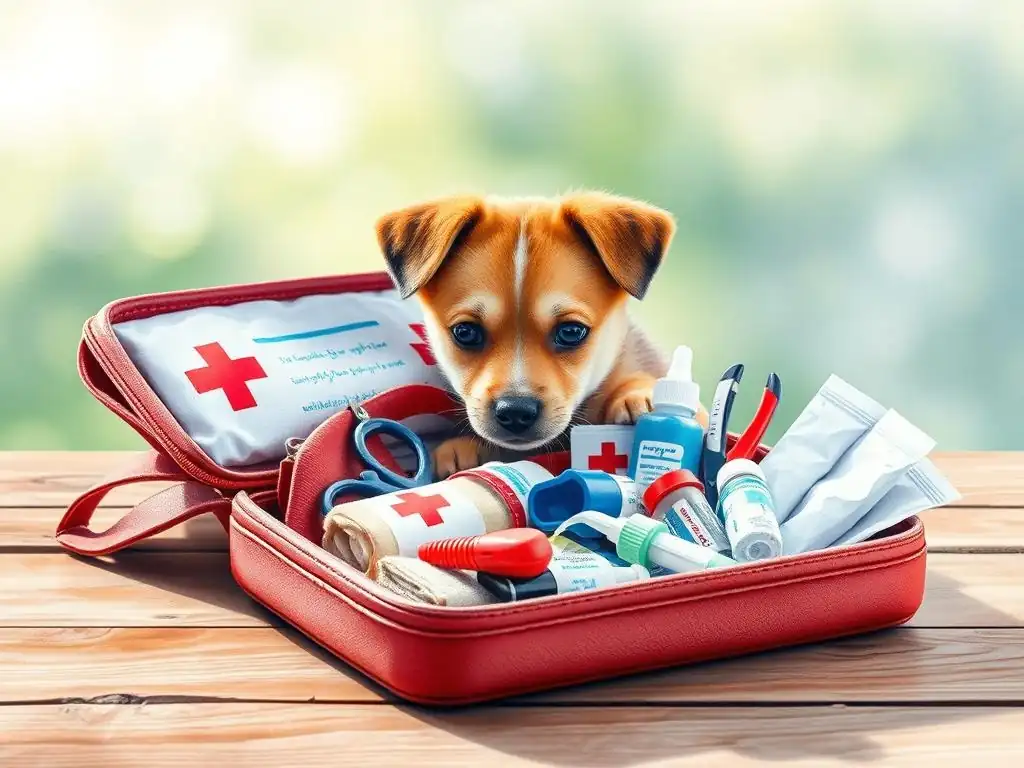
Pet emergencies can happen unexpectedly, leaving pet owners scrambling for essential supplies. Being prepared is crucial for ensuring the best possible outcome for your beloved companion. This comprehensive guide will walk you through building a complete pet emergency kit, covering everything from basic supplies to vital medications and emergency contact information.
A well-stocked kit can mean the difference between a minor setback and a major crisis, providing you with the tools and resources to act quickly and effectively in a time of need. This checklist focuses on creating a truly complete pet emergency kit, addressing the needs of various pet types and potential scenarios, helping you confidently navigate unexpected health issues and ensure your pet's safety and well-being. This guide will help you rank high on search engines for "Complete pet emergency kit checklist" by covering all the essential components in detail.
Gathering the Basics: Must-Have Supplies for Pet Emergencies
A well-stocked emergency kit starts with the fundamentals. These essential supplies will help you manage immediate situations until you can reach veterinary care. Remember to tailor the quantities to your pet's size and breed.
- First-Aid Essentials:
- Sterile gauze pads (various sizes)
- Adhesive bandages (various sizes)
- Self-adhesive wrap
- Non-stick sterile pads
- Tweezers
- Scissors
- Thermometer (rectal)
- Gloves (disposable)
- Clean towels or cloths
- Pet-safe antiseptic wipes
- Flashlight with extra batteries
- Water bowl and bottled water
- Other Important Supplies:
- Pet carrier (appropriately sized)
- Leash and collar (with ID tags)
- Copies of vaccination records
- Emergency contact information (written and stored separately)
- Paper towels or absorbent material for cleanup
- Small, sturdy container for waste disposal
This section highlights the importance of having readily available, essential supplies to address immediate needs. The quantities listed are suggestions; adjust based on your pet's size and breed. Remember to regularly check expiration dates and replenish as needed. The inclusion of a pet carrier is critical for safe and efficient transport to the vet. Having readily available copies of vaccination records can save valuable time in an emergency.
Medications and First Aid: Essential Pharmaceuticals and Supplies for Your Pet
This section focuses on the pharmaceutical and specialized first-aid items that can be life-saving in a pet emergency. It is crucial to consult your veterinarian before including any medications in your pet's emergency kit. They can advise on appropriate dosages and medications based on your pet's specific needs and medical history. Never administer medication without veterinary guidance.
- Medications (only with veterinary approval):
- Anti-diarrheal medication (if recommended by your vet)
- Antihistamine (if recommended by your vet)
- Pain relief medication (only if prescribed by your vet)
- Any other prescribed medications your pet requires
- Other First Aid Supplies:
- Styptic powder for minor bleeding
- Hydrogen peroxide (3%) – for cleaning wounds (use cautiously and as directed by a vet)
- Eye wash solution (pet-safe)
Remember: This section emphasizes the importance of veterinary consultation before including any medication. Improper medication can be detrimental to your pet's health. Having appropriate first aid supplies for managing minor injuries is essential. Always prioritize seeking professional veterinary care in a pet emergency. The use of hydrogen peroxide should be done cautiously and only as directed by a veterinarian.
Emergency Contact Information: Preparing for Speedy Veterinary Care
Having readily accessible emergency contact information is paramount in a pet emergency. Time is of the essence, and knowing who to call and how to reach them quickly can make all the difference.
- Emergency Veterinary Clinic Numbers: Keep a list of nearby 24-hour emergency veterinary clinics, including their addresses and phone numbers.
- Your Veterinarian's Contact Information: Include your regular veterinarian's phone number, especially their after-hours contact number.
- Your Contact Information: Keep your name, address, and phone number readily available, especially if you are entrusting your pet's care to someone else.
- Pet's Microchip Information: Include your pet's microchip number if applicable.
This section underscores the urgency of having quick access to emergency contact details. Having multiple options for veterinary care ensures that you can get help as quickly as possible. Including your own contact information is crucial if you are not directly with your pet during an emergency. Consider storing this information digitally and physically, in multiple easily accessible locations. Always keep this information updated.
Pet Identification and Records: Ensuring Your Pet's Safe Return
Pet identification is crucial in a pet emergency. A lost pet, especially during a crisis, can be incredibly stressful. Ensuring your pet has proper identification significantly increases the chances of a safe return. This goes beyond just a collar with a name tag; consider microchipping as a primary form of identification.
Microchips are small, implantable devices that contain a unique identification number linked to your contact information in a pet registration database. Even if your pet loses its collar, the microchip remains a permanent identifier. Many veterinary clinics and animal shelters have microchip scanners, allowing them to quickly identify and contact you.
Beyond microchipping, always ensure your pet wears a collar with clearly visible identification tags. These tags should include your pet's name, your phone number, and your address. Consider adding a secondary contact number as well, in case one number is unavailable. While some advocate for including the pet's name on the tag, this can sometimes be counterproductive as a thief might use the pet's name to build trust. Instead, focus on readily available contact information.
Maintaining accurate and up-to-date pet records is equally important. This includes vaccination records, medical history, any allergies or sensitivities your pet might have, and the contact information of your veterinarian. Keep a physical copy of these records in your pet's emergency kit and consider storing a digital backup in a secure cloud service or on a readily accessible external hard drive.
This readily available information is invaluable in a veterinary emergency, enabling swift and informed treatment decisions. Remember to update these records regularly as your pet ages and its health needs change. Keeping a recent photograph of your pet is also a good idea to easily identify your pet in case of loss.
The more information you have readily available, the better equipped you are to handle any unforeseen circumstances. This proactive approach to identification and record-keeping can significantly improve your pet’s chances of survival and safe return in an emergency.
Advanced Pet Emergency Kit Components: Beyond the Basics

This section delves into the components that elevate your pet emergency kit from basic preparedness to comprehensive crisis management. While a basic kit covers immediate needs, a truly complete pet emergency kit checklist should account for prolonged disruptions and specific animal requirements. We'll move beyond the standard supplies and explore crucial additions for enhanced pet safety and well-being. Remember, the goal is to be prepared for any eventuality, ensuring your pet's comfort and survival during an emergency.
Addressing Specific Pet Needs: Tailoring Your Kit to Your Animal Companion
Your pet's specific needs significantly impact the contents of your emergency kit. A Great Dane's requirements differ vastly from those of a small hamster. Consider these factors when assembling your kit:
- Species: A reptile requires a heat source, while a bird needs perches and familiar toys to reduce stress. A fish needs an aeration system and appropriate water treatment. The list is extensive and highly species-specific.
- Breed: Certain breeds are prone to specific health issues. For example, brachycephalic breeds (like Bulldogs and Pugs) are susceptible to respiratory problems, requiring extra attention in an emergency. Include relevant medications or supplies based on your pet's breed predispositions.
- Age: Senior pets and very young animals have different needs than adult animals. Senior pets might require additional medications or comfort items, while puppies or kittens need specialized formulas and supplies.
- Medical Conditions: Pre-existing conditions necessitate the inclusion of specific medications, syringes, and any other prescribed equipment. Always carry a copy of your pet's medical records, including allergies and ongoing treatments.
For example, a diabetic cat's kit must include glucose gel and syringes, while a dog with epilepsy might need emergency medication and instructions for administration. A comprehensive complete pet emergency kit checklist accounts for these individual needs.
Emergency Food and Water Supplies: Ensuring Your Pet's Hydration and Nutrition During Emergencies
Beyond basic food and water, consider the following for prolonged emergencies:
- Quantity: Plan for at least a 3-day supply of food and water, but ideally, aim for a week’s worth. The amount needed depends on your pet's size and metabolic rate.
- Type: Use familiar food to avoid digestive upset. Avoid introducing new foods during a stressful situation. For canned food, consider a manual can opener if electricity is unavailable.
- Water Storage: Include multiple water sources: bottled water, collapsible water bowls, and a water purification system (like water purification tablets) are valuable assets.
- Feeding Utensils: Don't forget bowls and spoons appropriate for your pet's size and food type.
Consider the scenario: a major hurricane forces evacuation. Having sufficient food and water readily available minimizes stress for both you and your pet, a crucial factor in an already challenging situation. This preparedness is essential for a truly complete pet emergency kit checklist.
Transportation and Restraint: Safe and Secure Pet Transport Solutions
Safe and secure transportation is critical, especially during emergencies. Consider these aspects:
| Item | Description | Importance |
|---|---|---|
| Sturdy Carrier | A well-ventilated and escape-proof carrier suitable for your pet's size. | Essential for safe transport in vehicles and during evacuations. |
| Leash and Harness/Collar | A secure leash and harness (or collar) appropriately sized for your pet. | Prevents escape and allows for safe handling during chaotic situations. |
| Pet First-Aid Kit | A separate, smaller kit containing essential first-aid supplies for transport. | Allows for immediate treatment of minor injuries sustained during transport. |
| Reflective Gear | Collars or vests with reflective strips for nighttime visibility. | Increases safety during nighttime travel or evacuations in low-light conditions. |
Remember, your pet's safety is paramount. A well-prepared complete pet emergency kit checklist including these advanced components ensures your readiness for any emergency. Don't underestimate the importance of planning for the unexpected to guarantee your pet's well-being.
Cleaning and Sanitation: Maintaining Hygiene During Pet Emergencies
Maintaining hygiene during a pet emergency is crucial, not only for your pet's well-being but also for your own safety. A compromised immune system in an already stressed animal makes them highly susceptible to infection. Similarly, exposure to bodily fluids during an emergency can pose risks to you. Therefore, including sanitation supplies in your pet emergency kit is non-negotiable.
This goes beyond simply having disinfectant wipes. Consider the potential scenarios: a bloody injury requiring wound cleaning, diarrhea or vomiting necessitating cleanup, or even the need to sterilize a makeshift wound dressing. Your kit should include items like sterile saline solution for wound irrigation, disposable gloves (nitrile is preferable for its durability and resistance to punctures), absorbent cloths or towels specifically designated for cleaning up messes, and a broad-spectrum disinfectant appropriate for pet use (always check the label to ensure it's safe for animals). Avoid using household cleaners, as many are toxic to pets.
Furthermore, think about waste disposal. Biohazard bags are essential for safely containing soiled materials, preventing the spread of bacteria and viruses. These bags should be securely sealed and disposed of properly according to local regulations. Having several extra bags is prudent, especially if dealing with prolonged emergencies or multiple pets.
Including a small, sturdy container for used bandages and other contaminated materials is also beneficial. Remember, diligent sanitation practices are key to minimizing the risk of infection and ensuring a swift recovery for your beloved pet. A well-stocked sanitation section in your complete pet emergency kit can be the difference between a manageable situation and a more complicated one. Don't underestimate the importance of preparedness in this aspect of pet emergency care.
Organizing and Storing Your Pet Emergency Kit: Practical Tips
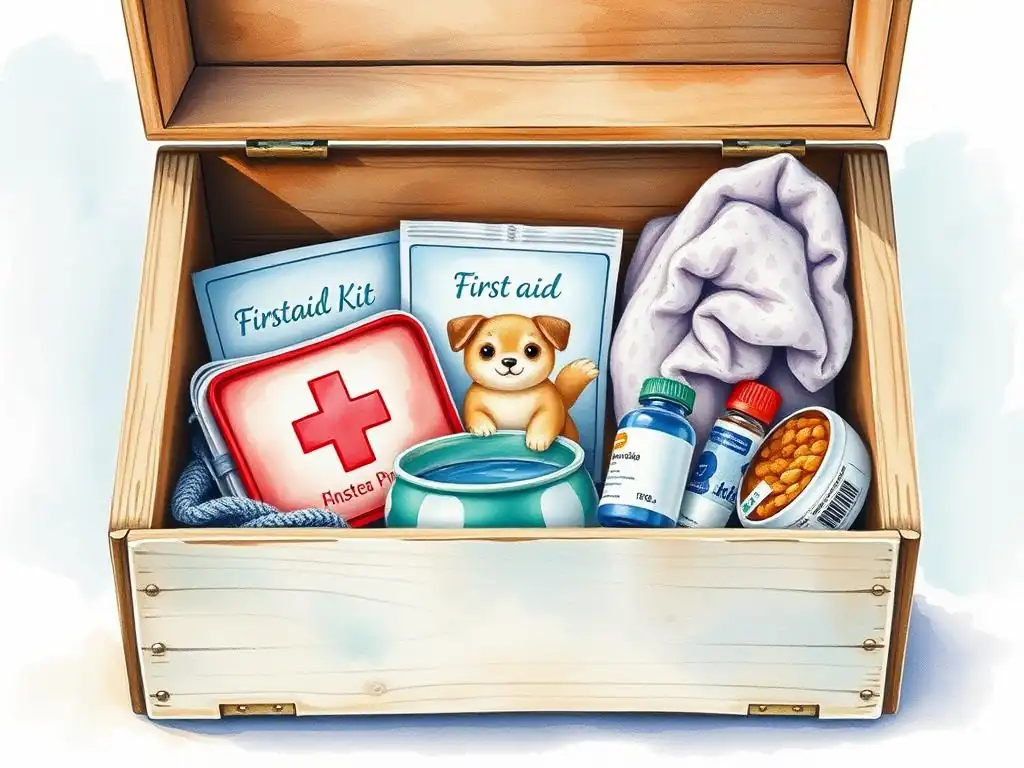
This section focuses on the practical aspects of managing your complete pet emergency kit checklist, ensuring its contents remain readily accessible and effectively organized for swift action during a pet emergency. Proper organization is crucial for efficient response; a chaotic kit hinders quick access to vital supplies.
Choosing the Right Container: Selecting a Suitable Kit Bag or Box
Selecting the appropriate container for your pet emergency kit is paramount. The ideal container depends on factors like pet size, the kit's contents, and your lifestyle. Consider these options:
- Waterproof Bags: These are excellent for protecting contents from rain or spills, particularly important for outdoor adventures with your pet. Look for durable, heavy-duty bags with multiple compartments for organization. Consider the size – a larger bag allows for more supplies, but a smaller, more manageable bag might be better for quick trips.
- Hard-Sided Containers: These offer superior protection against crushing, especially beneficial if you're storing heavier items like canned food or water bottles. Choose a container with a secure latch to prevent accidental opening. Plastic storage bins are a cost-effective and readily available option.
- Backpacks: A backpack is ideal for portability, especially if you need to evacuate quickly. Choose a backpack with multiple pockets and compartments for easy access to different items. Ensure the backpack is sturdy enough to carry the weight of the kit.
The best container for your complete pet emergency kit checklist will depend on your specific needs and preferences. Prioritize durability, waterproofing (where appropriate), and ease of access.
Maintaining and Updating Your Kit: Regular Checks and Replacements
Regular maintenance is vital to ensure your pet emergency kit remains effective. A neglected kit is essentially useless in a crisis. Here's a recommended schedule:
- Monthly Check: Inspect expiration dates on medications, food, and water. Replace any expired items immediately. Check for any damage to the container or its contents.
- Quarterly Check: Conduct a more thorough inventory. Ensure you have sufficient quantities of all essential items. Consider supplementing supplies based on seasonal changes (e.g., extra blankets in winter).
- Annual Check: This is a good time for a complete overhaul. Discard any outdated items and replace them with fresh supplies. Check the functionality of any tools or equipment included in the kit. Consider updating your pet's medical records and any relevant contact information.
Remember, proactive maintenance ensures your complete pet emergency kit checklist is always prepared to address any unforeseen circumstances. Don't wait for an emergency; regular checks save precious time and ensure your pet's safety.
Accessibility and Location: Ensuring Easy Access in an Emergency
The location of your complete pet emergency kit checklist is just as important as its contents. Easy access is crucial in a stressful emergency situation. Consider these factors:
- Central Location: Keep the kit in a readily accessible, central location in your home. Avoid storing it in a garage or shed where it might be difficult to reach quickly.
- Car Kit: For those who frequently travel with their pets, a smaller, portable version of the kit should be kept in the car. This ensures immediate access to essential supplies should an emergency occur while traveling.
- Multiple Kits: In larger households, consider having multiple kits strategically located throughout the home – one near each exit point, for example. This increases the likelihood that a kit will be accessible regardless of where the emergency occurs.
- Clear Labeling: Clearly label the kit with the words "Pet Emergency Kit" to ensure quick identification in a stressful situation. Consider adding your pet's name and contact information as well.
Proper storage and accessibility are critical components of a truly complete pet emergency kit checklist. Preparation is key to ensuring your pet's well-being during an emergency.
Pet Emergency Preparedness: Beyond the Physical Kit
This section focuses on the crucial, often overlooked, aspects of pet emergency preparedness that extend beyond simply assembling a physical kit. A well-stocked kit is only one piece of the puzzle; proactive planning and resourcefulness are equally vital in ensuring your pet's safety during a crisis. Effective pet emergency preparedness involves a multifaceted approach encompassing planning, knowledge, and community engagement. Failing to address these non-physical elements can severely compromise your ability to respond effectively during a pet emergency. This section will delve into these critical components, empowering you to handle unforeseen circumstances with confidence.
Developing an Emergency Plan: Steps to Take During a Pet Emergency
A comprehensive emergency plan is your first line of defense. It should detail actions to take before, during, and after an emergency. Think beyond the immediate crisis; consider potential disruptions to utilities, transportation, or communication. Your plan should account for various scenarios, including natural disasters, sudden illness, or accidents.
Here’s a structured approach:
- Before the Emergency:
- Identify two safe locations for your pet – one at home and another easily accessible outside your immediate area. These locations should be clearly marked on a map kept with your emergency kit.
- Practice evacuation drills. Familiarize your pet with their carriers and emergency locations. Positive reinforcement techniques can make this process smoother.
- Prepare a "Pet Emergency Contact List" including your veterinarian, emergency animal hospitals, and trusted friends or family who can assist. Include phone numbers and addresses.
- Secure your pet's identification. Microchipping and updated tags are essential. Consider adding a temporary identification marker with your contact information in case of separation during an evacuation.
- During the Emergency:
- Follow your pre-planned evacuation route. Keep your pet secure and calm using their carrier or leash.
- Administer any necessary immediate first aid, if you are trained to do so. Refer to your emergency kit for supplies.
- Contact your veterinarian or emergency animal hospital immediately to report your situation and receive guidance.
- If separated, actively search for your pet, utilizing any available resources and notifying local authorities.
- After the Emergency:
- Check your pet for injuries and seek veterinary care if needed.
- Contact your insurance provider, if applicable, to initiate the claims process.
- Review your emergency plan and identify any areas for improvement based on your experience. Adapt your plan to improve its effectiveness in future emergencies.
Recognizing Pet Emergency Signs: Early Detection is Crucial
Timely intervention is crucial in pet emergencies. Understanding the signs of distress can be the difference between life and death. Recognizing subtle changes in your pet's behavior or physical state is paramount. Early detection enables prompt action, increasing the likelihood of a positive outcome.
Here are some key warning signs to watch for:
| Symptom Category | Specific Signs | Severity | Action |
|---|---|---|---|
| Respiratory Distress | Labored breathing, rapid breathing, bluish gums, coughing, wheezing | High | Seek immediate veterinary care. |
| Cardiovascular Issues | Weakness, collapse, pale gums, rapid or irregular heartbeat | High | Seek immediate veterinary care. |
| Neurological Problems | Seizures, tremors, incoordination, changes in behavior, paralysis, head tilt | High | Seek immediate veterinary care. |
| Gastrointestinal Issues | Vomiting (repeated), diarrhea (severe or bloody), loss of appetite, abdominal pain | Varies (can be high depending on severity) | Monitor closely; seek veterinary care if symptoms worsen or persist. |
| Trauma | Bleeding, broken bones, limping, swelling, difficulty moving | Varies (can be high depending on severity) | Seek immediate veterinary care. |
Remember, this table is not exhaustive. If you are ever uncertain about your pet's condition, it’s always best to err on the side of caution and seek professional veterinary advice. Delaying treatment can have serious consequences.
Building a Support Network: Connecting with Pet Emergency Resources
Having a strong support network significantly enhances your ability to respond effectively during a pet emergency. This network extends beyond your immediate family and friends; it encompasses professionals and organizations dedicated to providing pet emergency services.
- Veterinarian: Establish a strong relationship with your primary veterinarian. Discuss emergency protocols and have their contact information readily available.
- Emergency Animal Hospitals: Locate the nearest 24/7 emergency animal hospitals in your area. Familiarity with their location and contact information can save valuable time in a crisis.
- Pet First Aid and CPR Certification: Consider obtaining pet first aid and CPR certification. This empowers you to provide immediate care before professional help arrives.
- Local Animal Shelters and Rescue Organizations: Understand the protocols for reporting lost or injured pets in your area.
- Online Pet Emergency Resources: Familiarize yourself with reliable online resources that provide information and guidance on pet emergencies.
Building a robust support network is a proactive measure that can significantly reduce stress and improve the chances of a positive outcome during a pet emergency. Proactive planning and resourcefulness are just as crucial as having a fully stocked emergency kit. Remember, a "Complete pet emergency kit checklist" includes not only physical supplies but also a comprehensive plan and a readily available support system.
Frequently Asked Questions
What should I include in my pet's emergency kit?
Your pet's emergency kit should include essential supplies like a first-aid kit with pet-safe items, a copy of your pet's medical records, and enough food and water for at least 72 hours. Don't forget a carrier for safe transport.
How do I prepare my pet for an emergency?
Microchip your pet and keep their identification tags up-to-date. Familiarize yourself with the nearest 24/7 veterinary clinics. Practice carrying your pet in their carrier.
What are some common pet emergencies?
Common emergencies include trauma (e.g., car accidents), ingestion of toxins, heatstroke, and severe allergic reactions. Being prepared can make a huge difference.
How often should I review and update my pet's emergency kit?
You should check and update your pet's emergency kit at least twice a year, or whenever you notice something is missing or expired. Replace food and water regularly.
Where should I keep my pet's emergency kit?
Keep the kit in a readily accessible location, such as your car, and another at home. Ensure it's easy to grab in a hurry and easily transportable.
Final Reflection: Preparedness: Your Pet's Lifeline in Times of Need
The unexpected can strike at any moment, and for our beloved pets, being prepared can mean the difference between life and death. A well-stocked pet emergency kit isn't just a checklist; it's a testament to the unwavering love and responsibility we have for our animal companions. It's a proactive measure that transforms potential tragedy into manageable crisis.
The peace of mind that comes from knowing you're ready to respond effectively to a pet emergency is invaluable. It's a feeling that transcends the simple act of assembling a kit; it's about building a stronger bond with your pet, based on trust and preparedness. As the saying goes, The best time to plant a tree was 20 years ago. The second best time is today.
This applies perfectly to pet emergency preparedness. The more we normalize and prioritize this essential aspect of pet ownership, the better equipped we'll be to handle any situation that arises.
Now, take a moment to reflect on your own pet's needs. Do you have a complete emergency kit readily accessible? If not, I urge you to take action today. Create a checklist, gather the necessary supplies, and familiarize yourself with its contents. This small act of preparation can bring immense comfort and, more importantly, could save your pet's life. Remember, your proactive care is a powerful demonstration of your love and commitment.
Ready to Protect Your Furry Friend? Build Your Kit Now!
Thank you for learning how to create a comprehensive pet emergency kit! You're now better prepared to ensure your beloved pet's safety and well-being. Let's put that knowledge into action:
- Assemble your pet's emergency kit today! Use this guide as a checklist and gather the essential supplies. Including a favorite toy or blanket can significantly reduce your pet's stress during an emergency.
- Share this vital information with other pet owners. Help them prepare for unexpected emergencies and build a stronger, more supportive pet-owning community!
- Consider taking a pet first-aid course. Knowing basic life-saving techniques could be invaluable in a crisis.
What's one item you'll add to your pet's kit right away, and why is it so important to you?