
Peace of Mind: Building a Pet Emergency Kit That Covers All Bases

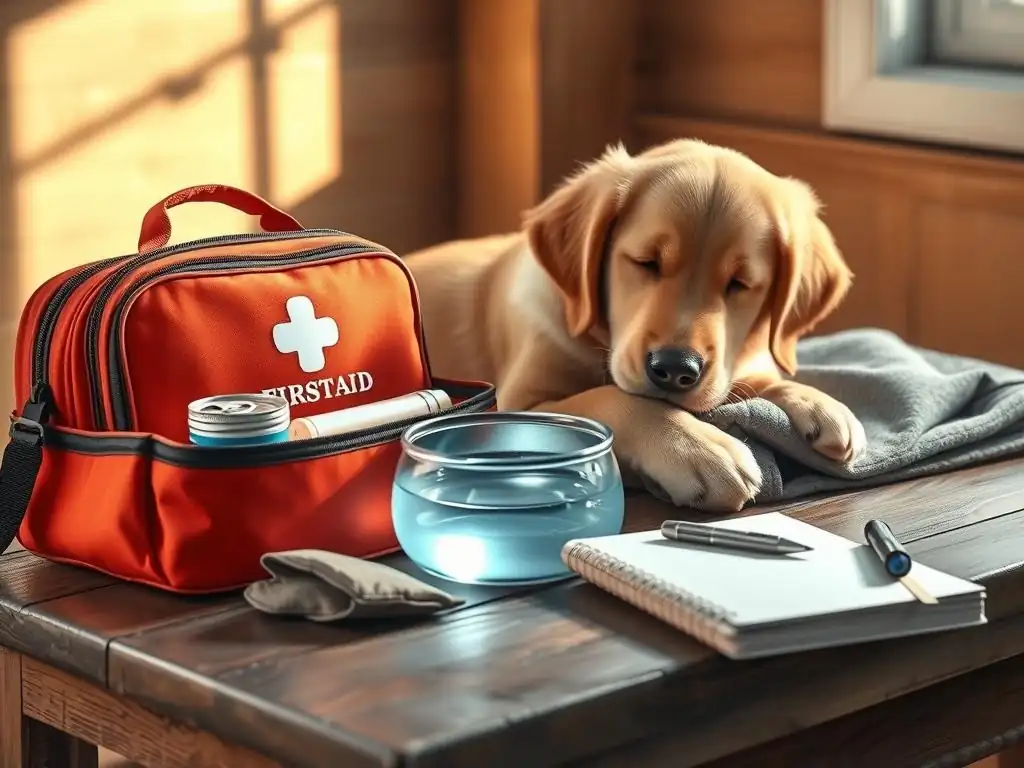
Welcome to PetCareWorld, your ultimate guide to a happier, healthier life for your beloved companion! Are you prepared for the unexpected? We know that peace of mind is priceless, especially when it comes to your pet's well-being. That's why we've created the definitive Pet emergency kit checklist, ensuring you're ready for any situation. Dive in and discover how to build a comprehensive kit that covers all bases – your pet will thank you for it!
-
Essential Items for Your Pet Emergency Kit Checklist
- Medications and First Aid Supplies: A Comprehensive Pet Emergency Kit Checklist
- Contact Information and Important Documents: Vet Records and Emergency Contacts
- Pet Identification and Microchip Verification: Ensuring a Swift Reunion
- Food and Water Supplies for Your Pet: Meeting Essential Nutritional Needs During Emergencies
- Comfort Items for Your Pet: Reducing Stress and Anxiety During Unexpected Events
- Cleaning and Sanitation Supplies: Maintaining Hygiene During an Emergency
-
Building Your Pet Emergency Kit: A Step-by-Step Guide
- Step 1: Choosing the Right Pet Emergency Kit Bag or Container
- Step 2: Gathering Essential Medications and First-Aid Supplies for Your Pet
- Step 3: Compiling Crucial Contact Information and Pet Records
- Step 4: Ensuring Proper Pet Identification and Microchip Verification
- Step 5: Stocking Sufficient Food and Water for Your Pet's Needs
- Step 6: Including Comfort Items to Reduce Your Pet's Stress
- Step 7: Adding Cleaning and Sanitation Supplies for Hygiene
-
Maintaining Your Pet Emergency Kit: Regular Checks and Updates
- Regularly Checking Expiration Dates: Ensuring Effectiveness of Medications and Supplies
- Updating Contact Information: Keeping Records Current for Emergency Response
- Replenishing Consumables: Maintaining Adequate Food, Water, and Cleaning Supplies
- Adapting the Kit to Your Pet's Specific Needs: Addressing Individual Requirements
-
Beyond the Basics: Advanced Pet Emergency Kit Considerations
- Specialized Supplies for Specific Pet Needs: Addressing Unique Requirements for Different Species
- Emergency Preparedness for Different Disaster Scenarios: Planning for Various Contingencies
- Transportation Considerations for Your Pet: Safe and Secure Pet Transport During Emergencies
- Pet First Aid Training: Equipping Yourself with Essential Skills for Pet Emergencies
- Frequently Asked Questions
- Final Reflection: The Unwavering Bond, Prepared for Anything
- Unlock Your Pet's Peace of Mind: Take Action Today!
Essential Items for Your Pet Emergency Kit Checklist
Preparing for the unexpected is crucial for responsible pet ownership. A well-stocked pet emergency kit can be the difference between a minor inconvenience and a veterinary emergency. This comprehensive guide will walk you through building a pet emergency kit checklist, ensuring you're prepared for any situation. We'll cover essential supplies, crucial contact information, and vital identification details, providing you with peace of mind knowing your furry, feathered, or scaled friend is protected.
This checklist is designed to help you create a kit tailored to your specific pet's needs and circumstances, addressing common emergencies and minimizing stress during challenging times. Remember, proactive preparation is the best way to safeguard your pet's well-being. Let's dive into the essentials for creating the ultimate pet emergency kit! 🐾
Medications and First Aid Supplies: A Comprehensive Pet Emergency Kit Checklist
This section focuses on the medical necessities for your pet's emergency kit. The specific medications will depend on your pet's individual health needs and any pre-existing conditions. Always consult your veterinarian for personalized advice. A well-stocked kit should include:
- First-aid supplies: Bandages (various sizes), antiseptic wipes, gauze pads, non-stick pads, vet wrap, scissors, tweezers.
- Medications: A copy of your pet's prescription medication list, along with any current medications (ensure you check expiration dates regularly!). This includes pain relievers (only if prescribed by your vet! ), anti-diarrheal medication (again, vet-prescribed), and any other regular medications your pet takes. Remember to clearly label all medications.
- Temperature thermometer: A rectal thermometer is best for accurate readings.
- Pet-safe pain relief: This must be prescribed by your vet. Never administer human medication to your pet.
- Emergency contact information for your veterinarian: Include their phone number, address, and after-hours emergency contact information.
Remember to replace any used items promptly and check expiration dates regularly. This section is critical; inadequate preparation here could severely impact your pet's well-being in an emergency. Consider creating a separate, smaller "go-bag" with these items for quick access.
Contact Information and Important Documents: Vet Records and Emergency Contacts
Beyond physical supplies, crucial information is vital in a pet emergency. Having this readily available can significantly reduce response times and ensure your pet receives the best possible care. This section should include:
- Veterinarian's contact information: Include phone number, address, after-hours emergency contact, and email.
- Emergency contact list: Include at least two emergency contacts with their phone numbers and addresses. These should be people who can assist you in an emergency, such as a neighbor, friend, or family member.
- Pet's medical records: Keep copies of your pet's vaccination records, medical history, and any allergies.
- Pet insurance information: If you have pet insurance, include your policy number and contact information for your provider.
- Microchip information: Note the microchip number and the registering company's contact information.
This organized approach to vital information ensures swift access during stressful situations, facilitating a smoother and more efficient emergency response. Keep these documents in a waterproof, easily accessible location within your kit.
Pet Identification and Microchip Verification: Ensuring a Swift Reunion
Proper identification is paramount, especially if your pet gets lost or separated during an emergency. This section ensures a swift reunion if your pet goes missing.
- Collar and ID tags: Ensure your pet wears a collar with updated identification tags, including your name, phone number, and address.
- Microchip verification: Confirm your pet's microchip information is up-to-date with the registration company. Include a copy of the microchip registration details in your kit.
- Recent photos of your pet: Include several clear photos of your pet from different angles. This is particularly helpful if your pet is lost. Consider including a photo of any distinguishing features.
Additional Tips for your Pet Emergency Kit
Consider adding items like a leash, water bowl, a can or two of your pet's favorite food, a small towel, and a flashlight.
This section ensures that even in the chaos of an emergency, your pet's identification is readily available, increasing the chances of a safe and quick reunion. Regularly check and update your pet's identification to reflect any changes in your contact information.
Food and Water Supplies for Your Pet: Meeting Essential Nutritional Needs During Emergencies
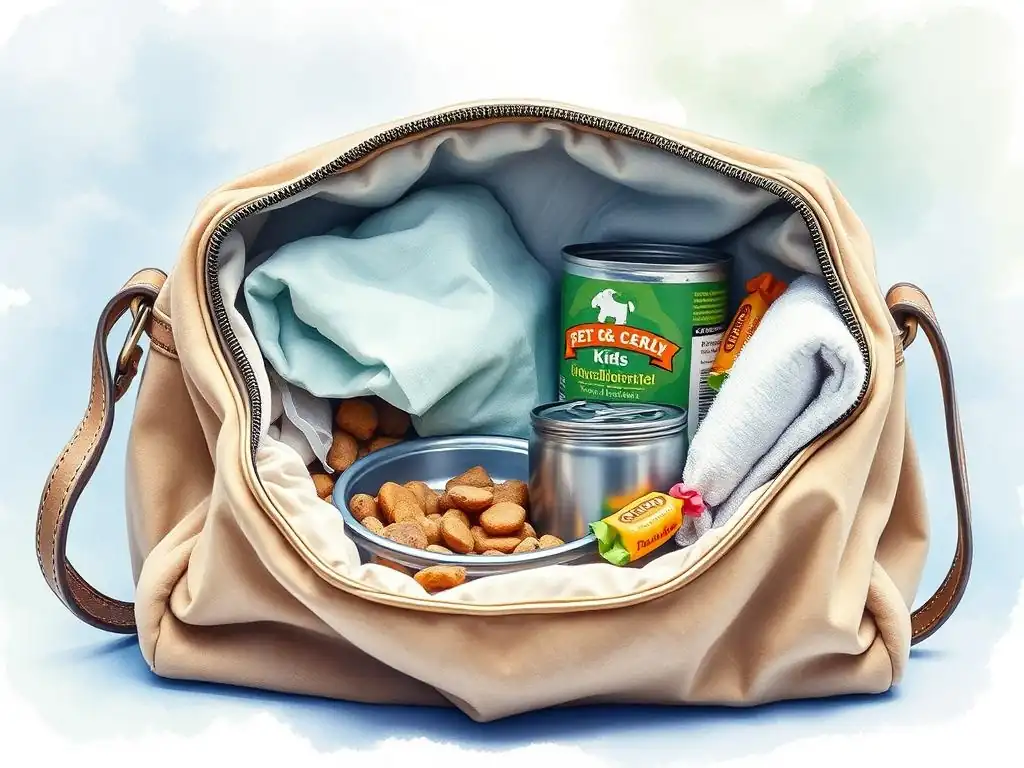
Ensuring your pet has access to food and water during an emergency is paramount. The quantity you pack will depend on the size of your pet and the potential duration of the emergency. For a small dog or cat, you might pack enough dry food for three to five days, stored in airtight containers to prevent spoilage. Larger animals will, of course, require significantly more.
Consider your pet's dietary needs; if they require a special diet, ensure you have enough specialized food on hand. Don't forget water! Pack several bottles of fresh water or a collapsible water bowl that can be easily refilled. Water purification tablets can also be a lifesaver, allowing you to safely treat water sources if clean water becomes scarce.
Remember to consider the potential for spills and leaks; using waterproof containers is crucial to prevent your pet's food and water from becoming contaminated. It's also wise to include a manual can opener if your pet eats wet food, as electricity might be unavailable. Regularly check the expiration dates on all food and water supplies and replace them as needed to maintain freshness and ensure your pet's nutritional needs are consistently met. A well-stocked emergency kit should include enough food and water to sustain your pet for at least 72 hours, ideally longer.
Comfort Items for Your Pet: Reducing Stress and Anxiety During Unexpected Events
Emergencies are stressful for both you and your pet. Including comfort items in your pet emergency kit can significantly reduce their anxiety and help them feel secure during a challenging time. A familiar blanket or toy can provide a sense of comfort and security, reminding your pet of home. If your pet uses a crate or bed, consider including a smaller, portable version for easy transport.
For pets prone to anxiety, you might include pheromone sprays or diffusers (check for pet-safe options) to help calm them. Remember that a stressed pet might be more difficult to handle in an emergency, so prioritizing their comfort is essential. Consider your pet's individual needs; if they have a favorite toy or specific comfort object, be sure to include it.
A well-stocked pet emergency kit should also include a small, sturdy carrier to provide a safe and secure space for your pet during transportation. This will be especially important in situations requiring evacuation. Remember, familiarity is key; the more familiar your pet is with the items in their emergency kit, the more comfort they will derive from them.
Cleaning and Sanitation Supplies: Maintaining Hygiene During an Emergency
Maintaining hygiene for both you and your pet during an emergency is vital to prevent the spread of disease. Include disposable gloves, hand sanitizer, and disinfectant wipes in your kit. These will be invaluable for cleaning up spills, accidents, or injuries. Biodegradable pet waste bags are essential for responsible waste disposal, particularly in situations where access to regular waste disposal facilities might be limited.
If your pet requires regular grooming, include appropriate tools such as a brush or comb. For larger animals, consider including cleaning supplies specific to their needs. Remember, sanitary conditions are crucial for preventing the spread of disease, both for your pet and for yourself. The inclusion of these items will not only ensure your pet's well-being but also contribute to the overall safety and hygiene of your emergency situation.
Regularly check the expiry dates of these supplies and replace them as needed to guarantee effectiveness and preparedness. Consider the potential for different types of messes, and tailor your supplies accordingly. For example, if you have a long-haired cat, you might need more cleaning supplies than if you have a short-haired dog.
Building Your Pet Emergency Kit: A Step-by-Step Guide
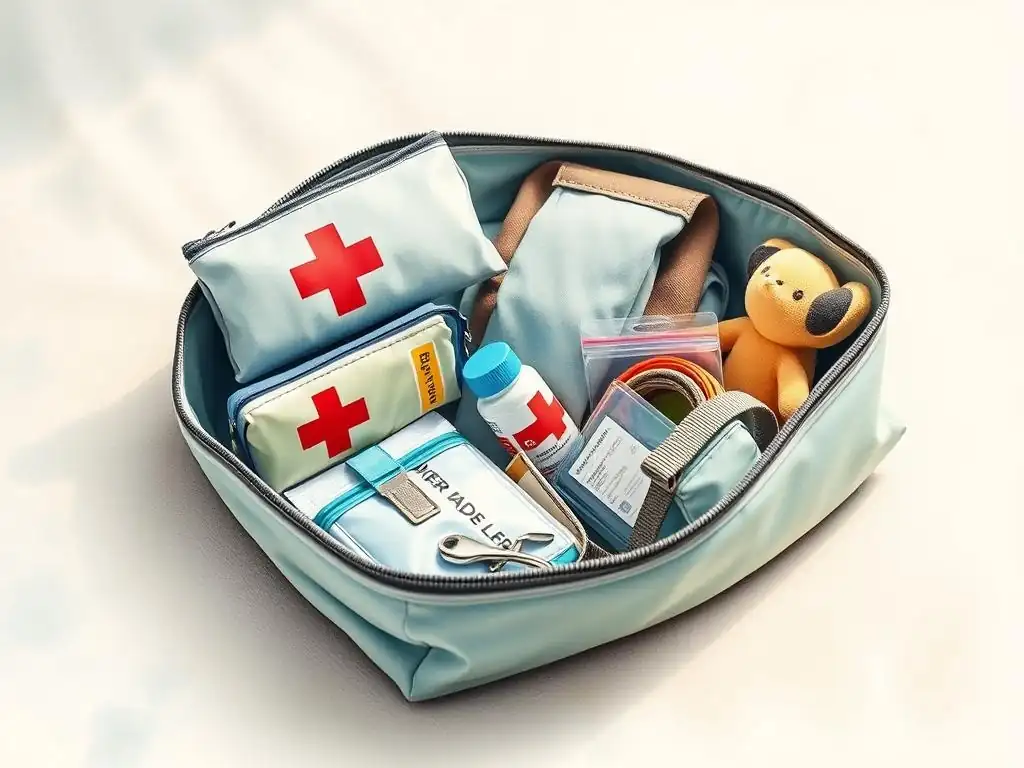
This section details the practical steps involved in assembling a comprehensive pet emergency kit. A well-stocked kit is crucial for effectively managing unexpected pet health issues, minimizing stress, and ensuring a swift response. Remember, preparation is key to navigating pet emergencies calmly and efficiently. This checklist will help you build a kit tailored to your pet's specific needs, contributing to their safety and well-being.
Step 1: Choosing the Right Pet Emergency Kit Bag or Container
Selecting the appropriate container for your pet emergency kit is the first crucial step. The ideal container should be durable, waterproof, easily accessible, and appropriately sized for your pet's needs and the supplies you intend to include. Several options exist, each with its advantages and disadvantages.
Consider these factors when making your choice:
- Size and Capacity: The kit's size should comfortably accommodate all essential items without being overly bulky or difficult to transport. A larger kit might be necessary for multiple pets or those requiring extensive medication.
- Durability and Water Resistance: Opt for a sturdy container made from waterproof material like heavy-duty nylon or plastic. This protects the contents from damage during transport or exposure to the elements.
- Accessibility: Choose a container with easy-to-open closures and compartments to facilitate quick access to essential supplies during an emergency. A backpack style is excellent for portability, while a sturdy tote might suit at-home storage.
- Organization: Internal compartments or organizers can help keep the kit's contents neatly arranged and readily identifiable. Consider clear pouches or labeled containers for better organization.
Examples include: a waterproof backpack, a dedicated first-aid kit specifically designed for pets, or even a large, sturdy plastic container with a secure lid. The best choice depends on your specific needs and preferences. Remember, the goal is easy access and protection of your supplies.
Step 2: Gathering Essential Medications and First-Aid Supplies for Your Pet
This section focuses on the core components of your pet's medical supplies. Remember to consult your veterinarian to tailor the kit to your pet's specific needs and health conditions. This list provides a general guideline; your veterinarian's advice should always take precedence.
Here's a detailed breakdown of essential medications and first-aid supplies:
| Item | Description | Quantity/Notes |
|---|---|---|
| Current Medications: | All prescribed medications your pet is currently taking (e.g., heartworm preventative, antibiotics) | Ensure an adequate supply, well beyond the immediate refill date. |
| Pet First-Aid Kit | Commercially available kits often include bandages, antiseptic wipes, tweezers, and scissors. | Supplement with items specific to your pet's needs. |
| Gauze Pads | Sterile gauze pads for wound dressing. | Various sizes are recommended. |
| Adhesive Tape | Medical-grade tape for securing bandages. | Avoid using regular household tape on your pet's fur. |
| Antiseptic Solution | For cleaning minor wounds. | Check for pet-safe formulations. |
| Pain Relief Medication | Only if prescribed by your veterinarian. Never administer human pain relievers to pets! ⚠️ | Follow your vet's instructions precisely. |
| Disposable Gloves | To maintain hygiene when handling injuries. | Essential for preventing the spread of infection. |
| Thermometer | Rectal thermometer specifically designed for pets. | Essential for monitoring temperature during illness. |
| Pet-Safe Antidiarrheal | For managing diarrhea, only if recommended by your veterinarian. | Never self-medicate your pet; always consult a professional. |
Remember to check expiration dates regularly and replace any expired items promptly. Keeping your kit up-to-date is essential for its effectiveness.
Step 3: Compiling Crucial Contact Information and Pet Records
Beyond physical supplies, your pet emergency kit should include vital documentation. This ensures that veterinary professionals have the information they need to provide the best possible care in an emergency situation.
This section highlights the critical information to include:
- Veterinarian's Contact Information: Include your vet's name, address, phone number, and emergency contact number. Consider including a secondary veterinarian's contact information as a backup.
- Pet's Medical Records: Keep a copy of your pet's vaccination records, allergy information, and any pre-existing medical conditions. Digital copies stored on your phone are useful, but consider carrying a printed copy as well.
- Pet Identification: Include a current photo of your pet, along with a copy of their microchip information or any other identifying tags.
- Emergency Contacts: List the names and phone numbers of trusted friends, family members, or neighbors who can assist you in an emergency.
- Your Contact Information: Include your name, address, phone number, and email address in case you are separated from your pet during the emergency.
- Insurance Information: If your pet has pet insurance, include the policy number and contact information for the insurance provider.
Consider using waterproof, sealed bags or envelopes to protect these documents from damage. Organization is key, so clearly label each item for easy access during a stressful situation. This section of the kit is equally crucial to the medical supplies, ensuring seamless communication and efficient veterinary care.
Step 4: Ensuring Proper Pet Identification and Microchip Verification
Proper identification is crucial in a pet emergency. A lost pet is a stressful situation for both you and your furry friend. Ensure your pet's collar has up-to-date tags with your current contact information, including a phone number and ideally, your address. While a microchip is not a replacement for a collar tag, it's a vital backup.
Before a disaster strikes, verify your pet's microchip information is accurate and registered with a reputable microchip database. Many databases allow you to update your contact information online, ensuring that animal shelters or veterinary clinics can reach you quickly if your pet is found. Regularly checking this information is a key part of responsible pet ownership and significantly increases the chances of a swift reunion in an emergency. Consider adding a temporary identification tag with your current phone number in case of a temporary relocation due to an emergency.
This secondary form of identification can be particularly helpful during evacuations or natural disasters. Remember, even the most well-trained pets can become disoriented during emergencies. Taking these proactive measures dramatically improves your chances of being reunited.
Step 5: Stocking Sufficient Food and Water for Your Pet's Needs
The amount of food and water you need depends entirely on your pet's size, species, and dietary requirements. A small dog will obviously require less than a Great Dane. For example, a 10-pound dog might need approximately 1 cup of food per day, while a 100-pound dog could need 4-5 cups. Always account for a 3-5 day supply, minimum. Consider your pet's specific needs – does your pet have allergies or require a special diet?
Include enough of their prescribed food to last several days. Don't forget water! Store water in sealed containers to prevent contamination. Consider purchasing collapsible water bowls for easy transport and storage.
For smaller animals, such as hamsters or rabbits, the food and water requirements will be proportionally smaller, but equally vital. Remember to include any necessary medications or supplements your pet may need, ensuring they are stored appropriately to maintain their effectiveness. Properly storing food and water is essential to prevent spoilage and maintain hygiene. A well-stocked emergency kit ensures your pet's nutritional needs are met even during a crisis.
Step 6: Including Comfort Items to Reduce Your Pet's Stress
Emergencies are inherently stressful, and this stress can be amplified for your pet. Including familiar comfort items in your pet's emergency kit can significantly reduce their anxiety. For example, a favorite toy, a worn blanket, or even a familiar piece of clothing can provide a sense of security and stability during chaotic situations. The scent of these items can be incredibly soothing for your pet.
Consider including a small, portable bed or mat for your pet to rest on. If your pet takes any calming medication, ensure you have a sufficient supply in the kit. If your pet is particularly anxious, consult your veterinarian about appropriate calming aids that can be safely included in your emergency supplies. For birds, consider including a familiar perch or toy.
For reptiles, familiar hiding spots or substrate may help reduce stress. Remember that the goal is to provide a sense of normalcy in an abnormal situation. These seemingly small comforts can make a significant difference in your pet's emotional well-being during a stressful event. These items offer a sense of familiarity and security, helping your pet cope better with the unfamiliar environment and circumstances of an emergency.
Step 7: Adding Cleaning and Sanitation Supplies for Hygiene
Maintaining hygiene during a pet emergency is crucial, both for your pet's well-being and your own safety. A minor injury can quickly become infected without proper cleaning, and exposure to bodily fluids necessitates careful sanitation. Your pet emergency kit should include items to address these needs effectively. Think beyond simple antiseptic wipes; consider the potential for more extensive cleaning requirements.
For instance, a significant wound might require more thorough rinsing and cleansing. Include absorbent towels or cloths, ideally several, to manage any bleeding or soiling. These should be separate from the towels you'd use for other purposes within the kit, to avoid cross-contamination. Consider adding a small bottle of sterile saline solution for rinsing wounds; this is gentler than tap water and helps to prevent infection. 1
Beyond wound care, think about the potential for messes related to illness or accidents. Biohazard bags are essential for safely disposing of soiled materials, preventing the spread of bacteria and viruses. These bags should be leak-proof and clearly labeled. Including disposable gloves is also vital, protecting both you and your pet from potential pathogens.
These should be readily accessible and easy to use, even in stressful situations. Finally, hand sanitizer is a must-have for maintaining personal hygiene after handling your pet, especially if there's been exposure to bodily fluids or potentially contaminated materials. Opt for a high-percentage alcohol-based sanitizer for optimal effectiveness.
1 While tap water might seem sufficient, sterile saline solution is preferred for wound cleaning due to its sterility and isotonic nature, minimizing further tissue damage.
Maintaining Your Pet Emergency Kit: Regular Checks and Updates
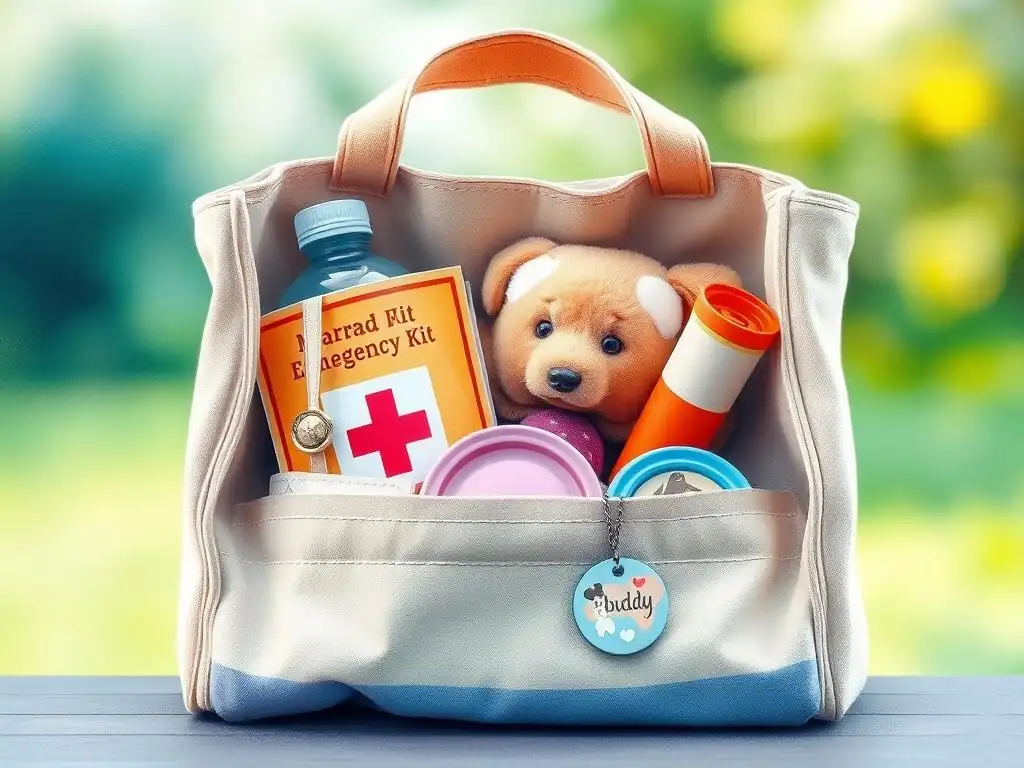
A well-stocked pet emergency kit is only as good as its contents. Regular maintenance is crucial to ensure its effectiveness when you need it most. Neglecting this vital step could compromise your pet's safety during a crisis. This section details the key aspects of maintaining your pet emergency kit, transforming it from a one-time preparation into an ongoing commitment to your pet's well-being. Think of it as a proactive approach to pet safety; a vital part of your pet emergency preparedness plan. This will ensure your "pet emergency kit checklist" is always up-to-date and ready for action.
Regularly Checking Expiration Dates: Ensuring Effectiveness of Medications and Supplies
Regularly checking expiration dates is paramount. Expired medications can be ineffective, and potentially harmful. Similarly, supplies like antiseptic wipes or bandages degrade over time, reducing their efficacy. Consider establishing a system for tracking expiration dates. This could involve a simple spreadsheet, a dedicated notebook, or even a digital calendar with reminders.
Here's a suggested approach:
- Visual Inspection: Once a month, visually inspect all items in your kit. Look for any signs of damage, discoloration, or unusual odors.
- Detailed Check (Quarterly): Every three months, conduct a more thorough check. Pay close attention to medication expiration dates. Dispose of expired items properly, following local regulations for pharmaceutical waste disposal.
- Medication Log: Maintain a detailed log of all medications, including the name, dosage, expiration date, and the date you added it to the kit. This helps you stay organized and prevents accidental use of expired medications.
- Example: Let's say you have a bottle of antiseptic spray with an expiration date of 12/24/2024. During your monthly check in August 2024, you'll note that it's nearing expiration. This prompts you to replace it during your quarterly check in September.
Remember, proactive management is key. A proactive approach ensures your kit remains effective and ready for any emergency situation, keeping your "pet emergency kit checklist" truly effective.
Updating Contact Information: Keeping Records Current for Emergency Response
Your pet emergency kit isn't just about supplies; it's about ensuring swift and effective emergency response. Outdated contact information significantly hinders this process. Ensure your kit always contains current contact details for:
- Your Veterinarian: Include their phone number, address, and after-hours emergency contact information.
- Emergency Veterinary Clinics: List nearby emergency veterinary clinics with their phone numbers and addresses. Having multiple options is crucial, especially during peak hours or natural disasters.
- Your Emergency Contacts: Include the phone numbers and addresses of trusted friends, family, or neighbors who can assist you in an emergency. Consider adding a secondary contact in case your primary contact is unavailable.
- Pet Microchip Information: Keep a copy of your pet's microchip registration information. This is crucial if your pet becomes separated from you during an emergency.
- Your Pet's Medical History: Include a brief summary of your pet's medical history, including allergies, pre-existing conditions, and any current medications. This information is vital for veterinary staff providing immediate care.
Regularly review and update this information at least twice a year or whenever there's a change (new vet, new contact, etc.). This simple step could save precious time and improve the chances of a successful outcome during a crisis.
Replenishing Consumables: Maintaining Adequate Food, Water, and Cleaning Supplies
Consumables like food, water, and cleaning supplies are vital components of your pet emergency kit and should be replenished regularly. The frequency depends on your pet's needs and the amount you initially included.
- Food: Ensure you have enough food for at least 72 hours, considering your pet's daily intake. Remember to include any special dietary requirements or medications your pet needs. Check expiration dates regularly and replace as needed.
- Water: Keep a supply of fresh water. Consider including collapsible water bowls for easy transport and storage. For longer emergencies, purification tablets or a water filter might be necessary.
- Cleaning Supplies: Replenish cleaning supplies like paper towels, antiseptic wipes, and disposable gloves. These are essential for cleaning up accidents and maintaining hygiene during an emergency. Remember to check expiration dates and replace as needed. Consider adding a small trash bag for proper disposal of waste.
- Example: If your dog consumes one cup of food per day, you should have at least 3 cups of food in your kit. If you use a small bottle of antiseptic spray every few weeks, replace it proactively before it runs out to avoid being caught short.
By regularly checking and replenishing these consumables, you guarantee your pet's basic needs are met during unexpected events, making your "pet emergency kit checklist" a comprehensive and reliable resource. This ensures your pet's comfort and well-being during a challenging time.
Adapting the Kit to Your Pet's Specific Needs: Addressing Individual Requirements
Building a comprehensive pet emergency kit isn't a one-size-fits-all endeavor. Your kit's contents should reflect your pet's unique needs and vulnerabilities. A Great Dane will require vastly different supplies than a tiny hamster, for example. Consider these crucial factors when tailoring your kit:
- Species: The most fundamental consideration. A reptile's needs (heat source, specific substrate) differ greatly from a cat's (litter, scratching post). Your emergency kit must cater to your pet's species-specific requirements. For example, a bird's kit might include extra cage liners and familiar toys to reduce stress during an emergency evacuation. For aquatic pets, ensure you have a plan for temporary housing and water quality maintenance.
- Breed: Even within a species, breed-specific needs exist. Brachycephalic breeds (like Bulldogs or Pugs) are prone to breathing difficulties, requiring immediate access to medications or supportive equipment in an emergency. Larger breeds might need different sizes of carriers or more robust first-aid supplies.
- Age and Health: Senior pets often have pre-existing health conditions requiring specific medications and supplies. These should be clearly labeled and easily accessible within the kit. Similarly, kittens or puppies may need specialized formulas or supplies depending on their current health status. Always consult your veterinarian to confirm the appropriate supplies for your pet's age and health condition. Keep records of your pet's medical history, including vaccination records, readily available within the kit or in a secure, easily accessible location.
- Allergies and Sensitivities: If your pet has known allergies or sensitivities, include appropriate medications and antidotes. Clearly label these items and ensure everyone in your household understands their use and proper administration. This is especially critical if you need to leave your pet with someone else temporarily during an emergency.
- Medication: This is paramount. If your pet takes regular medication, ensure you have an ample supply in your kit, along with clear instructions on dosage and administration. Include any necessary syringes or pill crushers. Consider adding a copy of your pet’s prescription information for easy reference. Remember to periodically check expiration dates and replace medications as needed. This is a crucial aspect of maintaining your pet's emergency preparedness.
Regularly review and update your pet's emergency kit based on these individual needs. This proactive approach ensures you are adequately prepared for any emergency, providing your beloved companion with the best possible chance of survival and recovery. Remember, a well-stocked and adapted kit is an investment in your pet’s well-being and peace of mind. 🐶🐱🐹🦜🐍
Beyond the Basics: Advanced Pet Emergency Kit Considerations
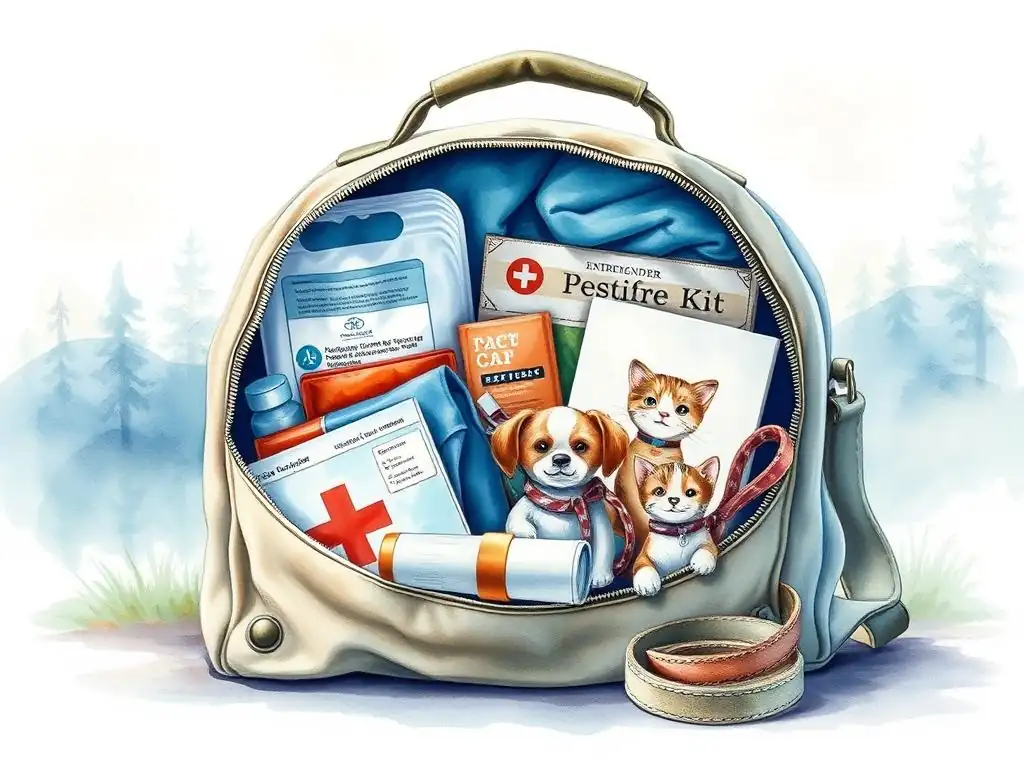
This section delves into the more nuanced aspects of creating a comprehensive pet emergency kit, moving beyond the essential supplies to address specific needs and potential scenarios. A well-rounded kit isn't just about having the right bandages; it's about anticipating a wide range of emergencies and having the tools to respond effectively. Remember, a proactive approach to pet emergency preparedness is crucial for ensuring your pet's safety and well-being. This checklist helps you refine your kit to provide the best possible care in various situations.
Specialized Supplies for Specific Pet Needs: Addressing Unique Requirements for Different Species
Your pet's species significantly impacts the contents of their emergency kit. A cat's needs differ drastically from those of a reptile or a bird. Generic supplies won't suffice; you need specialized items tailored to your pet's unique physiological requirements.
For example, a cat's emergency kit might include:
- Feliway pheromone spray: To help reduce stress during transport and in unfamiliar environments.
- Cat-specific medications: This could include any prescription medications your cat is on, along with a copy of their medical records. Always ensure you have enough medication for at least a week.
- Small, soft carrier: Essential for safe and comfortable transport.
On the other hand, a reptile's kit requires quite a different approach:
- Heat packs/sources: Maintaining the proper temperature is critical for reptile survival. Include backup heat sources and a thermometer.
- Substrate: Replacements for their enclosure substrate are vital if damage occurs during an evacuation.
- Appropriate food and water: Reptiles have specific dietary needs, so ensure you have a supply of their usual food.
Birds require consideration of their unique needs as well. Their kit should include:
- Cage cover: To minimize stress during transport.
- Favorite toys and perches: To provide comfort and reduce anxiety.
- Bird-specific food and water: Ensure a sufficient supply that meets their specific dietary requirements.
Remember to consult with your veterinarian to determine the precise needs of your pet. They can provide personalized recommendations based on your pet's species, breed, age, and health conditions. This ensures you are prepared for any eventuality. Consider creating a separate, labeled section within your kit for each pet, making it easy to quickly locate what you need in an emergency.
Emergency Preparedness for Different Disaster Scenarios: Planning for Various Contingencies
Beyond everyday accidents, consider larger-scale disasters such as hurricanes, wildfires, or earthquakes. Your pet emergency kit needs to account for these scenarios. The duration of an emergency will also influence your supplies. A short-term emergency requires less than a long-term evacuation.
Here's a breakdown of considerations for different disaster scenarios:
| Disaster Scenario | Kit Additions | Considerations |
|---|---|---|
| Hurricane/Flood | Waterproof container for documents and essential items, extra water, inflatable raft (if applicable) | Ensure all items are securely stored and easily transportable in case of quick evacuation. |
| Wildfire | Respirator masks (for both you and your pet, if necessary), eye protection | Be aware of smoke inhalation hazards and the potential need for immediate evacuation. |
| Earthquake/Power Outage | Flashlight, portable radio, extra batteries, manual can opener | Prioritize items that don't rely on electricity. |
Remember to regularly update your kit, replacing expired medications and food, and adding items as needed. A well-stocked kit, tailored to specific potential disasters, significantly increases your pet's chances of survival and safe recovery. Regular practice drills can help prepare both you and your pet for the unexpected.
Transportation Considerations for Your Pet: Safe and Secure Pet Transport During Emergencies
Safe and efficient pet transport is crucial during an emergency. Improper transport can lead to injury, escape, or even death. Your emergency kit should include appropriate transport solutions.
- Pet carrier: A sturdy and secure carrier is essential for safe transport. Ensure it's appropriately sized for your pet and well-ventilated.
- Leash and harness: A secure leash and harness are vital for controlling your pet during an emergency, especially if you're evacuating on foot.
- Identification tags: Make sure your pet has up-to-date identification tags with your contact information. Consider microchipping as an additional layer of protection.
For larger pets, you might need a pet trailer or other specialized transport solutions. Plan your evacuation route beforehand, considering pet-friendly shelters or temporary accommodations. Ensure you have a backup plan in case your primary transport method fails. Practice getting your pet into their carrier beforehand; this will make the process smoother and less stressful during an actual emergency. The goal is to ensure a safe and stress-free journey for your beloved companion.
Pet First Aid Training: Equipping Yourself with Essential Skills for Pet Emergencies
Having a well-stocked pet emergency kit is crucial, but knowing how to use its contents effectively is equally important. Pet first aid training empowers you to respond calmly and confidently during a pet emergency, potentially saving your pet's life. Think of it as the essential instruction manual for your emergency kit. Without it, even the most comprehensive kit remains largely useless.
Many organizations offer pet first aid and CPR certification courses. These courses typically cover a range of vital skills, including how to assess a pet's condition, administer basic first aid for common injuries like cuts, burns, and fractures, and perform CPR if necessary. The instruction often includes practical, hands-on exercises to build confidence and competence in applying these life-saving techniques. Remember, the skills learned aren't just for major emergencies; they also equip you to handle minor injuries and illnesses effectively, preventing them from escalating into more serious problems.
The level of detail and specific techniques taught vary between courses and instructors. Some courses focus on canine and feline first aid, while others offer broader coverage, including exotic pets. It's important to research different programs to find one that aligns with your pet's species and your learning style.
Look for courses taught by certified veterinary technicians or experienced veterinary professionals for the highest quality instruction. Consider the course's duration; a shorter course may cover the basics, while a more extensive program will delve into advanced techniques and scenarios. Investing in proper training is an investment in your pet's well-being.
The knowledge gained can provide invaluable peace of mind and significantly improve your pet's chances of survival during a crisis. Don't underestimate the power of preparedness; it's the difference between reacting in panic and acting decisively to help your beloved companion. The skills you learn will serve you well, far beyond the immediate emergency situation.
Frequently Asked Questions
What should I include in my pet's emergency kit?
Your pet's emergency kit should include essential medications, a copy of their medical records, first-aid supplies (like antiseptic wipes and gauze), a leash and collar, a carrier, and enough food and water for at least 72 hours. Don't forget a recent photo of your pet!
How often should I check my pet's emergency kit?
It's recommended to check your kit at least every six months, or whenever you update your pet's medications or other supplies. Ensure everything is fresh, functional, and readily accessible.
What if my pet has a specific medical condition?
If your pet has a pre-existing condition, you should include any necessary medications and instructions for administration, along with contact information for your veterinarian. Consider adding a note detailing their condition.
Where should I keep my pet's emergency kit?
Keep your kit in a designated, easily accessible location, such as your car or a readily available spot in your home. Make sure everyone in the household knows where it's kept.
What about special needs pets?
For pets with unique needs (e.g., diabetic cats), your kit should include items specific to their condition. This might include testing supplies, special diets, or other essential equipment. Remember to consult your veterinarian for guidance.
Final Reflection: The Unwavering Bond, Prepared for Anything
The unexpected illness or injury of a beloved pet can shatter a family's peace in an instant. Preparing a comprehensive pet emergency kit isn't just about ticking off a checklist; it's about proactively safeguarding the unbreakable bond we share with our animal companions. It's about transforming anxiety into empowered action, ensuring we're ready to respond effectively when seconds count.
The emotional toll of a pet emergency is often underestimated. The frantic search for supplies, the agonizing wait for veterinary care – these experiences etch themselves deeply into our memories. Building a well-stocked kit is a tangible way to mitigate this stress, offering a sense of control amidst chaos. The best way to find yourself is to lose yourself in the service of others,
– Mahatma Gandhi. While not directly about pets, this quote speaks to the profound responsibility and love we feel for our furry friends, a responsibility that extends to being prepared for their well-being.
Now, consider your own pet. Take a moment to visualize their bright eyes, their playful antics, their unwavering loyalty. Imagine the peace of mind that comes with knowing you've done everything possible to protect them. Go beyond this article's checklist; personalize it. Add a favorite toy, a comforting blanket, a photo of your family. This isn't just about survival; it's about comfort, about showing your pet, in a tangible way, how much they mean to you. Let this be a testament to your love, a promise of preparedness, and a beacon of hope in times of need.
Unlock Your Pet's Peace of Mind: Take Action Today!
Thank you for learning how to build the ultimate pet emergency kit! You now possess the knowledge to protect your furry friend in any situation. Ready to put your new skills into practice?
- Assemble your kit today! Gather the necessary supplies and create a personalized kit tailored to your pet's specific needs. This is the most crucial step to ensuring their safety and well-being.
- Share this vital information with other pet owners. Help safeguard their beloved companions by spreading the word about the importance of pet emergency preparedness!
- Consider adding a photo of your completed emergency kit to our PetCareWorld community forum – let's inspire others with your preparedness and share valuable tips!
What essential item did you find most surprising to include in your pet's emergency kit? Let's discuss it in the comments below!