The Most Common Allergens Affecting Pets: An Indepth Analysis
🤔 Discover the most frequent culprits behind pet allergies in PetCareWorld's in-depth analysis. We explore common causes, helping you identify and manage…
Read article
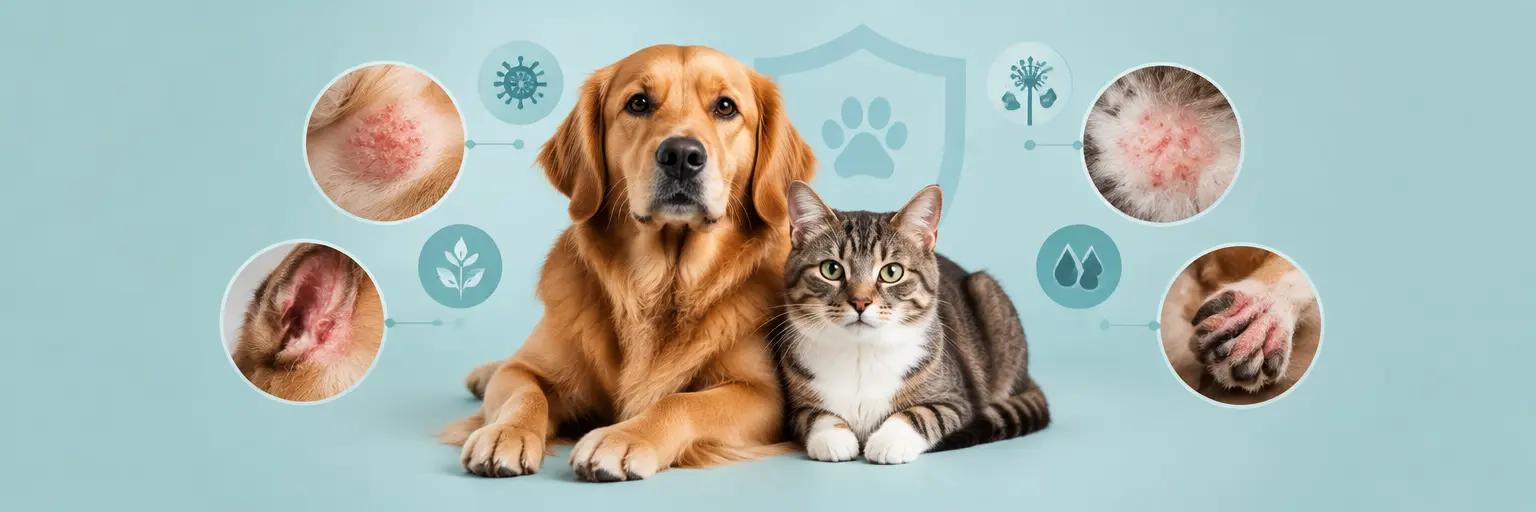
Skin conditions and allergies are among the most common reasons pets visit the vet, yet they can be tricky to identify and manage. From relentless scratching and hot spots to chronic ear infections and hair loss, these issues can stem from food sensitivities, environmental triggers like pollen or dust mites, or even flea bites. Understanding the early signs—such as redness, flaking, or obsessive licking—is crucial for preventing discomfort and more severe complications. At PetCareWorld, we simplify the complexities of feline and canine dermatology by covering everything from symptom checklists and at-home remedies to veterinary treatments like immunotherapy and prescription diets. Whether your pet suffers from seasonal allergies or a persistent rash, our expert-backed guides help you identify root causes, soothe irritation, and build a proactive prevention plan. Get ready to decode your pet’s itching, restore their healthy coat, and improve their overall quality of life with actionable, trustworthy insights.

🤔 Discover the most frequent culprits behind pet allergies in PetCareWorld's in-depth analysis. We explore common causes, helping you identify and manage…
Read article
🤔 Uncover the genetic basis of your pet's skin allergies and conditions. PetCareWorld explores how inherited traits significantly influence susceptibility to various…
Read article
😊 Uncover hidden health issues through your pet's skin! PetCareWorld's expert guide helps you understand common symptoms and provides a crucial Pet…
Read articleWelcome to PetCareWorld’s dedicated guide on common pet illnesses, focusing specifically on skin conditions and allergies. This subcategory serves as your first-stop resource for recognizing, understanding, and managing the most frequent dermatological issues affecting dogs, cats, and other companion animals. From itchy hotspots to food sensitivities, skin problems are among the top reasons for veterinary visits, yet many pet owners struggle to identify the root cause. Here, we break down the complex world of pet dermatology into clear, actionable insights, helping you spot early warning signs, differentiate between allergy types, and know when professional help is essential. Whether you’re a new pet parent or a seasoned owner, this overview equips you with foundational knowledge to keep your pet’s skin healthy, comfortable, and irritation-free.
One of the first challenges pet owners face is distinguishing between a minor rash and a serious infection. This section covers the most frequently diagnosed skin conditions, including acute moist dermatitis (hotspots), ringworm, bacterial pyoderma, and seborrhea. You’ll learn how these conditions present visually—such as red, oozing patches, scaly flakes, or circular hair loss—and which areas of the body are most commonly affected. We also explain the underlying triggers, like moisture buildup, parasites, or hormonal imbalances, so you can address the cause rather than just the symptom.
Our guidance emphasizes early detection and proper hygiene protocols that prevent minor irritations from escalating into chronic problems. For each condition, we outline basic first-aid steps, such as gentle cleaning with vet-approved antiseptics and preventing licking or scratching. Crucially, we highlight red flags—like foul odor, rapid spread, or open sores—that necessitate immediate veterinary intervention. By the end of this section, you’ll be able to describe your pet’s symptoms accurately to a professional, speeding up diagnosis and treatment.
Allergies in pets are broadly categorized into three main types, each with distinct triggers and patterns. Environmental allergies (atopy) stem from pollen, dust mites, and mold, often causing seasonal itching around the paws, ears, and belly. Food allergies typically manifest as chronic gastrointestinal issues alongside skin irritation, usually triggered by proteins like chicken or beef. Flea allergy dermatitis is a severe hypersensitivity to flea saliva, where even a single bite can cause intense itching for weeks. This section breaks down each type’s prevalence, typical age of onset, and diagnostic pathways, including elimination diets and intradermal skin testing.
Understanding these categories allows you to observe your pet’s symptoms more objectively—for instance, noting whether itching worsens after outdoor walks or after switching kibble brands. We provide practical at-home observation checklists that help you log flare-up timings, locations, and severity, which are invaluable for your veterinarian. Additionally, we discuss breed predispositions, such as Golden Retrievers being prone to atopy and French Bulldogs to food allergies, so you can tailor preventive care to your pet’s genetic risk profile.
When you visit the vet for a skin issue, the process often begins with a thorough physical exam followed by targeted tests. This section demystifies common diagnostic procedures, including skin scrapings to check for mites, cytology to identify bacterial or yeast overgrowth, and fungal cultures for ringworm. For allergy cases, your vet may recommend blood tests (serum IgE) or intradermal skin testing, which involves injecting tiny amounts of allergens under the skin to observe reactions. We also cover the role of elimination diet trials, which require strict adherence to a novel protein or hydrolyzed diet for 8-12 weeks.
We prepare you for the financial and time commitments involved, as some tests require sedation or multiple visits. You’ll also learn how to prepare for the appointment—such as bringing a list of all products used, recent dietary changes, and photos of lesions over time. Our goal is to reduce anxiety by explaining why these tests are necessary and what each result indicates, empowering you to ask informed questions about treatment options and prognoses. This proactive approach ensures you become a collaborative partner in your pet’s healthcare journey.
Effective management of skin conditions often requires a multi-modal approach combining medical therapy with lifestyle modifications. Medically, treatments range from topical shampoos containing chlorhexidine or oatmeal, to oral antihistamines, steroids, and newer immunomodulatory drugs like Apoquel or Cytopoint. For secondary infections, antibiotics or antifungals may be prescribed. This section explains each treatment’s mechanism, duration, and potential side effects, such as increased thirst from steroids or gastrointestinal upset from antibiotics. We also introduce advanced options like allergen-specific immunotherapy (allergy shots) for long-term desensitization.
Beyond medications, we emphasize the critical role of environmental management—such as using HEPA filters, washing bedding weekly in hot water, and implementing strict flea control year-round. For food-allergic pets, we guide you through label-reading to avoid hidden allergens and suggest safe alternatives like fish or venison-based diets. Additionally, we discuss nutritional supplements—omega-3 fatty acids, biotin, and probiotics—that support skin barrier function. Behavioral strategies, like reducing stress through enrichment activities, are also covered, as stress can exacerbate many dermatological conditions.
Many pet owners seek complementary or preventive approaches to reduce reliance on pharmaceuticals. This section evaluates popular natural remedies—such as coconut oil for topical moisture, chamomile tea compresses for soothing itch, and colloidal oatmeal baths for relief—based on evidence and veterinary consensus. We clarify which remedies are safe for cats versus dogs (e.g., tea tree oil is toxic to cats) and advise against certain DIY products that may irritate or worsen conditions. We also stress that natural does not mean harmless, and any remedy should be discussed with your vet first.
Preventive care is equally crucial for maintaining skin health. We outline a weekly grooming routine, including brushing to distribute natural oils and inspecting skin during ear cleaning and nail trims. Dietary prevention involves offering high-quality protein sources and avoiding artificial fillers. Seasonal tips—like wiping paws after walks in spring to remove pollen and using humidifiers in winter—help minimize allergen exposure. Regular parasite prevention is non-negotiable. By adopting these habits, you can significantly reduce the frequency and severity of flare-ups, enhancing your pet’s overall quality of life.
Flea allergy dermatitis (FAD) is the most common skin allergy in dogs, even in regions with low flea prevalence. A single flea bite can trigger intense itching for days. Strict, year-round flea prevention using veterinary-approved products is the best way to manage this condition. If your dog scratches persistently, especially near the tail base, consult your vet for a proper diagnosis.
Yes, cats can develop food allergies, although they are less common than environmental allergies. Typical signs include excessive grooming, crusty lesions on the head and neck, and miliary dermatitis. An elimination diet with a novel protein source, such as rabbit or duck, is the gold standard for diagnosis. Improvement usually occurs within 8-12 weeks.
Allergy itching often affects the face, paws, underarms, and belly, while flea bites cluster around the lower back and tail base. Parasites like sarcoptic mange cause intense itching that does not respond to antihistamines. A veterinary skin scrape can identify mites, whereas allergy testing via blood or skin tests confirms allergens. Keep a symptom diary to share with your vet.
Some human antihistamines like diphenhydramine (Benadryl) can be safe for dogs, but dosing is weight-dependent and must be confirmed by a vet. Cats are more sensitive to certain ingredients, and many products contain xylitol or decongestants that are toxic. Never guess doses—always consult your veterinarian for the correct medication and formulation for your specific pet.
Bathing frequency depends on the condition and the shampoo used. Medicated shampoos often require 2-3 times weekly during acute flare-ups, while maintenance may be weekly or biweekly. Over-bathing can strip natural oils, worsening dryness. Use lukewarm water, leave medicated shampoo on for the instructed contact time, and thoroughly rinse. Always follow your vet’s specific guidance for your pet’s diagnosis.