Dental Disease in Senior Pets: Special Considerations for Aging Dogs and Cats
😊 Aging pets face unique dental challenges. PetCareWorld's expert guide on senior pet dental disease care offers crucial advice and practical solutions…
Read article
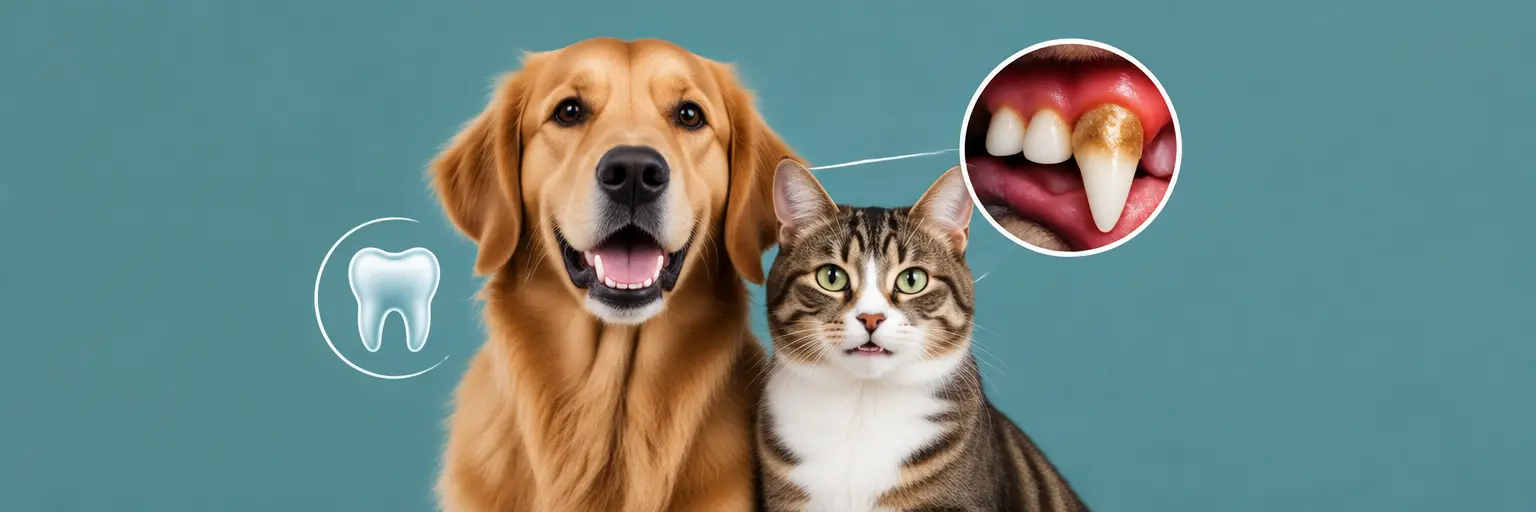
Discover the essentials of dental disease in pets—a common yet often overlooked health issue that affects dogs, cats, and other furry companions. From bad breath and yellow tartar to painful gum inflammation, this condition can silently progress, impacting not just the mouth but also vital organs like the heart and kidneys. Our general overview covers the causes, early warning signs, and why routine dental care is a non-negotiable part of responsible pet ownership. Whether you’re a new pet parent or a seasoned owner, learn how to protect your pet’s smile with practical tips, veterinary insights, and prevention strategies that prioritize their comfort and longevity. Stay informed with PetCareWorld’s trusted guidance to keep dental disease at bay and ensure your pet enjoys a healthier, happier life. Explore this essential topic today—because a healthy mouth means a healthier pet! 🐾🦷

😊 Aging pets face unique dental challenges. PetCareWorld's expert guide on senior pet dental disease care offers crucial advice and practical solutions…
Read article
😊 Discover safe, effective natural pet dental remedies to improve your pet's oral health. PetCareWorld offers expert advice on natural alternatives to…
Read article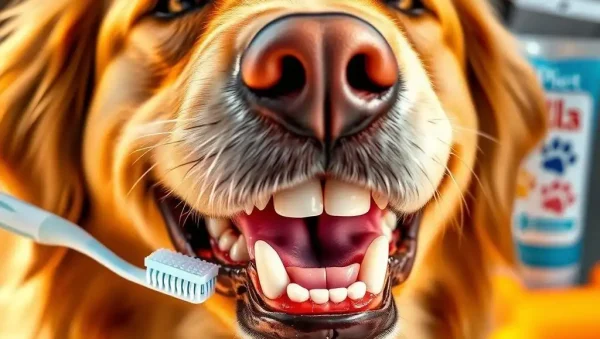
😊 PetCareWorld's "Protect Your Pet's Pearly Whites" dives deep into essential dental care. Learn crucial techniques and discover our comprehensive dog teeth…
Read articleWelcome to PetCareWorld’s comprehensive guide on dental disease in pets. This subcategory is your starting point for recognizing, preventing, and managing one of the most common yet overlooked health issues in dogs, cats, and other companion animals. Dental disease, or periodontal disease, affects over 80% of pets by age three, making it a critical pillar of pet health and nutrition. Here, we break down the basics—from plaque buildup to advanced infection—so you can protect your furry friend’s smile, systemic health, and quality of life. Expect clear explanations, actionable prevention tips, and links to deeper resources, all optimized for your pet’s longevity.
Dental disease in pets is a progressive inflammatory condition caused by the accumulation of plaque and tartar on teeth and gums. It begins as gingivitis—red, swollen gums—and can advance to periodontitis, where the structures supporting the tooth (ligaments and bone) deteriorate. Untreated, this leads to pain, tooth loss, and potentially harmful bacteria entering the bloodstream, damaging organs like the heart, liver, and kidneys. In this overview, we explain the stages of dental disease, from Grade 1 (mild gingivitis) to Grade 4 (severe bone loss), helping you understand why early intervention is vital.
You’ll learn how this condition differs between dogs and cats, with cats often suffering from painful resorptive lesions, while dogs commonly face fractured teeth and heavy tartar. Our general overview emphasizes that dental disease is not just a cosmetic issue—it’s a systemic threat. By grasping the fundamentals, you’ll be better equipped to spot warning signs early, schedule veterinary dental cleanings, and implement daily home care. This foundational knowledge is the first step toward a pain-free, healthier pet.
The primary cause of dental disease is poor oral hygiene, but several factors accelerate its onset. Diet plays a significant role: soft, wet foods leave more plaque than crunchy kibble, yet even dry food isn’t a cure. Genetics also matter—brachycephalic breeds (like Pugs, Bulldogs, and Persians) have crowded teeth, making cleaning harder. Age increases risk, as does immune system health, and certain systemic conditions like diabetes or kidney disease worsen oral issues. In this section, we outline the top risk factors, including chewing habits, saliva composition, and environmental stressors.
Understanding these triggers empowers you to tailor prevention. For instance, if you have a small breed dog like a Chihuahua, you’ll need more frequent veterinary dental checks due to their predisposed small jaw. We also discuss how treats and chew toys can help or hinder, and the impact of missing teeth on your pet’s eating behavior. By recognizing your pet’s specific risk profile, you can prioritize proactive care, reduce future veterinary costs, and significantly lower the chance of painful dental emergencies.
Pets are masters at hiding pain, but dental disease leaves clues. Early signs include halitosis (bad breath), yellow-brown tartar on teeth, red or bleeding gums, and excessive drooling. As the disease progresses, you may notice pawing at the mouth, difficulty eating, dropped food, weight loss, or a change in chewing side. Some pets become irritable or withdrawn. This overview helps you perform a quick at-home visual check—lifting lips to inspect gum lines and back teeth—and explains why professional examination is non-negotiable, as many lesions hide below the gumline.
We emphasize that subtle behavior changes, like a cat suddenly eating dry food less enthusiastically or a dog refusing hard treats, are red flags. You’ll also learn the difference between normal aging changes and disease-specific signs. Early detection is crucial because dental disease is reversible at the gingivitis stage but becomes irreversible once bone loss occurs. By arming yourself with this symptom checklist, you can seek vet care sooner, avoiding emergency extractions and ensuring your pet remains comfortable and happy.
Prevention is always better than treatment, and this subcategory delivers a practical toolkit. The gold standard is daily tooth brushing with pet-safe enzymatic toothpaste, but we know that’s not always easy. We cover alternatives like dental wipes, oral gels, water additives, and specially designed chew toys that mechanically reduce plaque. Nutrition is equally key: high-quality kibble with a texture that scrubs teeth, or prescription dental diets, can significantly slow tartar buildup. We also discuss the ideal frequency for professional veterinary cleanings—typically every 6-12 months, depending on your pet’s breed and health.
Beyond products, we explain how to train your pet to accept brushing, using positive reinforcement and gradual desensitization. You’ll learn why raw bones are risky despite popular belief, and the benefits of dental-specific treats certified by the Veterinary Oral Health Council (VOHC). This section turns complex dental science into simple, daily routines. By integrating these habits, you can dramatically reduce the need for invasive procedures, extend your pet’s lifespan, and save money—while also incorporating dental health into your overall pet nutrition and wellness plan.
When dental disease progresses beyond home care, professional treatment is essential. This overview explains that a veterinary dental cleaning (under anesthesia) involves scaling, polishing, and a full oral examination with X-rays to assess bone health. For more severe cases, treatments range from tooth extractions to periodontal surgery, root canals, or laser therapy. We clarify the risks and benefits of anesthesia, especially for senior pets, and how pre-anesthetic bloodwork ensures safety. You’ll learn what to expect post-treatment, including pain management, soft food diets, and follow-up checks.
We also address common misconceptions—like that anesthesia is too risky or that pets “do fine” without treatment—and provide evidence-based reassurance. This section helps you prepare for vet visits, ask the right questions (e.g., “How many retained roots are there?”), and understand cost breakdowns. Early intervention typically means less invasive treatment, so our guidance centers on timely action. By the end, you’ll feel confident navigating dental referrals, specialist consultations, and post-operative care, ensuring your pet recovers quickly and avoids recurrence.
Yes, it’s a top cause of systemic illness. Bacteria from infected gums enter the bloodstream, damaging the heart, liver, and kidneys. It also causes chronic pain, leading to poor appetite and behavioral changes. Untreated, it can shorten your pet’s lifespan. Regular prevention and early treatment are essential to protect both oral and overall health.
Absolutely, but it requires patience. Use a pet-safe toothbrush and enzymatic toothpaste (never human toothpaste, which is toxic). Start slow, letting your pet taste the paste, then lift lips and brush in circular motions. Aim for daily sessions, but even 3-4 times a week makes a difference. For cats, try finger brushes or dental wipes if brushing is too stressful.
Most vets recommend annual cleanings, but this varies by age, breed, and oral health. Small breed dogs and cats often need every 6 months. Your vet will assess tartar, gum pockets, and X-rays to determine the ideal frequency. Follow their advice—skipping cleanings can allow silent disease to progress rapidly.
Bad breath, red or bleeding gums, drooling, and visible tartar are early signs. Later, watch for chewing on one side, dropping food, pawing at the mouth, or a reduced interest in hard treats. Some pets simply become quieter or irritable. A sudden change in eating habits, even subtle, warrants a veterinary dental exam.
Many are, but only those with the VOHC seal—these have proven plaque and tartar control. Look for appropriately sized, firm chews that don’t splinter. They’re a supplement, not a substitute, for brushing or professional cleaning. Avoid hard bones or antlers, which can fracture teeth. Always supervise your pet with any chew item.