
Dental Disease in Senior Pets: Special Considerations for Aging Dogs and Cats


Welcome to PetCareWorld, your ultimate guide to a happier, healthier life for your beloved companion! Are you concerned about the unique dental challenges facing your aging furry friend? Then you've come to the right place. Discover crucial insights into Senior Pet Dental Disease Care and learn how to proactively address the specific needs of senior dogs and cats in our comprehensive guide on dental health. Prepare to unlock the secrets to maintaining your pet's radiant smile and overall well-being – read on to learn more!
- Understanding Senior Pet Dental Disease: A Comprehensive Guide
- Diagnosing Dental Issues in Senior Pets: What to Watch For
- Treating Dental Disease in Senior Pets: Gentle Approaches and Advanced Care
- Home Care for Senior Pets with Dental Disease: Maintaining Oral Hygiene
- Preventing Dental Disease in Senior Pets: Proactive Measures
- Quality of Life Considerations for Senior Pets with Dental Issues
- Senior Pet Dental Disease Care: Resources and Further Information
-
Frequently Asked Questions
- What are the common signs of dental disease in senior pets?
- How does dental disease affect senior pets differently than younger pets?
- What preventative measures can I take to protect my senior pet's dental health?
- What are the treatment options for dental disease in senior pets?
- Are there any special considerations for anesthesia in senior pets with dental disease?
- Final Reflection: A Lifetime of Smiles: Caring for Senior Pet Teeth
- Unleash Your Pet's Healthiest Smile!
Understanding Senior Pet Dental Disease: A Comprehensive Guide
Dental disease is a significant concern for pets of all ages, but senior animals face unique challenges that exacerbate the problem and necessitate specialized care. This comprehensive guide explores the specific dental health issues affecting senior dogs and cats, focusing on the increased risks, common problems, and crucial preventative measures and treatment options.
We’ll delve into the complexities of periodontal disease, tooth loss, and the elevated risk of oral tumors in aging pets, providing pet owners with the knowledge needed to ensure their beloved companions enjoy optimal oral health throughout their golden years. Understanding these nuances is critical for proactive care and maintaining the overall well-being of your senior pet.
Ignoring senior pet dental disease can lead to significant pain, discomfort, and potentially life-threatening complications, highlighting the importance of regular veterinary checkups and proactive dental care. This guide will equip you with the information to advocate for your aging pet and make informed decisions about their dental health.
The Unique Challenges of Dental Health in Aging Pets
Senior pets, just like senior humans, experience age-related changes that impact their overall health, including their oral health. The aging process often leads to a decline in immune function, making senior pets more susceptible to infections like periodontal disease. Furthermore, decreased saliva production can lead to a drier mouth, creating an environment conducive to bacterial growth.
Reduced mobility and potential cognitive decline can also make dental hygiene practices more challenging for owners. The accumulation of tartar and plaque progresses more rapidly in older animals due to these physiological changes, making regular professional dental cleanings increasingly crucial. Additionally, the absorption of nutrients can become less efficient with age, potentially impacting the health of teeth and gums.
Understanding these age-related vulnerabilities is the first step towards providing effective dental care for your senior pet. Early detection and intervention are key to mitigating the severity of dental problems and improving their quality of life.
Common Dental Problems in Senior Dogs and Cats
Several dental issues commonly affect senior dogs and cats. Recognizing the signs and symptoms is crucial for early intervention and effective management. These problems often intertwine and can exacerbate each other, highlighting the need for a holistic approach to dental care. Ignoring early signs can lead to more severe and complex issues, necessitating more extensive and potentially costly treatments. Early detection through regular veterinary examinations is paramount.
Periodontal Disease in Older Pets
Periodontal disease, encompassing gingivitis and periodontitis, is prevalent in senior pets. Gingivitis, the initial stage, involves inflammation of the gums, often characterized by redness, swelling, and bleeding. If left untreated, it progresses to periodontitis, a more severe infection affecting the supporting structures of the teeth, including the ligaments and bone.
This can result in tooth loss, pain, and even systemic infections. The prevalence of periodontal disease in senior dogs and cats is significantly higher than in younger animals, emphasizing the importance of proactive preventative measures. [Specific prevalence data pending] Early detection through regular veterinary checkups and home dental care is crucial in mitigating the severity of periodontal disease.
Tooth Loss and its Implications in Geriatric Animals
Tooth loss is a common consequence of untreated periodontal disease in senior pets. Missing teeth can affect a pet's ability to eat properly, potentially leading to malnutrition and weight loss. The loss of teeth can also impact their ability to groom themselves effectively, and contribute to discomfort and reduced quality of life. In addition to nutritional deficiencies, improper chewing can lead to gastrointestinal issues. [Specific data on the percentage of senior pets experiencing tooth loss pending]. Addressing tooth loss may involve dental extractions, followed by dietary adjustments and potential supportive care to ensure adequate nutrition and comfort.
Oral Tumors and Cancer Risk in Senior Pets
Senior pets are at a significantly increased risk of developing oral tumors. These tumors can be benign or malignant, with malignant tumors posing a serious threat to the pet's overall health. Early detection is crucial for successful treatment. Regular veterinary examinations, including thorough oral assessments, are vital for identifying any abnormalities early on.
The types of oral tumors vary, and the prognosis depends heavily on the type, size, and location of the tumor. [Specific statistics on oral cancer prevalence in senior pets pending]. Prompt veterinary attention is essential for diagnosis and appropriate treatment, which may range from surgical removal to chemotherapy or radiation therapy. The earlier the detection, the better the chance of a positive outcome.
Diagnosing Dental Issues in Senior Pets: What to Watch For
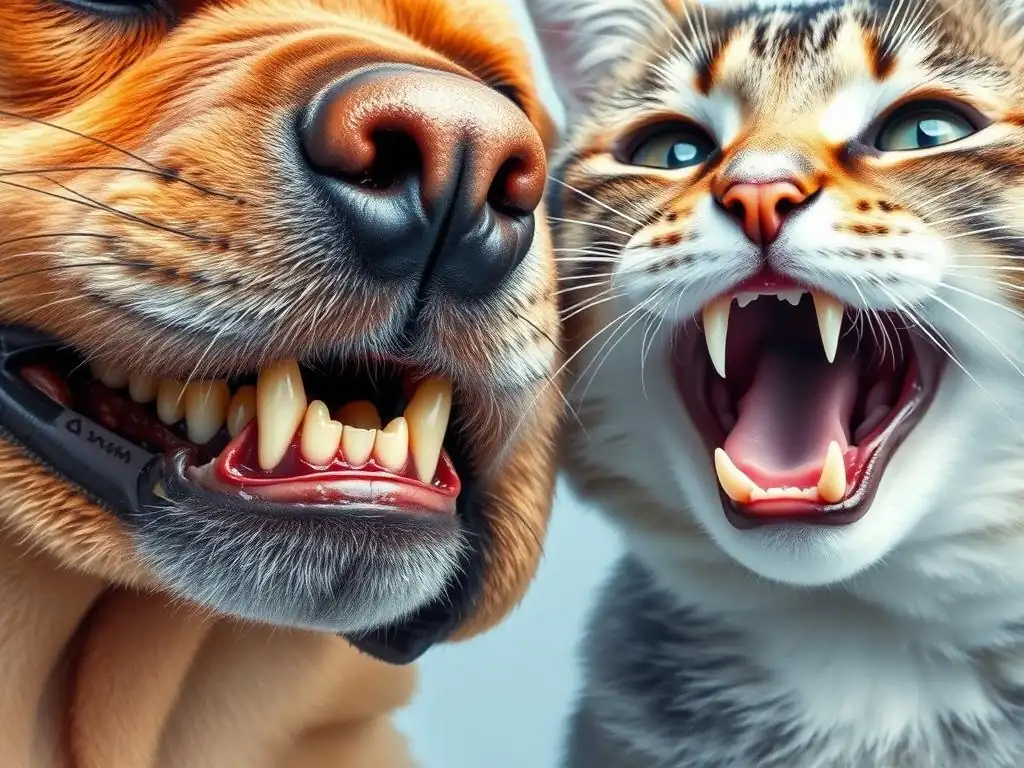
Diagnosing dental disease in senior pets requires a keen eye and understanding of the subtle changes that aging brings. While some symptoms are similar across all age groups, senior pets often present with unique challenges in identifying oral health problems. Effective "senior pet dental disease care" relies heavily on early detection.
Early Warning Signs of Dental Disease in Older Dogs and Cats
Early detection is crucial for successful treatment of dental disease in senior pets. Often, the initial signs are subtle and easily overlooked. Look for these early warning signs in your aging canine or feline companion:
- Bad Breath (Halitosis): While bad breath can stem from various sources, persistent unpleasant odor from the mouth is a significant indicator of dental problems. In senior pets, this could be exacerbated by decreased saliva production or underlying systemic issues.
- Changes in Eating Habits: Difficulty chewing or a decreased appetite can signal painful teeth or gum disease. Observe if your pet avoids hard kibble or prefers softer foods. Note any changes in their eating behavior, even subtle ones.
- Excessive Drooling: Increased salivation can be a sign of oral discomfort or pain. Pay attention to the amount and consistency of your pet's saliva.
- Oral Bleeding: Notice any blood in your pet's water bowl or on their toys. This could indicate gum inflammation (gingivitis) or more severe periodontal disease.
- Loose or Missing Teeth: This is a clear sign of advanced dental disease. Regularly check your pet's teeth and gums for any looseness or missing teeth.
- Facial Swelling: Swelling around the jaw or face could indicate an abscess or infection related to dental disease. This is a serious symptom requiring immediate veterinary attention.
- Weight Loss: Unexplained weight loss, often coupled with other oral symptoms, can indicate a serious underlying health problem, possibly linked to painful dental issues impacting their ability to eat properly.
It's crucial to remember that senior pets may exhibit less overt signs of pain than younger animals. Their pain tolerance might be higher, leading to a delayed presentation of symptoms. Proactive monitoring is key to early intervention and minimizing the impact of dental disease.
The Importance of Regular Veterinary Checkups for Senior Pets' Dental Health
Regular veterinary checkups are paramount for maintaining the oral health of senior pets. These visits go beyond simply observing the teeth; they involve a thorough assessment of the entire oral cavity. A veterinarian can identify subtle signs of periodontal disease, such as gingivitis and periodontitis, which might be missed during at-home observation. The frequency of these checkups should increase with age, potentially moving from once a year to twice a year or even more often, depending on the pet's individual needs and risk factors.
Veterinary examinations for senior pet dental disease care include:
- Visual Inspection: A thorough visual examination of the teeth, gums, and surrounding tissues.
- Dental Probing: Using specialized instruments to assess the depth of periodontal pockets.
- Radiographic Examination (X-rays): X-rays can reveal bone loss, root fractures, and other problems not visible during a visual examination. This is particularly important for senior pets, where underlying bone damage might be more extensive.
- Assessment of Oral Hygiene: The veterinarian will assess the overall cleanliness of the mouth and provide recommendations for maintaining oral hygiene.
The veterinarian can also perform professional teeth cleaning under anesthesia, removing plaque and tartar buildup that is often difficult to manage at home, particularly in senior pets with limited mobility or sensitivity.
Advanced Diagnostic Tools for Senior Pet Dental Disease
While routine examinations are vital, advanced diagnostic tools can provide a more comprehensive understanding of the extent of dental disease in senior pets. These tools aid in early detection and help guide treatment strategies.
| Diagnostic Tool | Purpose | Benefits for Senior Pets |
|---|---|---|
| Digital Radiography | Provides high-quality images of the teeth and surrounding bone structures. | Allows for early detection of bone loss and other subtle changes. |
| Dental Probes | Measures the depth of periodontal pockets, indicating the severity of disease. | Provides objective data to guide treatment decisions. |
| Oral Cytology | Microscopic examination of cells from the mouth to identify infections. | Helps in diagnosing oral infections and guiding antibiotic selection. |
| Bloodwork | Assesses overall health and identifies systemic conditions that may affect oral health. | Helps determine if the pet is a suitable candidate for anesthesia. |
These advanced diagnostic techniques, combined with a thorough clinical examination and a detailed history from the pet owner, allow for accurate diagnosis and personalized treatment plans tailored to the specific needs of the senior pet. This approach ensures the most effective "senior pet dental disease care" strategy is implemented. Remember, early detection and proactive care significantly improve the prognosis and quality of life for senior pets suffering from dental disease.
Treating Dental Disease in Senior Pets: Gentle Approaches and Advanced Care
Senior pet dental disease care requires a nuanced approach, differing significantly from treatments for younger animals. The aging process brings physiological changes that impact treatment options and recovery. Careful consideration of the pet's overall health is paramount to ensure the procedure's success and minimize risks. The goal is to provide effective treatment while prioritizing the comfort and well-being of the aging animal. This section explores both non-surgical and surgical options, highlighting the specific considerations for senior pets.
Non-Surgical Treatments for Senior Pet Dental Problems
Many senior pets with mild to moderate dental disease can benefit from non-surgical interventions. These methods aim to alleviate symptoms, improve oral hygiene, and slow disease progression. They are often less invasive and stressful than surgery, making them a preferable option for many older animals.
Several non-surgical approaches exist, including:
- Professional Dental Cleaning: A thorough cleaning by a veterinarian removes plaque and tartar buildup, reducing inflammation and bacterial load. This is often the first line of defense, even in senior pets. However, the procedure may require adjustments for older animals with underlying health conditions, such as heart disease or kidney disease. Pre-anesthetic bloodwork is crucial to assess their suitability for anesthesia.
- At-Home Oral Care: Daily brushing with pet-specific toothpaste is essential. Many senior pets require patience and gentle techniques. Dental chews and water additives can help complement brushing, but should not replace it. The effectiveness of these methods varies depending on the severity of the existing dental disease.
- Antibiotics: In cases of infection or gingivitis, antibiotics may be prescribed to control bacterial growth and reduce inflammation. The choice of antibiotic and dosage must consider the senior pet's kidney and liver function to prevent adverse reactions. Monitoring of kidney function during and after antibiotic administration is crucial.
- Pain Management: Even non-surgical treatments can cause some discomfort. Veterinarians often prescribe pain relievers tailored to the age and health status of the senior pet. This ensures the animal's comfort during and after the procedure, improving their overall experience and promoting faster healing.
Surgical Interventions for Severe Dental Disease in Older Animals
For senior pets with severe dental disease, surgical intervention may be necessary. This often involves tooth extractions to remove severely damaged or infected teeth. While surgery carries inherent risks, particularly in older animals, it can significantly improve the pet's quality of life by alleviating pain and preventing further complications.
The surgical approach for senior pets requires careful planning and execution:
- Pre-operative Evaluation: A thorough physical examination, including blood work, is crucial to assess the animal's overall health and identify any potential risks associated with anesthesia. This step is even more critical for senior pets due to their increased vulnerability to complications. The veterinarian may adjust the surgical plan based on the results, prioritizing the pet's safety and well-being.
- Anesthesia Protocols: Anesthesia protocols for senior pets must be tailored to minimize risks. This often involves using lower doses of anesthesia and closely monitoring vital signs throughout the procedure. The choice of anesthetic agents is crucial, selecting those with a better safety profile for older animals.
- Post-operative Care: Post-operative care is crucial for successful recovery. This includes pain management, monitoring for infection, and providing soft food to facilitate healing. The veterinarian may recommend antibiotics and other medications to support the healing process and prevent complications. Regular follow-up appointments are essential to monitor progress and address any concerns.
Pain Management and Anesthesia Considerations for Senior Pet Dental Procedures
Pain management and anesthesia are critical aspects of senior pet dental care. Older animals are more sensitive to pain and may have underlying health conditions that influence their response to anesthesia. Therefore, a careful and individualized approach is essential to ensure both the effectiveness of the treatment and the safety of the animal.
Specific considerations include:
| Factor | Considerations for Senior Pets |
|---|---|
| Pre-anesthetic Evaluation | Comprehensive blood work is essential to assess organ function (kidney, liver) and identify potential risks. |
| Anesthetic Choice | Selecting agents with a safer profile for older animals is crucial. Lower doses are often used to minimize potential complications. |
| Anesthesia Monitoring | Close monitoring of vital signs (heart rate, blood pressure, oxygen saturation) throughout the procedure is paramount. |
| Post-operative Analgesia | Pain management is crucial to ensure comfort and promote faster healing. A multimodal approach (multiple pain medications) may be used. |
| Hydration | Maintaining adequate hydration is essential, especially in older animals, to support organ function and prevent complications. |
Careful consideration of these factors ensures that senior pets receive the best possible dental care while minimizing the risks associated with treatment. The holistic approach, prioritizing the animal's comfort and overall well-being, is key to successful senior pet dental disease care. 🦷
Home Care for Senior Pets with Dental Disease: Maintaining Oral Hygiene
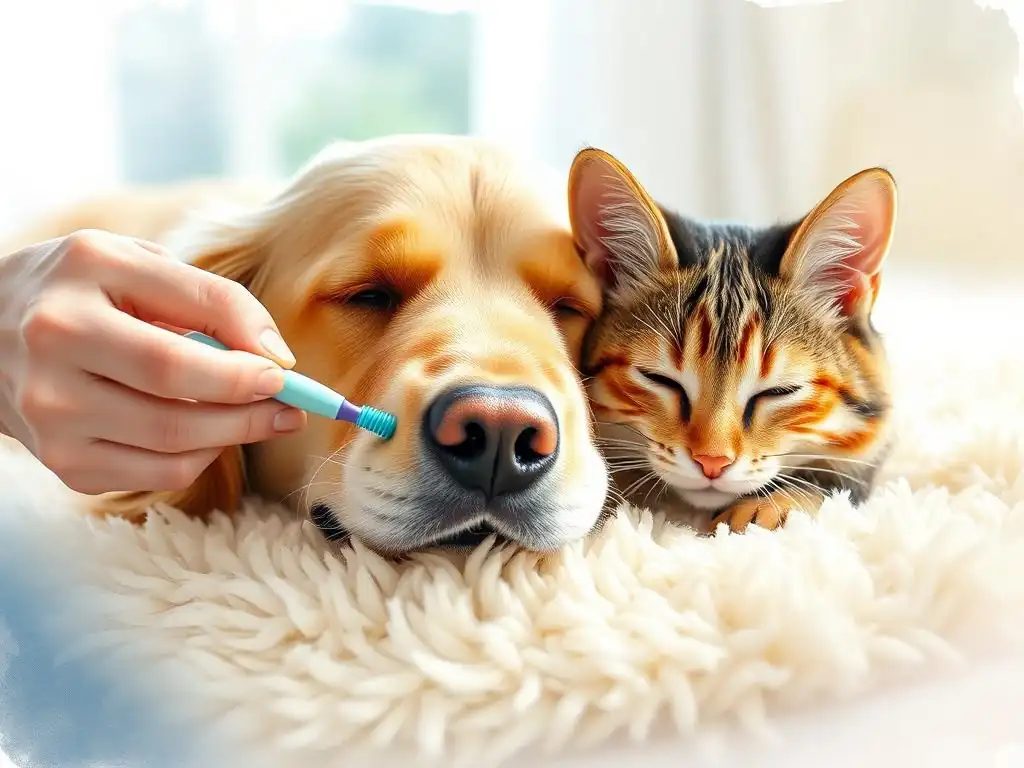
Maintaining good oral hygiene is crucial for senior pets, especially those suffering from dental disease. Regular home care can significantly slow disease progression and improve their overall comfort. This is particularly important because senior pets often have decreased mobility and may be less tolerant of extensive dental procedures. The goal is to prevent further complications and enhance their quality of life. Remember, consistent effort is key to effective senior pet dental disease care.
Brushing Your Senior Pet's Teeth: Techniques and Product Recommendations
Brushing your senior pet's teeth might seem daunting, but with patience and the right techniques, it becomes manageable. Start slowly, introducing the toothbrush gradually. Many senior pets will need a gentler approach than younger animals. Use a finger brush or a small, soft-bristled toothbrush designed specifically for pets. Avoid human toothpastes, as they contain ingredients that can be toxic to animals. Opt for pet-specific toothpaste formulated with palatable flavors like poultry or fish to encourage acceptance.
Here's a step-by-step guide:
- Get your pet used to the toothbrush: Let your pet sniff and lick the toothbrush before attempting to brush. Positive reinforcement with treats is highly recommended.
- Start with gentle lifting of the lips: Gently lift your pet's lips to expose the teeth. Avoid forceful movements that could frighten or injure your pet.
- Apply a small amount of pet toothpaste: Apply a pea-sized amount of pet toothpaste to the brush.
- Brush gently in small circular motions: Focus on the gum line, where plaque and tartar accumulate. Don't worry about achieving a perfect clean initially; consistency is more important.
- Reward your pet: After each brushing session, reward your pet with a treat or praise to create a positive association.
Remember, consistency is key! Aim for daily brushing, but even brushing a few times a week is beneficial. Consider using enzymatic toothpaste, which helps break down plaque and tartar more effectively.
Dental Chews and Treats for Senior Dogs and Cats: Choosing the Right Options
Dental chews and treats can supplement brushing and help maintain oral hygiene in senior pets. However, selecting the appropriate options is crucial, especially considering potential age-related dental issues like weakened teeth or sensitive gums. Avoid hard chews that could damage fragile teeth. Instead, choose soft, pliable chews designed for senior pets. Look for chews specifically labeled as "dental chews" or "oral hygiene chews." These often contain ingredients that help scrape away plaque and tartar.
Here's a table summarizing chew recommendations:
| Chew Type | Pros | Cons | Senior Pet Suitability |
|---|---|---|---|
| Soft Dental Chews | Gentle on teeth, palatable | May not be as effective at removing tartar as harder chews | 👍 Excellent |
| Veterinary Dental Treats | Formulated for oral health, often contain enzymes | Can be more expensive | 👍 Good |
| Hard Chews (Avoid) | Effective tartar removal (for younger pets) | Risk of cracked or broken teeth in seniors | 👎 Poor |
Always supervise your senior pet while they are chewing to ensure they don't choke or break a tooth. Consult your veterinarian for personalized recommendations based on your pet's specific dental health and condition.
Dietary Adjustments for Improved Senior Pet Dental Health
Diet plays a significant role in maintaining senior pet dental health. Certain foods can contribute to plaque and tartar buildup, while others can help support oral hygiene. Consider switching to a veterinary-formulated dental diet. These diets often contain ingredients that help reduce plaque and tartar formation. They may also have a texture that helps scrape away plaque as your pet chews.
Some key dietary considerations for senior pets with dental disease include:
- Avoid sticky or sugary treats: These contribute significantly to plaque buildup.
- Increase water intake: Adequate hydration helps rinse away food particles and reduce bacterial growth.
- Consider wet food: Wet food is often easier to chew for senior pets with dental issues.
- Consult your veterinarian: Discuss your pet's diet with your veterinarian to determine the most appropriate food choices.
Remember, a holistic approach that combines regular brushing, appropriate chews, and a suitable diet is the most effective way to manage dental disease and improve the overall well-being of your senior pet. This comprehensive senior pet dental disease care will contribute to a happier, healthier life for your beloved companion. Early intervention and consistent care are vital for slowing disease progression and enhancing their quality of life.
Preventing Dental Disease in Senior Pets: Proactive Measures

Dental disease is a significant concern for senior pets, impacting their quality of life and overall health. Proactive measures are crucial in mitigating the risk and severity of senior pet dental disease. Early intervention and consistent care can significantly improve outcomes and extend the lifespan of your beloved companion. This section outlines key strategies for preventing dental disease in your aging dog or cat, emphasizing the importance of regular check-ups, appropriate nutrition, and diligent home care. Addressing senior pet dental disease care proactively is an investment in their well-being.
Regular Veterinary Dental Cleanings for Senior Pets
Regular professional dental cleanings are paramount in preventing and managing dental disease in senior pets. Unlike humans, our furry friends can't tell us when their teeth hurt, making routine vet visits essential. These cleanings go beyond simple brushing; they involve a thorough scaling and polishing of the teeth, removing plaque and tartar buildup that brushing alone can't address.
Veterinarians also examine the gums and mouth for any signs of periodontal disease, gingivitis, or other oral health issues. For senior pets, the frequency of these cleanings might need to increase. While annual cleanings are often recommended for younger animals, senior pets may benefit from cleanings every six months or even more frequently, depending on their individual needs and risk factors.
Your veterinarian can assess your pet's specific condition and recommend a suitable cleaning schedule. Remember, early detection and treatment of dental problems are key in preventing more serious complications. Don't underestimate the importance of these professional cleanings in your senior pet's dental disease care.
Nutrition and Diet to Support Senior Pet Dental Health
Diet plays a significant role in maintaining good oral health in senior pets. Choosing the right food can contribute to reducing plaque and tartar buildup. Senior pets often require specialized diets to address their changing nutritional needs. Look for senior-specific pet foods that are formulated to support dental health.
These diets often contain ingredients that help to promote cleaner teeth and healthier gums. Some kibble formulations are designed to be harder, encouraging chewing and helping to naturally scrape away plaque. Avoid sugary treats and human food, as these can contribute significantly to dental problems.
Providing fresh water is also crucial; proper hydration helps to rinse away food particles and reduce bacterial growth in the mouth. Consulting your veterinarian about the best dietary options for your senior pet's individual needs is essential, especially considering age-related changes in their digestive system and metabolism. The right nutrition is a cornerstone of effective senior pet dental disease care.
Home Oral Care Routine for Preventing Dental Problems in Aging Pets
While professional cleanings are essential, a consistent home oral care routine is equally important. Brushing your senior pet's teeth daily is ideal, although even a few times a week can make a difference. Use a pet-specific toothpaste designed for their age and sensitivity; human toothpaste is toxic to pets. Many pet stores offer finger brushes or small toothbrushes specifically designed for pet use.
Start slowly, gradually introducing your pet to the brushing process to avoid causing stress or anxiety. Be patient and gentle; positive reinforcement through treats and praise can greatly assist in making tooth brushing a positive experience. Dental chews and toys can also help to remove plaque and stimulate saliva production, which aids in neutralizing acids that contribute to dental disease.
However, these should be used as supplements to, not replacements for, regular brushing. A combination of professional cleanings, a suitable diet, and a dedicated home oral care routine are crucial for comprehensive senior pet dental disease care. Remember, consistency is key in achieving optimal results and ensuring your senior pet enjoys a long and healthy life.
Quality of Life Considerations for Senior Pets with Dental Issues
Senior pet dental disease care necessitates a holistic approach, prioritizing the pet's quality of life above all else. Simply addressing the immediate dental problems isn't sufficient; we must consider the overall impact on the animal's comfort and well-being. This involves a careful assessment of the pet's age, overall health status, and the severity of the dental disease. For example, a geriatric dog with severe periodontal disease might experience significant pain and discomfort affecting their appetite, mobility, and social interactions. Conversely, a senior cat with mild gingivitis might only require minimal intervention to maintain a good quality of life.
The Impact of Dental Pain on Senior Pet Behavior and Well-being
Dental pain in senior pets often manifests in subtle behavioral changes that are easily overlooked. These changes can include decreased appetite, leading to weight loss and malnutrition. This is especially crucial in senior pets, whose bodies are already less efficient at processing nutrients. You might observe a reluctance to eat hard kibble, preferring softer foods or even refusing to eat altogether.
This can lead to a vicious cycle, as malnutrition further weakens their immune system, making them more susceptible to infections. Furthermore, pain can manifest as increased irritability or aggression, especially when touched near the mouth. Changes in grooming habits, such as neglecting to clean their face, might also indicate underlying dental problems. A significant decrease in activity levels and social interaction is also a common sign.
These subtle changes highlight the need for vigilant observation and prompt veterinary attention. Understanding these behavioral indicators is crucial for early intervention and effective senior pet dental disease care. Ignoring these signs can lead to a significant decline in the pet's overall quality of life.
Managing Pain and Discomfort Associated with Senior Pet Dental Disease
Managing pain and discomfort in senior pets with dental disease often involves a multi-faceted approach. Pain management strategies range from simple at-home care to more complex veterinary interventions. For mild cases, a veterinary dentist may recommend a specialized diet of soft food to reduce chewing stress. Dental cleaning and polishing under anesthesia remains a cornerstone of senior pet dental disease care, even in geriatric patients.
However, the procedure should be tailored to the individual pet's overall health, with appropriate pre-anesthetic bloodwork and careful monitoring during and after the procedure. In cases of severe pain or infection, pain medication, such as non-steroidal anti-inflammatory drugs (NSAIDs) or opioids, may be prescribed. The choice of medication and dosage will be determined by the veterinarian based on the pet's age, health status, and the severity of the dental disease.
Regular veterinary check-ups are essential for monitoring the effectiveness of pain management and adjusting treatment as needed. Home care, such as gentle brushing with pet-specific toothpaste, can also help to maintain oral hygiene and prevent further complications. A proactive approach to senior pet dental disease care significantly improves the pet's quality of life.
End-of-Life Considerations for Pets with Untreatable Dental Problems
In some cases, despite the best efforts, senior pets may develop severe and untreatable dental problems. This necessitates difficult end-of-life decisions. When dental disease contributes significantly to a pet's pain and suffering, and other treatments are ineffective or impractical, euthanasia might be the most humane option. This decision should never be taken lightly and should be made in consultation with a veterinarian.
They can provide guidance and support, helping pet owners navigate this emotionally challenging time. The veterinarian will assess the pet's overall health, the severity of the dental pain, and the pet's response to treatment before recommending euthanasia. This process should focus on ensuring the pet's comfort and dignity during their final moments.
Palliative care, which focuses on managing pain and providing comfort, should be prioritized. Open communication with the veterinarian is crucial throughout this process, allowing for informed decision-making and ensuring the pet's well-being remains paramount. Remember, compassionate end-of-life care is an essential component of responsible senior pet dental disease care.
Senior Pet Dental Disease Care: Resources and Further Information

This section focuses on providing pet owners with actionable steps and resources to effectively manage dental disease in their senior pets. Successfully navigating senior pet dental care requires a proactive approach, combining preventative measures with swift action when problems arise. Understanding the unique challenges presented by aging mouths is crucial for maintaining your pet's overall health and well-being.
We'll explore how to find specialized veterinary care and support your pet throughout the treatment process. Remember, early detection and intervention are key to minimizing discomfort and extending your senior pet's quality of life. This information should be considered alongside advice from your veterinarian, and is not a substitute for professional veterinary care.
Finding a Veterinary Dentist Specialized in Senior Pet Care
Locating a veterinary dentist experienced in treating senior pets is paramount. Senior animals often present unique challenges, such as underlying health conditions that complicate dental procedures. A specialist possesses the expertise to handle these complexities safely and effectively. Here's how to find the right professional for your senior companion:
- Ask your primary veterinarian for a referral: Your regular vet is an excellent starting point. They can recommend specialists in your area who are familiar with your pet's medical history and can provide a seamless transition of care.
- Search online directories: Numerous online directories list veterinary dentists, often allowing you to filter by specialty and location. Look for dentists who specifically mention experience with geriatric patients or senior pet dental disease care.
- Check professional organizations: Veterinary dental organizations often maintain member directories, providing a reliable source of qualified professionals. These organizations typically have high standards for membership, ensuring you're connecting with experienced and reputable practitioners.
- Consider the facility's capabilities: Inquire about the facility's equipment and technologies. Advanced dental imaging (like digital radiography) and specialized instruments are crucial for diagnosing and treating complex dental issues in senior animals. A well-equipped facility minimizes risks and improves treatment outcomes.
The importance of selecting a veterinarian with experience in geriatric dental care cannot be overstated. Senior pets often have pre-existing conditions that require careful consideration during dental procedures. For example, a senior pet with heart disease might require different anesthetic protocols than a younger, healthier animal.
A specialist will possess the knowledge to tailor the treatment plan to your pet's specific needs, minimizing risks and maximizing comfort. This proactive approach is crucial for ensuring a positive outcome and extending the life of your beloved senior companion. Don't hesitate to ask potential dentists about their experience with senior pets and their specific protocols for geriatric dental care.
Supporting Your Senior Pet Through Dental Treatment and Recovery
Post-dental treatment care is crucial for a successful outcome. Senior pets, with their potentially slower healing rates and increased vulnerability, require extra attention and support. This involves diligent home care and close monitoring for any complications.
Here's a breakdown of essential post-operative care:
| Care Aspect | Specific Actions | Importance |
|---|---|---|
| Pain Management | Administer prescribed pain medication as directed by the veterinarian. | Alleviates discomfort, promotes healing, and improves your pet's overall comfort. |
| Oral Hygiene | Follow the veterinarian's instructions for cleaning and maintaining oral hygiene. | Prevents infection, promotes healing, and maintains oral health in the long term. |
| Nutritional Support | Provide a soft, easily digestible diet as recommended. | Aids in healing, reduces strain on the jaw, and ensures adequate nutrition during recovery. |
| Monitoring for Complications | Watch for signs of infection (swelling, discharge, lethargy) and report immediately. | Early detection of complications is crucial for prompt intervention and preventing serious issues. |
| Rest and Quiet | Ensure a quiet and comfortable environment for your pet to rest and recover. | Minimizes stress, promotes healing, and allows your pet to focus on recovery. |
Further Considerations for Senior Pet Dental Care
Remember that senior pets may have underlying health conditions that can impact dental treatment. Always inform your veterinarian about any existing health issues, such as kidney disease, diabetes, or heart problems. This allows them to tailor the treatment plan to minimize risks and maximize your pet's comfort and safety. Open communication with your veterinarian is key to providing the best possible care for your aging companion. Regular veterinary checkups, including dental exams, are vital for early detection and prevention of dental disease in senior pets. Proactive care can significantly improve your pet's quality of life and longevity.
Providing excellent post-operative care significantly impacts your senior pet's recovery. Patience and meticulous attention to detail are crucial. By carefully following your veterinarian's instructions and closely monitoring your pet, you can help ensure a smooth and successful recovery, allowing your senior pet to enjoy a comfortable and healthy life. 🐾
Frequently Asked Questions
What are the common signs of dental disease in senior pets?
Senior pets with dental disease may exhibit bad breath, loss of appetite, difficulty chewing, and red or swollen gums. These symptoms often worsen with age.
How does dental disease affect senior pets differently than younger pets?
Senior pets often have more severe periodontal disease due to age-related changes in their immune systems and oral tissues. They're also more susceptible to complications during dental procedures.
What preventative measures can I take to protect my senior pet's dental health?
Regular brushing is crucial, ideally daily. Dental chews and professional cleanings are also vital preventative measures to minimize plaque and tartar buildup.
What are the treatment options for dental disease in senior pets?
Treatment options range from professional teeth cleaning under anesthesia to extractions. The veterinarian will recommend the best approach based on your pet's overall health and the severity of the disease. Pain management is a key consideration.
Are there any special considerations for anesthesia in senior pets with dental disease?
Yes, pre-anesthetic bloodwork is essential to assess organ function before any procedure. The veterinarian will carefully monitor your pet during and after anesthesia due to increased risks associated with advanced age and underlying health conditions.
Final Reflection: A Lifetime of Smiles: Caring for Senior Pet Teeth
The heartbreaking reality is that dental disease is incredibly common in senior pets, significantly impacting their quality of life and longevity. Ignoring their oral health isn't just about bad breath; it's a gateway to systemic illness, pain, and reduced lifespan. Understanding this connection is crucial for responsible pet ownership.
The impact of dental disease on our beloved companions is profound, extending far beyond the simple discomfort of a toothache. It's a silent thief, slowly eroding their well-being until it manifests in more serious health problems. As veterinarians and pet owners, we share a responsibility to proactively address this issue. The mouth is the mirror of the body,
a saying often used in human medicine, holds equally true for our animal companions. Early intervention and consistent care can make a world of difference.
Now, consider your own senior pet. Are you providing them with the dental care they deserve? Take a moment to assess their oral health. Schedule a dental checkup with your veterinarian, and don't hesitate to ask questions about preventative measures and treatment options. Remember, a healthy mouth contributes to a happy, longer life for your furry friend. Let's work together to ensure that every senior pet enjoys a lifetime of comfortable, healthy smiles.
Unleash Your Pet's Healthiest Smile!
Thank you for learning about the unique dental needs of senior pets. We hope this article provided valuable insights into maintaining your furry friend's oral health. Now, let's put that knowledge into practice!
- Schedule a dental checkup for your senior pet today. Early detection is crucial for preventing serious dental problems. This is the most important step you can take.
- Visit our website for more resources on senior pet care, including articles on nutrition and exercise.
- Share this article with other pet owners—spread the word about senior pet dental health! Let's build a community of informed and caring pet guardians.
What will you do today to improve your senior pet's dental health?