Understanding Common Pet Parasites: A General Overview
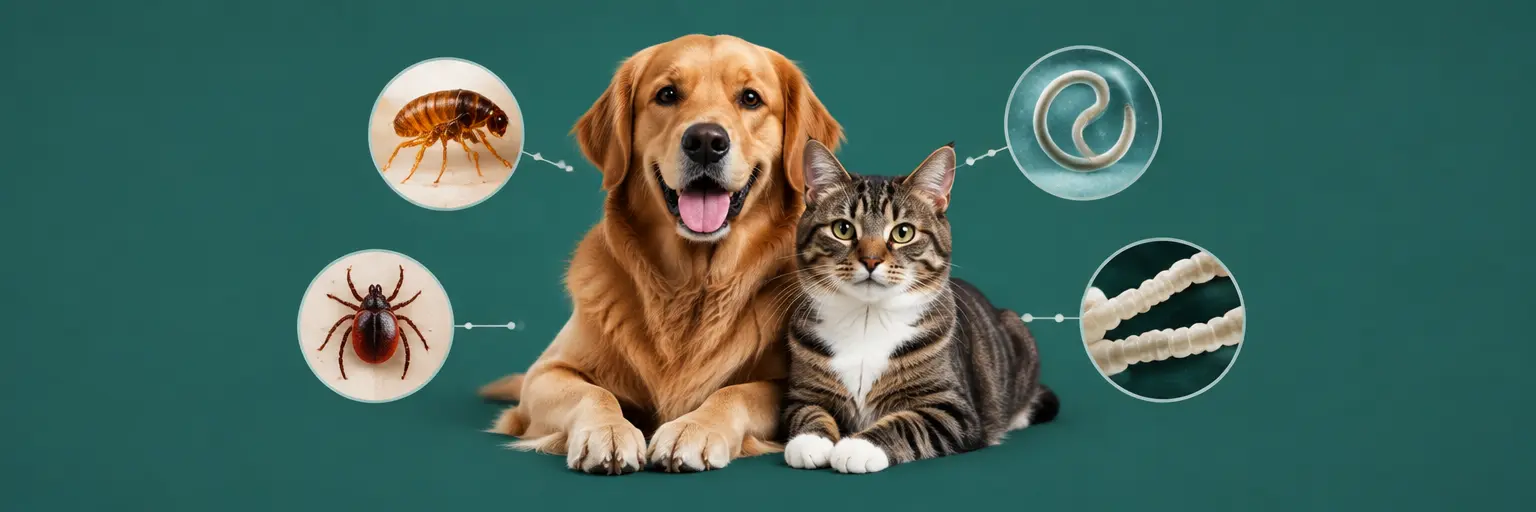
Parasites are an unfortunate but common reality for pets, ranging from microscopic organisms to visible worms and insects. At PetCareWorld, our general overview on parasites is designed to give you a foundational understanding of the most frequent culprits affecting dogs, cats, reptiles, birds, and exotic pets. This subcategory breaks down the key types, their typical symptoms, and the importance of routine prevention. Whether you are a new pet parent or a seasoned owner, recognizing the risks and signs of parasitic infections is the first step in safeguarding your companion’s health. Below, we explore the essential facets of parasite management, from transmission routes to treatment options, ensuring you are well-equipped to protect your furry, feathered, or scaly friend.
🚩 Internal Parasites: Intestinal Worms and Protozoa
Internal parasites, such as roundworms, hookworms, tapeworms, whipworms, and protozoans like Giardia and Coccidia, live inside your pet’s digestive tract. These invaders can cause weight loss, diarrhea, vomiting, a distended belly, and a dull coat. Puppies and kittens are especially vulnerable, often contracting worms from their mother’s milk or contaminated environments. Routine fecal examinations by your veterinarian are crucial to detect these hidden threats, as many worms are not visible in stool. Early identification and deworming protocols prevent severe malnutrition and anemia, particularly in young animals. For reptiles and birds, internal parasites may also affect the gastrointestinal system, so species-specific fecal testing is recommended annually or when symptoms arise.
Protozoan infections, unlike worms, are single-celled organisms that can be harder to diagnose without specialized tests. Giardia, for example, often causes prolonged, foul-smelling diarrhea and can be transmitted to humans, making zoonotic prevention a priority. Treatment typically involves prescription antiparasitic medications, such as fenbendazole or metronidazole, alongside strict hygiene practices to prevent reinfection. Since parasites can develop resistance, do not self-medicate with over-the-counter dewormers without a veterinary diagnosis. Instead, adopt a consistent deworming schedule based on your pet’s lifestyle, age, and regional parasite prevalence. For exotic pets like reptiles, a fecal floatation test is the gold standard for identifying ova and cysts, guiding targeted treatment plans.
🦟 External Parasites: Fleas, Ticks, and Mites
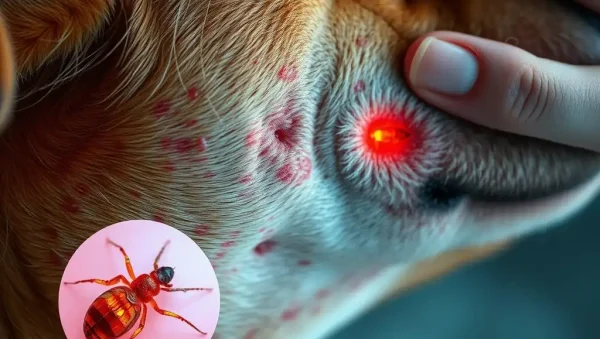
External parasites, including fleas, ticks, and mites, live on the skin’s surface and cause intense itching, hair loss, redness, and secondary skin infections. Fleas are the most common external threat, capable of multiplying rapidly in warm environments, while ticks can transmit serious diseases like Lyme disease and ehrlichiosis. Mites, such as Demodex or Sarcoptes, burrow into the skin, leading to mange, which is highly contagious among pets. Birds can suffer from feather mites, and reptiles may harbor mites under scales, causing stress and anemia. Monthly preventative medications—oral or topical—are highly effective when used consistently across all pets in the household, as these products also interrupt the flea life cycle.
Symptoms of external parasites may not always be obvious, especially in thick-coated breeds, so regular skin checks are essential. Use a flea comb to detect “flea dirt” (digested blood), and inspect ears and between toes for ticks. For reptiles, quarantine new arrivals for at least 30 days to prevent mite outbreaks. Treatment involves not only applying antiparasitic products but also thorough environmental decontamination: washing bedding in hot water, vacuuming carpets, and treating outdoor areas. For mites, veterinary-prescribed dips or oral medications are often necessary, as home remedies rarely eradicate these resilient pests. Always consult a vet if you see excessive scratching, bald patches, or crusty skin, as secondary bacterial infections require combined anti-inflammatory and antibiotic therapy.
🩺 Zoonotic Risks: Protecting Your Family
Many pet parasites are zoonotic, meaning they can transfer from animals to humans, posing a significant public health concern. Roundworms, hookworms, and Giardia are the most notorious, with children and immunocompromised individuals at higher risk of severe complications. For example, Toxocara (roundworm) larvae can migrate through human tissues, causing visceral larva migrans, while hookworm larvae can create itchy skin tracks called cutaneous larva migrans. Good hygiene is your first defense: wash hands thoroughly after handling pets, cleaning litter boxes, or gardening in areas where animals defecate. Cover sandboxes when not in use, and promptly clean up pet feces from yards to reduce contamination.
Preventive measures extend beyond hygiene to include routine deworming even for indoor-only pets, as mosquitoes or contaminated food can introduce parasites. Fleas can also bite humans, leading to red, itchy welts, and ticks can transmit Lyme disease to people. For exotic pets like reptiles, Salmonella is a more common concern than parasites, but hygiene remains paramount. Always supervise children during pet interactions, and avoid allowing pets to lick faces or sleep on pillows. Regular veterinary check-ups and annual fecal screening are integral to breaking the transmission cycle. By understanding these risks, you can implement a proactive plan that protects both your pets and your family from parasitic diseases.
💉 Prevention Strategies: Vaccines and Routine Care
Prevention is far more effective and less costly than treating an active infestation. Comprehensive prevention starts with a veterinary visit to establish a baseline health profile. Your vet will recommend a tailored schedule based on your pet’s species, age, lifestyle, and local parasite prevalence. For dogs and cats, this often includes monthly heartworm preventives (which also control some intestinal worms), flea and tick preventives, and annual fecal tests. Heartworm disease, transmitted by mosquito bites, is a potentially fatal condition affecting dogs and ferrets, but it is entirely preventable with monthly medication. Cats can also contract heartworms, though diagnosis is more challenging, underscoring the need for consistent preventive care.
For exotic pets, prevention focuses on quarantine and environmental management. New reptiles or birds should be isolated for 30–60 days and tested for parasites before introduction to existing collections. Clean enclosures daily, provide fresh water, and use species-appropriate substrates that can be easily sanitized. Nutritional support, including a balanced diet with adequate fiber, can naturally bolster the immune system against parasitic invasion. Additionally, avoid feeding raw meat or wild-caught prey that might carry parasitic cysts. Finally, keep vaccination records current, as some vaccines (though not for parasites) reduce overall disease burden, allowing pets to better fight off infections. A proactive partnership with your veterinarian ensures you stay ahead of parasitic threats, minimizing health risks and maximizing your pet’s quality of life.
🧪 Diagnosis and Treatment: When to See a Vet
Recognizing when to seek veterinary help is critical, as untreated parasites can lead to chronic illness, organ damage, or even death. Signs such as persistent diarrhea, vomiting, lethargy, a pot-bellied appearance, or visible worms in feces or vomit warrant immediate attention. Additionally, if your pet is scratching excessively, shaking its head, or has red, inflamed skin, a parasitic hypersensitivity may be present. During a veterinary exam, your vet will perform a physical check, fecal flotation, blood tests (for heartworm or tick-borne diseases), and possibly skin scrapings to identify mite species. Diagnosis is essential because different parasites require different treatments—using the wrong medication can be ineffective and even dangerous.
Treatment protocols vary: intestinal worms often require multiple doses of dewormers spaced 2–4 weeks apart to kill larvae before they mature. For fleas, your vet may prescribe oral chewables or spot-on treatments, along with environmental sprays. Mange typically requires a course of ivermectin or milbemycin under veterinary supervision. Never combine antiparasitic drugs without professional guidance, as toxicity can occur, especially in herding breeds with the MDR1 gene mutation. After treatment, follow-up fecal tests are vital to confirm eradication. In severe cases, supportive care like fluid therapy, anti-nausea medication, or nutritional supplements may be needed. By acting promptly, you reduce transmission risk to other pets and humans, ensuring a swift recovery and long-term health for your beloved companion.
Frequently Asked Questions
How often should I deworm my pet?
Deworming frequency depends on your pet’s age, lifestyle, and risk exposure. Puppies and kittens typically need deworming every 2 weeks until 12 weeks old, then monthly until 6 months. Adult pets on monthly heartworm preventives often cover most intestinal worms, but annual fecal screening is recommended. High-risk pets (hunters, farm animals) may need quarterly treatment. Always consult your vet for a schedule tailored to your pet.
Can I get parasites from my pet sleeping in my bed?
Yes, there is a risk. Fleas, ticks, and hookworm larvae can migrate from an infected pet to humans, especially during sleep. Roundworm eggs can also be transferred from fur to bedding. While the risk is low for healthy adults, children and immunocompromised individuals are more vulnerable. Regular parasite prevention, frequent washing of bedding, and good hand hygiene significantly reduce this risk.
What are the most common signs of a parasitic infection?
Common signs include weight loss despite a good appetite, diarrhea or constipation, vomiting, a swollen belly, lethargy, dull coat, and visible worms in stool or vomit. External parasites cause itching, redness, hair loss, and scabs. However, some pets show no symptoms, especially early on. Annual fecal tests and skin checks are essential to catch silent infections early.
Are natural remedies effective for treating parasites?
Some natural remedies like pumpkin seeds, diatomaceous earth, or garlic are touted online, but their efficacy is unproven and dosage is difficult to control. Garlic can be toxic to dogs and cats. For safe, effective treatment, consult a vet who can prescribe FDA-approved antiparasitic medications. Natural approaches may help as supportive care, but they should never replace veterinary-prescribed treatments.
How do I clean my home after a flea infestation?
Start by washing all pet bedding, blankets, and soft toys in hot, soapy water (above 130°F). Vacuum all floors, rugs, and furniture meticulously, paying attention to baseboards and cracks, then immediately dispose of the vacuum bag in a sealed plastic bag. Use an environmental flea spray containing insect growth regulators (e.g., S-methoprene) to kill eggs and larvae. Repeat vacuuming daily for two weeks, and treat all pets simultaneously to prevent reinfestation.