
Demodex and Sarcoptic Mange: Exploring the World of Mites in Pets

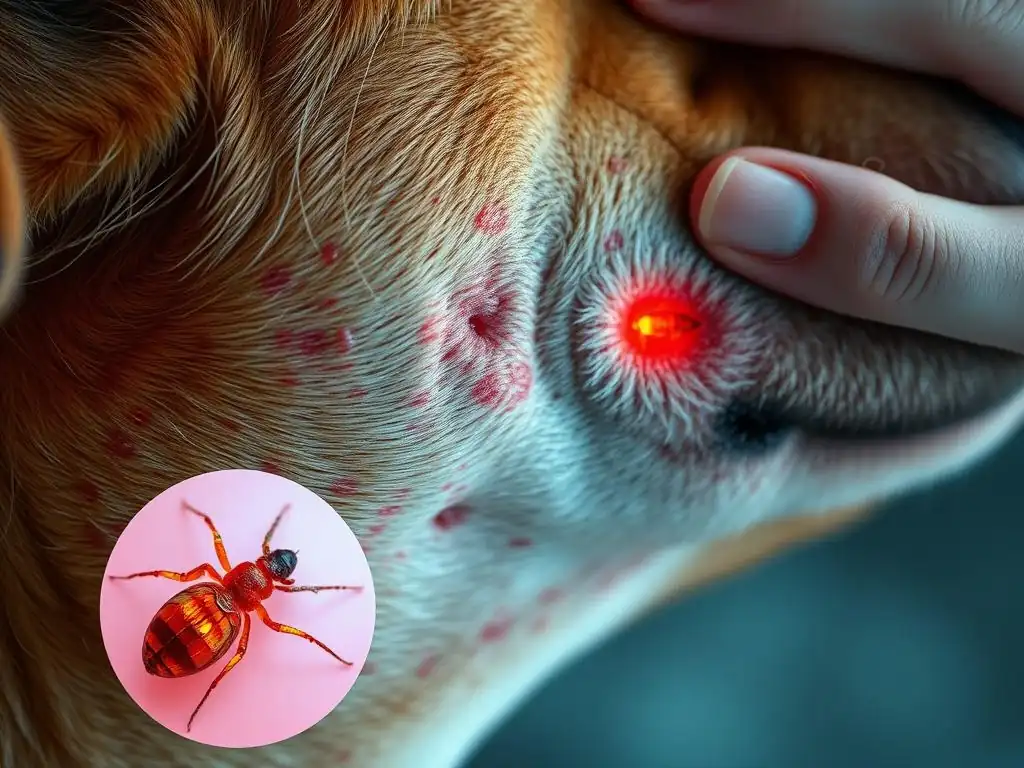
Welcome to PetCareWorld, your ultimate guide to a happier, healthier life for your beloved companion! Are you facing the frustrating challenge of dog mange? We delve into the complexities of Demodex and Sarcoptic mange, exploring effective dog mange mite treatment options in our comprehensive guide, "Demodex and Sarcoptic Mange: Exploring the World of Mites in Pets." Discover the secrets to identifying, preventing, and treating these common canine conditions and give your furry friend the care they deserve. Let's embark on this journey together!
- Understanding Canine Mange: Demodex vs. Sarcoptic Mites
- Dog Mange Mite Treatment Options: A Comprehensive Guide
- Preventing Mange in Dogs: Proactive Measures
- When to Seek Veterinary Care for Canine Mange: Recognizing Warning Signs
- Other Types of Mange: Expanding the Scope of Canine Mite Infestations
- Frequently Asked Questions
- Final Reflection: Living in Harmony: Understanding and Treating Canine Mites
- Unleash Your Pet's Inner Glow: A Mite-Free Future Awaits!
Understanding Canine Mange: Demodex vs. Sarcoptic Mites
Mange, a distressing skin condition affecting numerous animals, is primarily caused by microscopic mites burrowing into the skin. This article delves into the complexities of canine mange, focusing on two prevalent types: demodectic mange (caused by Demodex mites) and sarcoptic mange (caused by Sarcoptes scabiei mites). We'll explore the symptoms, diagnosis, and treatment options for each, equipping you with the knowledge to effectively address this common canine ailment and providing valuable insights into effective dog mange mite treatment options.
Understanding the differences between these two types of mange is crucial for appropriate diagnosis and treatment, ultimately leading to improved pet health and well-being. This guide will provide a clear understanding of the distinctions, helping pet owners recognize the signs and seek timely veterinary care. We will also touch upon preventative measures to minimize the risk of your canine companion contracting these parasitic infestations.
Demodex Mites in Dogs: Symptoms and Diagnosis of Demodicosis
Demodectic mange, often called demodicosis, is caused by Demodex mites, naturally occurring on the skin of most dogs. However, an overpopulation of these mites can lead to a skin condition. Symptoms can range from mild to severe, depending on the dog's immune system and the severity of the infestation.
Common symptoms of demodicosis include:
- Localized demodicosis: Appears as small patches of hair loss, often around the face, paws, or legs. The skin may appear slightly reddened or inflamed.
- Generalized demodicosis: More widespread hair loss, often accompanied by intense itching, scaling, and secondary bacterial infections. The dog may exhibit lethargy and discomfort.
- Puppy Demodicosis: This form is often more severe and can affect the entire body, indicating an underlying immune deficiency.
Diagnosis typically involves a skin scraping examined under a microscope, allowing a veterinarian to identify the Demodex mites. Blood tests may also be conducted to assess the dog's overall health and immune function. It's crucial to remember that early detection and intervention are key to successful treatment. Treatment options vary depending on the severity of the infestation and may involve medicated shampoos, topical treatments, or in severe cases, oral medications.
Sarcoptic Mange in Dogs: Identifying Sarcoptic Mite Infestation
Sarcoptic mange, also known as canine scabies, is caused by the Sarcoptes scabiei mite. Unlike Demodex mites, Sarcoptes mites are highly contagious and can spread to other dogs and even humans (though the human infestation is usually temporary). This mite burrows into the skin, causing intense itching and inflammation.
Key symptoms of sarcoptic mange include:
- Intense itching and scratching, often leading to self-trauma.
- Red, inflamed skin with crusting and scabbing.
- Hair loss in localized areas, which can become widespread if left untreated.
- Thickened, leathery skin in chronic cases.
Diagnosis is typically made through a skin scraping and microscopic examination, although sometimes a biopsy may be necessary. The intense itching is a hallmark symptom that distinguishes it from demodectic mange. The highly contagious nature of Sarcoptes mites necessitates prompt veterinary intervention to prevent spread to other animals. Treatment generally involves topical or injectable medications to kill the mites. Environmental sanitation is also vital to prevent re-infestation.
Differentiating Demodex and Sarcoptic Mange: Key Distinctions
While both Demodex and Sarcoptic mange are caused by mites and result in skin problems, several key distinctions exist:
| Feature | Demodectic Mange (Demodex) | Sarcoptic Mange ( Sarcoptes scabiei) |
|---|---|---|
| Contagiousness | Generally not contagious between dogs. | Highly contagious to other dogs and can affect humans temporarily |
| Itching | May be mild or absent, especially in localized cases. | Intense itching is a hallmark symptom. |
| Severity | Ranges from localized to generalized; severity depends on immune status. | Usually severe and widespread. |
| Mite Location | Lives in hair follicles. | Burrows into the skin. |
| Treatment | Varies depending on severity; may involve topical treatments or oral medications. | Typically requires topical or injectable medications. |
Understanding these differences is crucial for accurate diagnosis and effective treatment. Always consult a veterinarian for proper diagnosis and a tailored treatment plan for your dog. Early intervention is essential for both types of mange to prevent further complications and ensure your pet's comfort and well-being. 🐶
Dog Mange Mite Treatment Options: A Comprehensive Guide
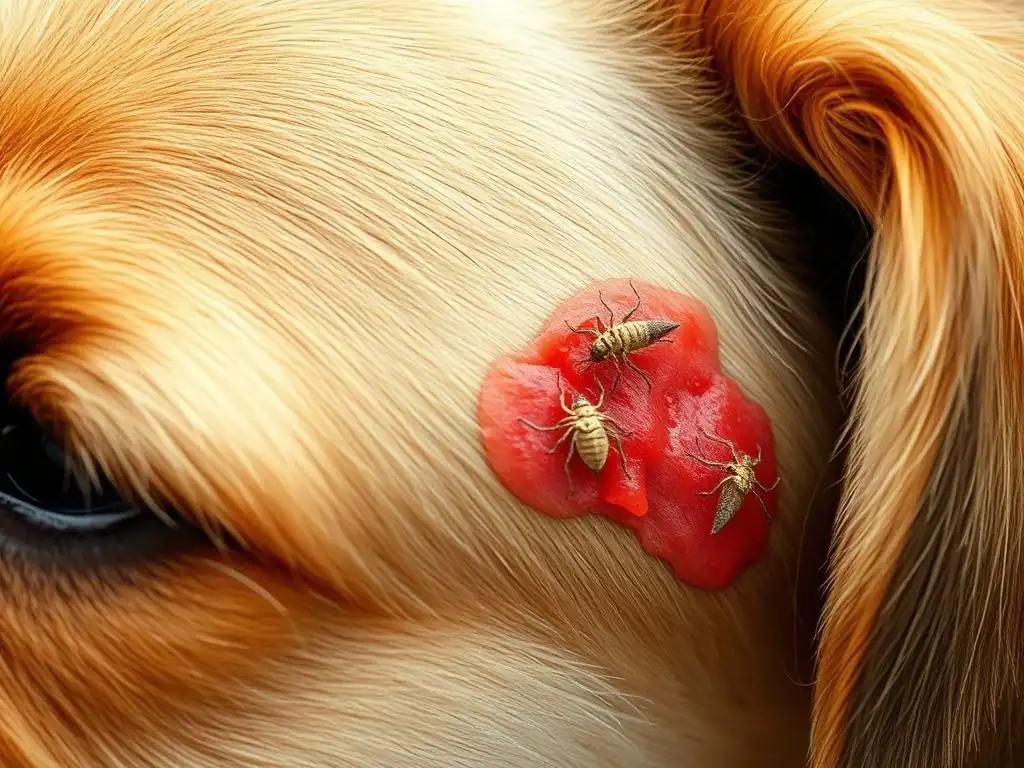
This section delves into the various treatment strategies available for canine mange, focusing specifically on the two most common types: demodectic and sarcoptic mange. Effective treatment requires accurate diagnosis, which should always be performed by a veterinarian. The severity of the infestation and the overall health of the dog will influence the chosen treatment plan. Remember, early intervention is crucial for optimal outcomes and to prevent complications. This guide provides information on common treatment options for dog mange mite, but it is not a substitute for professional veterinary advice. Always consult your vet before starting any treatment regimen.
Treatment Strategies for Demodex Mange in Dogs
Demodectic mange, caused by the Demodex mite, is often less severe than sarcoptic mange and can sometimes resolve on its own, especially in localized cases. However, veterinary intervention is usually necessary, particularly for generalized demodectic mange. Treatment focuses on managing the mite infestation and supporting the dog's immune system.
Topical Treatments for Demodex
Topical treatments are frequently the first line of defense for localized demodectic mange. These medications are applied directly to the affected skin. Common topical options include:
- Amitraz dips: These are effective in killing Demodex mites. They require careful application according to veterinary instructions, as they can be toxic if ingested.
- Lime sulfur dips: Another topical option, lime sulfur dips are known for their insecticidal and antimicrobial properties. They have a strong odor, and regular bathing is usually recommended.
- Other topical medications: Veterinarians might prescribe other topical solutions or creams containing insecticides or anti-parasitics, tailored to the specific needs of the dog and the severity of the infestation. The frequency of application varies depending on the product.
Systemic Medications for Demodex
In cases of generalized demodectic mange, or when topical treatments prove insufficient, systemic medications may be necessary. These medications are administered orally or through injection and work to control the mites throughout the dog's body.
- Ivermectin: This is a common choice for treating demodectic mange. Dosage and frequency must be carefully determined by a vet, as it can be toxic to certain dog breeds (e.g., Collies, Shelties).
- Milbemycin oxime: Another effective systemic medication that targets Demodex mites. Like ivermectin, it should only be used under veterinary supervision.
- Other systemic medications: Your vet might prescribe other medications based on the individual case, including those addressing secondary bacterial infections which are common complications of demodectic mange.
Treatment Strategies for Sarcoptic Mange in Dogs
Sarcoptic mange, caused by the Sarcoptes scabiei mite, is highly contagious and intensely itchy. It requires prompt and aggressive treatment to prevent further spread and alleviate the dog's discomfort. Treatment generally involves both topical and systemic approaches.
Topical Treatments for Sarcoptic Mange
Topical treatments for sarcoptic mange aim to kill the mites on the skin's surface. However, these alone are often insufficient to eradicate the infestation completely.
- Selamectin (Revolution): This topical parasiticide is effective against Sarcoptes scabiei mites and is typically applied monthly.
- Ivermectin (in some formulations): Certain topical formulations of ivermectin can be used for sarcoptic mange, but its effectiveness can vary. Always follow veterinary guidelines.
- Other topical treatments: Additional topical medications might be recommended, often in conjunction with systemic therapies.
Oral Medications for Sarcoptic Mange
Systemic medications are crucial for effective treatment of sarcoptic mange, as they reach the mites throughout the body.
- Ivermectin: This is a frequently used systemic medication for sarcoptic mange, administered orally. Dosage and duration of treatment are determined by the vet.
- Moxidectin: Another effective oral medication used to treat sarcoptic mange. It is important to follow the vet's instructions precisely.
- Doramectin (Dectomax): This injectable medication is sometimes used in severe cases of sarcoptic mange. It requires veterinary administration.
Remember: The information provided here is for educational purposes only and should not be considered a substitute for professional veterinary advice. Always consult your veterinarian for accurate diagnosis and a personalized treatment plan for your dog's mange. Early intervention and close monitoring are key to successful treatment and preventing complications. 🐕🦺
Natural Remedies for Canine Mange: Exploring Alternative Approaches
While veterinary treatment is crucial for severe or persistent cases of canine mange, some pet owners explore complementary natural remedies to support their dog's recovery and potentially alleviate symptoms. It's vital to understand that these methods should never replace veterinary care but can be considered as adjunctive therapies under the strict guidance of a veterinarian. Improper or exclusive reliance on natural remedies can delay effective treatment and worsen the condition.
Several natural approaches are discussed anecdotally, but scientific evidence supporting their efficacy in treating mange mites is often limited or inconclusive. These include topical applications of certain oils, such as neem oil or tea tree oil, known for their antimicrobial properties. However, it's crucial to dilute these oils significantly before applying them to a dog's skin, as undiluted versions can be toxic. Furthermore, allergic reactions to these oils are possible, necessitating careful monitoring. Always perform a patch test on a small area of skin before widespread application.
Another approach involves dietary adjustments, focusing on foods rich in omega-3 fatty acids. These fatty acids are believed to support skin health and potentially reduce inflammation. However, the specific impact on mange mite infestation remains unclear, and a balanced diet formulated by a veterinarian is always recommended. Simply switching to a food with higher omega-3s without veterinary oversight isn't a guaranteed solution and might even negatively impact the dog's overall nutritional balance.
Herbal remedies, such as aloe vera, are sometimes suggested for their soothing properties on irritated skin. Aloe vera gel can provide temporary relief from itching, but it does not directly address the underlying mite infestation. Again, this should be used only as a supplementary measure, not a primary treatment strategy. Some owners also consider colloidal silver, but rigorous scientific evidence supporting its effectiveness against Demodex or Sarcoptes mites is lacking.
Remember, the effectiveness of natural remedies varies greatly depending on the severity of the mange, the specific type of mite involved, and the overall health of the dog. Before attempting any natural remedy, a thorough veterinary examination is essential to confirm the diagnosis and rule out other underlying conditions. A veterinarian can help determine the appropriateness and potential risks of any complementary therapy in conjunction with conventional treatment.
Always prioritize veterinary guidance to ensure the best possible outcome for your dog's health and well-being. The responsible and safe management of canine mange requires a collaborative approach between pet owners and veterinary professionals. 🐶
Preventing Mange in Dogs: Proactive Measures

Preventing mange in dogs is crucial for their overall health and well-being. While there's no foolproof method to guarantee complete protection against mite infestations, proactive measures significantly reduce the risk. A multi-faceted approach combining environmental control, regular grooming, and a balanced diet offers the best defense against Demodex and Sarcoptes mites, the primary culprits behind demodectic and sarcoptic mange, respectively. This preventative care is especially important for puppies and dogs with weakened immune systems, who are more susceptible to mite infestations. Let's explore key strategies for preventing dog mange.
Maintaining a Clean Environment to Prevent Mite Infestations
A clean environment plays a vital role in preventing mange. Mites thrive in unsanitary conditions, so maintaining a hygienic living space for your dog is paramount. This includes:
- Regular cleaning of bedding: Wash your dog's bedding weekly in hot water (at least 130°F) to kill any mites present. Thoroughly dry the bedding in a hot dryer to ensure complete eradication. Consider using mite-killing sprays on bedding between washes as an added precaution.
- Frequent vacuuming: Vacuum your home frequently, paying special attention to areas where your dog spends the most time. Dispose of the vacuum bag immediately after each cleaning to prevent mite re-infestation.
- Disinfecting surfaces: Regularly disinfect surfaces your dog comes into contact with, such as floors, furniture, and toys. Use pet-safe disinfectants specifically designed to kill mites.
- Controlling fleas and ticks: Fleas and ticks can weaken your dog's immune system, making them more vulnerable to mite infestations. Consistent flea and tick prevention is essential.
Regular Grooming and Parasite Prevention Strategies
Regular grooming is not just about aesthetics; it's a crucial preventative measure against mange. Consistent grooming helps to:
- Detect early signs of infestation: Regular brushing allows you to identify any unusual skin changes, such as redness, scaling, hair loss, or excessive scratching, which could be early signs of mange. Early detection is key to successful treatment.
- Remove loose hair and debris: Removing loose hair and debris helps to reduce the ideal environment for mite proliferation.
- Improve skin health: Regular brushing stimulates blood circulation in the skin, promoting healthy skin and a strong immune response.
- Utilize preventative medications: Consult your veterinarian about topical or oral parasite preventatives that can specifically target mites. These medications can provide an additional layer of protection against mange. They are particularly important for dogs at high risk of infestation, such as those who spend significant time outdoors or frequently interact with other dogs.
Role of Nutrition in Strengthening Canine Immunity Against Mites
A balanced and nutritious diet plays a crucial role in strengthening your dog's immune system, making them less susceptible to mange and other illnesses. A diet rich in:
- Protein: Provides the building blocks for healthy skin and a strong immune system. Choose high-quality protein sources such as chicken, fish, or lamb.
- Essential fatty acids: Omega-3 and omega-6 fatty acids are crucial for maintaining healthy skin and coat. These can be found in fish oil, flaxseed oil, and certain commercially available dog foods.
- Vitamins and minerals: Vitamins A, E, and zinc are particularly important for skin health. Ensure your dog's diet provides sufficient levels of these vital nutrients.
- Antioxidants: Support the immune system and help protect against cell damage. Antioxidants are found in various fruits and vegetables, which can be incorporated into your dog's diet in moderation.
Remember, consulting your veterinarian is essential for any concerns about your dog's skin health. They can diagnose mange accurately and recommend the most appropriate treatment and preventative strategies for your specific situation. Early intervention is key to minimizing discomfort and preventing long-term complications. A proactive approach that combines environmental hygiene, regular grooming, and a healthy diet significantly increases your dog's chances of avoiding a mange infestation.
When to Seek Veterinary Care for Canine Mange: Recognizing Warning Signs

Early detection and intervention are crucial in managing canine mange effectively. While mild cases might respond to home remedies and over-the-counter treatments, certain signs indicate the need for immediate veterinary attention. Ignoring these warning signs can lead to severe complications and potentially compromise your pet's health. Understanding these indicators is vital for responsible pet ownership and ensuring your canine companion receives the best possible care. This section focuses specifically on identifying when professional veterinary intervention is necessary for effective dog mange mite treatment options.
Severe Cases of Mange Requiring Immediate Veterinary Attention
Severe mange infestations present a clear need for veterinary intervention. These cases often manifest with widespread hair loss, intense itching leading to self-trauma (excessive scratching and biting), secondary bacterial infections evidenced by pus-filled sores or scabs, and significant skin inflammation. The pet may exhibit lethargy, weight loss, and a generally unwell appearance. A severe infestation can significantly impact the dog's quality of life, causing discomfort and pain. Delaying treatment in such cases risks further complications and prolonged recovery times.
The veterinarian will likely prescribe stronger medications, potentially including injectable or oral treatments, alongside supportive care to manage secondary infections and alleviate discomfort. Early veterinary intervention is critical in these scenarios to minimize the severity of the condition and prevent long-term consequences. For example, a dog presenting with extensive crusting, bleeding skin lesions, and noticeable weight loss requires immediate veterinary assessment and aggressive treatment. 🐕🦺
Complications Associated with Untreated Mange Infestations
Untreated mange infestations can lead to a range of serious complications. These complications can significantly impact your dog's health and well-being. Secondary bacterial infections are a common concern, as the damaged skin becomes highly susceptible to bacterial invasion. These infections can manifest as painful sores, abscesses, and potentially even systemic illness.
Furthermore, chronic itching can lead to self-trauma, resulting in open wounds that are prone to infection and may require extensive veterinary care. In severe cases, untreated mange can lead to anemia due to blood loss from scratching and biting, and even potentially life-threatening systemic infections. The severity of these complications underscores the importance of seeking veterinary care at the first signs of mange, especially considering the availability of effective dog mange mite treatment options.
Remember, early intervention is key to preventing these potentially dangerous outcomes and ensuring your pet's overall health and happiness. Ignoring the warning signs can lead to prolonged suffering for your pet and increased veterinary costs in the long run. A proactive approach to managing canine mange is crucial for responsible pet ownership.
Other Types of Mange: Expanding the Scope of Canine Mite Infestations
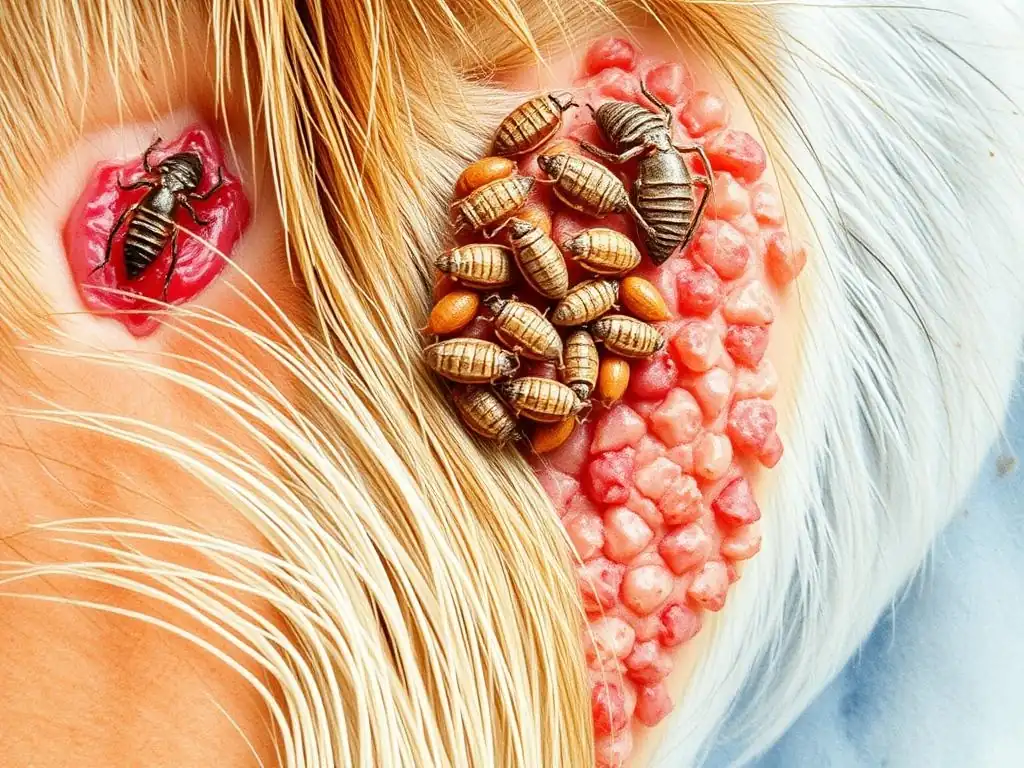
While Demodex and Sarcoptes mites are the most common culprits behind canine mange, it's crucial to understand that other mite species can also cause skin problems in dogs. These infestations, while less prevalent, can still significantly impact a dog's health and well-being, requiring prompt diagnosis and appropriate treatment. Effective dog mange mite treatment options vary depending on the specific mite involved, highlighting the importance of accurate identification.
Other Mite Types and their Impact on Dogs
Several other mite species can infest dogs, leading to various clinical presentations. These mites often cause less severe mange than Demodex or Sarcoptes, but their presence shouldn't be overlooked. Accurate diagnosis is key to selecting the most effective dog mange mite treatment options.
Several types of mites can affect dogs, including:
- Cheyletiella mites (walking dandruff): These mites cause intense itching and scaling, often appearing as white dandruff flakes that move across the dog's coat. They are highly contagious and can spread to other animals and, less commonly, to humans. Treatment typically involves topical insecticides.
- Otodectes mites (ear mites): These mites primarily infest the ears, causing intense itching, dark brown ear wax, and head shaking. They are highly contagious and often occur in multiple animals within a household. Treatment focuses on cleaning the ears and applying topical medications.
- Notoedres mites: These mites cause a highly contagious form of mange characterized by intense itching, crusting, and hair loss. The lesions are often found on the face, ears, and paws. Treatment usually involves topical insecticides and sometimes systemic medications.
The severity of the clinical signs varies depending on the mite species, the dog's immune system, and the extent of the infestation. Some infestations might only cause mild irritation, while others can lead to significant skin damage, secondary bacterial infections, and discomfort. Therefore, a thorough veterinary examination is essential to determine the specific type of mite and recommend the most effective dog mange mite treatment options.
Early intervention is crucial for preventing complications and ensuring a positive outcome. Ignoring mite infestations can lead to chronic skin problems, impacting the dog's overall health and quality of life. Remember, responsible pet ownership includes proactive parasite control and prompt veterinary attention when necessary.
Diagnostic Procedures for Identifying Different Mite Species
Accurate diagnosis is paramount in selecting the appropriate dog mange mite treatment options. Veterinarians employ several methods to identify the specific mite species causing the infestation:
- Skin Scrapings: This involves collecting skin samples from affected areas using a scalpel blade. The samples are then examined under a microscope to identify the mites. This is a common and relatively inexpensive method for detecting mites.
- Tape Preparations: A clear sticky tape is pressed against the skin and then examined under a microscope. This method is particularly useful for detecting Cheyletiella mites.
- Hair Plucking: Examining hairs pulled from affected areas under a microscope can sometimes reveal mites or their eggs.
- PCR Testing: This advanced molecular technique can detect mite DNA in skin samples, even if live mites are not readily visible. This method offers high sensitivity and specificity, providing a definitive diagnosis.
The choice of diagnostic method depends on the clinical signs, the suspected mite species, and the resources available at the veterinary clinic. A combination of techniques may be used to ensure accurate identification. This precise identification is crucial, as different mites respond differently to various treatment options. Employing the correct dog mange mite treatment options ensures the most effective outcome.
Treatment Strategies: Tailoring Approaches to Specific Mite Infestations
The treatment of mange varies greatly depending on the specific mite species involved. While some cases respond well to topical treatments, others require systemic medications or a combination of approaches. The goal is always to eliminate the mites and alleviate the clinical signs, improving the dog's comfort and preventing complications. Here's a summary of common treatment approaches:
| Mite Species | Common Treatment Options |
|---|---|
| Demodex mites | Topical medications (amitraz, lime sulfur dips), sometimes systemic treatments (ivermectin) |
| Sarcoptes mites | Topical insecticides (selamectin, fipronil), sometimes systemic treatments (ivermectin, milbemycin oxime) |
| Cheyletiella mites | Topical insecticides (fipronil, amitraz) |
| Otodectes mites | Ear cleaning solutions, topical insecticides |
| Notoedres mites | Topical insecticides (ivermectin, selamectin) |
Remember, this table provides a general overview. The specific treatment protocol will be determined by your veterinarian based on your dog's individual needs and the severity of the infestation. Always consult a veterinarian for an accurate diagnosis and personalized treatment plan. Self-treating can be harmful and delay effective management. Choosing the correct dog mange mite treatment options is critical for a successful outcome. Always follow your veterinarian's recommendations carefully.
Frequently Asked Questions
What is the difference between Demodex and Sarcoptic mange?
Demodex mange is caused by a mite that normally lives on the dog's skin, while Sarcoptic mange is caused by a highly contagious mite. Demodex is usually less severe and often localized, whereas Sarcoptic mange is intensely itchy and spreads rapidly. Treatment varies depending on the type.
What are the common symptoms of dog mange?
Symptoms can include intense itching, hair loss, redness, scaling skin, and lesions. Secondary bacterial infections are also common. The severity depends on the type of mite infestation.
What are the treatment options for Demodex mange?
Treatment for Demodex often involves topical medications like amitraz dips or lime sulfur dips. In severe cases, oral medications may be necessary. Regular veterinary check-ups are crucial for monitoring progress.
What are the treatment options for Sarcoptic mange?
Sarcoptic mange requires systemic treatment, usually with medications like ivermectin or selamectin. This kills the mites throughout the dog's body. Environmental cleaning is also essential to prevent re-infestation.
How can I prevent my dog from getting mange?
Regular grooming and maintaining a clean environment are key preventative measures. Avoid contact with other dogs that may have mange, and consult your veterinarian if you suspect an infestation. Early detection is vital for effective treatment.
Final Reflection: Living in Harmony: Understanding and Treating Canine Mites
The microscopic world of mites significantly impacts the health and well-being of our canine companions, demanding our attention and understanding. The prevalence of demodectic and sarcoptic mange highlights the urgent need for responsible pet ownership and proactive veterinary care. Ignoring these infestations can lead to severe discomfort and long-term health complications for our beloved pets.
The journey of discovering effective dog mange mite treatment options underscores the interconnectedness of animal health and human responsibility. We've explored various treatment strategies, from topical medications to systemic therapies, emphasizing the importance of accurate diagnosis and tailored approaches. The emotional toll on pet owners facing these challenges is undeniable; the bond we share with our animals demands that we equip ourselves with the knowledge to provide the best possible care. The greatness of a nation and its moral progress can be judged by the way its animals are treated.
- Mahatma Gandhi. This quote resonates deeply when considering our duty to alleviate the suffering caused by these often-overlooked parasites.
Now, consider your own furry friend. Have you learned something new that can help you better understand their health needs? Take the time to schedule a preventative veterinary check-up, discuss potential mite infestations, and learn about early detection strategies. Empowering yourself with knowledge is the first step towards ensuring a happy and healthy life for your canine companion. Let's work together to create a world where all pets thrive, free from the discomfort and distress of untreated mite infestations.
Unleash Your Pet's Inner Glow: A Mite-Free Future Awaits!
Thanks for exploring the world of pet mites with us! We hope you feel more confident in understanding and addressing potential skin problems. Ready to help your pet live a happier, healthier life?
- Schedule a veterinary checkup: This is crucial. Early detection is key to effective mite treatment and prevention.
- Thoroughly clean your pet's environment: Wash bedding, toys, and frequently touched areas to minimize re-infestation.
- Share your experience: Have you dealt with pet mites? Share your tips and tricks with other PetCareWorld readers in the comments below!
Ready to proactively protect your furry friend? What steps will you take today to keep your pet's skin healthy and happy?