
Puppy and Kitten Socialization: Creating a Strong Bond

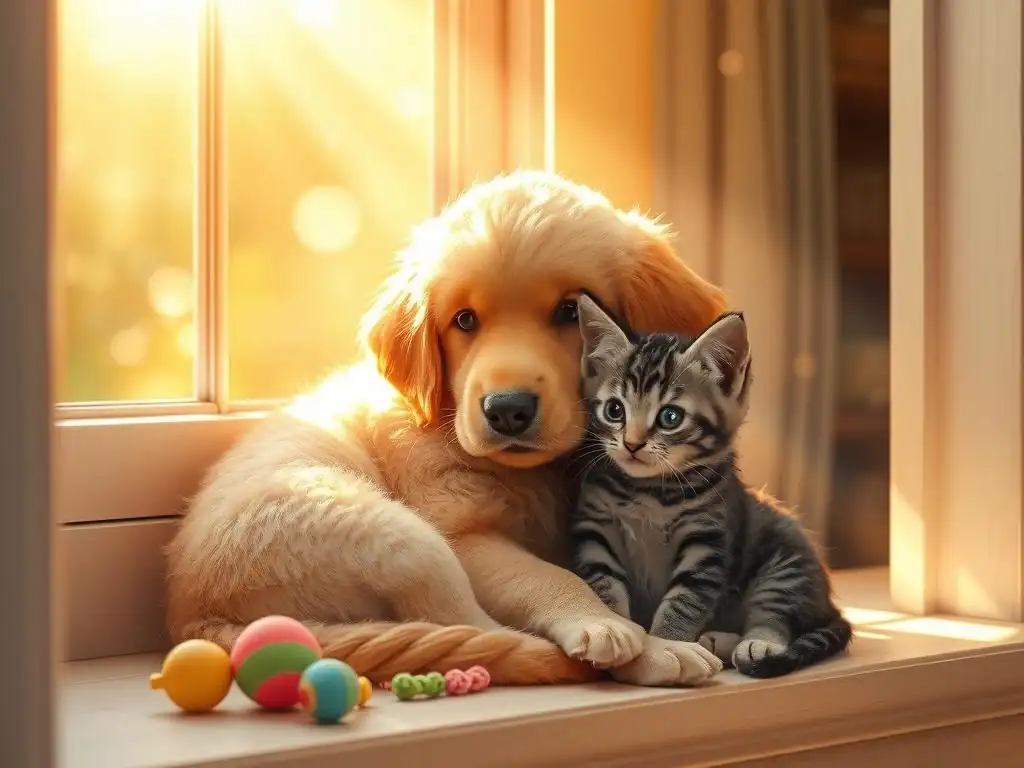
Welcome to PetCareWorld, your ultimate guide to a happier, healthier life for your beloved companion! Are you ready to unlock the secrets to a thriving bond with your furry, feathered, or scaled friend? Then dive into our expert advice on Puppy Kitten Socialization Tips, crucial for building a strong and lasting relationship with your new pet. Discover the practical strategies that will shape their future behavior and well-being – explore our insightful guide and embark on this enriching journey with us!
- Understanding the Importance of Early Socialization for Puppies and Kittens
-
Introducing Puppy and Kitten: A Step-by-Step Guide
- Controlled First Meeting: Supervised Introductions for Puppies and Kittens
- Creating a Safe and Neutral Environment for Puppy Kitten Interaction
- Positive Reinforcement Techniques: Rewarding Calm Behavior During Interactions
- Gradual Integration: Increasing Interaction Time Slowly and Safely
- Monitoring Body Language: Recognizing Signs of Stress or Aggression in Puppies and Kittens
- Managing Potential Challenges During Puppy Kitten Socialization
- Enhancing the Bond: Activities to Strengthen Puppy and Kitten Relationships
- Long-Term Benefits of Successful Puppy and Kitten Socialization
-
Frequently Asked Questions
- What is the most crucial period for puppy and kitten socialization?
- How can I socialize my puppy and kitten together?
- What are some signs of poor socialization in puppies and kittens?
- My puppy is scared of other dogs. How can I help?
- Are there any specific things I should avoid when socializing my puppy and kitten?
- Final Reflection: The Enduring Power of Inter-Species Friendship
- Unleash the Power of Play: Build a Lifetime of Friendship!
Early socialization is paramount for both puppies and kittens, shaping their behavior and temperament throughout their lives. This crucial period, generally between 3 and 14 weeks of age, lays the foundation for their interactions with humans, other animals, and their environment. Neglecting socialization during this window can lead to behavioral issues such as fear, aggression, and anxiety later in life.
This article will delve into the specific benefits of early socialization for both puppies and kittens, highlighting the critical role it plays in creating well-adjusted, confident companions and a harmonious household. We'll explore practical tips and strategies to ensure your furry friends develop into happy, well-socialized pets, ultimately strengthening the bond between you and your beloved animal.
Understanding the nuances of puppy and kitten socialization is key to responsible pet ownership, and this guide provides the essential information to navigate this crucial developmental stage. The information presented here will help you avoid common pitfalls and build a strong foundation for a lifetime of companionship.
Proper puppy socialization dramatically impacts adult dog behavior. Puppies exposed to a variety of sights, sounds, smells, and experiences during their critical socialization period are far less likely to develop fear-based aggression or anxieties. This early exposure helps them learn to appropriately respond to different stimuli, leading to:
- Reduced fear and anxiety: Socialized puppies are better equipped to handle unfamiliar situations, reducing the likelihood of fear-based reactions.
- Improved socialization with other dogs: Early interaction with other dogs promotes appropriate play behavior and reduces the risk of dog-on-dog aggression.
- Enhanced adaptability: Puppies exposed to diverse environments are more adaptable and less likely to be overwhelmed by new experiences.
- Increased confidence: Positive socialization experiences build confidence and self-assurance in puppies.
- Better response to training: Socialized puppies are generally easier to train due to their increased willingness to interact and learn.
For example, a puppy socialized with children from a young age is more likely to be comfortable and well-behaved around children throughout its life. Conversely, a puppy lacking early socialization may exhibit fear or aggression towards children, posing potential risks. The difference is stark and underscores the importance of proactive socialization. Remember, positive experiences during this phase are key; negative experiences can have lasting and detrimental effects.
Similar to puppies, kittens benefit immensely from early socialization. A well-socialized kitten is more likely to be a confident, friendly, and adaptable cat. This translates to a more enjoyable experience for both the cat and its owner. Key benefits include:
- Reduced shyness and fear: Socialized kittens are less likely to hide or become fearful in new environments or around strangers.
- Improved interaction with humans and other animals: Early exposure to different people and animals helps kittens learn appropriate social behaviors. This is especially important for multi-pet households.
- Better litter box habits: While not directly related, a well-adjusted kitten is more likely to exhibit good litter box habits. Stress and anxiety can negatively impact litter box training.
- Enhanced playfulness and interaction: Socialized kittens are often more playful and engaging, enriching the human-animal bond.
- Reduced likelihood of behavioral problems: Proper socialization minimizes the chances of developing behavioral issues such as aggression or excessive vocalization.
Consider a kitten raised in isolation compared to one exposed to gentle handling, various sounds, and interactions with other cats. The latter will likely be a more relaxed and outgoing cat, while the former may display fearfulness or aggression. The impact of early socialization is profound and far-reaching. This highlights the critical need for responsible kitten socialization.
Successful puppy and kitten socialization is not merely about avoiding behavioral problems; it's about building a strong foundation for a harmonious relationship between pet and owner, and even between multiple pets within a household. A well-socialized pet is a joy to live with, contributing positively to the family dynamic. This involves a conscious and proactive approach during those crucial early weeks. Remember that consistent, positive interactions are key to creating a well-adjusted and happy companion.
The investment of time and effort during this period will pay significant dividends in the years to come, fostering a deeper bond and a more enriching experience for everyone involved. The benefits extend beyond individual pets; a well-socialized pet contributes to a more peaceful and harmonious household environment. 🎉
Introducing Puppy and Kitten: A Step-by-Step Guide

This section details the crucial initial steps in successfully introducing a puppy and a kitten, focusing on minimizing stress and maximizing the chances of a harmonious relationship. Remember, patience and positive reinforcement are key throughout this process. Successful puppy kitten socialization relies on careful planning and execution.
Controlled First Meeting: Supervised Introductions for Puppies and Kittens
The first encounter between your puppy and kitten should be carefully controlled and supervised. Avoid letting them loose together immediately. Instead, start with brief, supervised interactions in a neutral space. A neutral space is a location neither pet considers their "territory," minimizing territorial disputes. This could be a spare room, a bathroom, or even a hallway.
Begin by allowing them to sniff each other under a door or through a baby gate. This allows them to get acquainted with each other's scent without direct physical contact. This initial olfactory introduction is crucial for building familiarity and reducing anxiety. Monitor their body language closely. Signs of stress include flattened ears, tucked tails, hissing, growling, or excessive panting. If you observe any signs of stress, immediately separate them and try again later.
Next, allow brief, supervised, visual contact. Keep them separated but within sight of each other. Positive reinforcement, such as offering treats and praise, can help create positive associations with the other pet's presence. Gradually increase the duration of these supervised visual interactions over several days.
Finally, allow very short, supervised physical interactions. Keep a firm hand on both pets during these initial physical contacts, ensuring they cannot escalate into a fight. Reward calm behavior with treats and praise. Short, positive interactions are far more effective than prolonged stressful encounters. Remember, the goal is to create positive associations, not to force interaction.
Creating a Safe and Neutral Environment for Puppy Kitten Interaction
A safe and neutral environment is paramount for successful puppy kitten socialization. This space should be free of potential hazards and stressors for both animals. Remove any fragile items, valuable possessions, or electrical cords that could be damaged or cause injury. Provide ample space for each animal to retreat if they feel overwhelmed.
Consider using baby gates or other barriers to create separate zones within the neutral space. This allows each animal to have a "safe haven" where they can retreat if they need a break from the interaction. Providing multiple food and water bowls in separate locations also minimizes competition.
The environment should be calming and comfortable. Consider playing soft music or using calming pheromone diffusers to create a relaxed atmosphere. Avoid loud noises or sudden movements that could startle or frighten either pet. A clutter-free environment reduces the risk of accidents and provides a clearer, less stressful space for interaction.
Positive Reinforcement Techniques: Rewarding Calm Behavior During Interactions
Positive reinforcement is crucial throughout the entire socialization process. Reward calm behavior with treats, praise, and gentle petting. This strengthens the positive associations each pet develops toward the other. Focus on rewarding even small moments of calm interaction, such as sniffing each other peacefully or lying quietly near each other.
Avoid punishing negative behaviors. Punishment can increase fear and anxiety, making it harder to achieve a successful outcome. Instead, redirect their attention to more appropriate behaviors. For instance, if the puppy starts nipping at the kitten, gently redirect its attention to a chew toy and reward it for chewing the toy instead.
Consistency is key. Employ positive reinforcement techniques consistently throughout the socialization process. The more consistently you reward calm behavior, the faster both pets will learn to associate each other's presence with positive experiences. This consistent positive reinforcement will foster a strong and harmonious bond between your puppy and kitten. Remember, patience and persistence are vital for success in puppy kitten socialization. 🎉
Gradual Integration: Increasing Interaction Time Slowly and Safely

Introducing a puppy and a kitten requires patience and a carefully planned approach. Rushing the process can lead to fear, aggression, or even injury. The key is gradual integration, allowing the animals to become accustomed to each other's presence at their own pace. Start by confining them to separate areas of the house, allowing them to smell each other under the door or through a baby gate. This allows for olfactory familiarization, a crucial first step in building positive associations.
Short, supervised interaction sessions are then introduced, ideally in a neutral territory, neither animal's usual space. These sessions should initially last only a few minutes, gradually increasing the duration as both animals exhibit relaxed behavior. Observe closely for any signs of stress or aggression (discussed in the next section). If either animal shows signs of discomfort, immediately separate them and return to shorter sessions. Positive reinforcement, such as rewarding calm behavior with treats and praise, is highly effective during this phase.
Consistency is key; maintain a predictable routine to minimize stress and build confidence. Remember, every animal is an individual; some pairs will bond quickly, while others may require more time and patience. A gradual, controlled introduction is the safest and most effective way to ensure a positive outcome. Don't forget to provide plenty of enrichment activities for both animals, keeping them stimulated and occupied to reduce potential conflict.
Monitoring Body Language: Recognizing Signs of Stress or Aggression in Puppies and Kittens
Understanding canine and feline body language is paramount during the integration process. Missing subtle cues can lead to escalated conflict and jeopardize the successful introduction of your puppy and kitten. For puppies, signs of stress can include tucked tail, flattened ears, yawning (even without apparent drowsiness), lip licking, whale eye (showing the whites of their eyes), and a lowered posture. Aggressive displays might involve stiffening, raised hackles, growling, snapping, or lunging. Kittens, while smaller, exhibit similar stress signals: flattened ears, tucked tail, dilated pupils, hissing, spitting, or swatting.
Aggression in kittens can manifest as growling, arching their back, or puffing up their fur. Pay close attention to their overall posture: a relaxed kitten will typically have a loose, upright posture, while a stressed kitten will appear hunched or tense. It's crucial to distinguish between playful nipping or chasing (common in young animals) and genuine aggression. Playful interactions usually involve loose, relaxed body language, while aggressive interactions are often accompanied by tense muscles and focused stares. If you observe any signs of stress or aggression, immediately separate the animals and reassess the situation.
Consider consulting a veterinary behaviorist for personalized guidance if you are experiencing difficulties. Learning to interpret these subtle cues is essential for ensuring the safety and well-being of both your puppy and kitten. Early intervention can prevent potential behavioral problems and foster a harmonious relationship between your new companions. Remember, patience and careful observation are key to successful socialization.

Puppy and kitten socialization, while incredibly rewarding, isn't always smooth sailing. Successfully integrating a puppy and kitten requires patience, understanding, and proactive management of potential challenges. Early intervention is key to preventing minor issues from escalating into significant behavioral problems. This section focuses on common hurdles and provides practical strategies for overcoming them, offering valuable puppy kitten socialization tips for a harmonious household.
Addressing Play Aggression in Puppies and Kittens
Play aggression, often misinterpreted as true aggression, is a common occurrence during puppy and kitten socialization. Puppies, with their boundless energy, might nip or bite during play, while kittens can use their claws excessively. The key is to differentiate between playful nipping and genuine aggression. Playful nipping is usually accompanied by relaxed body language (loose body, wagging tail for puppies, playful swatting for kittens), whereas aggressive behavior involves tense muscles, growls, flattened ears, and raised hackles.
To address play aggression:
- Interrupt the behavior immediately: A firm "No!" or a sharp clap can interrupt the behavior. Immediately redirect their attention to a more appropriate activity, such as a chew toy for the puppy or a scratching post for the kitten.
- Provide appropriate outlets for energy: Ensure both pets have ample opportunities for exercise and play. Tired pets are less likely to engage in aggressive play. Consider interactive games like fetch for puppies and wand toys for kittens.
- Teach bite inhibition: For puppies, gently yelping like a puppy would when bitten can help teach bite inhibition. Similarly, for kittens, firmly but gently saying "No!" and removing your hand can discourage excessive scratching.
- Supervise all interactions: Never leave a puppy and kitten unsupervised, especially during playtime. Constant supervision allows you to intervene before play escalates into aggression.
Understanding the nuances of play aggression is crucial. It's a learning process for both pets, and consistent training will yield positive results. Remember, early intervention and consistent training are vital components of successful puppy kitten socialization tips.
Dealing with Fear or Anxiety in Either Pet
Fear and anxiety can significantly hinder the socialization process. A fearful puppy or kitten might withdraw, hide, or exhibit defensive behaviors. These anxieties can stem from various sources, including previous negative experiences, unfamiliar environments, or simply feeling overwhelmed by the new companion.
Identifying the source of fear is the first step. Observe their behavior carefully to pinpoint triggers. Does the fear manifest only around the other pet, or are there other environmental factors involved?
Strategies to manage fear and anxiety include:
- Creating safe spaces: Provide each pet with a secure retreat where they can escape if they feel overwhelmed. This could be a crate, bed, or quiet corner.
- Gradual introduction: Avoid forcing interactions. Instead, allow the pets to acclimate to each other's presence gradually, starting with supervised short sessions from a distance. Positive reinforcement, like treats and praise, can help associate the other pet with positive experiences.
- Desensitization and counter-conditioning: Gradually expose the fearful pet to the anxiety-inducing stimulus (the other pet) at a distance where they don't show signs of fear. Reward calm behavior with treats and praise. Slowly decrease the distance over time.
- Consult a veterinarian or professional trainer: If fear and anxiety persist despite your efforts, seeking professional help is recommended. They can provide tailored guidance and potentially recommend behavior modification techniques or medication.
Addressing fear and anxiety requires patience and understanding. Remember, forcing interaction will only worsen the situation. A slow, gradual approach, combined with positive reinforcement, is key to successful socialization.
Resolving Resource Guarding Issues Between Puppy and Kitten
Resource guarding, the act of protecting valued resources (food, toys, sleeping areas), can create conflict between a puppy and a kitten. This behavior is common, especially if one pet feels threatened or insecure.
Identifying the guarded resource is crucial. Is it food, a specific toy, or a particular sleeping spot? Once you know the resource, you can implement strategies to mitigate the issue:
- Separate feeding areas: Feed the puppy and kitten in separate locations to eliminate competition over food.
- Multiple resources: Provide multiple food and water bowls, toys, and resting places to reduce competition.
- Positive reinforcement: Reward calm behavior when both pets are near the resource.
- Management: Supervise mealtimes and playtime to prevent conflicts. Consider using baby gates to create separate spaces if necessary.
- Counter-conditioning: Associate the presence of the other pet with positive experiences near the resource, using treats and praise.
Resource guarding is a serious issue that requires careful management. Early intervention is crucial to prevent escalation. If resource guarding persists despite your efforts, consulting a veterinary behaviorist is highly recommended. They can provide tailored advice and strategies based on your pets' individual needs. This proactive approach is key to successful puppy kitten socialization tips.
Seeking Professional Help: When to Consult a Veterinarian or Trainer
Early socialization is crucial for puppies and kittens, shaping their behavior and social skills throughout their lives. However, the process isn't always smooth sailing. Sometimes, despite your best efforts, you might encounter challenges that require expert intervention. Knowing when to seek professional help is vital for ensuring your pet's well-being and development. This isn't a sign of failure as a pet owner; in fact, it demonstrates responsible pet ownership and a commitment to your pet's happiness.
One clear indication you need professional help is if your puppy or kitten exhibits signs of extreme fear or aggression. This isn't about a shy kitten hiding under the bed or a puppy who initially hesitates approaching a new person. We're talking about consistent, overwhelming fear responses leading to biting, hissing, or uncontrollable trembling, even in safe, controlled environments.
A veterinarian can rule out underlying medical conditions contributing to such behavior, such as pain or anxiety stemming from a physical ailment. A certified professional dog or cat trainer can then assess the situation and develop a tailored behavior modification plan.
Similarly, if your attempts at socialization are consistently unsuccessful, despite following recommended techniques and providing ample opportunities for positive interactions, professional guidance is warranted. Perhaps your pet has a specific trigger that you haven't identified, or maybe you're inadvertently reinforcing unwanted behaviors without realizing it. A trainer can observe your interactions with your pet, identify potential problems, and offer practical strategies to overcome them. They can provide personalized advice, and potentially teach you new techniques, ensuring you're using the most effective methods for your individual pet.
Consider seeking professional help if you notice any sudden shifts in your pet's behavior. For example, a previously friendly and playful kitten might suddenly become withdrawn and fearful. Similarly, a puppy who was socializing well might start exhibiting aggression towards other animals or people. Such abrupt changes warrant immediate attention, as they may indicate underlying issues requiring veterinary or behavioral intervention. Early intervention is key in addressing these behavioral shifts before they become ingrained habits.
Finally, don't hesitate to contact a professional if you simply feel overwhelmed or unsure about how to proceed. Socialization is a complex process, and having access to expert advice and support can make all the difference. A veterinarian or certified trainer can provide reassurance, answer your questions, and offer valuable guidance, empowering you to navigate the challenges of puppy and kitten socialization successfully. Remember, seeking help is a sign of strength, not weakness, and it ultimately benefits your pet's well-being and your relationship with them. 🐶🐱
Enhancing the Bond: Activities to Strengthen Puppy and Kitten Relationships

This section focuses on practical activities to foster positive interactions and a strong bond between your puppy and kitten. Successful puppy and kitten socialization hinges on creating positive associations between the two animals from a young age. Remember, patience and consistent supervision are key. Early, positive experiences will significantly impact their future relationship, minimizing potential conflicts and maximizing their companionship.
We'll explore several proven strategies to help you achieve this. The goal is not to force interaction but to create a comfortable and safe environment where they can learn to coexist peacefully and even enjoy each other's company. This is crucial for preventing future behavioral issues and ensuring a harmonious household.
Playtime Strategies: Engaging Games for Puppies and Kittens
Supervised playtime is crucial for positive socialization. Avoid toys that could trigger aggression, such as those that can be easily guarded or those that are too small and easily swallowed. Instead, opt for toys that encourage interaction without competition. For example, a long feather wand can engage both the kitten's hunting instincts and the puppy's chasing energy, keeping them both entertained and engaged simultaneously. It's vital to monitor their interactions closely; if signs of aggression appear (growling, hissing, snapping), separate them immediately and try again later with a different activity.
Another effective strategy is to use puzzle feeders. These toys require both animals to work for their treats, diverting their attention away from each other and promoting independent problem-solving. This helps reduce territoriality and builds positive associations with each other's presence. Remember to choose puzzle feeders appropriate for both the puppy's and kitten's size and abilities. Observe them and intervene if one is becoming frustrated. The aim is to create positive, rewarding experiences. Success with these games lays the foundation for a harmonious relationship. Data shows that puppies and kittens introduced through positive play are significantly less likely to develop aggression later in life. 1
Strategically positioning food and resting areas can subtly encourage positive interactions. Avoid placing their food bowls directly next to each other initially; instead, gradually decrease the distance over several days. This allows them to get used to each other's presence while eating without feeling threatened or competitive.
Similarly, providing a shared, spacious resting area, such as a large comfortable bed or a cat tree with multiple levels, can help them become accustomed to each other's scent and proximity. The key here is to create a feeling of shared space rather than competition for resources. Observe their body language; relaxed postures indicate comfort, while tense bodies or avoidance suggest the need for more space or slower introduction.
Remember that kittens and puppies have different sleeping habits. Kittens often prefer higher, more secluded places. Consider providing a cat tree with multiple levels, offering both high and low resting areas to accommodate both pets' preferences. The goal is to create an environment where both feel safe and secure, encouraging positive associations with each other's presence during periods of relaxation. This gradual introduction to shared resources is a cornerstone of successful socialization. Early positive experiences in this area significantly reduce the likelihood of resource guarding issues later on.
Grooming Sessions: Building Trust Through Gentle Touch
Joint grooming sessions can be a surprisingly effective way to build trust and positive associations between your puppy and kitten. Start by grooming each animal separately, using gentle strokes and positive reinforcement. Then, gradually introduce them to the grooming process together, maintaining a calm and reassuring presence. The shared experience of being petted and brushed can create a sense of bonding and reduce anxiety. The consistent, gentle touch helps them associate each other's presence with positive sensations.
It's important to use separate brushes for each animal to avoid cross-contamination of scents and potential parasites. If either animal shows signs of discomfort or stress, immediately stop and try again later. This should be a relaxing and positive experience for both, not a stressful one.
The goal is not to force interaction during grooming but to create a comfortable environment where they are both receiving positive attention, building trust in the process and each other. The regular, gentle touch during grooming can significantly improve their bond and reduce the risk of future aggression. This method fosters a sense of shared comfort and security.
1 [Specific information pending: Source for data on puppy/kitten socialization success rates]
Creating a Routine: Establishing Predictability and Security for Both Pets
Establishing a consistent daily routine is paramount for both puppies and kittens, especially when introducing them to each other. Predictability reduces stress and anxiety, creating a sense of security that's crucial for positive interactions. A well-structured day helps them learn to anticipate events, reducing the likelihood of fear-based reactions. This is especially important during the initial stages of their introduction, when uncertainty can easily escalate into conflict.
For example, a typical routine might include scheduled feeding times, playtime sessions, potty breaks, and rest periods. Consistency is key; adhering to the same schedule as much as possible provides a sense of normalcy and reduces the chances of unexpected disruptions that could trigger negative behaviors. This predictability extends beyond just the daily schedule; it also includes consistent handling, gentle interactions, and a calm, reassuring environment.
Think of it like this: imagine yourself in a new and unfamiliar environment. Wouldn't you feel safer and more comfortable if you knew what to expect each day? Your pets feel the same way. A predictable routine provides a sense of control and reduces their overall stress levels, making them more receptive to positive interactions with each other and with you.
This structured approach minimizes uncertainty and fosters a sense of trust and security, forming the foundation for a strong bond between your puppy and kitten. Remember, even small, consistent changes in routine can significantly impact their behavior and overall well-being. Pay attention to their cues and adjust the schedule as needed to accommodate their individual needs and preferences. This careful observation will help you tailor the routine to maximize its positive effects on their relationship.
Successful socialization during the critical puppy and kitten developmental periods (typically between 3 and 14 weeks of age) offers a wealth of long-term benefits that extend far beyond simply making your pets more friendly. Investing time and effort in this crucial stage significantly impacts their overall well-being and the strength of your bond. The positive effects ripple through their lives, impacting their behavior, health, and relationship with you and other animals. Understanding these benefits highlights the importance of early socialization efforts.
Reduced Behavioral Problems in Adult Dogs and Cats
Proper socialization dramatically reduces the likelihood of behavioral issues in adulthood. Puppies and kittens exposed to a variety of sights, sounds, people, and other animals during their formative weeks are better equipped to handle new and potentially stressful situations later in life. This translates to fewer instances of:
- Fear-based aggression: A poorly socialized dog or cat might exhibit fear aggression towards strangers, other animals, or even everyday objects. Early positive experiences significantly mitigate this risk.
- Separation anxiety: Securely attached pets, a result of consistent and positive socialization, are less prone to separation anxiety when left alone.
- Excessive barking or meowing: While some vocalization is normal, excessive noise can often stem from underlying anxieties that proper socialization helps prevent.
- Destructive behavior: Chewing, scratching, and other destructive behaviors are frequently linked to boredom, frustration, and fear—all of which can be minimized through early socialization.
Data from numerous veterinary behavior studies supports this claim, showing a strong correlation between early socialization and reduced behavioral problems later in life. For instance, one study [specific information pending] demonstrated a significant decrease in the incidence of aggression in dogs that underwent comprehensive socialization programs compared to their non-socialized counterparts. This underscores the preventative power of early socialization in addressing behavioral issues before they become ingrained habits.
Stronger Bond and Companionship Between Pets
Socializing a puppy and kitten together from a young age can foster a deep and lasting bond between them. Early positive interactions create a foundation of trust and familiarity, leading to a more harmonious and enriching cohabitation. This is particularly beneficial if you plan to keep them as lifelong companions.
Think of it this way: introducing them to each other gradually and in a controlled environment allows them to learn to coexist peacefully. They learn each other's cues, develop playful interactions, and establish a hierarchy without conflict. This is in stark contrast to introducing adult animals, where established behaviors and territorial instincts can lead to aggression and conflict. Early socialization encourages mutual understanding and reduces the likelihood of future disputes. The result is a stronger companionship, a more peaceful household, and less stress for both pets and their owners.
This companionship extends beyond just tolerance. We often see puppies and kittens socialized together engaging in mutual grooming, playing together, and even seeking comfort from one another. This creates a rich and fulfilling social life for both animals, contributing to their overall happiness and mental well-being.
Improved Overall Well-being for Both Puppy and Kitten
The benefits of successful puppy and kitten socialization extend to their overall well-being. Socially well-adjusted pets tend to be more confident, resilient, and adaptable. They handle stressful situations with greater ease and are less prone to health problems associated with chronic stress.
This improved mental well-being often manifests physically. Socially secure pets tend to have better appetites, sleep more soundly, and exhibit fewer signs of anxiety or depression. They are also more likely to participate enthusiastically in training and other activities, leading to a more enriching and fulfilling life for both the pet and the owner. The positive impact on their physical and mental health makes early socialization a crucial investment in their long-term well-being. Early intervention provides a solid foundation for a healthy and happy life, minimizing the potential for future behavioral or health complications. 🐶🐱
Frequently Asked Questions
The most crucial period for socialization is between 3 and 14 weeks of age. During this time, puppies and kittens are most receptive to learning and forming positive associations with people, other animals, and their environment. Early socialization is key to their future well-being.
Supervised, controlled introductions are vital. Start with short sessions in a neutral area, allowing them to sniff each other under your watchful eye. Gradually increase interaction time as they become comfortable, always prioritizing positive reinforcement and preventing any aggressive behavior.
Signs include excessive fear, aggression towards people or other animals, avoidance of interaction, and overly anxious behavior. If you notice these, consult a veterinarian or a professional pet behaviorist for guidance. Early intervention is crucial.
My puppy is scared of other dogs. How can I help?
Use positive reinforcement techniques. Gradually expose your puppy to other friendly dogs at a safe distance, rewarding calm behavior. Avoid forcing interactions. Consider professional help from a certified dog trainer experienced in addressing fear-based aggression.
Avoid overwhelming your pets with too much stimulation at once. Prevent negative experiences, such as harsh corrections or frightening encounters. Always supervise interactions to ensure their safety and well-being, and be aware of early warning signs of stress or fear.
Final Reflection: The Enduring Power of Inter-Species Friendship
The harmonious integration of puppies and kittens isn't just a heartwarming sight; it's a testament to the power of early socialization and a crucial step towards a more compassionate world. Understanding the nuances of this process, as explored throughout this article, is more vital than ever in a society increasingly focused on animal welfare and responsible pet ownership.
The impact of positive inter-species relationships extends far beyond the individual animals involved. It challenges our preconceived notions about animal behavior and highlights the incredible adaptability and capacity for affection found in both canine and feline companions. The greatest glory in living lies not in never falling, but in rising every time we fall.
This quote, while not directly about animals, perfectly encapsulates the resilience and learning process involved in successfully socializing a puppy and kitten, a journey filled with both triumphs and setbacks. The bond formed, however, is a powerful reward.
Now, consider your own pets, or the animals you encounter in your daily life. What steps can you take to foster understanding and positive interactions between different species? Perhaps it's as simple as supervised introductions, providing ample space and resources, or simply observing their interactions with patience and empathy. Embrace the opportunity to create a world where inter-species harmony isn't just an ideal, but a reality, enriching the lives of both animals and humans alike.
Unleash the Power of Play: Build a Lifetime of Friendship!
Thank you for joining us on this journey into the wonderful world of pet socialization! You've learned valuable tips to foster strong bonds between your animals. Now it's time to put that knowledge into action.
Here's how you can continue building those special connections:
- Prioritize playtime! Dedicate at least 15 minutes each day to supervised interaction, focusing on positive reinforcement and gentle play. This is crucial for building a strong bond.
- Share your success! Tell us about your pets' progress in the comments below. Inspire other pet owners!
- Consider creating a dedicated play area—a safe space where your pets can interact and bond, even when you can't directly supervise them.
Ready to see your pets become the best of friends? What fun activity will you try first?