
Choosing the Right Microchip Provider: A Guide for Pet Owners


Welcome to PetCareWorld, your ultimate guide to a happier, healthier life for your beloved companion! Are you ready to make informed decisions about your pet's well-being? Then dive into our comprehensive Best pet microchip provider guide, a crucial step in ensuring your furry, feathered, or scaled friend's safety and swift return home should they ever get lost. Discover the key factors to consider when choosing a microchip provider and find the perfect solution for your pet's needs. Let's explore together!
- Understanding Pet Microchipping: Why It's Essential
- Best Pet Microchip Provider Guide: Key Factors to Consider
- Top Microchip Brands and Their Features
- Selecting the Right Microchip for Your Pet
- Registration and Database Management: Crucial Steps After Microchipping
- Cost Considerations: Microchip Implantation and Database Fees
- Frequently Asked Questions About Pet Microchips
- Conclusion: Making an Informed Decision for Your Pet's Safety
- Frequently Asked Questions
- Final Reflection: The Enduring Importance of Microchipping Your Pet
- Ready to Microchip Your Pet?
Understanding Pet Microchipping: Why It's Essential
Microchipping your pet is a crucial step in responsible pet ownership, offering a permanent and reliable method of identification that significantly increases the chances of a lost pet being reunited with its owner. This comprehensive guide will walk you through the process of choosing the right microchip provider, helping you navigate the various options and make an informed decision.
We'll explore the technology behind microchips, address common concerns, and delve into the legal aspects of pet microchipping, ensuring you're equipped with the knowledge to make the best choice for your beloved companion. Choosing the right provider isn't just about the microchip itself; it's about ensuring your pet's data is securely registered and readily accessible should they ever go missing.
This guide aims to be your ultimate resource for understanding the best pet microchip provider, helping you find the perfect solution to protect your furry, feathered, or scaled friend. The increasing popularity of microchipping highlights its effectiveness as a vital tool in responsible pet ownership, contributing significantly to the safe return of lost animals.
The Importance of Microchip Identification for Lost Pets
Losing a pet is a devastating experience. The emotional distress is compounded by the uncertainty and the frantic search that follows. A microchip provides a permanent form of identification that transcends collars, tags, and even tattoos, which can be lost, removed, or become illegible. Statistics show a significantly higher rate of reunification for microchipped pets compared to those without. 1 Consider this: a microchip is a tiny, passive transponder, about the size of a grain of rice, that is injected under your pet's skin. This small device contains a unique identification number linked to your contact information in a central database. When a lost pet is found, animal shelters and veterinary clinics use handheld scanners to read the microchip and access the registered information, enabling rapid reunification. This swift identification can be the difference between a happy reunion and a heartbreaking loss. The peace of mind offered by knowing your pet has a permanent, reliable identifier is invaluable.
1 [Specific data on reunification rates pending]
Microchip Technology Explained: How it Works and its Limitations
Microchips utilize Radio-Frequency Identification (RFID) technology. The microchip itself is a passive device; it doesn't have a battery and doesn't emit signals. Instead, it responds to the electromagnetic field generated by a scanner. When a scanner is brought close to the microchip, the chip transmits its unique identification number.
This number is then used to access the pet's registration information stored in a national or international database. It's crucial to understand that the microchip itself only holds a unique ID number; it doesn't contain any other information, such as your pet's name, breed, or photo. This information must be registered with a microchip database by the provider.
While microchips are highly effective, they do have limitations. The most significant is the need for accurate and up-to-date registration information. If your contact details are incorrect or outdated, the microchip becomes ineffective. Additionally, the location of the microchip can affect the scannability. Improper implantation can make it difficult to read, though this is rare with proper veterinary administration. Finally, the scanner needs to be properly used to read the chip. Therefore, responsible registration and proper veterinary implantation are key factors to ensure the effectiveness of the microchip.
Legal Requirements and Regulations Regarding Pet Microchipping in the United States
Pet microchipping regulations vary by state and locality. While there isn't a nationwide mandatory microchipping law, many states have implemented regulations related to animal shelters, rescues, and breeders. Some states require microchipping for certain animals, such as dogs involved in specific activities or those entering shelters. Furthermore, many cities and counties have their own ordinances regarding microchipping. It's essential to familiarize yourself with the specific laws and regulations in your area. Understanding these regulations allows you to make informed choices about your pet's microchipping and ensures compliance with local laws. Failure to comply with local ordinances can result in fines or other penalties. Therefore, checking your local regulations is a crucial step in responsible pet ownership. Remember to always keep your pet's microchip registration information up to date to ensure its effectiveness. This proactive approach maximizes the chances of a safe and swift reunion if your pet ever goes missing.
Best Pet Microchip Provider Guide: Key Factors to Consider

This section delves into the crucial factors you should consider when selecting a microchip provider for your beloved pet. Choosing the right provider isn't just about the microchip itself; it's about ensuring your pet's safety and the effectiveness of the microchip system in case they ever go missing. A comprehensive approach considers the manufacturer's reputation, the implantation service, and the database's accessibility. This guide will help you navigate these critical aspects and make an informed decision.
Choosing a Reputable Microchip Manufacturer
Selecting a reputable microchip manufacturer is paramount. The quality and longevity of the microchip directly impact its ability to be read correctly by scanners. Look for manufacturers with a proven track record, ideally those whose microchips comply with ISO standards and are recognized internationally. This ensures compatibility with scanners worldwide, increasing the chances of your pet being identified if lost, regardless of location.
Some manufacturers offer additional features, such as lifetime warranties or enhanced data storage capacity for additional pet information beyond basic identification. Consider these features based on your needs and budget. Researching independent reviews and comparing specifications across different manufacturers will help you determine which offers the best combination of reliability, durability, and features.
For example, consider factors such as the microchip's material (biocompatible glass is preferred), the size and shape for optimal implantation, and the manufacturer's history of successful retrievals. A reputable manufacturer will provide clear information about their product's specifications and performance data. Don't hesitate to contact manufacturers directly with questions; their responsiveness and willingness to provide detailed answers are strong indicators of their reliability.
Evaluating Microchip Implantation Services: Veterinarian vs. Other Providers
The implantation process itself is crucial for the microchip's long-term effectiveness. While veterinarians are the most common providers, other options exist, such as animal shelters or specialized microchipping clinics. However, choosing a veterinarian offers several advantages. Veterinarians possess the expertise to safely and correctly implant the microchip, minimizing the risk of complications such as migration or rejection.
They can also provide immediate veterinary care if any issues arise during or after the procedure. Furthermore, many veterinarians are integrated into local animal control systems, facilitating efficient reporting and identification if your pet is found. While other providers might offer lower costs, the potential risks associated with improper implantation outweigh the financial savings. Consider the long-term implications of choosing a less qualified provider – a poorly implanted microchip may be undetectable by scanners, rendering it useless in a lost pet situation.
Always prioritize safety and proper technique; a successful implantation is key to the microchip's functionality. Ask potential providers about their experience and success rate with microchip implantation. Look for certifications or other evidence of professional training in this specific procedure. A veterinarian's professional liability insurance also adds a layer of protection in case of complications.
Comparing Microchip Databases: Accessibility and Coverage
Once your pet is microchipped, registering the microchip in a reputable database is crucial. The database's accessibility and coverage significantly influence the chances of successfully reuniting you with your pet if they are lost. Some databases offer broader international coverage than others, increasing the likelihood of your pet being identified even if they travel. Consider the database's user-friendliness; a well-designed system should allow easy updating of contact information and quick access to your pet's record.
Look for databases with robust search capabilities, allowing animal control officers and veterinary clinics to quickly identify your pet's information using the microchip number. Investigate the database's security measures to ensure your pet's information is protected from unauthorized access. Finally, consider the database's fees and whether they offer lifetime registration or require recurring payments. Compare different databases based on their coverage area, accessibility features, security protocols, and cost.
Choosing a reputable database is just as important as choosing a reputable microchip manufacturer and implantation service – all three components work together to provide the best possible protection for your pet. A well-chosen database increases the probability of a successful reunion significantly. 🐾
Top Microchip Brands and Their Features
Choosing the right microchip provider is crucial for ensuring your pet's safe return should they ever become lost. This section delves into the features, advantages, and disadvantages of three leading microchip brands, helping you make an informed decision. Remember, the "best" provider depends on your specific needs and preferences.
Consider factors like the company's database accessibility, customer service reputation, and the overall cost. This guide focuses on providing you with the information you need to compare and contrast these top contenders in the pet microchip market. The goal is to empower you to select a provider that best suits your pet's needs and your peace of mind.
Home Again Microchip: Features, Pros, and Cons
Home Again is a well-established name in the pet microchipping industry, known for its extensive database and relatively wide network of veterinary clinics and animal shelters. They offer a range of microchip options, often integrated with pet identification tags and other services.
Features: Home Again boasts a comprehensive online database accessible 24/7. They often partner with animal shelters and veterinary practices, increasing the likelihood of a lost pet being scanned and identified. Their customer service is generally considered responsive, although experiences can vary. They typically provide registration services, allowing owners to update contact information and other vital details. Some packages include pet insurance options or discounts.
Pros:
- Large, well-established database with broad coverage.
- Generally good customer service and responsive support team.
- Often integrated with other pet identification services.
Cons:
- Pricing can be higher compared to some competitors.
- Some users report occasional difficulties accessing the online database or experiencing delays in customer service.
- The range of additional services might be overwhelming for some pet owners.
Avid Microchip: Features, Pros, and Cons
Avid is another major player in the pet microchip market, recognized for its technological advancements and commitment to innovation in animal identification. Their microchips are frequently used by breeders, shelters, and veterinary professionals worldwide.
Features: Avid emphasizes the use of advanced microchip technology, often incorporating features designed to improve scannability and data reliability. They also offer various registration and management tools for pet owners. Their database is widely accessible, and they frequently collaborate with animal welfare organizations. Avid provides various support resources, including FAQs, tutorials, and contact information.
Pros:
- Advanced microchip technology for improved scan rates.
- Comprehensive online database with robust search capabilities.
- Strong partnerships with animal welfare groups and veterinary professionals.
Cons:
- The cost might be slightly higher than some other providers.
- Some users find the website interface less intuitive than competitors.
- The sheer amount of information on their website can be overwhelming for some.
Datamars Microchip: Features, Pros, and Cons
Datamars is a global leader in animal identification, offering a wide range of microchip products and services. They are known for their commitment to quality and reliability. Their microchips are used extensively in various animal identification programs across the globe.
Features: Datamars provides a global database, making it a suitable choice for pet owners who travel internationally. Their microchips are designed for optimal scannability, even with older scanner technologies. They also offer a range of products specifically for different animal types and sizes. Their customer service is generally considered efficient and helpful. They emphasize data security and privacy.
Pros:
- Global database coverage for international travel.
- High scannability rates, even with older scanners.
- Wide range of products suitable for various animal species.
Cons:
- The high level of international coverage might not be necessary for all pet owners.
- Some users may find the international focus somewhat less targeted to specific regional needs.
- [Specific information pending: Detailed pricing comparison with other providers].
This comparison provides a starting point for your research. Remember to thoroughly investigate each provider's specific offerings, pricing, and customer reviews before making a final decision. The best pet microchip provider for you will ultimately depend on your individual circumstances and priorities. Choosing a reputable provider with a reliable database and excellent customer service is key to ensuring your pet's safety and swift return home if they ever go missing. 🐾
Destron Fearing Microchip: Features, Pros, and Cons
Destron Fearing is a well-established name in the animal identification industry, offering a range of microchips for various animal species. Their microchips are known for their reliability and longevity, a crucial factor for pet owners seeking long-term identification solutions. One key feature is their use of biocompatible glass, minimizing the risk of adverse reactions in the implanted animal. This material ensures the microchip remains stable and functional for the animal's entire lifespan, without causing irritation or rejection.
The size and shape of the microchip are also designed for minimally invasive implantation, reducing discomfort for the pet and simplifying the procedure for the veterinarian. Destron Fearing also offers various microchip models with varying read ranges to accommodate different scanner technologies. This ensures compatibility across a wide range of veterinary clinics and animal shelters.
A significant pro of choosing Destron Fearing is their reputation for reliability. Years of use have demonstrated their microchips' exceptional ability to withstand the test of time and various environmental conditions. This translates to a reduced risk of microchip failure, providing pet owners with peace of mind knowing their pet's identification remains consistent and accessible.
Furthermore, the company's commitment to quality control and rigorous testing processes adds to the overall confidence in their product. Their customer support is also frequently cited as responsive and helpful, addressing any queries or concerns promptly and effectively. This contributes significantly to a positive user experience.
However, despite the many advantages, Destron Fearing microchips aren't without potential drawbacks. While generally biocompatible, individual animals may still experience rare instances of localized inflammation or irritation at the injection site. This is, however, a relatively uncommon occurrence and usually resolves quickly. Another point to consider is the cost, which might be slightly higher compared to some other brands on the market.
This price difference, though, often reflects the superior quality, reliability, and longevity of the Destron Fearing microchip. Ultimately, the decision of whether the higher cost justifies the added benefits will depend on the individual pet owner's priorities and budget. Weighing the pros and cons carefully is crucial before making a choice. The long-term benefits of reliable identification often outweigh the initial cost difference for many pet owners.
Selecting the Right Microchip for Your Pet

This section delves into the crucial aspects of selecting the appropriate microchip for your beloved pet. Choosing the right microchip isn't simply about picking the cheapest option; it's about ensuring long-term identification and the best chance of your pet's safe return should they ever go missing. Several factors influence the ideal microchip choice, and understanding these nuances is vital for responsible pet ownership. This guide will help you navigate the complexities and make an informed decision, ultimately contributing to your pet's safety and well-being. Finding the best pet microchip provider requires careful consideration of several key features.
Microchip Size and Compatibility with Different Pet Species
Microchips aren't one-size-fits-all. Different species require microchips of varying sizes and functionalities. For instance, a microchip suitable for a Great Dane might be far too large for a small hamster. The size directly impacts the implantation process and the potential for complications. Larger animals generally tolerate larger microchips better, while smaller animals require smaller, more delicate implants.
Furthermore, some microchips are specifically designed for certain species. For example, avian microchips are often smaller and designed to withstand the unique physiological characteristics of birds. Reptiles, with their diverse anatomy, may also require specialized microchips. Choosing a microchip incompatible with your pet's species could lead to discomfort, migration of the chip within the body, or even failure of the chip to function correctly. Always consult your veterinarian to determine the appropriate microchip size and type for your specific pet. They can advise on the best pet microchip provider based on your pet's needs and species.
Consider the following table summarizing appropriate microchip sizes for various pet species:
| Pet Species | Typical Microchip Size (mm) | Notes |
|---|---|---|
| Dogs | 11-13 | Larger breeds may tolerate larger sizes. |
| Cats | 11-13 | Smaller breeds may require smaller sizes. |
| Rabbits | 8-11 | Smaller and more delicate implantation needed. |
| Birds (small) | 5-8 | Specialized avian microchips are often smaller. |
| Reptiles (various) | Varies greatly | Consult your veterinarian for species-specific advice. |
| Ferrets | 8-11 | Similar to rabbits, requires careful placement. |
Considering Your Pet's Size and Breed When Choosing a Microchip
Even within a single species, size and breed significantly influence microchip selection. A Chihuahua, for example, will require a smaller and more carefully placed microchip than a Saint Bernard. The implantation site also needs to be considered. A veterinarian will select a location that minimizes risk of migration or discomfort.
The breed's specific anatomy may also necessitate a different approach. Some breeds have denser muscle tissue or unique anatomical features that might affect the microchip's stability. This is why consulting with your veterinarian is crucial. They possess the expertise to assess your pet's individual characteristics and recommend the most suitable microchip and implantation technique. This personalized approach ensures the best possible outcome and contributes to the long-term effectiveness of the microchip. Choosing the best pet microchip provider often involves asking about their experience with specific breeds.
Long-Term Reliability and Durability of Microchips: Factors to Consider
The longevity and reliability of the microchip are paramount. A microchip's effectiveness depends on several factors, including its material, construction, and the quality of the implantation process. Some microchips boast more advanced technology, such as improved biocompatibility materials that minimize the risk of rejection or migration. The best pet microchip provider will offer chips with proven track records of reliability and longevity.
Factors impacting long-term reliability:
- Biocompatibility: The material should be compatible with your pet's body, minimizing the risk of inflammation or rejection.
- Encapsulation: A robust, durable encapsulation protects the microchip's internal components from damage.
- Frequency: The frequency at which the microchip transmits its ID number should be compatible with standard scanners.
- ISO compliance: Ensure the microchip complies with international standards (ISO 11784 and ISO 11785) for optimal readability.
Moreover, the quality of the implantation procedure directly affects the microchip's long-term performance. A poorly implanted microchip can migrate, become damaged, or even become unreadable. Therefore, selecting a reputable veterinarian skilled in microchip implantation is as crucial as choosing a high-quality microchip. This holistic approach ensures your pet's microchip remains a reliable identification tool for years to come. The best pet microchip provider will often partner with veterinary clinics known for their expertise in microchip implantation.
Registration and Database Management: Crucial Steps After Microchipping
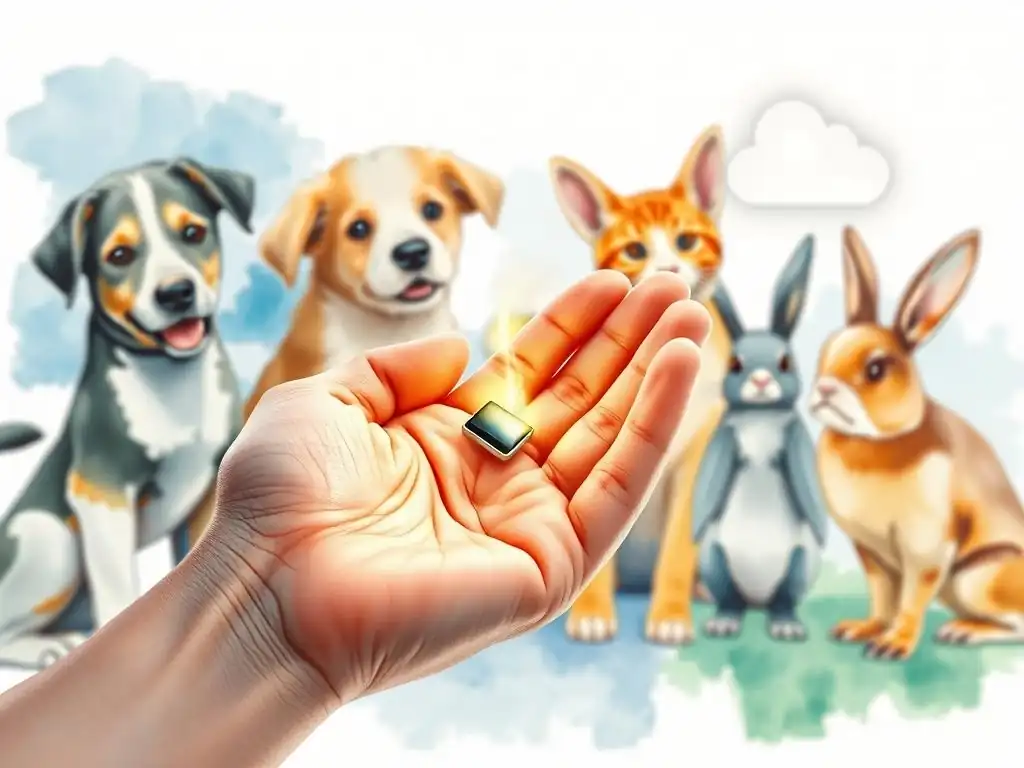
Microchipping your pet is only half the battle; registering the microchip and diligently maintaining its information is equally crucial for a successful reunion should your pet ever go missing. A well-maintained microchip database acts as a lifeline, connecting lost pets with their worried owners. Neglecting this critical step significantly reduces the chances of a happy ending.
This section details the essential processes involved in ensuring your pet's microchip information remains accurate and readily accessible. Choosing the best pet microchip provider involves considering not only the quality of the chip itself but also the robustness and reliability of their registration and database management systems.
Registering Your Pet's Microchip: Importance and Procedures
Registering your pet's microchip immediately after implantation is paramount. Many providers offer online registration portals, often accessible through a unique code provided with the microchip. This process usually involves providing detailed information about your pet, including:
- Pet's Name and Species: Accuracy is key here. Use the pet's official name as registered with any veterinary services.
- Breed and Distinguishing Features: Include any unique markings or physical characteristics to aid identification (e.g., "white patch on chest," "three-toed left paw").
- Date of Birth: This helps to verify the pet's identity and age.
- Your Contact Information: Ensure this is complete and up-to-date, including multiple phone numbers and email addresses. Consider adding a secondary contact's information as a backup.
- Address: Provide both your current physical address and any alternative addresses where your pet might be frequently located.
- Veterinarian's Information: Providing your vet's contact details can be beneficial in case of emergencies.
Failure to register your pet's microchip renders the chip essentially useless. Think of it as a valuable piece of technology without an instruction manual—it exists, but its purpose remains unfulfilled. The entire process is usually straightforward and takes only a few minutes. Many providers even send email confirmations to verify successful registration. Always keep a copy of your pet's microchip registration details for your records.
Updating Your Contact Information in the Microchip Database
Your contact information is the bridge between a lost pet and its owner. Life is dynamic; addresses change, phone numbers get updated, and even email addresses can become outdated. Regularly checking and updating your pet's microchip registration information is crucial. Many providers allow for online updates, making the process easy and convenient.
Consider setting a reminder on your calendar to review and update the information annually or whenever a significant change occurs. Failing to update your information could mean a missed opportunity for reunification. Imagine the heartache of a found pet unable to be returned because of outdated contact details – a scenario that diligent updating can easily prevent.
This proactive approach is an essential part of responsible pet ownership and increases the likelihood of a successful reunion. The peace of mind knowing your pet's information is current is invaluable. Remember, the best pet microchip provider will offer easy-to-use and reliable systems for managing your pet's information.
Ensuring the Accuracy of Your Pet's Microchip Information
Accuracy is paramount. Any inaccuracies in your pet's microchip information can severely hinder the reunification process. Double-check all information entered during registration, paying close attention to spelling and details. Even a slight inaccuracy, like a transposed digit in a phone number, can lead to delays or missed connections. Think of it like a puzzle; every piece must be in its correct place for the image to be complete. A seemingly minor error can prevent the successful resolution of the puzzle.
Furthermore, consider adding a photograph of your pet to your registration profile if the database allows it. This visual aid can further assist in identification. Regularly reviewing your pet's microchip information, at least once a year, is a simple yet effective way to ensure its accuracy and avoid potential complications. Proactive management demonstrates responsible pet ownership and maximizes the chances of a happy reunion should your pet ever become lost. This proactive approach is a vital component of choosing the right microchip provider and is a significant factor in determining the best pet microchip provider guide.
Cost Considerations: Microchip Implantation and Database Fees
Choosing the right microchip provider isn't solely about the technology; financial aspects play a crucial role in your decision. Understanding the associated costs—from the initial implantation to ongoing database maintenance—is vital for responsible pet ownership. This section will break down the various expenses involved, helping you make an informed choice that aligns with your budget. Making a smart choice regarding your pet's microchip is key to ensuring their safe return should they ever get lost. This guide will help you navigate the financial landscape of pet microchipping.
Comparing Prices of Different Microchip Brands and Services
The cost of microchip implantation varies depending on several factors. The brand of microchip itself influences the price, with some manufacturers commanding a higher premium than others. Veterinary clinics also set their own fees, which can differ significantly based on location (rural vs. urban), clinic type (specialty vs. general practice), and the specific services included. For example, a basic implantation might cost between $30 and $75, while a more comprehensive service including registration might range from $50 to $100 or more. Some providers offer packages that bundle the microchip, implantation, and initial registration, potentially offering cost savings.
It's essential to obtain quotes from several veterinary clinics and compare not only the upfront costs but also the ongoing fees associated with database registration and management. Consider asking about any potential discounts or promotions they might offer. Don't hesitate to inquire about the type of microchip used and its features; a seemingly cheaper option might lack essential features, ultimately proving more expensive in the long run.
Remember to factor in any additional costs such as pre-implantation examinations or post-implantation care. A detailed comparison table would be beneficial here to clearly outline the cost differences between various brands and services. [Specific pricing data for different microchip brands and veterinary clinic services pending].
Understanding the Costs Associated with Microchip Registration and Database Management
Microchip implantation is only half the battle. The real value lies in registering your pet's microchip with a reputable database. These databases act as central registries, connecting lost pets with their owners. Registration usually involves providing your contact information, your pet's details (breed, age, etc. ), and the microchip number. While some providers include initial registration in their implantation fees, many charge a separate annual or lifetime registration fee. These fees can vary considerably; some databases offer more comprehensive services (like international coverage or pet recovery assistance) at a higher cost.
Many databases offer different subscription tiers with varying features and price points. Some might charge a one-time fee for lifetime registration, while others opt for an annual renewal. It's important to carefully review the terms and conditions of each database to understand the full cost implications. Choosing a database with strong security measures and a proven track record of reuniting lost pets is crucial, even if it means paying a slightly higher fee. Ignoring this step significantly reduces the effectiveness of the microchip. [Specific pricing data for different pet microchip databases pending].
Budgeting for Microchipping Your Pet
Microchipping your pet is a worthwhile investment in their safety and well-being. While the initial cost might seem significant, it's a small price to pay compared to the potential emotional and financial distress of losing a beloved companion. Before scheduling the procedure, create a realistic budget that encompasses all anticipated expenses. This includes the implantation fee, registration fees (initial and ongoing), and any potential veterinary check-ups related to the procedure.
Consider the long-term costs. Annual registration fees might seem small individually, but they accumulate over time. Factor these into your budget to avoid unexpected expenses down the line. Prioritize choosing a reputable provider and a reliable database, even if it means allocating a slightly larger budget. Remember, a well-registered microchip offers significantly higher chances of a successful reunion with your pet should they ever become lost. A responsible budget should consider both the immediate and long-term financial commitments associated with microchipping. Planning ahead ensures peace of mind and contributes to your pet's overall safety and security. 🐾
Frequently Asked Questions About Pet Microchips

This section addresses common concerns pet owners have regarding microchipping their beloved companions. Understanding these frequently asked questions will help you make informed decisions about microchip implantation and ensure your pet's safety and well-being. Choosing the right microchip provider is crucial for a smooth and effective process. This guide aims to illuminate the best practices surrounding pet microchipping.
Will the microchip hurt my pet?
The procedure for implanting a microchip is generally quick and minimally invasive. Think of it similar to a routine vaccination. A small needle is used to inject the microchip, usually under the skin between the shoulder blades. Most pets experience minimal discomfort, akin to a brief pinch. The area might be slightly sore for a short time afterward, but this typically resolves quickly.
Many veterinarians administer a local anesthetic to further minimize any discomfort, especially for anxious pets. The overall experience is designed to be as painless and stress-free as possible for your animal companion. Post-procedure, monitor your pet for any unusual behavior; however, significant discomfort is rare. Remember to choose a reputable veterinarian or qualified professional experienced in microchip implantation for the best outcome. A skilled professional will ensure the procedure is performed efficiently and with the utmost care, minimizing any potential pain or distress for your pet.
How long does a microchip last?
Microchips designed for pet identification are intended to last the lifetime of your pet. They are passively powered; meaning they don't have a battery and don't require recharging or replacement. The microchip itself is a small, biocompatible glass capsule containing a unique identification number. This number remains unchanged throughout the chip's lifespan.
However, the information associated with that number (your contact details) should be regularly updated through the microchip registry. This is crucial because contact details can change due to relocation, new phone numbers, or other life events. Failing to keep the registry information up-to-date significantly reduces the effectiveness of the microchip.
So, while the chip itself is designed for a lifetime, its functionality depends on the accuracy of the registered information. Regularly checking and updating your pet's microchip information is a critical aspect of responsible pet ownership. Think of it as an ongoing commitment to ensuring your pet's safe return if ever lost.
What if my pet's microchip information is outdated?
Outdated microchip information renders the chip largely ineffective. If your pet is found and scanned, the information retrieved will be incorrect, hindering their safe return to you. This is a serious issue that emphasizes the importance of regular updates. Many registries offer online portals for easy updates, allowing you to modify your address, phone number, and other crucial details whenever necessary.
Some registries even send reminders, helping you stay on top of this essential task. Failure to update your information could mean a longer, more difficult reunion with your lost pet. It's a crucial step in ensuring the microchip serves its intended purpose, providing a reliable and timely connection between your lost pet and you.
Therefore, prioritizing regular updates is an essential aspect of responsible pet ownership and maximizing the benefits of pet microchipping. Consider setting a yearly reminder in your calendar to check and update your pet's microchip information. This small action can make a significant difference in the event your pet goes missing.
Can a microchip be removed?
Yes, a microchip can be surgically removed by a veterinarian. However, this is generally not recommended unless there's a compelling medical reason. The procedure itself carries risks, including infection and scarring, and the cost can be significant. Furthermore, removing the microchip defeats the entire purpose of microchipping your pet – providing permanent identification in case they get lost or stolen.
The microchip is a small, passive device, meaning it doesn't require a battery or emit any signals. Its presence doesn't cause any harm to your pet, and it's designed to remain in place for the animal's lifetime. Many pet owners mistakenly believe the microchip is somehow harmful or uncomfortable for their animal, leading them to consider removal.
This is generally unfounded, as the procedure to implant the microchip is quick and minimally invasive, comparable to a routine vaccination. The chip is typically placed under the skin between the shoulder blades, a location that doesn't interfere with your pet's movement or comfort.
Think of the microchip as a permanent identification tag, much like a human's social security number or a unique fingerprint. While it's possible to remove a microchip, it's far more responsible and beneficial to keep it in place to ensure your pet's safe return home should they ever become lost. Before considering removal, it's crucial to discuss the potential risks and benefits with your veterinarian.
They can address any concerns and help you make an informed decision that prioritizes your pet's safety and well-being. Remember, the long-term benefits of having your pet microchipped far outweigh the potential drawbacks of removal. The peace of mind it provides is invaluable.
Conclusion: Making an Informed Decision for Your Pet's Safety
Choosing the right microchip provider is a crucial step in responsible pet ownership. It's not just about implanting a chip; it's about ensuring your pet's safe return should they ever become lost or stolen. This decision impacts your pet's well-being and your peace of mind. By carefully considering factors such as the provider's reputation, the technology used, the registration process, and the overall cost, you can make an informed choice that best suits your pet's needs and your budget.
Remember, a reliable microchip provider is an investment in your pet's future. Don't hesitate to ask questions and compare different providers before making your final decision. Your pet's safety is paramount.
Recap of Key Factors to Consider When Choosing a Microchip Provider
Selecting the best pet microchip provider requires careful evaluation. Several key factors significantly influence your decision:
- Microchip Technology: Understand the type of microchip used. ISO standard compliant chips are crucial for international recognition. Consider the lifespan of the chip and its potential for malfunction. Some newer chips offer enhanced read-range capabilities, improving the chances of successful scanning.
- Registration Process: A robust and user-friendly registration system is essential. Ensure the provider offers secure online registration with features like automatic updates and easy contact information modification. Consider whether the provider offers lifetime registration or if there are recurring fees. Check their data security protocols to ensure your pet's information remains confidential and protected.
- Provider Reputation and Customer Service: Research the provider's history and read reviews from other pet owners. Look for providers with a strong track record of reliable service, prompt responses to inquiries, and a commitment to assisting lost pet owners. Excellent customer service can be invaluable if you encounter issues with the chip or the registration.
- Cost and Value: Compare the overall cost, considering not just the initial implantation fee but also any registration fees, annual renewal fees, or potential replacement costs. Weigh the cost against the value of the service provided and the potential long-term benefits of ensuring your pet's safe return.
| Feature | High-Priority Consideration | Low-Priority Consideration |
|---|---|---|
| Technology | ISO standard compliance, long lifespan, enhanced read range | Specific frequency (unless required by your region) |
| Registration | Secure online access, automatic updates, lifetime registration | Minimalist registration process (may compromise safety) |
| Customer Service | Prompt responses, helpful staff, positive reviews | Limited customer support channels |
| Cost | Overall value, including potential future costs | Lowest initial cost (may compromise long-term value) |
Choosing a provider solely based on price can be risky. A seemingly cheaper option might lack crucial features, resulting in higher costs and difficulties down the line. Prioritize a provider who offers a comprehensive and reliable service, even if it means a slightly higher initial investment.
Ensuring Your Pet's Safety and Well-being Through Proper Microchipping
Microchipping is a vital part of responsible pet ownership, offering a critical layer of protection against loss or theft. However, the effectiveness of a microchip hinges on several factors beyond the choice of provider. These include:
- Accurate Registration Information: Ensure all your contact details are up-to-date and accurate within the microchip database. Regularly review and update your information to reflect any changes in address, phone number, or email. This ensures that shelters and veterinary clinics can readily contact you if your pet is found.
- Regular Veterinary Checkups: During your pet's routine veterinary visits, have the microchip scanned to verify its functionality and ensure the information remains correct. This proactive approach helps prevent potential problems or data discrepancies.
- Educating Family and Friends: Inform your family, friends, and neighbors about your pet's microchip. Encourage them to check for a microchip if they find a lost pet. This collaborative effort significantly improves the likelihood of your pet's safe return.
- Understanding Scanner Limitations: Be aware that not all scanners are created equal. Some older scanners may not be able to read all microchip frequencies. The chances of successful scanning increase when using newer, more advanced scanners.
The combination of selecting a reputable microchip provider and actively maintaining accurate registration information dramatically increases the probability of a successful reunion with your beloved pet should they ever go missing. Remember, a microchip is only as good as the information associated with it and the technology used. Proactive engagement and responsible pet ownership are key to maximizing the benefits of microchipping. 🐾
Frequently Asked Questions
What is a pet microchip, and why is it important?
A pet microchip is a tiny, passive transponder implanted under your pet's skin. It contains a unique identification number linked to your contact information, crucial for reuniting lost pets with their owners. This is vital for pet safety and recovery.
How do I choose the best pet microchip provider?
Consider factors such as reliability of the database, scanning range of the microchip, customer service, and overall cost. Look for providers with wide geographical coverage and a proven track record. Read reviews and compare options before deciding.
Are all pet microchip providers the same?
No, providers differ in their database management systems, registration processes, and coverage areas. Some offer additional services like lost pet alerts or international registration. Research is key to finding the best fit for your needs.
What information is stored in the microchip?
The microchip itself only stores a unique identification number. Your contact information is stored in a centralized database associated with that number. This database is accessed when a scanner reads your pet's microchip. Keeping your contact information up-to-date is crucial.
How much does pet microchipping cost, and what's included?
The cost varies depending on the provider and location. Typically, it includes the microchip implant, registration in the database, and sometimes a microchip registration kit. Be sure to inquire about any additional fees or services before committing.
Final Reflection: The Enduring Importance of Microchipping Your Pet
The responsible ownership of a pet extends far beyond providing food and shelter; it demands proactive measures to ensure their safety and well-being. Microchipping is no longer a luxury, but a crucial responsibility for every pet owner. The peace of mind it offers, knowing your beloved companion can be quickly reunited with you should they ever become lost, is invaluable. This guide has explored the complexities of choosing the right microchip provider, highlighting the importance of factors like registration services, database reliability, and scannability.
The impact of microchipping on pet reunification rates is undeniable, transforming the landscape of lost pet recovery. It's a testament to the power of technology to bridge the gap between lost animals and their worried owners. The sheer number of pets successfully returned to their families each year thanks to microchips is a powerful reminder of its significance. A microchip is not a guarantee, but it significantly increases the chances of a happy reunion.
This simple statement underscores the profound difference this technology makes in the lives of both pets and their people. It's a responsibility we, as pet owners, should embrace wholeheartedly.
Consider the impact of your choice. Will you choose a provider known for its robust database and reliable scanning technology, ensuring your pet's information remains accessible and readily available? Or will you prioritize cost over quality, potentially jeopardizing the chances of a successful reunion? You hold the power to make a difference in the life of your pet. Take the time to research, compare, and choose wisely. The future safety and happiness of your furry friend depend on it.
Ready to Microchip Your Pet?
Thank you for learning about microchipping your pet! We hope this guide has helped you understand the importance of this vital safety measure. Let's move forward to ensure your furry friend's protection.
- Schedule a microchipping appointment with your veterinarian. This is the most crucial step in safeguarding your pet.
- Share this information with other pet owners in your community—you could help reunite a lost pet with its family!
- Consider supporting your local animal shelter or rescue organization by learning about their microchipping initiatives.
Ready to give your pet the gift of lifelong protection? What's your next step to microchip your beloved companion?