
First Aid for Transporting Injured Pets: Common Mistakes to Avoid

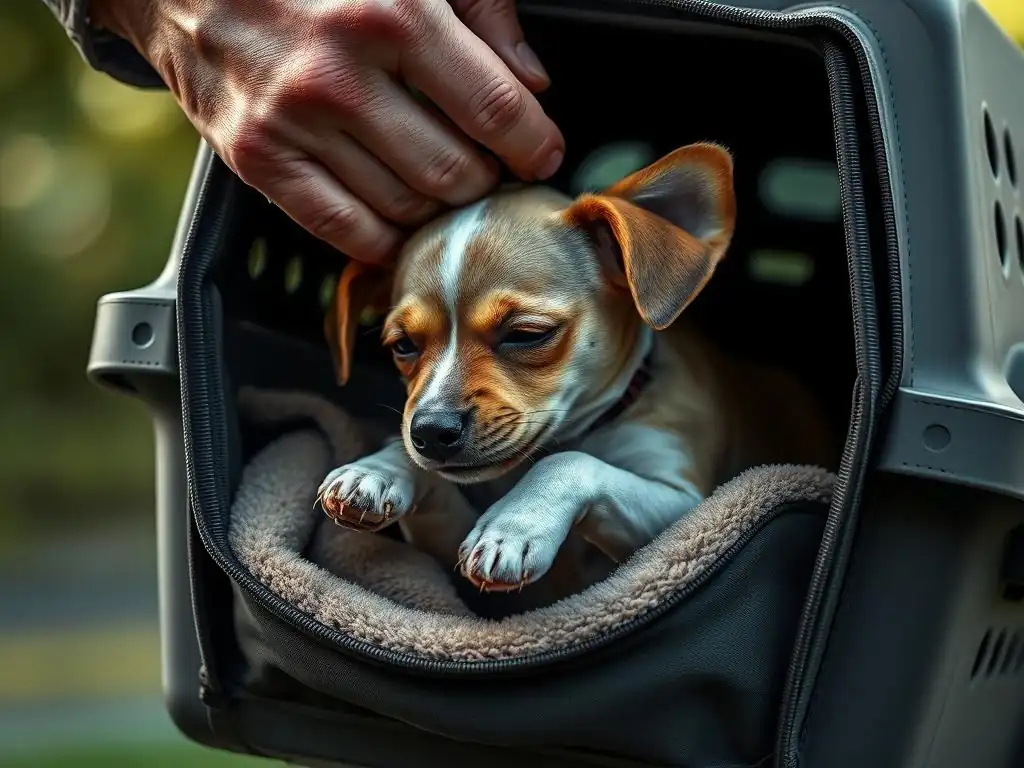
Welcome to PetCareWorld, your ultimate guide to a happier, healthier life for your beloved companion! Are you prepared for the unexpected? We delve into the crucial topic of transporting injured pets safely, revealing common mistakes that could worsen their condition. Discover essential first aid techniques and learn how to ensure your pet receives the best possible care during transit. Read on to unlock the knowledge you need to navigate pet emergencies with confidence.
- Safely Transporting Injured Pets: A Step-by-Step Guide
- Common Mistakes When Transporting Injured Animals
- Emergency First Aid for Injured Pets During Transport
- Post-Transport Care for Injured Pets
- Preventing Future Injuries and Safe Pet Handling Practices
- Frequently Asked Questions
- Final Reflection: The Urgent Need for Safe Pet Transportation
- Ready to Rescue? Master Pet First Aid Today!
Safely Transporting Injured Pets: A Step-by-Step Guide
Transporting an injured pet can be a stressful and challenging experience, but acting quickly and correctly can significantly impact your pet's recovery. This guide provides essential steps and crucial advice to ensure the safe transport of your injured animal, highlighting common mistakes pet owners often make. Understanding how to properly assess your pet's injuries, prepare for transport, and choose the right mode of transportation is paramount to minimizing further harm and maximizing their chances of survival.
We'll cover everything from minor wounds to more serious injuries, offering practical, evidence-based advice to empower you to act confidently and effectively in a crisis. Remember, swift and careful action can make all the difference in your pet's well-being. This guide focuses on "Transporting injured pets safely," providing you with the knowledge and tools to handle such situations responsibly.
Assessing Your Pet's Injuries Before Transport
Before attempting to move your injured pet, carefully assess the extent of their injuries. This initial assessment is crucial in determining the best course of action and preventing further harm during transport. Avoid unnecessary handling, as this could worsen existing injuries or cause additional trauma. Observe your pet for signs of shock, such as pale gums, rapid breathing, and weakness. Note the location and severity of any visible wounds, fractures, or bleeding.
Consider the following:
- Level of Consciousness: Is your pet alert and responsive, or lethargic and unresponsive?
- Breathing: Is their breathing labored, shallow, or normal?
- Heart Rate: Is their heart rate unusually fast or slow?
- Bleeding: Is there any significant bleeding? If so, try to control it with gentle pressure using a clean cloth.
- Deformities: Are there any visible deformities, such as broken bones or dislocations?
- Pain Response: Does your pet exhibit signs of pain when touched?
Remember, even seemingly minor injuries can have hidden complications. If you are unsure about the severity of your pet's injuries, it's always best to err on the side of caution and seek immediate veterinary attention. Accurate assessment minimizes risks during transport. The more information you can provide to the veterinary professional, the better they can prepare for your pet's arrival.
Preparing for Safe Pet Transportation: Essential Supplies
Proper preparation is vital for safe pet transportation. Gathering essential supplies beforehand will ensure you're ready to act swiftly and efficiently in an emergency. Having these items readily available can significantly reduce stress and improve the chances of a successful transport. Don't wait until an accident happens; prepare a pet first-aid kit now.
Here’s a checklist of essential supplies:
| Item | Purpose | Notes |
|---|---|---|
| Sturdy Carrier/Container | Provides secure confinement and protection during transport. | Choose a carrier appropriate for your pet's size and type of injury. |
| Towels/Blankets | Provide cushioning, warmth, and help control bleeding. | Clean, absorbent towels are ideal. |
| First-Aid Kit | Contains essential supplies for treating minor injuries (e.g., antiseptic wipes, bandages). | Ensure your kit is stocked and readily accessible. |
| Muzzle (if necessary) | Prevents biting if your pet is in pain or agitated. | Use only if absolutely necessary and know how to apply it safely. |
| Water Bottle | Provides hydration, especially for longer transport times. | Offer small amounts of water frequently. |
| Paper Towels | Useful for cleaning up messes and controlling bleeding. | |
| Flashlight | Useful for visibility in low-light conditions. | |
| Pet's Medical Records | Provides crucial information to veterinary professionals. | Keep this information easily accessible. |
Remember that a calm and prepared approach is key to minimizing stress for both you and your injured pet during transportation. Thorough preparation is crucial for transporting injured pets safely.
Securing Your Injured Pet for Transport: Carriers and Restraints
Safe and secure transport of an injured pet is paramount. Improper restraint can worsen injuries during transit. For smaller animals, a sturdy carrier lined with soft bedding is ideal. Ensure the carrier is appropriately sized to prevent excessive movement, and use a secure latch to prevent escape. Larger animals might require a pet crate, again, cushioned for comfort and fitted with secure fasteners.
Never use a carrier that's too small or too large; a snug fit minimizes the risk of further injury during transit. Consider using a pet seatbelt or harness specifically designed for car travel to further secure your pet within the vehicle. These harnesses attach to the car's seatbelt system, providing additional safety. Remember, the goal is to immobilize your pet as much as possible to prevent additional trauma.
For animals with severe injuries, consider using soft blankets or towels to gently support their limbs and body to minimize movement. Always prioritize the pet's comfort and safety while ensuring they are adequately restrained. The type of restraint will vary based on the animal's size, species, and the nature of their injuries. For example, a fractured leg might require specific padding and support to prevent further damage.
Choosing the Right Transportation Method for Injured Pets
The method you choose to transport your injured pet significantly impacts the outcome. The severity of the injury dictates the urgency and the appropriate mode of transport. For minor injuries, a personal vehicle might suffice. However, for severe trauma, such as a broken bone or significant bleeding, immediate transport via a pet ambulance or contacting emergency veterinary services is crucial.
Time is of the essence in these situations; delaying treatment can lead to irreversible damage or even death. Consider the distance to the veterinary clinic. If it's a short distance and the injury isn't life-threatening, a personal vehicle with appropriate restraint might be acceptable. However, longer distances or serious injuries necessitate faster, more specialized transportation.
Remember to prioritize the pet's well-being and stability above all else when making this decision. Assess your options carefully and don't hesitate to call emergency services if needed. The consequences of a poorly chosen transport method can be severe.
Using a Car for Pet Transportation: Safety Tips
When using a car, prioritize safety and comfort. Never place your pet in the passenger seat unrestrained; even a minor collision could result in serious injury or death. Secure your pet in the backseat using a pet car seat, carrier, or harness. Ensure adequate ventilation to prevent overheating, especially in warm weather.
Drive cautiously and avoid sudden braking or sharp turns. If possible, have a second person ride with you to monitor the pet's condition during transport. Keep a first-aid kit readily available in the car for minor injuries that may occur during the journey. This kit should include items like antiseptic wipes, gauze pads, and bandages appropriate for your pet's size.
Regularly check on your pet during the journey to ensure their safety and well-being. If you notice any changes in their condition, pull over immediately and assess the situation. It's crucial to maintain a calm and reassuring environment for your pet to minimize stress.
Utilizing a Pet Ambulance or Emergency Veterinary Services
For severe injuries, contacting a pet ambulance or emergency veterinary service is essential. These services provide specialized transportation and immediate medical attention. Pet ambulances are equipped to handle critical cases, providing life-saving care during transit. Emergency veterinary services offer 24/7 availability, ensuring your pet receives prompt treatment. When contacting these services, provide detailed information about your pet's injury, location, and condition.
Follow their instructions carefully, and be prepared to answer any questions they may have. The faster you seek professional help, the better the chances of a positive outcome. Remember, these specialized services are equipped to handle emergencies and can provide the best possible care for your severely injured pet during transport and beyond. Don't hesitate to utilize these resources; your pet's life may depend on it.
Common Mistakes When Transporting Injured Animals

Transporting injured pets safely requires careful planning and execution. Many well-meaning pet owners make critical mistakes during transport, potentially worsening the animal's condition. Understanding these common errors is crucial for providing the best possible care during an emergency. This section details some frequent pitfalls and offers solutions for transporting injured animals safely and effectively. Mastering these techniques is vital for ensuring the well-being of your beloved companion. Remember, timely and appropriate transportation can significantly impact the outcome of veterinary treatment.
Improper Restraint Techniques and Their Consequences
Improper restraint is a leading cause of further injury during pet transport. Restraining an injured animal requires a delicate balance between security and minimizing additional trauma. Using inappropriate methods can lead to increased pain, broken bones, or even exacerbate existing injuries. For instance, using a too-tight leash or harness can restrict breathing and circulation, particularly in animals with spinal injuries. Conversely, insufficient restraint can allow the animal to move uncontrollably within the carrier, potentially causing further harm.
The consequences of improper restraint can be severe. Increased pain and stress can lead to higher blood pressure and heart rate, complicating treatment. Movement within the carrier can re-injure wounds, fractures, or internal organs. In some cases, improper restraint can result in the animal becoming more agitated and difficult to handle, posing a safety risk to both the animal and the transporter.
Here's a table summarizing appropriate restraint techniques for different injury types:
| Injury Type | Recommended Restraint Method | Things to Avoid |
|---|---|---|
| Spinal Injury | Soft, padded carrier; minimal movement; neck support | Tight collars or harnesses; sudden movements |
| Fractured Limb(s) | Securely padded carrier; immobilization splints (if possible) | Rough handling; allowing the animal to move freely |
| Head Injury | Dark, quiet carrier; minimal movement; head support | Bright lights; loud noises; unnecessary handling |
| Abdominal Injury | Stable, comfortable carrier; minimal movement | Rough handling; pressure on the abdomen |
Remember, the goal is to minimize movement and provide support, not to cause additional discomfort or restrict necessary breathing. Always prioritize gentle handling and consider professional help if you are unsure about the best approach.
Neglecting to Provide Proper Ventilation During Transport
Adequate ventilation is paramount when transporting an injured pet. Insufficient airflow can lead to hyperthermia (overheating), hypoxia (lack of oxygen), and increased stress. Animals with injuries are already vulnerable and require a consistent supply of fresh air to maintain their physiological functions. Poor ventilation can quickly worsen their condition and lead to serious complications.
Consider the following factors when ensuring proper ventilation:
- Carrier Size: The carrier should be large enough to allow for comfortable movement (within the limits of the injury) and adequate airflow. A cramped carrier restricts breathing and increases stress.
- Carrier Material: Carriers made from breathable materials, such as mesh or canvas, are preferable to completely enclosed plastic carriers.
- Ventilation Holes: Ensure that the carrier has sufficient ventilation holes, especially if using a solid-sided carrier. Covering these holes can be detrimental.
- Environmental Conditions: Avoid transporting the animal in extreme heat or cold. Adjust the car's temperature accordingly.
Neglecting proper ventilation can have severe consequences. Hyperthermia can lead to organ damage, seizures, and even death. Hypoxia can cause brain damage and other organ failure. Both conditions can significantly worsen the animal's prognosis. Prioritizing good ventilation is critical for a successful transport.
Ignoring the Importance of Maintaining Body Temperature
Maintaining the animal's body temperature is crucial during transport, especially for those with injuries or shock. Hypothermia (low body temperature) and hyperthermia (high body temperature) can significantly impact recovery and survival. Animals experiencing shock, trauma, or significant blood loss are particularly vulnerable to temperature fluctuations.
Several strategies can help maintain proper body temperature:
- Insulation: Use blankets or towels to provide insulation in cold weather. Avoid using materials that could restrict airflow.
- Cooling: Apply cool compresses or use fans in hot weather. Avoid direct contact with ice, as this can cause further tissue damage.
- Monitoring: Regularly monitor the animal's body temperature using a rectal thermometer. The ideal temperature range varies depending on the species, but generally should be within a few degrees of the animal's normal body temperature. [Specific temperature ranges pending]
- Emergency Supplies: Keep emergency warming or cooling packs readily available in case of sudden temperature changes.
Failure to regulate body temperature can have serious implications. Hypothermia can slow down metabolic processes, leading to organ damage and potentially death. Hyperthermia can cause heat stroke, organ failure, and circulatory collapse. Maintaining a stable body temperature is a critical aspect of providing safe and effective transport for injured pets. Careful monitoring and proactive temperature management are essential.
Failing to Monitor Your Pet's Condition During Transport
Transporting an injured pet is a stressful experience for both the animal and the owner. However, the journey itself can exacerbate existing injuries or even create new ones if the pet's condition isn't carefully monitored. Failing to do so is a critical mistake that can significantly impact the outcome of veterinary treatment. Continuous observation is paramount, not just for immediate emergencies, but also for subtle changes that might indicate worsening conditions.
For instance, a seemingly stable dog might experience internal bleeding that isn't immediately apparent. Regularly checking for signs like pale gums, rapid breathing, weakness, or unusual lethargy is crucial. These subtle indicators can be easily missed if you're solely focused on driving and not paying close attention to your pet's behavior and physical signs. Similarly, a cat with a suspected spinal injury might appear calm initially, but a sudden increase in vocalization or a change in posture could signal worsening pain or nerve damage.
Regularly checking vital signs, if possible, can provide valuable insights. While taking a pet's pulse or temperature might be challenging during transport, observing their breathing rate and depth can be a readily available indicator of their overall condition. Rapid, shallow breathing can point towards pain, shock, or respiratory distress, all requiring immediate veterinary attention.
Documenting these observations, even with simple notes on your phone, can be invaluable for the attending veterinarian. This detailed record allows for a more informed assessment and treatment plan upon arrival at the veterinary clinic. Remember, consistent monitoring is your best defense against unforeseen complications during transport, enhancing the chances of a positive outcome for your injured companion.
Careful observation goes hand-in-hand with safe transporting practices, demonstrating responsible pet ownership and significantly improving the chances of your pet's recovery. Failing to monitor your pet diligently can be the difference between a successful transport and a potentially disastrous outcome.
Emergency First Aid for Injured Pets During Transport
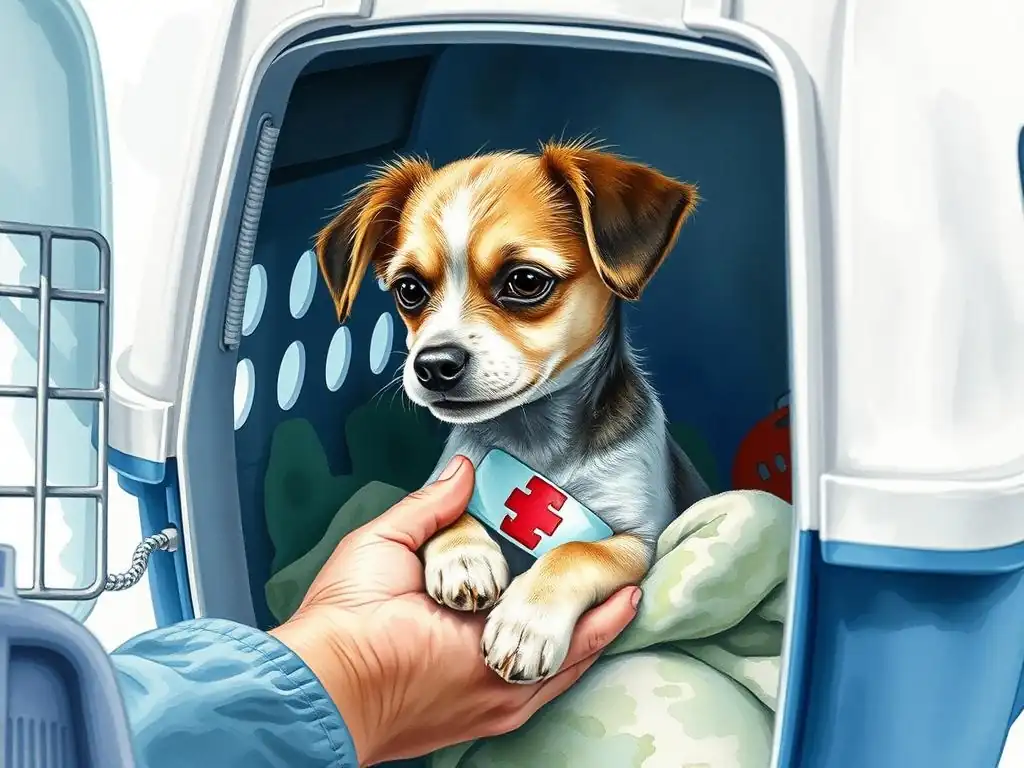
Transporting injured pets safely requires swift action and a calm demeanor. Even seemingly minor injuries can worsen during transit, so immediate and appropriate first aid is crucial. This section focuses on the critical steps to take before, during, and after moving an injured animal. Mastering these techniques can significantly improve your pet's chances of a full recovery. Effective transporting injured pets safely involves preparedness, quick thinking, and a focus on minimizing further harm.
Administering Basic First Aid While En Route
Administering basic first aid while en route to the veterinary clinic is paramount. The type of first aid will, of course, depend on the injury. However, some general principles apply to most situations. Remember, your primary goal is to stabilize your pet and prevent further injury.
Before moving your pet, assess the situation. Is the animal conscious? Are there any obvious bleeding wounds? Is the pet breathing normally? Note these observations to communicate effectively with the veterinary professional.
For bleeding wounds, apply direct pressure using a clean cloth. Elevating the injured limb can also help reduce bleeding. If the pet is in shock (pale gums, rapid weak pulse, shallow breathing), keep them warm using blankets or towels. Avoid giving your pet any food or water unless explicitly instructed by a veterinarian. This can complicate treatment later.
Consider using a pet carrier that is appropriately sized and well-ventilated. Ensure the carrier is secure to prevent further injury during transportation. A firm, stable carrier is essential. Improperly secured pets can suffer additional trauma during transit, impacting the effectiveness of transporting injured pets safely.
Recognizing and Responding to Deteriorating Conditions
Recognizing signs of deterioration is crucial for transporting injured pets safely. During transport, closely monitor your pet's vital signs, including breathing rate, heart rate, and level of consciousness. Any significant changes warrant immediate attention.
Here's a table summarizing common signs of deterioration and the appropriate responses:
| Sign of Deterioration | Description | Response |
|---|---|---|
| Increased Respiratory Rate | Rapid, shallow breathing; labored breathing; gasping. | Maintain airway, keep calm, transport immediately. |
| Decreased Heart Rate | Weak, slow pulse; pale gums. | Keep warm, transport immediately. |
| Lethargy/Unresponsiveness | Unresponsive to stimuli; loss of consciousness. | Maintain airway, support circulation, transport immediately. |
| Excessive Bleeding | Profuse bleeding from a wound that doesn't respond to direct pressure. | Apply more pressure, consider using a pressure bandage (if you are trained), transport immediately. |
| Seizures | Uncontrolled muscle spasms or convulsions. | Protect the pet from injury, transport immediately. |
Remember, every second counts. If you observe any of these signs, contact your veterinarian or emergency veterinary services immediately, even before completing the transport. 🐕🦺
Contacting Emergency Veterinary Services
Contacting emergency veterinary services is a critical step in transporting injured pets safely. Before you even begin moving your injured pet, have your veterinary clinic's number readily available, or know how to quickly find an emergency veterinary service near you. Having this information readily accessible can save precious minutes in a crisis.
When contacting the emergency services, provide clear and concise information:
- Your location: Be precise; include street address, cross streets, and any landmarks.
- Your pet's species, breed, and weight: This helps the veterinarian prepare for your arrival.
- A description of the injury: Be as detailed as possible, including the apparent severity.
- Your pet's current condition: Describe their breathing, heart rate, and level of consciousness.
Prepare for potential questions from the veterinary staff, and answer them calmly and clearly. Their guidance will be invaluable in ensuring your pet receives the best possible care. The more information you can provide, the better equipped the veterinary team will be to handle your pet's emergency. Remember, calm and clear communication is essential for a successful outcome.
Post-Transport Care for Injured Pets

Safe and efficient transportation is only the first step in caring for an injured pet. Post-transport care is crucial for their recovery and well-being. Neglecting this critical phase can significantly impact the outcome, potentially worsening existing injuries or leading to new complications. Understanding the immediate needs of your pet after transport is paramount for successful recovery. This section focuses on the essential steps to take to ensure your pet receives optimal care after being transported following an injury. Successfully navigating this phase requires vigilance, adherence to veterinary instructions, and a proactive approach to monitoring your pet's condition.
Monitoring Your Pet for Changes in Condition After Transport
Once your injured pet is safely home after transport, continuous monitoring is essential. Even if they seem stable during transport, their condition can deteriorate quickly. Regularly check for subtle changes that might indicate worsening injury or complications. These changes can be behavioral or physical.
Behavioral Changes: Observe your pet's demeanor closely. Changes in behavior such as lethargy, unusual vocalizations (excessive whining or whimpering), restlessness, aggression (even in normally docile pets), or hiding are all potential red flags. A significant decrease in appetite or refusal to drink water is also a cause for concern. Note the frequency and intensity of any changes you observe, recording the time and details in a journal or using a pet health tracking app. This detailed record will be invaluable to your veterinarian.
Physical Changes: Regularly assess your pet's physical condition. Look for signs of increased swelling, bleeding, or discharge from wounds. Check for changes in breathing rate or difficulty breathing (dyspnea). Monitor their heart rate; a rapid or weak pulse can indicate shock or internal bleeding. Palpate (gently feel) the injured area for increased pain or tenderness.
If your pet is exhibiting signs of pain, administer any pain medication prescribed by your veterinarian according to the instructions. Remember, even seemingly minor changes can signal a serious underlying problem. Don't hesitate to contact your veterinarian if you observe any of these changes. Early intervention can make a significant difference in your pet's recovery.
Following Veterinarian Instructions for Post-Transport Care
Following your veterinarian's instructions meticulously is paramount after transporting an injured pet. These instructions will be tailored to your pet's specific injuries and overall health. They may involve administering medication, applying topical treatments, providing a specific diet, restricting activity, or utilizing specialized equipment such as an Elizabethan collar (e-collar) to prevent them from licking or scratching wounds. Carefully review all instructions and ask clarifying questions if anything is unclear.
The veterinarian might recommend specific monitoring techniques, such as checking the bandage regularly for signs of infection or measuring the pet's vital signs. They may also schedule follow-up appointments for wound checks and assessments of your pet's progress. Adherence to the prescribed medication regimen is crucial for pain management and preventing infection. Never adjust the dosage or frequency of medication without consulting your veterinarian.
Accurate record-keeping, including medication administration times and observations of your pet's response, is essential for efficient communication with your veterinarian. This information helps them assess the effectiveness of the treatment plan and make necessary adjustments. Remember, consistent and diligent adherence to your veterinarian's post-transport care plan is critical for your pet's successful recovery and overall well-being. This proactive approach contributes significantly to the effective management of their injuries and contributes to a faster, smoother recovery.
Preventing Future Injuries and Safe Pet Handling Practices
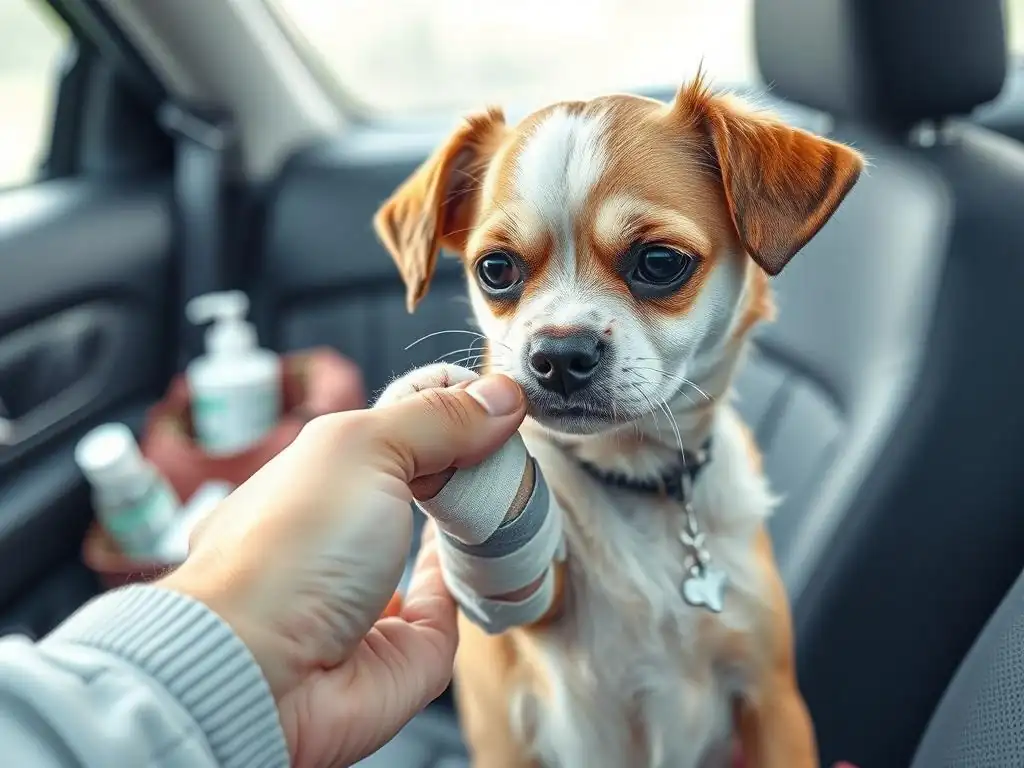
This section focuses on proactive measures to minimize the likelihood of your pet needing transport due to injury. Preventing injuries is far better than dealing with the aftermath. By implementing safe handling practices and creating a secure home environment, you significantly reduce the risk of accidents and the need for emergency pet transportation. This contributes to your pet's overall well-being and reduces stress for both you and your furry friend. Successfully transporting injured pets safely relies heavily on preventative measures.
Creating a Safe Home Environment for Your Pet
A safe home environment is paramount in preventing pet injuries. This involves identifying and eliminating potential hazards. Consider these points:
- Secure electrical cords: Chewing on electrical cords can lead to serious shocks and burns. Use cord covers or tuck cords away out of reach.
- Toxic substance storage: Keep cleaning supplies, medications, pesticides, and other potentially toxic substances securely locked away in cabinets inaccessible to your pet. Always check ingredient lists before introducing new products into your home.
- Sharp objects: Securely store sharp objects like knives, scissors, and needles. Broken glass should be immediately cleaned up.
- Furniture stability: Ensure large furniture pieces are stable and won't tip over if your pet jumps or climbs on them. Secure any loose items that could fall and injure your pet.
- Fencing and gates: If you have a yard, ensure the fence is secure and high enough to prevent escapes. Use baby gates or other barriers to restrict access to hazardous areas within your home.
- Appropriate toys: Provide your pet with age-appropriate toys that won't easily break into small, ingestible pieces. Regularly inspect toys for damage and discard any that are broken or worn.
Implementing these steps creates a significantly safer environment, reducing the chances of accidents requiring emergency transporting injured pets safely. Remember, proactive safety measures are crucial for your pet’s long-term health and happiness. A simple preventative step today can avoid a stressful emergency tomorrow.
Regular Veterinary Check-ups and Preventative Care
Regular veterinary check-ups are not just about addressing existing health problems; they are a cornerstone of preventative care. These visits allow your veterinarian to identify potential health issues early, often before they become serious. This proactive approach can prevent many injuries. For example:
- Early detection of arthritis: Early detection of arthritis through regular check-ups allows for early intervention with medication and physical therapy, preventing falls and other injuries associated with mobility issues.
- Vaccinations: Keeping your pet's vaccinations up-to-date protects them from diseases that could weaken their immune system and make them more prone to injury.
- Dental care: Good dental hygiene prevents infections that can weaken jaw bones and teeth, potentially leading to injuries from falls or difficulty eating.
- Weight management: Maintaining a healthy weight reduces strain on joints and ligaments, preventing injuries associated with obesity. Your vet can help you create a tailored diet and exercise plan.
| Health Check Aspect | Frequency | Potential Injury Prevention |
|---|---|---|
| Vaccination | Annually (or as recommended by your vet) | Prevents weakening illnesses that increase injury risk. |
| Dental Check-up | At least annually | Prevents jaw and teeth problems leading to falls and eating difficulties. |
| Physical Exam | At least annually | Early detection of mobility issues like arthritis. |
| Weight Check | Every 6 months | Prevents obesity-related injuries. |
Regular veterinary visits are an investment in your pet's health and safety. By proactively addressing potential health concerns, you minimize the risk of injuries and the need for emergency transporting injured pets safely. It's a crucial part of responsible pet ownership. Remember, a healthy pet is a safer pet.
Frequently Asked Questions
How can I safely transport a severely injured pet?
First, prioritize immediate stabilization of the injury. Use a firm, supportive carrier or improvise with a sturdy box lined with blankets. Contact a veterinarian immediately for guidance and transport arrangements.
What are the common mistakes to avoid when transporting an injured pet?
Avoid improper restraint, which can worsen injuries. Don't transport them in an unsuitable container, like a crate too small or lacking proper ventilation. Also, avoid unnecessary delays in seeking professional veterinary care.
What if my pet is bleeding heavily during transport?
Apply direct pressure to the wound using a clean cloth. Keep your pet calm and quiet to minimize stress and blood loss. Get to a veterinary clinic immediately.
My pet is unconscious. How should I transport them?
Maintain their airway as best as possible. Support their head and neck, ensuring they remain on their side to prevent choking. Rapid transport to a veterinary emergency facility is critical.
What supplies should I keep in my car for transporting injured pets?
Keep a first-aid kit specifically for pets, including absorbent materials, bandages, and gloves. Have a comfortable, secure carrier ready. Consider a pet-specific emergency blanket to help maintain their body temperature.
Final Reflection: The Urgent Need for Safe Pet Transportation
The safe transport of injured pets is not merely a matter of convenience; it's a critical factor determining their survival and recovery. A seemingly minor oversight during transport can exacerbate injuries, causing unnecessary pain and potentially jeopardizing a pet's life. This underscores the vital importance of understanding and adhering to proper pet first aid and transportation techniques.
The impact of improper pet transportation extends far beyond the immediate incident. It speaks to a broader societal responsibility towards animal welfare. We, as pet owners and caregivers, are entrusted with the well-being of our furry companions. Failing to provide safe transport during an emergency is a failure of that trust. The bond with a pet is as strong as any human bond, and their well-being is our responsibility.
This responsibility extends to equipping ourselves with the knowledge and skills to handle emergencies effectively, ensuring our pets receive the best possible care.
Now, consider your own preparedness. Do you know the proper techniques for securing an injured pet in a vehicle? Are you aware of the potential dangers of improper restraint? Take a moment to reflect on this. Take the time to learn the essential steps outlined in this article, and make a conscious effort to practice them. By doing so, you will not only be better equipped to handle future emergencies but also contribute to a culture of responsible pet ownership, ensuring the safety and well-being of animals everywhere.
Ready to Rescue? Master Pet First Aid Today!
Thank you for taking the time to learn crucial pet first aid techniques! You've gained valuable knowledge that could save a life. Let's put it to use.
- Practice your new skills: Use a stuffed animal or even a willing human friend to practice the techniques you've learned. Becoming familiar with the steps will be invaluable in a real emergency.
- Share this vital information: Spread the word to other pet owners. A simple social media post could save a furry friend's life.
- Prepare a pet first-aid kit: Gather the essential supplies discussed in the article; you'll be thankful you did!
Ready to face any pet emergency with confidence? What's the most important lesson you learned today that will change how you approach pet first aid?