
First Aid for Pets: Safely Transporting an Animal with Head Trauma


Welcome to PetCareWorld, your ultimate guide to a happier, healthier life for your beloved companion! Are you prepared for every scenario? We delve into crucial pet first aid knowledge, starting with the critical steps involved in the safe transport of a pet suffering from head trauma. Discover essential techniques and advice that could mean the difference between life and death. Learn more and equip yourself with the knowledge to confidently handle unforeseen emergencies – your pet's well-being depends on it.
- Recognizing the Signs of Pet Head Trauma
- Immediate Actions: Stabilizing Your Pet Before Transport
- Safe Transport Techniques for Pets with Head Trauma
- Preparing for Veterinary Care: Important Information to Share
- Preventing Pet Head Trauma: Safety Tips for Pet Owners
- Post-Transport Care: Following Up with Your Veterinarian
- When to Call Emergency Veterinary Services for Pet Head Trauma
-
Frequently Asked Questions
- What is the most important consideration when transporting a pet with suspected head trauma?
- How should I position my pet during transport after a head injury?
- What kind of vehicle is best for transporting a pet with head trauma?
- Should I give my pet any medication before transporting it to the vet for head trauma?
- What should I do if my pet is bleeding from the head during transport?
- Final Reflection: The Urgent Need for Safe Pet Head Trauma Transport
- Ready to Respond? Empower Yourself with Pet First Aid Knowledge
Recognizing the Signs of Pet Head Trauma

Pet head trauma is a serious emergency requiring immediate and careful action. Successfully transporting your pet after a head injury is crucial for their survival and recovery. This comprehensive guide will equip you with the knowledge to identify the signs of head trauma in various animals and provide safe transportation methods to minimize further injury. Understanding how to recognize the symptoms and properly transport your injured pet can make a significant difference in their outcome.
This guide focuses on the critical steps involved in safely moving your pet after a suspected head injury, ensuring they receive prompt veterinary care. Remember, acting quickly and calmly is paramount in these situations. Ignoring the signs of head trauma can lead to irreversible damage or even death. This guide will cover recognizing head injuries in dogs, cats, and other small mammals, providing practical advice for each species.
Identifying Head Injuries in Dogs
Head injuries in dogs can manifest in various ways, ranging from subtle to severe. Recognizing these signs promptly is vital for effective first aid and transportation. Look for these key indicators:
- Bleeding from the ears, nose, or mouth: This is a significant sign of head trauma and often indicates a skull fracture or internal bleeding. The amount and color of the blood should be noted.
- Loss of consciousness or altered mental state: A dog that is lethargic, unresponsive, disoriented, or exhibiting unusual behavior (e.g., circling, stumbling) may have suffered a head injury. Observe their responsiveness to stimuli.
- Seizures or convulsions: These are serious neurological signs and indicate severe brain damage. Time the duration of the seizure and note the frequency.
- Pupil dilation or unequal pupil size: Changes in pupil size and reactivity to light (anisocoria) are indicative of potential brain injury.
- Bleeding from the eyes: This is a serious sign requiring immediate veterinary attention.
- Discharge from the ears or nose: Note the color, consistency, and odor of any discharge. This could indicate a skull fracture or infection.
- Head tilting or weakness in the limbs: These neurological symptoms can point towards damage to the brain or spinal cord.
- Vomiting or retching: Repeated vomiting can be a sign of increased intracranial pressure.
- Difficulty breathing or abnormal respiratory patterns: This could be due to brain swelling or damage to the respiratory centers in the brain.
The severity of the injury will dictate the urgency of transport. If your dog exhibits any of these symptoms, contact your veterinarian or emergency animal hospital immediately. Prepare for transport as outlined in the following sections.
Recognizing Head Trauma in Cats
Cats, with their agility and tendency to land on their feet, can sustain head injuries during falls or other accidents. While they may mask their pain effectively, look for these signs:
- Changes in behavior: Sudden lethargy, hiding, or uncharacteristic aggression can indicate a head injury. Compare their behavior to their normal baseline.
- Head pressing: Cats may press their head against surfaces, indicating neurological dysfunction.
- Walking in circles or stumbling: These are clear signs of motor incoordination and potential brain damage.
- Difficulty with balance or coordination: Cats may lose their usual grace and agility.
- Vocalization changes: Unusual meowing or yowling can be a sign of pain or distress.
- Seizures or tremors: Similar to dogs, these are serious signs of neurological compromise.
- Loss of appetite or dehydration: These are secondary signs that can indicate underlying health issues.
- Dilated or unresponsive pupils: Check for changes in pupil size and reactivity to light.
The same urgency applies to cats as to dogs. Immediate veterinary attention is paramount if you suspect a head injury. Prepare for transport according to the guidelines provided.
Spotting Head Injuries in Other Small Mammals
Head trauma in small mammals like rabbits, guinea pigs, hamsters, and ferrets presents unique challenges due to their size and fragility. Signs can be subtle, requiring careful observation:
- Lethargy and decreased activity: A significant reduction in activity is a primary indicator.
- Head tilting or loss of balance: These are common neurological signs.
- Seizures or tremors: These are serious and require immediate attention.
- Bleeding from the nose, mouth, or ears: Similar to cats and dogs, this indicates significant trauma.
- Difficulty breathing: Respiratory distress is a life-threatening sign.
- Loss of appetite or dehydration: These are secondary signs and need to be addressed.
Given their fragility, handling small mammals with suspected head trauma requires extreme caution. Gentle but firm support is critical during transport. Avoid unnecessary movement and seek immediate veterinary care. The speed of response is crucial for their survival.
Immediate Actions: Stabilizing Your Pet Before Transport
This section focuses on the crucial first steps you must take when your pet suffers head trauma before attempting transport. Swift and correct initial actions can significantly impact your pet's outcome. Remember, every second counts. Prioritizing stabilization minimizes further damage and improves the chances of a successful recovery. Effective management of pet head trauma hinges on immediate, informed intervention, making this section vital for pet owners.
Assessing the Severity of the Injury
Accurate assessment is paramount before transporting a pet with suspected head trauma. The severity dictates the urgency and method of transport. Look for obvious signs like:
- Loss of consciousness: Note the duration and any return to consciousness.
- Bleeding: Identify the source and rate of bleeding; profuse bleeding requires immediate attention.
- Pupil dilation or constriction: Unequal pupil size (anisocoria) is a serious indicator of neurological damage.
- Seizures or convulsions: Record the frequency and duration of any seizures.
- Deformities of the skull: Observe for swelling, depressions, or fractures.
- Disorientation or altered mental state: Assess responsiveness to stimuli and note any unusual behavior.
- Vomiting or respiratory distress: These symptoms can indicate increased intracranial pressure.
Document these observations as accurately as possible. This information is crucial for veterinary professionals to determine the appropriate treatment. The more detailed your account, the better equipped the veterinarian will be to provide the best possible care. For example, recording the exact time of the incident and the pet's response to specific stimuli enhances the accuracy of the assessment. Even subtle changes in behavior should be noted.
Controlling Bleeding and Preventing Further Injury
Controlling bleeding is a critical step in stabilizing your pet. Apply direct pressure to any bleeding wounds using a clean cloth. Avoid applying pressure directly to the eyes or open skull fractures. If the bleeding is severe or uncontrolled, seek immediate veterinary assistance.
Preventing further injury involves minimizing movement and providing a stable environment. Avoid unnecessary handling; only move your pet if absolutely necessary to prevent further injury or to provide life-saving interventions. A stiff, flat surface, such as a board or a sturdy piece of cardboard, can provide crucial support and help to immobilize the head and neck. This improvised stretcher aids in preventing further spinal cord damage which often accompanies head injuries. Consider using towels or blankets to gently cushion your pet on the board.
Remember to handle your pet with extreme care, avoiding any jarring movements that could exacerbate the injury. Gentle handling is key.
Keeping Your Pet Calm and Minimizing Movement
Keeping your pet calm is essential during transport. Stress can worsen the injury. Speak to your pet in a soothing voice. If possible, cover your pet with a blanket to provide a sense of security and reduce external stimuli. Avoid sudden movements or loud noises.
Minimizing movement is crucial to prevent further injury to the brain and spinal cord. Use a rigid surface, like a flat board, to support your pet during transport. If possible, secure your pet to the board using straps or towels to prevent movement. This is particularly critical if you are transporting your pet by vehicle.
The safest method of transport is usually in a pet carrier, but this might not be possible given the severity of the injury. Remember, prioritizing stability above all else is paramount. The goal is to reach veterinary care safely and efficiently. The gentle handling and minimization of movement directly impact the potential for a positive outcome.
Safe Transport Techniques for Pets with Head Trauma
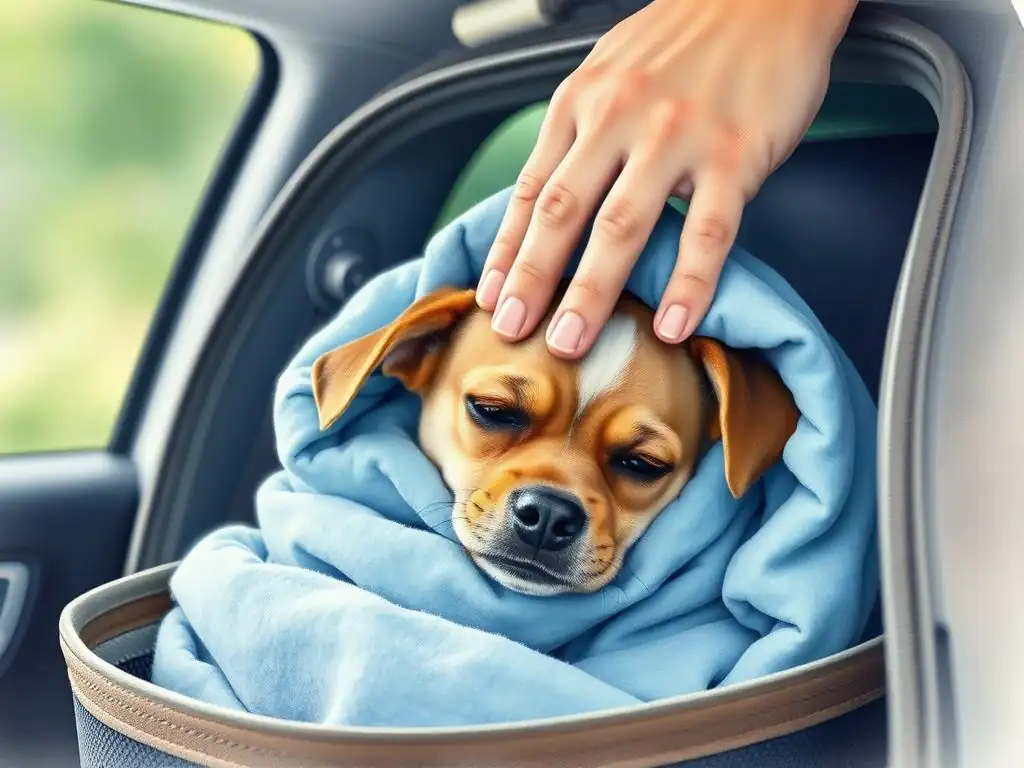
This section details crucial techniques for safely transporting a pet experiencing head trauma. Remember, every second counts in such situations, so swift and careful action is paramount. Improper handling can worsen the injury, potentially leading to irreversible damage or even death. This guide focuses on minimizing further harm during transit to veterinary care.
The core principle is to prioritize stability and minimize movement of the head and neck. This applies to all pets, from small rodents to large dogs, though the specific methods will vary depending on size and species. Proper transport is a critical component of "Pet head trauma safe transport."
Choosing the Right Transportation Method: Utilizing a Pet Carrier or Crate
The ideal method for transporting a pet with suspected head trauma involves a sturdy, well-ventilated carrier or crate. Avoid makeshift solutions; a proper container provides crucial support and prevents further injury from sudden movements or impacts.
The size of the carrier is crucial. It should be large enough to accommodate your pet comfortably without allowing excessive movement, yet small enough to prevent them from thrashing around and injuring themselves further. A carrier that's too large can be just as dangerous as one that's too small.
For smaller animals like rabbits, guinea pigs, or birds, a firm, well-padded container is sufficient. Larger animals, such as cats and dogs, require larger, sturdier crates. Consider the weight and size of your animal when choosing a carrier. A crate with a secure latch is absolutely essential to prevent escapes during transport.
Consider these factors when choosing a carrier:
- Material: Hard-sided carriers offer superior protection compared to soft-sided ones.
- Ventilation: Adequate ventilation is crucial to prevent overheating and ensure your pet can breathe easily.
- Padding: Use soft, clean bedding to cushion your pet and absorb any potential fluids. Avoid using excessive padding, as this can restrict movement and hinder breathing.
- Security: A secure latch is non-negotiable to prevent your pet from escaping.
Securing Your Pet for Safe Travel
Once your pet is inside the carrier, securing them is the next critical step. Avoid any restraints that could constrict their breathing or further injure their neck. Instead, focus on methods that provide gentle support and minimize movement.
For smaller animals, soft padding and strategically placed towels can help prevent movement. For larger animals, consider using a soft, wide neck collar and a short, secure leash. Never use a harness, as this could potentially cause further damage to the neck and spine. The leash should be attached to a secure point within the carrier, preventing them from thrashing around. Remember, the goal is gentle restraint, not confinement.
Consider these additional securing measures:
- Neck Support: If possible, gently support your pet's neck with a soft towel or rolled-up blanket. This helps to stabilize the head and minimize movement.
- Body Support: Use additional padding to support their body and prevent them from rolling around.
- Temperature Control: Maintain a stable temperature in the vehicle to prevent hypothermia or hyperthermia.
Remember to check on your pet frequently during transport to ensure they are breathing comfortably and not showing signs of distress.
Maintaining a Stable Environment During Transport
Maintaining a stable environment during transport is crucial for minimizing further injury. Sudden stops, starts, or turns can exacerbate head trauma. Drive slowly and carefully, avoiding sudden movements whenever possible. If possible, have a second person in the vehicle to monitor your pet’s condition and provide additional support.
These measures contribute significantly to a "Pet head trauma safe transport":
- Smooth Driving: Drive slowly and smoothly to minimize jarring movements. Avoid sudden braking or acceleration.
- Temperature Regulation: Maintain a comfortable temperature inside the vehicle to prevent overheating or hypothermia.
- Constant Monitoring: Regularly check your pet's breathing, pulse, and overall condition during transport.
- Emergency Preparedness: Have your emergency contact information readily available. Knowing the nearest veterinary emergency clinic is crucial.
The safe transport of a pet with head trauma requires careful planning and execution. By following these guidelines, you can significantly improve the chances of a positive outcome for your beloved companion. Remember, seeking immediate veterinary attention is paramount. These steps are designed to improve the safety of the journey to the vet, not replace professional veterinary care.
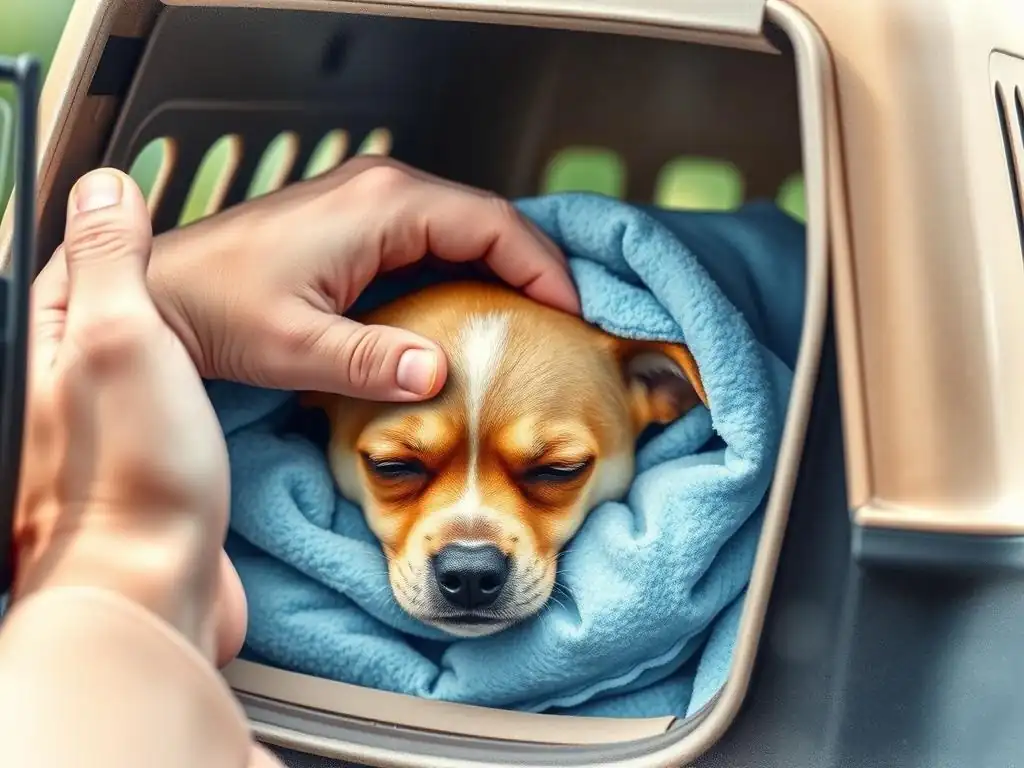
Successfully transporting your pet with head trauma is only half the battle. Getting them to the veterinarian quickly and efficiently is crucial, but providing the vet with the right information beforehand can significantly improve their chances of recovery. This section focuses on preparing vital details to relay to veterinary professionals, ensuring seamless and effective treatment. Effective communication is key to optimizing your pet's care in this critical situation. Remember, every second counts when dealing with pet head trauma.
Gathering Pertinent Information Before Arrival at the Vet
Before even attempting to contact your veterinarian, gather as much information as possible about the incident. This will help the vet assess the situation more accurately and expedite the necessary treatment. The more details you can provide, the better equipped they will be to handle your pet's emergency.
Here's a checklist of crucial information to collect:
- Time of injury: Note the exact time the injury occurred. This helps determine the duration of symptoms and the potential severity of the trauma.
- Mechanism of injury: How did the head trauma occur? Was it a fall, a car accident, an attack by another animal, or something else? Describe the incident in as much detail as possible. For example, "fell from a height of 6 feet," or "struck by a car traveling approximately 25 mph." This helps the vet understand the forces involved.
- Observed symptoms: Document all symptoms observed since the injury. This includes:
- Level of consciousness (alert, lethargic, unresponsive)
- Respiratory rate and effort (shallow, labored, normal)
- Pupil size and reactivity (constricted, dilated, equal, unequal)
- Bleeding (location, amount)
- Vomiting or seizures
- Any unusual behavior changes (e.g., disorientation, circling)
- Pet's medical history: Have your pet's vaccination records, medical history, and any pre-existing conditions readily available. This includes allergies, medications, and previous surgeries. This information is essential for the vet to consider during treatment.
- Species, Breed, Age, Weight: Basic identification details are critical for the veterinary staff to quickly understand the animal's needs.
This detailed information will allow the veterinary team to prepare for your pet's arrival and optimize their treatment plan. Remember to remain calm and concise when communicating this information.
Contacting Your Veterinarian or Emergency Clinic
Once you've gathered the necessary information, contact your veterinarian or the nearest emergency veterinary clinic immediately. Explain the situation calmly but urgently, emphasizing the head trauma and the urgency of the situation. Clearly state your pet's species, breed, age, weight, and the observed symptoms. Providing the information you compiled beforehand will significantly streamline the process.
Be prepared to answer questions from the veterinary staff. They may ask for more details about the incident and your pet's current condition. Follow their instructions carefully regarding transport and arrival procedures. They might advise you on the best route to take to the clinic to minimize further stress or injury to your pet.
Remember to note down any instructions they give you, including:
- The clinic's address and directions.
- Any pre-arrival instructions (e.g., keeping your pet warm, avoiding certain actions).
- The estimated wait time.
Efficient communication is crucial during this stressful time. Clear and concise information can save valuable time and potentially your pet's life.
What to Expect at the Veterinary Clinic
Upon arrival at the veterinary clinic, the staff will likely assess your pet's condition immediately. They may perform a quick physical examination and run some initial tests to determine the extent of the head trauma. Be prepared for a thorough examination, including neurological assessments, imaging (X-rays, CT scans), and blood work. The procedures necessary depend on the severity of the injury and your pet's overall condition.
The veterinary team will explain the diagnosis, treatment plan, and prognosis. They might recommend hospitalization for observation, medication, or further diagnostic testing. Ask questions to clarify any uncertainties. Remember, actively participating in your pet's care is crucial for a positive outcome.
The cost of treatment will vary depending on the severity of the injury and the necessary procedures. Be prepared to discuss payment options with the clinic staff. The well-being of your pet is the priority, but financial considerations are also important to discuss openly and honestly. The focus should remain on providing the best possible care for your pet during this difficult time. Remember, prompt action and clear communication are key factors in ensuring the best possible outcome for your beloved companion.
Preventing Pet Head Trauma: Safety Tips for Pet Owners
Preventing pet head trauma is crucial for ensuring your pet's well-being. Proactive measures significantly reduce the risk of accidents leading to serious head injuries. This section focuses on practical steps you can take to create a safer environment for your furry, feathered, or scaled friend. Remember, even seemingly minor head injuries can have lasting consequences.
Creating a Safe Home Environment for Your Pet
A safe home environment is the first line of defense against pet head trauma. This involves identifying and eliminating potential hazards. Consider these points:
- Secure loose objects: Remove or secure any items that could fall and strike your pet, such as unsecured shelves, heavy objects on high surfaces, and dangling cords. A simple fall from a significant height can cause severe head trauma. Think about the perspective of a small dog or cat – what appears stable to you might be a hazard to them.
- Childproof your home: Many items that are dangerous for children are equally dangerous for pets. This includes small objects that could be swallowed, toxic substances, and sharp corners. Keep cleaning supplies and medications out of reach and securely stored.
- Fence your yard properly: Ensure your yard is securely fenced to prevent your pet from escaping and potentially encountering traffic or other dangers. Regularly check for any gaps or weaknesses in the fence.
- Supervise interactions: Always supervise interactions between your pet and children or other animals. Rough play can easily lead to head injuries. Teach children how to interact gently and respectfully with pets.
- Secure windows and doors: Prevent your pet from jumping or falling out of windows or doors by using screens or gates. Consider window safety measures, especially for cats who are known for their agility.
Avoiding Common Causes of Head Trauma
Understanding common causes of pet head trauma helps in implementing preventative measures. Here are some of the most frequent scenarios:
- Car accidents: Always secure your pet in a properly fitted pet car seat or carrier when traveling in a vehicle. Unrestrained pets are at a significantly higher risk of head injuries during accidents. This is a crucial aspect of "Pet head trauma safe transport," even for short trips.
- Falls: Prevent falls from heights by securing furniture, using gates to block access to stairs, and ensuring your pet cannot jump from high places. Cats, in particular, are prone to falls from windows and balconies.
- Attacks by other animals: Keep your pet under supervision, especially during walks or playtime in areas where other animals might be present. Consider training your pet to avoid aggressive encounters.
- Object impacts: Remove or secure any objects that could strike your pet's head, such as sports equipment, garden tools, or heavy objects left unattended. Be especially mindful during outdoor activities.
Recognizing and Addressing Risk Factors for Head Injuries
Certain breeds and age groups are more susceptible to head injuries. Understanding these risk factors allows for tailored preventative strategies.
- Brachycephalic breeds: Dogs with short noses (brachycephalic breeds like Bulldogs and Pugs) are more prone to breathing difficulties, which can increase their risk of head trauma during exertion or stress.
- Senior pets: Older pets, due to age-related decline in coordination and reflexes, are more vulnerable to falls and injuries. Provide them with a safe and supportive environment.
- Neurological conditions: Pets with pre-existing neurological conditions may be at increased risk of head injuries due to impaired balance and coordination.
- Underlying health issues: Certain medical conditions can affect balance and coordination, increasing the risk of head trauma. Consult your veterinarian to address any underlying health concerns.
Remember, proactive prevention is key to minimizing the risk of pet head trauma. By taking these steps, you can significantly enhance your pet's safety and well-being. Early intervention and careful planning are vital components of responsible pet ownership.
Post-Transport Care: Following Up with Your Veterinarian
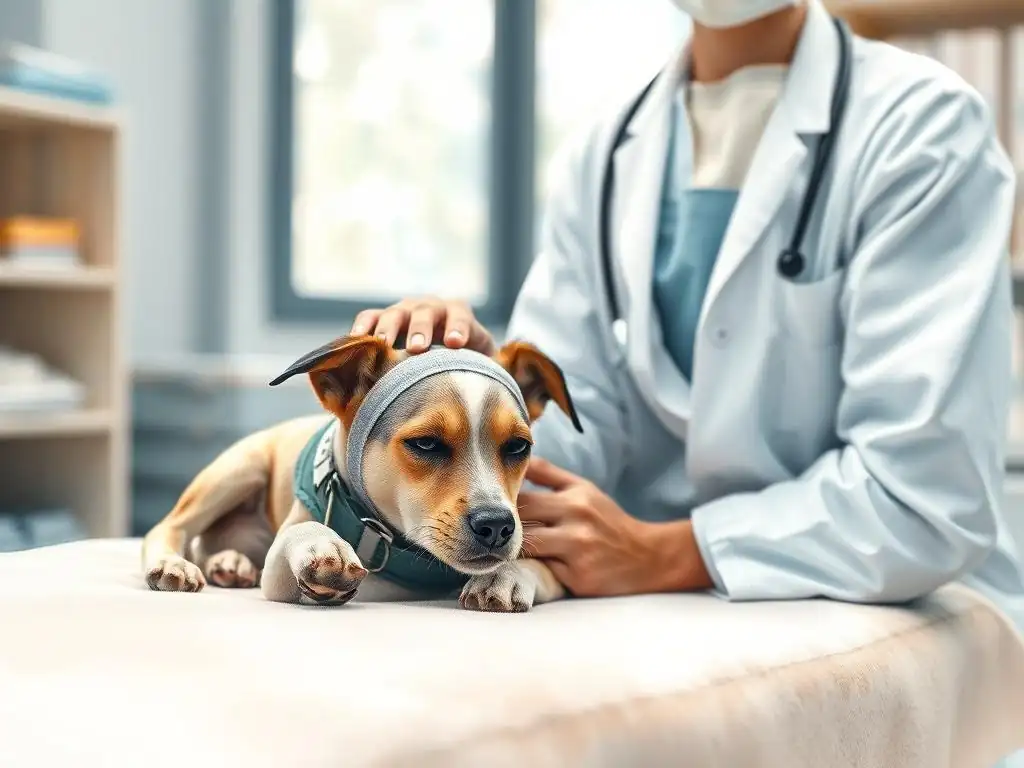
Safe transport is only the first step in addressing pet head trauma. Following up with your veterinarian is crucial for your pet's recovery and long-term well-being. The severity of the head injury will dictate the frequency and intensity of post-transport care, ranging from regular check-ups to intensive hospital stays. Remember, even if your pet seems to have recovered well after the initial transport, hidden injuries can still manifest later. Proactive monitoring and veterinary guidance are paramount. This section focuses on the vital steps you should take to ensure your pet receives the appropriate ongoing care.
Monitoring Your Pet's Condition After Transport
Careful observation of your pet is key in the days and weeks following transport for head trauma. Maintain a detailed record of your pet's behavior, noting any changes, no matter how subtle. This includes monitoring their:
- Level of consciousness: Is your pet alert and responsive, or lethargic and unresponsive? Note any changes in their responsiveness to stimuli.
- Motor skills: Assess their ability to walk, stand, and maintain balance. Even slight wobbliness or limping warrants veterinary attention.
- Appetite and thirst: Any significant changes in eating or drinking habits could indicate internal injuries or complications.
- Breathing: Observe their breathing rate and pattern. Difficulty breathing or unusual sounds should be reported immediately.
- Pupil response: Note any asymmetry in pupil size or reaction to light, as this can signal neurological issues.
- Vomiting or diarrhea: These symptoms can be indicative of internal bleeding or other complications.
Regularly check for any new wounds, swelling, or discharge from the head or body. Take photos and videos to document changes over time – this can be incredibly helpful when discussing your pet's progress with the veterinarian. Consider using a pet health journal or app to meticulously track observations. This detailed approach helps your vet assess the effectiveness of treatment and make informed decisions.
Early detection of complications can significantly improve your pet's chances of a full recovery. Don't hesitate to contact your vet if you notice any concerning changes. Remember, it's always better to err on the side of caution.
Following Veterinary Instructions Carefully
Your veterinarian will provide specific instructions for your pet's post-transport care. These instructions are tailored to your pet's specific injury and overall health. Following these instructions precisely is crucial for a successful recovery. This might include:
- Medication administration: Administer medications exactly as prescribed, ensuring accurate dosage and timing.
- Rest and confinement: Provide a quiet and safe environment for your pet to rest and recover. Restrict their activity levels as directed by your vet. This might involve limiting their access to stairs or other hazards.
- Wound care: If there are any external wounds, follow your vet's instructions for cleaning and dressing them.
- Dietary restrictions: Your vet might recommend a special diet to support your pet's recovery. Strictly adhere to these dietary recommendations.
- Follow-up appointments: Attend all scheduled follow-up appointments, even if your pet seems to be recovering well.
Failure to follow veterinary instructions can lead to complications and potentially worsen your pet's condition. Do not hesitate to ask questions if you are unsure about any aspect of the post-transport care plan. Clear communication with your veterinarian is essential for ensuring your pet receives the best possible care. This proactive approach emphasizes the importance of adhering to professional guidance for optimal outcomes in pet head trauma recovery. Remember, patient compliance is a critical component of successful treatment.
Knowing When to Seek Immediate Veterinary Attention
Even with careful monitoring and adherence to the veterinary care plan, some situations require immediate veterinary attention. Contact your vet or an emergency animal hospital immediately if you notice any of the following:
- Sudden changes in consciousness: If your pet becomes unresponsive or loses consciousness.
- Seizures: Any signs of seizures, including shaking, convulsions, or loss of bladder/bowel control.
- Severe respiratory distress: Difficulty breathing, gasping for air, or bluish discoloration of the gums.
- Excessive bleeding: Any significant bleeding from wounds or body orifices.
- Persistent vomiting or diarrhea: If these symptoms are severe or persistent despite treatment.
- Unusual neurological signs: Weakness, paralysis, loss of coordination, or changes in behavior such as aggression or disorientation.
These symptoms could indicate life-threatening complications. Prompt veterinary intervention is crucial in these situations to minimize the risk of long-term damage or death. Remember, time is of the essence when dealing with serious medical emergencies. Don't delay seeking immediate veterinary attention if you suspect something is seriously wrong with your pet. Your prompt action could save their life. Being prepared and knowing when to seek immediate help is a crucial part of responsible pet ownership, particularly when dealing with the complexities of pet head trauma.
When to Call Emergency Veterinary Services for Pet Head Trauma
Pet head trauma, even seemingly minor injuries, requires careful assessment. Knowing when to seek immediate veterinary attention is crucial for your pet's survival. While some minor bumps might heal on their own, several indicators demand immediate emergency veterinary care. Delaying treatment can worsen the injury, leading to irreversible damage or even death. This section focuses on identifying situations requiring immediate professional help for your pet's head injury, ensuring you're equipped to make the right decisions in a stressful situation. Understanding these critical signs will help you prioritize your pet's safety and well-being.
Recognizing Life-Threatening Signs of Head Trauma
Recognizing life-threatening signs of head trauma in your pet is paramount for prompt action. These signs often indicate severe underlying issues requiring immediate veterinary intervention. Don't delay; immediate veterinary care is critical when you observe any of the following:
- Loss of consciousness: Even brief unconsciousness following a head injury is a serious red flag. This indicates a significant neurological impact.
- Seizures: Seizures following head trauma can signify brain swelling or bleeding. These are dramatic events requiring immediate veterinary attention.
- Bleeding from the ears or nose: This suggests potential skull fractures and internal bleeding, both life-threatening conditions.
- Difficulty breathing: Respiratory distress can be caused by brain swelling impacting breathing centers.
- Pupil dilation asymmetry: Unequal pupil size can indicate nerve damage and requires immediate veterinary examination.
- Pale gums: Pale or white gums are a sign of shock and potential internal bleeding, often associated with severe head trauma.
- Unusual posture or gait: A head tilt, circling, or inability to walk normally can indicate serious neurological damage.
- Vomiting or retching: While vomiting can be a non-specific symptom, persistent vomiting after head trauma warrants immediate attention.
- Lethargy and unresponsiveness: Significant lethargy or inability to respond to stimuli indicates serious neurological compromise.
- Obvious deformities of the skull: A visibly deformed skull suggests a fracture requiring immediate stabilization and veterinary care.
Remember, even if your pet appears to recover initially, subtle changes in behavior or subtle neurological signs can develop hours or even days later. Therefore, close monitoring is essential following any suspected head trauma. If you observe any of these signs, immediately contact your veterinarian or an emergency veterinary service. Time is of the essence when dealing with pet head trauma.
Contacting Emergency Services: Accessing Local Emergency Veterinary Services
Timely access to emergency veterinary services is crucial when dealing with pet head trauma. Knowing how to contact emergency services swiftly and efficiently can make a significant difference in your pet's outcome. Before an emergency occurs, it's highly recommended to locate and save the contact information of the nearest 24/7 emergency veterinary clinic. This preparedness is vital during stressful situations. Here's how you can efficiently access local emergency veterinary services:
- Pre-emergency planning: Proactively research and save the contact information of at least two emergency veterinary clinics near your home and your regular workplaces. Include their phone numbers, addresses, and operating hours (even for 24/7 clinics, it's helpful to have the information readily available).
- Use online search engines: In an emergency, quickly search "emergency vet near me" on your smartphone or computer. Ensure you select a clinic with experience in emergency and critical care.
- Contact your primary veterinarian: Even outside of their normal operating hours, your primary veterinarian can often provide guidance and direct you to the nearest emergency veterinary clinic. They may have established relationships with specific emergency services.
- Have your pet's medical history ready: Before you call, gather any relevant information about your pet, such as their breed, age, weight, and a brief description of the incident. This will help the veterinary staff prepare for your arrival.
Remember to remain calm and provide clear, concise information to the emergency veterinary staff. They are trained to handle stressful situations and will guide you through the next steps. The speed of your response can dramatically improve your pet's chances of recovery.
Emergency Preparedness for Pet Head Injuries
Proactive preparation is key to effectively managing a pet head trauma emergency. Having an emergency kit readily available can significantly improve your response time and reduce stress during a critical situation. This kit should contain essential items for immediate first aid and safe transport to a veterinary clinic. Here's a suggested list of items to include:
| Item | Purpose |
|---|---|
| Towel or Blanket | To gently support the head and neck; helps prevent further injury. |
| Cardboard box or carrier | Provides a stable and secure environment for transport. |
| First-aid kit (pet-specific) | Includes items like antiseptic wipes, gauze pads, and possibly a muzzle (if needed). |
| Flashlight | Essential for nighttime emergencies or poorly lit areas. |
| Pet's medical records | Provides vital information for the veterinary staff. |
| Contact information | List of emergency veterinary clinics and your primary veterinarian. |
Beyond the physical kit, consider these additional preparedness steps:
- Pet identification: Ensure your pet is microchipped and wears a collar with up-to-date identification tags.
- Familiarize yourself with pet first aid: Take a pet first aid course to gain essential knowledge and skills in handling various injuries.
- Practice safe handling techniques: Learn how to safely lift and restrain your pet to prevent further injury during transport.
By combining a well-stocked emergency kit with proactive planning and knowledge, you can significantly increase your pet's chances of survival and recovery from a head injury. Remember, proactive preparation will minimize stress and maximize your response effectiveness during a critical situation. Your preparedness translates directly into your pet's safety and well-being.
Frequently Asked Questions
What is the most important consideration when transporting a pet with suspected head trauma?
Minimizing movement is crucial. Use firm support to prevent further injury to the head and neck. Avoid sudden stops or turns.
How should I position my pet during transport after a head injury?
Keep your pet on its side or in a recovery position to help maintain an open airway. Support the head and neck with soft padding and prevent it from moving.
What kind of vehicle is best for transporting a pet with head trauma?
A stable, smooth-riding vehicle like a car is ideal. Avoid bumpy rides or using a vehicle with a lot of vibration. A private car offers more control than public transport.
Should I give my pet any medication before transporting it to the vet for head trauma?
No, do not administer any medication without consulting your veterinarian first. Focus on safe transport to the veterinary clinic.
What should I do if my pet is bleeding from the head during transport?
Apply gentle pressure to the wound with a clean cloth to control bleeding. Focus on stabilizing your pet and getting it to veterinary care immediately.
Final Reflection: The Urgent Need for Safe Pet Head Trauma Transport
The safe transport of a pet suffering from head trauma is not merely a veterinary procedure; it's a race against time that demands immediate, informed action. A seemingly small misstep during transport can exacerbate already critical injuries, potentially leading to irreversible damage or even death. Understanding the proper techniques outlined in this article is crucial for every pet owner, ensuring the best possible chance of survival for their beloved companion.
The emotional toll of witnessing a pet suffer head trauma is immense, a feeling amplified by the knowledge that improper handling can worsen the situation. The responsibility we bear as pet owners extends beyond providing food and shelter; it encompasses the ability to act decisively and correctly in moments of crisis. The bond with a pet is a powerful thing. It's a responsibility, a privilege, and a love that demands we do everything in our power to protect them.
This sentiment underscores the importance of mastering the techniques discussed, transforming fear and helplessness into empowered action.
You now possess the knowledge to make a life-altering difference. Remember the steps outlined: stabilization, careful lifting, minimizing movement, and seeking immediate veterinary attention. Take a moment to reflect on this information, not just as theoretical knowledge, but as a vital skill that could one day save a life. Be prepared. Be informed. Be the difference for your pet.
Ready to Respond? Empower Yourself with Pet First Aid Knowledge
Thank you for learning about safely transporting a pet with a head injury. We hope this information empowers you to act quickly and confidently in an emergency. Now, let's put that knowledge into practice!
- Practice safe transport techniques: Familiarize yourself with the methods discussed to prepare for unforeseen events. Practice with a stuffed animal to build your confidence.
- Share this vital information: Spread the word among your pet-owning friends and family. A shared understanding can be lifesaving.
- Take a pet first-aid course: Deepen your understanding of pet emergencies and learn advanced techniques beyond safe transport.
What proactive step will you take today to better protect your pet in a critical situation?