
BirdDog Boundaries: Safe Interactions Between Avian and Canine Companions

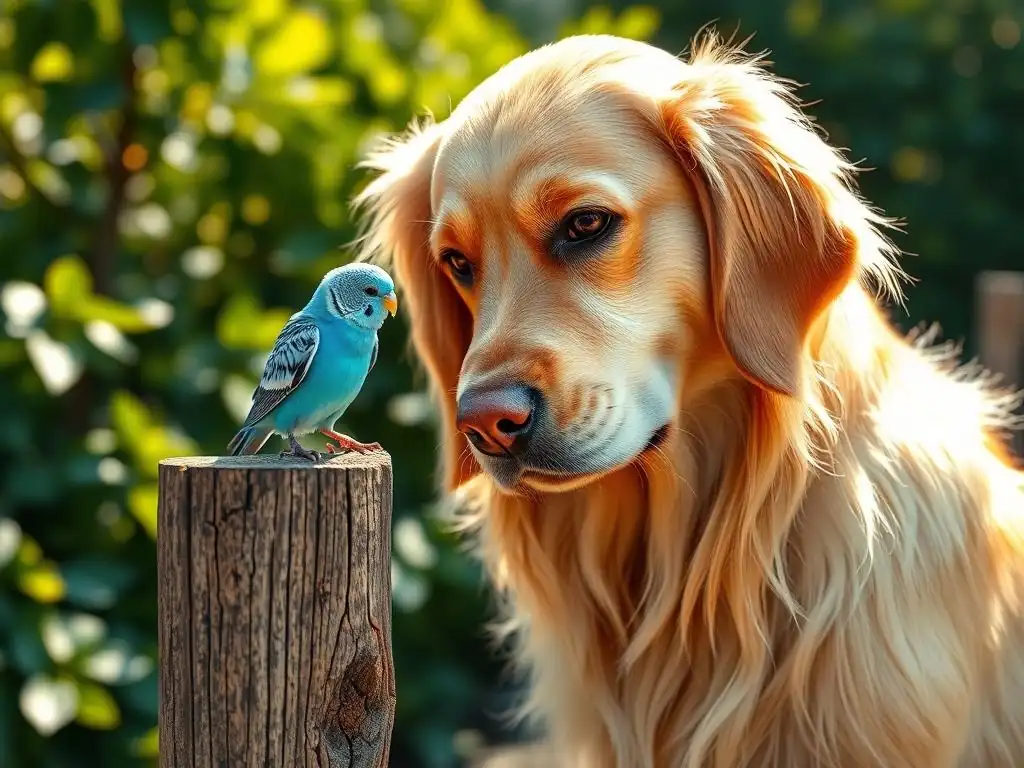
Welcome to PetCareWorld, your ultimate guide to a happier, healthier life for your beloved animal companions! Are you dreaming of harmonious co-existence between your canine friend and feathered family member? Discover the secrets to safe and enriching interactions between dogs and birds in our insightful article, "BirdDog Boundaries: Safe Interactions Between Avian and Canine Companions," part of our comprehensive Pet Health & Nutrition section. Learn how to navigate potential challenges and create a truly enriching environment for both your dog and your bird. Let's unlock the key to a peaceful and joyful multi-species household!
- Understanding Canine and Avian Body Language for Safe Interactions
- Creating a Safe Environment for Dogs and Birds
- Gradual Introduction: Achieving Peaceful Coexistence
- Safe Playtime: Supervised Activities for Dogs and Birds
- Preventing Accidents: Minimizing Risk Factors
- Addressing Problem Behaviors: Resolving Conflicts
- Long-Term Strategies for Harmonious Coexistence
-
Frequently Asked Questions
- Can dogs and birds ever truly be safe together?
- What are the biggest dangers for birds when interacting with dogs?
- How can I train my dog to be less interested in my bird?
- What signs should I look for that indicate my dog is becoming aggressive towards my bird?
- My dog and bird seem to get along; can I leave them unsupervised?
- Final Reflection: A Flight of Understanding: Coexistence Between Dogs and Birds
- Unleash Harmony: Strengthen Your Pet's Bond Today!
Understanding Canine and Avian Body Language for Safe Interactions
Sharing your home with both a dog and a bird can be incredibly rewarding, but it requires careful consideration and understanding of each species' unique communication styles. This article delves into the crucial aspects of ensuring safe and positive interactions between your canine and avian companions.
Successfully navigating this multi-species household hinges on recognizing and responding appropriately to both canine and avian body language, creating a harmonious environment where both your dog and bird can thrive. We will explore key indicators of stress and distress in both species, and provide practical strategies for establishing clear communication, minimizing conflict, and fostering a peaceful coexistence.
This guide aims to equip you with the knowledge necessary to prevent accidents and build a strong, positive bond between your feathered and furry friends. Understanding these subtle cues is paramount to ensuring the safety and well-being of both your dog and your bird, promoting a happy and harmonious multi-species household.
Recognizing Canine Stress Signals Around Birds
Dogs, despite their varied breeds and personalities, exhibit common stress signals. When around birds, these signals can be subtle but crucial to observe. A stressed dog might display:
- Yawning: Excessive yawning, even without apparent sleepiness, is a common stress indicator.
- Lip Licking: Repeated lip licking, often accompanied by a slightly open mouth, suggests anxiety.
- Whale Eye: The whites of the eyes becoming visible is a clear sign of discomfort or fear.
- Tense Posture: A stiff body, tucked tail, or flattened ears can indicate apprehension.
- Panting: Excessive panting, especially in a cool environment, can be a stress response.
- Avoidance: The dog might actively try to avoid the bird, even if it's normally playful.
- Shaking or Trembling: Physical tremors indicate a high level of anxiety or fear.
It's important to note that the intensity of these signals can vary. A subtle lip lick might indicate mild unease, while intense panting and whale eye signify a more significant stress response. Understanding these nuances is vital in preventing escalation. Early identification allows for prompt intervention, such as separating the animals or redirecting the dog's attention. Remember, a stressed dog is more likely to act unpredictably, potentially endangering your bird. Consistent observation and proactive management are key to maintaining a safe environment.
Interpreting Avian Distress Cues Near Dogs
Birds, being incredibly sensitive creatures, exhibit various distress cues when feeling threatened or uncomfortable around dogs. These cues are often subtle and require careful observation:
- Fluffed Feathers: A bird fluffing its feathers might be attempting to appear larger, a defensive mechanism.
- Rapid Breathing: Increased respiratory rate, often accompanied by visible panting, indicates stress.
- Dilated Pupils: Wide pupils are a clear sign of fear or anxiety.
- Vocalizations: Unusual chirping, squawking, or other vocalizations outside their normal range can signal distress.
- Sudden Flight: Attempting to flee, often in a frantic manner, indicates a high level of fear.
- Freezing: Remaining completely still, as if frozen in place, suggests fear and paralysis.
- Changes in Behavior: A usually active bird becoming lethargic or withdrawn is a cause for concern.
Understanding these subtle signals allows you to intervene before a stressful situation escalates into a dangerous one. Providing your bird with secure and high perches, away from the dog’s reach, is a proactive step. Creating designated safe spaces for your bird helps reduce anxiety and provides a sense of security. Remember, early detection and appropriate response are crucial for maintaining your bird's well-being.
Establishing Clear Communication Between Species
Creating a harmonious environment between your dog and bird involves establishing clear boundaries and communication. This requires careful management and consistent training:
- Supervised Interactions: Always supervise any interactions between your dog and bird, especially in the initial stages. Short, controlled interactions are better than prolonged ones.
- Positive Reinforcement: Reward calm behavior from both your dog and bird. Positive reinforcement helps associate the presence of the other species with positive experiences.
- Separate Spaces: Provide your bird with a safe space where the dog cannot access it. This allows your bird to feel secure and escape if necessary.
- Gradual Introduction: Introduce your dog and bird gradually, using scent swapping initially, followed by controlled visual interactions, and gradually increasing the proximity.
- Training Your Dog: Teach your dog basic obedience commands like "leave it" and "stay," which can be incredibly useful in managing interactions.
- Enrichment Activities: Engage both your dog and bird with enriching activities to keep them stimulated and reduce potential conflict due to boredom.
By carefully managing their interactions and providing both animals with a secure environment, you can foster a peaceful coexistence. Remember, patience and consistency are key to success. Building trust and understanding between your dog and bird takes time and effort, but the rewards of a harmonious multi-species household are immeasurable. 🎉
Creating a Safe Environment for Dogs and Birds
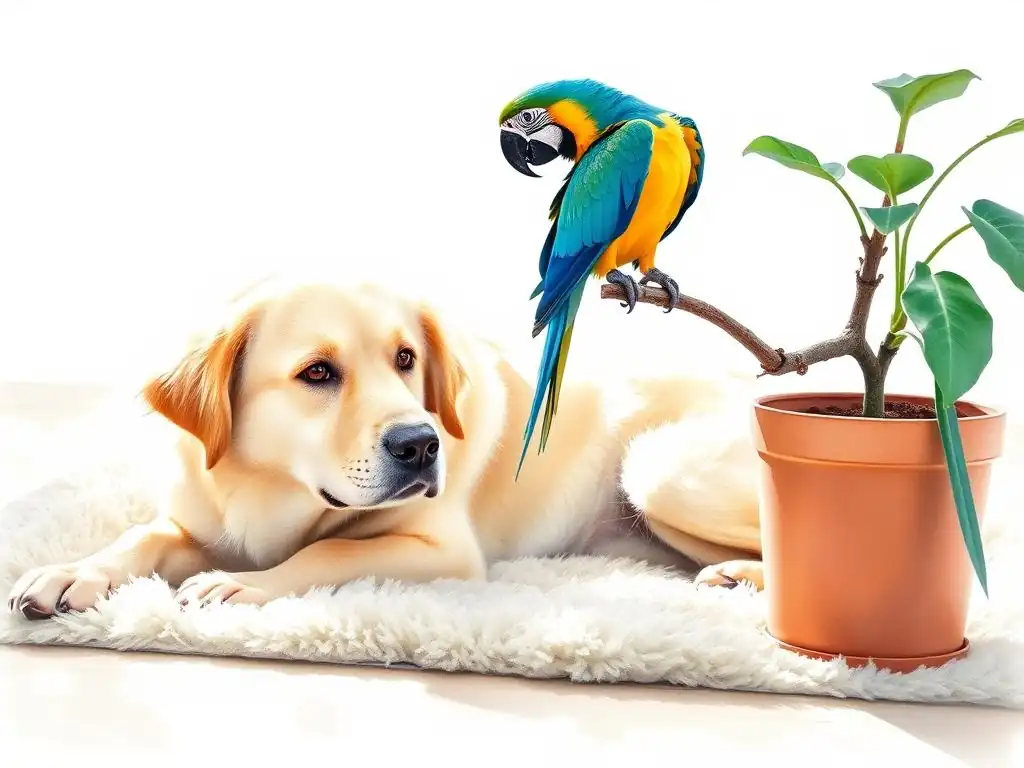
This section focuses on establishing a secure and harmonious living space for both your canine and avian companions. Successful cohabitation hinges on careful planning and proactive measures to minimize risks and maximize the potential for peaceful coexistence. Understanding your pets' individual temperaments and implementing appropriate safety protocols is paramount for a "dog and bird safe interaction." We'll explore practical strategies to mitigate potential dangers and foster a positive relationship between your feathered and furry friends. Remember, patience and consistency are key to achieving a safe and enriching environment for both pets.
Designing Bird-Proof Spaces for Canine Safety
Creating a bird-proof environment isn't about restricting your dog; it's about ensuring their safety and respecting your bird's need for a secure habitat. Dogs, particularly those with strong prey drives, might see your bird as a potential target. Therefore, designing spaces where your dog cannot easily access your bird is crucial. This involves more than just closing doors; it's about strategically modifying your home to minimize risk.
Consider these points:
- Elevated perches: Place your bird's cage on a sturdy stand or shelf that is out of your dog's reach. Avoid placing the cage on furniture that your dog can easily jump on.
- Secure rooms: Designate specific rooms as "bird-safe zones" – rooms that are inaccessible to your dog, perhaps by using baby gates or closing doors securely. Ensure these areas are free from potential hazards for your bird.
- Supervise all interactions: Even with the most careful planning, always supervise interactions between your dog and bird. Never leave them unsupervised, even for a short time. Early signs of predatory behavior must be addressed immediately.
- Furniture placement: Arrange furniture to create barriers, preventing your dog from easily reaching your bird's cage. A strategic placement of a sofa or large armchair can make a significant difference.
Securing Bird Cages to Prevent Canine Access
The cage itself is the primary line of defense. A standard cage might not be enough to deter a determined dog. Reinforce your bird's safety by making the cage itself more secure.
Here are some crucial steps:
- Heavy-duty cage: Invest in a robust, well-constructed cage made of strong materials that can withstand a determined dog's attempts to access it. Look for cages with strong locking mechanisms.
- Cage placement: Avoid placing the cage near areas where your dog frequents, such as their food and water bowls, or their favorite sleeping spots.
- Additional security measures: Consider adding extra locks or securing the cage to a wall or sturdy piece of furniture using strong, heavy-duty chains or straps. This prevents your dog from tipping or moving the cage.
- Regular inspections: Regularly check the cage's condition and locking mechanisms for any signs of wear and tear. Replace any damaged parts immediately. A compromised cage puts your bird at risk.
Providing Separate, Designated Spaces for Each Pet
While supervised interaction can be beneficial (under strict conditions), providing separate spaces for your dog and bird is essential for their well-being. This allows each pet to have their own safe haven where they can relax and feel secure.
Think about these options:
- Dedicated dog areas: Create a designated area for your dog, complete with their bed, toys, and food and water bowls. This area should be separate from your bird's space.
- Bird-safe rooms: As mentioned earlier, dedicate a room specifically for your bird, ensuring it is completely inaccessible to your dog.
- Rotation of spaces: If space allows, consider rotating the pets between different rooms to prevent boredom and encourage independence. This prevents over-stimulation and promotes a sense of calm.
- Training and socialization: Positive reinforcement training can help your dog learn to respect your bird's space and avoid unwanted interactions. This requires patience and consistency. This will contribute to a harmonious "dog and bird safe interaction."
Remember, creating a safe environment isn't a one-time task; it's an ongoing process that requires vigilance and adaptability. Regularly assess your setup, making adjustments as needed to ensure the continued safety and well-being of both your dog and your bird. By prioritizing safety and understanding the specific needs of each pet, you can create a harmonious multi-species household where both your canine and avian companions thrive.
Gradual Introduction: Achieving Peaceful Coexistence
Successfully integrating a bird and a dog into a harmonious multi-species household requires careful planning and a gradual introduction process. Rushing the process can lead to fear, aggression, and ultimately, injury to either animal. The key is to foster positive associations between the bird and the dog, allowing them to become accustomed to each other's presence without feeling threatened.
This involves creating a safe and controlled environment where both pets can observe each other from a distance before direct interaction is even considered. Remember, patience is paramount; building a strong, trusting relationship takes time and consistent effort.
The ultimate goal is to establish a peaceful coexistence where both your canine and avian companions feel secure and comfortable in their shared space. This section will detail the steps involved in this crucial process, focusing on minimizing stress and maximizing the chances of a positive outcome for your "Dog and bird safe interaction."
Initial Visual Acclimation: Controlled Introductions
The first step in safely introducing your dog and bird involves controlled visual acclimation. This means allowing your dog to see and smell your bird without any direct physical contact. Begin by keeping your bird in its cage in a room where your dog has access, but with sufficient distance to prevent any immediate interaction. Start with short sessions, perhaps 10-15 minutes, several times a day.
Observe your dog's behavior carefully. Signs of excessive excitement, barking, or attempts to reach the cage indicate that the distance needs to be increased. Conversely, if your dog shows little to no interest, you can gradually decrease the distance. Your bird might initially display signs of stress such as ruffled feathers or increased vocalizations.
If this occurs, increase the distance and reduce the duration of the sessions. The goal is to create a neutral, non-threatening environment. Remember, a calm and relaxed dog is much less likely to pose a threat to your bird. Positive reinforcement, such as treats for calm behavior, can be used for both animals during these initial sessions.
Supervised Interactions: Short, Positive Encounters
Once your dog consistently demonstrates calm behavior in the presence of your bird (minimal barking, no lunging or chasing), you can move on to supervised, short interactions. This involves allowing your dog to briefly approach the bird's cage under close supervision. Keep the sessions short – no more than a few minutes – and maintain a safe distance. Always have a barrier, such as a sturdy cage, between them.
Closely monitor both animals for signs of stress or aggression. If your dog becomes too excited or attempts to interact physically with the bird (e.g., pawing at the cage, barking excessively), immediately separate them and return to the previous stage of visual acclimation. It's crucial to avoid any situation that could trigger fear or aggression in either pet.
Throughout this process, positive reinforcement remains crucial. Reward calm behavior with treats and praise for both your dog and your bird (verbal praise or a favorite treat for your bird). The emphasis should be on associating the other animal's presence with positive experiences.
Positive Reinforcement Training: Rewarding Calm Behavior
Positive reinforcement training is invaluable throughout the entire introduction process and beyond. For your dog, focus on rewarding calm behavior in the presence of your bird. Use high-value treats and praise to reinforce calmness and obedience. Commands such as "leave it," "stay," and "quiet" can be particularly helpful in managing your dog's behavior around the bird's cage.
For your bird, positive reinforcement might involve offering a favorite treat or toy when your dog is nearby and behaving calmly. This helps create a positive association between the dog's presence and rewarding experiences for your bird. Consistency is key. Regular, short training sessions will help both pets learn to associate each other's presence with positive reinforcement, gradually building tolerance and reducing anxiety.
Remember, the ultimate goal is to create a safe and comfortable environment for both your dog and bird, where they can coexist peacefully and happily. This requires patience, consistency, and a commitment to positive reinforcement training. By following these steps, you significantly increase the chances of a successful "Dog and bird safe interaction" within your home.
Safe Playtime: Supervised Activities for Dogs and Birds
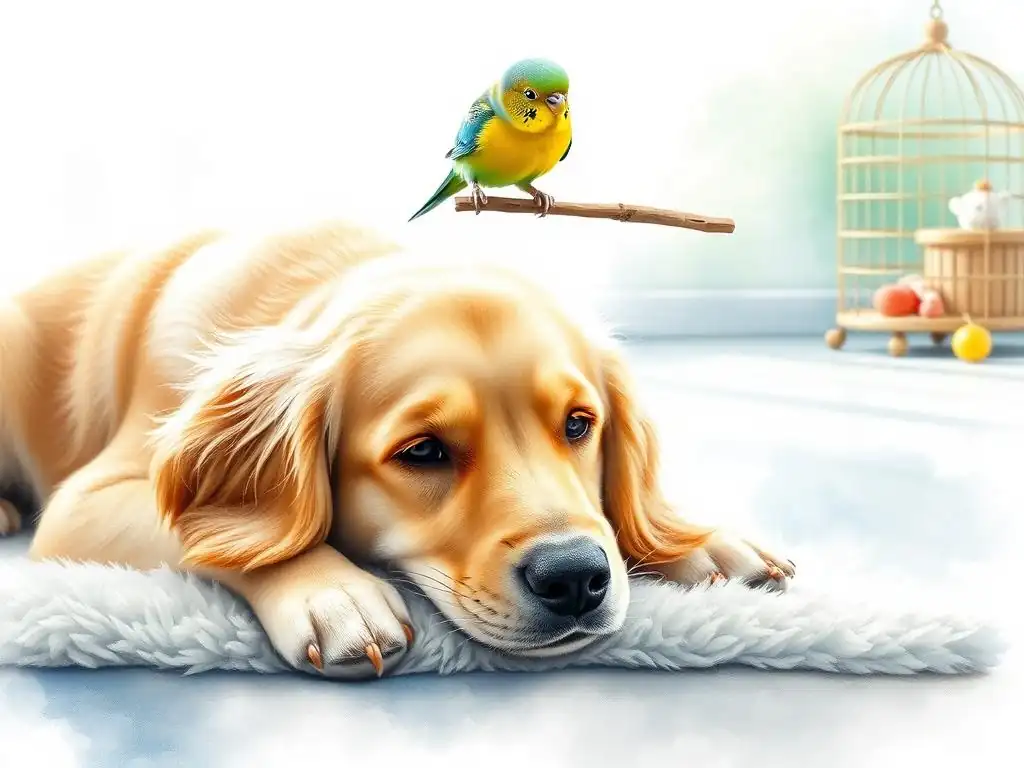
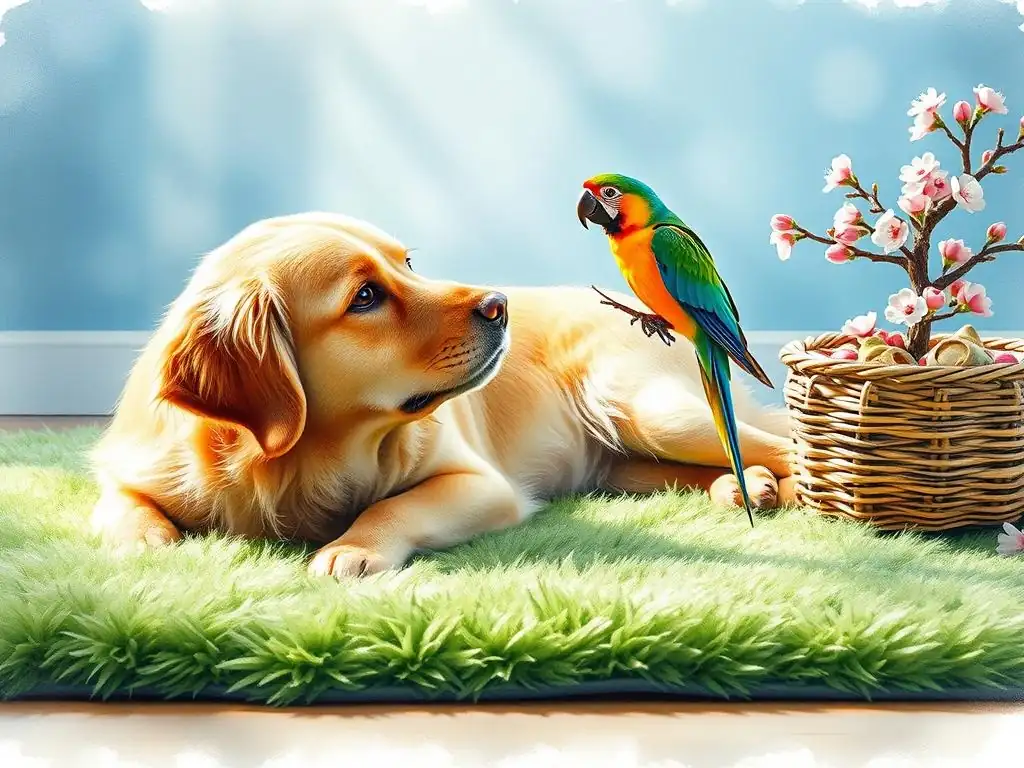
Safe and positive interactions between dogs and birds require careful planning and consistent supervision. The goal is to create positive associations between the species, fostering a harmonious co-existence rather than a potentially dangerous encounter. Never leave dogs and birds unsupervised, regardless of how well-behaved you perceive your pets to be. Even the most well-trained animals can have unpredictable moments.
Appropriate Toys and Activities for Joint Supervision
Introducing appropriate toys and activities can help facilitate positive interactions. The key is to select items that engage both the dog and the bird without triggering predatory instincts in the dog. Avoid toys that resemble prey, such as small, furry toys or those that squeak excessively. Instead, focus on toys that provide mental stimulation and encourage independent play.
For example, a puzzle toy for the dog can keep it occupied while the bird explores its cage or a perch outside the cage. Providing the bird with foraging toys can also help keep it engaged and less likely to be perceived as prey by the dog. Interactive games like fetch (using a large, non-squeaky ball for the dog, far from the bird's reach), can be incorporated, but always maintain a safe distance between the animals.
Remember, the aim is to create a positive, enriching environment where both species feel safe and comfortable. The goal isn't to force interaction, but to allow for comfortable coexistence and supervised, positive experiences.
Always ensure the bird's cage is secure and elevated, preventing the dog from easily accessing it. Consider using a sturdy cage stand that is out of reach of the dog's jumping range.
Monitoring Interactions for Early Signs of Aggression
Careful observation is crucial in ensuring a safe environment. Even seemingly playful interactions can escalate quickly. Learn to recognize early warning signs of aggression in both species. In dogs, these can include:
- Staring intensely: Fixed, unwavering gaze at the bird.
- Stiffening of the body: A rigid posture, possibly with lowered head and tense muscles.
- Lip licking or yawning: Displacement behaviors indicating stress or anxiety.
- Whale eye: Showing the whites of their eyes.
- Growling or barking: Vocalizations indicating discomfort or impending aggression.
Birds may display subtle signs of fear or stress, such as:
- Rapid wing flapping: A sign of panic or attempted escape.
- Fluffed feathers: An attempt to appear larger and more intimidating.
- Sudden, erratic movements: An indication of heightened anxiety.
- Loud vocalizations: Screaming or other unusual calls.
- Retreating to a safe space: Hiding or attempting to escape to a perceived safer location within the cage.
Regularly assess the body language of both animals during supervised interactions. Even minor changes can be an indicator of potential problems. Early detection is key to preventing escalation.
Interrupting Negative Interactions: Techniques for Immediate Intervention
If you observe any signs of aggression or escalating tension, immediate intervention is essential. Never allow the interaction to continue. Use calm, assertive commands to redirect the dog's attention. A simple, firm "Leave it!" or "No!" can be effective if trained consistently.
Simultaneously, provide the bird with a safe escape route, such as returning it to its cage. Do not punish either animal, as this can worsen the situation. The goal is to de-escalate the situation and create a positive learning experience for both pets. Positive reinforcement techniques, such as rewarding calm behavior, can be highly beneficial in teaching both the dog and bird to coexist peacefully.
Remember that consistency and patience are key to building a safe and harmonious multi-species household. If challenges persist, consult a certified pet behaviorist for personalized guidance and support. They can help you develop strategies tailored to your specific animals and their unique behaviors.
The careful management of interactions and consistent monitoring are crucial for a successful outcome in achieving "Dog and bird safe interaction".
Preventing Accidents: Minimizing Risk Factors
Safe interaction between dogs and birds requires proactive measures to minimize the potential for accidents. A bird's delicate nature makes it vulnerable to injury from even a playful dog. Understanding your dog's body language and your bird's sensitivities is paramount. This section focuses on practical steps to create a safer environment for both companions, using a multi-pronged approach to dog and bird safe interaction.
Securing Food and Water Sources: Avoiding Competition
Competition for resources is a major source of conflict between any two animals, especially when one is significantly larger and stronger than the other. Never leave food or water bowls unattended when both your dog and bird are present. Dogs, especially those prone to scavenging or possessive behavior, might see the bird's food as a tempting treat, leading to accidental injury or ingestion of food unsuitable for canine digestion. Similarly, a startled bird might accidentally fly into the dog's bowl, causing a mess and potential stress for both pets.
To prevent this, feed your bird in a secure, elevated location inaccessible to your dog. Consider using bird feeders with cages or perches that are firmly affixed to a wall or sturdy stand. Always clean up any spilled food promptly. Similarly, place your dog's food and water bowls in an area where the bird cannot easily reach them.
This might involve using strategically placed barriers or confining the dog to a separate area during feeding times. Consistent, predictable routines help reduce territorial disputes. Consider using different feeding schedules for the dog and bird to minimize the chance of simultaneous feeding-related activity.
Managing Noise Levels: Reducing Stressors for Birds
Birds are highly sensitive to noise. Loud, sudden noises can frighten them, causing stress and potentially leading to injury if they attempt to escape in panic. A dog's barking, playful yelps, or even excited panting can be overwhelming for a bird. Understanding your dog's noise triggers and implementing strategies to mitigate them is crucial for a harmonious multi-species household.
Minimizing loud noises, especially during your bird's resting periods, is essential. This might include training your dog to remain quiet on cue, using calming aids like pheromone diffusers, or limiting exposure to external noise sources during critical times. Creating designated quiet zones where your bird can retreat from potential disturbances is another effective strategy.
These zones should be free from high-traffic areas and loud noises, providing a safe haven for your avian companion. Observe your bird’s behavior; if it shows signs of stress (ruffled feathers, rapid breathing, hiding) after your dog makes noise, take immediate steps to separate them and address the root cause. Remember, a stressed bird is a vulnerable bird.
Maintaining Hygiene: Preventing Disease Transmission
Maintaining a high standard of hygiene is paramount when sharing a home with both a dog and a bird. Both species can be susceptible to certain diseases, and cross-contamination is a real risk. Regular cleaning and disinfection of their respective environments are vital to prevent the spread of pathogens. This includes cleaning food and water bowls daily, disinfecting cages regularly, and thoroughly cleaning any surfaces where both animals frequently interact.
Regular veterinary check-ups for both your dog and bird are essential for early detection and treatment of any potential illnesses. This allows for proactive management and minimizes the risk of disease transmission between species. Understanding the common diseases affecting both dogs and birds helps you identify potential symptoms early.
While specific diseases vary greatly, maintaining good hygiene practices and regular vet visits remain the most effective preventative measures. Remember, meticulous cleanliness is not just about aesthetics; it's a crucial element of responsible multi-species pet ownership, contributing directly to the health and well-being of both your dog and your bird. Proper hygiene significantly contributes to successful dog and bird safe interaction.
Addressing Problem Behaviors: Resolving Conflicts
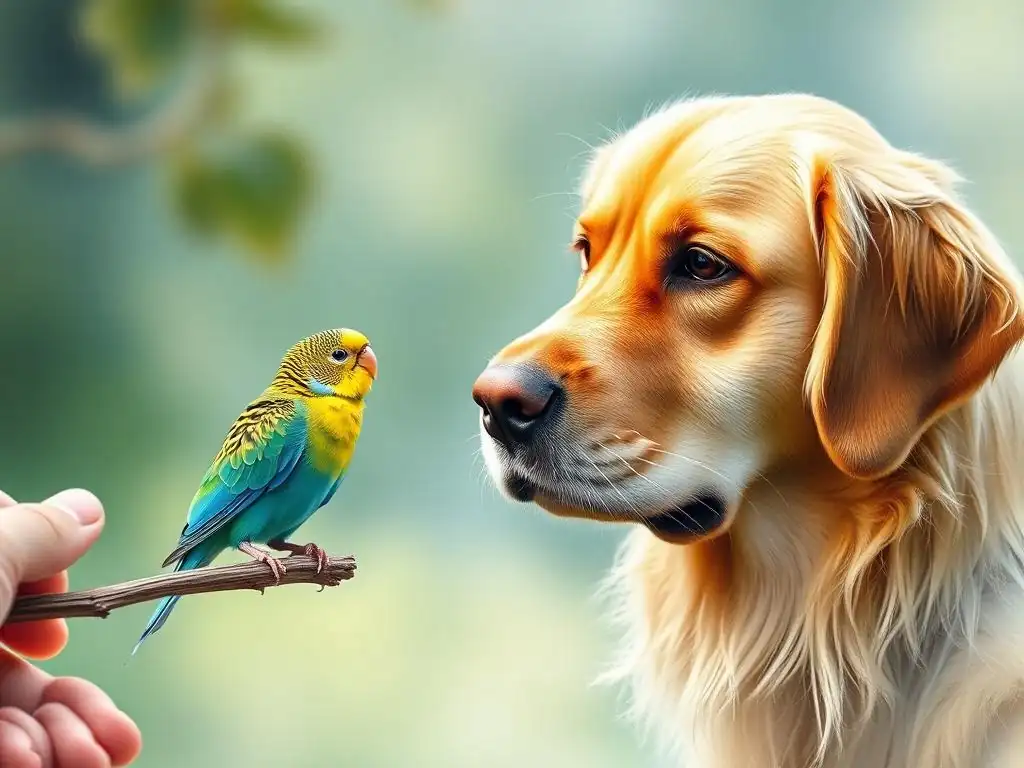
This section focuses on practical strategies for resolving conflicts between dogs and birds, crucial for ensuring a harmonious multi-species household. Successful conflict resolution requires understanding the root causes of the problematic interactions and implementing targeted behavioral modification techniques. Remember, patience and consistency are key to achieving lasting positive changes in your pets' behavior. The goal is to create an environment where both your canine and avian companions feel safe and secure. Effective management of "dog and bird safe interaction" hinges on proactive measures and a deep understanding of each animal's individual needs.
Addressing Canine Aggression Towards Birds
Canine aggression towards birds can manifest in various ways, ranging from barking and chasing to more serious acts of physical aggression. Understanding the underlying cause is paramount to effective intervention. Is the aggression predatory, stemming from a strong prey drive? Or is it territorial, triggered by the bird's presence in the dog's perceived space? Perhaps it's a combination of factors, including fear, frustration, or even learned behavior.
Let's consider a concrete example: A Labrador Retriever, known for its playful nature, begins exhibiting aggressive behavior towards a newly adopted cockatoo. The dog might bark incessantly, jump, and even try to snap at the bird, potentially due to a combination of excitement and a strong prey drive. This scenario requires a multi-pronged approach.
First, we need to manage the environment to minimize the chances of interaction. This could involve using baby gates or separate rooms to create physical barriers. Second, we'll work on desensitization and counter-conditioning. Gradually expose the dog to the bird's presence from a distance, rewarding calm behavior with high-value treats. The goal is to associate the bird's presence with positive reinforcement, gradually reducing the dog's anxiety and excitement. Third, we must address the dog's prey drive through structured training exercises, focusing on impulse control and "leave it" commands. Consistent, positive reinforcement training is crucial for long-term success.
Modifying Avian Fear Responses Around Dogs
While canine aggression is a significant concern, it's equally important to address avian fear responses. Birds, being highly sensitive creatures, can develop intense fears of dogs, leading to stress, feather plucking, and other behavioral problems. Understanding the bird's body language is crucial to recognizing signs of fear, which may include ruffled feathers, rapid breathing, hissing, or attempts to escape.
Consider a scenario where a small parakeet is terrified of a larger dog. The parakeet constantly hides and exhibits signs of extreme distress whenever the dog is nearby. To modify this fear response, we must employ a gradual desensitization process. Start by exposing the bird to the sound of the dog from a distance, gradually decreasing the distance as the bird shows signs of comfort.
Positive reinforcement, such as providing favorite treats or toys, helps create positive associations. Using visual barriers initially, like a partially covered cage, can also help reduce the bird's anxiety. It's crucial to proceed slowly and patiently, respecting the bird's comfort level at each stage. Never force interaction; the goal is to create a sense of safety and security for the bird.
Seeking Professional Guidance: When to Consult a Veterinarian or Trainer
Despite best efforts, some situations require professional intervention. If behavioral problems persist or escalate, don't hesitate to seek guidance from a certified veterinary behaviorist or a professional dog trainer experienced in multi-species households. They can provide a thorough assessment, identify underlying medical or behavioral issues, and develop a customized behavior modification plan.
A veterinarian can rule out any underlying medical conditions contributing to the problematic behavior in either pet. For example, pain or discomfort can lead to increased aggression or anxiety. A certified professional dog trainer can provide tailored training exercises, focusing on impulse control, obedience, and desensitization techniques.
They can also offer valuable advice on environmental management and enrichment strategies to minimize conflict and promote harmonious co-existence. Remember, seeking professional help is a sign of responsible pet ownership and can significantly improve the well-being of both your canine and avian companions. Early intervention is often key to successful outcomes in managing "dog and bird safe interaction".
Long-Term Strategies for Harmonious Coexistence
Successfully integrating a bird and a dog requires a long-term commitment to establishing and maintaining a safe and positive environment. It's not a quick fix; rather, it's a continuous process of observation, adjustment, and reinforcement. The key is to build a predictable routine and consistently supervise interactions, gradually increasing the level of unsupervised time only when both animals demonstrate consistent positive behavior. Ignoring warning signs or rushing the process can lead to negative consequences and potentially harm your pets. Remember, patience and consistency are paramount in achieving a harmonious multi-species household.
Consistent Routine: Maintaining Predictability
A predictable daily routine is crucial for both canine and avian companions. Dogs thrive on routine, and birds, while seemingly more independent, benefit from consistent schedules as well. Establishing clear feeding times, playtime, and rest periods minimizes stress and reduces the likelihood of spontaneous, potentially negative interactions. For example, feeding times should be separated to avoid competition and territorial disputes.
Playtime with the dog should ideally occur in a separate area from the bird's cage to prevent accidental injury or stress. By structuring the day, you create a sense of calm and security, minimizing the chances of conflict arising from unpredictable events. This predictability translates into a safer and more harmonious living environment for both your dog and bird. Consider using a visual schedule or calendar to help you maintain consistency.
Ongoing Supervision: Preventing Unforeseen Interactions
Even with a well-established routine, ongoing supervision is vital, especially in the initial stages of introducing your dog and bird. Never leave them unsupervised, even for short periods, until you are absolutely confident that their interactions are consistently positive and safe. This means actively monitoring their body language, paying attention to any signs of stress or aggression from either animal. Early intervention can prevent escalation of negative behaviors. For instance, if your dog starts exhibiting predatory behavior – such as staring intently, crouching, or whining near the birdcage – immediately redirect their attention with a toy or a command. If your bird displays signs of fear, such as ruffled feathers or excessive vocalization, separate them immediately and reassess the situation. The goal is to prevent any incidents before they occur, fostering a sense of safety and trust between the animals. Regular, consistent supervision is the cornerstone of safe multi-species cohabitation.
Celebrating Successes: Reinforcing Positive Interactions
Positive reinforcement plays a crucial role in establishing a harmonious relationship between your dog and bird. Whenever you observe positive interactions – for example, your dog calmly ignoring the bird or the bird remaining calm despite the dog's presence – reward both animals immediately with treats or praise. This positive reinforcement strengthens the association between calm behavior and positive outcomes.
For instance, if your dog lies quietly near the birdcage without showing any signs of interest, reward them with a high-value treat and praise. Similarly, if your bird remains calm and sings while your dog is nearby, reward them with a small, safe treat. This approach helps to shape desired behaviors, making it more likely that they will repeat these positive interactions in the future.
Consistency in rewarding positive behaviors is key to long-term success in creating a peaceful multi-species household. Remember to tailor rewards to each animal's preferences to maximize effectiveness. 🎉 Positive reinforcement creates a win-win scenario for both your canine and avian companions!
Frequently Asked Questions
Can dogs and birds ever truly be safe together?
While complete safety can't be guaranteed, safe interactions are possible with careful supervision, training, and understanding of each animal's body language. It requires commitment and patience.
What are the biggest dangers for birds when interacting with dogs?
The biggest dangers are predatory instincts in dogs, leading to accidental injury or even death. Loud noises from a dog can also greatly stress a bird. Direct physical contact should always be avoided unless the interaction is extremely controlled.
How can I train my dog to be less interested in my bird?
Positive reinforcement training is key. Reward your dog for ignoring the bird, using high-value treats and praise. Desensitization techniques gradually expose your dog to the bird's presence at a safe distance. Never punish your dog for natural instincts; redirect their attention instead.
What signs should I look for that indicate my dog is becoming aggressive towards my bird?
Watch for intense staring, whining/barking, stiffening, pacing, or attempting to chase or reach the bird. Any change in your dog's typical behaviour around the bird warrants immediate separation.
My dog and bird seem to get along; can I leave them unsupervised?
Never leave dogs and birds unsupervised, regardless of how well they appear to get along. Even the most well-trained dog can have a sudden instinctual reaction that could injure or kill your bird. Constant supervision is absolutely crucial.
Final Reflection: A Flight of Understanding: Coexistence Between Dogs and Birds
The harmonious coexistence of dogs and birds, once a seemingly utopian ideal, is increasingly becoming a practical reality. Understanding and implementing safe interaction strategies isn't just about avoiding conflict; it's about enriching the lives of both species and fostering a deeper appreciation for the diverse animal kingdom within our homes.
The journey towards responsible interspecies companionship is ongoing, a testament to our evolving understanding of animal behavior and the power of mindful interaction. The greatness of a nation and its moral progress can be judged by the way its animals are treated.
- Mahatma Gandhi. This quote, while broad, speaks to the ethical responsibility we bear in ensuring the well-being of all creatures under our care. The knowledge shared in this article, from understanding canine predatory instincts to recognizing avian stress signals, is a crucial step in building a more compassionate and harmonious world for both dogs and birds. It's a journey of learning, adaptation, and ultimately, mutual respect.
Now, consider your own furry and feathered friends (or those you might encounter). Reflect on the subtle cues of communication, the importance of controlled introductions, and the ongoing need for supervision. Take the lessons learned here and apply them to your own interactions, creating a safe and enriching environment where dogs and birds can coexist, not just tolerate each other, but thrive together. Let's build a future where the sounds of happy chirps and contented woofs blend harmoniously, a testament to our commitment to responsible pet ownership and interspecies understanding.
Unleash Harmony: Strengthen Your Pet's Bond Today!
Thank you for exploring the world of bird and dog companionship! We hope you've gained valuable insights into creating a safe and happy home for your feathered and furry friends. Now, let's put that knowledge into practice.
- Prioritize Safe Introductions: Begin with gradual introductions, following the steps outlined in the article to ensure a positive first meeting between your bird and dog. This is crucial for building a harmonious relationship.
- Share Your Experiences: Let the PetCareWorld community know about your journey! Share your tips, successes, or even challenges in the comments below – your insights can help others.
- Create a Bird-Safe Haven: Designate a secure space for your bird where your dog cannot reach it, providing a safe retreat for your feathered friend. This thoughtful arrangement promotes peaceful co-existence.
What small step will you take today to improve your pets' interactions and strengthen their bond?