
Prebiotics for Dogs: Enhancing Digestive Health


Welcome to PetCareWorld, your ultimate guide to a happier, healthier life for your beloved pets! Are you searching for ways to optimize your canine companion's well-being? Then discover the transformative power of prebiotics and unlock the secrets to superior digestive health for your furry friend. Learn how choosing the best dog prebiotic can revolutionize your dog's digestion and overall vitality. Dive into our comprehensive guide on "Prebiotics for Dogs: Enhancing Digestive Health" and embark on a journey towards a healthier, happier pup!
- Understanding Dog Digestive Health and the Role of Prebiotics
-
Best Dog Prebiotic Supplements for Digestive Health
- Choosing the Right Prebiotic Supplement for Your Dog's Needs
- Top Prebiotic Ingredients for Optimal Canine Digestive Support
- Specific Prebiotic Supplement 1: Product Name, Benefits, and Considerations
- Specific Prebiotic Supplement 2: Product Name, Benefits, and Considerations
- Specific Prebiotic Supplement 3: Product Name, Benefits, and Considerations
- How Prebiotics Improve Canine Digestive Health
- Integrating Prebiotics into Your Dog's Diet
- Potential Side Effects and Precautions of Dog Prebiotics
- Frequently Asked Questions about Dog Prebiotics and Digestive Health
-
Frequently Asked Questions
- What are prebiotics and why are they important for my dog's digestive health?
- How do prebiotics improve my dog's digestion?
- What are the signs of poor digestive health in dogs that prebiotics might help?
- Are there any side effects associated with giving my dog prebiotics?
- How do I choose the best dog prebiotic for my pet's digestive health?
- Final Reflection: Nourishing the Gut, Nourishing the Bond
- Unlock Your Dog's Digestive Potential
Understanding Dog Digestive Health and the Role of Prebiotics
Maintaining optimal digestive health is crucial for your canine companion's overall well-being. A dog's digestive system, responsible for breaking down food and absorbing nutrients, significantly impacts their energy levels, immune function, and overall vitality. This article delves into the world of prebiotics for dogs, exploring their vital role in enhancing digestive health and contributing to a happier, healthier pet.
We'll uncover the science behind prebiotics, discuss how to identify signs of digestive distress, and clarify the key differences between prebiotics and probiotics – ultimately guiding you towards making informed decisions to support your dog's gut health and improve their quality of life. Choosing the best dog prebiotic for digestive health requires understanding the nuances of canine digestion and the specific benefits of prebiotic supplementation. This comprehensive guide will equip you with the knowledge to select the most suitable option for your furry friend.
The Importance of a Healthy Gut Microbiome in Dogs
A dog's gut is teeming with trillions of microorganisms, collectively known as the gut microbiome. This complex ecosystem of bacteria, fungi, and other microbes plays a pivotal role in various bodily functions. A balanced and diverse microbiome is essential for efficient digestion, nutrient absorption, and immune system regulation.
Beneficial bacteria in the gut help break down food, synthesize vitamins, and compete with harmful pathogens, preventing infections and maintaining a healthy gut lining. An imbalance, or dysbiosis, in the gut microbiome can lead to a range of digestive problems, impacting your dog's overall health and happiness. Factors such as diet, stress, medication, and illness can disrupt this delicate balance, highlighting the importance of maintaining a healthy gut environment.
Supporting a thriving gut microbiome is paramount for preventing digestive issues and promoting overall canine health. Think of it like a thriving garden – a diverse and balanced ecosystem is far more resilient and productive than one that is unbalanced.
Identifying Signs of Poor Digestive Health in Dogs
Recognizing the signs of digestive upset in your dog is crucial for early intervention. While some digestive issues are mild and self-limiting, others require veterinary attention. Common indicators of poor digestive health include:
- Diarrhea: Frequent, loose, or watery stools. The consistency, frequency, and color of the stool can provide valuable clues.
- Constipation: Difficulty or infrequent bowel movements, often resulting in hard, dry stools.
- Vomiting: Repeated vomiting can indicate various underlying problems, including dietary indiscretions or more serious conditions.
- Gas: Excessive flatulence can be a sign of digestive discomfort or food intolerance.
- Loss of Appetite: A significant decrease in food intake can signal digestive issues or other underlying health concerns.
- Weight Loss: Unexplained weight loss, despite maintaining a consistent food intake, warrants veterinary examination.
- Abdominal Pain: Your dog may exhibit signs of abdominal discomfort, such as restlessness, whining, or guarding their abdomen.
If you observe any of these symptoms, it's essential to consult your veterinarian to determine the underlying cause and receive appropriate treatment. Early diagnosis and intervention can significantly improve your dog's prognosis and prevent long-term complications. Remember, early detection is key to effective management of digestive issues.
Prebiotics vs. Probiotics: Key Differences and Benefits for Canine Digestion
While often used interchangeably, prebiotics and probiotics are distinct yet complementary components of gut health. Understanding their differences is key to selecting the right approach for your dog's needs.
| Feature | Prebiotics | Probiotics |
|---|---|---|
| Definition | Non-digestible food ingredients that promote the growth of beneficial bacteria | Live microorganisms that, when administered in adequate amounts, confer a health benefit |
| Mechanism | Nourish existing beneficial bacteria | Introduce beneficial bacteria to the gut |
| Examples | Inulin, fructooligosaccharides (FOS), mannanoligosaccharides (MOS) | Lactobacillus, Bifidobacterium species |
| Primary Benefit | Improve gut microbiota balance | Directly increase beneficial bacteria populations |
Prebiotics act as “food” for the beneficial bacteria already residing in your dog's gut, stimulating their growth and activity. Probiotics, on the other hand, directly introduce beneficial bacteria into the gut. Both play a crucial role in maintaining a healthy gut microbiome, but their mechanisms of action differ significantly.
Many experts recommend a combined approach, utilizing both prebiotics and probiotics for optimal results. Choosing the right combination depends on your dog's specific needs and health status, making consultation with your veterinarian advisable. The synergistic effect of prebiotics and probiotics often leads to enhanced digestive health and overall well-being in dogs.
Best Dog Prebiotic Supplements for Digestive Health

This section explores the market of dog prebiotic supplements, focusing on identifying products that effectively support canine digestive health. Finding the best dog prebiotic is highly dependent on your dog's individual needs, breed, age, and existing health conditions. Therefore, consultation with a veterinarian before introducing any new supplement is crucial. This section aims to provide information to help you make an informed decision in conjunction with professional veterinary guidance.
We'll examine key factors to consider when selecting a prebiotic supplement and highlight some top-performing ingredients. Remember, the goal is to find a prebiotic that promotes a balanced gut microbiome, leading to improved digestion and overall well-being for your canine companion. Choosing the right prebiotic can significantly contribute to better stool quality, reduced gas, and enhanced nutrient absorption, ultimately leading to a healthier, happier dog.
Choosing the Right Prebiotic Supplement for Your Dog's Needs
Selecting the right prebiotic supplement for your dog requires careful consideration of several factors. A one-size-fits-all approach is rarely effective. Here's a breakdown of key aspects to evaluate:
- Dog's Age and Breed: Puppies, senior dogs, and specific breeds may have different digestive sensitivities and needs. For example, large breed puppies might benefit from prebiotics that support skeletal development alongside gut health. Senior dogs often require prebiotics that address age-related digestive issues.
- Existing Health Conditions: Dogs with pre-existing digestive problems like inflammatory bowel disease (IBD) or irritable bowel syndrome (IBS) need prebiotics specifically formulated to address their condition. Always consult your vet for personalized recommendations.
- Ingredient Quality and Source: Look for high-quality prebiotics from reputable sources. The supplement should be clearly labeled, listing all ingredients and their source. Avoid products with fillers, artificial colors, or preservatives.
- Dosage and Administration: Follow the manufacturer's recommended dosage carefully. Start with a lower dose and gradually increase it as needed, monitoring your dog's response. Some prebiotics are available in powder form for easy mixing with food, while others are in capsule or chewable tablet form.
- Veterinarian Approval: Before introducing any new supplement, including prebiotics, consult your veterinarian. They can assess your dog's individual needs and recommend the most appropriate product. They can also monitor for any adverse reactions.
The table below summarizes key considerations for choosing a prebiotic:
| Factor | Considerations |
|---|---|
| Age & Breed | Puppies, seniors, and specific breeds have unique digestive needs. |
| Health Conditions | IBD, IBS, allergies – tailor the prebiotic to the specific condition. |
| Ingredients | Look for high-quality, clearly labeled products, avoiding fillers and artificial additives. |
| Dosage & Admin. | Follow manufacturer's instructions carefully and monitor your dog's response. |
| Vet Consultation | Always consult your vet before introducing new supplements. |
Top Prebiotic Ingredients for Optimal Canine Digestive Support
Several prebiotic ingredients are particularly beneficial for canine digestive health. These are often found in high-quality dog prebiotic supplements. The effectiveness of each can vary depending on the individual dog.
- Fructooligosaccharides (FOS): A common prebiotic found naturally in many fruits and vegetables, FOS promotes the growth of beneficial bacteria in the gut, improving digestion and nutrient absorption. It's generally well-tolerated by dogs.
- Inulin: Another type of fructan, inulin is a soluble fiber that acts as a prebiotic. It feeds beneficial gut bacteria, contributing to a healthier gut microbiome. It can also help regulate bowel movements.
- Mannan-oligosaccharides (MOS): MOS is a prebiotic derived from yeast cell walls. It helps support the immune system and can bind to harmful pathogens, preventing them from adhering to the intestinal lining.
- Beta-glucans: These soluble fibers are known for their immune-boosting properties and their ability to improve gut health. They help maintain a healthy balance of gut bacteria.
Choosing a supplement containing a blend of these prebiotics often provides broader benefits than relying on a single ingredient. The specific blend and ratios will vary depending on the product.
Specific Prebiotic Supplement 1: Product Name, Benefits, and Considerations
[Specific product name pending]. This section requires further research to provide a detailed review of a specific prebiotic supplement for dogs. The review will include details on its key ingredients, claimed benefits (supported by evidence whenever possible), potential side effects, and overall value. This will include a detailed analysis of customer reviews and available scientific data on the product's effectiveness in improving canine digestive health.
We will also address any potential contraindications or interactions with other medications or supplements. Furthermore, we will analyze the cost-effectiveness of the product compared to similar offerings in the market. This will allow for a comprehensive evaluation of its suitability for different dogs and their specific needs.
Specific Prebiotic Supplement 2: Product Name, Benefits, and Considerations
This section will discuss a specific prebiotic supplement for dogs, focusing on its benefits and potential drawbacks. Let's consider ProBiotic Choice for Dogs. This particular product often features a blend of prebiotics, such as fructooligosaccharides (FOS) and inulin, alongside probiotics, creating a synergistic effect for gut health. The inclusion of probiotics, while not strictly prebiotics, is common in many dog supplement formulations because they work in conjunction to promote a balanced microbiome.
The advertised benefits typically include improved digestion, firmer stools, and reduced instances of diarrhea. Many manufacturers claim that ProBiotic Choice for Dogs can also support the immune system, although this requires further scientific validation specific to this product. It's important to note that anecdotal evidence from pet owners is frequently cited, but rigorous scientific studies on the specific efficacy of this particular brand are often limited. Therefore, it's crucial to approach such claims with a degree of healthy skepticism.
Considerations for using ProBiotic Choice for Dogs include potential side effects like mild gastrointestinal upset in the initial stages. This is often temporary and resolves as the dog's gut microbiome adjusts. Always introduce new supplements gradually, starting with a lower dose than recommended and monitoring your dog closely for any adverse reactions.
Furthermore, the cost of this supplement should be considered, as it may be more expensive than other options on the market. Finally, it's vital to consult your veterinarian before introducing any new supplements, especially if your dog has pre-existing health conditions. They can help you assess whether this, or any other prebiotic supplement, is appropriate for your dog's individual needs.
Specific Prebiotic Supplement 3: Product Name, Benefits, and Considerations
Let's examine another prebiotic supplement option: Digestive Support Plus. This product often highlights the use of specific prebiotic fibers, such as chicory root inulin. Inulin is a well-researched prebiotic known for its ability to promote the growth of beneficial bacteria in the gut. Unlike the previous example, Digestive Support Plus may focus solely on prebiotics, omitting the inclusion of probiotics. This is a key differentiator, as some pet owners prefer a more targeted approach, focusing solely on the prebiotic component.
The main benefit advertised is often improved digestive regularity and enhanced nutrient absorption. A healthy gut microbiome is crucial for proper nutrient uptake, and Digestive Support Plus, by promoting the growth of beneficial bacteria, aims to enhance this process. Many manufacturers emphasize the natural ingredients and the absence of artificial flavors, colors, or preservatives, appealing to pet owners who prioritize natural pet care. However, similar to other supplements, robust scientific evidence confirming these benefits specifically for this product might be limited.
Important considerations include potential interactions with other medications your dog might be taking. Always inform your veterinarian about all supplements your dog is receiving to avoid potential conflicts. Additionally, the palatability of Digestive Support Plus should be considered. Some dogs may be hesitant to consume powdered supplements, requiring creative methods of administration, such as mixing it with food.
Finally, the dosage instructions provided by the manufacturer must be followed precisely. Overdosing, while unlikely to cause severe harm, can lead to unnecessary expense and potentially digestive discomfort. It's crucial to remember that responsible pet ownership necessitates careful consideration of all factors before introducing any new supplement into your dog's routine.
How Prebiotics Improve Canine Digestive Health

This section delves into the specific mechanisms by which prebiotics contribute to improved canine digestive health, solidifying their position as a key component in achieving the best dog prebiotic digestive health. We'll explore how these beneficial fibers enhance nutrient absorption, fortify the gut barrier, and reduce inflammation within the digestive tract. Understanding these processes is crucial for pet owners seeking to optimize their dog's well-being through dietary choices.
Enhancing Nutrient Absorption and Utilization
Prebiotics act as a "fertilizer" for beneficial gut bacteria. These bacteria, known as probiotics, thrive on prebiotic fibers, leading to a flourishing gut microbiome. A healthy microbiome is essential for efficient nutrient absorption.
Studies show that dogs fed diets supplemented with prebiotics exhibit improved digestion of key nutrients like protein and fat. This improved digestion translates to better utilization of these nutrients, supporting optimal growth, energy levels, and overall health. The increase in beneficial bacteria also aids in the production of short-chain fatty acids (SCFAs), such as butyrate, propionate, and acetate.
These SCFAs are vital energy sources for the cells lining the colon and play a critical role in maintaining gut health and reducing inflammation. For example, a study comparing dogs fed a prebiotic-supplemented diet versus a control diet showed a significant increase in butyrate levels in the prebiotic group, correlating with improved stool consistency and reduced incidence of diarrhea. The impact on nutrient absorption is particularly significant for dogs with compromised digestive systems, where prebiotics can help restore optimal nutrient uptake.
Strengthening the Gut Barrier Function
The intestinal barrier, a single layer of cells lining the gut, acts as a crucial defense mechanism against harmful substances like toxins and pathogens. A healthy gut barrier is essential for preventing leaky gut syndrome, a condition where these substances can leak into the bloodstream, causing inflammation and potentially triggering autoimmune responses. Prebiotics play a vital role in strengthening this barrier.
By promoting the growth of beneficial bacteria, prebiotics help maintain the integrity of the intestinal lining, reducing its permeability. This strengthened barrier prevents the passage of harmful substances, protecting the dog's immune system and overall health. The improved gut barrier function resulting from prebiotic supplementation can significantly reduce the risk of digestive disorders and enhance the overall resilience of the dog's digestive system to environmental stressors.
Data shows a correlation between prebiotic intake and increased expression of tight junction proteins, the molecules responsible for maintaining the integrity of the intestinal barrier. This reinforces the idea that prebiotics are vital for maintaining a healthy gut.
Reducing Inflammation in the Digestive Tract
Chronic inflammation in the digestive tract is a common underlying factor in many canine digestive issues, ranging from mild discomfort to severe conditions. Prebiotics contribute to reducing this inflammation through several mechanisms. Firstly, by fostering a balanced gut microbiome, prebiotics limit the growth of harmful bacteria that can trigger inflammation.
Secondly, the production of SCFAs, particularly butyrate, has anti-inflammatory properties. Butyrate directly interacts with cells lining the colon, inhibiting inflammatory pathways and promoting the production of anti-inflammatory compounds. Studies have shown that dogs with inflammatory bowel disease (IBD) experience significant improvements in symptoms when their diets are supplemented with prebiotics.
The reduction in inflammation translates to improved digestion, reduced discomfort, and better overall gut health. This makes prebiotics a valuable tool in managing and preventing chronic digestive inflammation in dogs, leading to improved quality of life and enhanced well-being, ultimately contributing to the best dog prebiotic digestive health. The anti-inflammatory effects of prebiotics are particularly beneficial for dogs prone to allergies or sensitivities, as they can help minimize the inflammatory response to dietary triggers.
Supporting a Balanced Gut Microbiome
A healthy gut microbiome is crucial for a dog's overall well-being, and prebiotics play a vital role in achieving this balance. The canine gut is a complex ecosystem teeming with trillions of bacteria, fungi, and other microorganisms. These microorganisms aren't all bad; in fact, a diverse and balanced microbiome is essential for proper digestion, nutrient absorption, and immune function. Think of it like a well-maintained garden – a variety of beneficial plants (bacteria) thrive, preventing the overgrowth of weeds (harmful bacteria).
Prebiotics act as fertilizers for these beneficial bacteria. They are non-digestible food ingredients that selectively stimulate the growth and/or activity of beneficial bacteria in the gut. This selective stimulation is key; prebiotics aren't simply feeding all bacteria indiscriminately. Instead, they nourish the "good guys," helping them outcompete the potentially harmful bacteria that can lead to digestive upset, inflammation, and other health problems.
This selective action is what makes prebiotics so effective in improving canine digestive health. A balanced microbiome means efficient digestion, better nutrient uptake, and a stronger immune system, contributing to a happier, healthier dog. The improved digestion leads to firmer stools and a reduction in unpleasant gas or diarrhea, common symptoms of an imbalanced gut.
The specific types of beneficial bacteria that prebiotics support vary depending on the prebiotic source. For example, some prebiotics are particularly effective at promoting the growth of Bifidobacteria and Lactobacilli, well-known beneficial bacteria in both humans and animals. These bacteria produce short-chain fatty acids (SCFAs) like butyrate, which nourishes the gut lining and strengthens its protective barrier, further improving digestive health and reducing inflammation.
Therefore, choosing a prebiotic supplement or food containing a diverse range of prebiotics can be beneficial for achieving a truly balanced and robust gut microbiome in your canine companion. This ensures that a wide spectrum of beneficial bacteria are supported, leading to optimal digestive health. The right balance is key to unlocking the full potential of prebiotics for your dog's digestive system.
Integrating Prebiotics into Your Dog's Diet
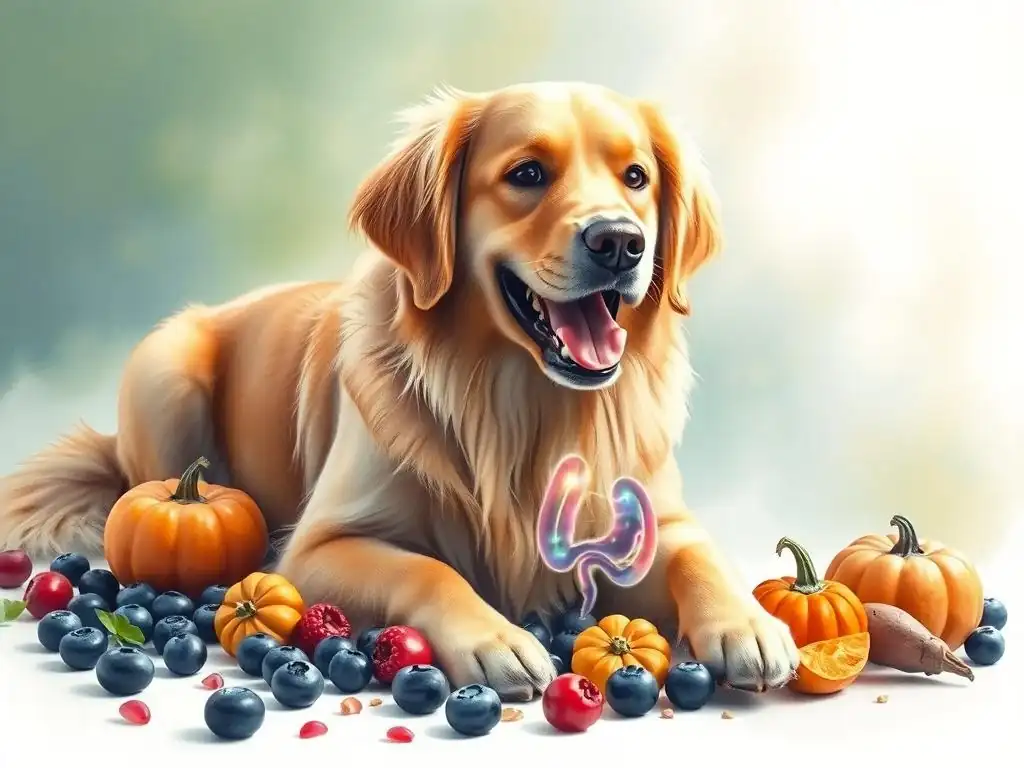
This section focuses on practical strategies for seamlessly incorporating prebiotics into your canine companion's daily diet. Successfully integrating prebiotics requires understanding your dog's individual needs and preferences, as well as a gradual approach to avoid digestive upset. Remember, the goal is to improve your dog's gut health and overall well-being, not to cause discomfort. The best dog prebiotic digestive health results come from a carefully planned and monitored integration.
Incorporating Prebiotic-Rich Foods into Your Dog's Meals
Many common dog food ingredients naturally contain prebiotics. However, the concentration and bioavailability can vary significantly depending on processing methods and ingredient quality. Prioritizing whole foods is key to maximizing prebiotic benefits. Here are some examples:
- Sweet Potatoes: A great source of dietary fiber, including inulin, a common prebiotic. Adding cooked, mashed sweet potato to your dog's kibble can be a palatable and beneficial addition. Aim for a gradual introduction, starting with a small amount and monitoring for any digestive changes.
- Pumpkin (plain, canned): Another excellent source of fiber, pumpkin can aid in digestion and stool consistency. Remember to choose plain, canned pumpkin – not pumpkin pie filling, which contains added sugars and spices harmful to dogs. A tablespoon or two mixed into their food is usually sufficient.
- Oatmeal (plain, cooked): Provides soluble fiber that acts as a prebiotic, promoting the growth of beneficial gut bacteria. Ensure it's plain, unflavored oatmeal, cooked without added sugar or salt.
- Green Beans (cooked): A good source of fiber and other nutrients. Steamed or lightly boiled green beans are a safe and healthy addition to your dog's diet.
It's crucial to remember that introducing new foods should be done gradually. Start with small quantities and observe your dog for any signs of digestive upset, such as diarrhea, vomiting, or changes in stool consistency. If any adverse reactions occur, discontinue use and consult your veterinarian. A slow and steady approach is paramount for achieving optimal results with prebiotic supplementation for best dog prebiotic digestive health.
Combining Prebiotics with Probiotics for Synergistic Effects
While prebiotics feed beneficial bacteria, probiotics introduce beneficial bacteria directly into the gut. Combining both prebiotics and probiotics can create a synergistic effect, further enhancing digestive health. Think of it like this: prebiotics prepare the soil, and probiotics plant the seeds. This combined approach can be particularly beneficial for dogs with a history of digestive issues or those recovering from antibiotic treatment.
However, it's essential to choose high-quality probiotic supplements specifically formulated for dogs. Not all probiotics are created equal, and some may not be effective or even safe for canine consumption. Look for supplements with multiple strains of bacteria and guaranteed CFU (colony-forming units) counts. Always consult your veterinarian before starting any new supplement regimen, especially if your dog has pre-existing health conditions. Finding the right balance between prebiotics and probiotics is key for achieving the best dog prebiotic digestive health outcomes.
Monitoring Your Dog's Response to Prebiotic Supplementation
Monitoring your dog's response to prebiotic supplementation is critical to ensure its effectiveness and safety. Regularly assess your dog's stool consistency and frequency. Healthy stools should be firm but not hard, and regular bowel movements are a sign of good digestive health. Look for improvements in stool quality – firmer, less smelly, and easier to pass.
Keep a close eye out for any signs of digestive distress, such as vomiting, diarrhea, lethargy, or changes in appetite. If you notice any of these symptoms, immediately discontinue the prebiotic supplementation and consult your veterinarian. Detailed record-keeping, including the type and amount of prebiotics given, along with observations on your dog's health, can be invaluable in identifying potential problems and optimizing the supplementation strategy for best dog prebiotic digestive health.
Remember, patience and observation are key to successful prebiotic integration. Consistent monitoring allows for adjustments to the regimen based on your dog's individual response, leading to improved digestive health and overall well-being.
When to Consult a Veterinarian Regarding Digestive Issues
Digestive upset in dogs can manifest in various ways, and while prebiotics can be beneficial for many, it's crucial to understand when professional veterinary intervention is necessary. Ignoring serious digestive problems can lead to more significant health issues down the line, potentially impacting your dog's overall well-being. Don't hesitate to seek veterinary advice if your dog exhibits any of the following symptoms, even after introducing prebiotics:
- Persistent vomiting or diarrhea: Occasional vomiting or loose stools might be temporary, but if these symptoms persist for more than 24-48 hours, or are accompanied by lethargy or other concerning signs, immediate veterinary attention is crucial. Dehydration is a serious risk with prolonged digestive upset. For example, a small breed dog experiencing persistent diarrhea for two days might become severely dehydrated, requiring intravenous fluids.
- Blood in stool or vomit: The presence of blood in either stool or vomit is a serious warning sign that indicates potential internal bleeding or other serious conditions, demanding immediate veterinary care. This could be indicative of inflammatory bowel disease (IBD), parasites, or other underlying health problems. Delaying treatment can have life-threatening consequences.
- Significant weight loss: Unexplained weight loss, even in combination with a seemingly normal appetite, warrants a veterinary examination. This could be a symptom of various underlying health conditions, including digestive disorders, parasites, or even cancer. A thorough assessment is vital to determine the cause.
- Changes in appetite or behavior: A sudden and dramatic change in appetite, either a significant increase or decrease, combined with lethargy, depression, or other behavioral changes, should prompt a veterinary consultation. These symptoms often accompany serious illness. For instance, a dog suddenly refusing food and becoming lethargic might have a serious infection.
- Abdominal pain or distension: If your dog displays signs of abdominal pain, such as whimpering, guarding its abdomen, or exhibiting a rigid posture, or if its abdomen appears swollen or distended, seek immediate veterinary assistance. These symptoms could indicate a blockage, infection, or other serious internal problem. Prompt diagnosis and treatment are critical in such cases.
Remember, prebiotics are a supportive measure, not a replacement for veterinary care. They are best used as part of a holistic approach to maintaining your dog's digestive health under the guidance of a veterinarian, especially if your dog has pre-existing conditions or shows concerning symptoms. Early intervention is key to ensuring your dog receives the best possible care and a swift recovery. The earlier you address any digestive issues, the better the chances of a positive outcome.
Potential Side Effects and Precautions of Dog Prebiotics
While prebiotics are generally considered safe for dogs and offer numerous benefits for their digestive health, it's crucial to be aware of potential side effects and take necessary precautions. Introducing prebiotics into your dog's diet should be a gradual process to minimize the risk of any adverse reactions. Remember, the "best dog prebiotic digestive health" solution is often a carefully considered and personalized approach.
Gas and Bloating
One of the most commonly reported side effects of prebiotic supplementation in dogs is increased gas and bloating. This is often temporary and resolves as the dog's gut microbiome adapts to the new prebiotic. The severity of gas and bloating can vary depending on the type and amount of prebiotic given, as well as the individual dog's sensitivity. For example, some dogs may experience mild discomfort, while others might exhibit more significant bloating, potentially leading to discomfort or reduced appetite.
To mitigate this, start with a low dose of prebiotics and gradually increase the amount over several days or weeks. Observe your dog closely for any signs of distress. If bloating becomes severe or persistent, reduce the dosage or discontinue use and consult your veterinarian. Choosing prebiotics with a proven track record of good tolerance, such as those derived from chicory root inulin, might help minimize this side effect.
Allergic Reactions
Although rare, allergic reactions to prebiotics are possible. These reactions can manifest in various ways, including skin irritation (itching, redness, rash), vomiting, diarrhea, or even more serious symptoms. Dogs with known allergies or sensitivities to specific ingredients should be monitored carefully when introduced to new prebiotics. Always check the ingredient list and avoid prebiotics containing ingredients your dog has previously reacted to.
Before introducing a new prebiotic supplement to your dog’s diet, consider conducting a small trial. Start with a very small amount and observe your dog closely for 24-48 hours for any signs of allergic reactions. If any adverse reactions occur, immediately discontinue use and seek veterinary advice. Detailed records of your dog's diet and any observed reactions are invaluable should you need to consult a veterinarian.
When to Consult a Veterinarian Regarding Prebiotic Use
While generally safe, there are instances where veterinary consultation is advisable before introducing prebiotics to your dog's diet or if adverse effects occur. This is particularly important for dogs with pre-existing health conditions, such as inflammatory bowel disease (IBD), pancreatitis, or diabetes. Prebiotics can interact with certain medications, so it's essential to discuss their use with your veterinarian if your dog is on any prescribed medication.
Furthermore, if your dog experiences persistent or severe digestive upset (diarrhea, vomiting, severe bloating), significant changes in appetite, or other unusual symptoms after starting prebiotics, immediate veterinary attention is necessary. Don't hesitate to contact your vet if you have any concerns about your dog's response to prebiotic supplementation. Early intervention can prevent potential complications and ensure your dog's optimal digestive health. Remember, responsible pet ownership includes proactive monitoring and seeking professional guidance when needed. A veterinarian can help determine the "best dog prebiotic digestive health" strategy tailored to your dog’s specific needs.
Frequently Asked Questions about Dog Prebiotics and Digestive Health

This section addresses common queries regarding prebiotics and their impact on canine digestive health, helping you understand how these beneficial substances can contribute to your dog's overall well-being. Choosing the best dog prebiotic for digestive health requires careful consideration of your pet's individual needs and health status.
Are prebiotics safe for all dogs?
Generally, prebiotics are considered safe for most dogs. They are naturally occurring substances, and the commercially available forms are usually well-tolerated. However, like any dietary supplement, there are potential exceptions. Dogs with pre-existing medical conditions, particularly those affecting the digestive system, should ideally have prebiotic supplementation discussed with their veterinarian before starting. This is especially crucial for dogs with known allergies or sensitivities.
While rare, some dogs might experience mild gastrointestinal upset such as gas or loose stools initially, which usually subsides as their gut microbiome adapts. Monitoring your dog for any adverse reactions is essential. Always start with a low dose and gradually increase it as tolerated. The best dog prebiotic digestive health solutions are those introduced gradually and monitored closely. It's always better to err on the side of caution and consult a professional.
How long does it take to see results from prebiotic supplementation?
The timeframe for noticing improvements in your dog's digestive health from prebiotics varies greatly depending on several factors. These include the specific prebiotic used, the dog's individual gut microbiome composition, the severity of any existing digestive issues, and the overall health of your canine companion. Some dogs may show improvements within a few days or weeks, noticing firmer stools or a reduction in gas. Others may require several weeks or even months to fully experience the benefits.
Consistent use is key. Don't expect overnight miracles; prebiotics work by gradually promoting the growth of beneficial bacteria, a process that requires time. Patience and consistent administration are vital for achieving optimal results in improving your dog's digestive health with the best dog prebiotic. Regular veterinary check-ups can help monitor progress and ensure the chosen prebiotic is effective.
Can prebiotics help with specific digestive issues (e.g., diarrhea, constipation)?
Prebiotics can play a supportive role in managing certain digestive issues in dogs, although they are not a cure-all. For diarrhea, prebiotics can help restore the balance of gut bacteria, potentially reducing the duration and severity of symptoms. By fostering the growth of beneficial bacteria, they aid in strengthening the intestinal barrier and improving nutrient absorption. However, severe or persistent diarrhea requires veterinary attention.
Similarly, for constipation, prebiotics can help promote regular bowel movements by increasing stool bulk and softening the stool. They encourage regular gut motility. But, if constipation is chronic or severe, veterinary evaluation is crucial to rule out underlying medical problems.
Remember, prebiotics are a supportive measure, not a replacement for professional veterinary care. The best dog prebiotic digestive health strategy often involves a combination of prebiotics, probiotics, and dietary adjustments, guided by veterinary advice. Always consult your vet before using prebiotics to treat any specific digestive conditions in your dog.
How much prebiotic should I give my dog?
The appropriate prebiotic dosage for your dog depends on several factors, including their breed, size, age, and overall health. There isn't a one-size-fits-all answer, and blindly following human prebiotic recommendations is dangerous. Always consult your veterinarian before starting your dog on any new supplement, including prebiotics. They can assess your dog's individual needs and recommend the correct dosage based on their specific circumstances.
For example, a small breed dog will require a significantly smaller dose than a large breed dog. Similarly, a puppy's digestive system is still developing, so they might need a lower dose than an adult dog. The concentration of prebiotics in the product you choose also plays a crucial role. Always carefully read the product label and follow the manufacturer's instructions, but remember that these are general guidelines and professional veterinary advice is paramount.
Prebiotic supplements often come in powder, capsule, or chewable forms. Each form has different administration guidelines. Some manufacturers provide detailed charts correlating dosage to the dog's weight, while others offer general recommendations. Regardless of the form, it's vital to start with a lower dose than recommended and gradually increase it as tolerated, carefully monitoring your dog's bowel movements and overall health. Any changes in stool consistency – such as persistent diarrhea or constipation – warrant immediate veterinary attention. Remember, responsible pet ownership involves seeking expert guidance when introducing new supplements to your dog's diet.
Ignoring veterinary advice and self-medicating your dog can have serious consequences. Always prioritize your dog's health and well-being by seeking professional guidance before altering their diet. The "best dog prebiotic digestive health" solution is not a generic one-size-fits-all approach, but a personalized plan tailored to your pet's needs.
Can I give my dog human prebiotics?
No, you should generally not give your dog human prebiotics. While both dogs and humans benefit from prebiotics, the formulations and dosages are different. Human prebiotics are designed for human digestive systems, and giving them to your dog could lead to digestive upset, or worse. The concentration of prebiotics in human supplements may be too high for a dog, potentially causing adverse reactions. Furthermore, some human prebiotic supplements may contain ingredients that are toxic to dogs. For example, xylitol, a common sweetener in human products, is highly toxic to dogs.
Always choose prebiotic supplements specifically formulated for dogs. These products are designed with canine digestive systems in mind and contain the appropriate types and amounts of prebiotics. Reputable pet food brands and veterinary clinics offer a range of high-quality prebiotic supplements for dogs. Look for products that list the specific types and amounts of prebiotics they contain, such as inulin, fructooligosaccharides (FOS), and mannanoligosaccharides (MOS).
These are generally considered safe and effective for dogs. Choosing a product with a clear label specifying its ingredients and dosage is essential for ensuring the safety and efficacy of the prebiotic supplement for your canine companion. Remember, prioritizing your dog's health means making informed decisions based on veterinary guidance and selecting products designed specifically for their needs. The best approach to ensuring optimal gut health is to consult with a vet and choose a product formulated for canine consumption.
Frequently Asked Questions
What are prebiotics and why are they important for my dog's digestive health?
Prebiotics are non-digestible food ingredients that act as food for the beneficial bacteria in your dog's gut. A healthy gut microbiome is crucial for optimal digestion, nutrient absorption, and overall well-being. They help support a balanced gut flora.
How do prebiotics improve my dog's digestion?
Prebiotics promote the growth of beneficial gut bacteria, which aids in breaking down food, improving nutrient absorption, and reducing the risk of digestive upset. This leads to firmer stools and less gas.
What are the signs of poor digestive health in dogs that prebiotics might help?
Signs include loose stools, diarrhea, gas, bloating, and a generally unhappy tummy. Prebiotics can help rebalance the gut flora, alleviating these symptoms.
Are there any side effects associated with giving my dog prebiotics?
Generally, prebiotics are considered safe for dogs. However, some dogs might experience minor, temporary issues like increased gas initially. Consult your veterinarian if you have any concerns.
How do I choose the best dog prebiotic for my pet's digestive health?
Look for products specifically formulated for dogs, containing proven prebiotic ingredients like fructooligosaccharides (FOS) or inulin. Always check with your vet before starting any new supplement.
Final Reflection: Nourishing the Gut, Nourishing the Bond
The health of our canine companions is intrinsically linked to their digestive well-being, and understanding the role of prebiotics is crucial in ensuring their vitality. A healthy gut translates to a happier, more energetic dog, highlighting the importance of proactive care rather than reactive treatment. This is more than just a trend; it's a fundamental shift in how we approach pet wellness.
The impact of prebiotics extends beyond simple digestion; it touches upon the overall health and happiness of our furry friends. A balanced gut microbiome contributes to a stronger immune system, improved nutrient absorption, and even better mental clarity. The gut is the second brain,
a phrase often used in human health, holds true for our canine companions as well. This underscores the profound connection between gut health and overall well-being, influencing everything from their energy levels to their behavior.
Consider the impact of this knowledge. You now possess the tools to make informed decisions about your dog's diet and contribute directly to their long-term health. Are you ready to prioritize your dog's digestive health by incorporating prebiotics into their routine? Take the time to research the best options available, consult with your veterinarian, and witness the positive transformation in your dog's energy, disposition, and overall well-being. The journey to a healthier, happier dog begins with a single, informed choice.
Unlock Your Dog's Digestive Potential
Thank you for learning about the power of prebiotics for your canine companion! We hope you feel empowered to make informed choices about their digestive health. Ready to put this new knowledge into action?
- Prioritize a prebiotic-rich diet: Carefully review your dog's food and consider adding prebiotic-rich ingredients, such as chicory root or small amounts of banana. This is the most direct way to support a healthier gut.
- Share your experience: Tell us about your dog's journey towards better digestion! Share your successes or questions in the comments below. Let's build a supportive community for pet owners.
- Explore further: Research other natural ways to boost your dog's gut health, such as incorporating probiotics, fiber-rich foods, and a consistent exercise routine.
What small change will you make today to improve your dog's digestive well-being?