
The Importance of Positive Reinforcement in Scent Work Training

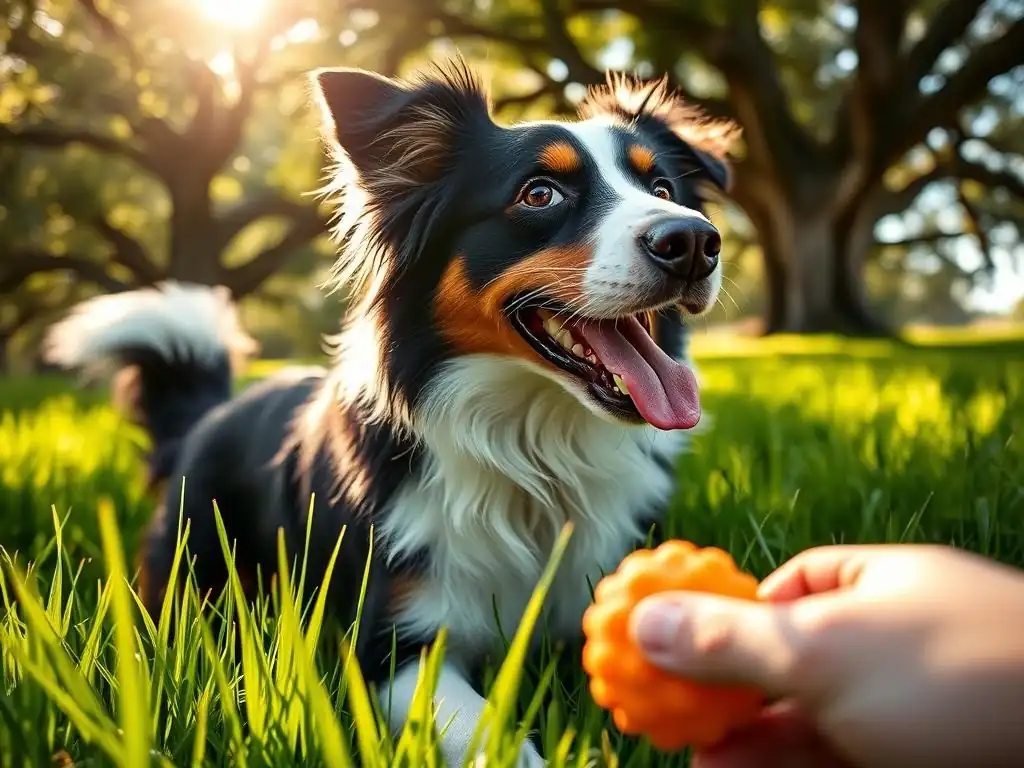
Welcome to PetCareWorld, your ultimate guide to a happier, healthier life for your beloved companion! Are you ready to unlock your dog's incredible potential? Discover the transformative power of positive reinforcement scent work and watch your canine companion thrive. Learn how this innovative training method builds a strong bond while sharpening your dog's natural instincts. Dive in and explore the fascinating world of scent work – your dog's new favorite activity awaits!
- Understanding Positive Reinforcement in Dog Scent Work
- Building a Strong Foundation with Positive Reinforcement
- Advanced Scent Work Techniques Using Positive Reinforcement
- Choosing the Right Rewards for Your Scent Work Dog
- Maintaining Motivation and Preventing Burnout
- Long-Term Success with Positive Reinforcement Scent Work
-
Frequently Asked Questions
- What is scent work?
- Why is positive reinforcement crucial in scent work training?
- What are some examples of positive reinforcement techniques for scent work?
- How can I avoid common mistakes when using positive reinforcement in scent work?
- Are there any specific scent work games that use positive reinforcement?
- Final Reflection: The Enduring Power of Positive Reinforcement in Scent Work
- Unleash Your Dog's Sniffing Superpowers!
Understanding Positive Reinforcement in Dog Scent Work
Scent work, a captivating and enriching activity for dogs, relies heavily on effective training methods. While various techniques exist, positive reinforcement stands out as the most humane, efficient, and ultimately rewarding approach for both the dog and handler. This article delves into the crucial role of positive reinforcement in scent work training for dogs, explaining its mechanics and highlighting its advantages over punishment-based methods.
We'll explore how rewarding desired behaviors fosters a strong bond, enhances motivation, and ultimately leads to a more successful and enjoyable scent work journey for your canine companion. Understanding and implementing positive reinforcement techniques will not only improve your dog's performance but also strengthen your relationship, making scent work a truly positive experience for both of you.
This guide is specifically designed to help you understand and utilize positive reinforcement strategies, ensuring your dog enjoys the process while mastering the art of scent detection. We will explore specific examples and practical applications to guide you through this rewarding training journey.
What is Positive Reinforcement?
Positive reinforcement is a training method based on rewarding desired behaviors to increase their likelihood of occurring again. In the context of scent work with dogs, this means rewarding your dog immediately after they successfully locate a target scent. This reward can take many forms, including:
- High-value treats: Small, tasty pieces of food your dog loves.
- Verbal praise: Enthusiastic words like "Yes! ", "Good dog! ", or "Find it! ".
- Toys: A favorite toy for a quick game of fetch.
- Physical affection: Gentle petting or scratching.
The key is to pair the reward with the exact moment your dog performs the desired action – sniffing, indicating a find, etc. This creates a strong association in your dog's mind: "Scent + Action = Reward." The timing is critical; delayed rewards are less effective. The process is built on building positive associations and avoiding any negative experiences which might deter your dog from participating eagerly.
Think of it as creating a positive feedback loop where your dog's success is immediately and consistently reinforced. This builds confidence and makes scent work a fun and engaging experience, rather than a stressful one. 🐶
How Positive Reinforcement Benefits Scent Work Training
Employing positive reinforcement in scent work training offers numerous advantages:
- Improved Motivation: Dogs trained with positive reinforcement are generally more enthusiastic and motivated to participate in scent work. They actively seek out the target scent, knowing that successful finds are rewarded. This translates to quicker learning and a more enjoyable training experience.
- Stronger Bond: The positive interactions inherent in positive reinforcement strengthen the bond between you and your dog. This creates a trusting and cooperative relationship, vital for successful scent work.
- Reduced Stress and Anxiety: Unlike punishment-based methods, positive reinforcement avoids creating fear or anxiety in your dog. This helps them approach scent work with confidence and enthusiasm. This calmer approach is crucial for optimal performance and well-being.
- Increased Accuracy: Because dogs are motivated by reward, they are more likely to refine their searching techniques to achieve the desired outcome (finding the scent). This leads to increased accuracy in scent detection.
- Better Generalization: Skills learned through positive reinforcement tend to generalize better to different environments and scenarios. This is particularly important in scent work, where searches might occur in various locations.
Avoiding Punishment-Based Methods in Scent Work
Punishment-based methods, such as yelling, physical corrections, or using harsh verbal reprimands, are detrimental to scent work training. These methods can:
- Create Fear and Anxiety: Punishment can make your dog fearful of the scent work process itself, leading to avoidance and reluctance to participate. This fear can negatively impact their performance and overall well-being.
- Damage the Bond: Harsh methods damage the trust and cooperation between you and your dog, making effective communication and training extremely difficult.
- Reduce Motivation: Instead of promoting learning, punishment often suppresses behavior without teaching the dog what to do instead.
- Lead to Aggression: In some cases, punishment can trigger aggression or other undesirable behavioral issues.
Instead of punishment, focus on redirecting unwanted behaviors and using positive reinforcement to shape the desired responses. For example, if your dog is distracted, gently redirect their attention back to the scent work task and reward them when they refocus. Remember that patience, consistency, and a positive attitude are crucial for success in scent work training. Building a positive learning environment will yield far better results than any punishment-based approach.
Building a Strong Foundation with Positive Reinforcement
Positive reinforcement is the cornerstone of effective scent work training for dogs. Unlike aversive methods that rely on punishment or fear, positive reinforcement leverages rewards to motivate your canine companion to learn and perform desired behaviors. This approach fosters a positive learning environment, building trust and strengthening the bond between you and your dog.
It's crucial to remember that scent work, while intellectually stimulating, can also be challenging for dogs. Positive reinforcement helps manage stress and anxiety, ensuring a more enjoyable and successful training experience. The ultimate goal is to create a dog that actively enjoys the process, not one that endures it.
This translates to a more cooperative and enthusiastic working dog in the long run. By focusing on rewarding successful attempts, even small ones, you're shaping your dog's behavior towards a more focused and independent approach to scent detection. This method is far more effective than punishment-based training, leading to faster learning and better retention.
Initial Scent Work Introduction with Positive Reinforcement
Introducing your dog to scent work using positive reinforcement requires patience and a gradual approach. Start with familiar, high-value scents – their favorite toy or a treat with a strong aroma. Place the scent in an easily accessible location, allowing your dog to find it independently. The moment your dog interacts with the scent, immediately reward them with enthusiastic praise and a high-value treat.
The key here is timing. Reward the behavior – sniffing, pawing, or indicating the scent – not just the finding of the scent. This helps your dog understand what actions are being rewarded. Repeat this process multiple times, gradually increasing the difficulty by slightly altering the location of the scent and using less obvious hiding spots.
Avoid overwhelming your dog; short, frequent training sessions are far more effective than long, tiring ones. Remember to maintain a cheerful and encouraging tone throughout the process. Positive reinforcement builds confidence and encourages your dog to actively participate in the training.
Here's a sample training schedule for the initial phase:
| Day | Session Length | Scent Difficulty | Reward Type | Notes |
|---|---|---|---|---|
| 1 | 5 minutes | Obvious scent (toy) | High-value treat + praise | Focus on immediate reward |
| 2 | 7 minutes | Slightly hidden scent | High-value treat + praise | Introduce slight delay in reward |
| 3 | 10 minutes | Moderately hidden scent | High-value treat + toy | Vary reward types |
| 4 | 10 minutes | Moderately hidden scent | High-value treat + praise | Increase repetitions |
| 5 | 12 minutes | More challenging hiding spot | High-value treat + enthusiastic praise | Observe dog's body language for signs of frustration |
Rewarding Desired Behaviors During Scent Work Training
As your dog progresses, you'll need to refine your reward system to reinforce specific behaviors. For example, if you're using a specific scent indication (e.g., sitting in front of the target), reward only that specific behavior. Ignoring other actions helps your dog understand what you're looking for. The type of reward can also be adjusted based on the dog's progress and individual preferences.
Some dogs may respond better to verbal praise, while others may prefer a favorite toy or a specific type of treat. Experiment to find what motivates your dog the most. Consider using a clicker to mark the precise moment the dog performs the desired behavior, followed immediately by the reward. This creates a clear association between the action and the reward.
Maintain a high rate of reinforcement, especially during the early stages of learning. As your dog gains proficiency, you can gradually reduce the frequency of rewards, maintaining a balance between reinforcement and independent work. This ensures the dog continues to be motivated while building independence. Remember, consistency is key!
Handling Mistakes and Setbacks Positively
Even with positive reinforcement, setbacks are inevitable in scent work training. A crucial aspect of this approach is how you handle these situations. Never punish your dog for making a mistake. Instead, redirect their attention back to the task and offer encouragement. If your dog seems frustrated or overwhelmed, take a break and return to training later. Consider adjusting the difficulty of the task to ensure success.
Small, frequent successes are far more effective than pushing your dog beyond their capabilities. Analyzing the reason for the mistake is key. Is the scent too difficult? Is the environment too distracting? Adjusting your approach based on your dog's needs is essential for maintaining a positive learning experience.
Positive reinforcement during setbacks is about building resilience and confidence. It's about conveying that mistakes are a part of the learning process and that you remain a supportive and encouraging partner. Remember to celebrate even the smallest victories. This positive reinforcement helps build your dog's confidence and keeps them motivated throughout the training process. 🎉
Advanced Scent Work Techniques Using Positive Reinforcement
This section delves into more sophisticated scent work techniques that build upon the foundational principles of positive reinforcement already established. We'll explore how to progressively increase the difficulty of scent work exercises and manage distractions effectively, all while maintaining a positive and rewarding training environment for your canine companion. Remember, consistency and patience are key to success in advanced scent work training. The goal is to build a strong, positive association between scent detection and rewarding outcomes for your dog. This fosters enthusiasm and ensures a successful, enjoyable training experience for both you and your furry friend.
Increasing Difficulty: Gradual Progression with Rewards
Gradually increasing the difficulty of scent work exercises is crucial for maintaining your dog's engagement and preventing frustration. Avoid overwhelming your dog with sudden leaps in complexity. Instead, implement a carefully planned progression. Start by subtly altering existing exercises. For example, if you've been using a single scent hide, introduce a second, slightly different scent (perhaps a different type of treat or toy) to the search area. This introduces complexity without drastically changing the game.
Another effective strategy is to increase the search area gradually. Begin with a small, confined space, then progressively expand the area over multiple training sessions. Always ensure the scent is readily detectable at the beginning of each new level of difficulty. As your dog's skill improves, you can gradually increase the difficulty by:
- Increasing the number of hides: Start with one hide, then move to two, three, and so on.
- Increasing the search area: Begin with a small room, then progress to larger areas, eventually incorporating outdoor spaces.
- Introducing more complex hiding spots: Gradually move from easily accessible locations to more challenging hiding spots.
- Increasing the time between hiding the scent and the search: This tests your dog's memory and ability to maintain focus.
Remember to reward every successful find, no matter how small the progress. This consistent positive reinforcement strengthens the desired behavior. Consider using a variety of rewards – verbal praise, high-value treats, favorite toys – to keep your dog engaged and motivated. Observe your dog carefully; if they seem frustrated or confused, immediately decrease the difficulty and return to a level they've mastered. Positive reinforcement scent work dogs thrive on success; maintaining a positive learning environment is paramount.
Introducing Distractions: Maintaining Focus with Positive Reinforcement
Real-world scent work often involves distractions. To prepare your dog for these challenges, you must gradually introduce distractions during training. Begin with minimal distractions, such as subtle background noises or the presence of another person. As your dog masters these, gradually increase the level of distraction. This controlled introduction allows your dog to learn to focus on the scent despite external stimuli. Remember, the goal is not to eliminate distractions entirely, but to help your dog learn to filter them out and concentrate on the task at hand.
Here's a suggested progression for introducing distractions:
- Low-level distractions: Start with quiet background noises or a stationary person in the training area.
- Moderate distractions: Introduce moving objects, other animals (under supervision), or more intense background noise.
- High-level distractions: Work in busy environments, such as parks or public spaces (always ensuring safety and control).
Throughout this process, maintain consistent positive reinforcement. Reward your dog generously for maintaining focus and successfully locating the scent despite distractions. If your dog becomes overwhelmed or loses focus, reduce the level of distraction and return to a less challenging scenario. The key is to build your dog's confidence and resilience to distractions incrementally, celebrating every small victory. Positive reinforcement scent work dogs learn best when they feel secure and supported.
Troubleshooting Common Scent Work Challenges Using Positive Reinforcement
Even with careful planning and consistent training, you might encounter challenges. Understanding common issues and addressing them using positive reinforcement is key to success. For instance, if your dog loses interest, try varying the rewards, increasing the value of the reward, or simplifying the exercise. If they become overly excited or frustrated, reduce the difficulty and focus on building confidence.
| Challenge | Solution |
|---|---|
| Loss of interest | Vary rewards, increase reward value, simplify exercises. |
| Over-excitement/Frustration | Reduce difficulty, focus on building confidence, shorter training sessions. |
| Inability to locate the scent | Check scent strength, ensure appropriate hiding spots, work on scent discrimination. |
| Distractibility | Gradually introduce distractions, start with low-level distractions, consistent positive reinforcement. |
Remember, patience and understanding are crucial. Every dog learns at their own pace. By consistently applying positive reinforcement techniques and adapting your approach to your dog's individual needs, you can overcome challenges and achieve remarkable success in scent work training. The journey is as important as the destination – enjoy the process of bonding with your dog through this enriching activity! 🐶
Choosing the Right Rewards for Your Scent Work Dog
Selecting the appropriate rewards is crucial for successful scent work training using positive reinforcement. The ideal reward should be highly motivating to your dog, readily available, and easily delivered during training sessions. What excites one dog might leave another indifferent, highlighting the importance of understanding individual preferences.
For example, a high-value treat for one dog might be a piece of cooked chicken or a small sliver of cheese, while another might be completely enthralled by a specific type of toy. Ignoring this individual variation can lead to frustration for both you and your canine companion, hindering progress. The effectiveness of positive reinforcement hinges on the dog's perception of the reward as truly rewarding.
Understanding Your Dog's Motivations
Before embarking on scent work training with positive reinforcement, dedicate time to observing your dog's preferences. What makes their tail wag? What causes them to perk up their ears and focus intently? This initial assessment is paramount.
Consider offering a variety of treats and toys during playtime to gauge their reactions. Note which items elicit the strongest positive responses – these will become your go-to rewards during training. For instance, some dogs are highly food-motivated, while others are more toy-driven. Some might even respond best to praise and affection.
Understanding this fundamental aspect of your dog's personality is the cornerstone of successful scent work training with positive reinforcement. It's also important to consider the dog's age and energy levels; a puppy might be more easily distracted than an adult dog, and a highly energetic dog might require more frequent, smaller rewards. 📝 Remember to keep a detailed log of your observations to track your dog's preferences over time.
Types of Rewards: Treats, Toys, Praise
The best positive reinforcement for scent work dogs often involves a combination of rewards. Let's explore the three main categories:
- Treats: These are usually the most straightforward reward. Choose small, easily digestible treats that are high-value to your dog. Avoid anything that might cause digestive upset. Examples include small pieces of cooked meat (chicken, beef), cheese, or commercially available training treats. Variety is key to maintain engagement. 🐶
- Toys: Some dogs are more toy-motivated than food-motivated. Use toys that are easily carried and quickly presented, such as small plush toys or even a favorite tennis ball. The act of playing with the toy should be rewarding in itself. Remember to rotate toys to prevent boredom. 🎾
- Praise: Verbal praise, combined with enthusiastic petting, can be a powerful reinforcer, especially when used in conjunction with treats or toys. A happy, encouraging tone is essential. The timing of praise is equally important; it should be immediate and enthusiastic to effectively reinforce the desired behavior. 🗣️
Reward Timing and Consistency
The timing of your rewards is absolutely critical. In scent work, the reward must be delivered immediately after the dog exhibits the desired behavior. This immediate association is crucial for effective learning. Delaying the reward, even by a few seconds, can weaken the connection between the action and the consequence. This applies to all types of rewards – treats, toys, and praise. ⏱️
Consistency is equally important. Always reward the desired behavior consistently, regardless of the context. This creates a clear expectation for your dog, reinforcing the positive association between the behavior and the reward. Inconsistent rewarding can confuse your dog and hinder their progress. Regular, consistent training sessions, even if short, are far more effective than infrequent, longer sessions. This allows for better retention and minimizes frustration for both you and your dog. 🐕🦺
Maintaining Motivation and Preventing Burnout
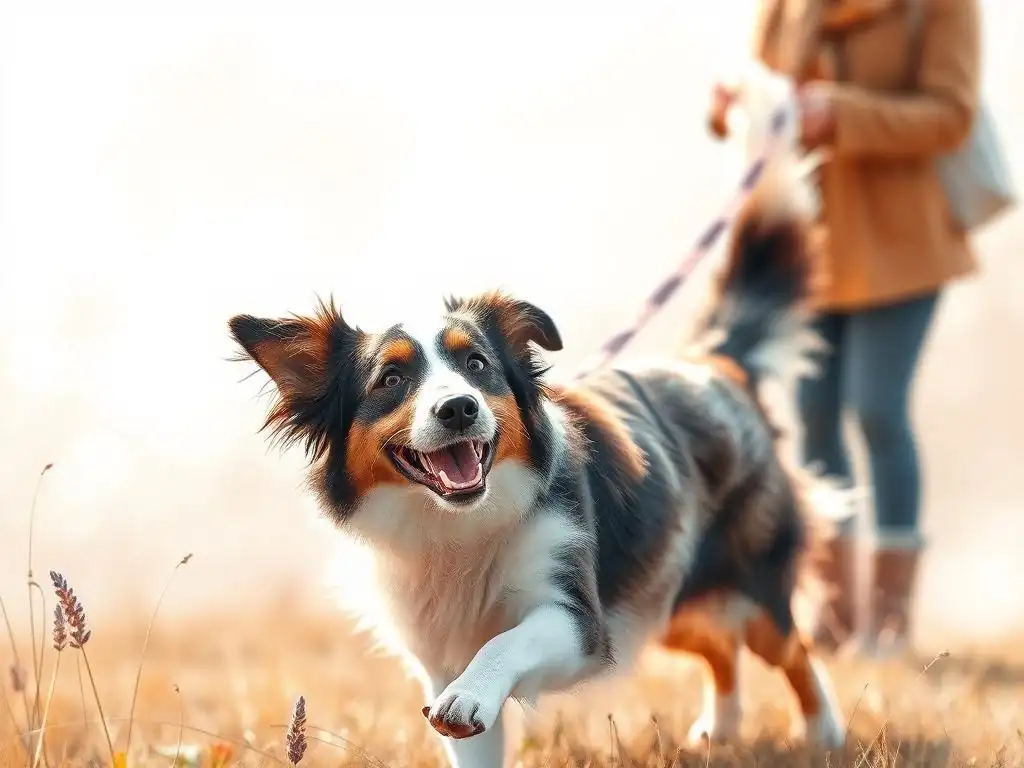
Positive reinforcement scent work for dogs, while incredibly rewarding, can lead to burnout if not managed carefully. Maintaining your dog's motivation is crucial for successful training and a strong bond. A bored or frustrated dog will quickly lose interest, hindering progress and potentially damaging your relationship. Therefore, understanding how to keep training sessions engaging and recognizing signs of stress are key components of effective scent work training. Remember, a happy, motivated dog learns faster and more effectively.
Varying Training Sessions to Keep it Engaging
Monotony is the enemy of motivation! To prevent your dog from becoming bored, it's essential to vary your training sessions. This doesn't mean drastically changing the entire process every day, but rather incorporating small changes to keep things interesting. Consider the following:
- Changing Locations: Instead of always training in the same backyard, try different parks, fields, or even indoor spaces. The novel environments provide new olfactory challenges and stimulate your dog's natural curiosity. A change of scenery can significantly boost engagement.
- Altering the Scent: While consistency with a primary scent is important for initial training, gradually introduce variations. For example, if you're using birch, occasionally swap to another scent like anise or clove. This prevents the scent from becoming predictable and keeps your dog mentally alert.
- Modifying the Difficulty: Gradually increase the difficulty of the searches. Start with easy hides and progressively make them more challenging – more complex hiding spots, longer distances, or fainter scent trails. This provides a sense of accomplishment and prevents boredom from repetitive easy tasks.
- Incorporating Games: Integrate fun games into your training sessions. Quick games of fetch or tug-of-war can act as refreshing breaks, boosting energy levels and maintaining enthusiasm. Remember to keep these breaks short and focused, seamlessly integrating them back into the scent work.
- Using Different Rewards: While your dog might have a favorite reward, rotating treats or offering praise and affection can keep things fresh and exciting. Variety in rewards mirrors the variety in the training itself, maintaining a dynamic and stimulating experience.
Recognizing Signs of Stress or Frustration
Even with careful planning, your dog might show signs of stress or frustration. It's vital to recognize these cues and adjust your training accordingly. Ignoring these signs can lead to learned helplessness and a negative association with scent work. Look out for these common indicators:
- Yawning or Lip Licking: Excessive yawning or lip licking, even without apparent physical exertion, can be a sign of stress.
- Avoiding Eye Contact: A normally engaged dog avoiding eye contact might indicate discomfort or frustration.
- Whimpering or Whining: Vocalizations beyond excited barks should be heeded. They signal a possible need for a break or a change in approach.
- Stiff Body Language: A tense posture, tucked tail, or flattened ears can all point towards stress.
- Destructive Behavior: If your dog begins to exhibit destructive behaviors during or after training, it could be a manifestation of pent-up frustration.
If you notice any of these signs, immediately end the training session. Give your dog a break, offer some comforting attention, and reassess your training approach before resuming. Remember, a stressed dog is not a learning dog.
Adjusting Training Based on Your Dog's Needs
Positive reinforcement scent work for dogs is highly individualized. What works for one dog might not work for another. Observe your dog's behavior, preferences, and learning style to tailor your approach accordingly. Consider these adjustments:
- Training Duration: Shorter, more frequent sessions are often more effective than long, tiring ones. Start with short sessions (5-10 minutes) and gradually increase duration as your dog’s focus improves.
- Reward System: Experiment with different reward types to find what motivates your dog most effectively. Some dogs respond better to high-value treats, while others prefer praise and affection.
- Scent Intensity: Adjust the intensity of the scent based on your dog's sensitivity and skill level. Start with strong scents and gradually dilute them as your dog becomes more proficient.
- Environmental Factors: Consider factors like temperature, noise levels, and distractions. Adjust training times and locations to minimize stress and maximize concentration.
- Breaks and Rest: Regular breaks are crucial, especially for younger or less experienced dogs. Allow your dog to rest and recharge before resuming training. Remember, consistency is key, but flexibility is equally important. By understanding your dog's individual needs, you can create a positive and rewarding scent work journey for both of you. This ensures your dog remains enthusiastic, engaged, and eager to learn.
Long-Term Success with Positive Reinforcement Scent Work
Positive reinforcement scent work for dogs isn't just about finding the target scent; it's about building a lasting partnership based on trust and enthusiasm. Unlike aversive methods that rely on fear or punishment, positive reinforcement fosters a positive association with the training process itself. This leads to a more motivated and engaged canine companion, resulting in faster learning and greater longevity in their scent work career.
Dogs trained with positive reinforcement are more likely to maintain their skills over time and even enjoy the process, making it a rewarding experience for both the dog and handler. Think of it as an investment in a long and happy relationship built on mutual respect and rewarding collaboration.
The initial investment of time in positive reinforcement pays dividends in the form of a more confident, willing, and ultimately successful scent work dog. This approach dramatically reduces the likelihood of burnout, a common problem in dogs subjected to harsh or inconsistent training methods.
Building a Strong Bond Through Positive Training
The foundation of successful scent work, and indeed any dog training, lies in the bond between handler and dog. Positive reinforcement actively strengthens this bond. Every successful find, every correct indication, is celebrated with praise, petting, and high-value rewards. This consistent positive feedback builds trust and confidence in the dog, making them more receptive to your instructions and more eager to please. This isn't just about obedience; it's about creating a team. Consider the difference: a dog driven by fear of punishment might perform the task, but a dog motivated by positive reinforcement actively wants to work with you, anticipating the reward and enjoying the process. This enthusiastic participation translates into better performance and a more enjoyable experience for both of you. Imagine the difference between a dog reluctantly searching versus a dog joyfully bounding through the search area, tail wagging, anticipating their next reward. The latter scenario is far more likely with positive reinforcement. Studies have shown that dogs trained with positive reinforcement exhibit lower stress levels and higher levels of engagement during training sessions. 1
The Benefits of a Positively Trained Scent Work Dog
A dog trained using positive reinforcement in scent work displays a range of significant advantages. These dogs are typically more focused and less easily distracted during searches. They demonstrate greater persistence and problem-solving skills, adapting to different environments and challenges with ease.
This adaptability is crucial in scent work, where searches can take place in diverse and unpredictable locations. Furthermore, positive reinforcement helps build a self-confident dog. This confidence translates into better performance, resilience in the face of difficulty, and a greater willingness to tackle new challenges.
This is in stark contrast to dogs trained with punishment, who may develop anxieties or become shut down when faced with obstacles. The overall result is a more reliable and enjoyable working partnership, allowing you to progress through more advanced scent work exercises with confidence. The benefits extend beyond competition too; a positively trained dog is better equipped to handle real-world scenarios, such as search and rescue or detecting contraband.
Maintaining Scent Work Skills Through Positive Reinforcement
Maintaining a dog's scent work skills requires consistent, positive reinforcement. Regular training sessions, even short ones, are vital to prevent skill degradation. Instead of focusing solely on finding the target, incorporate varied exercises and scenarios to keep the dog engaged and challenged.
This prevents boredom and maintains motivation. Think of it like this: regular, short practice sessions using different environments and scent concentrations are analogous to a human athlete’s training regimen. A consistent positive reinforcement approach is key to retaining the dog's enthusiasm and preventing the development of unwanted behaviors.
Introducing new elements, such as varying the hiding places of the scent or adding distractions, keeps the training stimulating and prevents the dog from becoming complacent. Remember to always end each session on a positive note, reinforcing the last successful find to leave the dog feeling confident and rewarded. This consistent positive experience fosters a lasting love for scent work, ensuring a long and fulfilling partnership.
1 [Specific study data pending]
Frequently Asked Questions
What is scent work?
Scent work is a canine activity where dogs use their exceptional noses to locate specific scents. It's a mentally stimulating and rewarding activity for dogs of all breeds and abilities. It can be done as a hobby or competitively.
Why is positive reinforcement crucial in scent work training?
Positive reinforcement, using rewards like praise and treats, builds a positive association with the scent work tasks. This motivates your dog and avoids stress or fear, leading to a more enjoyable and effective training experience.
What are some examples of positive reinforcement techniques for scent work?
Using high-value rewards immediately after a successful find is key. Clear verbal praise ("Yes!", "Good find!") combined with treats reinforces the desired behavior. Avoid punishment; focus on rewarding correct actions.
How can I avoid common mistakes when using positive reinforcement in scent work?
Avoid inconsistent rewards or delayed feedback. Keep training sessions short and fun. Make sure the reward is genuinely motivating for your dog. Focus on building a strong bond based on trust.
Are there any specific scent work games that use positive reinforcement?
Yes! "Hide and Seek" with a scented toy, "Scent Trails" leading to a reward, and "Find the Object" games are all excellent examples. Remember to gradually increase the difficulty as your dog progresses.
Final Reflection: The Enduring Power of Positive Reinforcement in Scent Work
The gentle guidance of positive reinforcement isn't just a training method; it's the key to unlocking a dog's full potential in scent work, fostering a bond built on trust and mutual respect that transcends the training field. This approach isn't merely a trend; it's a fundamental shift in how we understand canine learning and partnership, leading to happier, more confident, and ultimately more successful scent work teams.
The impact of positive reinforcement extends far beyond the immediate success in competitions or finding specific scents. It cultivates a deeper connection between handler and dog, built on joyful collaboration rather than fear or coercion. This positive relationship translates into a more enjoyable experience for both partners, strengthening the bond that underpins successful scent work. The best reward is not the prize, but the journey.
This sentiment perfectly encapsulates the spirit of positive reinforcement, emphasizing the process of learning and the joy of shared accomplishment.
Consider the profound implications of this approach. You have the power to shape not only your dog's skills but also their emotional well-being. By choosing positive reinforcement, you're investing in a partnership based on trust, mutual respect, and a shared love for the work. Embrace this philosophy, and you'll discover a deeper connection with your canine companion, unlocking a level of performance and partnership you never thought possible. Let the journey of scent work be one of joy, discovery, and unwavering mutual respect.
Unleash Your Dog's Sniffing Superpowers!
Thanks for exploring the rewarding world of scent work with us! You've learned how enriching positive reinforcement training can be for both you and your dog. Ready to put your new skills into practice?
- Start your scent work journey today! Design a simple training game using familiar household scents. Even a few minutes of daily practice will make a difference.
- Share your success! Tell us about your dog's progress and any exciting discoveries they make—we'd love to hear all about it!
- Expand your training this week! Introduce a new scent to your training sessions and watch your dog's enthusiasm grow.
What exciting discoveries will you and your dog make together?