
How to Train a Puppy With a Short Attention Span

Welcome to PetCareWorld, your ultimate guide to a happier, healthier life for your beloved pets! Are you struggling with your puppy's short attention span? We understand the challenges of training a high-energy pup, and that's why we've created a comprehensive guide on how to effectively train a puppy with a short attention span. Discover proven techniques and practical tips to build a strong bond with your furry friend while overcoming this common hurdle. Dive in and unlock the secrets to successful puppy training – your journey to a well-behaved companion starts now!
- Understanding Your Puppy's Short Attention Span
- Training Techniques for Puppies with Short Attention Spans
- Strategies for Maintaining Focus During Training
- Addressing Specific Challenges with Short Attention Span Puppies
- Maintaining Momentum and Long-Term Success
-
Frequently Asked Questions
- How can I tell if my puppy has a short attention span?
- What are the best training methods for puppies with short attention spans?
- How can I make training sessions more engaging for my puppy?
- My puppy gets easily distracted during training. What should I do?
- How long will it take to improve my puppy's attention span?
- Final Reflection: The Enduring Patience of Puppy Training
- Unleash Your Puppy's Potential: Start Training Today!
Understanding Your Puppy's Short Attention Span
Training a puppy can be a rewarding experience, strengthening the bond between you and your furry friend. However, some puppies, due to breed, age, or individual temperament, possess a shorter attention span than others. This can make training seem challenging, leading to frustration for both owner and pup. This comprehensive guide will equip you with the knowledge and techniques to effectively train a puppy with a short attention span, focusing on patience, positive reinforcement, and understanding your puppy's unique needs.
We'll explore the signs of a short attention span, delve into breed predispositions and developmental stages, and ultimately provide practical strategies to overcome this common hurdle in puppy training. Remember, success lies in understanding your puppy's limitations and adapting your training methods accordingly. Every puppy learns at their own pace, and celebrating small victories is key to a positive training experience for both of you. 🎉
Recognizing the Signs of a Short Attention Span in Puppies
Identifying the signs of a short attention span in your puppy is the first crucial step towards effective training. These signs can manifest in various ways, and recognizing them early allows for timely adjustments to your training approach. Look for these key indicators:
- Difficulty focusing on a single task: Your puppy might become easily distracted by noises, sights, or smells, frequently shifting their attention away from the command or exercise you're trying to teach. They might start a task, then suddenly lose interest and wander off.
- Frequent restlessness and fidgeting: A puppy with a short attention span often displays restlessness during training sessions, constantly moving, sniffing, or trying to escape the situation.
- Limited duration of engagement: They might only be able to focus on a specific command or activity for a very short period, perhaps only a few seconds before losing interest.
- Increased distractibility in new environments: New environments, filled with unfamiliar sights, sounds, and smells, can significantly impact a puppy's ability to concentrate during training.
- Failure to consistently respond to commands: Inconsistent responses to commands, even after repeated repetitions, can also indicate a short attention span. This isn't always due to defiance but rather difficulty maintaining focus.
Understanding these signs will help you adjust training sessions to shorter, more frequent intervals, using high-value rewards to maintain engagement. Remember to be patient and understanding – your puppy isn't intentionally misbehaving; they're simply struggling to focus.
Breed Predispositions and Developmental Stages Affecting Attention Span
It's important to acknowledge that certain breeds are naturally more prone to having shorter attention spans than others. High-energy breeds, for example, often require more stimulation and may find it harder to focus on lengthy training sessions. Additionally, a puppy's age plays a significant role. Very young puppies, particularly those under 8 weeks, have naturally shorter attention spans due to their developmental stage. Their brains are still developing, and their ability to focus is not yet fully matured.
| Breed Type | Typical Attention Span Traits | Training Considerations |
|---|---|---|
| High-Energy Breeds | Short bursts of intense focus, easily distracted | Frequent, short training sessions; high-value rewards |
| Working Breeds | Can focus intensely on tasks, but may need mental stimulation | Vary training methods; include puzzle toys and problem-solving |
| Toy Breeds | Prone to distractions, require patience and positive reinforcement | Short sessions, frequent positive reinforcement, high-value treats |
Understanding these breed-specific tendencies and developmental stages allows you to tailor your training approach to your puppy's individual needs. This proactive approach will increase the likelihood of a successful training experience.
The Importance of Patience and Positive Reinforcement
Training a puppy with a short attention span demands immense patience and a consistent application of positive reinforcement techniques. Punishment or harsh methods will likely only worsen the situation, causing fear and anxiety, and further hindering your puppy's ability to focus.
Instead, focus on rewarding even the smallest successes with high-value treats, praise, or toys. Keep training sessions short and frequent (5-10 minutes several times a day) to avoid overwhelming your puppy. Use clear and concise commands, and always end the session on a positive note, reinforcing the behaviors you want to encourage.
Celebrate small victories, and remember that consistency and patience are key to success. Positive reinforcement creates a positive association with training, making it a fun and rewarding experience for both you and your puppy. This positive approach fosters trust and builds a strong bond, essential for successful training.
Training Techniques for Puppies with Short Attention Spans
This section delves into specific training methods tailored to puppies known for their fleeting focus. We'll explore how to adapt traditional training approaches to effectively engage and teach even the most easily distracted canine companions. Remember, patience and consistency are key when training any puppy, but especially those with short attention spans.
The goal isn't to force them to focus for extended periods, but rather to maximize the effectiveness of shorter, more frequent training sessions. This approach fosters a positive learning environment and prevents frustration for both you and your puppy. Successfully training a puppy with a short attention span requires understanding their limitations and working with them, not against them.
Optimizing Training Session Length and Frequency
Puppies with short attention spans benefit immensely from shorter, more frequent training sessions. Instead of one long, potentially frustrating 30-minute session, opt for several 5-10 minute sessions spread throughout the day. This approach leverages their naturally shorter concentration periods, maximizing learning and minimizing boredom. Think of it as "micro-training."
Consider this example: Instead of trying to teach "sit" for 15 minutes straight, try five 3-minute sessions. Each session focuses solely on the "sit" command. This prevents the puppy from becoming overwhelmed or disengaged. You'll find they are much more receptive to learning in these shorter bursts. Remember to end each session on a positive note, even if they haven't mastered the command perfectly. This reinforces positive associations with training.
The ideal frequency depends on your puppy's breed, age, and individual personality, but generally, aiming for 3-4 short sessions daily is a good starting point. Observe your puppy's cues; if they seem restless or disinterested, it's time to end the session. Forcing them to continue will likely backfire and lead to negative associations with training.
Utilizing High-Value Rewards for Motivation
Motivation is crucial when training a puppy with a short attention span. Generic treats might not cut it; you need high-value rewards that your puppy finds irresistibly appealing. This could be a small piece of cooked chicken, a sliver of cheese, a particularly tasty dog biscuit, or even a favorite toy. The key is to experiment and find what truly motivates your puppy.
Think about it this way: If your puppy barely reacts to a standard dog treat, they're unlikely to focus on a command for long. However, if the reward is something they adore, they'll be much more willing to engage and learn. This heightened motivation translates to improved focus and faster learning. Remember to keep reward sizes small to avoid digestive upset.
Here's a simple table illustrating the difference:
| Reward Type | Motivation Level | Effectiveness for Short Attention Span |
|---|---|---|
| Standard Dog Biscuit | Low | Low |
| Cooked Chicken Piece | High | High |
| Small Piece of Cheese | High | High |
| Favorite Toy | Very High | Excellent |
Effective Positive Reinforcement: Praise, Treats, and Toy Rewards
Positive reinforcement is the cornerstone of successful puppy training, particularly for those with short attention spans. Focus on rewarding desired behaviors immediately and consistently. This creates a strong positive association between the behavior and the reward. Avoid punishment; it's counterproductive and can damage your relationship with your puppy.
Positive reinforcement involves a multi-pronged approach:
- Verbal Praise: Enthusiastic praise, such as "Good dog!" or "Yes! ", immediately following a correct action is incredibly effective. The tone of your voice is crucial; make it upbeat and encouraging.
- Treat Rewards: As discussed earlier, high-value treats should be given immediately after the desired behavior. Timing is everything; delay even a few seconds, and the association weakens.
- Toy Rewards: For some puppies, a favorite toy is even more motivating than treats. A quick game of fetch or tug-of-war after a successful training session can be incredibly rewarding.
Remember to keep training sessions short, fun, and rewarding. Celebrate even small successes. Consistency is key; the more consistently you reinforce positive behaviors, the faster your puppy will learn. This approach builds confidence in your puppy and strengthens your bond. Patience and understanding are paramount; every puppy learns at their own pace.
Task Decomposition for Improved Learning
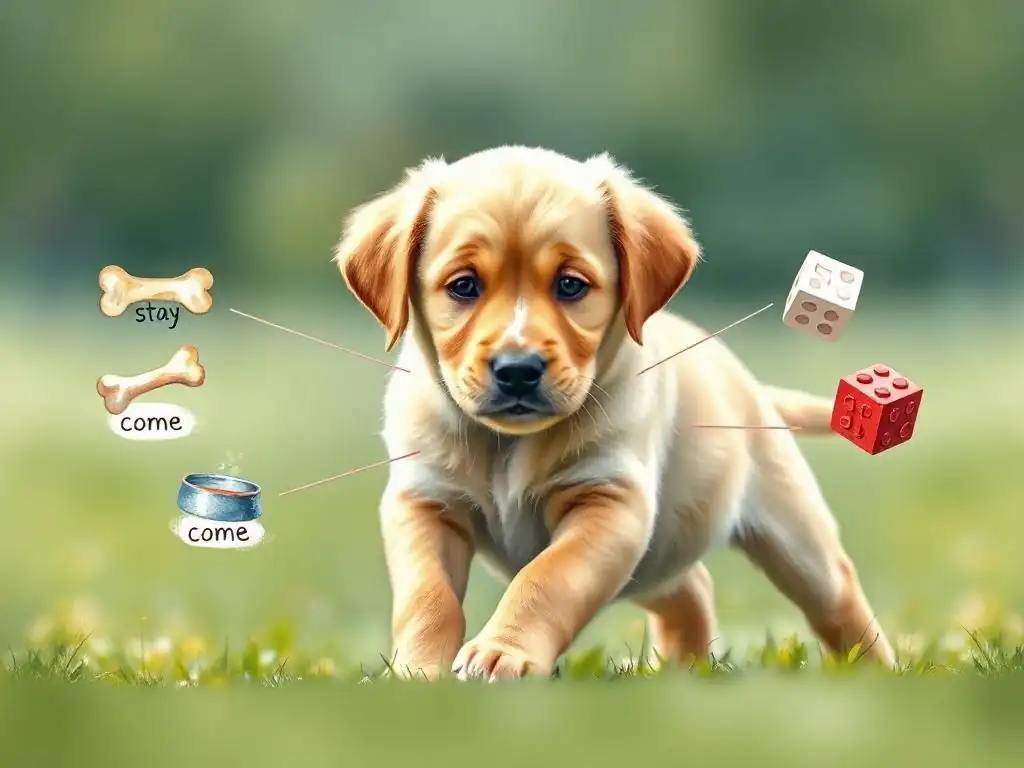
Training a puppy with a short attention span requires a different approach than training a puppy who can focus for longer periods. One highly effective strategy is task decomposition. Instead of trying to teach complex commands all at once, break them down into smaller, more manageable steps. For example, instead of immediately aiming for a perfect "stay" command lasting 30 seconds, start with a "stay" for just one second, rewarding generously for even the slightest attempt at remaining still. Gradually increase the duration as your puppy masters each shorter interval.
This incremental approach prevents overwhelming the puppy and allows for consistent positive reinforcement, leading to better retention and a more positive learning experience. Remember to celebrate even the smallest successes! 🎉 This positive reinforcement is crucial for maintaining your puppy's motivation and preventing frustration. A frustrated puppy is far less likely to learn effectively. For instance, if you're teaching "sit," begin by luring your puppy into the sitting position with a treat, then immediately reward.
Next, try saying "sit" while luring, and then progress to saying "sit" and only rewarding the correct behavior. Each of these steps is a smaller, achievable goal within the larger task of learning the "sit" command. This method of shaping behavior, a form of task decomposition, proves remarkably effective with easily distracted puppies. Consider using a clicker for precise timing of reinforcement; the click immediately signals the desired behavior, making the association clearer.
Creating a Distraction-Free Training Environment
A distraction-free environment is paramount when training a puppy, especially one with a short attention span. Even minor distractions can derail a training session. The ideal training space should be quiet and calm, minimizing external stimuli that might compete for your puppy's attention. This doesn't necessarily mean a completely soundproof room; rather, it means minimizing potential distractions. Turn off the television, put away noisy toys, and close windows to reduce street noise.
The fewer distractions, the better your puppy can focus on you and the task at hand. Consider the time of day as well. Avoid training when your puppy is most likely to be tired or overly stimulated, such as right after a play session or before bedtime. A well-rested and calm puppy is more receptive to learning. Furthermore, the training location itself should be consistent.
This helps your puppy associate the location with training, creating a mental cue that it's time to focus. If you always train in the same spot, your puppy will learn to anticipate the activity and be more prepared to concentrate. Think about utilizing a small, enclosed area, like a puppy pen or a quiet corner of a room, to further reduce distractions and create a safe, comfortable learning space. Remember, a structured and predictable environment significantly improves the learning process for puppies with short attention spans, fostering a more positive and successful training experience.
Strategies for Maintaining Focus During Training

Training a puppy with a short attention span requires patience and a strategic approach. The key is to make training sessions short, engaging, and rewarding, capitalizing on those brief moments of focus. Ignoring distractions and consistently reinforcing desired behaviors are crucial for success. Remember, consistency is key when you train a puppy with a short attention span; sporadic training will only confuse them. The goal is to build their focus gradually, celebrating even the smallest successes. This section will explore several key strategies to achieve this.
Minimizing Environmental Distractions During Training
A stimulating environment can be overwhelming for a puppy with a short attention span, quickly diverting their attention away from the task at hand. Minimizing distractions is paramount to successful training. This means choosing a quiet, controlled space for training sessions, free from competing stimuli.
Consider these practical steps:
- Location: Opt for a room with minimal visual and auditory distractions. A quiet bedroom or a den is often ideal. Avoid areas with high foot traffic or noisy appliances.
- Timing: Schedule training sessions for times when your puppy is less likely to be overstimulated. Avoid training immediately after playtime or when they are tired or hungry.
- Visual Barriers: If necessary, use blankets or screens to block off distracting elements in the room. The goal is to create a training sanctuary, a calm and predictable environment where your puppy can focus.
- Sensory Control: If your puppy is easily distracted by sounds, consider using white noise or calming music to mask external noises. The key is to create an environment conducive to concentration.
For instance, a puppy easily distracted by squirrels outside might benefit from training sessions indoors, away from windows. A puppy sensitive to loud noises should be trained in a quieter space, away from traffic or construction. Careful environmental control significantly increases the chances of successful training sessions. Remember, even small distractions can derail a puppy with a short attention span.
Integrating Play and Engagement into Training
Turning training into a playful game can significantly improve a puppy's focus and engagement. Instead of viewing training as a chore, incorporate elements of fun and reward to create a positive association with learning.
Here's how you can make training more playful:
- High-Value Rewards: Utilize treats your puppy absolutely loves. These high-value rewards act as powerful motivators, keeping them engaged and focused on the task.
- Interactive Games: Integrate games like fetch or tug-of-war into your training sessions. These short bursts of play serve as breaks and refreshers, preventing boredom and maintaining engagement.
- Positive Reinforcement: Focus exclusively on positive reinforcement techniques. Praise, petting, and those high-value treats should be your primary tools. Avoid punishment, which can create fear and anxiety, further hindering focus.
- Short, Frequent Sessions: Keep training sessions short and sweet, lasting only a few minutes at a time. Multiple short sessions are far more effective than one long, tedious session, especially for a puppy with a short attention span. This prevents burnout and keeps them motivated.
Remember, the goal is to associate training with positive experiences, making it a fun and rewarding activity rather than a stressful one. This positive association will dramatically improve your puppy's willingness to focus and learn.
Consistent Cueing and Signal Usage
Clear and consistent cueing is essential for training any puppy, but particularly crucial for those with short attention spans. Ambiguous or inconsistent signals will only confuse the puppy, hindering their ability to focus and learn.
Here are some key considerations:
- Simple Cues: Use simple, concise verbal cues and hand signals. Avoid long, complicated instructions that your puppy may struggle to understand. Simplicity is paramount.
- Consistent Timing: Always give the cue before the desired behavior. The timing is crucial in establishing a clear connection between the cue and the action. Inconsistent timing will lead to confusion.
- Repetition and Reinforcement: Repeat cues and hand signals consistently throughout your training sessions. Reinforce correct responses immediately with praise and rewards. Consistent repetition strengthens the association between cue and action.
- Avoid Repetition Fatigue: While repetition is important, avoid overdoing it. If your puppy shows signs of boredom or frustration, take a break and resume later. Recognize signs of fatigue and adjust accordingly. Observe your puppy’s body language for clues.
A well-trained puppy understands that consistent cues and signals translate into a predictable and rewarding experience. This predictability fosters trust and encourages them to focus on their handler. Remember, clarity and consistency are the cornerstones of successful training for puppies, especially those with shorter attention spans.
The Importance of Repetition for Skill Development
Training a puppy, especially one with a short attention span, requires a significant amount of repetition. This isn't about mindlessly repeating the same command over and over; rather, it's about strategically reinforcing the desired behavior until it becomes ingrained. Think of it like building a strong muscle – you wouldn't expect to lift a heavy weight after only one repetition. Similarly, your puppy needs numerous repetitions to understand and consistently execute a new command.
The key here is consistent repetition, not endless repetition. Short, frequent training sessions are far more effective than long, drawn-out ones, especially for puppies with short attention spans. Aim for multiple short sessions (5-10 minutes) throughout the day, rather than one long session that will likely lead to frustration for both you and your puppy. This approach allows for better absorption of information and prevents your puppy from becoming overwhelmed or bored. Remember, puppies learn best through positive reinforcement, so keep the training sessions fun and engaging.
Consider the following example: You're teaching your puppy the "sit" command. You'll likely need to repeat the command and the associated hand gesture multiple times, rewarding them with treats and praise each time they successfully sit. You might start with just a few repetitions in one session, gradually increasing the number as your puppy's understanding improves. Over several days, this consistent repetition will solidify the "sit" command in their mind.
Don’t be discouraged if your puppy doesn't grasp it immediately; patience and persistence are crucial. The more consistent the repetition, the quicker the learning process. Remember to always end on a positive note, even if the session wasn't perfect, leaving your puppy wanting more.
This positive association will make future training sessions more enjoyable and effective. This consistent, positive reinforcement is key to building a strong foundation in your puppy's training and overcoming their short attention span. The goal is to build confidence and a positive association with training.
Addressing Specific Challenges with Short Attention Span Puppies

Training a puppy, especially one with a short attention span, requires patience and a tailored approach. Understanding the root causes of this short attention span is crucial before implementing effective training strategies. Some puppies may be naturally more easily distracted due to breed predispositions or genetic factors.
Others might have underlying medical conditions affecting their focus, while environmental factors like a noisy household or lack of sufficient rest can significantly impact a puppy's ability to concentrate. Therefore, a holistic approach addressing both the puppy's inherent traits and external influences is vital. This section will explore techniques to overcome these challenges and help you successfully train your energetic pup.
Managing Distractions During Training Sessions
Distractions are the nemesis of training a puppy with a short attention span. The key is to minimize these distractions as much as possible and to gradually introduce them in a controlled manner. Start training sessions in a quiet, enclosed space free from competing stimuli. This could be a spare room, a crate, or even a quiet corner of your garden.
Think of it like this: imagine trying to have a serious conversation in a busy marketplace. It's nearly impossible! The same applies to your puppy. A quiet, controlled environment allows them to focus on you and the task at hand.
Once your puppy demonstrates consistent success in a distraction-free environment, gradually introduce low-level distractions. This might involve having another person quietly present in the room, or turning on a low-volume radio. Reward your puppy generously for maintaining focus despite these minor interruptions. Remember to increase the level of distraction very slowly, always ensuring your puppy remains successful.
Here's a sample schedule you can adapt:
| Day | Environment | Distractions | Duration (Minutes) |
|---|---|---|---|
| 1 | Quiet, enclosed room | None | 5 |
| 2 | Quiet, enclosed room | One person present, silent | 7 |
| 3 | Quiet, enclosed room | Low-volume radio, one person present, silent | 10 |
| 4 | Quiet room, open door | Low-volume radio | 12 |
| 5 | Living room (low traffic) | TV on low volume, family members present | 15 |
Remember, positive reinforcement is key! Use high-value treats and praise liberally to reward your puppy for even the smallest successes in focusing amidst distractions. Patience is paramount; celebrate the small wins and adjust your training plan as needed.
Troubleshooting Common Training Issues: Impulsivity and Lack of Focus
Impulsivity and a lack of focus often go hand-in-hand with a short attention span. Puppies exhibiting these behaviors might jump, bark excessively, or disregard commands. To address this, incorporate specific exercises designed to improve impulse control and focus.
- "Leave it" and "Stay": These commands are crucial. Start with short durations and gradually increase the time your puppy can maintain these positions. Reward calm behavior consistently. Use high-value treats to make these commands more appealing.
- "Wait": Teach your puppy to wait before eating, going through doors, or receiving treats. This helps build self-control.
- Puzzle Toys: Engage your puppy's mind with puzzle toys that require problem-solving to get a treat. This helps improve focus and mental stimulation.
- Short, Frequent Training Sessions: Instead of long, tiring sessions, opt for multiple short sessions throughout the day. This prevents your puppy from becoming overwhelmed and ensures better focus.
Remember to break down commands into smaller, manageable steps, and always end each session on a positive note. Consistency is key, so practice these exercises regularly to see noticeable improvements. Celebrate even small victories and always maintain a calm and patient demeanor during training. Frustration will only make matters worse.
Identifying the Need for Professional Guidance
While many owners successfully train their puppies with short attention spans using the techniques described above, sometimes professional help is necessary. If despite your best efforts, your puppy continues to struggle with focus, impulsivity, or other behavioral issues, seeking guidance from a certified professional dog trainer or veterinary behaviorist is recommended.
Consider seeking professional help if:
- Your puppy exhibits signs of anxiety or fear that impact their training.
- Your puppy's short attention span is severe and doesn't improve despite consistent training.
- You're struggling to implement effective training techniques.
- Your puppy displays aggressive or destructive behaviors.
A professional can assess your puppy's specific needs, provide tailored training plans, and address any underlying medical or behavioral issues. They can offer valuable insights and support, ultimately leading to a more successful and harmonious relationship between you and your furry friend. Don't hesitate to ask for help—it's a sign of responsible pet ownership. Remember, a well-trained dog is a happy dog, and seeking professional help when needed is a testament to your commitment to your puppy's well-being.
Establishing a Consistent Daily Training Schedule
Training a puppy with a short attention span requires a structured approach, and a consistent daily schedule is paramount. Think of it like building a strong foundation – you can't build a skyscraper on shifting sand. Similarly, inconsistent training sessions will only lead to frustration for both you and your puppy. A regular routine helps your puppy anticipate training time, making them slightly more receptive and less likely to be overwhelmed by the sudden shift in activity.
Instead of marathon training sessions, opt for several short, focused sessions throughout the day. Five to ten minutes, two to three times a day, is far more effective than one long, exhausting thirty-minute session. Puppies, especially those with short attention spans, tire easily both mentally and physically. Shorter sessions maintain their focus and prevent them from becoming overwhelmed and shutting down.
Consider incorporating training into your existing daily routine. For instance, make "sit" and "stay" commands part of your morning walk routine before you even leave the house. This seamlessly integrates training into everyday life, making it less of a chore and more of a natural interaction. This approach also helps your puppy associate specific cues (like putting on your shoes or grabbing the leash) with training, further improving their receptiveness.
The key here is consistency. Stick to the schedule as closely as possible. Even on busy days, try to maintain at least one short training session. This reinforces the routine and prevents your puppy from associating training with unpredictable and sporadic occurrences.
The predictability itself aids in focus and reduces the likelihood of distraction. A well-established routine provides structure and predictability which is crucial for managing a puppy's short attention span. This consistent approach will pay dividends in the long run, making the training process more efficient and rewarding. Remember, patience and persistence are key ingredients in this recipe for success.
Maintaining Momentum and Long-Term Success
Training a puppy with a short attention span requires consistent effort and a strategic approach to maintain momentum and achieve long-term success. It's not about forcing your puppy to focus for extended periods, but rather about building their focus gradually and making the training process enjoyable. Remember, consistency is key!
Even short, frequent training sessions are more effective than infrequent, long ones when dealing with a puppy prone to distraction. The goal is to build positive associations with training, making it a rewarding experience for both you and your furry friend. This fosters a cooperative learning environment where your puppy is eager to participate and learn.
Gradual Increase in Training Session Duration
Initially, keep training sessions incredibly short – perhaps only 5-10 minutes. This prevents your puppy from becoming overwhelmed or bored, which can lead to decreased attention and resistance to training. As your puppy demonstrates improved focus and engagement, gradually increase the duration of the sessions. A good rule of thumb is to add a minute or two every few days, always monitoring your puppy's engagement level. If you notice signs of disinterest—yawning, restlessness, or looking away frequently—shorten the session. It's better to end on a positive note with a successful command than to push your puppy beyond their capacity.
Consider breaking up longer training sessions into multiple shorter sessions throughout the day. This distributed practice is far more effective than cramming everything into one long session. For example, instead of one 20-minute session, you could have four 5-minute sessions. This allows your puppy to retain information better and prevents them from becoming mentally fatigued. Always end each session on a positive note, reinforcing the last successfully completed command. This leaves your puppy feeling accomplished and encourages them to participate enthusiastically in future sessions. Remember, patience and understanding are paramount.
Continued Use of Positive Reinforcement and Rewards
Positive reinforcement remains crucial throughout the training process, especially when dealing with a puppy who struggles with attention. Continue to use high-value rewards—treats, praise, or toys—to motivate your puppy and reinforce desired behaviors. The reward should be delivered immediately following the correct behavior to create a strong association. Avoid punishment or harsh corrections, as these can damage your puppy's confidence and make them less receptive to training. Instead, focus on rewarding even the smallest attempts at the desired behavior. This positive reinforcement approach encourages your puppy to keep trying and builds a strong bond between you.
Experiment with different types of rewards to find what motivates your puppy the most. Some puppies respond better to certain types of treats, while others might prefer praise or a favorite toy. The key is to keep the rewards consistent and to ensure they are highly motivating. Remember to vary your rewards to maintain your puppy's interest and prevent them from becoming bored. Consider using a clicker along with rewards to mark the exact moment your puppy performs the desired behavior. This provides clear and immediate feedback, improving the effectiveness of your training.
Celebrating Achievements and Addressing Setbacks
Training a puppy takes time and effort, and it's essential to celebrate both big and small achievements. Acknowledge and reward your puppy's progress frequently to maintain their motivation and build their confidence. Celebrate milestones with extra praise, special treats, or fun playtime. This positive reinforcement helps your puppy associate training with positive emotions, making them more eager to participate in future sessions.
Setbacks are inevitable in puppy training. Don't get discouraged if your puppy struggles with certain commands or has days where their attention span seems shorter than usual. Remember that puppies are still learning, and consistency is key. If you encounter difficulties, try adjusting your training methods or seeking guidance from a professional dog trainer.
It's important to stay positive and patient, focusing on your puppy's progress rather than their setbacks. Remember to adjust your expectations based on your puppy's individual learning pace. Every puppy learns at their own speed, and celebrating small victories along the way will keep both you and your puppy motivated and engaged in the training process.
The Ongoing Importance of Patience and Understanding
Training a puppy, especially one with a short attention span, is a marathon, not a sprint. Patience is paramount throughout the entire process, and it's crucial to remember that setbacks are normal. A puppy's brain is still developing, and their ability to focus and retain information will improve gradually. Frustration on your part will only exacerbate the situation, potentially leading to negative reinforcement and hindering your puppy's progress.
Instead of getting discouraged by short attention spans, view them as a challenge to overcome with creative methods and unwavering patience. Remember the positive reinforcement techniques you've been using; they're key to building a strong bond and encouraging desirable behaviors. Celebrate even the smallest victories – a few seconds of sustained attention or a correctly executed command – to reinforce positive learning associations.
Understanding your puppy's individual learning style is also vital. Some puppies learn best through visual cues, others through auditory signals, and some respond best to a combination of both. Experiment with different training methods and observe which ones yield the best results. If one approach isn't working, don't be afraid to try a different one.
Each puppy is unique, and a flexible approach is often the most effective. Remember, consistency is critical, but adaptability is equally important. Observe your puppy's body language; signs of stress or fatigue can indicate that it's time to take a break and return to training later. Forcing a tired or overwhelmed puppy to continue training will likely be counterproductive and could damage your relationship.
Furthermore, understanding that your puppy's short attention span might stem from underlying issues is crucial. Is your puppy getting enough sleep? Is their diet providing them with the necessary nutrients for optimal brain function? Are there any underlying medical conditions affecting their concentration?
Addressing potential underlying health or environmental factors can significantly impact their ability to focus during training sessions. Consult your veterinarian if you suspect any medical issues could be contributing to your puppy's short attention span. A healthy and well-rested puppy is far more likely to engage actively in training. This holistic approach, combining patience, understanding, and attention to your puppy's overall well-being, is the cornerstone of successful long-term training.
Frequently Asked Questions
How can I tell if my puppy has a short attention span?
A puppy with a short attention span will struggle to focus on tasks for more than a few seconds. They may be easily distracted by sights, sounds, or smells, and frequently lose interest in training exercises. Consistent restlessness is another key indicator.
What are the best training methods for puppies with short attention spans?
Use short, frequent training sessions (5-10 minutes). Focus on positive reinforcement with high-value rewards. Keep training sessions engaging and varied to maintain your puppy's interest.
How can I make training sessions more engaging for my puppy?
Incorporate interactive games and different types of rewards. Change locations to prevent boredom. Use high-value treats and praise liberally to motivate your puppy.
My puppy gets easily distracted during training. What should I do?
Try training in a quiet, distraction-free environment. Gradually introduce distractions once your puppy masters the basics. Use cues to help refocus your puppy's attention, and don't hesitate to take short breaks.
How long will it take to improve my puppy's attention span?
Improving your puppy's attention span takes time and patience. Consistency is key. You'll see gradual improvement, and celebrating small successes along the way helps to maintain your puppy's motivation and yours.
Final Reflection: The Enduring Patience of Puppy Training
The challenge of training a puppy with a short attention span is not just a fleeting inconvenience; it's a testament to the enduring power of positive reinforcement and the unwavering bond between human and canine. Successfully navigating this hurdle requires patience, creativity, and a deep understanding of your furry friend's unique learning style. It's a journey that, while demanding, yields immeasurable rewards.
The impact of consistent, positive training extends far beyond basic obedience. It fosters trust, strengthens the human-animal bond, and shapes a well-adjusted, confident companion. The greatest reward in training a dog is the bond you create.
This quote, while simple, encapsulates the profound connection forged through the shared experience of learning and growth. It's a process that teaches us as much about patience and understanding as it does about canine behavior. The struggles and triumphs become shared memories, strengthening the unique relationship between owner and pet.
So, as you embark on (or continue) your journey of puppy training, remember the importance of celebrating small victories. Don't be discouraged by setbacks; instead, view them as opportunities to refine your approach and deepen your understanding of your puppy's needs. Embrace the challenge, celebrate the progress, and cherish the bond you're building. The journey may be demanding, but the destination—a well-trained, happy, and loving companion—is well worth the effort.
Unleash Your Puppy's Potential: Start Training Today!
Congratulations on taking the first step into the exciting world of puppy training! We hope you've gained valuable insights into managing your puppy's short attention span and building a strong bond. Now it's time to put your knowledge into practice.
- Start with short training sessions: Remember, short, focused sessions are key to success! Schedule several brief training sessions throughout the day. This is crucial for building good habits.
- Share your experiences: Connect with other PetCareWorld readers and share your successes and challenges in the comments below. We'd love to hear about your progress and any funny moments along the way!
- Introduce a new trick this week: Challenge yourself and your puppy to learn a new command or skill. Perhaps try teaching "leave it," "stay," or a fun new trick! Let's see what amazing things your puppy can learn.
Ready to see the incredible progress you and your puppy can make? What new training adventure will you begin first?