
Picky Eaters: Strategies for Feeding Senior Dogs with Reduced Appetite


Welcome to PetCareWorld, your ultimate guide to a happier, healthier life for your beloved companions! Are you facing the frustrating challenge of a senior dog with a suddenly diminished appetite? Discover effective and compassionate Senior dog picky eating solutions in our latest article, packed with practical strategies to revitalize your furry friend's enthusiasm for mealtime. Learn how to navigate this common issue and ensure your aging dog receives the vital nutrition they need. Let's explore the path to a more contented and healthy life together!
- Understanding Senior Dog Appetite Changes
- Senior Dog Picky Eating Solutions: A Practical Guide
- Optimizing Senior Dog Nutrition for Better Appetite
- Addressing Specific Challenges in Senior Dog Feeding
- When to Seek Veterinary Attention for Appetite Loss
- Maintaining a Healthy Weight and Preventing Nutritional Deficiencies in Senior Dogs
- Frequently Asked Questions
- Final Reflection: Nourishing the Golden Years: A Legacy of Love and Care
- Unlock Your Senior Dog's Appetite: A Delicious Next Step
Understanding Senior Dog Appetite Changes
As our canine companions age, their nutritional needs and eating habits often undergo significant transformations. Senior dogs, generally considered to be seven years old or older depending on breed size, frequently experience a decrease in appetite, leading to concerns among devoted pet owners.
This comprehensive guide delves into the multifaceted reasons behind picky eating in senior dogs, offering practical strategies and solutions to ensure your aging friend receives the proper nutrition for a healthy and comfortable life. Understanding the underlying causes of reduced appetite is the first crucial step in addressing this common challenge and providing the best possible care for your beloved senior dog.
We will explore the age-related physiological changes, potential health problems, and subtle behavioral shifts that can contribute to decreased food intake, equipping you with the knowledge to effectively manage this situation. Successfully navigating senior dog picky eating requires patience, observation, and a tailored approach, and this article aims to provide you with the tools to succeed.
The aging process itself brings about several physiological changes that can directly influence a senior dog's appetite. As dogs age, their sense of smell and taste often diminishes. 1 This can make food less appealing, leading them to turn their noses up at their usual meals. Additionally, age-related dental problems, such as tooth loss, gum disease, or periodontal issues, can make chewing painful and difficult, further reducing their desire to eat. Furthermore, decreased metabolic rate in older dogs means they require fewer calories than their younger counterparts. Overfeeding can lead to weight gain and other health problems, while underfeeding can lead to malnutrition. Finding the right caloric intake is crucial. Finally, changes in their digestive system, such as decreased stomach acid production, can affect nutrient absorption and impact their appetite. Understanding these natural age-related shifts is crucial in developing a tailored feeding plan.
Click to expand for more on age-related dental issues
Regular dental checkups are crucial for senior dogs. Professional teeth cleaning can remove tartar buildup and address underlying gum disease, making eating more comfortable. Providing dental chews or toys can also help maintain dental health and stimulate appetite.
Common Health Issues Leading to Decreased Appetite in Older Dogs
Beyond the natural aging process, various health conditions can contribute to a significant decrease in appetite in senior dogs. These health issues can range from relatively minor ailments to more serious diseases. Kidney disease, for instance, often manifests with decreased appetite and increased thirst. Similarly, liver disease, pancreatitis, and various forms of cancer can significantly suppress appetite.
Arthritis and other joint problems can make it painful for a dog to reach their food bowl or even chew, impacting their willingness to eat. Infections, both bacterial and viral, can also lead to a loss of appetite. Therefore, a thorough veterinary examination is crucial to rule out any underlying medical conditions that might be causing your senior dog's decreased appetite. Early diagnosis and treatment are key to improving their overall health and potentially restoring their appetite.
| Health Condition | Common Symptoms | Impact on Appetite |
|---|---|---|
| Kidney Disease | Increased thirst, lethargy, weight loss | Significantly decreased |
| Liver Disease | Jaundice, vomiting, abdominal pain | Significantly decreased |
| Pancreatitis | Abdominal pain, vomiting, lethargy | Significantly decreased |
| Cancer | Weight loss, lethargy, unusual lumps or bumps | Significantly decreased |
| Arthritis | Joint pain, stiffness, lameness | Moderately decreased |
| Dental Disease | Bad breath, loose teeth, bleeding gums | Moderately decreased |
| Infections (bacterial/viral) | Fever, lethargy, discharge | Moderately decreased |
Identifying the Signs of Reduced Appetite in Senior Dogs
Recognizing the signs of reduced appetite in your senior dog is paramount to addressing the issue promptly. While a simple refusal of a single meal might not be cause for immediate alarm, a persistent pattern of decreased food intake warrants attention. Look for subtle changes in behavior, such as leaving food untouched for extended periods, showing less enthusiasm for mealtimes, or exhibiting weight loss despite maintaining a consistent feeding schedule.
Monitor their water intake as well, as decreased appetite often accompanies increased thirst, particularly in cases of underlying kidney disease. Observe their overall demeanor; lethargy, weakness, or changes in their usual playful behavior can also indicate a more serious problem.
If you notice any of these signs, it's crucial to consult your veterinarian for a comprehensive examination to determine the underlying cause and develop a suitable treatment plan. Early intervention is key to ensuring your senior dog's well-being and quality of life.
1 While the exact degree of sensory decline varies by breed and individual dog, it is a common observation in geriatric canines.
Senior Dog Picky Eating Solutions: A Practical Guide
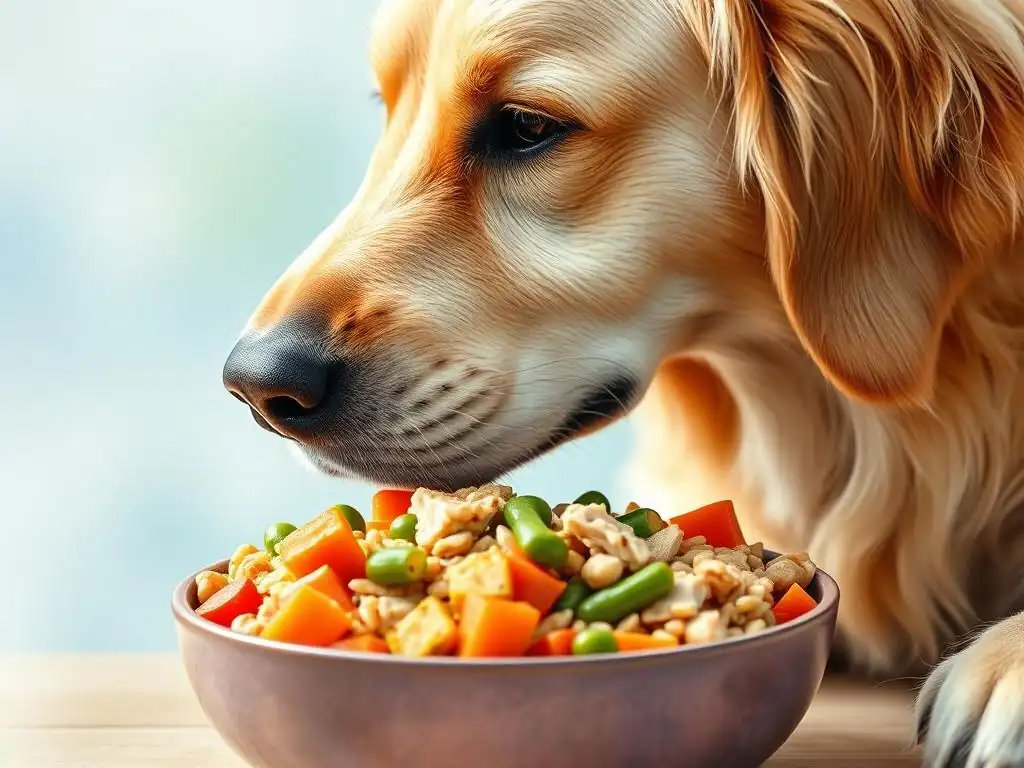
This section delves into practical strategies for addressing picky eating in senior dogs, a common challenge faced by many pet owners. We'll explore solutions to help your aging canine companion maintain a healthy weight and receive the necessary nutrients despite a diminished appetite. Remember, consulting your veterinarian is crucial before making significant changes to your senior dog's diet.
Assessing Your Senior Dog's Current Diet and Nutritional Needs
Before implementing any changes, a thorough assessment of your senior dog's current diet is paramount. This involves carefully reviewing the ingredients of their current food, paying close attention to the protein source, fat content, and fiber levels. Senior dogs often require diets higher in protein and lower in fat to maintain muscle mass and energy levels. A diet deficient in essential nutrients can exacerbate picky eating behaviors.
Consider these questions:
- What type of food are you currently feeding? (Dry kibble, wet food, homemade diet?)
- What are the key ingredients? Is the protein source easily digestible (e.g., chicken, lamb)?
- Does the food meet the nutritional needs of a senior dog? Check the label for AAFCO statements guaranteeing nutritional adequacy for all life stages or specifically for mature adult dogs.
- How much food is your dog currently consuming? Track daily intake for a week to establish a baseline.
- Has your dog experienced any recent weight loss or changes in activity levels? This could indicate underlying health issues impacting appetite.
- Are there any dental issues? Painful teeth or gums can make eating difficult and less appealing.
Understanding your dog's current nutritional intake allows for a targeted approach to address picky eating. For example, if your senior dog is currently consuming a food low in protein, switching to a senior formula with a higher protein content might significantly improve their appetite and overall health. A vet visit can help rule out underlying medical conditions contributing to appetite loss and provide personalized dietary recommendations.
Gradual Diet Changes: Transitioning to Senior Dog Food
Abrupt changes in diet can upset your senior dog's digestive system and potentially worsen picky eating habits. A gradual transition is essential. The process typically involves slowly mixing the new senior dog food with the current food over a period of 7-10 days.
Here's a sample transition plan:
| Day | Percentage of New Food | Percentage of Old Food |
|---|---|---|
| 1-2 | 25% | 75% |
| 3-4 | 50% | 50% |
| 5-6 | 75% | 25% |
| 7-10 | 100% | 0% |
Monitor your dog closely during this transition period. If they exhibit any digestive upset (diarrhea, vomiting), slow down the process or consult your veterinarian. The goal is to find a senior food that meets their nutritional needs and is palatable. Experimenting with different flavors and textures (wet vs. dry) can also be helpful.
Encouraging Food Intake: Tips and Tricks for Picky Eaters
Even with the ideal senior dog food, some dogs remain picky eaters. Here are some strategies to encourage food intake:
- Warm the food slightly: The aroma of warm food can be more appealing.
- Hand-feed small portions: This can make mealtimes more enjoyable and engaging.
- Offer food in different bowls: Some dogs prefer certain bowl types.
- Try different food textures: Mix wet and dry food, or add toppers like plain yogurt or cooked sweet potato. Small amounts of low-sodium broth can also increase palatability.
- Create a positive association with mealtimes: Avoid stressful environments and keep mealtimes calm and predictable. Positive reinforcement can be helpful.
- Use food puzzles: This can stimulate your dog mentally and physically, making mealtimes more engaging. Consider puzzle feeders that dispense food slowly, extending the eating time.
- Consult your veterinarian: Rule out any underlying medical conditions that could be affecting appetite. They may recommend appetite stimulants or other interventions.
Remember, patience and persistence are key. Addressing picky eating in senior dogs requires a multifaceted approach, combining dietary adjustments with behavioral modifications. By carefully assessing your dog's needs and implementing these strategies, you can help ensure they receive the proper nutrition to maintain their health and well-being during their golden years. 🐶
Optimizing Senior Dog Nutrition for Better Appetite

Senior dogs, much like senior humans, experience changes in their metabolism and digestive systems. These changes can manifest as a reduced appetite, making mealtimes a challenge for both the pet and the owner. Successfully addressing picky eating in senior dogs requires a multifaceted approach that focuses on optimizing their nutrition to stimulate their appetite and ensure they receive the necessary nutrients for a healthy aging process.
This involves carefully selecting their food, considering supplemental options, and proactively addressing any potential underlying health issues. This section details key strategies to help senior dogs maintain a healthy weight and enjoy their meals. Finding the right balance is crucial for managing the challenges of senior dog picky eating solutions.
The Importance of High-Quality Senior Dog Food
The foundation of any successful senior dog feeding plan is high-quality, age-appropriate food. Senior dog food formulas are specifically designed to meet the unique nutritional needs of older canines. These specialized diets typically contain:
- Increased levels of easily digestible protein: Aging dogs often have decreased digestive efficiency. Higher protein levels, from sources like chicken, lamb, or fish, ensure adequate muscle mass maintenance and energy levels.
- Higher fat content (but not excessive): Fat provides essential fatty acids and is a concentrated energy source, crucial for maintaining a healthy weight in less active senior dogs. However, excessive fat can contribute to weight gain and other health problems; carefully monitor your dog's weight.
- Added glucosamine and chondroitin: These supplements support joint health, a common concern for senior dogs, helping to alleviate stiffness and discomfort.
- Antioxidants: Antioxidants, such as vitamins C and E, help combat oxidative stress and support the immune system, protecting against age-related diseases.
- Reduced calorie density (for overweight dogs): Senior dogs are prone to weight gain, and reduced calorie diets can help maintain a healthy weight, preventing strain on joints and other organs.
Choosing the right food requires careful consideration of your dog's individual needs and preferences. Some senior dogs may prefer wet food due to its higher moisture content and palatability, while others may thrive on dry kibble. Experimentation might be necessary to discover what works best for your furry friend. Remember to always transition gradually to a new food to avoid digestive upset.
Supplementing Senior Dog Diets for Enhanced Nutrition
Even with the best commercial senior dog food, some dogs might still require additional nutritional support. Supplements can bridge nutritional gaps and help improve appetite. However, it's crucial to consult your veterinarian before introducing any supplements, as some can interact negatively with medications or existing health conditions. Potential supplements include:
- Probiotics: These beneficial bacteria improve gut health and digestion, aiding nutrient absorption and potentially reducing digestive discomfort that can lead to decreased appetite.
- Omega-3 fatty acids: These fatty acids possess anti-inflammatory properties and can support joint health and cognitive function. They can be sourced from fish oil or flaxseed oil.
- Digestive enzymes: These enzymes aid in the breakdown of food, making it easier for your dog to digest and absorb nutrients, potentially improving appetite and reducing digestive issues.
It's important to choose high-quality supplements from reputable manufacturers and to follow the recommended dosage instructions carefully. Over-supplementation can be harmful, so moderation is key. Always monitor your dog's response to any new supplement and report any adverse reactions to your veterinarian.
Addressing Underlying Health Issues to Improve Appetite
A decrease in appetite in senior dogs isn't always simply a matter of picky eating; it can be a symptom of an underlying health problem. Dental disease, arthritis, kidney disease, liver disease, and even cancer can all contribute to reduced food intake. Therefore, ruling out any medical conditions is crucial before implementing dietary changes.
Regular veterinary checkups are essential for senior dogs. These checkups should include thorough physical examinations, blood tests, and potentially other diagnostic tests to identify any potential health issues. Early detection and treatment of underlying conditions are vital for improving your dog's overall health and potentially restoring their appetite. Addressing the root cause is a cornerstone of effective senior dog picky eating solutions. Don't hesitate to seek professional veterinary advice if you suspect a health problem is contributing to your dog's reduced appetite. A healthy dog is a happier dog, and addressing underlying health concerns is paramount.
Addressing Specific Challenges in Senior Dog Feeding
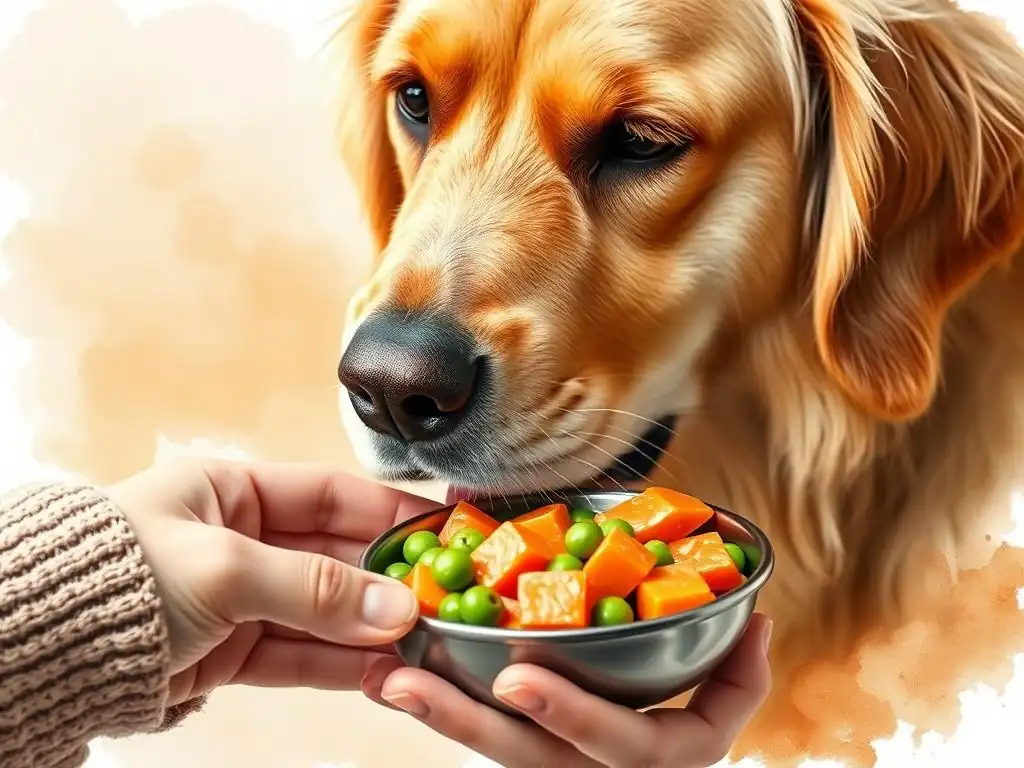
Senior dogs often face unique challenges that impact their appetite and ability to eat properly. Understanding these challenges is crucial in developing effective senior dog picky eating solutions. This section will delve into some common issues and provide practical strategies to address them. Successfully navigating these hurdles is key to ensuring your senior canine companion receives adequate nutrition for a healthy and happy life. The right approach can make a significant difference in their overall well-being and quality of life.
Dealing with Dental Problems Affecting Eating
Dental disease is incredibly common in senior dogs, often manifesting as periodontal disease, tooth loss, or painful oral inflammation. These conditions can make eating significantly more difficult and painful, directly leading to reduced food intake and picky eating. Ignoring dental issues is not just unkind to your dog; it can severely compromise their nutritional intake.
Addressing dental problems requires a proactive approach. Regular veterinary checkups are paramount, allowing for early detection and intervention. Professional teeth cleaning under anesthesia is often necessary to remove significant plaque and tartar buildup. At home, you can support dental hygiene with specialized dog toothbrushes, enzymatic toothpaste, and dental chews designed to help scrape away plaque.
If your senior dog is experiencing pain, your veterinarian may prescribe pain medication to alleviate discomfort and encourage eating. In severe cases, tooth extractions might be necessary to improve your dog's comfort and allow them to eat more easily. Remember, a healthy mouth directly contributes to a healthy appetite. The investment in dental care is an investment in your dog's overall health and longevity.
Consider these additional strategies:
- Softened food: Transitioning to softer kibble, wet food, or homemade pureed meals can make eating less painful.
- Food toppers: Adding palatable toppers, such as broth, plain yogurt, or a small amount of canned pumpkin, can entice your dog to eat.
- Hand-feeding: In some cases, hand-feeding can make your dog feel more comfortable and secure during mealtimes, especially if they associate eating with a sense of pain.
Managing Weight Loss in Senior Dogs with Poor Appetite
Weight loss in senior dogs with reduced appetite is a serious concern, indicating potential underlying health problems or nutritional deficiencies. This isn't simply a matter of picky eating; it's a symptom requiring prompt veterinary attention. Weight loss can exacerbate existing health issues and significantly impact your dog's quality of life. Therefore, addressing weight loss requires a multi-pronged approach.
The first step is a thorough veterinary examination to rule out any underlying medical conditions, such as hypothyroidism, cancer, or kidney disease. Blood work and other diagnostic tests are often necessary to identify the cause of the weight loss. Once the underlying cause is determined, treatment can focus on addressing the root problem. This may involve medication, dietary changes, or other interventions.
In addition to addressing any underlying medical conditions, you can implement strategies to increase your dog's caloric intake. This may involve:
- Higher-calorie food: Switching to a higher-calorie senior dog food formulated for weight management can help.
- Frequent small meals: Offering several small meals throughout the day instead of two large meals can be easier for your dog to manage.
- Calorie-dense supplements: Your veterinarian may recommend calorie-dense supplements to boost your dog's caloric intake.
- Monitoring food intake: Keeping a careful record of how much your dog eats each day can help you track their progress and make adjustments as needed.
Remember, consistent monitoring and veterinary guidance are crucial in managing weight loss in senior dogs.
Adjusting Feeding Schedules and Meal Portions
A flexible feeding schedule can sometimes be the key to success when dealing with senior dog picky eating solutions. Rigid schedules may not suit every senior dog, especially those with decreased appetite or digestive issues. Experimenting with different feeding times and portion sizes can significantly impact food intake.
Instead of sticking to a strict twice-daily feeding, consider offering smaller, more frequent meals throughout the day. This can be particularly beneficial for dogs with digestive problems or those who tire easily during mealtimes. Observe your dog's eating habits and adjust the schedule based on their preferences and digestive tolerance. Are they more enthusiastic in the morning or evening? Do they prefer smaller meals spaced out? Pay attention to these cues to optimize their feeding schedule.
Furthermore, adjust portion sizes based on your dog's body condition score (BCS). This should be done under the guidance of your veterinarian. Don't be afraid to experiment with different food types and textures to find what works best for your dog. You might find that a combination of wet and dry food, or the addition of certain toppers, helps them consume a sufficient amount of calories. The goal is to find a balance that ensures adequate nutrition without overwhelming your senior companion. Remember, patience and observation are key to finding the perfect feeding routine for your senior dog.
When to Seek Veterinary Attention for Appetite Loss

Appetite loss in senior dogs isn't always a cause for immediate alarm. Many older dogs experience subtle shifts in their eating habits due to age-related changes in taste and smell. However, a significant and persistent decrease in food intake warrants a veterinary visit. This section outlines critical indicators that suggest a more serious underlying health issue requiring professional intervention. Ignoring these signs can delay diagnosis and treatment, potentially impacting your dog's quality of life and overall well-being. Early detection is key when dealing with senior dog picky eating solutions.
A sudden or gradual decline in appetite coupled with other symptoms can signal a range of serious health problems. These symptoms, often overlooked initially, can be critical indicators of underlying conditions. Pay close attention to the following:
- Weight loss: Significant weight loss, even without a noticeable reduction in food consumption, is a major red flag. It suggests the body isn't efficiently absorbing nutrients, possibly due to digestive issues or metabolic disorders. Regular weight monitoring is crucial for senior dogs, ideally using a scale to track changes precisely.
- Lethargy and weakness: A persistent lack of energy and noticeable weakness, beyond what's typically expected with age, should prompt a vet visit. This could indicate infections, organ dysfunction, or other serious health problems affecting appetite.
- Vomiting and diarrhea: Persistent vomiting or diarrhea, especially if accompanied by appetite loss, can signal digestive upset, inflammatory bowel disease, or even infections. These symptoms can lead to dehydration and malnutrition, requiring urgent veterinary attention.
- Changes in behavior: Changes in behavior, such as increased irritability, hiding, or unusual vocalizations, can accompany appetite loss and indicate underlying pain or discomfort. Senior dogs may be less able to communicate discomfort, making observation of behavioral shifts even more important.
- Dental problems: Painful teeth or gums can significantly impact a senior dog's ability to eat. Regular dental checkups are essential for senior dogs, and prompt attention is needed if you notice signs of dental disease, such as bad breath, excessive drooling, or difficulty chewing.
The Role of Veterinary Diagnostics in Addressing Appetite Problems
Once you suspect a serious underlying medical condition, your veterinarian will conduct a thorough examination. This typically involves a detailed history of your dog's eating habits, recent health events, and a physical examination. However, the diagnosis often relies on several diagnostic tests to pinpoint the exact cause of the appetite loss. These tests may include:
- Blood tests: Complete blood counts (CBCs) and blood chemistry panels help assess overall health, identify infections, detect organ dysfunction (kidney, liver), and check for metabolic disorders. These are fundamental in identifying many causes of senior dog picky eating.
- Urinalysis: Urinalysis helps detect urinary tract infections, kidney disease, and other urinary system problems that can affect appetite.
- X-rays and ultrasounds: Imaging techniques like X-rays and ultrasounds can reveal abnormalities in internal organs, such as tumors, blockages in the digestive tract, or other structural issues affecting appetite.
- Fecal examination: This checks for parasites, intestinal inflammation, or other digestive problems that could contribute to appetite loss.
The results of these diagnostic tests will guide the veterinarian in determining the appropriate treatment plan. Remember, accurate diagnosis is crucial for effective senior dog picky eating solutions.
Treatment Options for Underlying Medical Conditions Affecting Appetite
Treatment for appetite loss in senior dogs depends entirely on the underlying cause identified through veterinary diagnostics. Options range from medication to dietary changes and supportive care. Some common treatment approaches include:
- Medication: Depending on the diagnosis, medication might be prescribed to address infections, manage pain, control inflammation, or treat underlying conditions like kidney disease or diabetes.
- Dietary adjustments: Your veterinarian might recommend a prescription diet formulated to meet the specific nutritional needs of your dog, considering its age, health condition, and digestive capabilities. This often involves adjusting the protein, fat, and fiber content of the food. This is a crucial part of senior dog picky eating solutions.
- Supportive care: Supportive care may include measures to improve hydration, manage nausea or vomiting, and alleviate pain. This might involve intravenous fluids, anti-nausea medication, or pain relievers.
- Dental treatment: If dental problems are contributing to the decreased appetite, your veterinarian might recommend professional teeth cleaning, extractions, or other dental procedures.
Remember, this information is for educational purposes only and does not constitute veterinary advice. Always consult with a qualified veterinarian for any health concerns related to your senior dog. Early intervention and appropriate veterinary care are essential for managing appetite loss and ensuring the well-being of your beloved companion.
Maintaining a Healthy Weight and Preventing Nutritional Deficiencies in Senior Dogs
Maintaining a healthy weight in senior dogs, especially those with reduced appetites, is crucial for their overall well-being. Weight loss can exacerbate existing health problems and lead to further complications. Conversely, obesity puts extra strain on their joints and internal organs, already compromised by age. Therefore, a proactive approach to weight management is a vital component of senior dog picky eating solutions.
This involves carefully monitoring their weight and body condition, implementing appropriate dietary strategies, and addressing any underlying medical issues contributing to their decreased appetite. Regular veterinary check-ups are essential for early detection of potential problems and for personalized advice tailored to your dog's specific needs and health status. Remember, a healthy weight is a key indicator of a happy and healthy senior dog.
Monitoring Your Senior Dog's Weight and Body Condition
Regularly weighing your senior dog is paramount. Aim for weekly weigh-ins using a reliable pet scale. Don't rely solely on visual assessment; a gradual weight loss might not be immediately noticeable. Compare your dog's weight to their ideal weight range, information readily available from your veterinarian.
Beyond weight, monitor their body condition score (BCS). This involves assessing the amount of fat covering their ribs, spine, and hips. A BCS of 5/9 (out of 9) is generally considered ideal; anything lower indicates weight loss, while a higher score suggests overweight or obesity. You can find BCS charts online or ask your vet for guidance.
Record your findings in a journal or spreadsheet to track progress and identify any concerning trends. Early detection of weight changes allows for prompt intervention, improving the effectiveness of any senior dog picky eating solutions. Don't hesitate to contact your veterinarian if you notice significant weight fluctuations or changes in body condition. Consistent monitoring is key to effective weight management in senior dogs.
Preventing Nutritional Deficiencies in Older Dogs with Reduced Appetite
Senior dogs with diminished appetites are at increased risk of nutritional deficiencies. As they eat less, they may not consume sufficient amounts of essential vitamins, minerals, and nutrients. This can lead to a range of health problems, including weakened immune systems, decreased energy levels, and impaired cognitive function. To mitigate this risk, consider supplementing their diet with highly palatable, nutrient-dense options.
This could involve adding a small amount of canned food to their dry kibble, incorporating cooked vegetables (like carrots or green beans), or using nutritional supplements specifically formulated for senior dogs. These supplements often contain higher concentrations of key nutrients to compensate for reduced food intake. Always consult your veterinarian before introducing any new supplements to ensure they are appropriate for your dog's age, health condition, and any existing medications.
A balanced and nutritious diet, even with a smaller intake, is vital for maintaining the health and well-being of your senior dog. Remember, preventing deficiencies is a crucial aspect of effective senior dog picky eating solutions. Proper nutrition is the cornerstone of a long and healthy life for your aging canine companion.
Long-Term Strategies for Managing Picky Eating in Senior Dogs
Managing picky eating in senior dogs requires a long-term, multifaceted approach. It's not just about finding a single solution; it's about creating a sustainable feeding plan that addresses both their nutritional needs and their changing preferences. Consider rotating different types of food to prevent boredom and encourage consumption. Experiment with different textures, flavors, and aromas to stimulate their appetite.
Warm food slightly, which can make it more appealing. Small, frequent meals throughout the day may be better tolerated than large meals. Avoid forcing your dog to eat; instead, focus on making mealtimes enjoyable and stress-free. If the problem persists despite these efforts, consult your veterinarian to rule out any underlying medical conditions that might be contributing to the decreased appetite.
They might recommend a prescription diet formulated for senior dogs with specific dietary needs or suggest appetite stimulants. Remember, patience and persistence are key. Finding the right long-term strategy for your senior dog requires time and experimentation, but the rewards of a healthy and happy senior companion are well worth the effort. This holistic approach forms a vital part of comprehensive senior dog picky eating solutions.
Frequently Asked Questions
Why is my senior dog suddenly a picky eater?
Several factors can contribute to decreased appetite in senior dogs, including dental issues, underlying health problems (like kidney disease or arthritis), changes in sense of smell or taste, and simply aging. A veterinary checkup is crucial.
What are some safe ways to entice my senior dog to eat?
Try warming their food slightly, adding low-sodium broth or a small amount of plain, unsweetened yogurt. You can also experiment with different food textures and flavors. Always consult your vet before making significant dietary changes.
My senior dog won't eat his kibble. What should I do?
Consider switching to a senior-specific formula designed for their age and potential health concerns. These often have improved palatability and added nutrients. A veterinary nutritionist can help you find the right food.
Are there any human foods I can safely give my picky senior dog?
While tempting, avoid most human foods as they can be harmful. Small amounts of plain cooked chicken or sweet potato can sometimes be enticing, but always check with your vet first. Never give chocolate, onions, or grapes.
How can I tell if my senior dog's picky eating is a serious problem?
If the appetite loss is significant and prolonged, accompanied by weight loss, lethargy, or other symptoms, seek immediate veterinary attention. This could indicate a serious underlying medical condition.
Final Reflection: Nourishing the Golden Years: A Legacy of Love and Care
The challenges of feeding senior dogs with diminished appetites are not merely dietary; they represent a profound shift in the human-animal bond. We're not just addressing a nutritional deficiency; we're navigating the delicate dance of aging, health, and the unwavering love we share with our canine companions. This journey demands patience, understanding, and a commitment to ensuring their comfort and well-being in their twilight years.
The impact of addressing senior dog picky eating extends far beyond the bowl. It's about recognizing the subtle changes in their behavior, understanding the underlying health concerns that might contribute to their reduced appetite, and adapting our approach to meet their evolving needs. The best thing you can give your dog is not just food, but love, care, and attention to their individual needs.
This simple truth underscores the importance of personalized care, recognizing that each senior dog is unique and requires a tailored approach to nutrition and well-being. The emotional connection we forge through this process deepens our bond and enriches the final chapter of their lives.
Now, consider your own senior dog, or perhaps a beloved pet from the past. Remember the joy they brought, the unconditional love they offered. Take this knowledge and apply it to your approach to their nutrition. Don't just see a picky eater; see a cherished companion who deserves our utmost care and understanding.
Experiment with the strategies discussed, consult your veterinarian, and most importantly, nurture the bond you share through attentive care and a willingness to adapt. The reward? A happier, healthier, and more fulfilling life for your aging friend, a legacy of love that transcends the simple act of feeding.
Unlock Your Senior Dog's Appetite: A Delicious Next Step
Thank you for learning about supporting your senior dog's nutritional needs. We hope the advice provided valuable insights into helping your furry friend thrive. Now, let's put that knowledge into action!
Here are a few delicious ways to move forward:
- Prioritize a personalized feeding plan: Carefully consider your senior dog's current diet, adjusting portion sizes, food type, and feeding schedule as needed. This is crucial for improving their food intake and overall health. Consult your veterinarian for personalized recommendations.
- Share your experiences: Let's build a supportive community. Share your successes and challenges in the comments below. What adjustments have worked best for your dog? We can all learn from each other's experiences.
- Explore creative feeding solutions: Try some innovative approaches to make mealtimes more exciting and engaging for your senior companion. Warming food slightly, hand-feeding, or using puzzle feeders can make a big difference.
Ready to see a difference in your senior dog's energy and happiness? What small change will you make today to boost their appetite and overall well-being?