
The Importance of Fresh Water for Your Dog’s Health

Welcome to PetCareWorld, your ultimate guide to a happier, healthier life for your beloved pets! We're passionate about providing you with the knowledge and resources you need to be the best pet parent possible. But did you know that something as simple as ensuring your dog has access to fresh water can have a profound impact on their overall well-being? Discover the incredible health benefits of keeping your canine companion properly hydrated in our insightful article, "The Importance of Fresh Water for Your Dog’s Health," and unlock the secrets to a thriving, energetic pup. Let's dive in!
- Understanding Your Dog's Hydration Needs: Essential Water Intake for Canine Health
- Dog Fresh Water Health Benefits: A Deep Dive into Hydration's Impact
- Ensuring Your Dog Always Has Access to Fresh, Clean Water
- Signs Your Dog Might Not Be Drinking Enough Water
- Fresh Water vs. Other Drinks: What's Best for Your Dog?
- Frequently Asked Questions
- Final Reflection: The Unquenchable Thirst for Canine Well-being
- Unlock Your Dog's Sparkling Health: Take Action Now!
Understanding Your Dog's Hydration Needs: Essential Water Intake for Canine Health
Providing your canine companion with fresh, clean water is paramount to their overall health and well-being. This isn't just about quenching thirst; access to sufficient water is crucial for a multitude of bodily functions, impacting everything from digestion and temperature regulation to kidney health and overall vitality. This article will delve into the critical role of fresh water in maintaining your dog's health, exploring daily water requirements, the signs of dehydration, and the specific benefits for their kidneys.
Understanding your dog's hydration needs is a fundamental aspect of responsible pet ownership, ensuring they thrive and live long, healthy lives. We'll explore the vital connection between Dog fresh water health benefits and your dog's happiness and longevity.
Daily Water Requirements for Dogs: Factors Influencing Intake
Determining the precise daily water intake for your dog isn't an exact science; it's highly individualized and depends on several key factors. While general guidelines exist, observing your dog's behavior and understanding these influencing factors is crucial.
Several factors significantly influence a dog's daily water needs:
- Size and Breed: Larger breeds generally require more water than smaller breeds. Similarly, certain breeds with higher energy levels or thicker coats may need more hydration. For example, a Great Dane will naturally drink more than a Chihuahua.
- Activity Level: A highly active dog, whether participating in rigorous training or engaging in extensive playtime, will require a considerably greater water intake than a less active dog. Think of it like a human athlete needing more fluids after a strenuous workout.
- Climate and Temperature: Hot and humid weather significantly increases a dog's water requirements as they work harder to regulate their body temperature. Conversely, colder climates may slightly decrease their needs.
- Diet: A dog's diet plays a role. Wet food contributes to hydration more than dry kibble. [Specific data on the contribution of wet vs. dry food to hydration pending].
- Health Conditions: Certain underlying health conditions, such as kidney disease or diabetes, can alter a dog's hydration needs. Always consult your veterinarian if you suspect any health issues impacting your dog's water consumption.
It's important to always provide a readily available supply of fresh water and monitor your dog's water bowl to ensure it's never empty. Observing their drinking habits can help you gauge if they are adequately hydrated. Signs of insufficient water intake include lethargy, dry gums, and decreased urination.
Dehydration in Dogs: Recognizing the Signs and Symptoms
Dehydration in dogs is a serious condition that can quickly escalate if left untreated. Recognizing the signs and symptoms is crucial for prompt veterinary intervention. Early detection is key to preventing severe complications.
Symptoms of dehydration can vary in severity but often include:
- Dry gums and nose: This is a primary indicator. Healthy gums should be moist and pink; dehydrated gums will feel dry and sticky.
- Sunken eyes: A loss of fluid volume can cause the eyes to appear sunken into their sockets.
- Lethargy and weakness: Dehydration can lead to fatigue and a lack of energy.
- Loss of skin elasticity: Gently pinch the skin on the back of your dog's neck; in a well-hydrated dog, the skin will snap back immediately. If it remains tented, it indicates dehydration.
- Decreased urination: Reduced urine output is a clear sign of dehydration. [Specific data on urine output thresholds pending].
- Rapid heart rate and breathing: The body attempts to compensate for fluid loss, leading to increased heart and respiratory rates.
If you notice any of these symptoms, immediately consult your veterinarian. Dehydration can be life-threatening, especially in severe cases.
The Role of Fresh Water in Maintaining Canine Kidney Function
The kidneys play a vital role in filtering waste products from the blood and maintaining fluid balance. Adequate water intake is absolutely essential for optimal kidney function. Fresh water helps the kidneys flush out toxins and maintain proper electrolyte balance, preventing potential kidney problems. Chronic dehydration can significantly stress the kidneys, increasing the risk of kidney disease and other complications.
Providing your dog with constant access to fresh, clean water is a simple yet powerful way to support their renal health and overall longevity. The benefits extend far beyond simple thirst quenching; it's a cornerstone of preventative care for a healthy urinary tract. Providing clean water is a proactive step in promoting your dog's long-term kidney health and overall well-being. 🐶💧
Dog Fresh Water Health Benefits: A Deep Dive into Hydration's Impact
This section delves into the crucial role of fresh water in maintaining your dog's overall health and well-being. Access to clean, fresh water is not merely a convenience; it's a fundamental requirement for optimal canine health. Understanding the multifaceted benefits of proper hydration will empower you to provide the best possible care for your furry friend. We'll explore how consistent access to fresh water directly impacts digestion, skin and coat health, and thermoregulation, all key components of "Dog fresh water health benefits".
Improved Digestion and Nutrient Absorption Through Proper Hydration
Proper hydration is essential for efficient digestion and nutrient absorption in dogs. Water acts as a lubricant, facilitating the movement of food through the digestive tract. Insufficient water intake can lead to constipation, a common problem in dogs, causing discomfort and potentially more serious complications. Conversely, adequate hydration ensures smooth bowel movements and prevents straining, which can damage the rectum and anus.
Furthermore, water plays a vital role in the absorption of nutrients from food. The digestive process relies on water to break down food and facilitate the absorption of essential vitamins, minerals, and other nutrients into the bloodstream. Dehydration hinders this process, leading to nutritional deficiencies that can manifest in various health problems, including lethargy, weakened immune system, and poor coat condition. Think of it like this: your dog's body needs water to effectively utilize the food it consumes.
The benefits extend beyond just preventing constipation – it's about maximizing the nutritional value of every meal. A well-hydrated dog is a well-nourished dog. Studies have shown a direct correlation between adequate water intake and improved nutrient absorption in dogs across various breeds and sizes. [Specific study data pending].
The Link Between Fresh Water and a Healthy Canine Coat and Skin
A dog's coat and skin are excellent indicators of its overall health, and hydration plays a significant role in maintaining their vibrancy and health. Water is a key component of the skin's structure, contributing to its elasticity and suppleness. Dehydration leads to dry, flaky skin, increasing susceptibility to irritation, itching, and infections. This can manifest as excessive scratching, hot spots, and even hair loss. Providing ample fresh water helps maintain the skin's natural barrier function, protecting it from environmental aggressors and preventing dryness.
Moreover, a well-hydrated dog typically has a shiny, lustrous coat. The hair follicles themselves are nourished by the body's hydration levels. When a dog is dehydrated, the coat can become dull, brittle, and prone to breakage. This is because the hair follicles, like the skin, depend on adequate moisture to thrive.
Therefore, ensuring your dog drinks enough water can contribute significantly to a healthier, more beautiful coat. Think of it as a natural, internal beauty treatment! Regular access to fresh water is an inexpensive, readily available way to enhance your dog's appearance and overall well-being, positively impacting their "Dog fresh water health benefits".
Fresh Water's Role in Regulating Body Temperature in Dogs
Dogs, particularly those with thicker coats or living in warmer climates, rely heavily on panting to regulate their body temperature. Panting is an evaporative cooling mechanism, and it requires significant water loss. Dehydration significantly impairs this process, making it difficult for dogs to cool down effectively, especially during hot weather or strenuous activity. This can lead to heatstroke, a life-threatening condition characterized by hyperthermia, rapid breathing, and collapse. Heatstroke can be fatal if not treated promptly.
Providing your dog with constant access to fresh, cool water is crucial for preventing heatstroke. The water replenishes fluids lost through panting, maintaining their body's ability to regulate temperature. This is particularly important during summer months or after periods of vigorous exercise.
Always ensure your dog has access to fresh water, especially during hot and humid weather. Observing your dog's water consumption can also be an early warning sign of illness; decreased water intake could indicate a health issue requiring veterinary attention. Proactive hydration management is a key aspect of responsible pet ownership and is essential for maximizing "Dog fresh water health benefits".
Hydration and Joint Health in Dogs: Preventing and Managing Issues
Maintaining adequate hydration is crucial for supporting canine joint health. Water acts as a lubricant within the joints, helping to cushion and protect cartilage. Dehydration, even mild dehydration, can significantly impact joint lubrication, leading to increased friction and potentially accelerating the onset or worsening of conditions like osteoarthritis. This is particularly important for older dogs or breeds predisposed to joint problems, such as German Shepherds, Golden Retrievers, and Labrador Retrievers. These breeds often experience degenerative joint disease as they age, and ensuring sufficient water intake can help mitigate the severity of symptoms.
Studies have shown a correlation between dehydration and increased joint pain and stiffness in dogs. When a dog is dehydrated, the synovial fluid—the lubricating fluid within the joints—becomes thicker and less effective at reducing friction. This can lead to increased inflammation and discomfort, making movement more difficult and potentially exacerbating existing joint issues. Providing your dog with readily available fresh water throughout the day helps maintain optimal synovial fluid viscosity, promoting smoother joint movement and reducing pain.
Furthermore, proper hydration plays a vital role in the overall health of muscles and connective tissues surrounding the joints. Dehydrated muscles are more prone to injury and stiffness, which can further impact joint function. By ensuring your dog drinks enough water, you contribute to the overall integrity of the musculoskeletal system, supporting joint stability and reducing the risk of injury. This is especially important for active dogs who participate in regular exercise or strenuous activities.
Providing extra water before, during, and after physical activity is crucial to maintain hydration and prevent muscle strain, which can indirectly impact joint health. Remember, even seemingly minor dehydration can have a cumulative effect on joint health over time. Prioritizing consistent water intake is a proactive step in preventing and managing joint problems in your canine companion. Consider adding water to your dog's food if needed to encourage higher intake.
Ensuring Your Dog Always Has Access to Fresh, Clean Water
Providing your canine companion with a constant supply of fresh, clean water is paramount for their overall health and well-being. Dehydration in dogs can lead to a range of serious health problems, from lethargy and decreased appetite to more severe conditions like kidney failure. The benefits of ensuring your dog has access to sufficient and clean water are multifaceted, impacting everything from their digestive system to their temperature regulation.
This section explores the crucial role of hydration in maintaining your dog's vitality and provides practical guidance on how to ensure they always have access to the water they need. Understanding the importance of dog fresh water health benefits is key to responsible pet ownership.
Choosing the Right Water Bowls for Your Dog: Size and Material Considerations
The type of water bowl you choose for your dog can significantly impact their hydration habits. A poorly chosen bowl can discourage drinking, leading to dehydration. The size of the bowl should be appropriate for your dog's breed and size. Small dogs may only need a small bowl, while large breeds require larger capacity bowls to avoid frequent refills. Consider the following:
- Size: A good rule of thumb is to choose a bowl that is wide enough to accommodate your dog's snout comfortably. Avoid bowls that are too deep, as this can make it difficult for your dog to drink.
- Material: Stainless steel bowls are a popular choice because they are durable, easy to clean, and don't retain odors. Ceramic bowls are also a good option, but avoid plastic bowls, as they can harbor bacteria and may leach chemicals into the water. Some dogs prefer elevated bowls, which can be beneficial for dogs with arthritis or neck problems.
For example, a Great Dane will clearly require a much larger and potentially elevated water bowl than a Chihuahua. Choosing the correct size and material prevents spillage, encourages proper drinking posture, and maintains water hygiene. The right water bowl is an often overlooked but significant contributor to your dog's hydration.
Maintaining Cleanliness: Preventing Bacterial Growth in Water Bowls
Cleanliness is crucial when it comes to your dog's water bowl. Bacteria can easily grow in stagnant water, leading to illness. Therefore, regular cleaning is essential to prevent bacterial contamination and ensure your dog is drinking clean, safe water. Here's how to maintain optimal water bowl hygiene:
- Daily Cleaning: Wash the water bowl thoroughly with hot, soapy water at least once a day. Use a pet-safe dish soap and rinse well to remove all traces of soap.
- Weekly Deep Cleaning: Once a week, sanitize the water bowl. You can do this by soaking it in a diluted bleach solution (1 part bleach to 32 parts water) for 10 minutes, then rinsing thoroughly. Alternatively, use a pet-safe disinfectant.
- Location: Place the water bowl in a clean, easily accessible area, away from food bowls and litter boxes to minimize contamination.
Neglecting water bowl hygiene can lead to various gastrointestinal issues in your dog, highlighting the importance of consistent cleaning. Regular sanitation is a simple yet effective measure to prevent health problems stemming from contaminated drinking water. Remember, a clean water bowl is a crucial component of maintaining your dog's health.
Providing Water During Exercise and Hot Weather: Preventing Heatstroke
Dogs can quickly become dehydrated during strenuous exercise or hot weather. It's crucial to provide extra water to prevent heatstroke, a life-threatening condition. Remember that increased activity and high temperatures significantly increase your dog's water needs.
- Exercise: Always carry water with you when exercising your dog, especially during warmer months. Offer water frequently during and after walks or playtime. Consider a portable water bottle specifically designed for dogs.
- Hot Weather: In hot weather, ensure your dog always has access to plenty of fresh, cool water. You can add ice cubes to their water bowl to keep it cool longer. Monitor your dog closely for signs of heatstroke, such as excessive panting, lethargy, and vomiting.
Providing adequate hydration during physical activity and hot weather is critical to your dog's well-being. Recognizing the increased water requirements in these situations and acting proactively can prevent serious health complications. Remember, preventative measures are always the best approach when it comes to your dog's health. 🐶
Creative Ways to Encourage Water Consumption in Picky Drinkers
Some dogs, much like some humans, can be surprisingly picky about their water. A stagnant bowl of lukewarm water might be met with disdain, leading to dehydration and potential health problems. Encouraging your canine companion to drink enough water requires a bit of creativity and understanding of their preferences. Here are some proven techniques to entice even the most discerning dog drinker.
One effective strategy is to offer water in multiple locations and formats. Instead of relying solely on a single bowl, consider placing several smaller bowls around the house, especially near their favorite resting spots or play areas. This increases accessibility and makes water readily available throughout the day. Experiment with different bowl materials; some dogs prefer ceramic, while others might show a preference for stainless steel or even a simple, food-grade plastic bowl.
Another excellent tactic is to add flavor to the water. A small splash of low-sodium broth (chicken or beef) can add a tempting aroma and taste, encouraging your dog to drink more. However, it's crucial to use unsalted broth to avoid sodium overload, which can be harmful to your dog's health.
Similarly, you can add a few ice cubes to the water, especially during warmer months, to make it more appealing. The chilling effect and the visual interest of the melting ice can be surprisingly effective. Avoid adding any artificial sweeteners or flavors designed for human consumption, as these can be toxic to dogs.
Consider using a water fountain. Many dogs are drawn to running water, finding it more enticing than still water. A pet water fountain provides a constant supply of fresh, circulating water, mimicking the appeal of a natural water source. The gentle bubbling sound can also be soothing and calming for your dog. Regular cleaning is essential to prevent bacterial growth.
Finally, monitor your dog's water intake closely. If you notice a significant decrease in water consumption, consult your veterinarian. A sudden change in drinking habits could indicate an underlying health issue that requires professional attention. Keep track of how much water your dog drinks daily to establish a baseline and to identify any potential problems early on. Remember, maintaining proper hydration is crucial for your dog's overall health and well-being. A little creativity and observation can make a big difference in ensuring your furry friend stays properly hydrated.
Signs Your Dog Might Not Be Drinking Enough Water
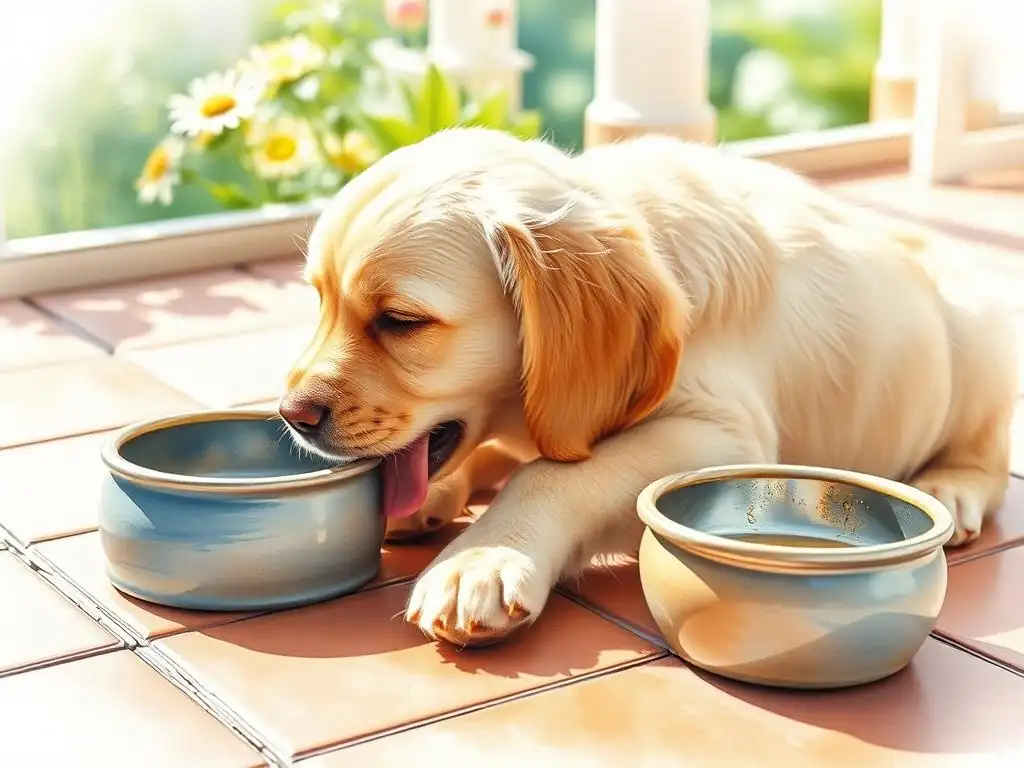
Sufficient water intake is crucial for maintaining your dog's overall health and well-being. Dehydration can manifest in various ways, some subtle and easily overlooked. Understanding these signs is paramount to ensuring your canine companion receives adequate hydration. The optimal amount of water varies depending on factors like breed, size, activity level, and climate, but consistent monitoring is key. Ignoring early signs can lead to more serious health problems. Let's explore some key indicators that your dog might be suffering from insufficient water consumption.
Recognizing Subtle Indicators of Dehydration in Dogs
Recognizing subtle signs of dehydration is critical for early intervention. While obvious symptoms like lethargy are clear indicators, subtler signs often precede them. These include:
- Dry gums and nose: Healthy gums should be moist and pink. Dry, sticky gums are a primary indicator of dehydration. Similarly, a dry nose, while not always indicative of dehydration, can be a contributing factor to your assessment.
- Sunken eyes: Dehydrated dogs often exhibit sunken eyes, a visible sign of fluid loss. Compare your dog's eye appearance to its normal state to detect any changes.
- Loss of skin elasticity: Gently pinch the skin on the back of your dog's neck. In a well-hydrated dog, the skin will quickly snap back into place. If it remains tented or slow to return, dehydration is a strong possibility.
- Lethargy and decreased energy: While this can have multiple causes, decreased energy levels and lethargy can be a sign of dehydration, especially when coupled with other symptoms. A usually playful dog becoming unusually subdued should raise concerns.
- Increased panting: While panting is a normal physiological response in dogs, excessive panting, especially in cooler temperatures, could indicate dehydration. The body is trying to regulate its temperature through increased respiration, often a sign of fluid imbalance.
- Constipation: Dehydration can lead to harder stools and constipation. Pay close attention to your dog's bowel movements for any changes in consistency or frequency.
Remember that these signs might not always appear individually. Observing a combination of these indicators strengthens the possibility of dehydration. Regular monitoring of your dog's hydration status is essential, especially during hot weather or periods of increased physical activity. Proactive hydration management is a crucial aspect of responsible dog ownership. 💧
When to Consult a Veterinarian Regarding Canine Hydration
While many cases of mild dehydration can be managed at home by increasing water intake, it's crucial to know when professional veterinary intervention is necessary. Don't hesitate to contact your veterinarian if you observe any of the following:
- Severe lethargy or collapse: These are serious signs that require immediate veterinary attention. Dehydration can lead to life-threatening complications if left untreated.
- Vomiting and diarrhea: These symptoms can rapidly exacerbate dehydration, necessitating prompt veterinary care to rehydrate your dog and address the underlying cause.
- Excessive panting and difficulty breathing: These could indicate a more serious underlying health problem, and veterinary assessment is crucial.
- Dark or concentrated urine: The color of your dog's urine is an important indicator of hydration. Dark, concentrated urine suggests dehydration.
- Persistent dry gums and nose despite increased water intake: If you've increased your dog's water access and these symptoms persist, a veterinary checkup is necessary to rule out other medical conditions.
- Symptoms persisting after home care: If, after increasing water intake and addressing potential environmental factors, your dog's symptoms continue, consult your veterinarian immediately. They can perform a thorough examination and provide tailored advice and treatment.
Your veterinarian can assess your dog's hydration level, identify any underlying medical conditions contributing to dehydration, and provide the appropriate treatment, including intravenous fluids if necessary. Early intervention is key to preventing serious health complications. 🐕🦺 Prioritizing your dog's hydration is a crucial part of ensuring a long and healthy life.
Fresh Water vs. Other Drinks: What's Best for Your Dog?
Providing your canine companion with consistent access to fresh, clean water is paramount for their overall well-being. While the benefits of hydration are widely understood, many pet owners are unsure about the suitability of offering alternatives to plain water. This section delves into the crucial differences between fresh water and other beverages, highlighting why water reigns supreme in canine hydration.
Understanding this distinction is key to ensuring your dog's optimal health and preventing potential health issues. The benefits of providing your dog with dog fresh water are numerous and significant, contributing to a happier, healthier life for your furry friend.
The Dangers of Offering Dogs Other Beverages Besides Water
Many human beverages are simply unsuitable, and even dangerous, for dogs. While a small lick of milk might not cause immediate harm, regular consumption of milk or dairy products can lead to digestive upset, diarrhea, and vomiting due to lactose intolerance, which is common in dogs. Similarly, sugary drinks like soda or juice are loaded with empty calories and contribute to weight gain, dental problems (cavities and periodontal disease), and can even lead to diabetes. The high sugar content can also cause a sudden spike in blood sugar, leading to potentially serious health complications.
Even seemingly harmless alternatives like tea or coffee contain caffeine and other compounds that are toxic to dogs. Caffeine can cause restlessness, increased heart rate, tremors, and even seizures in dogs. The effects are dose-dependent, meaning smaller dogs are at greater risk with smaller amounts. Therefore, it's crucial to stick to fresh, clean water as the primary and preferred source of hydration for your canine companion.
| Beverage | Potential Risks | Severity |
|---|---|---|
| Milk/Dairy | Digestive upset, diarrhea, vomiting | Mild to Moderate |
| Sugary Drinks | Weight gain, dental problems, diabetes, blood sugar spikes | Moderate to Severe |
| Tea/Coffee | Restlessness, increased heart rate, tremors, seizures | Moderate to Severe, potentially life-threatening |
| Alcohol | Severe liver damage, coma, death | Severe, life-threatening |
Remember, even small amounts of these substances can have adverse effects on your dog’s health. 🐕 Always prioritize fresh water.
Understanding Electrolyte Balance and Hydration in Dogs
Maintaining proper electrolyte balance is crucial for numerous bodily functions in dogs, including muscle contractions, nerve impulses, and fluid regulation. Dehydration disrupts this balance, leading to a cascade of negative consequences. Electrolytes, such as sodium, potassium, and chloride, are lost through sweat, urine, and feces. Replenishing these electrolytes is vital, and fresh water plays a critical role in this process. Water acts as the solvent, facilitating the transport of these essential minerals throughout the body.
Severe dehydration can manifest in symptoms like lethargy, dry gums, sunken eyes, and decreased skin elasticity. In extreme cases, it can lead to organ damage and even death. Therefore, ensuring your dog has continuous access to dog fresh water is not just about quenching thirst; it's about maintaining the delicate balance of electrolytes and ensuring proper bodily function.
Regular access to fresh water supports optimal hydration, preventing electrolyte imbalances and promoting overall health. Observing your dog's water intake can also be an indicator of their overall health; significant changes in consumption should prompt a veterinary consultation. Providing adequate fresh water is a simple yet effective way to contribute significantly to your dog's well-being and prevent serious health issues.
Frequently Asked Questions
How often should I change my dog's water?
You should change your dog's water at least once a day, or more frequently, especially in warm weather or if it becomes dirty or contaminated. Fresh water is crucial for their health.
What are the signs of dehydration in dogs?
Signs of dehydration include lethargy, dry gums, and sunken eyes. If you suspect dehydration, contact your veterinarian immediately. Prompt treatment is vital.
Can I give my dog tap water or does it need to be bottled?
While tap water is usually fine, ensure it's free of chlorine and other harmful chemicals. Bottled water is a safe alternative if you have concerns about your tap water's quality. Always prioritize clean water.
How much water should my dog drink daily?
The amount varies depending on size, activity level, and climate. A good rule of thumb is to offer at least one ounce of water per pound of body weight daily. Monitor your dog's water intake.
What are the health benefits of providing my dog with fresh, clean water?
Fresh water helps with proper digestion, nutrient absorption, and temperature regulation. It also aids in kidney function and overall health, preventing various health issues. Clean water is essential for a healthy dog.
Final Reflection: The Unquenchable Thirst for Canine Well-being
Access to fresh, clean water isn't just a convenience for our canine companions; it's the cornerstone of their overall health and vitality. A seemingly simple act—providing a bowl of fresh water—holds the key to preventing a multitude of health issues, from minor discomfort to serious, life-threatening conditions. Ignoring this fundamental need is simply irresponsible.
The impact of proper hydration on a dog's life is profound, extending far beyond simply quenching thirst. It influences everything from their energy levels and coat condition to their kidney function and overall longevity. As responsible pet owners, we must understand this crucial connection. A dog is the only thing on earth that loves you more than he loves himself.
– Josh Billings. This unconditional love deserves our commitment to providing the best possible care, starting with the simplest of necessities: clean, fresh water.
Consider the impact of your actions. Do you consistently check your dog's water bowl? Do you ensure it's always filled with fresh, cool water, especially during warmer months? Take a moment today to reflect on your dog's hydration habits and make a conscious effort to improve them. Your commitment to providing fresh water is a testament to the love and care you share with your furry friend, ensuring a healthier, happier, and longer life together.
Unlock Your Dog's Sparkling Health: Take Action Now!
Thank you for learning about the crucial role of fresh water in your dog's well-being! You've gained valuable insights into keeping your furry friend happy and hydrated. Let's put this knowledge into action:
- Prioritize Fresh Water: Check your dog's water bowl right now. Is it full of fresh, clean water? If not, refill it immediately! This simple step makes a huge difference in your dog's health.
- Consider a Water Fountain: A water fountain can encourage your dog to drink more water, as many dogs prefer moving water to still water. Explore the various options available to find one that suits your dog and your home.
- Share Your Hydration Tips: Spread the word! Tell your fellow dog owners about the importance of fresh water. Share this article on social media and start a conversation about canine hydration.
What creative ways have you found to keep your dog consistently hydrated? Share your tips in the comments below!