
Raw Dog Food vs Commercial Food: A Comparative Analysis

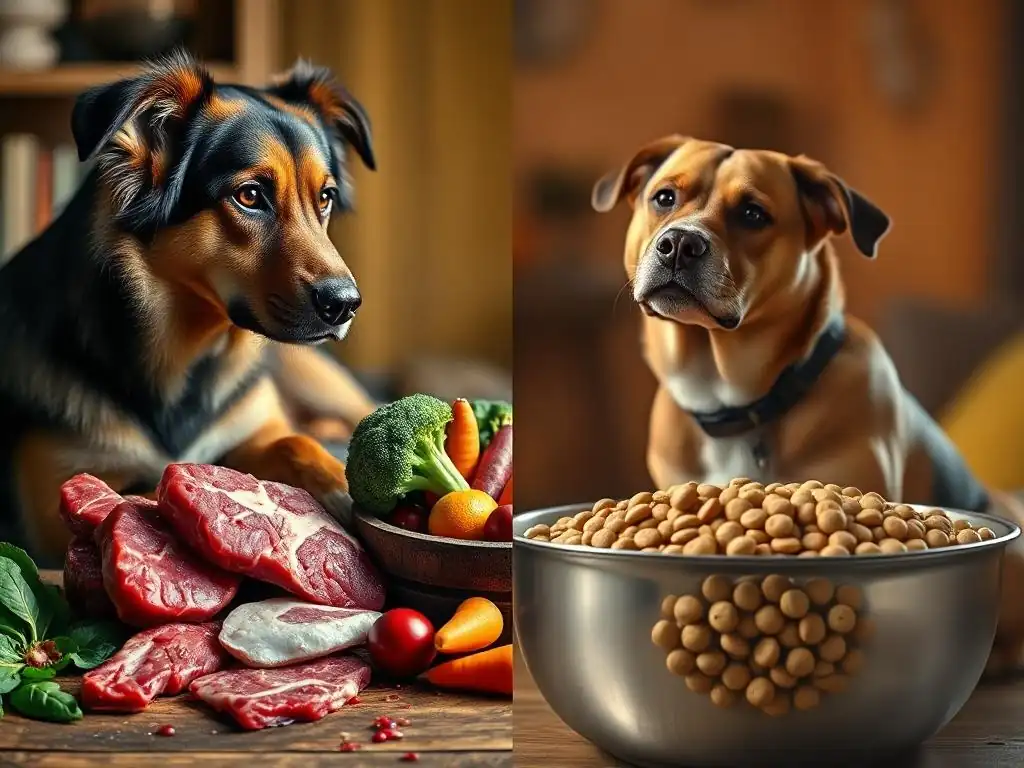
Welcome to PetCareWorld, your ultimate guide to a happier, healthier life for your beloved pets! Are you grappling with the age-old question of raw dog food vs kibble? We understand the challenges of choosing the best diet for your canine companion, and that's why we've created an in-depth comparative analysis to help you make an informed decision. Discover the surprising differences and uncover the truth behind these two popular feeding options – your pet's well-being depends on it!
- Understanding the Raw Dog Food Diet
- Commercial Dog Food: Kibble and Canned Options
-
Raw Dog Food vs Kibble: A Detailed Comparison
- Nutritional Content: Protein, Fat, Carbohydrates, and Vitamins
- Digestive Health: Impact on Stool Consistency and Gut Microbiota
- Cost Comparison: Budget Considerations for Each Feeding Approach
- Time Commitment: Preparing and Feeding Raw Food vs. Kibble
- Potential Health Risks: Allergies, Sensitivities, and Bacterial Concerns
- Making the Right Choice for Your Dog: Raw or Commercial?
- Frequently Asked Questions
- Final Reflection: The Evolving Landscape of Canine Nutrition
- Unleash Your Pet's Inner Vitality: Take the Next Step!
Understanding the Raw Dog Food Diet
Feeding your canine companion is a crucial aspect of responsible pet ownership. The choice between commercially produced dog food (like kibble) and a raw food diet is a significant one, impacting your dog's health, well-being, and potentially your wallet. This comprehensive comparison of raw dog food versus commercial dog food—specifically addressing the frequently searched term "Raw dog food vs kibble"—will delve into the advantages and disadvantages of each, empowering you to make an informed decision best suited to your dog's individual needs and your lifestyle.
We'll examine the nutritional aspects, potential health risks, and practical considerations involved in both feeding options, providing you with the knowledge necessary to navigate this important decision. Choosing the right food is a cornerstone of responsible dog ownership, and understanding the nuances of raw versus commercial diets is a vital step in ensuring your dog thrives.
Benefits of Raw Feeding for Dogs: Nutrient Density and Digestive Health
Raw dog food proponents often cite superior nutrient density and improved digestive health as key advantages. The argument centers around the idea that raw meat, bones, and organs contain a higher concentration of naturally occurring nutrients compared to processed kibble. Many believe that this leads to shinier coats, increased energy levels, and improved stool quality.
For instance, the naturally occurring enzymes in raw meat are purported to aid digestion, potentially reducing digestive upset and improving nutrient absorption. However, it's crucial to note that these benefits are often anecdotal and lack rigorous scientific backing. While some studies suggest potential benefits, more comprehensive research is needed to definitively establish the superiority of raw food diets over well-formulated commercial kibble.
Furthermore, the digestibility of raw food can vary significantly depending on the source and preparation methods. The claim of improved nutrient absorption is based on the theory that processing can reduce the bioavailability of certain vitamins and minerals, but this is not universally accepted. Further research focusing on specific nutrient bioavailability in raw versus processed foods is necessary to fully understand this aspect.
Potential Risks of Raw Dog Food: Bacterial Contamination and Nutritional Imbalances
Despite the purported benefits, raw dog food carries significant risks. One major concern is the potential for bacterial contamination. Raw meat and organs can harbor harmful bacteria like Salmonella, E. coli, and Listeria, which can pose serious health risks to both dogs and their owners. These bacteria can cause foodborne illnesses resulting in vomiting, diarrhea, fever, and in severe cases, even death.
The risk of contamination is further exacerbated by improper handling and storage of raw food. Another concern is the potential for nutritional imbalances. Formulating a complete and balanced raw diet requires extensive knowledge of canine nutritional requirements. Without careful planning and supplementation, dogs fed a raw diet may experience deficiencies in essential vitamins and minerals, leading to various health problems.
This is especially true for home-prepared raw diets, where the risk of nutritional inadequacy is higher compared to commercially produced raw food options, which are formulated by veterinary nutritionists. The potential for bone splinters causing internal injuries is also a significant risk associated with raw feeding, necessitating careful preparation and monitoring. The risk of pancreatitis, a serious inflammatory condition of the pancreas, has also been associated with feeding a high-fat raw diet.
Choosing Safe and High-Quality Raw Dog Food Sources
If you are considering a raw food diet for your dog, selecting a reputable and safe source is paramount. Commercially produced raw food diets, often frozen, are typically formulated by veterinary nutritionists to ensure a balanced nutrient profile. However, these products are not without risk and should be stored and handled carefully to minimize bacterial contamination.
Home-prepared raw diets require extensive research and careful planning to avoid nutritional deficiencies and bacterial contamination. It's crucial to consult with a veterinary nutritionist to create a balanced diet that meets your dog's specific needs. Understanding safe handling practices, including proper sanitation and temperature control, is essential to mitigate the risks associated with raw food.
Regular veterinary check-ups are critical to monitor your dog’s health and ensure that the raw food diet is not leading to any deficiencies or health problems. 🐾 Remember that even with careful planning, the risk of bacterial contamination remains a significant concern. The decision to feed a raw diet should be made in consultation with your veterinarian, considering your dog's individual needs and your ability to mitigate the inherent risks.
Commercial Dog Food: Kibble and Canned Options
This section delves into the specifics of commercially available dog food, focusing on the two most prevalent formats: kibble and canned food. Understanding the pros and cons of each is crucial when comparing them to raw food diets. Choosing the right commercial option is a significant step in ensuring your canine companion receives optimal nutrition. The choice between raw dog food vs kibble, or even canned food, often hinges on factors beyond just nutritional content.
Kibble: The Convenience and Cost-Effectiveness of Dry Dog Food
Kibble, the ubiquitous dry dog food, reigns supreme in convenience and affordability. Its long shelf life, ease of storage, and readily available nature make it a popular choice for many pet owners. However, the manufacturing process, often involving high heat, can impact the nutritional integrity of some kibble formulations. While many high-quality kibble brands exist, it's crucial to scrutinize the ingredient list.
The cost-effectiveness of kibble is undeniable. A larger bag of kibble generally lasts longer than an equivalent amount of canned food or raw food, leading to lower overall expenses. This makes kibble a particularly attractive option for owners on a budget or those with multiple dogs. However, the perceived cost savings must be weighed against the potential need for supplemental nutrients or the higher cost associated with premium kibble brands that utilize higher-quality ingredients and less processing.
Consider this example: A 30lb bag of a budget kibble brand might cost $30, lasting approximately 4 weeks for a medium-sized dog. Conversely, a comparable amount of high-quality kibble could cost $60-$80, potentially lasting the same period but offering superior nutrition. The cost per day, therefore, varies significantly based on the brand and the dog's size and activity level.
It's also important to note that the nutritional value of kibble can vary dramatically depending on the ingredients and manufacturing process. Look for kibble with clearly identified meat sources as the primary ingredients, avoiding fillers and artificial additives. The moisture content is typically low, requiring dogs to drink more water.
Canned Dog Food: Higher Moisture Content and Palatability
Canned dog food offers a higher moisture content compared to kibble, often appealing more to picky eaters due to its enhanced palatability. This higher moisture content can be beneficial for dogs prone to dehydration or urinary tract issues. The added moisture can also improve digestibility for some dogs. However, canned food is generally more expensive and has a shorter shelf life than kibble once opened. Storage is also a consideration, requiring refrigeration after opening to prevent spoilage.
The higher moisture content in canned food is a key differentiator from kibble and, in some ways, a closer approximation to the moisture content found in raw food diets. This is particularly important for dogs who don't drink enough water, as it helps maintain hydration. Many owners find canned food to be a more appealing option for their pets, especially those who have sensitive stomachs or are less inclined to eat kibble.
However, the nutritional profile of canned food can vary just as widely as kibble. Careful analysis of ingredient lists is still critical to ensure a balanced and nutritious diet. Some canned foods contain high levels of sodium or fillers, which should be avoided. Furthermore, the price per calorie is typically higher than kibble, making it a less budget-friendly long-term solution for many owners. The convenience factor is also reduced compared to kibble, due to the need for refrigeration and the potential for mess during feeding.
Deciphering Commercial Dog Food Labels: Ingredients and Nutritional Information
Understanding commercial dog food labels is crucial for making informed decisions about your dog's nutrition. Both kibble and canned food labels contain essential information, but knowing how to interpret it can be challenging. The ingredient list is paramount; it’s presented in descending order by weight. The first few ingredients constitute the bulk of the food. Look for identifiable meat sources (e.g., "chicken," "beef," not just "meat by-products") at the top of the list.
Avoid foods with vague or undefined ingredients, like "meat and bone meal" or "animal digest." These often indicate lower-quality ingredients. Similarly, be wary of excessive fillers such as corn, wheat, and soy, particularly if they are listed high on the ingredient list. These often provide minimal nutritional value and can cause digestive issues in sensitive dogs.
The guaranteed analysis section provides information on the minimum percentages of crude protein, fat, fiber, and moisture. These values offer a general indication of the food's macronutrient profile, but don't tell the whole story. The absence of specific information about vitamins and minerals might suggest a less complete nutritional profile. Always compare the guaranteed analysis to the Association of American Feed Control Officials (AAFCO) nutrient profiles for the life stage of your dog (puppy, adult, senior).
AAFCO statements indicate whether the product meets minimum standards for complete and balanced nutrition. A "complete and balanced" statement is essential for ensuring your dog receives all the necessary nutrients. Remember, even with a "complete and balanced" statement, individual needs can vary, and consulting with a veterinarian is always recommended.
Raw Dog Food vs Kibble: A Detailed Comparison
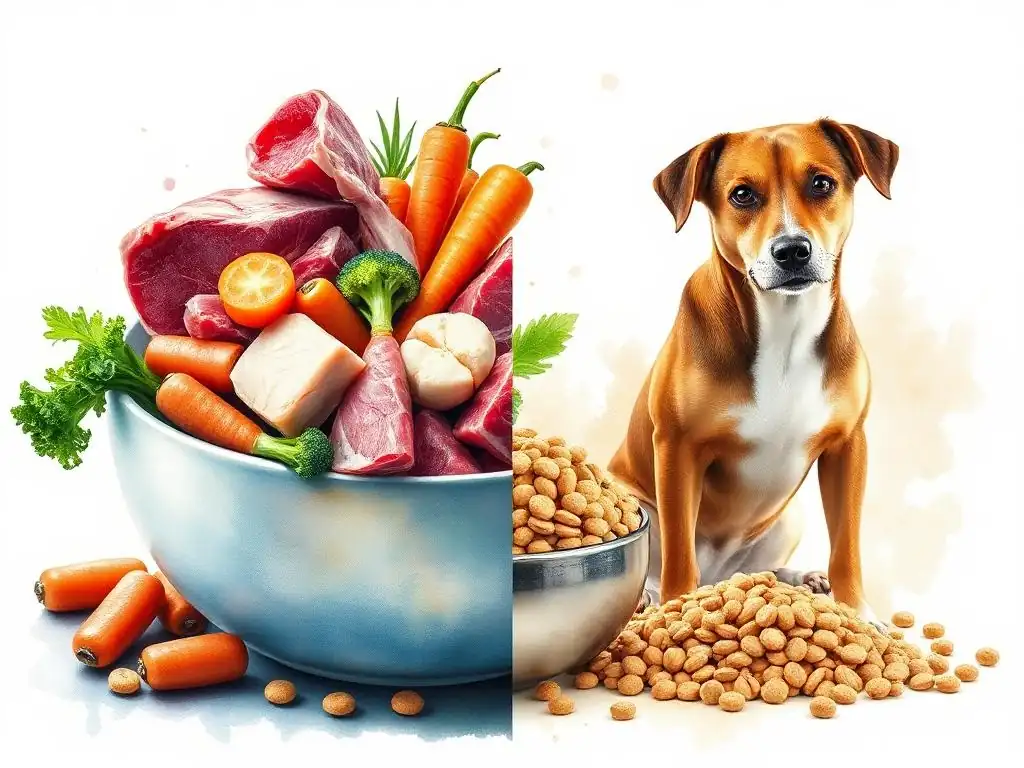
This section delves into a detailed comparison of raw dog food and kibble, focusing on key aspects crucial for informed decision-making regarding your canine companion's diet. We'll examine nutritional content, digestive health, and cost-effectiveness to help you weigh the pros and cons of each approach. Remember, consulting with your veterinarian is crucial before making any significant changes to your dog's diet.
Nutritional Content: Protein, Fat, Carbohydrates, and Vitamins
Raw dog food diets often boast higher protein content compared to many kibble options. This is because raw diets typically consist of muscle meat, organs, and bones, which are naturally rich in protein. A well-formulated raw diet can provide a complete amino acid profile, essential for muscle building, tissue repair, and overall health. However, the protein quality and quantity can vary significantly depending on the specific ingredients used. Inconsistent sourcing and preparation can lead to nutritional imbalances.
Conversely, commercial kibble undergoes processing that can affect nutrient bioavailability. While many kibble brands strive to meet Association of American Feed Control Officials (AAFCO) nutrient profiles, the processing can reduce the levels of certain heat-sensitive vitamins and antioxidants. The carbohydrate content in kibble is generally higher than in raw food, often serving as a filler and energy source. This can be beneficial for dogs with lower activity levels, but excessive carbohydrates can contribute to weight gain and other health issues in active dogs.
| Nutrient Category | Raw Dog Food | Kibble |
|---|---|---|
| Protein | Typically higher, varies by ingredient source | Varies widely; often lower than raw food |
| Fat | High, primarily from animal sources | Varies; can be high or low depending on the recipe |
| Carbohydrates | Typically lower | Generally higher; used as a filler and energy source |
| Vitamins & Minerals | Can be highly variable; supplementation may be needed | Typically fortified to meet AAFCO standards |
It's crucial to note that the nutritional value of both raw and kibble diets can vary substantially depending on the brand and specific recipe. Always carefully examine the ingredient list and nutritional analysis to ensure a balanced diet tailored to your dog's age, breed, and activity level. The key to success with either feeding approach lies in diligent selection of high-quality products and careful monitoring of your dog's health.
Digestive Health: Impact on Stool Consistency and Gut Microbiota
Digestive health is a critical factor to consider when choosing between raw dog food and kibble. Raw feeding proponents often claim improved stool consistency and reduced digestive upset. The high protein and fat content, combined with the natural enzymes and probiotics present in raw meat, are believed to support healthy gut function. However, the absence of standardized processing in raw food increases the risk of bacterial contamination, which can lead to digestive problems if not handled correctly.
Kibble, on the other hand, undergoes processing that eliminates many harmful bacteria. However, the high carbohydrate content and processed ingredients can sometimes disrupt the gut microbiome balance, leading to issues like diarrhea or constipation in some dogs. The digestibility of kibble also depends on the quality of ingredients and the processing methods used. Highly processed kibble may be less digestible than kibble made with whole grains and high-quality protein sources.
The impact on the gut microbiota is complex and still under research. While raw food may offer a wider range of natural bacteria, the risk of pathogenic bacteria outweighs the benefits for many owners. Kibble, while often lacking the diversity of raw food, offers a more predictable and safer option regarding bacterial contamination. Ultimately, the best diet for your dog's digestive health depends on individual factors and requires careful observation and potential veterinary consultation.
Cost Comparison: Budget Considerations for Each Feeding Approach
The cost of feeding your dog raw food versus kibble can vary significantly. Raw food diets often require purchasing higher-quality ingredients, which can be more expensive than mass-produced kibble. Moreover, preparing raw food at home demands time and effort, or purchasing pre-made raw food adds substantial expense. The cost per day can be significantly higher for raw food, especially for larger breeds.
Commercial kibble offers a wider range of price points, from budget-friendly options to premium brands. While premium kibble can approach or even exceed the cost of raw food, budget-friendly options represent a considerable savings. However, it's essential to remember that cheaper kibble often contains lower-quality ingredients, potentially impacting your dog's long-term health.
Ultimately, the most economical choice depends on your budget and priorities. While kibble can be more affordable in the short term, the long-term health benefits of a higher-quality diet—whether raw or kibble—may offset the initial cost difference. Careful consideration of your dog's individual needs and your financial resources is essential when choosing between these two feeding approaches. Consider factors such as your dog's size, activity level, and any pre-existing health conditions when estimating the long-term cost of each option.
Time Commitment: Preparing and Feeding Raw Food vs. Kibble

Feeding your dog a raw food diet requires a significant time commitment compared to kibble. Preparing raw meals involves sourcing high-quality ingredients, meticulously measuring portions to meet your dog's nutritional needs, and carefully handling raw meat to avoid contamination. This process often includes grinding meat, chopping vegetables, and potentially supplementing with essential vitamins and minerals. The frequency of preparation depends on how much food you prepare at once; some owners prepare several days' worth, while others prepare daily. Even with pre-portioned raw food deliveries, there's still the task of thawing and serving the meals.
In contrast, feeding kibble is significantly less time-consuming. Simply measuring out the recommended daily amount from a bag takes only a few seconds. There's no preparation, chopping, or handling of raw ingredients involved. This convenience is a major factor for many dog owners, especially those with busy schedules or limited kitchen space.
The ease of kibble feeding allows for more flexibility in daily routines, making it a practical choice for many pet parents. The difference in time commitment is substantial, with raw food requiring potentially an hour or more per week depending on preparation methods, while kibble requires only minutes. This time difference is a crucial consideration when choosing between these two feeding options.
Potential Health Risks: Allergies, Sensitivities, and Bacterial Concerns
Raw dog food, while potentially offering nutritional benefits, carries inherent health risks that kibble largely mitigates. One significant concern is the potential for bacterial contamination. Raw meat, poultry, and fish can harbor harmful bacteria like Salmonella, E. coli, and Listeria, posing a risk to both the dog and its owner. Thorough handwashing and careful cleaning of preparation surfaces are crucial, but the risk remains. Furthermore, improperly stored raw food can quickly spoil, leading to foodborne illnesses.
Allergies and sensitivities are another concern. While raw food proponents often cite its ability to alleviate allergies, some dogs might exhibit sensitivities to specific ingredients within a raw diet. Identifying and eliminating these allergens can be challenging and require careful monitoring of your dog's reactions. Kibble, while potentially containing common allergens like grains or certain proteins, often lists ingredients clearly, making it easier to identify and avoid potential triggers.
The processing of kibble also reduces the chances of cross-contamination with allergens from other sources during food preparation. Ultimately, both raw and kibble diets present potential allergy risks, but the nature of those risks and the ease of management differ significantly. Careful ingredient selection and monitoring are vital regardless of the food choice.
Making the Right Choice for Your Dog: Raw or Commercial?
Choosing between raw dog food and commercial kibble is a significant decision impacting your canine companion's health and well-being. This choice requires careful consideration of various factors, extending beyond simply comparing protein percentages. The optimal diet depends heavily on individual dog characteristics and lifestyle. This section delves into the critical aspects to consider when making this crucial decision for your furry friend.
Understanding the nuances of both raw food diets and commercial kibble is paramount in ensuring your dog receives the proper nutrition. This analysis will equip you to make an informed choice, supporting your dog's long-term health and happiness. Remember, the best diet is one that meets your dog's specific needs.
Assessing Your Dog's Individual Needs and Health Status
Before deciding between raw dog food and commercial kibble, a thorough assessment of your dog's individual needs is crucial. Factors like age, breed, activity level, and any pre-existing health conditions significantly influence dietary requirements.
For example, a highly active working dog will have vastly different nutritional needs compared to a senior dog with arthritis. Puppies require diets rich in protein and calcium for growth, while senior dogs might benefit from diets formulated to support joint health and digestive function. Breeds predisposed to certain health issues may also necessitate specific dietary adjustments. For instance, dogs prone to pancreatitis might require a lower-fat diet, regardless of whether it's raw or commercial.
Consider the following checklist when assessing your dog's needs:
- Age: Puppy, adult, senior?
- Breed: Specific breed predispositions to health issues?
- Activity Level: High energy, moderate, low?
- Health Conditions: Allergies, sensitivities, existing illnesses?
- Body Condition Score (BCS): Is your dog overweight, underweight, or ideal?
Understanding these factors allows for a more personalized approach to selecting the appropriate diet, whether raw or commercial. Failing to consider these individual needs could lead to nutritional deficiencies or imbalances, negatively impacting your dog's health. Remember, a balanced diet tailored to your dog's unique characteristics is key to their overall well-being.
Consulting with a Veterinarian: Personalized Dietary Recommendations
The decision of feeding raw dog food vs kibble should always involve a consultation with your veterinarian. They can provide personalized dietary recommendations based on your dog's specific needs and health status. A veterinarian can assess your dog's current health, identify potential risks associated with different diets, and help you create a safe and effective feeding plan.
While many resources exist online, a veterinarian's expertise is invaluable in navigating the complexities of canine nutrition. They can help you understand the nutritional content of both raw and commercial diets, ensuring your dog receives the appropriate balance of proteins, fats, carbohydrates, vitamins, and minerals. Furthermore, they can monitor your dog's progress on the chosen diet, making adjustments as needed.
Don't hesitate to discuss potential concerns with your vet, such as allergies, sensitivities, or pre-existing health conditions. They can help you choose a diet that minimizes risks and maximizes benefits. A collaborative approach with your veterinarian ensures a safe and effective transition to either raw food or commercial kibble, promoting your dog's long-term health and happiness. This professional guidance is essential for making informed decisions about your dog's nutrition.
Transitioning Between Raw and Commercial Diets: A Gradual Approach
Switching between raw dog food and commercial kibble requires a gradual approach to avoid digestive upset. A sudden change in diet can cause diarrhea, vomiting, and other gastrointestinal issues. A slow transition allows your dog's digestive system to adapt to the new food, minimizing the risk of adverse reactions.
A typical transition plan involves gradually increasing the proportion of the new food while decreasing the proportion of the old food over a period of 7-10 days. For example, if switching from kibble to raw, start by mixing a small amount of raw food with a larger amount of kibble. Over the next week, gradually increase the proportion of raw food while decreasing the kibble until your dog is eating only raw food. Monitor your dog closely for any signs of digestive upset during this transition period.
| Day | Kibble (%) | Raw Food (%) |
|---|---|---|
| 1-2 | 90 | 10 |
| 3-4 | 75 | 25 |
| 5-6 | 50 | 50 |
| 7-8 | 25 | 75 |
| 9-10 | 10 | 90 |
| 11+ | 0 | 100 |
This gradual approach minimizes stress on your dog's digestive system and allows for a smoother transition. Remember to always consult with your veterinarian before making any significant changes to your dog's diet. They can provide guidance on the optimal transition plan for your dog's specific needs and health status. Pay close attention to your dog's bowel movements and overall health during the transition, and don't hesitate to contact your veterinarian if you notice any problems. A successful transition ensures a happy and healthy dog.
Monitoring Your Dog's Health: Observing for Any Changes in Appetite, Stool, or Energy Levels
Switching your dog's diet, whether from commercial kibble to raw food or vice versa, can sometimes cause temporary digestive upset. However, consistent monitoring is crucial to ensure your canine companion is thriving on their new diet. Pay close attention to subtle changes that may indicate a problem. A decrease in appetite, for instance, could signal a variety of issues ranging from simple indigestion to a more serious underlying health concern.
Don't dismiss even seemingly minor shifts in your dog's eating habits. Keep a food diary – noting not only the quantity consumed but also any signs of reluctance or difficulty in eating. This detailed record will prove invaluable should you need to consult a veterinarian.
Changes in stool consistency and frequency are another key indicator of your dog's digestive health. With raw food diets, you might observe softer stools than with kibble, but significant changes in color, odor, or the presence of blood or mucus warrant immediate attention. Similarly, diarrhea or constipation lasting more than a day requires veterinary assessment.
Observe the frequency and consistency of your dog's bowel movements regularly, noting any deviations from their normal pattern. A visual aid, like a stool chart, can be helpful in tracking these changes over time. Remember, consistency is key; sudden changes are often the first sign of a problem.
Finally, observe your dog's energy levels. Is your usually playful pup suddenly lethargic? Or is your typically calm dog exhibiting unusual hyperactivity? Significant changes in energy levels, especially when coupled with changes in appetite or stool, could indicate a nutritional deficiency, an allergic reaction, or another health problem.
Note any changes in their activity levels, comparing them to their usual behavior. A gradual decrease in energy can be more insidious than a sudden drop, so consistent monitoring is vital. Remember, a healthy and happy dog is an active dog, and any significant deviation from their normal energy levels should be investigated.
Early detection is crucial for effective intervention. Don't hesitate to seek professional veterinary advice if you notice any concerning changes in your dog's appetite, stool, or energy levels, regardless of the type of food they are consuming. Proactive monitoring is a sign of responsible pet ownership and can contribute significantly to your dog's long-term health and well-being.
Frequently Asked Questions
What are the main benefits of feeding my dog raw food?
Raw food diets can offer increased digestibility and potentially higher nutrient bioavailability, leading to shinier coats and improved energy levels. However, careful sourcing and preparation are crucial to avoid bacterial contamination.
What are the potential risks associated with feeding raw dog food?
Raw food carries a risk of bacterial contamination, such as Salmonella and E. coli, which can affect both your dog and your family. There's also a risk of nutritional imbalances if not carefully formulated.
How does the cost of raw food compare to kibble?
Raw food is generally more expensive than commercial kibble. The cost difference stems from the higher quality ingredients and often, the need for additional supplements to ensure a balanced diet.
Is it necessary to supplement a raw food diet?
While a properly balanced raw diet can provide complete nutrition, supplementation may be necessary depending on the specific ingredients used. Consult with a veterinary nutritionist for personalized advice.
How do I transition my dog from kibble to a raw food diet?
A gradual transition is crucial to avoid digestive upset. Start by mixing small amounts of raw food with your dog's kibble, gradually increasing the raw food proportion over several weeks. Monitor your dog closely for any adverse reactions.
Final Reflection: The Evolving Landscape of Canine Nutrition
The debate surrounding raw dog food versus commercial kibble remains fiercely contested, yet its implications for canine health and well-being are undeniably profound. Choosing the right diet is not merely a matter of convenience; it's a critical decision impacting a pet's lifespan, vitality, and overall quality of life. The information presented in this analysis underscores the need for informed choices, emphasizing the importance of understanding both the benefits and drawbacks of each feeding approach.
The ongoing evolution of pet food science and the increasing awareness of canine nutritional needs highlight the complexity of this topic. We've explored the arguments for and against raw feeding, examining the potential risks and rewards alongside the consistent performance of well-formulated commercial kibble. This journey of research has underscored the responsibility pet owners bear in making educated decisions. The best food for your dog is the one that best meets their individual needs,
a statement that transcends the raw vs. kibble debate and points to the necessity of personalized care.
Ultimately, the choice rests with you. Consider the specific needs of your canine companion – their age, breed, activity level, and any pre-existing health conditions. Don't hesitate to consult with your veterinarian, a certified veterinary nutritionist, or other trusted professionals to navigate this complex landscape. Empower yourself with knowledge, and together, let's ensure our beloved companions thrive.
Unleash Your Pet's Inner Vitality: Take the Next Step!
Thank you for exploring the world of raw versus commercial pet food with us! We hope you've gained valuable insights to make informed decisions about your pet's nutrition. Now, let's put that knowledge into action.
- Prioritize your pet's nutritional needs: Carefully consider your pet's individual needs, breed, age, and activity level when choosing a diet. This is the most crucial step in ensuring their health and well-being.
- Share your insights: Discuss your dietary choices with your veterinarian and connect with other pet owners—let's build a supportive community of informed pet parents!
- Transition gradually: If switching to a raw food diet, introduce it slowly and monitor your pet's response closely. A gradual transition is essential for a successful dietary change.
Ready to give your pet the best possible start towards a healthier, happier life? What specific dietary changes will you implement based on what you've learned?