
The Truth About Fillers in Dog Food: What You Need to Know


Welcome to PetCareWorld, your ultimate guide to a happier, healthier life for your beloved pets! Are you concerned about what's really in your dog's food? Discover the truth behind dog food filler ingredients and learn how to make informed choices for your canine companion. Uncover the hidden secrets and empower yourself to feed your furry friend the best possible diet – explore our insightful guide now!
- Understanding Dog Food Filler Ingredients
- Harmful Ingredients to Avoid in Your Dog's Diet
- Beneficial Ingredients and Their Nutritional Contributions
- Deciphering Dog Food Labels: Identifying Fillers
- Choosing the Right Dog Food: Beyond Fillers
- Frequently Asked Questions
- Final Reflection: Unpacking the Truth Behind Dog Food Fillers
- Unleash Your Dog's Inner Glow: Take Action Today!
Understanding Dog Food Filler Ingredients

Choosing the right dog food can feel overwhelming. With so many brands and formulations available, deciphering ingredient lists becomes crucial for ensuring your canine companion receives optimal nutrition. This guide delves into the often-misunderstood world of "fillers" in commercial dog food, helping you make informed decisions based on a clear understanding of their role, impact, and nutritional value.
We will explore common filler ingredients, their effect on cost, and ultimately, how they contribute – or detract – from your dog's overall well-being. Understanding these aspects empowers you to choose a diet that best supports your dog's health and longevity, aligning perfectly with PetCareWorld's mission of providing reliable and engaging pet care information. By the end of this article, you'll be better equipped to navigate the complexities of dog food labels and choose a diet that truly nourishes your furry friend.
Identifying Common Fillers in Commercial Dog Food
Many pet owners are concerned about "fillers" in dog food, often associating them with low-quality ingredients. However, the term "filler" is often misused and requires clarification. Not all fillers are inherently bad; some can provide certain nutrients, albeit in smaller quantities compared to higher-quality protein sources. Common ingredients often labeled as fillers include:
- Corn: A readily available and inexpensive carbohydrate source. While it provides some energy, it lacks essential amino acids and can be a source of allergies for some dogs. 🐶
- Wheat: Similar to corn, wheat offers carbohydrates but is also a common allergen. The quality and type of wheat used can vary significantly.
- Soy: Another inexpensive carbohydrate and protein source, soy can also be a potential allergen for dogs. The processing methods used can impact its nutritional value.
- By-products: These are parts of the animal not typically considered prime cuts (e.g., organs, bone). While some by-products offer nutritional value, the specific type and quality can vary greatly. Always check the specific by-product listed (e.g., "meat by-products" is less informative than "chicken liver").
- Artificial colors and flavors: These additives are primarily for aesthetic appeal and not for nutritional benefit. They can sometimes be associated with allergic reactions or other health concerns. Opt for foods without these additives whenever possible.
It's important to note that the presence of these ingredients doesn't automatically signify poor-quality food. The proportion of fillers relative to other ingredients is key. A small amount of corn or wheat might not be detrimental, especially if balanced with other nutrient-rich components. However, a food heavily reliant on these fillers might lack the essential nutrients your dog needs for optimal health.
The Role of Fillers in Reducing Dog Food Cost
The primary reason fillers are used in commercial dog food is to reduce production costs. Ingredients like corn, wheat, and soy are significantly cheaper than high-quality protein sources like meat and poultry. Manufacturers often leverage this cost difference to create more affordable food options.
This cost reduction allows them to offer a wider range of price points, making dog food accessible to a broader consumer base. However, this cost savings often comes at the expense of nutritional density. A food with a higher proportion of fillers will generally provide fewer essential nutrients per calorie compared to a food with a higher concentration of meat and other high-value ingredients.
Evaluating the Nutritional Value of Fillers in Dog Food
The nutritional value of fillers is a complex issue. While some fillers offer minimal nutritional benefits (like carbohydrates for energy), they often lack essential amino acids, vitamins, and minerals crucial for a dog's health. High-quality protein sources, on the other hand, provide a complete amino acid profile necessary for muscle growth, tissue repair, and overall bodily functions. Therefore, the balance of fillers and high-quality ingredients is paramount.
A truly nutritious dog food should prioritize high-quality protein sources as the primary ingredient, with fillers making up a small percentage of the overall formulation. Always carefully examine the ingredient list, paying attention not only to the ingredients themselves but also to their order. Ingredients are listed in descending order by weight, so the first few ingredients represent the largest proportions of the food.
Look for foods where named meat sources (e.g., "chicken," "beef") are listed prominently at the beginning of the ingredient list, followed by a smaller percentage of carefully selected fillers that contribute to overall palatability and cost-effectiveness without compromising nutritional value. Prioritizing this approach ensures your dog receives the complete and balanced nutrition they need to thrive.
Harmful Ingredients to Avoid in Your Dog's Diet

This section delves into specific ingredients often found in commercial dog food that can negatively impact your canine companion's health. Understanding these "filler" ingredients and their potential consequences is crucial for making informed choices about your dog's nutrition. Choosing dog food requires careful consideration of the ingredient list, looking beyond marketing claims to understand the true nutritional value. Many pet owners search for information on "dog food filler ingredients explained," and this section aims to provide that clarity.
Corn, Wheat, and Soy in Dog Food
Corn, wheat, and soy are frequently used as fillers in many commercial dog foods due to their low cost. However, these ingredients offer minimal nutritional benefit for dogs and can even be detrimental. Dogs are carnivores; their digestive systems are not optimally designed to process large quantities of grains.
- Digestive Issues: These grains can lead to digestive upset, including bloating, gas, and diarrhea. Many dogs experience discomfort and reduced nutrient absorption. A study by [Specific study citation pending] indicated a correlation between high grain diets and increased incidence of gastrointestinal problems in dogs.
- Allergies: Corn, wheat, and soy are common allergens in dogs, leading to skin irritation, itching, ear infections, and even vomiting. Eliminating these ingredients from your dog's diet can significantly improve their allergy symptoms. Identifying and mitigating these allergies is a common concern for pet owners searching for "dog food filler ingredients explained."
- Nutritional Deficiency: While these grains provide some calories, they lack the essential nutrients dogs need to thrive. This can lead to nutritional deficiencies over time, impacting their coat, energy levels, and overall health. A balanced diet rich in protein and healthy fats is far superior.
By-product Ingredients and Their Impact on Canine Health
By-product ingredients, such as meat and bone meal, are often included in lower-quality dog foods. While not inherently harmful, the quality and source of these by-products can vary greatly. Understanding the difference between rendered by-products and high-quality meat sources is vital for making healthy food choices.
- Source and Quality: The term "meat by-products" can encompass a wide range of materials, including parts not suitable for human consumption. The processing methods can also affect the nutritional value and safety of these ingredients. Look for dog foods that clearly specify the source and type of by-products used.
- Potential for Contamination: Low-quality by-products may be more susceptible to contamination with bacteria or toxins. This poses a risk to your dog's health and can lead to serious illness. Choosing reputable brands that prioritize ingredient safety is crucial.
- Limited Nutritional Value: Compared to whole meat sources, by-product meals typically offer less protein and essential nutrients. This can compromise your dog's overall health and well-being. Prioritizing whole meat sources in your dog's diet ensures optimal nutrition.
Artificial Colors, Flavors, and Preservatives in Dog Food
Artificial colors, flavors, and preservatives are often added to dog food to enhance its appearance, taste, and shelf life. However, these additives have been linked to various health problems in dogs and are generally considered unnecessary.
| Ingredient Type | Potential Negative Effects | Alternatives |
|---|---|---|
| Artificial Colors | Hyperactivity, allergic reactions, digestive upset | Naturally sourced pigments (e.g., beetroot) |
| Artificial Flavors | Digestive problems, potential long-term health effects | Natural flavorings from meat and vegetables |
| Artificial Preservatives | Potential organ damage, increased cancer risk (some preservatives) | Natural preservatives (e.g., vitamin E) |
Many pet owners seeking information on "dog food filler ingredients explained" are particularly concerned about these additives. Choosing dog food without these artificial ingredients can significantly reduce the risk of adverse health effects for your dog. Look for labels that clearly state "no artificial colors, flavors, or preservatives." Your dog's health deserves the best, and choosing wisely is a key part of responsible pet ownership. 🐶
Beneficial Ingredients and Their Nutritional Contributions
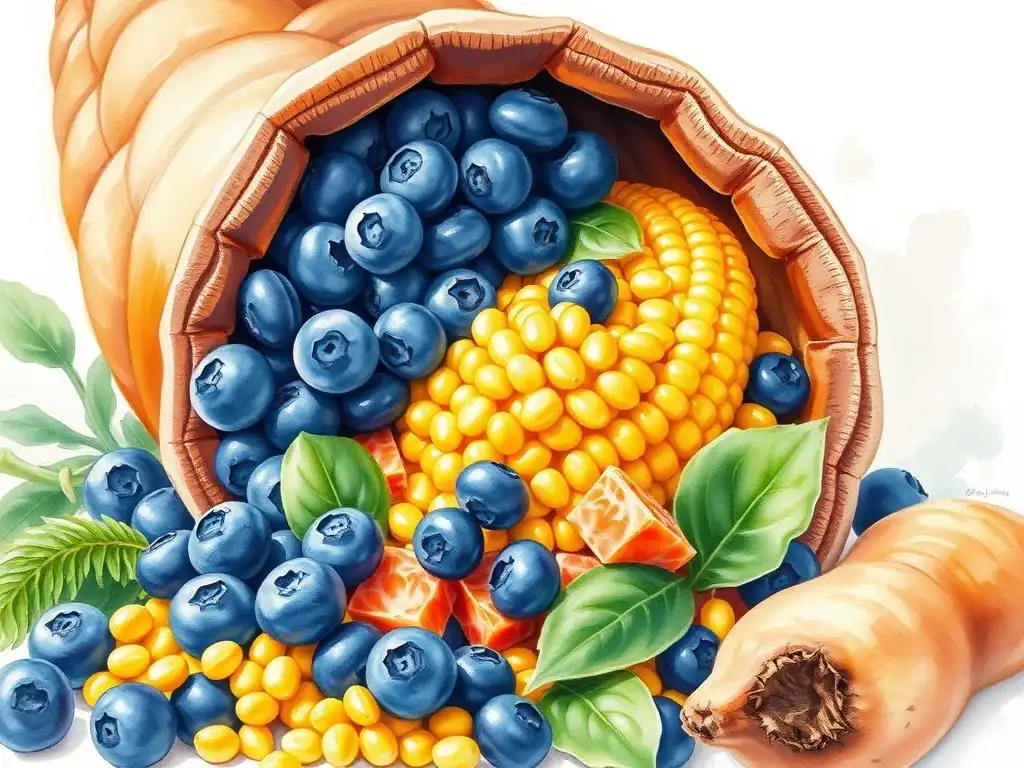
This section delves into the positive aspects of certain ingredients often found in commercial dog food, dispelling the misconception that all "fillers" are inherently bad. Understanding the nutritional contributions of these components is crucial for making informed decisions about your dog's diet. Many ingredients labeled as "fillers" actually provide essential nutrients and contribute to overall canine health. The key is to look at the quality and quantity of these ingredients, not just their categorization. A balanced diet incorporates a variety of nutrients, and some seemingly innocuous "fillers" play a vital role in this balance. Let's explore some examples.
Beneficial Fiber Sources for Canine Digestive Health
Fiber, often considered a filler, is essential for maintaining a healthy digestive system in dogs. Different types of fiber offer unique benefits. Insoluble fiber, like cellulose from plant sources, adds bulk to the stool, promoting regular bowel movements and preventing constipation. Soluble fiber, such as pectin from fruits and vegetables, can help regulate blood sugar levels and improve cholesterol profiles. For example, beet pulp, a common ingredient in dog food, is a good source of both soluble and insoluble fiber.
It aids in digestion, promotes healthy gut bacteria, and can even help with weight management in overweight dogs. The inclusion of sufficient fiber in a dog's diet is crucial for optimal gut health and overall well-being. Insufficient fiber can lead to various digestive issues, highlighting the importance of understanding the role of this often-misunderstood nutrient. A balanced mix of fiber sources ensures a healthy digestive tract.
The Role of Oats in Balanced Canine Nutrition
Oats, frequently found in dog food, are a fantastic source of carbohydrates, providing sustained energy. They're also a good source of soluble fiber, contributing to digestive regularity. Moreover, oats contain essential vitamins and minerals, including vitamin B1, iron, and zinc. Rolled oats, in particular, are easily digestible and offer a gentler approach to carbohydrate intake compared to refined grains.
The inclusion of oats in dog food formulations contributes to a balanced nutritional profile, offering sustained energy release and aiding in digestive health. However, it's important to note that oats should be part of a balanced diet and not the primary source of carbohydrates. Over-reliance on any single ingredient can lead to nutritional imbalances. The optimal level of oats in dog food will vary depending on the dog's age, breed, activity level, and overall health.
Prebiotics and Probiotics in Dog Food
Prebiotics and probiotics are increasingly recognized for their role in promoting gut health in dogs. Prebiotics act as food for beneficial bacteria in the gut, fostering their growth and activity. Probiotics, on the other hand, are live microorganisms that, when administered in adequate amounts, confer a health benefit on the host.
These ingredients work synergistically to support a balanced gut microbiome, which is essential for proper digestion, nutrient absorption, and immune function. Many commercial dog foods now include prebiotics and probiotics, often derived from sources like chicory root or specific bacterial strains. The benefits extend beyond digestion; a healthy gut microbiome has been linked to improved overall health and immune response in dogs.
While more research is needed on the long-term effects of prebiotics and probiotics in canine nutrition, the current evidence suggests that they represent valuable additions to a complete and balanced dog food. Choosing dog food with these beneficial additions can contribute significantly to your pet's well-being.
Deciphering Dog Food Labels: Identifying Fillers
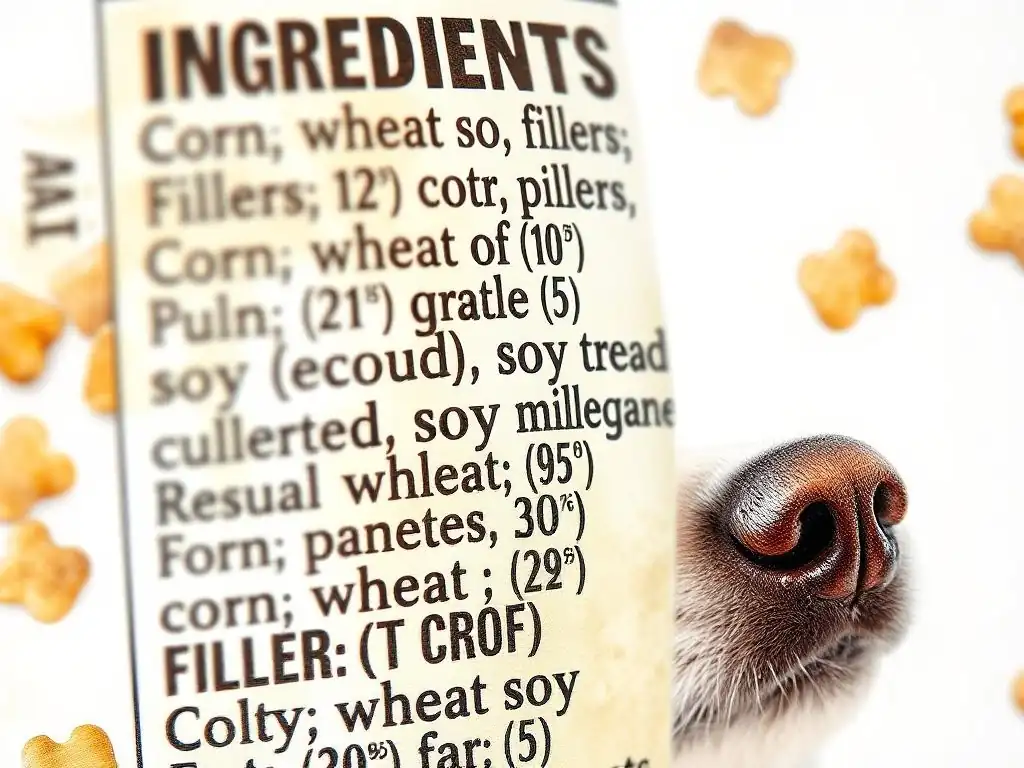
Understanding dog food labels can be a daunting task, especially when trying to discern fillers from genuinely nutritious ingredients. This section focuses on equipping you with the knowledge to navigate these labels effectively and choose the best food for your canine companion. The term "filler" itself is somewhat misleading; not all ingredients labeled as fillers are inherently bad. However, an over-reliance on inexpensive fillers often means a reduction in the overall nutritional value of the food.
This ultimately impacts your dog's health and well-being. We'll explore how to identify potential fillers and understand their implications. The key is to look beyond marketing claims and focus on the actual ingredient list.
Reading the Ingredient List: A Step-by-Step Guide
Reading a dog food ingredient list requires a systematic approach. Ingredients are listed in descending order by weight, meaning the ingredient listed first makes up the largest percentage of the food. Let's break down how to analyze this crucial information:
- Look for Named Meat Sources: High-quality dog food will prominently feature a specific named meat source as the first ingredient (e.g., "Chicken," "Beef," "Salmon"). Avoid vague terms like "meat by-products" or "animal digest," which often indicate lower-quality ingredients and potential fillers.
- Identify Potential Fillers: Common filler ingredients include corn, wheat, soy, and various grains. While these aren't inherently harmful, they offer minimal nutritional value compared to meat-based proteins and vegetables. Excessive amounts of these ingredients suggest a focus on cost reduction rather than optimal canine nutrition. Look for a balanced representation of protein sources and carbohydrates; a heavy skew towards fillers is a red flag.
- Analyze the Order of Ingredients: Pay close attention to the sequence of ingredients. If grains or fillers appear early in the list, it indicates they make up a significant portion of the food. Conversely, a list prioritizing named meat sources and healthy vegetables signifies a greater focus on nutritional value.
- Check for Added Sugars and Artificial Additives: Examine the ingredient list for added sugars, artificial colors, flavors, and preservatives. These are unnecessary additions that can negatively impact your dog's health. Opt for dog foods with minimal or no artificial ingredients.
Here's a table summarizing common filler ingredients and their nutritional value:
| Ingredient | Nutritional Value | Potential Concerns |
|---|---|---|
| Corn | Low | Can be a source of allergens; low in protein |
| Wheat | Moderate | Can be a source of allergens; may cause digestive issues |
| Soy | Moderate | Can be a source of allergens; may contain genetically modified organisms (GMOs) |
| Brewers Rice | Low | Primarily carbohydrates; low in protein |
| Corn Gluten Meal | Moderate | A byproduct of corn processing; variable nutritional value |
Remember, the goal is to find a balance. Some carbohydrates are necessary for energy, but they shouldn't dominate the ingredient list.
Understanding Guaranteed Analysis Statements
The "Guaranteed Analysis" section on the dog food label provides minimum percentages of crude protein, crude fat, crude fiber, and moisture. While helpful, this section doesn't tell the whole story. It only offers minimum levels; the actual amounts could be higher. It also doesn't specify the quality of the protein or fat sources.
A high percentage of protein from a low-quality source is less beneficial than a lower percentage from a high-quality source. Focus on the ingredient list for a complete picture of the food's nutritional profile. Don't solely rely on the guaranteed analysis to determine the quality of the dog food. Consider it supplementary information, not the sole determinant of quality.
Choosing High-Quality Dog Food
Selecting high-quality dog food involves a holistic approach. Prioritize dog food with named meat sources as the primary ingredients, minimal fillers, and a balanced nutritional profile. Look for foods that clearly list the source of their ingredients and avoid those with vague or misleading terminology. Reading reviews and consulting with your veterinarian can also provide valuable insights into choosing the best food for your dog's specific needs and breed. Remember, a healthy diet contributes significantly to your dog's overall health, longevity, and well-being. Investing in high-quality dog food is an investment in your dog's health. 🐶
Choosing the Right Dog Food: Beyond Fillers
Selecting the optimal dog food involves much more than simply avoiding fillers. While minimizing fillers is crucial for a healthy diet, focusing solely on this aspect can lead to overlooking other equally important nutritional considerations. This section delves into the key factors to consider when choosing a high-quality dog food, going beyond the simple identification of filler ingredients.
Understanding these aspects will help you make informed decisions that support your canine companion's overall well-being. Effective dog food selection requires a holistic approach, considering various factors to ensure your dog receives the complete nutrition it needs to thrive. This isn't just about avoiding "bad" ingredients; it's about maximizing the "good" ones.
Prioritizing Whole Meat Protein Sources in Dog Food
Protein is the cornerstone of a healthy canine diet, providing essential amino acids for muscle development, tissue repair, and overall bodily functions. However, not all protein sources are created equal. Prioritizing whole meat protein sources, such as chicken, beef, lamb, or fish, is paramount. These sources offer superior bioavailability compared to rendered meats or protein meals, meaning your dog's body can more readily absorb and utilize the nutrients.
Look for dog food with clearly identified whole meat sources listed prominently in the ingredient list – ideally, these should be among the first few ingredients. Avoid products where the protein source is vaguely described or consists primarily of by-products. The quality and source of the protein directly impacts your dog's health and energy levels. For example, a dog food with a high percentage of chicken meal may contain less digestible protein compared to one with a high percentage of chicken.
The percentage of protein listed on the label isn't the only factor; the source is equally important. A higher percentage of lower-quality protein may not be as beneficial as a lower percentage of high-quality protein. Consider consulting with your veterinarian to determine the appropriate protein level for your dog's specific needs based on breed, age, and activity level. This personalized approach ensures your dog receives optimal nutrition without overdoing it, which can strain their kidneys.
Selecting Nutrient-Dense Dog Food
Beyond protein, a nutrient-dense dog food should provide a balanced array of vitamins, minerals, and healthy fats. Essential fatty acids, like omega-3 and omega-6, are crucial for maintaining healthy skin and coat, supporting cognitive function, and reducing inflammation. Look for dog foods that specifically list these fatty acids and their sources (e.g., flaxseed, fish oil).
Furthermore, a variety of fruits and vegetables should be included to provide additional antioxidants and fiber, contributing to a healthy digestive system. The inclusion of prebiotics and probiotics can further enhance gut health and improve nutrient absorption. Analyzing the ingredient list meticulously, paying attention to both the quantity and quality of ingredients, is crucial for identifying truly nutrient-dense options.
A balanced diet also means avoiding excessive amounts of certain nutrients. For instance, while calcium is important, excessive amounts can lead to health problems. Always check the guaranteed analysis on the label to ensure the nutrient levels fall within the safe and recommended ranges. A good dog food will strive for balance, not just high numbers in specific areas. Remember, a well-rounded nutritional profile is key to a healthy and energetic dog. Consider reviewing independent dog food analyses and ratings from reputable sources to gain further insights into the nutritional composition of different brands.
Considering Your Dog's Breed, Age, and Activity Level
Nutritional needs vary significantly depending on your dog's breed, age, and activity level. Large breed puppies, for example, have different needs than small breed adults. Large breeds are prone to skeletal issues, requiring a formula tailored to support healthy joint development. Senior dogs, on the other hand, may require lower calorie counts and increased levels of glucosamine and chondroitin to support joint health. Highly active dogs need more calories and protein to fuel their energy expenditure. Ignoring these specific needs can lead to nutritional deficiencies or imbalances, potentially impacting your dog's long-term health.
Understanding your dog's individual needs is vital. A small, sedentary chihuahua will have vastly different nutritional requirements compared to a large, working breed like a German Shepherd. Breed-specific formulas are available for some breeds, addressing their unique predispositions to certain health concerns.
Always consult your veterinarian to determine the most appropriate food for your dog's stage of life and lifestyle. They can provide personalized recommendations based on your dog's specific characteristics and health history, helping you choose a dog food that perfectly meets their needs and supports their overall well-being. Remember, tailoring your dog's nutrition is a crucial aspect of responsible pet ownership.
Frequently Asked Questions
What are filler ingredients in dog food?
Filler ingredients are low-nutrient components added to dog food to increase volume and reduce manufacturing costs. These often include things like corn, wheat, and soy. They provide minimal nutritional value compared to high-quality protein sources.
Why are fillers used in dog food?
Fillers are used to reduce the cost of production, making the food cheaper for consumers. They also contribute to the texture and palatability of the food. However, their nutritional value is often very limited.
Are all filler ingredients bad for dogs?
Not all fillers are inherently bad, but many offer minimal nutritional benefit. The problem arises when fillers replace essential nutrients like protein and healthy fats. Look for foods with a high percentage of meat and limited fillers.
How can I identify filler ingredients in dog food?
Check the ingredient list carefully. Look for grains like corn, wheat, and soy, as well as other inexpensive ingredients listed high on the list. A good dog food will prioritize high-quality protein sources early in the ingredient list.
What should I look for in a dog food to avoid fillers?
Choose dog food with named meat sources (e.g., chicken, beef) listed prominently as the first few ingredients. Opt for foods with minimal grains or grain-free options. Always check the guaranteed analysis for protein and fat content.
Final Reflection: Unpacking the Truth Behind Dog Food Fillers
The seemingly simple act of choosing dog food is fraught with complexity, a hidden world of fillers and ingredients often masked by clever marketing. Understanding what truly nourishes our canine companions is not just a matter of convenience; it's a crucial step in ensuring their health and longevity. This knowledge empowers us to make informed decisions, directly impacting the well-being of our beloved pets.
The impact of this revelation – the understanding of what constitutes a truly nutritious diet for our dogs – extends far beyond the individual pet. It's a growing movement towards transparency and accountability in the pet food industry, pushing for clearer labeling and a greater focus on quality ingredients. The best investment you can make is in your pet's health.
This simple statement underscores the profound responsibility we have as pet owners to understand what we're feeding our furry friends.
Now, consider your own dog's diet. Take a moment to examine the ingredient list of their current food. Are you confident in its nutritional value? Armed with the knowledge gained from this article, you can now make conscious choices, advocating for better ingredients and a healthier future for your dog. Let's work together to ensure our canine companions receive the nourishment they deserve, building a stronger bond based on informed care and unwavering love.
Unleash Your Dog's Inner Glow: Take Action Today!
Thank you for learning about the often-hidden ingredients in many dog foods. We hope you feel empowered to make informed decisions about your dog's nutrition. Ready to put this new knowledge into action?
- Prioritize high-quality ingredients: Begin by reviewing your dog's current food and switching to brands that use whole, recognizable ingredients instead of fillers. This is the most impactful change you can make!
- Share your knowledge: Discuss your newfound understanding with other pet owners – start a conversation about the importance of ingredient transparency in pet food. Let's work together to improve the pet food industry!
- Explore our upcoming guide to healthy dog food: Dive deeper into the world of pet nutrition with PetCareWorld's comprehensive resource (coming soon)!
What unexpected ingredient did you find in your dog's food? Share your experiences in the comments below!