
Choosing the Right Dog Sport: Finding the Perfect Fit for Your Pup

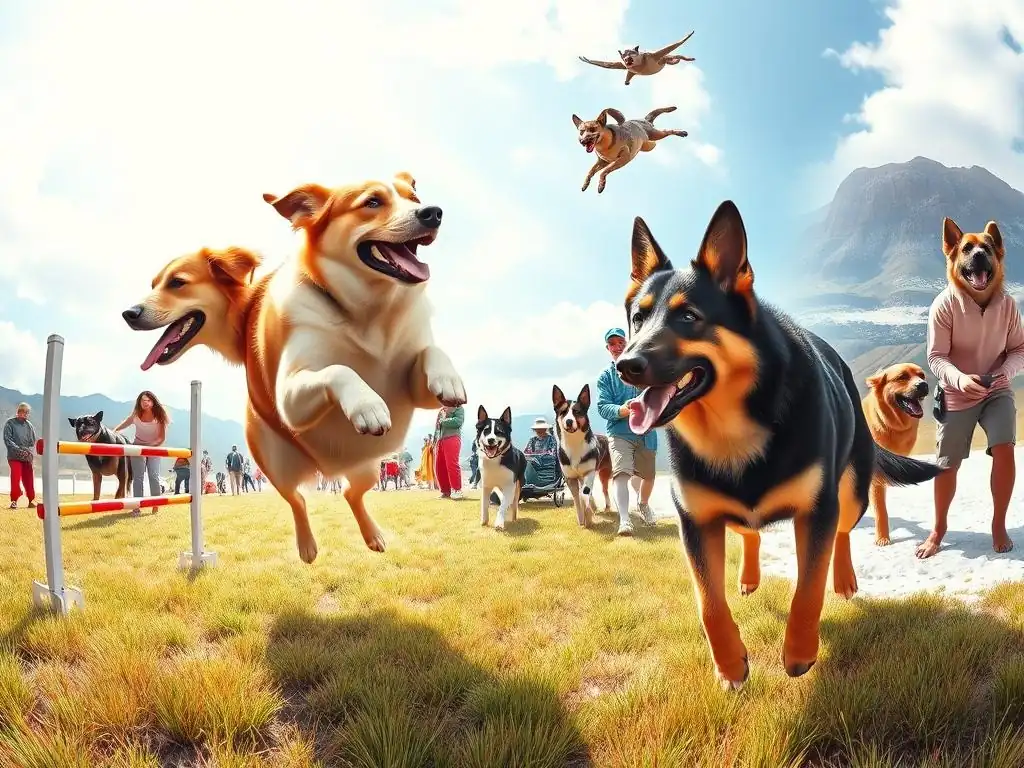
Welcome to PetCareWorld, your ultimate guide to a happier, healthier life for your beloved pet! Are you ready to unlock your dog's athletic potential and strengthen your bond? Finding the perfect dog sport can be challenging, but our expert guide on "Best dog sport for my dog" will help you discover the ideal activity tailored to your canine companion's breed, personality, and energy levels. Dive in and discover the exciting world of canine sports – your adventure starts now!
- Understanding Your Dog's Breed and Temperament: Key to Selecting the Best Dog Sport
-
Popular Dog Sports and Activities: Exploring Your Options
- Agility Training: A Thrilling Challenge for Athletic Dogs
- Obedience Competitions: Showcasing Your Dog's Training Prowess
- Rally Obedience: A Fun and Engaging Team Sport
- Dock Diving: Unleashing Your Dog's Natural Instininct
- Flyball: A High-Energy Team Sport Requiring Speed and Coordination
- Scent Work: Engaging Your Dog's Nose in a Stimulating Activity
- Canicross: Running with Your Dog for a Great Workout
- Freestyle Dog Dancing: A Creative and Fun Sport
- Protection Sports: Suitable for Specific Breeds and Training
- Finding the Right Dog Sport for Your Lifestyle: Time Commitment and Resources
- Getting Started: Training Tips and Resources for Dog Sports
- Beyond the Competition: The Benefits of Dog Sports for You and Your Dog
- Choosing the Best Dog Sport for My Dog: A Recap and Next Steps
- Frequently Asked Questions
- Final Reflection: Unlocking Your Dog's Potential Through the Right Sport
- Unleash Your Dog's Potential: Find Their Perfect Sport!
Understanding Your Dog's Breed and Temperament: Key to Selecting the Best Dog Sport
Choosing the right dog sport for your canine companion is a crucial step in building a strong bond and ensuring both your and your dog's enjoyment. Finding the perfect fit isn't just about picking a fun activity; it's about understanding your dog's unique physical and mental attributes to maximize their potential and prevent frustration for both of you. This comprehensive guide will help you navigate the exciting world of dog sports, focusing on how to identify the best match for your furry friend.
We'll explore how your dog's breed, temperament, and physical capabilities influence the suitability of different canine activities, ultimately helping you answer the question: "What's the best dog sport for my dog?" The journey to finding the perfect sport is an exciting one, filled with opportunities for you and your dog to grow together. Let's begin by assessing your dog's inherent characteristics.
Assessing Your Dog's Physical Capabilities: Energy Levels and Breed Predispositions
Before diving into specific dog sports, a thorough assessment of your dog's physical capabilities is paramount. Consider your dog's breed predispositions and energy levels. High-energy breeds like Border Collies or Australian Shepherds need demanding activities to thrive, while lower-energy breeds like Bulldogs or Pugs might excel in less strenuous sports.
For instance, a high-energy dog might excel in agility, flyball, or frisbee, requiring significant bursts of speed and stamina. On the other hand, a dog with lower energy might prefer activities like canine freestyle or scent work, which require less intense physical exertion but still provide mental stimulation. Observe your dog's behavior – does it tire easily or bounce back quickly after playtime? Does it exhibit a natural inclination towards running, jumping, or sniffing?
These observations provide valuable insights into its physical capabilities and preferred activity levels. Remember to consider any physical limitations your dog may have, such as age, joint issues, or previous injuries, and adjust your choice accordingly. Selecting a sport that respects your dog's physical limitations is key to its safety and well-being.
Your dog's personality plays a vital role in determining the suitability of different dog sports. Some dogs are naturally playful and thrive in interactive games, while others might prefer more independent activities. Similarly, a dog's focus and attention span will significantly impact its ability to learn and excel in certain sports.
Some sports, like obedience or rally, require high levels of focus and concentration. Dogs who are easily distracted might find these challenging. Conversely, playful and energetic dogs might excel in sports like agility or dock diving, where they can express their enthusiasm. Social skills are also crucial. If your dog is friendly and enjoys interacting with other dogs, team sports like flyball or dock diving might be ideal.
However, if your dog is more reserved or has social anxiety, individual sports such as scent work or tracking might be a better choice. Consider your dog's temperament – is it confident, timid, independent, or highly social? This assessment will help you narrow down the options and select a sport that complements their personality. Remember, a happy dog is a successful dog!
Matching Breed Traits to Suitable Dog Sports: A Comprehensive Guide
Understanding your dog's breed characteristics can provide valuable clues about its potential in different dog sports. Certain breeds are naturally predisposed to excel in specific activities. For example, breeds known for their herding instincts, such as Border Collies, often thrive in herding competitions or agility. Breeds with a strong prey drive, such as Terriers, might excel in scent work or tracking. However, it's important to remember that these are general guidelines, and individual dogs may vary significantly from breed standards.
| Breed Type | Suitable Dog Sports | Considerations |
|---|---|---|
| Herding Breeds | Agility, Herding, Obedience, Flyball | High energy, need mental stimulation, often excel in team-oriented activities |
| Sporting Breeds | Retrieving, Field Trials, Dock Diving | High stamina, love to fetch, enjoy water activities |
| Working Breeds | Weight pulling, Protection work, Carting | Strong, powerful, require significant physical and mental challenges |
| Toy Breeds | Agility (smaller courses), Obedience, Canine Freestyle | Smaller size, need less intense exercise, can be easily trained |
| Non-Sporting Breeds | Obedience, Rally, Canine Freestyle, Scent Work | Vary greatly in energy levels and personality, choose sport based on individual dog |
This table provides a general overview; further research into specific breeds is always recommended. The best approach remains careful observation of your dog's individual traits and preferences. Remember that the goal is to find a sport that both you and your dog will enjoy! Finding the perfect match will enrich your relationship and provide countless hours of fun and rewarding experiences.
Popular Dog Sports and Activities: Exploring Your Options
This section dives into some of the most popular dog sports and activities, helping you determine the best dog sport for your dog, based on their breed, temperament, and energy levels. Remember, the ideal sport should be enjoyable for both you and your canine companion! Choosing the right activity can strengthen your bond and provide enriching mental and physical stimulation. Let's explore some exciting possibilities.
Agility Training: A Thrilling Challenge for Athletic Dogs
Agility training is a fantastic choice for athletic dogs who love to run, jump, and climb. This fast-paced sport involves navigating an obstacle course, testing your dog's speed, coordination, and obedience. It's a physically demanding activity, so it's best suited for breeds known for their stamina and agility, such as Border Collies, Australian Shepherds, and Jack Russell Terriers. However, many other breeds can also excel with proper training and conditioning.
The course includes a variety of obstacles, including jumps of varying heights, tunnels, weave poles, teeter-totters, and A-frames. Success in agility relies on a strong bond between dog and handler, clear communication, and consistent training. Proper training techniques are crucial to avoid injuries and ensure your dog enjoys the experience.
Several levels of competition exist, catering to dogs of all skill levels and experience. Beginners can start with basic obedience and obstacle familiarization, gradually progressing to more challenging courses. The rewarding aspect of agility is the palpable excitement and teamwork between dog and handler, creating a truly unique and fulfilling experience. It's not just about winning; it's about the journey and the strengthening of your relationship.
Obedience Competitions: Showcasing Your Dog's Training Prowess
Obedience competitions provide a structured environment to showcase your dog's training and discipline. These competitions evaluate a dog's ability to follow commands precisely and consistently, demonstrating excellent control and responsiveness to their handler. This sport emphasizes precision, focus, and the handler's ability to communicate effectively with their dog.
Different levels of obedience competitions exist, ranging from beginner to advanced. Each level presents increasingly challenging exercises, testing the dog's mastery of various commands such as sit, stay, down, come, heel, and retrieving objects. Success in obedience requires dedication, patience, and consistent training using positive reinforcement methods.
Breeds known for their intelligence and trainability, such as German Shepherds, Poodles, and Labrador Retrievers, often excel in obedience competitions. However, any dog, regardless of breed, can participate and achieve success with proper training and a dedicated handler. The focus on precision and control translates into a well-behaved and responsive companion, even outside the competition arena. The rewards extend beyond trophies and ribbons; a well-trained dog is a joy to live with.
Rally Obedience: A Fun and Engaging Team Sport
Rally obedience offers a more relaxed and less formal alternative to traditional obedience competitions. It combines elements of obedience with a fun and engaging team approach. Instead of performing exercises in a static position, handlers guide their dogs through a course marked with numbered signs indicating the next command. This dynamic format makes it a more enjoyable experience for both the dog and handler.
This sport emphasizes teamwork and positive reinforcement, fostering a strong bond between the dog and handler. The focus is less on strict precision and more on the smooth execution of commands and the overall enjoyment of the activity. It's a great option for dogs who might find the formality of traditional obedience competitions stressful or overwhelming.
Rally obedience is suitable for a wide range of breeds and skill levels, making it an accessible and rewarding sport for many dog-owner teams. The emphasis on fun and cooperation promotes a positive training experience, building confidence and strengthening the bond between dog and handler. The friendly and supportive atmosphere of rally obedience competitions makes it a particularly welcoming environment for newcomers to dog sports. It's a fantastic way to build a strong team and celebrate the joy of working together.
Dock Diving: Unleashing Your Dog's Natural Instininct
Dock diving is a thrilling canine sport that taps into a dog's natural love of water and jumping. It involves dogs leaping from a dock into a body of water, with the distance of their jump being the primary judging criterion. The sport is incredibly popular because it's accessible to a wide range of breeds and sizes, from small, agile dogs like Jack Russells to larger, powerful breeds like Labrador Retrievers. Many dogs instinctively enjoy the activity, making it a fun and rewarding experience for both the canine athlete and their owner.
The competition aspect adds an exciting element, fostering a strong bond between dog and handler through training and shared accomplishment. Beyond the competitive side, dock diving provides excellent physical exercise, mental stimulation, and a chance for dogs to express their natural athleticism. It's also a fantastic way to socialize your dog, exposing them to other dogs and people in a positive and controlled environment. Different diving styles, such as distance jumping and hurdle jumping, add variety and keep things interesting for both the dog and the handler.
Successfully navigating the training process and seeing your dog progress in the sport is incredibly rewarding, building confidence in both of you. Furthermore, many dock diving events are family-friendly, creating a fun and social atmosphere for everyone involved. The joy on a dog's face as they soar through the air is a testament to the sport's appeal.
Flyball: A High-Energy Team Sport Requiring Speed and Coordination
Flyball is a fast-paced and exciting team sport that demands both speed and coordination from both dog and handler. Teams of four dogs, each with their handler, race against each other to retrieve a ball from a flyball box. The box launches a tennis ball when a dog triggers a pressure pad, and the dog then must retrieve the ball, return to their handler, and pass the baton to the next dog on their team. This requires incredible agility, speed, and a strong understanding between the dog and their handler.
The sport is especially well-suited for high-energy breeds that thrive on physical and mental stimulation. Training for flyball involves teaching dogs to retrieve the ball, run through a course, and trigger the flyball box correctly. This process requires patience and consistency, as well as a clear understanding of canine learning principles. Successful flyball teams demonstrate exceptional teamwork and coordination, with each dog and handler working in perfect harmony.
The competitive aspect of flyball adds an element of excitement and challenge, pushing both dogs and handlers to improve their skills and teamwork. Moreover, flyball is a fantastic way to socialize dogs and build strong bonds between owners and their canine companions. The camaraderie and support within flyball communities are also significant draws for many participants. Witnessing the sheer speed and precision of a well-trained flyball team is truly impressive, showcasing the incredible athletic capabilities of dogs.
Scent Work: Engaging Your Dog's Nose in a Stimulating Activity
Scent work is a mentally stimulating dog sport that capitalizes on a dog's natural ability to detect and follow scents. It involves training dogs to locate specific scents hidden in various containers or environments. This engaging activity is perfect for dogs of all breeds and sizes, as it primarily focuses on their sense of smell rather than physical agility. The sport often uses a variety of scents, providing continuous mental challenge and preventing boredom. This can be especially beneficial for dogs who might struggle with high-energy activities or have physical limitations.
Training for scent work involves gradually introducing your dog to the target scents and teaching them to associate the scents with a reward. The process is often broken down into manageable steps, making it accessible even to novice dog owners. The rewarding aspect of scent work lies not only in the competitive element but also in the immense satisfaction of witnessing your dog's focus and problem-solving skills. The sport encourages a deeper understanding between dog and handler, strengthening their bond through shared learning and accomplishment.
Beyond the competitive arena, scent work provides enriching mental stimulation, reducing boredom and preventing behavioral issues. Many dogs find scent work incredibly satisfying, and the positive reinforcement techniques used in training further enhance their well-being. The focus and concentration required in scent work are also valuable skills that can transfer to other aspects of a dog's life. Seeing your dog's nose at work is a captivating experience, demonstrating the amazing power of their olfactory sense.
Canicross: Running with Your Dog for a Great Workout
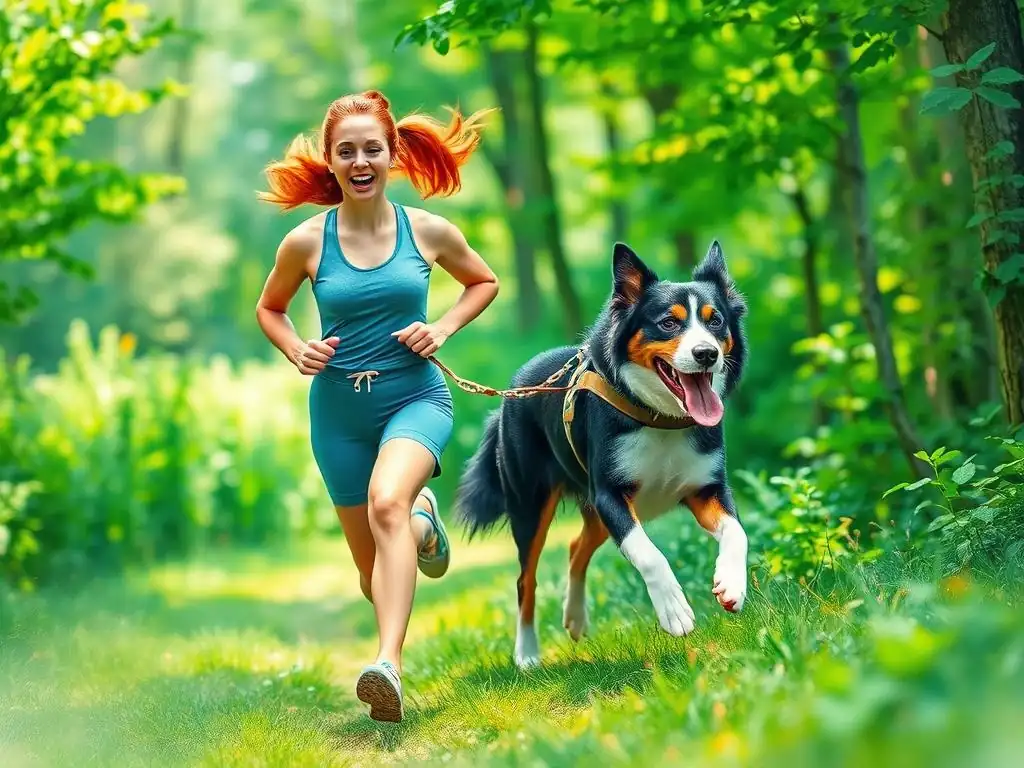
Canicross, a dynamic and increasingly popular dog sport, offers a fantastic way to bond with your canine companion while enjoying a vigorous workout. This exhilarating activity involves running with your dog, connected by a bungee line that absorbs the shock of your dog's pulls, preventing injury to both runner and dog. The bungee's elasticity allows for a natural running gait for both participants.
Choosing the right harness and bungee line is crucial; poorly fitting equipment can lead to discomfort or injury. Look for harnesses that distribute the pull evenly across your dog's chest and avoid those that place pressure on their neck or throat. A well-fitted harness is essential for a safe and enjoyable canicross experience.
Canicross isn't just about speed; it's about building a strong bond with your dog through shared physical activity. The training process itself is beneficial, fostering communication and trust between you and your furry friend. Beginners should start with shorter runs and gradually increase distance and intensity as both you and your dog build endurance. Always monitor your dog's body language; signs of fatigue or discomfort should signal a break.
Remember to hydrate adequately, both you and your dog, especially during warmer weather. Canicross is a rewarding activity that combines fitness, fun, and strong companionship, making it an excellent choice for active dog owners and their energetic pups. Remember to consult your veterinarian before starting any new exercise regime with your dog, especially if they have any pre-existing health conditions.
Freestyle Dog Dancing: A Creative and Fun Sport
Freestyle dog dancing, also known as canine freestyle, is a captivating sport that blends dance, choreography, and the unique bond between human and canine. This expressive activity allows for limitless creativity, with routines ranging from graceful waltzes to energetic jigs, all performed in perfect harmony with your dog. Unlike obedience-based dog sports, freestyle emphasizes fun and creative expression. The focus is on the partnership, with the dog responding enthusiastically to its owner's cues and the overall performance showcasing a joyful connection.
The beauty of freestyle dog dancing lies in its adaptability. It's suitable for dogs of all breeds and sizes, provided they are physically able and enjoy the activity. The training process is a journey of creative collaboration, building trust and understanding between you and your dog. It involves teaching your dog various tricks and movements, incorporating them into a choreographed routine set to music.
Success in freestyle dog dancing relies heavily on positive reinforcement techniques, rewarding your dog for their efforts and encouraging them to participate enthusiastically. The result is a mesmerizing performance that showcases both skill and the remarkable bond between a dog and its handler. Many competitive freestyle dog dancing events exist, providing opportunities to showcase your talent and enjoy friendly competition within a supportive community.
Protection Sports: Suitable for Specific Breeds and Training
Protection sports, encompassing disciplines like Schutzhund and similar canine protection work, demand specialized training and are not suitable for every dog. These sports focus on developing a dog's protective instincts and abilities under controlled conditions. They require a significant commitment to training, involving advanced obedience skills, bite work, and tracking. The training process is rigorous and requires a skilled handler with experience in canine behavior and protection training. Improper training can lead to aggression or behavioral issues, making careful selection of a qualified trainer crucial.
Not all breeds are suited to protection sports; certain breeds are naturally predisposed to these activities, while others may find the demands too stressful or challenging. Breeds often associated with protection work include German Shepherds, Belgian Malinois, and Dutch Shepherds. However, even within these breeds, individual temperament and suitability should be carefully assessed before undertaking training. The inherent risks involved in protection sports necessitate a deep understanding of canine behavior, safety protocols, and responsible handling techniques.
A strong emphasis on positive reinforcement, combined with clear communication and consistent training, is vital to ensure the dog's well-being and safety throughout the training process. Protection sports are demanding but offer a unique and rewarding experience for those with the right dog, training, and commitment. It is crucial to remember that responsible ownership and ethical training practices are paramount in this demanding field.
Finding the Right Dog Sport for Your Lifestyle: Time Commitment and Resources
Choosing the "best dog sport for my dog" isn't solely about your canine companion's abilities; it's also about your own lifestyle and resources. A demanding sport like agility requires a significant investment of time and money, while something like canine freestyle might be more manageable for a busy owner. Let's examine the crucial factors of time and financial resources to ensure a sustainable and enjoyable experience for both you and your furry friend.
Assessing Your Time Commitment: Realistic Expectations for Training and Competition
The time commitment for dog sports varies dramatically. Agility, for instance, demands consistent training sessions, often several times a week, each lasting for at least an hour. This includes practicing individual obstacles, refining sequences, and building your dog's stamina and focus. Furthermore, competition involves travel to events, potentially overnight stays, and managing pre- and post-competition routines. Contrast this with obedience, where shorter, more frequent training sessions might suffice, especially if your goal is simply to improve your dog's everyday behavior rather than compete at a high level.
Consider your weekly schedule. Are you able to dedicate several hours per week to training, plus additional time for travel and preparation for competitions? If not, a less demanding sport like rally obedience or nose work might be a better fit. Be realistic about your available time. Overcommitting can lead to burnout for both you and your dog, ultimately hindering progress and enjoyment. Remember, consistency is key, and short, focused sessions are often more effective than infrequent, long ones. A realistic schedule will ensure a positive and rewarding experience for your canine partner.
Evaluating Your Financial Resources: Costs Associated with Equipment and Entry Fees
The financial aspect is another critical factor in choosing the right dog sport. Some sports, such as agility, require a substantial initial investment in equipment. This includes obstacles (jumps, tunnels, weave poles), training gear, and potentially specialized dog boots or protective gear. Entry fees for competitions can also add up, particularly if you plan to participate in multiple events throughout the year. Other sports, such as disc dog or scent work, may require less specialized equipment, reducing the upfront cost.
Consider creating a budget. List all potential costs: equipment purchase, maintenance, training classes (if applicable), competition entry fees, travel expenses, potential veterinary bills resulting from injuries (however unlikely), and even grooming costs if required by the sport. Remember that costs can escalate quickly, so responsible budgeting is crucial. Factor in unexpected expenses. A broken obstacle or an unexpected vet visit can significantly impact your overall budget. Choosing a sport that aligns with your financial capabilities will ensure a stress-free and enjoyable experience for both you and your dog.
Balancing Your Lifestyle with Your Dog's Needs: Finding a Sustainable Approach
The "best dog sport for my dog" is ultimately a balance between your lifestyle, your dog's physical and mental capabilities, and your shared enjoyment. A highly energetic Border Collie might thrive in agility, while a more laid-back Greyhound might prefer lure coursing. Assess your dog's breed characteristics, energy levels, and temperament. Observe their natural inclinations and preferences. Does your dog enjoy chasing balls? Do they have a keen sense of smell? These inherent traits can guide you towards suitable activities.
Consider your dog's age and health. A senior dog, for example, might not be suited for high-impact sports like agility. Start slowly and gradually increase the intensity and duration of training sessions. Always prioritize your dog's well-being. Observe them carefully for signs of fatigue, discomfort, or injury. Remember that dog sports should be fun and rewarding for both of you. If you find yourselves dreading training sessions or competitions, it might be time to reconsider your choice of sport or adjust your approach. A sustainable approach ensures a long-lasting and mutually beneficial relationship between you and your canine companion.
Getting Started: Training Tips and Resources for Dog Sports
Finding the best dog sport for your canine companion is an exciting journey, but it requires careful planning and a commitment to consistent training. Success hinges not just on choosing the right sport, but also on employing effective training techniques and utilizing helpful resources. This section provides a foundational understanding of how to begin your dog sports adventure. Remember, patience and positive reinforcement are key ingredients in a successful training program. Every dog learns at its own pace, and celebrating even small victories helps build your dog's confidence and reinforces positive behaviors.
Finding a Qualified Trainer: Importance of Professional Guidance
Seeking guidance from a qualified and experienced dog trainer is invaluable, particularly when starting out in dog sports. A professional trainer can assess your dog's temperament, physical capabilities, and learning style to recommend suitable sports and tailor a training plan accordingly. They can also identify and correct any potential training errors early on, preventing the development of bad habits. Look for trainers with certifications from reputable organizations and positive reviews from past clients.
A good trainer will prioritize positive reinforcement methods, focusing on building a strong bond between you and your dog through rewarding desired behaviors. This positive approach is crucial for maintaining your dog's motivation and preventing stress or anxiety. The investment in professional guidance will pay dividends in the long run, leading to a more enjoyable and successful dog sports experience. Consider attending group classes initially to socialize your dog and learn from other owners.
Starting Slow and Building Confidence: Gradual Progression in Training
It's crucial to avoid overwhelming your dog with too much too soon. Begin with short, frequent training sessions, gradually increasing the duration and intensity as your dog's skills and stamina improve. Focus on building a solid foundation in basic obedience commands such as "sit," "stay," "come," and "leave it" before progressing to more complex skills specific to the chosen sport. Celebrate every achievement, no matter how small, with praise, affection, and perhaps a favorite treat.
This positive reinforcement is essential for maintaining motivation and building confidence. Regular breaks during training are also essential to prevent your dog from becoming fatigued or frustrated. Observe your dog closely for signs of stress or discomfort, such as panting excessively, yawning, or avoiding eye contact. If you notice these signs, take a break and reassess your approach.
Remember, consistency is key. Regular, short training sessions are far more effective than infrequent, long ones. A gradual and patient approach will significantly enhance your dog's learning process and overall enjoyment of the sport.
Essential Equipment for Different Dog Sports
The equipment needed will vary significantly depending on the specific dog sport you choose. However, some items are commonly used across multiple disciplines. For example, a well-fitting harness is crucial for many sports, providing comfortable and secure support for your dog. Avoid using choke chains or other aversive training tools.
Instead, opt for positive reinforcement methods and equipment that promotes a positive training experience. A high-value reward system, such as small pieces of your dog’s favorite treats or a favorite toy, is also essential for successful training. For agility, you'll need jumps, tunnels, and weave poles. For flyball, you'll need a flyball box and specially designed balls.
For scent work, you'll need scent containers and various scents. Before purchasing any equipment, research the specific requirements of your chosen sport and ensure the equipment is of high quality and appropriate for your dog's size and breed. Investing in durable and safe equipment will contribute to a long-lasting and positive experience in dog sports. Consider the long-term costs associated with maintaining and replacing equipment as part of your budgeting process.
Positive Reinforcement Training: Building a Strong Bond with Your Dog
Positive reinforcement is the cornerstone of successful dog sports training, and arguably the most crucial aspect of building a strong and trusting relationship with your canine companion. It's a training method based on rewarding desired behaviors, making it far more effective and humane than punishment-based approaches. Instead of focusing on correcting mistakes, positive reinforcement emphasizes rewarding the right actions, encouraging your dog to repeat them. This creates a positive learning environment where your dog actively wants to please you, leading to faster progress and a deeper bond.
Think of it like this: imagine you're learning a new skill. Would you be more motivated to continue if you were constantly criticized for your mistakes, or if you were praised and rewarded for each small success? The same principle applies to your dog. Positive reinforcement fosters a collaborative partnership, not a power struggle.
The key elements of positive reinforcement include using high-value rewards that your dog finds irresistible. This could range from their favorite treats to enthusiastic praise and even a favorite toy. Timing is also critical; rewards should be given immediately after the desired behavior occurs to effectively reinforce the connection. Consistency is paramount; using the same commands and reward system consistently helps your dog understand expectations and reduces confusion.
A common misconception is that positive reinforcement is "soft" or ineffective. However, this couldn't be further from the truth. Many highly skilled working dogs, from police K9s to service animals, are trained using positive reinforcement techniques. This method builds a strong foundation of trust and communication, enabling dogs to perform complex tasks reliably and willingly. The focus on reward, rather than punishment, creates a motivated and engaged learner, leading to better results in the long run.
Furthermore, the bond built through positive reinforcement translates beyond the training environment, enriching your daily life with your dog. This makes the training process itself a rewarding experience for both you and your furry friend. It's about building a positive relationship, not just achieving a specific skill. This leads to a more enjoyable and successful journey in any dog sport you choose. Remember, patience and consistency are key!
Beyond the Competition: The Benefits of Dog Sports for You and Your Dog
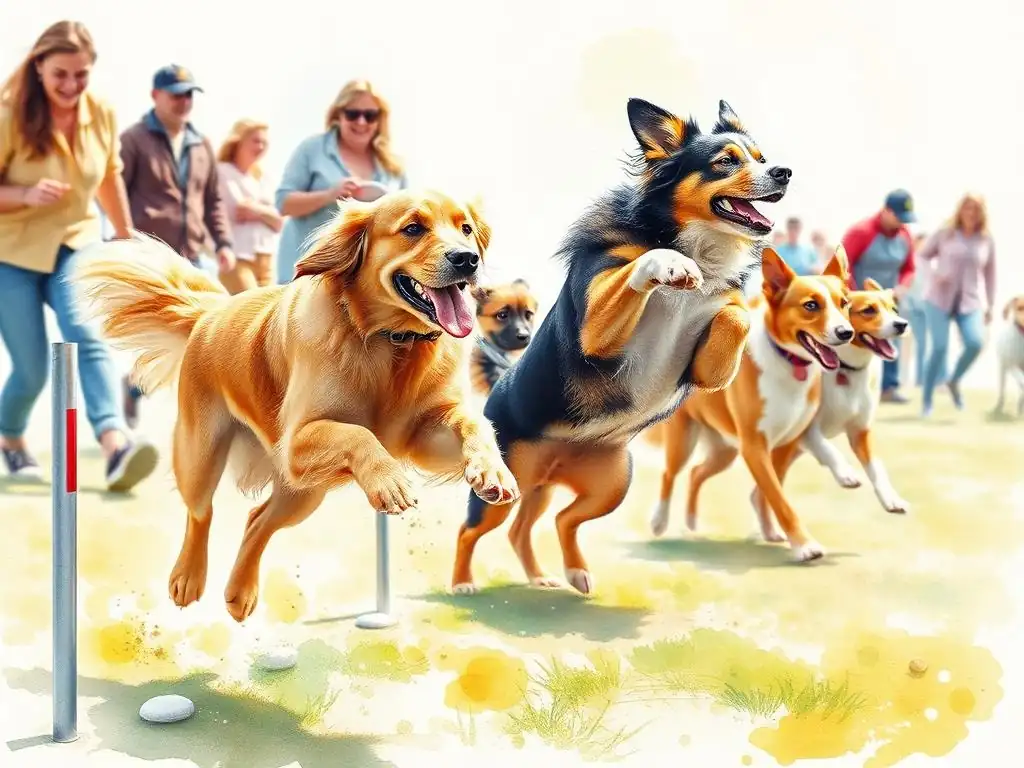
Participating in dog sports offers a wealth of advantages that extend far beyond the thrill of competition. For many owners searching for the "best dog sport for my dog," the focus often remains solely on winning. However, the true rewards lie in the strengthened bond with your canine companion and the positive impact on both your physical and mental well-being. Engaging in these activities fosters a deeper connection, improves communication, and provides invaluable opportunities for socialization.
Let's delve into the multifaceted benefits of dog sports. The positive effects are numerous and often underestimated by potential participants. This section will explore these advantages in detail, helping you understand the holistic benefits for both you and your furry friend.
Strengthening the Bond Between You and Your Dog: Building Trust and Communication
Dog sports are inherently interactive, demanding close collaboration and communication between handler and dog. The training process itself fosters a deep connection. Whether it's learning intricate commands in obedience or mastering precise movements in agility, the shared experience strengthens the bond. This isn't just about teaching tricks; it's about building trust, understanding, and mutual respect.
Consider the following examples: a dog successfully navigating an agility course builds confidence in both dog and owner, while mastering a complex scent work trail strengthens the dog's reliance on its handler's guidance. The shared successes build a powerful, positive feedback loop, strengthening the bond exponentially. The level of communication required, from subtle hand signals to vocal cues, strengthens the understanding between you and your dog, resulting in a more harmonious relationship outside of training as well. This enhanced communication transcends the sporting arena, improving your overall relationship with your pet.
Providing Mental and Physical Stimulation: Preventing Boredom and Behavioral Issues
A bored dog is often a destructive dog. Dog sports provide a crucial outlet for a dog's natural instincts, preventing boredom and the behavioral problems that often stem from it. The physical exertion involved in many sports, such as agility, flyball, or dock diving, keeps your dog fit and healthy.
This physical activity is crucial for maintaining a healthy weight and preventing obesity-related health problems. Furthermore, the mental stimulation involved in learning new skills and commands keeps your dog engaged and mentally sharp. For example, a dog learning to discriminate between different scents in nose work is engaging its brain in a challenging and rewarding way.
This mental stimulation prevents boredom and can reduce the likelihood of destructive behaviors like excessive barking, chewing, or digging. Consider breeds like Border Collies or German Shepherds; their high energy levels and intelligence demand significant mental and physical stimulation, making dog sports an ideal solution for preventing behavioral issues.
Participating in dog sports provides invaluable socialization opportunities for both you and your dog. Dog sports events often attract a community of like-minded individuals passionate about their canine companions. This creates a supportive environment where you can meet other dog owners, share experiences, and learn from one another.
For your dog, it's a chance to interact with other dogs in a controlled and positive setting. This controlled interaction can be especially helpful for puppies or dogs with socialization challenges. Properly managed, these interactions can help your dog develop appropriate social skills and reduce anxieties around other dogs.
The shared passion for the sport creates a sense of community, providing support and camaraderie among participants. This social aspect can significantly enhance the overall experience and make dog sports a truly enriching activity for both you and your pet. The benefits extend beyond the immediate event, creating lasting friendships and a supportive network for pet owners.
Choosing the Best Dog Sport for My Dog: A Recap and Next Steps
This section summarizes key considerations from the previous sections and outlines actionable steps to help you choose the best dog sport for your canine companion. Remember, the ideal sport isn't just about your dog's physical capabilities; it also hinges on their temperament, your experience level, and the time commitment you can realistically offer. Finding the perfect fit involves a careful assessment and a thoughtful approach to training. Let's delve into the next steps to help you find the best dog sport for your dog.
Reviewing Your Dog's Profile and Matching it to Suitable Activities
Before diving into specific training plans, let's revisit your dog's profile. Consider the following factors:
- Breed: Certain breeds have predispositions towards specific activities. For example, Border Collies excel in agility due to their herding instincts and intelligence, while Labrador Retrievers often thrive in retrieving sports. However, this is just a guideline; individual dogs can vary greatly.
- Age and Health: A senior dog with arthritis might not be suitable for high-impact sports like flyball, while a young, energetic puppy might need gentler introductions to activities. Consult your veterinarian before starting any strenuous activity.
- Temperament: Is your dog outgoing and confident, or shy and cautious? A timid dog might benefit from less competitive, more relationship-focused activities like canine freestyle or scent work. An energetic and boisterous dog might excel in agility or dock diving.
- Energy Levels: Consider your dog's daily energy expenditure. A high-energy dog needs a demanding sport to burn off excess energy and prevent behavioral problems. A lower-energy dog might be better suited to a less strenuous activity.
| Dog Trait | Suitable Activities | Less Suitable Activities |
|---|---|---|
| High Energy | Agility, Flyball, Dock Diving, Frisbee | Scent Work, Obedience, Rally Obedience |
| Low Energy | Scent Work, Obedience, Rally Obedience, Canine Freestyle | Agility, Flyball, Dock Diving |
| Calm Temperament | Obedience, Rally Obedience, Scent Work, Canine Freestyle | Flyball, Schutzhund |
| Bold Temperament | Agility, Flyball, Schutzhund, Dock Diving | Scent Work, Obedience (may find it boring) |
Matching your dog's profile to suitable activities requires careful observation and understanding. Remember, even within a single sport, there are variations in intensity and demands.
Creating a Training Plan: Setting Realistic Goals and Milestones
Once you've selected a potential dog sport, creating a structured training plan is crucial. Avoid overwhelming your dog with intense training sessions. Start slowly and gradually increase the duration and intensity of training as your dog progresses.
- Start with the Basics: Before tackling complex maneuvers, focus on fundamental obedience skills like sit, stay, come, and down. A solid foundation in obedience is essential for success in any dog sport.
- Set Realistic Goals: Don't expect your dog to become a champion overnight. Set small, achievable goals and celebrate each milestone achieved. This positive reinforcement will keep your dog motivated and engaged.
- Break Down Tasks: Complex tasks should be broken down into smaller, manageable steps. This makes the learning process easier for your dog and prevents frustration.
- Positive Reinforcement: Always use positive reinforcement methods, such as treats, praise, and toys. Avoid punishment-based training, as it can damage your relationship with your dog and hinder their progress.
- Regularity is Key: Consistent training sessions, even if short, are more effective than infrequent, long sessions. Aim for short, frequent training sessions to maintain your dog's interest and prevent burnout.
Example Training Schedule (Agility):
- Week 1-2: Focus on basic obedience commands (sit, stay, down, come). Introduce the jump.
- Week 3-4: Practice weaving poles. Introduce the tunnel.
- Week 5-6: Combine jumps and weaves. Introduce the A-frame.
- Week 7-8: Begin combining all obstacles in a simple course.
Remember to adjust this schedule based on your dog's progress and learning speed. Flexibility is key!
Enjoying the Journey: Embracing the Fun and Challenges of Dog Sports
Participating in dog sports is not just about winning; it's about strengthening the bond with your dog, providing them with mental and physical stimulation, and enjoying the journey together. Remember these key points:
- Focus on Fun: Keep training sessions engaging and enjoyable for both you and your dog. If your dog is not having fun, it will show in their performance and attitude.
- Celebrate Successes: Acknowledge and celebrate every achievement, no matter how small. Positive reinforcement is crucial for maintaining motivation and building confidence.
- Don't Be Afraid to Ask for Help: Don't hesitate to seek guidance from experienced dog trainers or other participants in your chosen sport. They can offer valuable advice and support.
- Embrace the Challenges: There will be setbacks and challenges along the way. Don't get discouraged. Learn from your mistakes and keep moving forward. The journey is just as important as the destination.
The most important aspect of choosing a dog sport is to find an activity that both you and your dog enjoy. By carefully considering your dog's individual needs and preferences, and by approaching training with patience and positive reinforcement, you can embark on a rewarding and fulfilling journey together. Remember, the best dog sport is the one that strengthens your bond and brings you both joy! 🎉
Frequently Asked Questions
What dog sports are best for small dogs?
Small dogs can excel in sports like agility, flyball, and obedience. These require less intense physical exertion but still offer mental stimulation and a strong bond with their handler. Choose based on your dog's temperament and energy levels.
Are there dog sports suitable for senior dogs?
Yes! Nose work and rally obedience are great options for older dogs. These activities provide mental enrichment without placing excessive strain on their joints. Focus on shorter sessions and prioritize your dog's comfort.
How do I know if my dog will enjoy a particular dog sport?
Observe your dog's natural instincts and behaviors. Does your dog love to chase? Try flyball or lure coursing. Does your dog enjoy puzzles? Consider nose work. Start with introductory classes to gauge their interest.
What equipment do I need to get started in dog sports?
The necessary equipment varies depending on the sport. Basic obedience requires minimal equipment. Agility needs jumps, tunnels, and weave poles. Research the specific equipment requirements for your chosen sport before investing.
How much time commitment is involved in dog sports?
The time commitment depends on the chosen sport and your goals. Some sports require daily training sessions, while others may only need weekly practice. Start slowly and gradually increase training time as your dog progresses. Remember to prioritize fun and bonding over competition.
Final Reflection: Unlocking Your Dog's Potential Through the Right Sport
Choosing the right dog sport is not merely about finding an activity; it's about forging a deeper bond with your canine companion and unlocking their unique potential. The journey of discovering the perfect fit, as explored throughout this article, is a testament to the incredible versatility and intelligence of our four-legged friends. It's a journey that rewards both owner and dog with immeasurable joy and shared accomplishment.
The impact of dog sports extends far beyond the competition arena; it shapes the very fabric of our relationship with our pets. These activities provide crucial mental and physical stimulation, fostering a stronger bond built on trust, communication, and mutual respect. As renowned dog trainer, Karen Pryor, wisely stated: Training is not about making the dog do what you want, but about making the dog want to do what you want.
This quote perfectly encapsulates the spirit of choosing the right sport – it's about finding an activity that genuinely excites and motivates your dog, leading to a more harmonious and fulfilling partnership.
Now, consider your own dog. What are their natural instincts and inclinations? What activities bring them the most joy? Take the time to reflect on these questions, and use the information presented in this article as a guide to explore the vast world of canine sports. Don't be afraid to experiment, to try different activities, and to discover the unique brilliance that lies within your furry friend. The journey of finding the perfect fit is an adventure in itself, and the rewards are immeasurable. Embrace the challenge, and embark on this enriching experience with your beloved companion.
Unleash Your Dog's Potential: Find Their Perfect Sport!
Thanks for exploring the exciting world of dog sports with us! We hope you now have a clearer understanding of how to find the perfect activity to strengthen your bond with your furry friend and build their confidence. Ready to take the next step?
- Start researching local dog sport clubs or trainers: Find a group near you specializing in a sport that excites both you and your dog. This is the crucial first step.
- Try a trial class or consultation: Many clubs offer introductory sessions, allowing you to experience the sport firsthand before committing. This helps ensure a good match and avoids disappointment.
- Share your excitement! Tell your friends and fellow dog lovers about your new discovery – maybe they'll join you on this fun adventure!
What dog sport are you most excited to try with your canine companion? Let's discuss in the comments!