
Raw Food & Weight Management: Achieving Your Dog's Ideal Physique

Welcome to PetCareWorld, your ultimate guide to a happier, healthier life for your beloved pets! Are you looking for a revolutionary approach to help your canine companion achieve their ideal weight? Discover the potential of dog raw food weight loss and unlock the secrets to a leaner, more energetic pup. Dive into our expert guide on raw food diets and weight management – your journey to a fitter furry friend starts here!
- Understanding Canine Obesity and its Impact
- Raw Food Diet for Weight Loss in Dogs: Benefits and Considerations
- Crafting a Weight Loss Plan with Raw Food for Your Dog
- Maintaining a Healthy Weight with Raw Food: Long-Term Strategies
- Raw Food Recipes for Canine Weight Management
-
Frequently Asked Questions
- How can raw food diets help my dog lose weight?
- What are the potential risks of putting my dog on a raw food diet for weight loss?
- Are there specific types of raw food best for weight loss in dogs?
- How do I transition my dog to a raw food diet for weight loss?
- How often should I weigh my dog while on a raw food diet for weight loss?
- Final Reflection: The Transformative Power of Raw Food for Canine Wellness
- Unleash Your Dog's Inner Champion: A Raw Food Journey
Understanding Canine Obesity and its Impact
Canine obesity is a significant concern affecting a substantial portion of the dog population. It's not merely a cosmetic issue; excess weight places considerable strain on a dog's vital organs and significantly reduces their overall quality of life and lifespan. This article delves into the crucial role of a raw food diet in achieving and maintaining a healthy weight for your canine companion, specifically addressing the keyword "Dog raw food weight loss." We'll explore how to identify obesity in your dog, the associated health risks, and how a carefully planned raw food diet can contribute to effective weight management. Understanding the nuances of canine nutrition and weight management is paramount for responsible pet ownership, ensuring your dog enjoys a long and healthy life. We'll provide practical advice and insights to help you navigate this crucial aspect of dog care, empowering you to make informed decisions about your furry friend's well-being.
Identifying Obesity in Your Dog: Breed-Specific Considerations
Determining if your dog is overweight requires more than just a visual assessment. While a noticeable pot belly is a clear indicator, breed-specific body condition scoring is crucial for accurate evaluation. Different breeds have varying ideal body compositions. For example, a muscular, athletic breed like a German Shepherd will naturally have a different body shape than a brachycephalic breed like a Bulldog. Therefore, simply comparing your dog to another dog of a different breed is inaccurate.
Instead, familiarize yourself with the body condition scoring system (BCS), typically ranging from 1 (emaciated) to 9 (extremely obese). A score of 4-5 generally represents an ideal body condition. You should be able to easily feel your dog's ribs without excessive fat covering them. A healthy dog should have a clearly defined waist when viewed from above. Consider consulting your veterinarian for a professional assessment and personalized guidance.
They can provide breed-specific advice and help you establish a realistic weight loss goal. Remember, early intervention is key. Addressing weight concerns promptly can significantly mitigate potential health problems down the line. Regular weigh-ins and monitoring your dog's body condition are essential for proactive weight management.
Health Risks Associated with Canine Obesity
Canine obesity is a serious condition linked to a plethora of health issues. These can range from relatively minor problems to life-threatening conditions. The extra weight puts immense strain on joints, leading to osteoarthritis and mobility problems. It increases the risk of diabetes mellitus, a condition characterized by high blood sugar levels, requiring lifelong management. Cardiovascular disease, including heart failure, is another significant risk factor associated with obesity.
Furthermore, obese dogs are more prone to respiratory problems, urinary tract infections, and certain types of cancer. The added stress on the liver and kidneys can also lead to organ dysfunction. In short, managing your dog's weight is crucial not just for their comfort and mobility but also for their overall health and longevity. A proactive approach to weight management can prevent or delay the onset of many serious health complications.
The Role of Diet in Canine Weight Management
Diet plays a pivotal role in achieving and maintaining your dog's ideal weight. While exercise is important, a balanced and appropriately portioned diet is paramount. A raw food diet, when carefully formulated, can be an excellent approach for weight loss in dogs. The high protein content helps maintain muscle mass while reducing body fat.
The natural ingredients and lack of processed fillers contribute to improved metabolism and satiety. However, it is crucial to work with a veterinary nutritionist to create a customized raw food plan tailored to your dog's specific needs, breed, age, activity level, and current weight. A poorly planned raw food diet can lead to nutritional deficiencies or imbalances, potentially exacerbating existing health problems.
Remember that transitioning to a raw food diet should be gradual to avoid digestive upset. Consistent monitoring of your dog's weight and body condition, alongside regular veterinary checkups, are essential throughout the weight loss journey. The key to success lies in a holistic approach that combines a balanced raw food diet with regular exercise and veterinary oversight.
Raw Food Diet for Weight Loss in Dogs: Benefits and Considerations
This section delves into the specifics of utilizing a raw food diet as a tool for canine weight management. While raw feeding offers potential benefits, it's crucial to approach it strategically and with a full understanding of the nutritional nuances. Improperly implemented raw diets can be detrimental to your dog's health, potentially exacerbating weight issues rather than resolving them. This section aims to provide the knowledge necessary to make informed decisions regarding your dog's dietary needs. Successful Dog raw food weight loss requires careful planning and execution.
Nutritional Advantages of Raw Food for Weight Management
Raw food diets, when properly formulated, can contribute to weight loss in dogs through several mechanisms. The high protein content promotes satiety, meaning your dog feels fuller for longer on smaller portions. This is crucial for weight management as it helps curb excessive calorie intake. Furthermore, the naturally occurring moisture in raw food contributes to a higher overall volume compared to dry kibble, again promoting feelings of fullness.
Raw diets, rich in lean protein sources like chicken breast or turkey, are naturally lower in fat compared to some processed dog foods, contributing to a lower caloric density. Finally, the absence of fillers and artificial ingredients often found in commercial dog foods means fewer empty calories are consumed. Remember, the key is balance. A poorly balanced raw diet can still lead to weight gain.
Selecting a Raw Food Diet for Weight Loss: Macronutrient Balance
The cornerstone of successful Dog raw food weight loss is achieving the correct macronutrient balance. This means carefully adjusting the ratio of protein, fat, and carbohydrates to meet your dog's specific needs while promoting weight loss. A general guideline often suggests a higher protein percentage (around 70-80%) to maximize satiety and support muscle mass while minimizing fat (around 10-15%) to reduce caloric intake. Carbohydrates should be kept relatively low (around 5-10%), primarily sourced from healthy options like vegetables and limited fruits.
However, these percentages are not absolute and should be tailored based on your dog's breed, age, activity level, and overall health status. Consult with a veterinary nutritionist for personalized guidance on the ideal macronutrient profile for your dog. They can help you create a balanced and safe raw food plan to support dog raw food weight loss.
Here's a sample macronutrient breakdown for a 20kg dog aiming for weight loss (remember: this is a sample and professional guidance is essential):
| Macronutrient | Percentage | Grams per day (approx.) | Notes |
|---|---|---|---|
| Protein | 75% | 150g | Lean meats like chicken, turkey, rabbit |
| Fat | 15% | 30g | Healthy fats from fish oil, organ meats (in moderation) |
| Carbohydrates | 10% | 20g | Vegetables like green beans, carrots, sweet potatoes |
It is crucial to note that these values are estimations and should be adjusted based on individual needs. Ignoring the importance of proper balance can lead to nutritional deficiencies or excesses, hindering weight loss efforts and potentially harming your dog's health.
Transitioning Your Dog to a Raw Food Diet: A Gradual Approach
Switching your dog to a raw food diet requires a gradual transition to minimize digestive upset. A sudden change can cause diarrhea, vomiting, and other unpleasant side effects. A slow introduction allows your dog's digestive system to adapt to the new food. A common approach is to gradually increase the proportion of raw food over 7-10 days, mixing it with their current food.
Start by replacing 25% of their usual food with raw food for a few days, then increase to 50%, 75%, and finally 100%. Monitor your dog closely throughout the transition period, paying attention to stool consistency, appetite, and energy levels. Any signs of digestive distress warrant slowing down the transition or consulting a veterinarian. Remember, patience and careful monitoring are key to a successful transition to a raw food diet and achieving effective dog raw food weight loss.
A rushed transition can easily undo all the potential benefits of switching to a raw diet. Consider consulting with a veterinary nutritionist to create a personalized transition plan for your dog's needs. They can help you avoid potential problems and ensure your dog's health and well-being throughout the process.
Potential Challenges and Precautions of Raw Feeding
Transitioning your dog to a raw food diet for weight loss requires careful planning and monitoring. While offering numerous benefits, several potential challenges and precautions must be addressed to ensure your canine companion's safety and well-being. One significant concern is the risk of bacterial contamination.
Raw meat, poultry, and fish can harbor harmful bacteria like Salmonella and E. coli, posing a risk to both your dog and your family. Meticulous hygiene practices are paramount, including thorough handwashing after handling raw food, sanitizing preparation surfaces, and using separate utensils and cutting boards. Failing to maintain strict hygiene can lead to serious health consequences.
Another challenge lies in nutritional balance. Formulating a complete and balanced raw diet requires considerable knowledge of canine nutritional needs. A deficiency in essential vitamins, minerals, or fatty acids can lead to various health problems.
Many pet owners find it easier to consult with a veterinary nutritionist to create a customized raw food plan tailored to their dog's specific needs and weight goals. This ensures the diet provides the correct balance of macronutrients (protein, fat, carbohydrates) and micronutrients (vitamins and minerals) to support healthy weight loss without compromising overall health. Improperly balanced diets can lead to deficiencies or excesses, hindering weight loss efforts or causing other health issues.
Furthermore, the cost of a raw food diet can be significantly higher than commercially produced kibble. Sourcing high-quality, human-grade ingredients can be expensive, especially when considering the consistent need for variety to ensure a balanced nutritional profile. This is a crucial factor to consider when budgeting for your dog's diet, especially during a weight loss program that may require larger volumes of food. Careful planning and sourcing from cost-effective suppliers can help mitigate this expense.
Finally, the preparation time involved in preparing raw meals daily can be demanding. This is a significant commitment that requires careful consideration of your lifestyle and time constraints. The process necessitates careful chopping, weighing, and mixing ingredients, demanding a level of dedication that not all pet owners can readily provide. Miscalculations in portion sizes can also impact weight loss progress.
Planning ahead and potentially batch-cooking can alleviate some of the time burden. However, maintaining food safety throughout storage is crucial. Understanding these challenges upfront allows for realistic expectations and helps ensure the success of the weight loss program. Ignoring these potential pitfalls can lead to frustration and potentially jeopardize your dog's health.
Crafting a Weight Loss Plan with Raw Food for Your Dog
Successfully using a raw food diet for dog weight loss requires a carefully crafted plan. It's not simply a case of switching to raw food; you need a strategic approach to ensure your canine companion sheds those extra pounds healthily and effectively. This involves understanding your dog's individual needs, calculating their daily caloric requirements, and closely monitoring their progress.
Remember, consulting with a veterinarian before making significant dietary changes is crucial, especially for dogs with pre-existing health conditions. They can help tailor a plan specific to your dog's breed, age, activity level, and any health concerns. Improperly managed weight loss can have negative consequences, so professional guidance is invaluable.
Calculating Your Dog's Daily Caloric Needs for Weight Loss
Determining your dog's ideal daily caloric intake for weight loss is paramount. Several factors influence this calculation, including your dog's breed, age, weight, activity level, and metabolism. Generic online calculators can provide a starting point, but they often lack the precision needed for optimal results. A more accurate approach involves considering your dog's resting energy requirement (RER) and activity level. RER is the number of calories your dog burns at rest to maintain basic bodily functions. There are several formulas to calculate RER, but a common one is:
RER (kcal/day) = 70 x (body weight in kg)^0.75
This formula provides a baseline. You then need to adjust this based on your dog's activity level. A sedentary dog will require a lower multiplier (1.2-1.4), while a highly active dog needs a higher multiplier (1.6-1.8). Finally, you'll need to reduce this calculated daily caloric intake by 10-20% to promote weight loss. This reduction should be gradual to avoid nutritional deficiencies and metabolic stress.
For example, a 25kg Labrador with moderate activity (multiplier 1.5) would have an RER of approximately 724 kcal/day. Multiplying by 1.5 gives 1086 kcal/day. Reducing this by 15% for weight loss results in a target daily caloric intake of approximately 920 kcal/day. Remember, this is just an example, and your dog's needs may differ significantly. Professional veterinary guidance is strongly recommended to personalize this calculation.
Determining Appropriate Raw Food Portions for Weight Management
Once you have your dog's target daily caloric intake, you need to translate this into appropriate raw food portions. This requires careful consideration of the caloric density of the raw food you're feeding. The caloric density varies greatly depending on the ingredients. A diet rich in lean protein sources like chicken breast will have a lower caloric density compared to a diet with higher fat content from organ meats.
To determine appropriate portions, you'll need to know the caloric content of your specific raw food recipe. This information can be difficult to obtain without professional nutritional analysis. You can either weigh your ingredients precisely and use online nutritional databases to estimate the caloric density, or, ideally, consult a veterinary nutritionist for a precise analysis. They can provide a detailed breakdown of the macronutrient profile (protein, fat, carbohydrates) and the caloric content of your chosen recipe.
Precise measurements are key. Using a kitchen scale to weigh your ingredients and your dog's food portions is crucial for accuracy in managing their caloric intake. Consistent weighing allows you to monitor their consumption and adjust portions as needed to maintain their weight loss trajectory. This meticulous approach is critical for effective weight management with a raw food diet.
Monitoring Your Dog's Progress: Weight Tracking and Body Condition Scoring
Regular monitoring is essential to ensure your dog's weight loss is progressing safely and effectively. This involves consistent weight tracking and regular assessments of their body condition score (BCS). Weigh your dog at least once a week, ideally at the same time of day to minimize variations. Record these measurements meticulously to track progress over time. A gradual, steady weight loss of 1-2% of their body weight per week is generally considered safe and effective. Rapid weight loss can be detrimental to your dog's health.
In addition to weight, assess your dog's BCS regularly. BCS is a subjective assessment of your dog's body fat based on visual examination. A score of 5/9 is generally considered ideal, with lower scores indicating underweight and higher scores indicating overweight. You can find detailed BCS charts online to help you assess your dog's condition.
Regular BCS assessments, combined with weight monitoring, provide a comprehensive picture of your dog's progress and allow you to adjust the diet accordingly. If you notice any significant deviations from the expected weight loss trajectory or changes in your dog's BCS, consult your veterinarian immediately. This proactive approach ensures your dog's health and well-being throughout the weight loss process. 🐶
Adjusting the Raw Food Diet Based on Your Dog's Response
Monitoring your dog's weight and overall health while transitioning to and maintaining a raw food diet for weight loss is crucial. You shouldn't expect immediate, dramatic results; weight loss should be gradual and healthy. A safe rate of weight loss for most dogs is around 1-2% of their body weight per week. 1 Faster weight loss can be detrimental to their health, potentially leading to muscle loss and other complications.
After the initial transition period (typically 2-4 weeks), carefully assess your dog's progress. Are they losing weight at a healthy rate? Is their coat shiny and healthy? Do they have regular, firm bowel movements? Are their energy levels appropriate? These are all key indicators of whether the current raw food diet is effective and suitable.
If your dog isn't losing weight sufficiently after a month on the diet, several adjustments might be necessary. First, re-evaluate the caloric density of their meals. You might need to reduce the overall quantity of food or switch to leaner protein sources, such as chicken breast instead of fatty cuts of beef. You could also consider incorporating more vegetables, which are lower in calories and high in fiber, promoting satiety. Remember to consult a veterinary nutritionist for personalized advice and to avoid nutritional deficiencies.
Conversely, if your dog is losing weight too rapidly or seems unwell, you need to adjust the diet upwards. Increase the amount of food gradually, monitoring their weight closely. You might also need to add healthier fats to increase caloric intake, such as adding a small amount of healthy oils like salmon oil (rich in omega-3 fatty acids) or coconut oil. Remember that a balanced diet is key; don't just increase the quantity without considering the nutritional balance. Always introduce changes gradually to avoid digestive upset.
Accurate food weighing and meticulous record-keeping are essential. Use a kitchen scale to measure food portions accurately. Keep a detailed log of your dog’s daily food intake, weight, and any observed changes in their behavior or health. This detailed record will help you and your veterinarian identify trends and make informed adjustments to the diet. This data is invaluable for tracking progress and making informed decisions regarding your dog's weight management journey. Remember, patience and consistent monitoring are key to success. A gradual approach ensures both effective weight loss and the maintenance of your dog's overall well-being.
1 This is a general guideline. Individual needs vary, and consultation with a veterinarian is always recommended.
Maintaining a Healthy Weight with Raw Food: Long-Term Strategies
Successfully managing your dog's weight using a raw food diet requires a long-term commitment and a holistic approach. It's not just about feeding raw food; it's about understanding your dog's individual needs and adapting your feeding strategy accordingly. This section explores key strategies for sustainable weight management with raw food, ensuring your canine companion maintains a healthy weight throughout their life.
Maintaining Ideal Body Condition with Raw Food
Maintaining your dog's ideal body condition is paramount. This isn't just about achieving a specific weight; it's about ensuring their body fat percentage falls within a healthy range. You should be able to feel their ribs easily without excessive pressure, and their waist should be clearly visible when viewed from above. Regularly assess their body condition using a body condition scoring system (BCS). Many veterinary websites and resources provide charts and guides to help you determine your dog's BCS.
A score of 4 or 5 out of 9 is generally considered ideal for most breeds. Adjusting the caloric density of your dog's raw food diet is crucial for maintaining their ideal BCS. This can involve modifying the protein-to-fat ratio, adjusting portion sizes, or strategically selecting higher or lower calorie ingredients. For instance, leaner meats like chicken breast offer lower calories compared to fatty cuts like beef ribs. Careful monitoring and adjustments are key to long-term success.
Remember, consistency is key! Regular weigh-ins and visual assessments will help you catch any weight fluctuations early, allowing for prompt adjustments to their diet. Don't hesitate to consult with your veterinarian for personalized guidance. They can help you determine your dog's ideal weight and assist with creating a tailored raw food plan.
Incorporating Exercise into Your Dog's Weight Management Plan
Diet alone isn't enough for effective weight management; exercise plays a crucial role. A balanced approach combining a healthy raw food diet with regular physical activity is the most effective way to achieve and maintain your dog's ideal weight and overall health. The amount of exercise your dog needs depends on several factors, including breed, age, energy level, and overall health. A sedentary lifestyle can contribute significantly to weight gain, even with a properly balanced raw food diet. Aim for a minimum of 30 minutes of moderate-intensity exercise daily.
This could involve brisk walks, runs, fetch games, or even simply playing in the backyard. For higher-energy breeds, more intense and longer exercise sessions may be necessary. Consider incorporating activities that engage your dog mentally as well as physically. Agility training, obedience classes, and puzzle toys can help burn calories and keep your dog mentally stimulated.
Remember to monitor your dog's energy levels and adjust the intensity and duration of their exercise accordingly. Overexertion can be detrimental, especially in older or overweight dogs. Always consult your veterinarian before starting a new exercise program, particularly if your dog has any underlying health conditions. Gradually increase the intensity and duration of exercise to avoid injury and allow your dog to adapt to the new routine.
Addressing Underlying Health Issues Contributing to Weight Gain
Weight gain in dogs isn't always simply a matter of overeating or lack of exercise. Underlying health issues can significantly contribute to weight problems. Hypothyroidism, Cushing's disease, and insulin resistance are just a few examples of medical conditions that can lead to weight gain. If your dog is struggling to lose weight despite following a healthy raw food diet and regular exercise, it's crucial to consult your veterinarian.
They can conduct a thorough examination, run diagnostic tests, and identify any underlying medical conditions that may be contributing to the weight gain. Early detection and treatment of these conditions are essential for your dog's overall health and well-being. Ignoring underlying health problems can lead to further complications and potentially worsen your dog's weight issues. Your veterinarian may recommend specific dietary adjustments or medications to address the underlying health condition and facilitate weight loss.
Remember, a holistic approach that addresses both dietary and medical aspects is crucial for achieving sustainable weight management in dogs experiencing health-related weight gain. Don't delay seeking professional veterinary help if you suspect an underlying medical condition may be contributing to your dog's weight problem. Early intervention can significantly improve your dog's chances of a healthy and happy life.
Consulting with Veterinarians and Canine Nutritionists
Regular consultations with your veterinarian are crucial when transitioning your dog to a raw food diet, especially for weight management. They can help you create a personalized plan that addresses your dog's specific needs, breed, age, activity level, and any pre-existing health conditions. A veterinarian can perform necessary blood tests to assess organ function and identify any deficiencies or imbalances that may need to be addressed through dietary adjustments.
They can also monitor your dog's progress, making necessary changes to the diet as needed to ensure optimal weight loss and overall health. Don't hesitate to discuss any concerns you may have about your dog's weight or the raw food diet itself; open communication is key to success.
Furthermore, consulting a canine nutritionist can provide an extra layer of expertise. These specialists possess in-depth knowledge of canine nutritional requirements and can help you formulate a balanced raw food diet tailored to your dog's specific needs for weight loss. They can help you calculate the appropriate calorie intake, ensure a proper balance of macronutrients (protein, fat, and carbohydrates), and select the right types and quantities of raw ingredients to achieve your dog's weight loss goals safely and effectively.
A canine nutritionist can also provide guidance on supplementing the diet with essential vitamins and minerals, if necessary, and address any concerns about potential nutrient deficiencies. Their expertise can be invaluable in navigating the complexities of a raw food diet for weight management.
Remember, the cost of professional guidance is a worthwhile investment in your dog's long-term health and well-being. The expertise offered can prevent potential problems and ensure a successful weight management journey.
Raw Food Recipes for Canine Weight Management
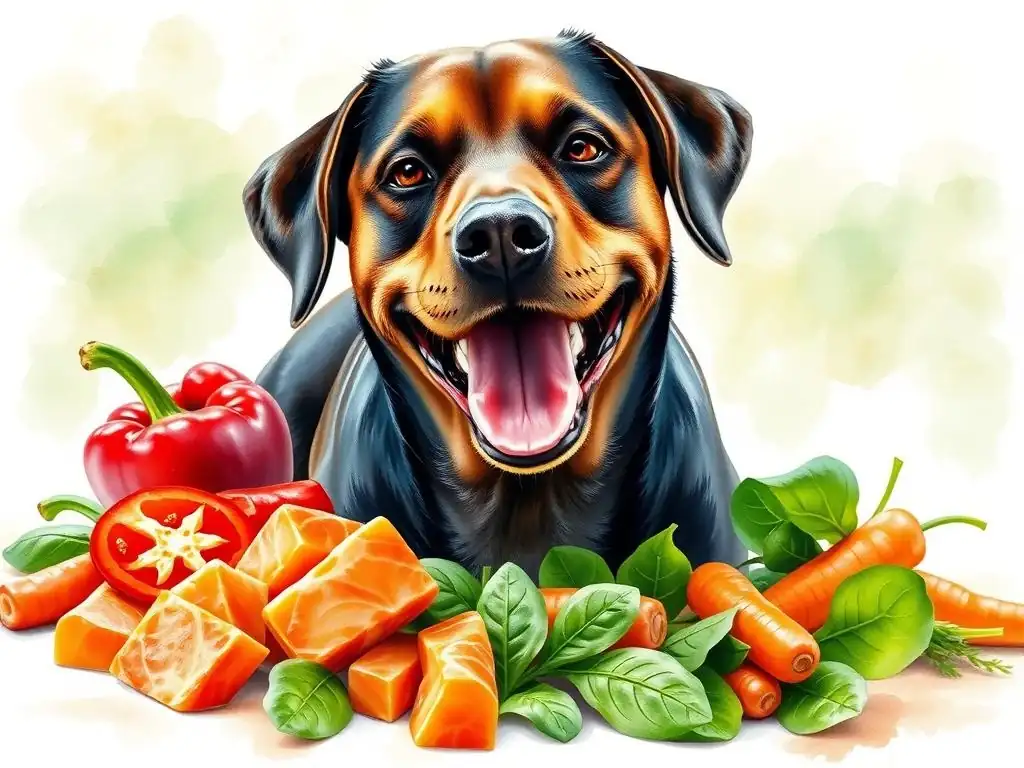
This section provides three sample raw food recipes designed to support weight loss in dogs. Remember, these are sample recipes, and the specific nutritional needs of your dog will depend on factors like breed, age, activity level, and overall health. Always consult with your veterinarian before making significant changes to your dog's diet, especially if they have pre-existing health conditions.
The key to successful dog raw food weight loss is careful portion control and a balanced nutrient profile. These recipes prioritize lean protein sources and fibrous vegetables to promote satiety and healthy weight management. We've focused on recipes easily adaptable to your dog's preferences and dietary needs.
Recipe 1: Chicken and Green Bean Raw Food Recipe
This recipe emphasizes lean protein from chicken breast and the fiber from green beans to help your dog feel full and satisfied while consuming fewer calories.
Ingredients:
- 1 lb boneless, skinless chicken breast, finely diced
- 1 cup green beans, trimmed and chopped
- 1/4 cup ground bone (ensure it's finely ground and sourced from a reputable supplier)
- 1 tbsp olive oil (optional, for added healthy fats)
- 1 tsp kelp powder (optional, for added minerals)
Instructions:
- Thoroughly wash and chop all ingredients.
- Mix all ingredients in a large bowl.
- Divide the mixture into appropriate portions based on your dog's weight and activity level. Your vet can help determine the correct portion size for dog raw food weight loss.
- Store portions in airtight containers in the refrigerator for up to 3 days or freeze for longer storage.
Nutritional Highlights: This recipe is a good source of lean protein, fiber, and essential minerals. The green beans provide bulk and fiber, promoting satiety and healthy digestion. The ground bone provides calcium and phosphorus, crucial for bone health.
Recipe 2: Turkey and Sweet Potato Raw Food Recipe
This recipe uses turkey breast, a lean protein source, combined with the sweetness and fiber of sweet potato for a palatable and nutritious meal.
Ingredients:
- 1 lb boneless, skinless turkey breast, finely diced
- 1 medium sweet potato, peeled and cubed
- 1/4 cup finely ground egg shell (excellent calcium source, ensure it's properly cleaned and prepared)
- 1 tbsp pumpkin puree (optional, for added fiber and vitamins)
- 1/2 tsp dried parsley (optional, for added flavor and nutrients)
Instructions:
- Steam or bake the sweet potato until soft.
- Thoroughly wash and chop the turkey breast.
- Mix all ingredients in a large bowl, ensuring the sweet potato is well-mashed or finely chopped.
- Divide into portions and store as described in Recipe 1.
Nutritional Highlights: This recipe offers a balanced blend of lean protein from turkey, complex carbohydrates from sweet potato, and essential minerals from eggshells. The pumpkin puree adds extra fiber and vitamins.
Recipe 3: Beef and Carrot Raw Food Recipe
This recipe is a simple yet effective option, combining lean beef with the crunchy texture and nutrients of carrots.
Ingredients:
- 1 lb lean ground beef (at least 90% lean)
- 1 cup grated carrots
- 1/4 cup finely ground beef bone (ensure it is finely ground and safe for consumption)
- 1 tbsp coconut oil (optional, for healthy fats and palatability)
- 1/4 cup chopped spinach (optional, for added nutrients)
Instructions:
- Thoroughly wash and prepare all ingredients. Grate the carrots finely for easier digestion.
- Mix all ingredients thoroughly in a large bowl.
- Divide the mixture into appropriate portions according to your dog's individual needs for dog raw food weight loss.
- Store in airtight containers in the refrigerator or freezer as previously described.
Nutritional Highlights: This recipe is rich in protein from lean beef, providing essential amino acids for muscle maintenance. Carrots offer beta-carotene and fiber, contributing to overall health and digestive regularity. The beef bone provides essential minerals. Remember to monitor your dog's weight closely and adjust portion sizes as needed to achieve their ideal physique. 🐶 Always consult your veterinarian for personalized dietary advice.
Frequently Asked Questions
How can raw food diets help my dog lose weight?
Raw food diets often contain higher protein and lower fat than many commercial dog foods. This can help boost metabolism and promote lean muscle mass while reducing overall calorie intake, aiding in weight loss. Proper portion control is crucial.
What are the potential risks of putting my dog on a raw food diet for weight loss?
While beneficial, raw food carries risks. Bacterial contamination is a concern if not handled properly. Also, nutritional imbalances can occur if the diet isn't carefully formulated by a vet. Always consult your veterinarian before starting a raw food diet.
Are there specific types of raw food best for weight loss in dogs?
Lean protein sources like chicken, turkey, and rabbit are generally preferred for weight management. Avoid fatty cuts of meat and limit organ meats, which are higher in calories. Including plenty of vegetables adds fiber and essential nutrients without excessive calories.
How do I transition my dog to a raw food diet for weight loss?
A gradual transition is essential to avoid digestive upset. Start by mixing small amounts of raw food with your dog's current food, gradually increasing the raw food proportion over several weeks. Monitor your dog closely for any adverse reactions.
How often should I weigh my dog while on a raw food diet for weight loss?
Regular monitoring is key. Weigh your dog weekly to track progress. If you don't see weight loss after a few weeks, consult your veterinarian to adjust the diet or rule out underlying health issues. Adjust portion sizes as needed based on your dog's weight loss progress.
Final Reflection: The Transformative Power of Raw Food for Canine Wellness
The connection between a dog's diet and its weight is undeniable, and the rising popularity of raw food diets highlights a growing awareness of this crucial link. Choosing the right nutrition isn't just about aesthetics; it's about ensuring a long, healthy, and vibrant life for our beloved canine companions. The benefits extend far beyond simply achieving a leaner physique.
The shift towards raw feeding reflects a deeper societal understanding of the importance of holistic pet care. We're moving beyond simply filling a bowl; we're actively participating in our dogs' well-being by providing them with the most natural and biologically appropriate nutrition possible. This resonates deeply with me, as I've witnessed firsthand the positive impact of a raw food diet on my own dog's energy levels and overall health. The dog is the only creature on earth that loves you more than he loves himself.
This unconditional love deserves our commitment to providing the best possible care, and that starts with nourishing food.
Consider the implications of this information. Are you providing your dog with the nutrition it truly needs to thrive? Take a moment to reflect on your dog's current diet and consider the potential benefits of transitioning to a raw food approach. Don't be afraid to consult with your veterinarian to determine the best course of action for your individual dog's needs. Remember, a healthy weight is just one piece of the puzzle; it's the gateway to a happier, healthier, and more fulfilling life for your furry friend.
Unleash Your Dog's Inner Champion: A Raw Food Journey
Thank you for learning about the powerful connection between raw food and your dog's weight! You've gained valuable knowledge to help your furry friend achieve their ideal physique. Ready to begin?
- Gradually transition your dog to a raw food diet. This is crucial for a smooth and healthy adjustment. Start by slowly mixing raw ingredients into their current food.
- Share your experiences! Join our PetCareWorld community forum and connect with other pet owners who are feeding their dogs raw food. We'd love to hear about your successes and challenges.
- Invest in a comprehensive raw food recipe book specifically designed for canine weight management—a valuable resource for long-term success.
What small step will you take today to improve your dog's health and well-being with raw food?