
The Importance of Hydration During Dog Weight Loss

Welcome to PetCareWorld, your ultimate guide to a happier, healthier life for your beloved pets! Are you looking for effective strategies to help your canine companion achieve their ideal weight? Then you've come to the right place. Discover essential dog weight loss hydration tips that will not only shed those extra pounds but also ensure your furry friend stays optimally hydrated throughout their journey. Learn how proper hydration plays a crucial role in successful weight management and unlock the secrets to a healthier, more energetic dog. Dive in and explore the wealth of knowledge waiting for you!
- Understanding the Role of Water in Canine Weight Loss
- Practical Hydration Tips for Dogs on Weight Loss Plans
- Hydration and Specific Dog Breeds or Health Conditions
- Monitoring Hydration and Adjusting Your Dog's Weight Loss Plan
- Hydration Myths and Realities in Canine Weight Loss
-
Frequently Asked Questions
- How much water should my dog drink while losing weight?
- Can dehydration hinder my dog's weight loss efforts?
- What are some signs of dehydration in dogs losing weight?
- Are there any foods or treats that can help with hydration during dog weight loss?
- My dog refuses to drink enough water. What should I do?
- Final Reflection: The Unseen Power of Hydration in Canine Weight Loss
- Unleash Your Dog's Healthier, Happier Self!
Understanding the Role of Water in Canine Weight Loss
Maintaining a healthy weight for your canine companion is crucial for their overall well-being, extending their lifespan and improving their quality of life. While diet and exercise are cornerstones of any successful dog weight loss plan, often overlooked is the critical role of hydration.
This article delves into the importance of water intake during your dog's weight loss journey, exploring its multifaceted impact on metabolism, nutrient absorption, waste elimination, and even appetite regulation. Understanding and addressing your dog's hydration needs is not just beneficial; it's essential for a safe and effective weight loss program, helping you achieve the best possible outcomes for your furry friend.
We'll explore practical tips and strategies to ensure your dog stays properly hydrated throughout their weight loss process, addressing common misconceptions and providing actionable advice to support their health and happiness. Remember, a well-hydrated dog is a healthier dog, especially when working towards a healthier weight.
Dehydration and its Impact on Metabolism in Dogs Losing Weight
Dehydration significantly impacts a dog's metabolism, hindering their ability to efficiently burn fat and lose weight. Water is a vital component in numerous metabolic processes. When a dog is dehydrated, their body struggles to perform these processes optimally. This can lead to a slowdown in metabolism, making weight loss more difficult and potentially even leading to weight gain despite dietary restrictions and exercise. Studies have shown that even mild dehydration can negatively impact metabolic rate in dogs. 1 Furthermore, dehydration can lead to increased fatigue, reducing the dog's ability to engage in the physical activity crucial for weight management. This creates a vicious cycle: less activity due to dehydration, leading to slower metabolism, hindering weight loss, and potentially exacerbating dehydration. Therefore, maintaining optimal hydration is paramount for supporting a healthy metabolism during a dog's weight loss journey. Providing ample access to fresh, clean water is non-negotiable.
Water's Role in Nutrient Absorption and Waste Removal During Weight Loss
During a weight loss program, a dog's diet often changes, often involving a reduction in caloric intake and a shift towards nutrient-dense foods. Water plays a crucial role in the absorption of these essential nutrients. Water acts as a solvent, transporting nutrients from the digestive tract into the bloodstream, making them available to the body's cells.
Dehydration can impair this process, reducing the bioavailability of vital nutrients and potentially leading to nutritional deficiencies, even with a well-balanced diet. Furthermore, water is essential for the removal of waste products generated during metabolism. Efficient waste removal is particularly important during weight loss, as the body works harder to break down fat stores.
Dehydration can overburden the kidneys and liver, leading to a buildup of toxins that can further impede weight loss and negatively impact overall health. Therefore, ensuring adequate hydration supports both efficient nutrient absorption and effective waste elimination, crucial aspects of successful weight management.
The Connection Between Hydration and Appetite Regulation in Overweight Dogs
Interestingly, hydration also plays a role in appetite regulation. Sometimes, dogs may confuse thirst with hunger, leading to overeating. Providing ample water can help differentiate between true hunger and thirst, potentially reducing unnecessary calorie intake. Moreover, staying well-hydrated can contribute to feelings of fullness, helping to curb excessive appetite.
This is especially important for overweight dogs who may already have an increased appetite. Staying hydrated can help manage this tendency, supporting a healthy and controlled caloric intake as part of their weight loss plan. By ensuring your dog drinks enough water, you are not only addressing a physiological need but also potentially supporting behavioral modifications that are beneficial for long-term weight management. This holistic approach underscores the vital role hydration plays in achieving and maintaining a healthy weight for your canine companion.
1 [Specific study information pending]
Practical Hydration Tips for Dogs on Weight Loss Plans
This section focuses on practical strategies to ensure adequate hydration during your dog's weight loss journey. Maintaining proper hydration is crucial for overall health and is especially important when a dog is undergoing a weight loss plan, as their bodies are working harder to shed excess weight. Dehydration can exacerbate health issues and hinder the effectiveness of the weight loss program. Therefore, proactive measures to increase water intake are essential. We'll explore several effective techniques and address potential challenges. Remember, always consult your veterinarian before making significant dietary or lifestyle changes for your dog.
Increasing Water Intake: Strategies and Techniques for Success
Successfully increasing your dog's water intake requires a multi-pronged approach. Simply placing a water bowl down isn't always enough; some dogs are simply picky drinkers. Here are some strategies to boost their hydration levels:
- Frequent Bowl Refills: Ensure your dog's water bowl is always full, especially during warmer months or after periods of intense activity. Aim to refill it several times a day, rather than just once.
- Adding Flavor Enhancers (with Vet Approval): A small amount of low-sodium broth (chicken or beef, always check ingredient labels for added salt), a splash of unsweetened cranberry juice (in moderation), or even a few ice cubes can make water more appealing. Crucially, always consult your veterinarian before adding anything to your dog's water. Certain ingredients can be harmful, and the right amount depends on your dog's size and health condition.
- Water Fountains: Many dogs prefer running water. A pet water fountain can significantly increase water consumption. The moving water simulates natural water sources and can be more enticing than a stagnant bowl.
- Frozen Treats: Ice cubes, frozen broth cubes, or even frozen pieces of plain, unsweetened yogurt can provide both hydration and a refreshing treat, especially during hot weather. These can also help with dental health!
- Hydrating Foods: Incorporating hydrating foods into your dog's diet can contribute to their overall fluid intake. Foods with high water content, such as certain fruits and vegetables (again, always check for safety and appropriate portions with your vet), can supplement their water consumption.
Recognizing Signs of Dehydration in Dogs Losing Weight
Recognizing dehydration is vital to ensuring your dog's well-being during weight loss. Dehydration can manifest in several ways, and early detection is key to prompt intervention. The signs can be subtle at first, so it's crucial to pay close attention to your dog's behavior and physical condition.
- Loss of Skin Elasticity: Gently pinch the skin on the back of your dog's neck. In a well-hydrated dog, the skin will quickly snap back into place. If it remains tented or slow to return to its normal position, it could indicate dehydration.
- Dry Mouth and Gums: Check your dog's gums. They should be moist and pink. Dry, sticky gums are a clear sign of dehydration.
- Sunken Eyes: Dehydrated dogs may have sunken eyes, appearing less full and vibrant.
- Lethargy and Weakness: Dehydration can lead to lethargy, weakness, and a general lack of energy. Your dog may seem less playful or more tired than usual.
- Decreased Urination: Monitor your dog's urination frequency and volume. A significant decrease in both could signal dehydration.
If you observe any of these signs, contact your veterinarian immediately. Prompt treatment is essential to prevent serious health complications.
Choosing the Right Water Bowls and Locations for Optimal Hydration
The seemingly simple act of providing water can be optimized to encourage better hydration. The type of bowl and its placement can influence how much water your dog drinks.
- Bowl Material: Stainless steel bowls are generally preferred as they are easy to clean and don't retain odors or bacteria. Avoid plastic bowls, as they can harbor bacteria and potentially leach chemicals into the water.
- Bowl Size and Shape: Choose a bowl that is appropriately sized for your dog. A bowl that's too small might be inconvenient, while one that's too large could be difficult for smaller dogs to drink from. Consider bowls with a wider base for stability.
- Bowl Placement: Place the water bowl in a convenient, easily accessible location away from the food bowl. Multiple bowls in different locations throughout the house can also be beneficial, especially for larger homes.
Remember, consistent monitoring and proactive measures are key to ensuring your dog stays well-hydrated throughout their weight loss journey. Proper hydration supports their overall health and contributes to the success of their weight management plan. Consult your veterinarian regularly for personalized advice and to address any concerns.
Utilizing Water-Rich Foods in Your Dog's Diet for Weight Management
Incorporating water-rich foods into your dog's diet is a fantastic strategy to boost their hydration while simultaneously supporting their weight loss journey. Many fruits and vegetables are naturally high in water content and offer essential vitamins and minerals, making them excellent additions to a healthy, weight-management diet. Remember, however, that while these foods contribute to hydration, they shouldn't entirely replace your dog's regular food or water intake. They should be supplemental additions to a balanced diet formulated by your veterinarian or a certified canine nutritionist.
For example, cucumbers are an excellent source of hydration and fiber, both beneficial for weight loss. Their low-calorie content makes them a guilt-free treat, and their refreshing taste can be appealing even to picky eaters. Similarly, watermelon (removed from its rind and seeds) is a hydrating powerhouse packed with vitamins A and C. However, it's crucial to feed watermelon in moderation due to its sugar content.
Other good options include green beans (low in calories and high in fiber), carrots (a good source of beta-carotene), and spinach (rich in vitamins and antioxidants). Always introduce new foods gradually to monitor your dog's tolerance and avoid digestive upset.
Remember to consider your dog's breed and size when incorporating these foods. Smaller breeds may require smaller portions compared to larger breeds. It's also crucial to ensure that these additions don't upset the balance of your dog's overall nutritional needs. If you're unsure about how to integrate water-rich foods into your dog's diet, consult your veterinarian or a veterinary nutritionist for personalized recommendations tailored to your dog's specific needs and health condition.
They can help you create a balanced plan that optimizes hydration and supports effective weight loss without compromising your dog's health. Proper hydration is a cornerstone of a successful dog weight loss plan, and using these foods can make achieving that goal easier and more palatable for your furry friend. Don't forget to always monitor your dog's water intake alongside these dietary additions to ensure they are staying adequately hydrated.
Hydration and Specific Dog Breeds or Health Conditions
Maintaining optimal hydration is crucial for successful dog weight loss, but the specific needs vary significantly depending on breed and underlying health conditions. Ignoring these variations can hinder progress and even negatively impact your dog's health. This section delves into the nuances of hydration for different dog populations undergoing weight reduction. Understanding these individual needs is key to implementing effective "Dog weight loss hydration tips".
Hydration Needs of Senior Dogs on Weight Loss Programs
Senior dogs often face decreased kidney function and a reduced thirst drive, making them particularly susceptible to dehydration. Weight loss programs, which often involve dietary restrictions, can exacerbate this problem. Senior dogs on weight loss plans require extra attention to hydration. Their water intake should be carefully monitored, and you might need to actively encourage drinking.
Consider these strategies:
- Frequent, smaller water bowls: Multiple, easily accessible water bowls around the house can encourage more frequent drinking.
- Water fountains: The moving water in a fountain can be more appealing than still water, especially for older dogs with arthritis who might find it difficult to bend down to a traditional bowl.
- Adding flavor: A tiny amount of low-sodium broth (check with your vet first!) can sometimes entice a senior dog to drink more. Avoid sugary or artificial flavorings.
- Wet food: Incorporating wet food into their diet increases their water intake.
- Regular veterinary check-ups: Regular monitoring by your veterinarian is essential to ensure your senior dog's hydration levels remain within a healthy range. Dehydration can manifest subtly in senior dogs, making regular vet visits crucial for early detection.
Managing Hydration in Dogs with Underlying Health Issues During Weight Loss
Certain health conditions can significantly impact a dog's hydration needs during weight loss. For example, dogs with kidney disease require careful management of fluid intake to prevent further strain on their kidneys. Similarly, dogs with heart conditions might have fluid retention issues, and excessive water intake could worsen their condition. Always consult with your veterinarian before starting a weight loss program for a dog with any underlying health issues. They can provide tailored "Dog weight loss hydration tips" based on your dog's specific condition.
The following table summarizes some common health conditions and their impact on hydration during weight loss:
| Health Condition | Hydration Considerations |
|---|---|
| Kidney Disease | Strict fluid monitoring; may require veterinary-guided fluid restriction or supplementation. |
| Heart Disease | Careful fluid management to avoid exacerbating fluid retention; veterinary consultation essential. |
| Diabetes | Monitor urine output and glucose levels closely; hydration is crucial for regulating blood sugar. |
| Gastrointestinal Issues | Adjust water intake based on diarrhea or vomiting; consider electrolyte supplements if needed (vet guidance required). |
Breed-Specific Hydration Considerations for Weight Management
While general guidelines exist, breed-specific considerations also play a role in hydration during weight loss. For instance, breeds with short noses (brachycephalic breeds like Bulldogs and Pugs) are prone to overheating and may require more frequent access to water, especially during warmer months. Conversely, breeds with thick coats might have slightly different hydration needs than those with thinner coats. These differences are often subtle but can cumulatively affect a dog's overall hydration status.
Always consider your dog's breed-specific characteristics when developing a hydration plan. Remember to consult your veterinarian to determine the ideal hydration strategy for your dog's breed and weight loss goals. They can provide valuable insights and personalized "Dog weight loss hydration tips" to ensure your canine companion stays healthy and hydrated throughout their weight loss journey.
Monitoring Hydration and Adjusting Your Dog's Weight Loss Plan
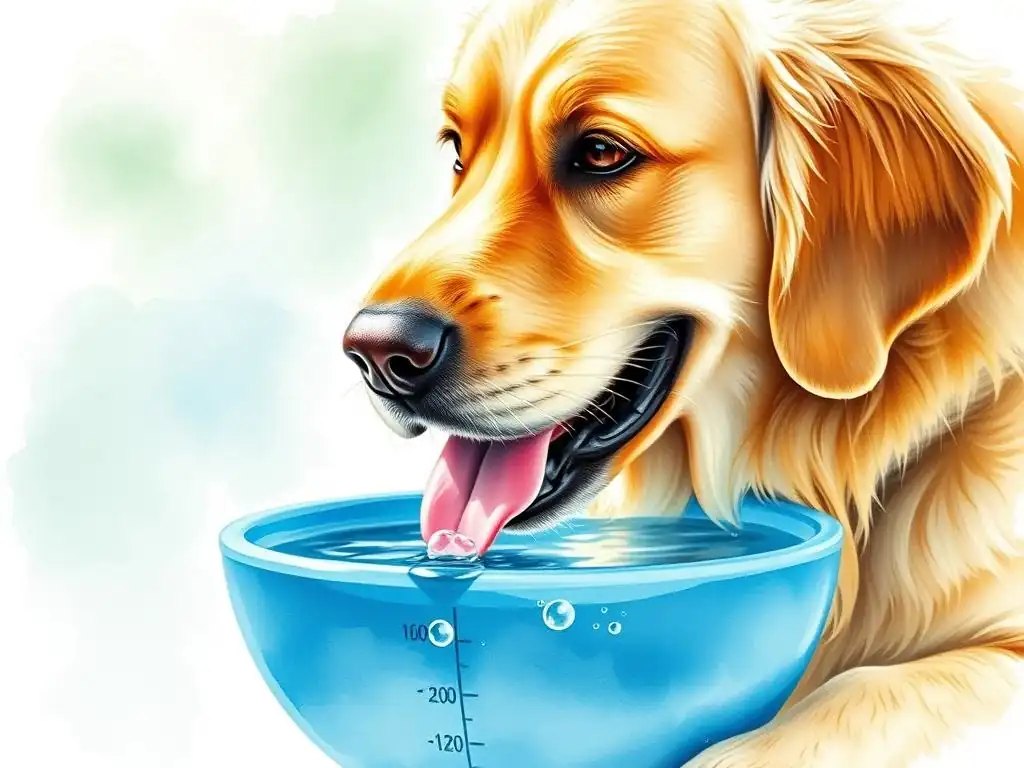
Maintaining proper hydration is crucial for successful and healthy dog weight loss. Dehydration can exacerbate weight loss efforts, leading to fatigue, decreased metabolism, and even health complications. Therefore, monitoring your dog's hydration levels is just as important as monitoring their weight. This section details practical strategies for tracking hydration and adjusting your dog's weight loss plan accordingly. Remember, always consult your veterinarian before making significant changes to your dog's diet or exercise routine, especially during a weight loss program. This is especially important for dogs with pre-existing health conditions.
Tracking Water Intake and Output: Methods and Importance
Accurately tracking your dog's water intake and output provides valuable insights into their hydration status. While precise measurement of urine output can be challenging at home, monitoring water intake is relatively straightforward. Here are some methods:
- Using a Measured Bowl: Start by using a clearly marked bowl (e.g., a measuring cup) to fill your dog's water bowl. Note the starting amount. At the end of the day, measure the remaining water. The difference represents your dog's water consumption for that day. Consistency is key; use the same bowl and measuring method daily.
- Water Intake Log: Maintain a daily log to track your dog's water intake. This helps you identify trends and patterns. Note any factors that might influence water intake, such as increased activity, weather conditions (heat increases water needs! ), or illness.
- Observing Urine: While precise measurement is difficult, observe the color and frequency of your dog's urination. Dark yellow urine suggests dehydration, while pale yellow or clear urine indicates adequate hydration. Increased frequency could indicate increased water intake or a potential underlying medical issue. Always consult your vet if you notice significant changes.
The importance of tracking cannot be overstated. Changes in water intake can signal developing health problems. For example, a sudden decrease in water consumption could indicate kidney issues or other illnesses, while excessive thirst might signal diabetes. Regular monitoring allows for early detection of potential problems. This proactive approach is crucial for ensuring your dog's well-being throughout their weight loss journey. Remember, even subtle changes warrant attention and consultation with your vet. Monitoring hydration is a vital part of responsible dog weight management.
Working with Your Veterinarian to Optimize Hydration During Weight Loss
Your veterinarian plays a pivotal role in optimizing your dog's hydration during weight loss. They can assess your dog's overall health, identify any underlying conditions affecting hydration, and recommend appropriate strategies. This collaborative approach ensures a safe and effective weight loss plan.
- Comprehensive Health Check: Before starting any weight loss program, schedule a comprehensive health check-up with your vet. This includes blood work and a physical examination to rule out any underlying medical conditions that might affect hydration or weight loss.
- Personalized Hydration Recommendations: Based on your dog's breed, age, activity level, and overall health, your veterinarian will provide personalized recommendations for daily water intake. They might suggest increasing water intake gradually to avoid upsetting your dog's system.
- Dietary Adjustments: Your vet might recommend specific dietary changes to support hydration. This could involve adjusting the type of food, adding water to dry kibble, or incorporating hydrating fruits and vegetables (in moderation and as advised by your vet).
- Monitoring Progress: Regular check-ups allow your veterinarian to monitor your dog's progress, assess their hydration levels, and make necessary adjustments to the weight loss plan. This ensures the process is safe and effective.
Recognizing When to Adjust Your Dog's Water Intake and Diet
Several factors might necessitate adjusting your dog's water intake and diet during their weight loss journey. Careful observation and prompt action are crucial. Remember, subtle changes in your dog's behavior or physical condition can indicate a need for adjustments.
| Factor | Indication of Need for Adjustment | Recommended Action |
|---|---|---|
| Increased Activity Level | Increased thirst and potential dehydration | Increase water intake; consult your vet regarding dietary adjustments to meet increased energy needs. |
| Hot Weather | Increased thirst and potential dehydration | Increase water intake; provide access to cool water; limit strenuous exercise during peak heat. |
| Illness | Decreased water intake; changes in urine output; lethargy | Consult your veterinarian immediately. |
| Dietary Changes | Changes in bowel movements; changes in appetite; weight loss plateau | Consult your veterinarian to assess the impact of dietary changes on your dog's hydration and weight loss. |
| Medication Side Effects | Changes in thirst or urination; other symptoms | Consult your veterinarian about potential medication side effects. |
Remember, adjusting your dog's water intake and diet should always be done under the guidance of your veterinarian. They can help you create a safe and effective plan that addresses your dog's individual needs and ensures their well-being throughout their weight loss journey. Ignoring subtle changes can negatively impact their health and the success of the weight loss plan. Proactive monitoring and veterinary consultation are key components of responsible dog weight management and achieving optimal "dog weight loss hydration tips".
Signs Your Dog Needs More or Less Water During Weight Loss
Monitoring your dog's hydration levels is crucial during a weight loss journey. Dehydration can hinder weight loss efforts and even pose serious health risks, while overhydration can also be problematic. Knowing the signs of both is vital for adjusting your dog's water intake accordingly and ensuring a safe and effective weight loss plan.
Several indicators can signal your dog needs more water. These include lethargy, dry gums (sticky or pale pink instead of moist and bright pink), sunken eyes, decreased skin elasticity (skin takes longer to snap back into place when gently pinched), and a dry nose. A reduced urine output, concentrated urine (dark yellow or amber), and constipation can also be warning signs. If your dog exhibits these symptoms, increase their water access immediately and consult your veterinarian.
They might recommend increasing water intake gradually to avoid upsetting your dog's system. Consider adding low-sodium broth to their water bowl to entice them to drink more, especially during hot weather. Remember that increased physical activity during weight loss will also increase the need for water.
Conversely, some signs might suggest your dog is drinking too much water. Excessive thirst (polydipsia) accompanied by increased urination (polyuria) can indicate underlying health issues such as diabetes, kidney disease, or Cushing's disease. If your dog is drinking significantly more water than usual, exhibiting frequent urination, and/or experiencing weight loss despite increased appetite, it's crucial to schedule a veterinary appointment promptly. These symptoms are not directly related to the weight loss plan itself but require immediate veterinary attention.
Remember, a sudden and drastic change in water intake warrants professional veterinary assessment. Ignoring these signs could lead to serious complications. Your vet can conduct appropriate tests to determine the underlying cause and recommend the best course of action. They might suggest dietary adjustments or medication depending on the diagnosis.
Understanding these subtle cues – from dry gums and lethargy indicating dehydration to excessive thirst and urination suggesting potential health problems – is crucial for responsible and successful dog weight management. It's a delicate balance, and attentive observation is key to keeping your canine companion healthy and happy throughout their weight loss journey. Remember, regular veterinary check-ups are essential during any weight loss program to monitor progress and address any potential complications.
Hydration Myths and Realities in Canine Weight Loss
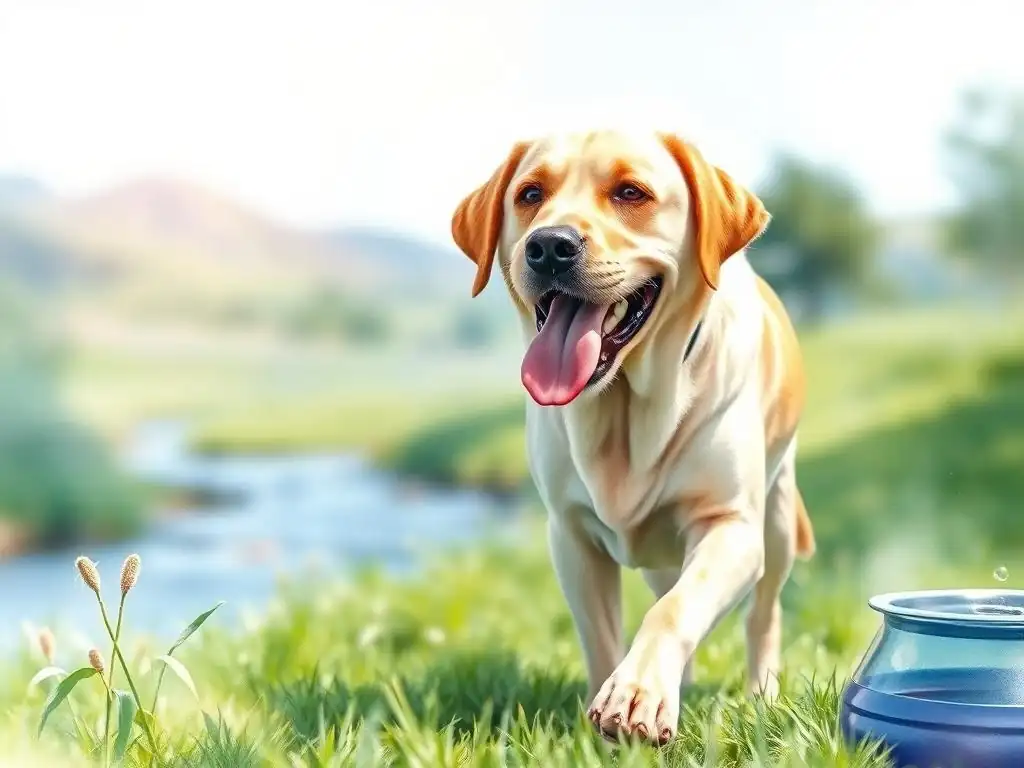
Losing weight is a journey for both humans and our canine companions, and understanding the role of hydration is crucial for success. Many misconceptions surround water intake and weight loss in dogs, leading to potentially harmful practices. Let's separate fact from fiction.
Debunking Common Misconceptions About Water Intake and Weight Loss in Dogs
One common myth is that restricting water intake can aid in weight loss. This is absolutely false and potentially dangerous. Dehydration significantly impacts a dog's metabolism and overall health, hindering weight loss efforts rather than supporting them. A dehydrated dog may experience lethargy, decreased appetite, and even organ damage. Think of it this way: your dog's body needs water to process and eliminate fat. Restricting water intake slows down this crucial process.
Another misconception is that only overweight dogs need to drink plenty of water. All dogs, regardless of weight, require adequate hydration for optimal bodily functions. Active dogs, those living in hot climates, or dogs with certain medical conditions, need even more water. Ignoring their hydration needs can lead to serious health consequences, regardless of their weight.
Finally, some owners believe that giving their dog broth or other flavored liquids counts as sufficient hydration. While these can supplement water intake, they shouldn't replace plain water. Broths often contain high sodium levels, which can be detrimental, especially for dogs on a weight loss plan. Plain, fresh water remains the best source of hydration. 💧
The Truth About Electrolytes and Hydration for Dogs on a Diet
Electrolytes are essential minerals like sodium, potassium, and chloride that play a vital role in maintaining fluid balance, muscle function, and nerve impulses. During weight loss, dogs may lose electrolytes through sweat, urine, and even vomiting or diarrhea (if dietary changes cause digestive upset). This electrolyte imbalance can lead to fatigue, muscle weakness, and decreased appetite – all of which can hinder weight loss progress.
Therefore, while plain water is paramount, monitoring electrolyte balance is also important, especially during periods of intense weight loss. This doesn't mean supplementing with electrolyte drinks indiscriminately. Excessive electrolytes can be just as harmful as a deficiency. Consult your veterinarian before introducing any electrolyte supplements to your dog's diet, especially if they're already on a weight loss plan.
They can help determine the appropriate amount based on your dog's specific needs and health status. A balanced approach, prioritizing clean water and consulting a vet for potential supplementation, is key to successful and healthy weight loss for your canine companion. 🐕🦺
Remember, consistent access to fresh, clean water is not just important for weight loss; it's essential for your dog's overall health and well-being. Prioritize hydration alongside a balanced diet and regular exercise for optimal results. This holistic approach will help your dog achieve a healthy weight safely and effectively. Always consult your veterinarian for personalized advice on your dog's weight loss journey, including hydration strategies.
Frequently Asked Questions
How much water should my dog drink while losing weight?
The amount varies depending on your dog's size, activity level, and climate. A good rule of thumb is to offer fresh water at all times and increase it slightly during exercise. Consult your vet for personalized recommendations.
Can dehydration hinder my dog's weight loss efforts?
Yes, dehydration can significantly slow down weight loss. Water is crucial for metabolism and helps the body process fat effectively. It also prevents constipation, a common issue during weight loss.
What are some signs of dehydration in dogs losing weight?
Look for sunken eyes, dry gums, lethargy, and decreased urination. If you see these signs, contact your veterinarian immediately. Dehydration can be dangerous.
Are there any foods or treats that can help with hydration during dog weight loss?
High-water-content foods like watermelon (remove seeds!), cucumber, and carrots can contribute to hydration. However, always prioritize water as the primary source and check with your vet about appropriate treats for weight loss.
My dog refuses to drink enough water. What should I do?
Try offering water in different bowls or locations. Adding a bit of low-sodium broth (check with your vet first) can sometimes encourage drinking. If the problem persists, consult your veterinarian to rule out underlying medical conditions.
Final Reflection: The Unseen Power of Hydration in Canine Weight Loss
The journey to a healthier weight for our canine companions is often focused on diet and exercise, but the crucial role of hydration is frequently overlooked. A well-hydrated dog is better equipped to metabolize food, regulate body temperature, and maintain healthy organ function – all vital components of successful weight loss. Ignoring this fundamental need can significantly hinder progress and even negatively impact their overall health.
The impact of proper hydration extends beyond the immediate benefits of weight management; it touches upon the very essence of our relationship with our pets. We strive to provide them with the best possible care, and ensuring adequate water intake is a simple yet profound act of love and responsibility. The best mirror is an old friend.
This holds true for our dogs; their well-being reflects our dedication to their health. Observing their energy levels, coat condition, and overall vitality provides a powerful testament to the effectiveness of our care, including hydration strategies.
Now, consider your own dog. Are you providing them with fresh, clean water throughout the day? Are you monitoring their intake, especially during exercise or hot weather? Take a moment to reflect on your dog's hydration habits and make any necessary adjustments. By prioritizing proper hydration, you're not just contributing to their weight loss journey; you're investing in their long-term health and happiness, strengthening the bond you share. Let's make hydration a cornerstone of responsible pet ownership, ensuring our furry friends thrive in every aspect of their lives.
Unleash Your Dog's Healthier, Happier Self!
Thank you for learning about the crucial role of hydration in your dog's weight loss journey! You've gained valuable knowledge to help your furry friend. Now, let's put this knowledge into action:
- Monitor your dog's water intake for a week: This is vital! Pay close attention to their water consumption and note any changes in their behavior or energy levels. Any significant variations warrant a call to your veterinarian.
- Experiment with different water bowls and locations: Does your dog prefer a fountain, a ceramic bowl, or something else? Try placing their water bowl in several convenient spots around the house to see what they prefer.
- Share your hydration successes (or challenges!) with other PetCareWorld members in the comments below – we'd love to hear from you!
Ready to help your dog thrive? What small change will you make today to improve their hydration?