
Large Breed Dog Cooling Strategies: Preventing Overheating in Warm Weather

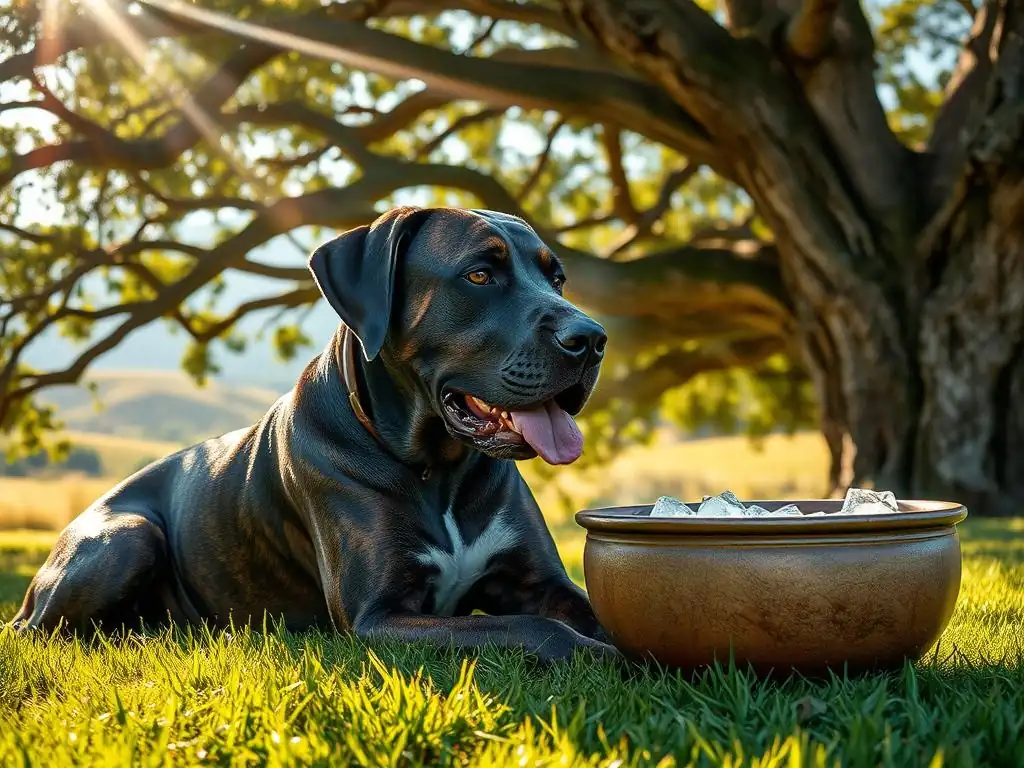
Welcome to PetCareWorld, your ultimate guide to happy and healthy pets! Are you prepared for the challenges of keeping your large breed dog cool during scorching summer days? Learn essential strategies to prevent overheating and ensure your furry friend stays safe and comfortable throughout the warmer months. Discover practical, effective solutions in our in-depth guide, " Large Breed Dog Cooling Strategies: Preventing Overheating in Warm Weather," and unlock the secrets to a stress-free summer for both you and your beloved canine companion. Dive in and explore!
- Understanding Heatstroke Risk in Large Breed Dogs
-
Effective Cooling Methods for Large Dogs in Hot Weather
- Hydration Strategies for Large Breeds: Water Intake and Access
- Providing Shade and Cool Resting Areas for Your Large Dog
- Utilizing Cooling Mats, Vests, and Other Cooling Products for Large Dogs
- Cooling Your Large Dog with Water: Safe and Effective Techniques
- Grooming and Coat Management for Summer Heat
- Managing Your Large Dog's Activity in Hot Weather
- Emergency Response to Heatstroke in Large Dogs
- Creating a Cool and Safe Environment for Your Large Dog at Home
- Nutritional Considerations for Large Dogs in Hot Weather
- Cool Large Dogs Hot Weather: Long-Term Prevention Strategies
-
Frequently Asked Questions
- What are the biggest risks of overheating for large breed dogs in hot weather?
- How can I tell if my large breed dog is overheating?
- What are some effective cooling methods for large dogs in hot weather?
- What should I do if I think my large dog is suffering from heatstroke?
- Are there any breeds particularly vulnerable to overheating in hot weather?
- Final Reflection: The Enduring Importance of Canine Comfort
- Unlock Your Dog's Coolest Summer Yet!
Understanding Heatstroke Risk in Large Breed Dogs
Keeping your large breed dog cool during hot weather is crucial for their health and well-being. Large dogs, due to their size and physiology, are significantly more susceptible to heatstroke than their smaller counterparts.
This comprehensive guide will explore the reasons behind this vulnerability, provide clear indicators of overheating, and offer practical, proactive strategies to prevent heatstroke and ensure your canine companion stays safe and comfortable throughout the warmer months. Understanding the specific challenges large breeds face in regulating their body temperature is the first step towards responsible and effective heat management, helping you to become a more informed and confident pet owner.
We'll delve into the science behind canine thermoregulation and offer practical advice tailored to the needs of your large breed friend, ensuring you're well-equipped to handle the challenges of summer heat. This article aims to provide you with the knowledge and tools necessary to safeguard your beloved pet against the dangers of heatstroke, ultimately contributing to a longer, happier, and healthier life for your furry companion.
Why Large Breeds are More Vulnerable to Heatstroke
Several factors contribute to the increased risk of heatstroke in large breed dogs. Their larger body mass means they generate more internal heat. This heat takes longer to dissipate, especially in hot and humid environments. Additionally, their surface area to volume ratio is smaller compared to smaller breeds. This means they have less surface area relative to their body mass for heat dissipation through sweating (dogs primarily sweat through their paws). Think of it like this: a smaller dog is like a small, easily cooled cube, while a large dog is more like a large, slowly cooling block.
Furthermore, certain breeds with thick coats or brachycephalic (short-nosed) features face even greater challenges. Breeds like Great Danes, Mastiffs, and Saint Bernards, for example, struggle to cool down effectively due to their size and sometimes heavy coats. Brachycephalic breeds, such as Bulldogs and Pugs, have difficulties breathing efficiently, further hindering their ability to regulate their body temperature. This combination of factors creates a perfect storm, making them extremely vulnerable to heatstroke during periods of extreme heat. It's important to understand these breed-specific vulnerabilities to implement tailored cooling strategies.
Recognizing the Signs of Overheating in Large Dogs
Recognizing the signs of overheating is crucial for prompt intervention. Early detection can significantly improve the chances of a positive outcome. Early symptoms of heatstroke can be subtle and might include excessive panting, drooling, lethargy, and weakness. As the condition progresses, more serious symptoms may appear, such as rapid heartbeat, vomiting, diarrhea, staggering gait, seizures, and collapse. The dog's gums may appear dark red or even blueish. These are all critical warning signs demanding immediate action.
It's vital to remember that the progression of heatstroke can be rapid. Therefore, any suspicion of overheating warrants immediate intervention. Don't wait for all symptoms to appear before seeking veterinary attention. The sooner you act, the better the chances of preventing severe complications. Remember, prompt action can be the difference between life and death in a heatstroke emergency. Keep a close eye on your dog, particularly during hot weather, and be prepared to act quickly if you notice any signs of distress.
Heatstroke Prevention: A Proactive Approach
Prevention is key to protecting your large breed dog from heatstroke. This involves a multi-pronged approach encompassing several key strategies. Firstly, limit strenuous activity during the hottest parts of the day. Opt for early morning or late evening walks when temperatures are cooler. Secondly, always provide access to fresh, cool water. Consider using a large, shallow water bowl or even a kiddie pool. Thirdly, consider investing in cooling products. These include cooling mats, vests, bandanas, and even fans.
Beyond these measures, grooming plays a crucial role. Regular brushing helps to remove excess shedding fur, promoting better airflow and heat dissipation. For dogs with thick coats, professional grooming might be necessary. Finally, be mindful of your dog's environment.
Never leave them unattended in a parked car, even for a short period, as temperatures inside a vehicle can rise rapidly and lethally. Providing shade and a cool, well-ventilated area is essential, especially for dogs who spend time outdoors. Remember, proactive measures are far more effective than reactive treatments. By implementing these preventative strategies, you can significantly reduce your dog's risk of heatstroke and ensure their safety and comfort throughout the summer months.
Effective Cooling Methods for Large Dogs in Hot Weather
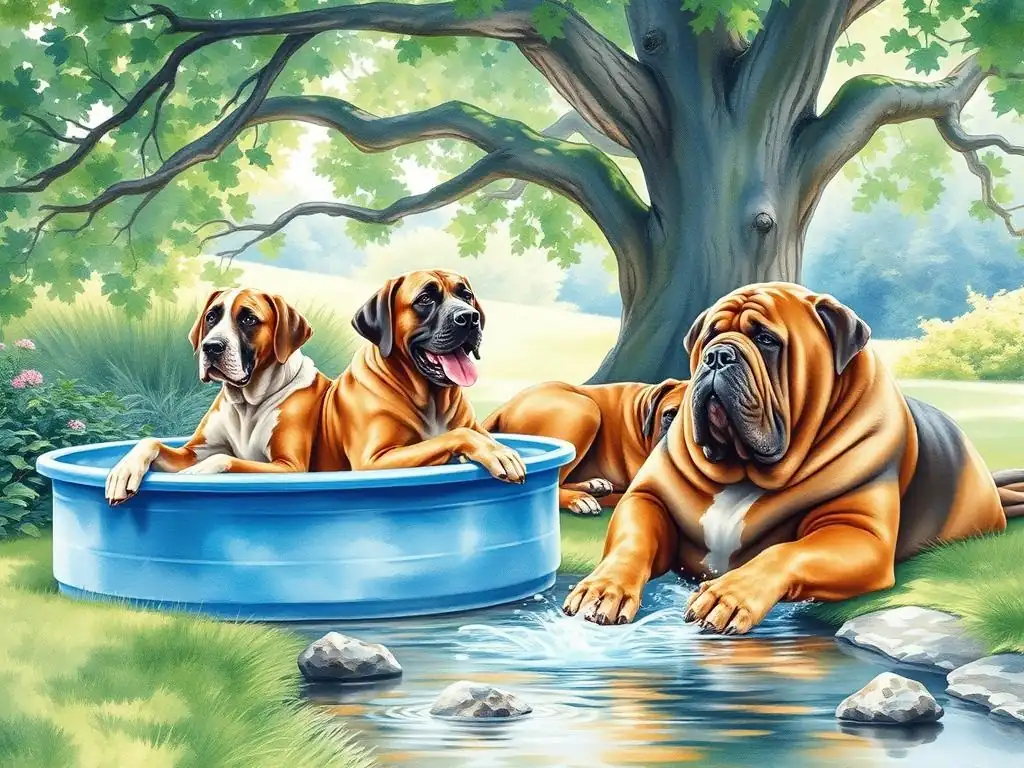
Large breed dogs, due to their size and often higher muscle mass, are more susceptible to heatstroke than smaller breeds. Their larger bodies generate more heat, and their relatively smaller surface area to volume ratio makes it harder for them to dissipate that heat efficiently. This section explores effective cooling strategies to keep your large dog safe and comfortable during hot weather.
Understanding and implementing these methods is crucial for preventing heatstroke, a potentially life-threatening condition. Remember, proactive cooling is key to keeping your canine companion healthy and happy throughout the summer months. This is especially important for breeds like Great Danes, Mastiffs, Saint Bernards, and others prone to overheating.
Hydration Strategies for Large Breeds: Water Intake and Access
Maintaining optimal hydration is paramount in preventing overheating in large dogs. Dehydration significantly reduces their body's ability to regulate temperature. Simply providing water isn't enough; you need to ensure consistent access to fresh, cool water throughout the day, especially during periods of high heat and activity.
Consider these strategies for maximizing water intake:
- Increased Water Bowl Capacity: Use large-capacity water bowls to ensure your dog always has ample water available. Think about using multiple bowls strategically placed throughout your home and yard.
- Frequent Water Refills: Check and refill water bowls frequently, especially during hot weather. The water should be changed several times a day to maintain freshness and coolness.
- Adding Ice Cubes: Adding ice cubes to the water bowl can help keep the water cool longer and provide an extra refreshing element for your dog.
- Water Fountains: Consider investing in a pet water fountain. These fountains circulate the water, keeping it aerated and cooler than stagnant water. The running water also tends to be more appealing to many dogs.
- Electrolyte Supplements: During periods of intense heat or strenuous activity, consider adding electrolyte supplements to your dog's water. This helps replace essential electrolytes lost through sweating and panting. Always consult your veterinarian before introducing any supplements to your dog's diet.
Providing Shade and Cool Resting Areas for Your Large Dog
Providing adequate shade and cool resting areas is crucial for preventing overheating. Direct sunlight can rapidly increase your dog's body temperature. Ensure your dog always has access to a cool, shady spot, whether indoors or outdoors.
Here are some ideas for creating ideal resting spaces:
- Strategic Shade Placement: If your dog spends time outdoors, ensure there's ample shade available throughout the day. This might involve planting trees, using awnings, or strategically placing outdoor canopies.
- Cool Flooring: Concrete or tile floors generally stay cooler than carpet or wood. Consider allowing your dog to rest on these surfaces during the hottest parts of the day.
- Indoor Cooling: Keep your home well-ventilated and air-conditioned, providing cool indoor spaces for your dog to retreat to.
- Elevated Beds: Elevated dog beds allow for better air circulation, preventing your dog from lying directly on warm surfaces.
- Cooling Pads: These pads absorb and dissipate heat, providing a cool surface for your dog to rest on. They are particularly useful outdoors, but can also be used indoors.
Utilizing Cooling Mats, Vests, and Other Cooling Products for Large Dogs
The market offers a variety of cooling products designed to help dogs regulate their body temperature. These can be particularly helpful during periods of extreme heat or for dogs with certain health conditions that make them more vulnerable to heatstroke.
Examples of effective cooling products:
- Cooling Mats: These mats use evaporative cooling or gel technology to provide a cool surface for your dog to lie on. Many are available in various sizes suitable for large breeds.
- Cooling Vests: Cooling vests typically use a material that absorbs water and provides evaporative cooling. They can be particularly effective for dogs who spend time outdoors.
- Cooling Bandanas: These are less effective than vests but can still provide some degree of cooling, particularly when wet.
- Frozen Treats: Frozen treats, such as frozen Kongs filled with peanut butter or broth, provide a cool and engaging distraction for your dog.
- Fans: While not a direct cooling method, fans can help improve air circulation and create a more comfortable environment for your dog.
Remember to always monitor your large dog closely during hot weather, and consult your veterinarian if you have any concerns about their ability to regulate their body temperature. Early detection and intervention are crucial in preventing heatstroke. 🐶☀️
Cooling Your Large Dog with Water: Safe and Effective Techniques
Keeping your large breed dog cool during hot weather often involves utilizing water strategically. Simple water bowls, while essential, may not be sufficient for larger breeds who are prone to overheating. Therefore, employing more proactive cooling methods is crucial. One effective technique is providing access to a shallow kiddie pool or a large tub filled with cool (not ice-cold) water. This allows them to submerge themselves partially, regulating their body temperature effectively. Remember to supervise your dog at all times to prevent accidental drowning or prolonged exposure to cold water.
Another excellent approach is regularly hosing down your dog with cool water, focusing on areas with less fur, like their belly and paws. Avoid using ice-cold water, as this can cause shock. A gentle spray or a lukewarm shower is far more effective and safer.
This method offers quick relief from the heat and can be particularly helpful after strenuous activity. The frequency depends on the temperature and your dog's individual needs; some dogs may appreciate a cool-down several times a day in extreme heat, while others might only need it once or twice. Always monitor your dog's response – if they seem uncomfortable or stressed by the water, cease the activity.
It's also important to consider the quality of the water. Ensure the water is fresh and clean, changing it regularly to prevent bacterial growth and ensure a pleasant experience for your pet. You might even consider adding a few ice cubes to the water for extra cooling power, but be cautious to avoid chilling them excessively. Remember, the aim is to provide refreshing relief, not to induce hypothermia.
Observe your dog's behavior for any signs of discomfort, such as shivering or excessive panting, and adjust your cooling strategy accordingly. Providing a shady area to relax in after their water-based cooling session will also help maintain a comfortable body temperature. Proper hydration is equally critical; make sure your large breed dog has access to plenty of fresh, cool water throughout the day, especially during hot weather.
Grooming and Coat Management for Summer Heat
Large breed dogs, particularly those with thick double coats, are especially vulnerable to overheating in warm weather. Grooming plays a vital role in managing their body temperature and preventing heatstroke. Regular brushing is crucial to remove dead hair and mats, which can trap heat close to the skin.
This is especially important during the summer months when shedding is more intense. The frequency of brushing will depend on the breed and coat type, but a daily brushing session for many large breeds is highly beneficial during hot weather. You should aim to remove as much undercoat as possible without causing skin irritation.
For dogs with particularly thick coats, professional grooming may be necessary. A professional groomer can thin out the coat without compromising its protective qualities, significantly improving airflow and reducing heat retention. This is particularly crucial for breeds prone to overheating. However, it's essential to choose a groomer with experience in handling large breed dogs and a deep understanding of their specific grooming needs. Never shave your dog completely, as their coat provides vital sun protection. Trimming the coat to a manageable length is sufficient; removing the undercoat is key, not shaving the top coat.
Beyond brushing and professional grooming, consider the use of cooling mats or cooling vests. These products can help to lower your dog's body temperature significantly. These can provide passive cooling, helping to draw heat away from your dog's body. Remember to always supervise your dog when using cooling mats or vests, and make sure they have access to water and shade.
By combining these methods with proper water intake and access to shade, you can significantly improve your large breed dog's comfort and safety during hot summer months. Regular monitoring for signs of heat stress, such as excessive panting, lethargy, and weakness, is crucial, allowing for prompt intervention if needed. Preventing heatstroke is far easier than treating it. 🥵
Managing Your Large Dog's Activity in Hot Weather
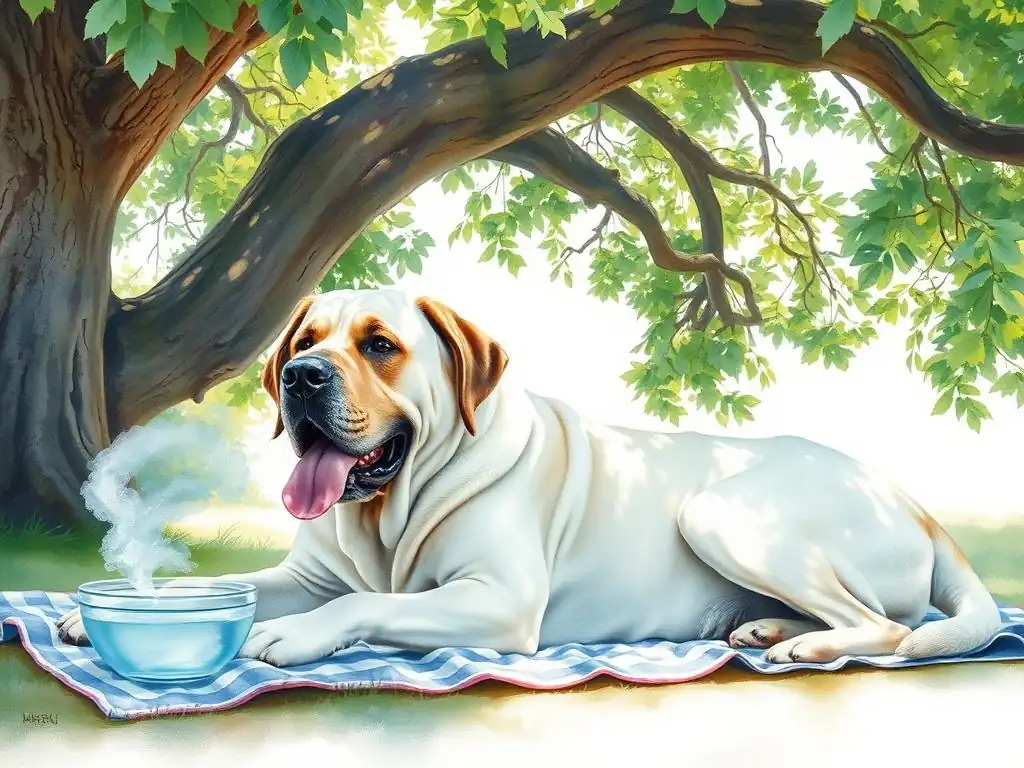
Large breed dogs, due to their size and often higher muscle mass, are more susceptible to overheating than their smaller counterparts. Managing their activity levels during hot weather is crucial for their health and well-being. This involves more than just limiting walks; it's about understanding their individual needs and adapting your routines accordingly.
Remember, the goal is to keep them cool and comfortable, preventing heatstroke which can be a life-threatening condition. This section will explore practical strategies for managing your large dog’s activity in hot weather, focusing on proactive measures to prevent overheating. We'll delve into adjusting exercise schedules, recognizing signs of overexertion, and choosing the optimal time of day for outdoor activities.
Adjusting Exercise Schedules for Hot Weather
The key to preventing overheating in large breed dogs during hot weather is to adjust their exercise schedules. Instead of sticking to a rigid routine, be flexible and adapt to the temperature. Consider these points:
- Morning and Evening Walks: Shift walks and playtime to the cooler parts of the day – early mornings and evenings. Avoid midday when the sun is at its peak intensity. The temperature difference can be significant; a morning walk at 70°F (21°C) is vastly different from a midday walk at 90°F (32°C).
- Shorter, More Frequent Sessions: Rather than one long walk, opt for several shorter walks or play sessions throughout the day. This allows your dog to cool down between activities, reducing the risk of overheating. Think quality over quantity. A 15-minute walk every few hours can be more effective than a single hour-long walk in the heat.
- Intensity Matters: Reduce the intensity of your dog's exercise. Avoid strenuous activities like long runs or intense fetch games during the hottest parts of the day. A leisurely stroll or a gentle game of tug-of-war is preferable.
- Monitor Your Dog: Pay close attention to your dog's behavior and body language. If they seem tired or lethargic, stop the activity immediately and let them rest in a cool place.
- Individual Needs: Remember that every dog is different. Some breeds are more heat-tolerant than others, and individual dogs may have different levels of stamina. Adjust your approach based on your dog's breed, age, and overall health.
Recognizing Overexertion Signs and Taking Appropriate Action
Recognizing the signs of overexertion in your large breed dog is crucial for preventing heatstroke. Early intervention is key. Here are some warning signs to watch out for:
- Excessive Panting: Heavy panting, even after minimal exertion, is a clear sign of overheating.
- Drooling: Excessive drooling is another indicator that your dog is struggling to regulate their body temperature.
- Lethargy and Weakness: If your dog seems unusually tired, weak, or unsteady on their feet, take immediate action.
- Staggering or Collapse: This is a serious sign of heatstroke and requires immediate veterinary attention.
- Rapid Heart Rate: A significantly increased heart rate can be a sign of distress. [Specific heart rate thresholds pending]
- Vomiting or Diarrhea: These symptoms can accompany heatstroke.
- Red or Gummed Gums: Dark, dry gums are a warning sign of dehydration, a common factor in heatstroke.
If you notice any of these signs, immediately move your dog to a cool place, offer them fresh water, and apply cool (not cold) compresses to their paws, belly, and neck. Seek veterinary attention immediately, as heatstroke can be fatal.
Choosing the Right Time of Day for Walks and Playtime
The best time for walks and playtime with your large breed dog during hot weather is during the coolest parts of the day: early morning and late evening. The sun's intensity is lower during these periods, and the air temperature is usually significantly cooler.
| Time of Day | Temperature Range (°F) | Temperature Range (°C) | Suitability for Exercise | Notes |
|---|---|---|---|---|
| Early Morning (6-9 AM) | 60-75 | 15-24 | Excellent | Ideal for longer walks and playtime |
| Midday (12-3 PM) | 80-95+ | 27-35+ | Poor | Avoid strenuous activity |
| Late Evening (6-9 PM) | 65-80 | 18-27 | Good | Suitable for shorter walks and playtime |
Remember to check the temperature and humidity before heading out with your dog. High humidity can exacerbate the effects of heat, making your dog more prone to overheating. Always prioritize your dog's safety and well-being. Use common sense and adjust your plans based on the weather conditions. A little planning can go a long way in keeping your large breed dog safe and happy during hot weather.
Emergency Response to Heatstroke in Large Dogs
Heatstroke in large breed dogs is a serious condition requiring immediate and decisive action. Large breeds, due to their size and often thicker coats, are particularly vulnerable to overheating in hot weather. Recognizing the signs early is crucial for a positive outcome. Symptoms can range from excessive panting and drooling to lethargy, vomiting, and even collapse. The longer heatstroke goes untreated, the greater the risk of organ damage and even death.
Therefore, swift and effective emergency response is paramount. Understanding the immediate actions to take is vital for every owner of a large breed dog. This section will equip you with the knowledge to effectively address a heatstroke emergency and potentially save your pet's life. Remember, prevention is key, but knowing how to react in an emergency is equally important for responsible pet ownership. Let's delve into the critical steps you need to take.
Immediate Actions to Take if Your Dog Overheats
If you suspect your large breed dog is suffering from heatstroke, act quickly. Every minute counts. The first step involves moving your dog to a cool, shaded area immediately. Avoid any further exertion. The goal is to rapidly lower their core body temperature.
- Cool them down gradually: Don't plunge your dog into ice-cold water; this can cause shock. Instead, gently apply cool (not cold) water to their paws, belly, and groin area. Use a damp towel or sponge. A fan can assist in evaporative cooling.
- Provide access to cool water: Offer small amounts of cool, clean water to help rehydrate your dog. Avoid forcing large quantities at once, as this can be detrimental.
- Monitor their breathing and vital signs: Observe their breathing rate and depth. Note any changes in their heart rate or level of consciousness. This information will be crucial for veterinary professionals.
- Transport carefully: Once your dog is slightly cooled, carefully transport them to the nearest veterinary clinic. Avoid further stressing them during transport.
When to Seek Veterinary Care for Heatstroke
Even after taking immediate cooling measures, veterinary attention is almost always necessary for heatstroke. The severity of heatstroke can vary significantly, and some internal damage may not be immediately apparent. Early veterinary intervention significantly improves the chances of a full recovery. Here's a breakdown of when immediate veterinary care is absolutely crucial:
- Severe symptoms: If your dog is showing signs of collapse, seizures, difficulty breathing, or loss of consciousness, seek immediate veterinary emergency care. These are indicators of severe heatstroke requiring urgent medical attention.
- Lack of improvement: Even if your dog seems to be improving after initial cooling measures, it's vital to seek veterinary care. Underlying organ damage might not be immediately evident and requires professional diagnosis.
- Uncertainty: If you are even slightly unsure about the severity of your dog's condition, err on the side of caution and seek veterinary advice. It's always better to be safe than sorry when dealing with heatstroke. A professional assessment can provide peace of mind and ensure the best possible outcome for your pet.
Post-Heatstroke Recovery and Care for Large Breeds
Recovery from heatstroke can be a lengthy process, requiring careful monitoring and support. Even after the immediate crisis has passed, your large breed dog will need special care to regain their strength and health. The recovery period will vary depending on the severity of the heatstroke. Here are some key aspects of post-heatstroke care:
- Continued monitoring: Closely monitor your dog's temperature, water intake, and overall well-being for several days after the incident. Watch for any signs of relapse or complications.
- Hydration: Ensure your dog has constant access to fresh, cool water. You might need to offer electrolyte solutions as directed by your veterinarian to replenish lost electrolytes.
- Rest and gradual reintroduction to activity: Allow your dog ample rest and gradually reintroduce them to activity. Avoid strenuous exercise or exposure to heat for several weeks, or as advised by your vet.
- Veterinary follow-up: Schedule regular follow-up appointments with your veterinarian to monitor your dog's progress and address any potential long-term effects. This proactive approach is vital for ensuring a full recovery. Regular check-ups allow for early detection of any complications and prompt treatment if needed. 🐕🦺
Remember, preventing heatstroke is far easier than treating it. Always provide ample shade, fresh water, and avoid strenuous activity during hot weather. By understanding the risks and taking the necessary precautions, you can help keep your large breed dog safe and healthy throughout the summer months.
Creating a Cool and Safe Environment for Your Large Dog at Home
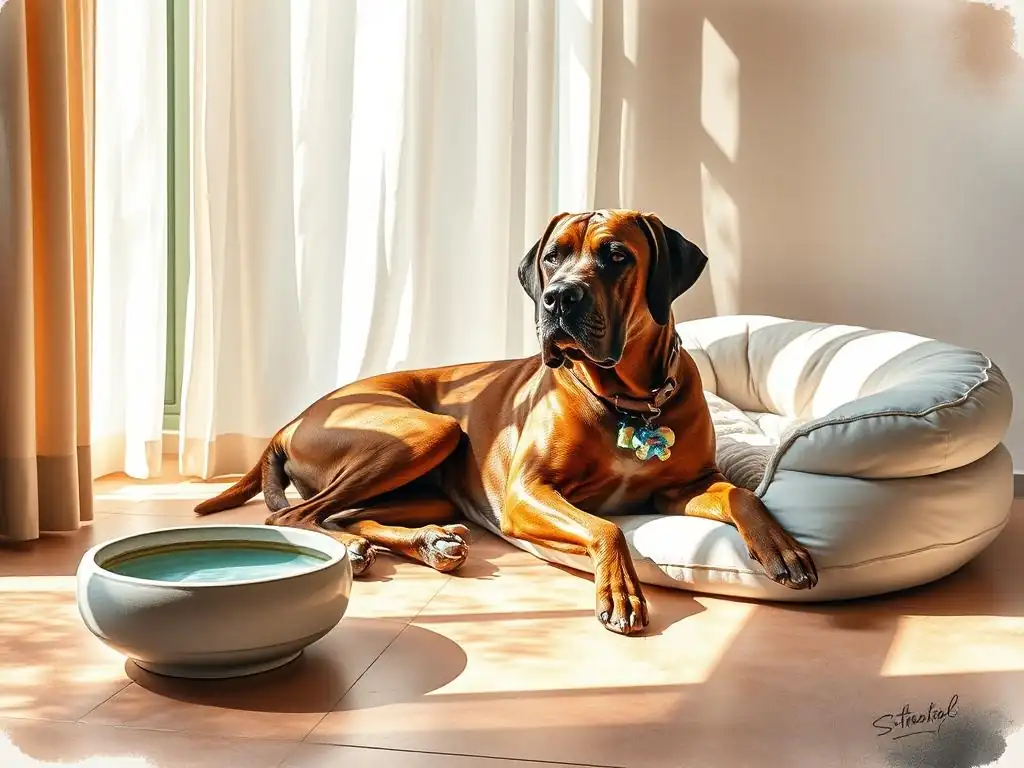
Large breed dogs, with their greater body mass, are more susceptible to overheating in hot weather than their smaller counterparts. Effective cooling strategies are crucial for their well-being, especially during heat waves. This section focuses on creating a cool and safe home environment for your large breed companion, helping them beat the heat and stay comfortable throughout the warmer months. Understanding their specific needs and implementing proactive measures is key to preventing heatstroke, a serious and potentially fatal condition. We'll explore various methods to keep your large dog cool and comfortable, focusing on optimizing your home environment.
Air Conditioning and Ventilation Strategies
Air conditioning is arguably the most effective method for cooling your home, especially during extreme heat. However, simply turning on the AC isn't always sufficient. Strategic placement of vents and the use of fans can significantly improve air circulation and ensure even cooling throughout the house.
For instance, placing a fan strategically near an air conditioning vent can help distribute cool air more effectively, reaching even the furthest corners of your home where your dog might rest. Consider investing in a programmable thermostat to maintain a consistent temperature, even when you're away from home. This proactive approach offers a consistent, cool refuge for your large dog, minimizing their risk of overheating.
Remember to regularly clean or replace your AC filters to ensure optimal performance and efficiency. A clogged filter can significantly reduce cooling capacity and increase energy consumption. Regular maintenance is key to keeping your AC system running smoothly and efficiently, providing a consistently cool space for your furry friend.
Designing a Cool Indoor Space for Your Large Dog
Creating a dedicated cool zone within your home for your large dog is vital. This space should be well-ventilated, shaded from direct sunlight, and ideally, equipped with cooling measures. Consider using tile or other cool flooring materials in this area, as these materials absorb less heat than carpet. Avoid placing the space near heat-generating appliances like ovens or furnaces.
Think about offering several options for your dog to choose from. For example, a cool tile floor in the kitchen might be preferred in the hottest part of the day, while a slightly cooler, shaded area might be the preferred location in the early evening. Observe your dog's behavior to determine where they are most comfortable, and adjust accordingly.
Providing a variety of cool resting spots allows your dog to regulate their body temperature effectively. Think of it as offering a "temperature buffet" for your canine companion. This tailored approach ensures your dog always has a cool place to retreat to.
Utilizing Fans Effectively to Improve Air Circulation
Fans can be a highly effective and energy-efficient way to supplement air conditioning or provide cooling in areas without AC. However, the placement and type of fan are crucial. A ceiling fan, running counterclockwise, pushes air downwards, creating a cooling breeze. Positioning fans strategically to create a cross-breeze can significantly enhance cooling.
For example, placing a floor fan opposite a window or door can pull in cooler outside air and circulate it throughout the room. However, avoid pointing fans directly at your dog for extended periods, as this can lead to chills. Remember, fans cool people, not spaces; they work by evaporative cooling, meaning they work best when the air is dry. In humid conditions, fans might not be as effective.
Consider using a combination of fans and air conditioning for maximum cooling effect during periods of extreme heat. Regularly clean your fans to remove dust and debris, which can impact their efficiency and performance. Consider the airflow and positioning carefully for optimal results. This thoughtful approach will help make a noticeable difference in keeping your dog comfortable.
Nutritional Considerations for Large Dogs in Hot Weather
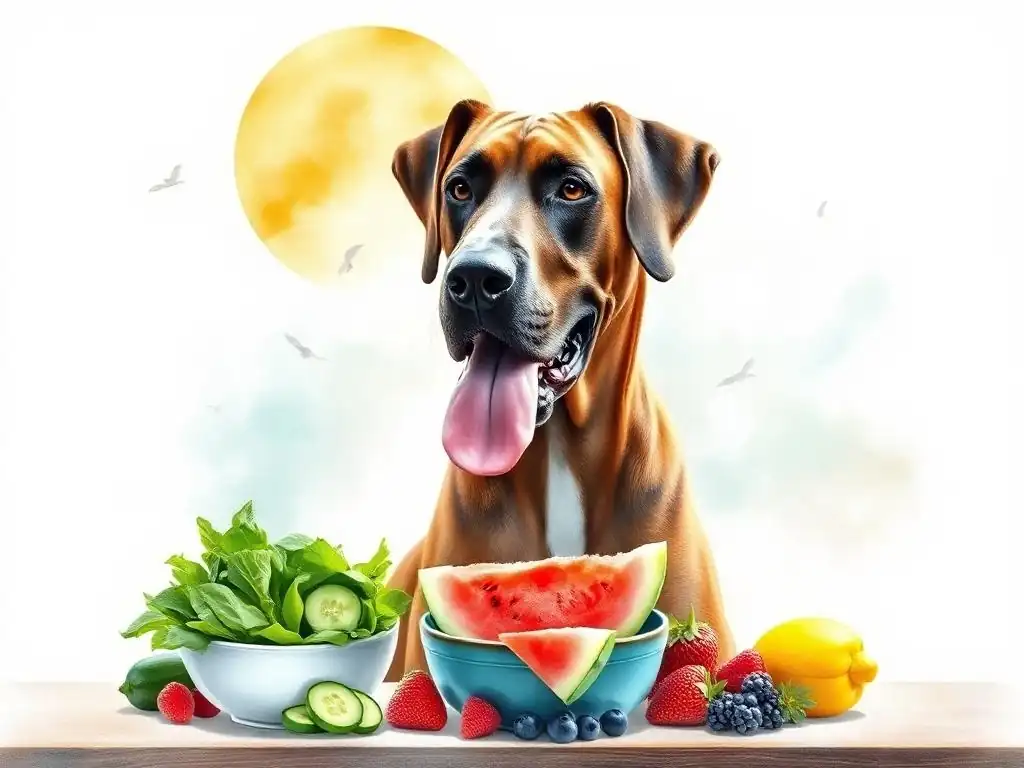
Maintaining a healthy diet is crucial for large breed dogs, especially during hot weather. Their larger size means they generate more body heat, making them more susceptible to overheating. Nutritional adjustments can significantly impact their ability to regulate their temperature and stay healthy throughout the summer. Careful consideration of caloric intake, food composition, and hydration strategies is key to preventing heatstroke and ensuring optimal well-being. We'll explore specific dietary changes that can help your large dog thrive in warm weather.
Adjusting Diet for Summer Months
Summer months often require a slight adjustment to your large breed dog's diet. The key is to maintain adequate energy levels without adding unnecessary caloric burden that could lead to increased body heat production. Consider these changes:
- Reduce caloric intake slightly: Large breeds are prone to weight gain, and increased heat can make weight management even more challenging. A slight reduction in daily calories, perhaps 10-15%, can be beneficial, particularly if your dog is less active due to the heat. Always consult your veterinarian before making significant dietary changes. They can help determine the appropriate caloric intake based on your dog's breed, age, activity level, and overall health.
- Increase the proportion of fresh, unprocessed foods: Fresh fruits and vegetables can contribute to overall hydration and provide essential vitamins and minerals. Adding small amounts of low-sodium broth to their food can also boost hydration. 🍉 Examples include cucumber, watermelon (remove seeds! ), carrots, and green beans. Remember to introduce new foods gradually to avoid digestive upset.
- Avoid high-protein diets: While protein is essential, excessively high-protein diets can increase metabolic heat production. Opt for balanced commercial food formulated for large breeds, ensuring the protein content is appropriate for their size and activity level.
- Monitor your dog's weight: Regular weight checks throughout the summer are vital. Adjust food portions as needed to maintain a healthy weight range. A slightly leaner physique can help your dog better regulate its temperature.
Hydrating Treats and Foods for Large Dogs
Dehydration is a significant risk factor for heatstroke in large breed dogs. Providing hydrating treats and foods is a crucial part of a summer care plan.
- Frozen treats: Frozen treats are a fantastic way to cool your dog down and keep them hydrated. Consider making homemade popsicles with low-sodium broth, plain yogurt, or mashed banana. 🧊 You can also purchase commercially available frozen dog treats.
- Water-rich fruits and vegetables: Fruits and vegetables with high water content, like watermelon and cucumber, can help your dog stay hydrated. Always remove seeds and pits before serving.
- Increase water intake: Ensure your dog always has access to fresh, cool water. Consider adding ice cubes to their water bowl to keep it cool throughout the day. You might even consider a water fountain that circulates the water.
- Electrolyte supplements: In cases of severe heat or dehydration, your veterinarian may recommend electrolyte supplements to help replenish lost electrolytes. Never administer electrolyte supplements without veterinary guidance.
By carefully considering these nutritional strategies, you can significantly reduce the risk of overheating and ensure your large breed dog stays healthy and happy throughout the summer months. Remember, individual needs vary, so always consult your veterinarian for personalized advice tailored to your dog's specific breed, age, and health status.
Cool Large Dogs Hot Weather: Long-Term Prevention Strategies
Keeping your large breed dog cool during hot weather requires a multifaceted approach. Reactive cooling is important, but proactive, year-round strategies are crucial for preventing heatstroke and ensuring your canine companion's well-being. This section focuses on long-term preventative measures that minimize the risk of overheating, particularly during summer months. Remember, even seemingly minor changes in behavior can signal a serious issue, so vigilance is key.
Year-Round Heatstroke Prevention Tips
Heatstroke prevention isn't just a summer concern; it's a year-round commitment. Building your dog's tolerance and resilience to heat gradually is essential. This includes:
- Gradual Acclimatization: Don't suddenly expose your dog to intense heat. Gradually increase their exposure to warmer temperatures over several weeks, starting with short periods and increasing the duration as they acclimate. This is especially important for dogs who spend most of their time indoors.
- Regular Exercise Modification: Adjust exercise routines based on temperature and humidity. Avoid strenuous activity during the hottest parts of the day. Early mornings or late evenings are ideal. Opt for shorter walks and less intense playtime when temperatures soar.
- Hydration is Key: Always provide access to fresh, cool water. Consider adding ice cubes to their water bowl for an extra cooling effect. Monitor their water intake closely, especially during periods of intense heat or activity. Dehydration is a major contributor to heatstroke.
- Healthy Weight Management: Maintaining a healthy weight is crucial for all dogs, but especially for large breeds. Overweight dogs are more susceptible to heatstroke because their bodies have to work harder to regulate their temperature.
- Grooming Considerations: Regular grooming is essential. Brushing helps remove excess fur, improving airflow and reducing the risk of overheating, particularly for breeds with thick coats. Consider a professional grooming session for a more thorough cleaning.
Monitoring Your Large Dog's Health During Hot Weather
Regular monitoring is paramount during hot weather. Pay close attention to your dog's behavior and physical signs. These include:
- Excessive Panting: While panting is normal, excessive or labored panting, especially with open mouth breathing, can indicate overheating.
- Lethargy and Weakness: If your dog seems unusually tired, weak, or unwilling to move, it could be a sign of heat stress.
- Changes in Gum Color: Pale gums can indicate poor circulation, a symptom of heatstroke. Observe the color carefully; bright pink is healthy.
- Increased Heart Rate: A rapid heartbeat is another indicator of overheating. While difficult to monitor without veterinary equipment, a noticeable increase in heart rate should raise concern.
- Vomiting or Diarrhea: These are signs of potential heatstroke or other heat-related illness.
Signs of Heatstroke in Large Dogs
Heatstroke is a serious medical emergency. Recognizing the signs early is crucial. Beyond the symptoms listed above, look for:
- Staggering gait
- Seizures
- Loss of consciousness
- High body temperature (rectal temperature above 104°F or 40°C)
If you observe any of these symptoms, seek immediate veterinary care.
When to Consult a Veterinarian About Heat Concerns
Even if your dog doesn't exhibit severe symptoms, consulting a veterinarian is crucial under certain circumstances:
- Pre-existing Conditions: If your dog has any pre-existing health conditions, such as heart or respiratory problems, they are at a higher risk of heatstroke and should be monitored closely. Discuss appropriate cooling strategies with your vet.
- Unusual Behavior: Any significant change in behavior, even if not directly related to heat, should be discussed with your veterinarian. It's better to be safe than sorry.
- Persistent Symptoms: If your dog exhibits mild symptoms of heat stress (such as excessive panting) that don't resolve after cooling measures, seek professional veterinary advice immediately.
- Post-Heat Exposure: If your dog has been exposed to significant heat, even if they appear fine, a veterinary check-up is recommended to rule out any underlying issues. Early detection is key to successful treatment.
Remember, preventing heatstroke in large dogs requires proactive planning and careful monitoring. By implementing these strategies, you significantly reduce the risk and ensure your furry friend stays safe and healthy throughout the year. The key is consistent vigilance and understanding your dog's individual needs and tolerances.
Frequently Asked Questions
What are the biggest risks of overheating for large breed dogs in hot weather?
Large breed dogs are at greater risk of heatstroke due to their size and lower surface area to volume ratio. They overheat faster and struggle to cool down efficiently. Early intervention is crucial to prevent serious health issues.
How can I tell if my large breed dog is overheating?
Signs of overheating include heavy panting, excessive drooling, lethargy, weakness, and potentially vomiting or diarrhea. If you notice any of these, act quickly.
What are some effective cooling methods for large dogs in hot weather?
Provide access to shade and cool water at all times. Consider using cooling mats, vests, or fans. A cool bath or shower can also help lower their body temperature rapidly.
What should I do if I think my large dog is suffering from heatstroke?
Immediately move your dog to a cool environment and apply cool (not cold) water to their body. Seek veterinary attention immediately; heatstroke is a life-threatening emergency.
Are there any breeds particularly vulnerable to overheating in hot weather?
Breeds with short noses (brachycephalic breeds) like Bulldogs and Pugs are particularly susceptible, as are dogs with thick coats or those prone to obesity. Careful monitoring is essential for these breeds.
Final Reflection: The Enduring Importance of Canine Comfort
The well-being of our large breed companions hinges on our understanding of their unique vulnerability to heatstroke. A seemingly simple summer walk can become a life-threatening situation if we fail to recognize and address the specific cooling needs of these magnificent animals. Their size, while a source of majestic beauty, presents a significant challenge in regulating their body temperature.
The impact of heatstroke on our beloved dogs is far-reaching, extending beyond immediate physical harm. It underscores our responsibility as caregivers to be proactive and informed. The bond we share with our furry friends demands that we prioritize their comfort and safety. The greatness of a nation and its moral progress can be judged by the way its animals are treated.
- Mahatma Gandhi. This quote, while broad in scope, speaks to the ethical imperative of ensuring the well-being of those dependent on us, including our canine companions. The ongoing conversation surrounding responsible pet ownership must include a deep understanding of breed-specific needs, particularly concerning thermoregulation.
Now, consider your own large breed dog. What steps can you take today to ensure their safety during the warmer months? Are you prepared for emergencies? Do you understand the subtle signs of overheating? Take a moment to review the strategies outlined in this article and implement those that best suit your dog's needs and your lifestyle. By actively engaging in their care and prioritizing their comfort, you are not only extending their lifespan but also deepening the profound connection you share. Let's work together to create a safer and more comfortable world for our large breed companions.
Unlock Your Dog's Coolest Summer Yet!
Thank you for learning how to keep your large breed dog safe and cool this summer! We hope you found the tips helpful. Now let's put that knowledge into action.
Here's what you can do next:
- Prioritize your dog's daily cooling routine: Implement several cooling strategies, such as providing a cooling mat, adjusting walk times, or offering cool treats. Observe your dog's response to determine the most effective approach for their individual needs. This will help you personalize their summer care plan.
- Share this article with other large breed dog owners! Let's build a supportive community dedicated to keeping our furry friends happy and healthy in the heat.
- Prepare a dedicated summer kit for your dog. Pack it with essentials such as cooling vests, water bottles, and their favorite toys for shady spots.
What small step will you take today to ensure your large breed dog stays cool and comfortable all summer?