
The Truth About Dog Food and Digestive Problems


Welcome to PetCareWorld, your ultimate guide to a happier, healthier life for your beloved pets! Are you concerned about your dog's digestion? We delve into the often-overlooked connection between dog food and digestive problems, exploring the surprising causes behind upset stomachs and offering solutions to help your furry friend thrive. Discover the truth and unlock the key to a happier, healthier gut for your canine companion – read on to learn more!
- Understanding Dog Digestive Issues and Their Link to Diet
-
Dog Food Digestive Problems Causes: Unpacking the Culprits
- Ingredient Sensitivity and Allergies: A Major Contributor to Digestive Upset
- Low-Quality Dog Food: Examining the Impact of Poor Ingredients
- Dietary Changes and Transitions: Managing the Risk of Digestive Problems
- Food Intolerances: Beyond Allergies and Sensitivities
- The Impact of Additives and Preservatives on Canine Digestion
- Diagnosing Dog Food Digestive Problems: Steps to Take
-
Solutions for Dog Food Digestive Problems: Finding the Right Diet
- Switching to a High-Quality Dog Food: Choosing the Right Ingredients
- Gradual Food Transitions: Minimizing Digestive Distress During Changes
- Addressing Specific Dietary Needs: Tailoring Nutrition to Your Dog's Condition
- Homemade Dog Food Diets: Considerations and Precautions
- Probiotic Supplements: Supporting Gut Health and Digestion
- Preventing Future Digestive Issues in Dogs: Proactive Measures
- Case Studies: Real-Life Examples of Dog Food Digestive Problems and Solutions
- Frequently Asked Questions
- Final Reflection: Unlocking Digestive Harmony for Our Canine Companions
- Unlock Your Dog's Digestive Harmony
Understanding Dog Digestive Issues and Their Link to Diet
Digestive problems are a common concern for dog owners, often causing significant distress for both pet and parent. This comprehensive guide delves into the intricate relationship between a dog's diet and its digestive health, exploring the causes of common digestive issues and offering insights into how proper nutrition can significantly improve your canine companion's well-being. We will examine the most prevalent digestive problems in dogs, detail the telltale symptoms to watch out for, and ultimately explain how the right dog food can be instrumental in preventing and alleviating these often uncomfortable conditions.
Understanding the connection between dog food and digestive problems is key to ensuring your furry friend enjoys a happy, healthy life, free from the discomfort of gastrointestinal upset. This article aims to equip you with the knowledge to make informed decisions regarding your dog's diet and proactively address potential digestive issues. The information provided will help you navigate the complexities of canine nutrition and contribute to a healthier, happier life for your beloved pet.
We will explore the impact of various dietary factors, including ingredient quality, food sensitivities, and the role of probiotics and prebiotics in maintaining a balanced gut microbiome. Remember, consulting your veterinarian is crucial for any persistent or severe digestive issues.
Common Digestive Problems in Dogs: Diarrhea, Vomiting, and More
Diarrhea, vomiting, and gas are among the most frequently reported digestive problems in dogs. These symptoms, while sometimes mild and transient, can indicate underlying health issues if persistent or severe. The severity and frequency of these issues vary depending on several factors, including the dog's breed, age, overall health, and, critically, their diet.
Let's break down these common problems:
- Diarrhea: Characterized by loose or watery stools, diarrhea can range from mild to severe. Causes can include dietary indiscretions (eating spoiled food or non-food items), infections (bacterial, viral, or parasitic), inflammatory bowel disease (IBD), and food sensitivities or allergies. Chronic diarrhea warrants immediate veterinary attention.
- Vomiting: The forceful expulsion of stomach contents, vomiting can be triggered by various factors, including eating too quickly, consuming spoiled food, infections, motion sickness, and certain medications. Persistent vomiting requires professional veterinary assessment.
- Gas (Flatulence): Excessive gas can be uncomfortable for dogs and often indicates issues with digestion and absorption of nutrients. The causes can be similar to those of diarrhea and vomiting, including dietary indiscretions and food sensitivities. Certain ingredients, like beans and certain grains, are more likely to cause gas in some dogs.
The table below summarizes the common causes and symptoms of these digestive problems:
| Digestive Problem | Common Causes | Symptoms | Severity |
|---|---|---|---|
| Diarrhea | Dietary indiscretions, infections, IBD, allergies | Loose or watery stools, increased frequency | Mild to severe |
| Vomiting | Spoiled food, infections, motion sickness | Forceful expulsion of stomach contents | Mild to severe |
| Gas (Flatulence) | Dietary indiscretions, food sensitivities | Excessive gas, bloating | Mild to moderate |
Understanding these common problems is the first step in addressing them effectively. Remember, observing your dog's stool consistency and frequency, noting any changes in appetite or behavior, and promptly seeking veterinary advice when necessary is crucial for maintaining their digestive health.
Identifying Symptoms: Recognizing Digestive Distress in Your Canine Companion
Recognizing the signs of digestive distress in your dog is crucial for timely intervention. While the symptoms mentioned above (diarrhea, vomiting, gas) are primary indicators, other subtle signs can also point to underlying digestive problems. These subtle symptoms often get overlooked, delaying necessary treatment.
Beyond the obvious, look out for:
- Changes in appetite: A sudden loss of appetite or increased appetite can be a symptom.
- Lethargy: A less energetic or more tired than usual dog could be experiencing digestive discomfort.
- Weight loss or gain: Unexpected weight fluctuations can indicate digestive issues.
- Straining to defecate: Difficulty passing stool suggests potential problems.
- Abdominal pain: Your dog may show signs of discomfort when touching their abdomen.
- Changes in stool consistency and color: Pay close attention to the color, consistency, and frequency of bowel movements. Black, tarry stools can indicate bleeding in the digestive tract.
It's important to note that some dogs might exhibit subtle symptoms, making early detection challenging. Regular monitoring of your dog's behavior and bowel movements is essential for identifying any potential problems early on. Keeping a detailed record of your dog's eating habits, stool consistency, and any unusual behaviors can be incredibly helpful for your veterinarian in diagnosing the cause of the problem. Early detection and prompt veterinary intervention can significantly improve the outcome and prevent complications.
The Role of Nutrition: How Diet Impacts Canine Digestion
The food you feed your dog plays a pivotal role in its digestive health. High-quality dog food, formulated with easily digestible ingredients, is essential for optimal digestion. Conversely, poor-quality food, or food containing ingredients your dog is sensitive to, can lead to a variety of digestive problems.
Several dietary factors influence canine digestion:
- Ingredient Quality: Look for dog foods with high-quality protein sources (e.g., real meat, poultry, or fish), and easily digestible carbohydrates (e.g., brown rice, sweet potatoes). Avoid fillers, artificial colors, flavors, and preservatives.
- Food Sensitivities and Allergies: Certain ingredients can trigger allergic reactions or sensitivities in some dogs, leading to digestive upset. Common culprits include wheat, corn, soy, dairy, and beef. A veterinarian can help identify food sensitivities through elimination diets.
- Fiber Content: Adequate fiber is crucial for healthy bowel movements. Soluble fiber helps regulate bowel movements, while insoluble fiber adds bulk to the stool.
- Probiotics and Prebiotics: These beneficial bacteria and their food sources promote a healthy gut microbiome, aiding in digestion and nutrient absorption. Many high-quality dog foods now include probiotics and prebiotics.
Choosing the right food for your dog's individual needs is critical. Consider your dog's age, breed, activity level, and any pre-existing health conditions when selecting a dog food. If your dog experiences persistent digestive problems, consult your veterinarian to determine the underlying cause and develop a suitable dietary plan. Remember, a healthy diet is the cornerstone of a healthy digestive system in dogs. Proper nutrition is not just about preventing digestive problems; it is crucial for overall health and well-being.
Dog Food Digestive Problems Causes: Unpacking the Culprits
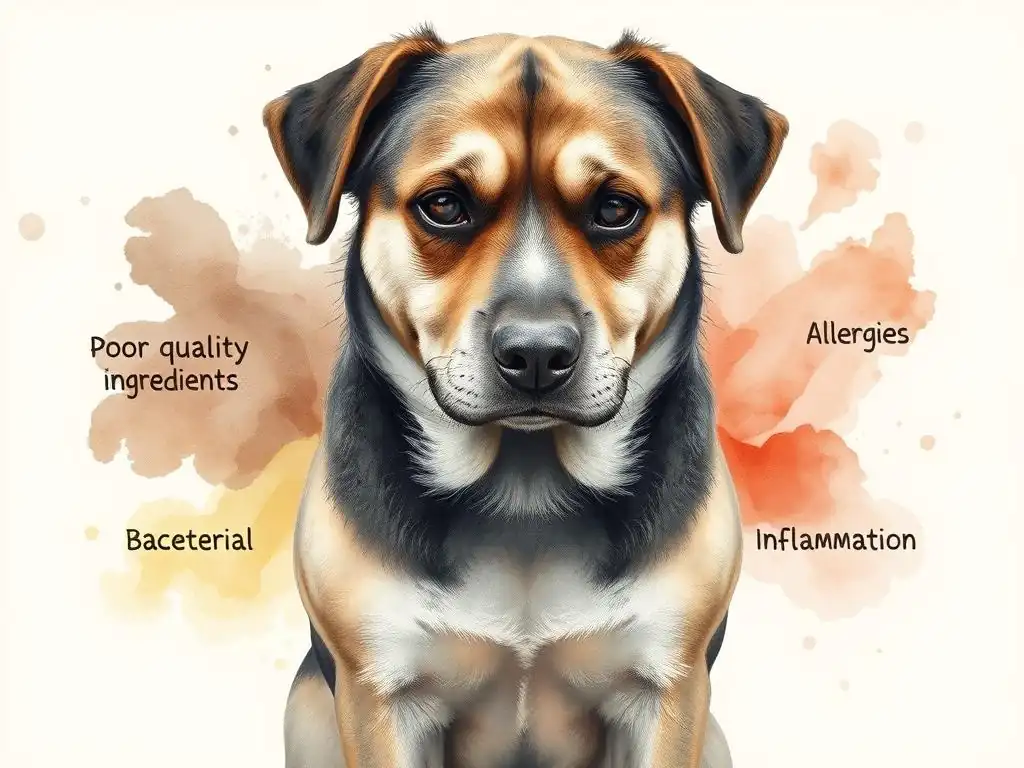
Digestive issues in dogs are a common concern for pet owners, often leading to discomfort and impacting their overall well-being. While numerous factors can contribute to digestive upset, a significant portion of these problems stem directly from the dog's diet. Understanding the causes linked to dog food is crucial for proactive pet care and preventing future problems. This section will delve into the key culprits behind dog food digestive problems, providing insights to help you make informed decisions about your canine companion's nutrition. This information is vital for addressing "dog food digestive problems causes" effectively.
Ingredient Sensitivity and Allergies: A Major Contributor to Digestive Upset
Ingredient sensitivities and allergies are major contributors to dog food digestive problems. Many dogs exhibit adverse reactions to certain proteins, grains, or additives commonly found in commercial dog food. These reactions manifest in various ways, including vomiting, diarrhea, gas, skin irritation, and even more serious conditions.
Identifying the culprit requires careful observation and potentially veterinary intervention. Common allergens include beef, chicken, dairy, wheat, corn, and soy. However, less common allergens such as lamb, fish, or even certain vegetables can also trigger reactions in susceptible dogs.
Symptoms can vary widely in severity, ranging from mild discomfort to life-threatening anaphylaxis. Mild symptoms might include loose stools or occasional vomiting after consuming specific ingredients. More severe reactions can involve intense vomiting, diarrhea, swelling, hives, and difficulty breathing.
It's crucial to remember that even a seemingly minor digestive upset can be indicative of a larger underlying issue.
— Dr. Emily Carter, Veterinary Gastroenterologist (fictional example)
Detecting food sensitivities often involves an elimination diet, carefully removing suspected allergens one by one under veterinary guidance. This process takes time and patience but is essential for determining the specific trigger and developing a suitable long-term diet plan. A gradual introduction of new ingredients allows for monitoring of the dog's response and early detection of any adverse effects. The use of hypoallergenic dog food formulas, often featuring novel protein sources, can also be beneficial.
Low-Quality Dog Food: Examining the Impact of Poor Ingredients
The quality of dog food significantly impacts a dog's digestive health. Low-quality dog foods often contain fillers, artificial colors, preservatives, and by-products that can irritate the digestive tract and lead to various problems. These ingredients provide minimal nutritional value and can overload the digestive system, resulting in upset stomachs, diarrhea, and other digestive issues.
Consider the following comparison:
| Feature | High-Quality Dog Food | Low-Quality Dog Food |
|---|---|---|
| Protein Source | Named meat sources (e.g., "Chicken," "Salmon") | Generic terms (e.g., "Meat By-Products") |
| Fillers | Minimal or absent | High levels of corn, wheat, soy, and other fillers |
| Preservatives | Natural preservatives or none | Artificial preservatives |
| Digestibility | High | Low |
Choosing dog food with clearly identified, high-quality ingredients is paramount. Look for foods with named meat sources as the primary ingredients, minimal fillers, and natural preservatives. Reading the ingredient list carefully and understanding the meaning of terms like "meat by-products" is crucial. Opting for foods specifically formulated for sensitive stomachs can also mitigate digestive problems.
Dietary Changes and Transitions: Managing the Risk of Digestive Problems
Sudden changes in a dog's diet can significantly disrupt their digestive system, even if the new food is of high quality. The dog's gut microbiome needs time to adjust to new ingredients and their associated bacterial populations. Abrupt transitions can lead to diarrhea, vomiting, and other digestive upsets.
To mitigate this risk, gradual transitions are essential. Mix the new food with the old food, gradually increasing the proportion of the new food over 7-10 days. This allows the dog's digestive system to adapt slowly and minimizes the risk of digestive distress. Monitoring your dog's stool consistency during this transition period is vital. If significant digestive upset occurs, revert to the previous food and consult your veterinarian.
Consider this example: If switching from kibble A to kibble B, start with 25% kibble B and 75% kibble A on day one. Increase the proportion of kibble B by 25% each day until your dog is eating 100% kibble B. This slow and steady approach helps maintain a healthy gut and minimizes digestive problems associated with dietary changes. This gradual approach is a key aspect of managing "dog food digestive problems causes." 🐶
Food Intolerances: Beyond Allergies and Sensitivities
Food intolerances represent a significant, often overlooked, cause of digestive problems in dogs. Unlike allergies, which trigger a full-blown immune response, intolerances manifest as digestive upset without the same level of systemic reaction. This means symptoms might be less dramatic, potentially leading to delayed diagnosis. Common symptoms include gas, diarrhea, vomiting, and occasional skin issues. The culprit ingredients can vary widely, from common proteins like beef or chicken to less obvious ones like dairy products, grains (wheat, corn, soy), and even certain vegetables.
Identifying the problematic ingredient often requires a process of elimination, often involving a trial-and-error approach with different diets under veterinary guidance. A veterinarian might recommend an elimination diet, where a single novel protein source is introduced, gradually adding other ingredients to pin down the trigger. This process can be time-consuming and requires patience and meticulous record-keeping by the owner, noting every food given and any subsequent reactions. It's crucial to remember that a dog exhibiting digestive issues might not have a single intolerance but multiple sensitivities, making the diagnostic process even more challenging.
For example, a dog could be intolerant to both chicken and wheat, requiring a diet completely devoid of both. This highlights the importance of working closely with a veterinarian to develop a tailored dietary plan. Regular veterinary checkups are essential for monitoring the dog's progress and adjusting the diet as needed. Ignoring food intolerances can lead to chronic digestive problems, impacting the dog's overall health and well-being.
The Impact of Additives and Preservatives on Canine Digestion
Many commercially produced dog foods contain additives and preservatives to enhance shelf life, color, and flavor. While these additions might seem harmless, they can significantly impact a dog's digestive system, contributing to various problems. Artificial colors, for example, are often linked to hyperactivity and digestive upset in some dogs. Certain preservatives, such as BHA (butylated hydroxyanisole) and BHT (butylated hydroxytoluene), are antioxidants used to prevent rancidity, but some studies suggest potential links to cancer and other health issues in animals. Similarly, artificial flavors can irritate the digestive tract, leading to diarrhea, vomiting, and gas.
The problem is exacerbated by the fact that many pet owners aren't aware of the specific ingredients in their dog's food, often relying on marketing claims rather than scrutinizing the ingredient list. Reading the label carefully and understanding the meaning of various terms is crucial. Look for dog foods with minimal artificial additives and preservatives, opting for natural alternatives whenever possible. Choosing foods with clearly listed, recognizable ingredients is a good first step.
A diet rich in whole foods, such as fresh meat, vegetables, and fruits (in appropriate quantities), can significantly improve digestive health. However, it's vital to consult a veterinarian or a veterinary nutritionist before making significant dietary changes, especially if your dog has pre-existing health conditions. They can help you create a balanced diet that meets your dog's specific nutritional needs while minimizing the risk of digestive problems associated with additives and preservatives. The long-term health of your canine companion depends on a well-informed approach to nutrition.
Diagnosing Dog Food Digestive Problems: Steps to Take
Diagnosing the root cause of your dog's digestive issues, particularly those potentially linked to their food, requires a systematic approach. Many factors can contribute to digestive upset in dogs, and pinpointing the culprit—whether it's a specific ingredient, a food allergy, or an underlying health condition—is crucial for effective treatment. This process often involves a close collaboration between you, as the pet owner, and your veterinarian. Understanding the steps involved will empower you to advocate for your canine companion's health. Let's explore the key diagnostic steps:
Consulting Your Veterinarian: Essential for Accurate Diagnosis and Treatment
Your veterinarian is your first and most important resource when dealing with your dog's digestive problems. Before making any significant changes to your dog's diet, a thorough veterinary examination is paramount. This initial consultation serves several vital purposes. Firstly, your vet will conduct a physical examination, assessing your dog's overall health and looking for any signs of illness beyond digestive issues.
They will also take a detailed history, inquiring about the onset, frequency, and nature of your dog's symptoms. This includes the type and consistency of stool, vomiting frequency, appetite changes, and any other relevant behavioral shifts. Be prepared to provide as much detail as possible; this information is critical in guiding the diagnostic process. The vet will also want to know about your dog's current diet, including the brand, type of food (kibble, wet food, raw), and any recent dietary changes.
Remember to bring a sample of your dog's food to the appointment. Accurate and detailed information from you at this stage will save time and potentially expedite the diagnosis and treatment plan. Ignoring this step and self-treating can lead to complications or mask underlying health problems.
Diagnostic Tests: What to Expect During a Veterinary Visit
Depending on your dog's symptoms and the veterinarian's assessment, several diagnostic tests may be recommended to further investigate the cause of the digestive problems. These tests aim to rule out various possibilities and provide a more definitive diagnosis. Common tests include:
- Fecal Examination: This simple test analyzes a stool sample to identify parasites, bacteria, or other abnormalities that might be contributing to digestive upset. The presence of blood in the stool, for example, could indicate a more serious issue. This is a crucial first step in many cases.
- Blood Work: A complete blood count (CBC) and blood chemistry panel can reveal underlying health problems, such as infections, inflammatory diseases, or organ dysfunction, that could be manifesting as digestive symptoms. This provides a broader picture of your dog's overall health.
- Urinalysis: A urinalysis is often performed in conjunction with blood work to further assess kidney function and detect potential infections or metabolic disorders.
- Imaging Tests (X-rays or Ultrasound): If the veterinarian suspects a structural problem within the digestive tract, such as an obstruction, inflammation, or tumor, imaging tests may be necessary to visualize the internal organs. X-rays are often the first choice, followed by ultrasounds for more detailed images.
- Food Sensitivity Testing: While controversial, some vets may recommend allergy testing to identify potential food allergens. These tests can be expensive and their accuracy is debated, but they may be considered if other diagnostic methods haven't revealed the cause.
Ruling Out Other Underlying Conditions: Comprehensive Health Assessment
It's crucial to remember that digestive problems in dogs are not always directly related to their diet. Many other underlying medical conditions can manifest as digestive symptoms. Your veterinarian will conduct a comprehensive health assessment to rule out these possibilities, ensuring a holistic approach to diagnosis. Some of the conditions that can mimic dog food digestive problems include:
- Inflammatory Bowel Disease (IBD): IBD is a chronic inflammatory condition affecting the digestive tract. Symptoms can include diarrhea, vomiting, weight loss, and lethargy.
- Pancreatitis: Inflammation of the pancreas can cause severe digestive problems, including vomiting, diarrhea, and abdominal pain.
- Infections: Bacterial, viral, or parasitic infections can also lead to digestive upset. Your vet will check for these through blood work and fecal exams.
- Food Allergies: While linked to diet, food allergies are a specific type of immune response, not just a simple intolerance. Symptoms can be severe, and proper diagnosis is essential.
- Cancer: In some cases, digestive symptoms can be a sign of cancer within the digestive tract or other organs. This is a less common, but serious, possibility.
By systematically investigating these possibilities, your veterinarian can create a comprehensive picture of your dog's health and provide an accurate diagnosis, effectively addressing the root cause of their digestive problems. Remember, patience and collaboration with your veterinary team are key to finding the right solution for your furry friend.
Solutions for Dog Food Digestive Problems: Finding the Right Diet
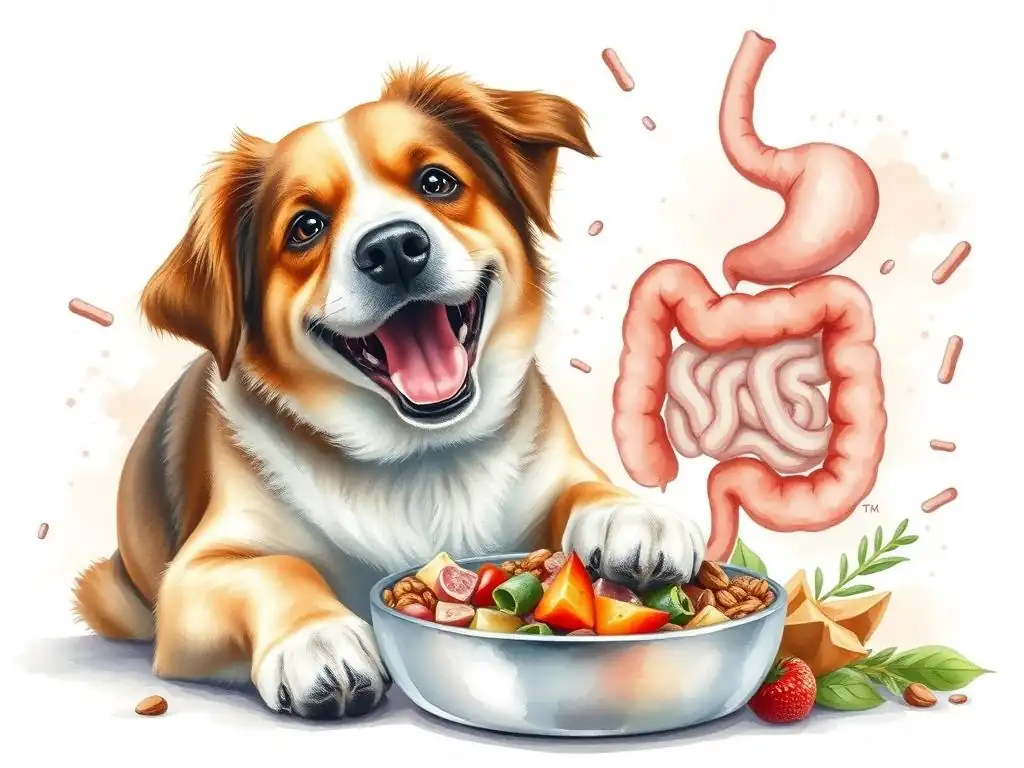
Addressing dog food digestive problems often requires a multifaceted approach, focusing primarily on diet modification. The right food can significantly alleviate symptoms and improve your dog's overall gut health. This section explores key strategies for finding and implementing the optimal diet for your canine companion. Understanding the causes of digestive issues in dogs, such as dog food sensitivities, is crucial to selecting the right solution. Ignoring these underlying causes can lead to chronic problems and further health complications. Remember, consulting a veterinarian is always recommended before making significant dietary changes, especially if your dog exhibits severe symptoms.
Switching to a High-Quality Dog Food: Choosing the Right Ingredients
The cornerstone of resolving dog food digestive problems is often a switch to a higher-quality dog food. This doesn't automatically mean the most expensive brand, but rather a food formulated with easily digestible ingredients and minimal fillers. Look for foods with:
- High-quality protein sources: Chicken, turkey, lamb, or fish should be listed as the primary ingredients, not unnamed meat by-products.
- Easily digestible carbohydrates: Opt for whole grains like brown rice or oats, or consider grain-free options (always under veterinary guidance, as some grain-free diets have been linked to heart disease). Avoid corn, wheat, and soy, common allergens.
- Healthy fats: Sources like salmon oil or flaxseed oil provide essential fatty acids beneficial for gut health.
- Prebiotics and probiotics: These promote a healthy gut microbiome, aiding digestion and boosting immunity. Look for foods explicitly mentioning these ingredients.
- Limited ingredients: Foods with fewer ingredients reduce the likelihood of allergic reactions or sensitivities.
Avoid foods with artificial colors, flavors, and preservatives, as these can irritate the digestive tract. Carefully read ingredient labels, paying close attention to the order of ingredients (those listed first are present in the highest amounts). A comprehensive understanding of ingredient lists is key to avoiding dog food digestive problems causes.
Gradual Food Transitions: Minimizing Digestive Distress During Changes
Switching your dog's food abruptly can exacerbate existing digestive issues. A gradual transition is crucial to allow your dog's digestive system to adapt to the new food. The process typically takes 7-10 days, and involves a slow increase in the proportion of new food while decreasing the old food.
A common approach involves a 7-day transition:
| Day | New Food Percentage | Old Food Percentage | Notes |
|---|---|---|---|
| Day 1-2 | 25% | 75% | Observe for any adverse reactions. |
| Day 3-4 | 50% | 50% | Continue monitoring closely. |
| Day 5-6 | 75% | 25% | Most dogs adjust well by this stage. |
| Day 7 | 100% | 0% | Transition complete. Monitor for a few days. |
Monitor your dog closely for any signs of digestive upset, such as diarrhea, vomiting, or changes in stool consistency. If you observe any negative changes, slow down the transition or consult your veterinarian. This careful approach minimizes the risk of triggering dog food digestive problems.
Addressing Specific Dietary Needs: Tailoring Nutrition to Your Dog's Condition
Some dogs require more specialized diets to manage specific digestive conditions. For instance:
- Sensitive Stomachs: Hypoallergenic diets, often featuring novel protein sources (like venison or duck), may be necessary for dogs with food allergies or sensitivities.
- Inflammatory Bowel Disease (IBD): Veterinarians may recommend prescription diets formulated to reduce inflammation and improve nutrient absorption.
- Pancreatitis: Low-fat diets are typically prescribed to reduce the burden on the pancreas.
- Diarrhea: Diets high in fiber and low in fat can help firm up stools.
Always consult your veterinarian to determine the most appropriate dietary approach for your dog's specific condition. They can conduct tests to identify underlying causes and recommend a tailored nutritional plan. Ignoring specific dietary needs can lead to persistent dog food digestive problems causes and worsen the underlying condition. Remember, providing the right nutrition is a crucial aspect of canine wellness and is key to managing various health challenges.
Homemade Dog Food Diets: Considerations and Precautions
Crafting a homemade dog food diet can seem appealing, offering the promise of complete control over ingredients and a potential solution for digestive issues. However, it requires significant research and careful planning to ensure nutritional balance and avoid deficiencies. A poorly balanced homemade diet can exacerbate, rather than alleviate, digestive problems.
Before embarking on this path, consult with a veterinary nutritionist. They can help you create a recipe that meets your dog's specific nutritional needs, considering factors like age, breed, activity level, and existing health conditions. Remember, dogs have different nutritional requirements than humans, and simply adapting human recipes is insufficient and potentially harmful.
A balanced homemade diet must include appropriate ratios of protein, carbohydrates, fats, vitamins, and minerals. Protein sources should be high-quality, such as lean meats, poultry, or fish. Carbohydrates should come from digestible sources like sweet potatoes or brown rice, avoiding those known to cause digestive upset in dogs. Healthy fats, like those found in fish oil or flaxseed oil, are crucial for skin and coat health.
Crucially, you must ensure the inclusion of all essential vitamins and minerals, which might require adding supplements. Failing to do so can lead to serious health problems. The preparation method is also vital; thorough cooking helps eliminate pathogens and improves digestibility. Regularly monitoring your dog's weight, stool consistency, and overall energy levels is crucial to assess the diet's effectiveness.
Any changes in these indicators should prompt a veterinary check-up. Remember, transitioning to a homemade diet should be gradual to avoid upsetting your dog's digestive system. A sudden change can trigger diarrhea, vomiting, and other digestive disturbances.
Probiotic Supplements: Supporting Gut Health and Digestion
Probiotics, live microorganisms similar to those found in a healthy gut, are increasingly recognized for their role in supporting canine digestive health. They can help restore the balance of beneficial bacteria in the gut microbiome, improving digestion and reducing the likelihood of digestive upsets. Many commercially available probiotic supplements are specifically formulated for dogs, containing strains known to be beneficial for canine gut health.
However, not all probiotics are created equal. Look for products that clearly state the number of colony-forming units (CFUs) per serving and specify the strains included. Choosing a product with a variety of strains can be beneficial as different strains offer different benefits.
Before introducing any probiotic supplement to your dog's diet, consult your veterinarian. They can advise on the appropriate dosage and suitability based on your dog's individual needs and existing health conditions. Some dogs may experience mild side effects, such as increased gas or loose stools, during the initial phase of probiotic supplementation. These side effects are usually temporary and resolve as the gut microbiome adjusts.
While probiotics can be a valuable tool in managing digestive issues, they are not a standalone solution. Addressing underlying dietary issues, such as food sensitivities or intolerances, remains crucial for long-term digestive health. Probiotics should be considered a complementary approach, not a replacement for proper veterinary care and dietary management when dealing with persistent dog food digestive problems. Furthermore, the quality of the probiotic supplement is paramount; ensure you purchase from a reputable source with high-quality manufacturing practices.
Preventing Future Digestive Issues in Dogs: Proactive Measures

Addressing "dog food digestive problems causes" requires a proactive approach beyond simply treating symptoms. Preventing future digestive upset involves understanding your dog's individual needs and implementing consistent, healthy habits. This section focuses on practical steps you can take to minimize the risk of future digestive problems in your canine companion. Remember, a healthy digestive system is crucial for overall well-being.
Maintaining a Consistent Diet: Avoiding Frequent Food Changes
Sudden changes in your dog's diet are a major contributor to digestive upset. The gut microbiome, a complex ecosystem of bacteria, needs time to adapt to new foods. Introducing a new food too quickly can lead to diarrhea, vomiting, and other digestive issues. Instead of abruptly switching foods, gradually transition your dog to a new diet over 7-10 days. Start by mixing a small amount of the new food with their current food, gradually increasing the proportion of the new food over the transition period.
This allows their digestive system to adjust smoothly, reducing the likelihood of problems. Sticking to a consistent, high-quality dog food formulated for their age, breed, and activity level is paramount. Avoid feeding table scraps or human foods, as these can upset their delicate digestive balance. Consistency is key when it comes to preventing future digestive issues related to diet.
Monitoring Your Dog's Stool: Identifying Early Warning Signs
Regularly monitoring your dog's stool is a simple yet effective way to detect early signs of digestive problems. Pay attention to the consistency, color, and frequency of their bowel movements. Healthy dog stool is typically firm, brown, and well-formed. Changes in stool consistency, such as diarrhea (loose, watery stools) or constipation (hard, dry stools), are often early indicators of digestive problems. Similarly, changes in stool color (e.g., very pale, black, or red) can signal underlying issues.
Increased frequency or straining during bowel movements should also raise concerns. Keeping a record of your dog's bowel movements can help you identify patterns and spot potential problems early. Early detection allows for prompt intervention, preventing minor issues from escalating into more serious problems. This simple practice can significantly contribute to preventing future digestive issues and ensuring your dog's overall health.
Providing Access to Fresh Water: Essential for Digestive Health
Access to fresh, clean water is crucial for optimal digestive health in dogs. Water aids in digestion, helps to move food through the digestive tract, and prevents constipation. Dehydration can exacerbate digestive problems, leading to more severe symptoms.
Always ensure your dog has access to a clean water bowl filled with fresh water throughout the day, especially after exercise or meals. Consider using a water fountain to encourage increased water intake. The amount of water a dog needs varies depending on factors such as breed, size, activity level, and climate.
Observe your dog's water consumption; if you notice a significant decrease or increase, it could be an indicator of an underlying health problem, potentially including a digestive issue. Regularly cleaning and refilling your dog's water bowl will prevent the growth of harmful bacteria and maintain optimal hydration, contributing to a healthier digestive system. Providing adequate water is a simple yet effective way to prevent many dog food digestive problems causes.
Regular Veterinary Checkups: Preventative Care for Optimal Health
Regular veterinary checkups are paramount in preventing digestive issues and maintaining your dog's overall health. These visits aren't just for when your dog is sick; they're crucial for early detection of potential problems. A veterinarian can conduct a thorough physical examination, assessing your dog's weight, body condition, and bowel movements.
Any irregularities, such as persistent diarrhea, constipation, or vomiting, can be addressed promptly, preventing them from escalating into more serious digestive problems. Furthermore, your vet can perform blood tests to check for underlying medical conditions like pancreatitis or inflammatory bowel disease (IBD), both of which significantly impact digestion. Early diagnosis allows for timely intervention and treatment, minimizing long-term complications.
Beyond physical examinations and blood work, regular checkups provide an opportunity to discuss your dog's diet and lifestyle with your veterinarian. They can advise on appropriate food choices based on your dog's breed, age, activity level, and any pre-existing health conditions. This personalized guidance helps you make informed decisions about nutrition, ensuring your dog receives the necessary nutrients for optimal digestive health. For instance, a vet might recommend a specific diet for dogs prone to sensitive stomachs or suggest supplements to improve gut health.
Open communication with your veterinarian is key to proactive management of your dog's digestive well-being. Don't hesitate to raise any concerns, no matter how small they may seem. Early intervention is far more effective and less costly than treating advanced digestive disorders.
Remember, preventative care is the best way to ensure your dog enjoys a long, healthy life free from digestive distress. Scheduling regular checkups is an investment in your dog's well-being and peace of mind for you. The frequency of these checkups will depend on your dog's age and health status; your vet can guide you on the appropriate schedule.
Case Studies: Real-Life Examples of Dog Food Digestive Problems and Solutions
This section presents real-world examples illustrating the link between dog food and digestive issues. Understanding these case studies can help pet owners recognize potential problems and proactively address them. Remember, these are illustrative examples and should not be taken as a substitute for professional veterinary advice. Always consult your veterinarian for diagnosis and treatment of your dog's digestive problems.
Case Study 1: Breed, Age, Symptoms, Diagnosis, Solution
A 3-year-old German Shepherd named Max presented with chronic diarrhea and vomiting. His owners reported that his stools were loose and watery, sometimes containing undigested food. Max also exhibited lethargy and weight loss. He had been fed a commercial brand of dry dog food containing high levels of corn and soy, ingredients known to be potential allergens for some dogs.
His veterinarian conducted a thorough physical examination and fecal analysis. The analysis revealed the presence of inflammatory cells, indicating inflammatory bowel disease (IBD). The veterinarian suspected a food allergy as a contributing factor to Max's IBD. The solution involved a complete elimination diet trial, switching Max to a novel protein and carbohydrate source, such as lamb and sweet potato.
Within a few weeks of this dietary change, Max's symptoms significantly improved, and his stools returned to normal consistency. Regular fecal monitoring and bloodwork helped maintain his improved health. This highlights how identifying and eliminating dietary allergens can significantly impact a dog's digestive health. Careful selection of dog food, especially for dogs with pre-existing conditions or sensitivities, is crucial for optimal digestive health.
Case Study 2: Breed, Age, Symptoms, Diagnosis, Solution
A 7-year-old Labrador Retriever, Luna, experienced intermittent constipation, characterized by hard, dry stools that were difficult to pass. She also exhibited straining during defecation and occasional abdominal discomfort. Luna had been eating a premium kibble designed for senior dogs, but the formulation contained a high fiber content. While fiber is generally beneficial, an excessive amount can cause constipation in some dogs, especially those with pre-existing conditions affecting bowel motility. Her veterinarian performed a physical exam and ruled out any underlying structural issues in her gastrointestinal tract.
The diagnosis pointed towards dietary-induced constipation. The solution involved gradually reducing the fiber content of Luna's diet by mixing her existing food with a lower-fiber option. Simultaneously, her owners increased her water intake and incorporated more exercise into her daily routine. These combined interventions helped regulate Luna's bowel movements and alleviate her constipation.
This case emphasizes the importance of considering individual dietary needs and adjusting the food accordingly, even with premium brands. Too much of a good thing, like fiber, can lead to digestive problems. Monitoring stool consistency and adjusting the diet as needed is key to maintaining optimal digestive health in senior dogs. Regular veterinary checkups are also important to detect and address potential problems early.
Frequently Asked Questions
What are the most common causes of digestive problems in dogs?
Many factors contribute to canine digestive issues. Common culprits include diet changes, food intolerances or allergies, infections, parasites, and stress. Underlying health conditions can also play a role.
How can I tell if my dog has a digestive problem?
Symptoms vary but often include diarrhea, vomiting, loss of appetite, abdominal pain, and changes in stool consistency or frequency. If you notice any of these, consult your vet.
What types of dog food are best for sensitive digestion?
Look for foods with high-quality, easily digestible protein sources like chicken or lamb. Limited-ingredient diets can help identify allergens. Consider foods specifically formulated for sensitive stomachs or those with added probiotics.
My dog has diarrhea; when should I seek veterinary attention?
Seek immediate veterinary care if your dog has severe diarrhea, is lethargic, is vomiting excessively, or shows signs of dehydration (e.g., sunken eyes, dry gums). Persistent diarrhea also warrants a vet visit.
Can I switch my dog's food suddenly to address digestive problems?
No, sudden food changes can worsen digestive upset. Transition gradually over 7-10 days, slowly increasing the new food's proportion while decreasing the old food's. Consult your vet before making significant dietary changes.
Final Reflection: Unlocking Digestive Harmony for Our Canine Companions
The alarming rise in canine digestive issues is inextricably linked to the food we feed our beloved pets, a stark reality demanding immediate attention. This article has explored the complex relationship between commercial dog food ingredients and the prevalence of digestive problems, revealing the often-hidden culprits behind upset stomachs, chronic diarrhea, and other debilitating conditions. We've uncovered the crucial role of ingredient quality, processing methods, and the individual needs of our dogs in maintaining optimal gut health.
The impact of this knowledge extends far beyond individual pet care; it speaks to a larger conversation about responsible pet ownership and the ethical sourcing of pet food. The dog is the most domesticated animal. He is the only one that has completely surrendered his independence to man.
- This quote highlights the profound responsibility we bear for our canine companions' well-being, a responsibility that includes making informed choices about their nutrition. Understanding the connection between diet and digestive health empowers us to advocate for better standards in the pet food industry and to actively participate in our dogs' health journeys.
Now, consider your own dog. What are you feeding them? Do you understand the ingredients listed on the label? This article is not just a collection of facts; it's a call to action. Take the time to research, to question, and to choose dog food that prioritizes whole, natural ingredients and supports your dog's unique digestive needs. By making conscious choices, you are not only improving your dog's physical health but also strengthening the bond you share, ensuring a happier, healthier, and longer life together.
Unlock Your Dog's Digestive Harmony
Thank you for learning about the crucial link between dog food and digestive health! You're now equipped to make informed decisions for your canine companion. Ready to put this knowledge into practice?
- Prioritize high-quality nutrition: Carefully examine the ingredient list of your dog's food, looking for recognizable whole foods and avoiding those with numerous artificial additives. This is the most significant step you can take to improve your dog's digestive health.
- Transition to new food gradually: A slow introduction minimizes digestive upset and allows your dog to adapt comfortably to a potentially healthier diet.
- Share your knowledge: Help other dog owners by sharing this information. Let's build a supportive community focused on canine well-being!
What small change will you make today to improve your dog's digestive health?