
Dog Grooming for the Anxious Pup: Calming Techniques

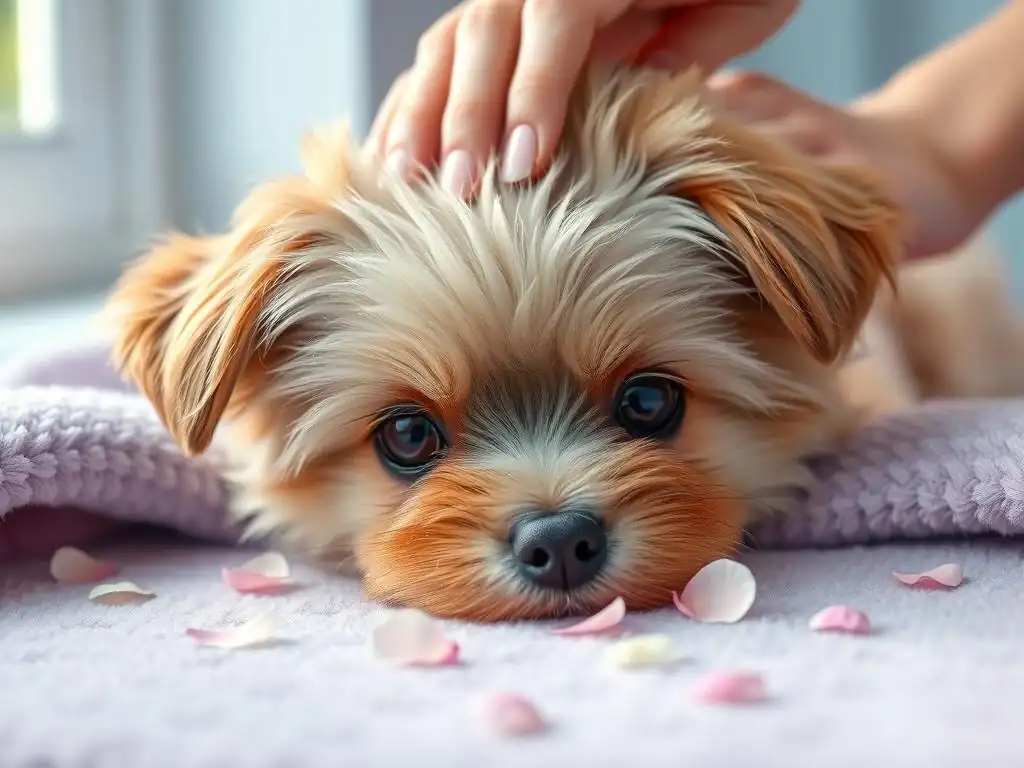
Welcome to PetCareWorld, your ultimate guide to a happier, healthier life for your beloved pets! Are you struggling to groom your anxious canine companion? Discover proven techniques to transform stressful grooming sessions into positive experiences with our expert guide on Calm Anxious Dog Grooming. Learn how to build trust, reduce fear, and make bath time a breeze – unlock the secrets to a stress-free grooming routine today!
- Understanding Your Anxious Dog During Grooming
- Creating a Relaxing Grooming Environment for Anxious Dogs
- Calming Techniques for Anxious Dogs During Grooming
- Step-by-Step Guide to Grooming an Anxious Dog
- When to Seek Professional Help for Anxious Dog Grooming
- Maintaining a Calm Grooming Routine for Long-Term Success
- Frequently Asked Questions
- Final Reflection: Finding Peace in the Grooming Process
- Unlock Your Pup's Inner Zen: Grooming Made Easy
Understanding Your Anxious Dog During Grooming
Grooming your canine companion should be a positive experience, strengthening your bond and ensuring their hygiene. However, for many dogs, grooming sessions can be a source of significant anxiety. This article provides a comprehensive guide to recognizing, understanding, and managing anxiety in dogs during grooming, ultimately transforming these potentially stressful encounters into calmer, more positive experiences.
We will explore techniques to help you identify the root causes of your dog's anxiety, assess the severity of their distress, and implement effective calming strategies. Learning to read your dog's body language and tailor your approach accordingly is crucial for building trust and ensuring a safe and comfortable grooming experience for both you and your furry friend. This guide focuses on practical, evidence-based methods to help you navigate the challenges of grooming an anxious dog, ultimately leading to a more relaxed and enjoyable routine for everyone involved.
Recognizing Signs of Anxiety in Dogs During Grooming
Recognizing the signs of anxiety in your dog during grooming is the first crucial step towards addressing the issue. Dogs display anxiety in various ways, and it's important to be observant and understand their subtle cues. Some common signs include:
- Panting: Excessive panting, even in a cool environment, can indicate stress.
- Whining or whimpering: Vocalizations are a clear sign of discomfort or fear.
- Shaking or trembling: Physical tremors are a common manifestation of anxiety.
- Yawning: Frequent yawning, even without apparent drowsiness, can be a stress response.
- Lip licking: Repeated lip licking often signifies anxiety or appeasement behavior.
- Avoidance: Trying to move away or escape from the grooming situation.
- Aggression: In some cases, anxiety can manifest as snapping, growling, or biting.
- Dilated pupils: Enlarged pupils can indicate heightened arousal and stress.
- Tucked tail: A tucked tail often suggests fear or submission.
- Piloerection: Raised hackles (hairs standing on end) indicate fear or alertness.
It's important to note that not all dogs exhibit the same signs of anxiety, and the intensity of these signs can vary. Keeping a grooming journal to note your dog's behavior can be helpful in identifying patterns and triggers. This careful observation allows you to better understand your dog's individual responses and tailor your approach accordingly. Remember, early intervention is key to managing and mitigating anxiety.
Identifying Triggers: What Makes Your Dog Anxious During Grooming?
Understanding what specifically triggers your dog's anxiety during grooming is essential for developing effective coping strategies. Common triggers include:
- Specific grooming tools: The sound or feel of certain tools like clippers, brushes, or dryers might be frightening.
- Confinement: The feeling of being restrained or held still can be stressful for some dogs.
- Unfamiliar environments: Grooming in a new or unfamiliar location can increase anxiety.
- Previous negative experiences: A past traumatic experience during grooming can lead to lasting fear.
- Painful experiences: If your dog has previously experienced pain during grooming, it will associate the experience with negativity.
- Over-stimulation: Too much noise or activity in the surrounding environment can exacerbate anxiety.
- The groomer themselves: A lack of trust or a negative interaction with a groomer can lead to anxiety.
By systematically observing your dog's reactions during different stages of the grooming process, you can pinpoint the specific triggers that contribute to their anxiety. This process of elimination helps you create a customized plan to address each trigger individually. For example, if the sound of clippers is a trigger, you can start by introducing them gradually at a distance and rewarding calm behavior.
Assessing Your Dog's Anxiety Level: Mild, Moderate, or Severe
Once you've identified the signs and triggers, it's vital to assess the severity of your dog's anxiety. This helps determine the appropriate calming techniques and interventions. We can categorize anxiety levels as follows:
| Anxiety Level | Signs | Intervention |
|---|---|---|
| Mild | Mild panting, slight restlessness, occasional lip licking. | Gentle reassurance, slow and deliberate grooming, frequent positive reinforcement. |
| Moderate | Increased panting, trembling, avoidance behaviors, whining or whimpering. | More structured calming techniques, desensitization and counter-conditioning. |
| Severe | Intense panting, shaking, aggression, attempts to escape, complete avoidance. | Professional help from a veterinarian or certified dog trainer may be necessary. |
Understanding your dog's anxiety level allows you to tailor your approach effectively. For mild anxiety, simple reassurance and positive reinforcement may suffice. Moderate anxiety may require more structured calming techniques, while severe anxiety often necessitates professional intervention. Remember, patience and consistency are key to managing your dog's anxiety and creating a positive grooming experience.
Creating a Relaxing Grooming Environment for Anxious Dogs
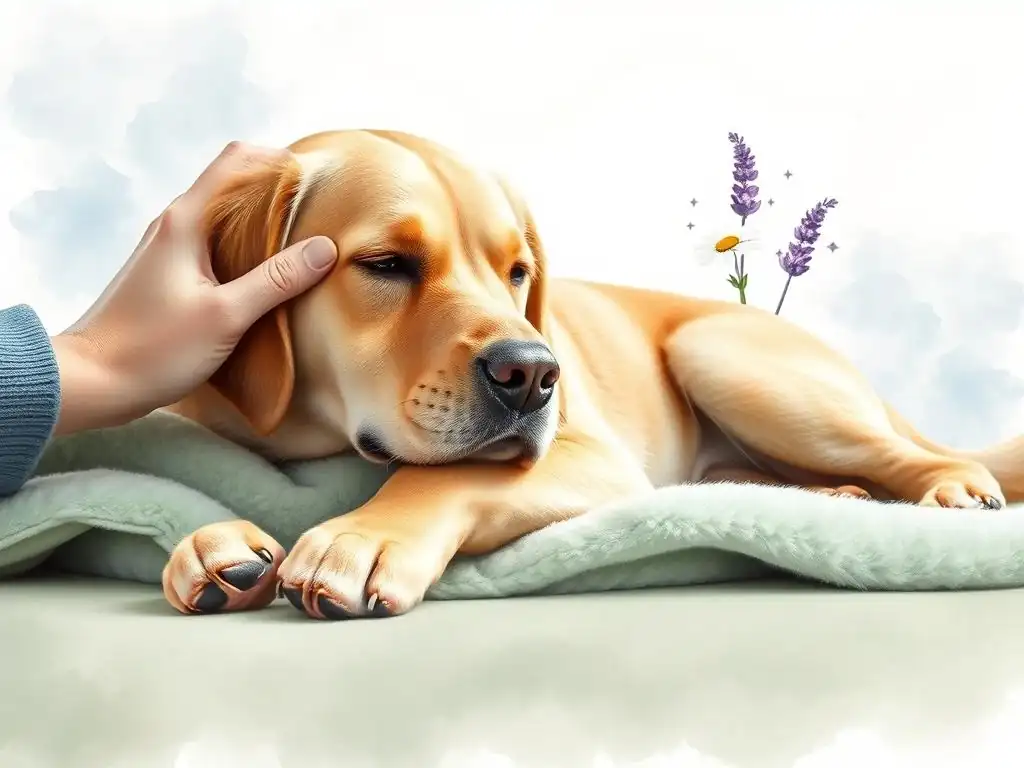
This section focuses on establishing a calming atmosphere to ease your anxious dog's grooming experience. A relaxed dog is a much safer and more cooperative dog during grooming, leading to a less stressful experience for both you and your furry friend. Remember, patience and consistency are key when working with an anxious dog. The goal is to create positive associations with grooming, transforming it from a dreaded event into a comfortable routine.
We'll explore various techniques to achieve this, focusing on sensory input and positive reinforcement. Successfully calming an anxious dog during grooming hinges on understanding their anxieties and proactively addressing them. This approach directly tackles the keyword, "calm anxious dog grooming," offering practical solutions for pet owners.
Setting the Mood: Soothing Sounds and Scents
Creating a calming atmosphere begins with carefully considering your dog's sensory input. Many anxious dogs react negatively to loud noises and unfamiliar smells. Therefore, minimizing these stressors is crucial. Consider these strategies:
- Soothing Music: Play calming music specifically designed for animals. Studies show that classical music or specifically composed dog calming music can significantly reduce anxiety levels. Look for playlists or tracks explicitly labeled for anxiety reduction in pets. The rhythmic and predictable nature of the music can have a tranquilizing effect.
- Aromatherapy (with caution): Certain scents, like lavender or chamomile, are known for their calming properties in humans and may have a similar effect on dogs. However, always use caution and consult your veterinarian before introducing any new scents into your dog's environment. Some dogs may be sensitive to certain aromas, and essential oils should never be applied directly to your dog's skin. If using diffusers, ensure proper ventilation.
- Dim Lighting: Bright lights can be overstimulating. Opt for soft, diffused lighting to create a more relaxed ambiance. A dimmer switch can be particularly helpful in adjusting the lighting to your dog's comfort level.
The Importance of a Comfortable Grooming Space
The physical space where you groom your dog significantly impacts their anxiety levels. A comfortable and safe space is essential for a positive grooming experience. Consider these factors:
- Familiar Territory: Groom your dog in a familiar area, ideally a room where they already feel safe and relaxed. This reduces the novelty and potential for fear.
- Non-Slippery Surface: Ensure the grooming surface is stable and non-slippery to prevent your dog from feeling insecure or unsteady. A rubber mat or towel can provide additional grip.
- Accessibility: Make sure you have easy access to all your grooming tools, minimizing any unnecessary fumbling or stress-inducing delays. Organization is key to a smooth and efficient grooming session.
- Escape Route: While you want your dog to feel safe, never completely block their escape route. Allowing them to move away briefly if they feel overwhelmed can build trust and reduce their fear of being trapped.
Positive Reinforcement Techniques: Rewarding Calm Behavior
Positive reinforcement is the cornerstone of successful dog training, including grooming. Instead of focusing on punishment, reward calm behavior during the grooming process.
- High-Value Treats: Use small, high-value treats your dog loves. Reward even the slightest signs of calm behavior, such as remaining still for a few seconds or allowing you to touch a particular area.
- Verbal Praise: Combine treats with enthusiastic and positive verbal praise. A happy and encouraging tone can significantly impact your dog's emotional response.
- Progressive Desensitization: Gradually introduce grooming tools and techniques. Start with simple actions like brushing for short periods and gradually increase the duration and intensity as your dog becomes more comfortable. This slow, step-by-step approach is crucial for anxious dogs.
- Breaks: If your dog shows signs of stress or anxiety (panting, yawning, lip licking), take a break immediately. Resume the grooming session later, or even the next day. Never push your dog beyond their comfort level. Consistency and patience will eventually yield positive results. Remember, the goal is to create a positive association with grooming, not to force compliance.
By implementing these strategies, you can significantly improve your anxious dog's grooming experience, turning a stressful ordeal into a more positive and rewarding interaction for both of you. Remember, patience and understanding are crucial when working with an anxious pet.
Calming Techniques for Anxious Dogs During Grooming
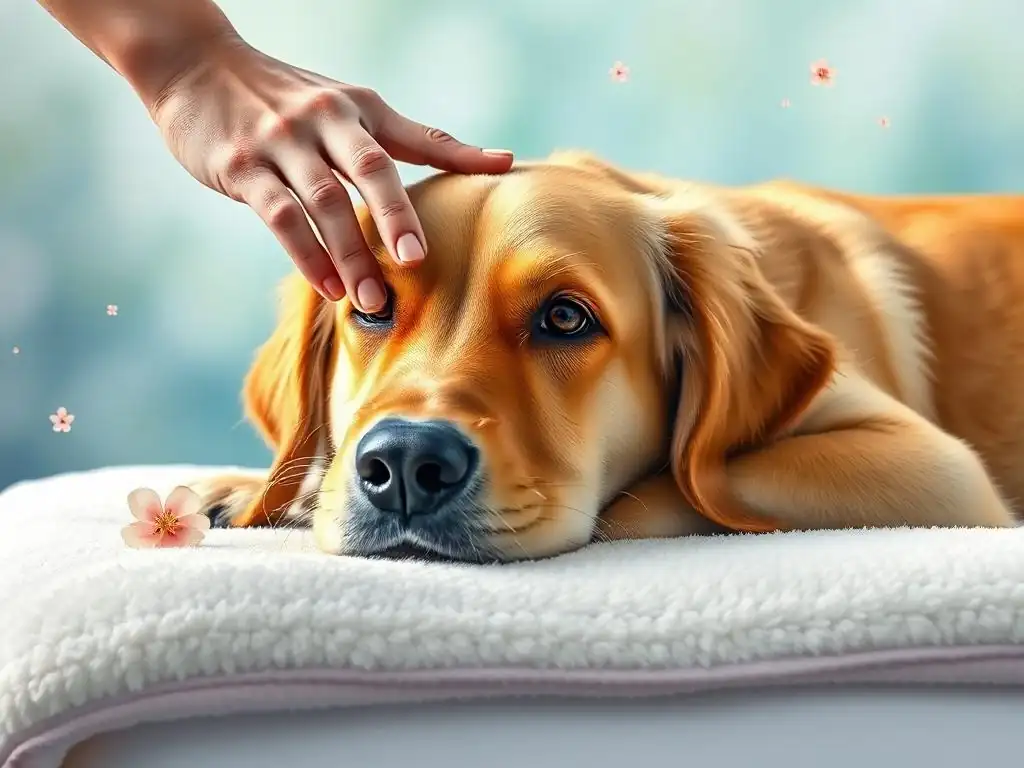
This section delves into practical strategies for managing anxiety in dogs during grooming sessions. Successfully calming an anxious dog during grooming requires patience, understanding, and a systematic approach. Remember, the goal is to create positive associations with the grooming process, transforming a stressful experience into something more comfortable. We'll explore techniques to reduce fear and build trust, ultimately making grooming a less daunting task for both you and your furry friend.
Desensitization and Counter-Conditioning for Grooming
Desensitization and counter-conditioning are powerful behavioral modification techniques that can significantly reduce a dog's anxiety around grooming. Desensitization gradually exposes the dog to anxiety-provoking stimuli (like the sound of clippers or the feel of a brush) at a low intensity, while counter-conditioning pairs these stimuli with positive reinforcement (treats, praise).
The process involves breaking down grooming into smaller, less intimidating steps. For instance, instead of immediately starting with a full brush, begin by simply letting your dog sniff the brush. Reward calm behavior with high-value treats and praise. Gradually increase the intensity and duration of the exposure, always ensuring the dog remains comfortable.
Here’s a sample desensitization and counter-conditioning plan:
| Day | Activity | Duration (seconds) | Reward | Notes |
|---|---|---|---|---|
| 1 | Show brush, let dog sniff | 5-10 | High-value treat | Observe dog's reaction; stop if stressed |
| 2 | Lightly touch with brush | 10-15 | High-value treat | Focus on areas dog tolerates best |
| 3 | Brush a small area (legs) | 15-20 | High-value treat | Gradually increase duration and area brushed |
| 4 | Brush larger area (body) | 20-30 | High-value treat | Maintain a calm and reassuring tone of voice |
| 5 | Introduce clippers (off) | 5-10 | High-value treat | Let dog investigate; reward calm exploration |
| 6 | Clippers on, far away, briefly | 2-3 | High-value treat | Gradually move closer as the dog remains calm |
| 7 | Brief clipping session (paws) | 10-15 | High-value treat | Celebrate success with extra praise and treats! |
Remember to always end each session on a positive note, even if it's short. Consistency and patience are key to success. If your dog shows signs of significant stress (panting, yawning, lip licking, whale eye), immediately stop and reduce the intensity of the stimulus.
Gentle Handling and Approach: Minimizing Stress
The way you approach and handle your dog during grooming significantly impacts their anxiety levels. A gentle, reassuring approach can make a world of difference. Avoid sudden movements or loud noises. Speak softly and calmly, using a soothing tone.
Before beginning, allow your dog to approach you at their own pace. Let them sniff your hands and the grooming tools. Use positive reinforcement to reward their calm behavior. Make the entire experience as relaxed and enjoyable as possible. Consider using a comfortable, non-slip grooming mat.
Start with the areas your dog tolerates best, such as their legs or tail. Gradually work your way towards more sensitive areas. If your dog shows signs of discomfort, stop immediately and try again later or on a different day. Never force your dog to endure anything they are unwilling to accept. Remember, building trust takes time. 🐶
Using Calming Aids: Pheromones, Supplements, and Toys
Various calming aids can help reduce your dog's anxiety during grooming. Synthetic pheromone sprays or diffusers, mimicking the calming scent of a mother dog, can create a more relaxed environment. Consult your veterinarian before using any supplements, as some may interact with existing medications. They can recommend appropriate calming supplements tailored to your dog's needs.
Interactive toys, such as puzzle feeders or chew toys, can distract and soothe your dog during the grooming process. Providing a reward during grooming can help create positive associations with the experience. Consider a lick mat with peanut butter or a frozen Kong to keep your dog occupied and relaxed. Remember to choose toys that are safe and appropriate for your dog's size and chewing habits. The goal is to create a positive and rewarding experience, turning grooming from a dreaded chore into a calm and enjoyable activity for both you and your canine companion.
The Power of Touch: Gentle Massage and Brushing
Gentle massage and brushing are incredibly effective tools in calming an anxious dog during grooming. The key is to approach the process slowly and with unwavering patience. Start by simply letting your dog sniff your hands and the brush. Don't force interaction; allow your dog to investigate at their own pace. Once they seem comfortable, begin with gentle strokes on their chest and shoulders – areas most dogs find soothing.
Use a soft-bristled brush and apply light pressure. Focus on the strokes themselves, using long, flowing motions rather than short, abrupt ones. This helps to reduce their stress response and promotes relaxation. Remember, the goal is not to complete the entire grooming session in one go, but rather to create positive associations with the tools and the process. Even a few minutes of gentle brushing can significantly reduce anxiety.
Many dogs respond well to massage techniques. Start with their legs and work your way up their body, avoiding any areas they seem particularly sensitive about. Pay attention to their body language; if they tense up or pull away, stop immediately and try again later. A slight whimper or lip lick might indicate discomfort, even before a more obvious reaction. Use your fingers to gently knead the muscles, applying firm yet gentle pressure.
This not only helps to relax them physically, but also strengthens your bond and fosters trust. The consistent, rhythmic touch can be incredibly calming, especially for dogs who are used to tactile affection. Combine massage with brushing to create a truly soothing experience. The combined sensations can be remarkably effective in easing anxiety. Remember to reward calm behavior with praise and treats throughout the process.
Consider the type of brush you use. A soft-bristled brush is generally preferred for anxious dogs, as it minimizes any potential discomfort. Avoid using brushes that are too harsh or have sharp bristles, as these can exacerbate their anxiety and make them fearful of the grooming process. A slicker brush, for example, might be too stimulating for a dog who is already stressed.
Experiment to find the best brush for your dog's coat and temperament. Regular, consistent brushing outside of grooming sessions also helps to desensitize them to the touch and makes the actual grooming process less stressful. This is a form of preventative care for anxiety related to grooming.
Step-by-Step Guide to Grooming an Anxious Dog
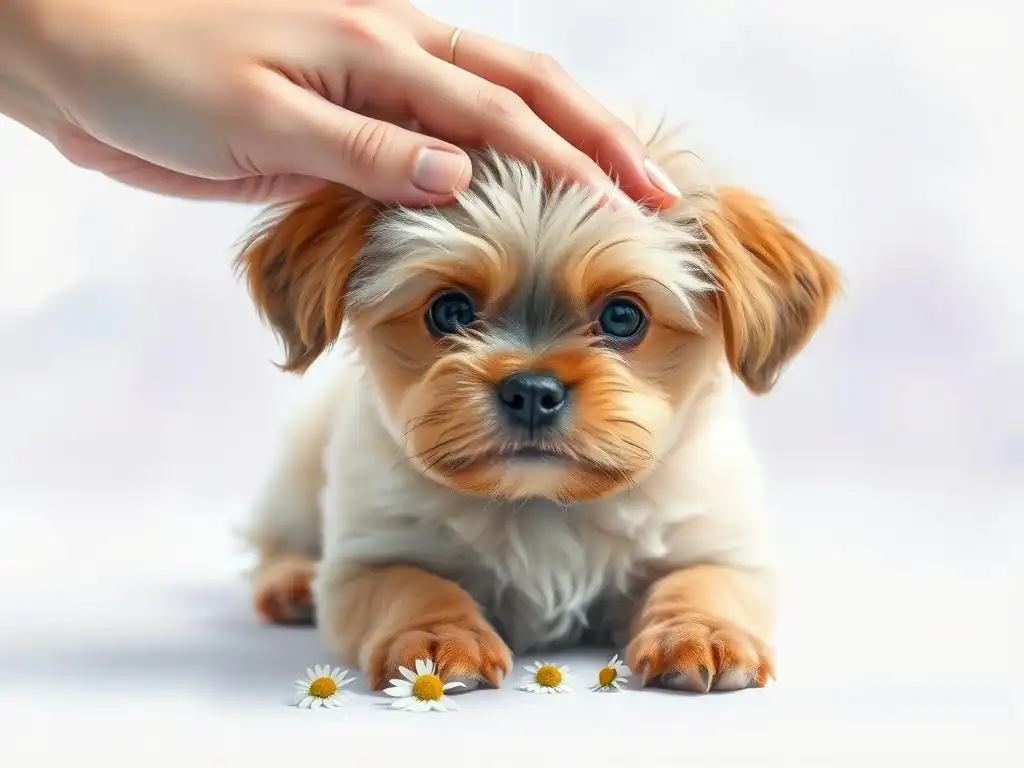
This section details a practical, step-by-step approach to grooming your anxious dog, focusing on techniques to minimize stress and maximize a positive experience. Remember, patience and consistency are key to success when working with a fearful canine companion. The goal is to build positive associations with grooming, transforming it from a dreaded event into a comfortable routine.
Pre-Grooming Preparation: Setting the Stage for Success
Before you even begin to think about brushes and clippers, preparation is crucial for a successful grooming session with an anxious dog. This involves creating a safe, comfortable, and predictable environment. Think of it as setting the stage for a performance – you wouldn't put on a play without setting the scene first!
First, choose a quiet, comfortable location. Avoid areas with high traffic or loud noises. A bathroom might be ideal, as it often has a non-slip surface and easy access to water. Consider covering the floor with a non-slip mat to provide extra traction and comfort for your dog.
Next, gather all your grooming supplies beforehand. Having everything readily available prevents interruptions and reduces the chance of you having to leave your dog unattended, which could increase their anxiety. This includes brushes, combs, clippers (if using), shampoo, conditioner, towels, and treats.
Finally, and perhaps most importantly, desensitize your dog to the grooming tools. This process involves gradually introducing your dog to the sight, sound, and feel of the tools without actually grooming them. Start by letting them sniff the brushes, then let them touch them, and gradually work up to gently stroking them with the tools. Reward them with high-value treats and praise throughout this process. This desensitization phase is crucial for building positive associations with what might otherwise be scary objects.
The Grooming Process: A Calm and Gradual Approach
Once your dog is comfortable with the grooming tools, you can begin the actual grooming process. Remember, the key here is gradual and consistent. Don't try to do everything at once. Break the grooming session into smaller, manageable chunks. For example, you could start with brushing for five minutes one day, then add nail trimming the next, and so on.
Start with the areas your dog is most comfortable with. For many dogs, this is their head or chest. Use gentle, slow strokes, and frequently pause to offer praise and treats. Watch your dog's body language closely. Signs of anxiety might include yawning, lip licking, whale eye (showing the whites of their eyes), tucked tail, or stiffness. If you see any of these signs, immediately stop and take a break. Resume later, or even the next day.
If your dog is particularly anxious about a specific part of the grooming process (like nail trimming), use positive reinforcement techniques like counter-conditioning. Pair the nail clippers with something positive, such as a high-value treat or a favorite toy. Start by simply having the clippers near them while giving treats, then gradually move towards touching their paws with the clippers.
This helps to create a positive association with the potentially scary object. Remember to keep the sessions short and sweet, focusing on building confidence rather than completing the entire grooming process in one go. This patient approach will yield far better results in the long run.
Post-Grooming Rewards: Positive Reinforcement and Relaxation
The grooming session shouldn’t end when the clippers are put away. Positive reinforcement extends beyond the actual grooming process itself. Once you've finished, reward your dog with plenty of praise, affection, and high-value treats. This helps cement the positive associations you've been building throughout the session. Consider ending the session with a relaxing activity, such as a quiet playtime or a gentle massage.
It's also important to observe your dog's behavior after the grooming session. If they seem stressed or anxious, it's a sign that you might need to adjust your approach. Consider breaking down the process into even smaller steps, or using different calming techniques, such as playing calming music or using pheromone diffusers. Remember, every dog is different, and finding the right approach might require some trial and error.
The ultimate goal is to create a positive and stress-free grooming experience for your beloved canine companion. This will not only make grooming easier for you but also contribute significantly to their overall well-being. 🐶
When to Seek Professional Help for Anxious Dog Grooming
Calming an anxious dog during grooming can be challenging, even for experienced pet owners. Sometimes, despite your best efforts, your dog's anxiety may be too severe to manage at home. Recognizing the limitations of home grooming is crucial for your dog's well-being and safety. This section helps you identify when professional help is necessary for a calmer grooming experience.
Recognizing When You Need Professional Assistance
Several signs indicate that you might need to seek professional help for your dog's grooming. These signs go beyond simple nervousness and suggest a level of anxiety that could compromise the grooming process and potentially harm your dog or yourself. Consider professional assistance if your dog exhibits:
- Extreme fear responses: This includes intense barking, growling, snapping, biting, cowering, or attempting to escape. These behaviors show significant distress and can make even basic grooming impossible. A professional groomer has the experience and tools to handle such reactions more effectively.
- Inability to manage grooming at home: If you've tried various calming techniques (discussed elsewhere in this article) and still find grooming sessions excessively stressful for both you and your dog, professional assistance is warranted. The stress itself can negatively impact your bond with your pet.
- Specific grooming needs beyond your capabilities: Certain breeds or dogs with specific medical conditions require specialized grooming techniques. For example, dogs with matted fur might need professional detangling to avoid causing pain. This is beyond the scope of basic home grooming and requires expertise.
- Safety concerns: If you feel unsafe handling your dog during grooming due to their anxious behavior, it’s best to seek professional help. A professional groomer is trained to handle dogs safely, even those with challenging behaviors.
Finding a Dog Groomer Experienced with Anxious Dogs
Finding the right groomer is paramount. Not all groomers are equally equipped to handle anxious dogs. Look for groomers who specifically advertise their experience with anxious or fearful canines. Inquire about their techniques for calming dogs and their approach to managing challenging behaviors.
- Ask about their methods: A good groomer will explain their approach to calming dogs. They might use positive reinforcement, desensitization techniques, or pheromone diffusers. Understanding their methods will give you peace of mind.
- Check reviews and testimonials: Online reviews can provide valuable insights into a groomer's experience with anxious dogs. Look for feedback mentioning positive experiences with fearful pets.
- Schedule a consultation: Many groomers offer consultations before the actual grooming appointment. This allows you to meet the groomer, observe their interaction with dogs, and discuss your dog's specific needs and anxieties. This is a crucial step to ensure a comfortable fit.
- Consider certifications: While not always necessary, some groomers may hold certifications in animal behavior or specialized training in handling anxious pets. This added qualification can indicate a higher level of expertise.
Preparing for a Professional Grooming Appointment
Even with a skilled groomer, preparation is key for a successful appointment. This reduces your dog's stress and ensures a smoother experience.
- Communicate openly: Clearly communicate your dog's anxieties and any past negative experiences with grooming to the groomer. Provide a detailed history of your dog's behavior to help them prepare accordingly.
- Introduce your dog gradually: If possible, arrange a short meet-and-greet before the actual appointment to allow your dog to become familiar with the environment and the groomer.
- Use calming aids: Consider using calming aids such as pheromone sprays or calming treats before and during the appointment. Discuss this with the groomer to ensure compatibility with their methods.
- Positive reinforcement: Reward your dog with positive reinforcement and praise after the grooming session to create a positive association with the experience. This helps to mitigate future anxiety.
Remember, prioritizing your dog's well-being is essential. Seeking professional help when needed is not a sign of failure but a responsible approach to ensuring your dog receives the best possible care. A calm and comfortable grooming experience contributes significantly to your dog's overall health and happiness. 🐶
Maintaining a Calm Grooming Routine for Long-Term Success
Regular grooming is crucial for your dog's health and well-being, but for anxious pups, it can become a stressful experience. Establishing a calm and positive grooming routine from the start is key to preventing anxiety and ensuring a smooth process in the long run. This involves more than just the grooming session itself; it's about creating a positive association with the entire process.
Remember, the goal is to transform grooming from a dreaded event into a comfortable and even enjoyable experience for your canine companion. Consistency and patience are vital components in achieving this. We'll explore specific techniques to help you achieve this long-term success with your anxious dog.
Consistent Positive Reinforcement: Building Confidence
Positive reinforcement is the cornerstone of successful dog training, and grooming is no exception. Instead of forcing your dog through the process, focus on rewarding calm behavior. Start with short, positive interactions. Let your dog sniff and investigate the grooming tools. Reward any calm behavior with treats, praise, or gentle petting.
Gradually introduce each grooming tool, always rewarding calm responses. For instance, if you're introducing a brush, initially let your dog sniff it. Then, gently touch the brush to their fur, rewarding them for remaining calm. Slowly increase the duration of the touch and gradually work towards brushing small sections.
The key is to move at your dog's pace, never pushing them beyond their comfort zone. This gradual process builds trust and confidence, making future grooming sessions less stressful. Remember to use high-value treats – small, soft, and easily consumed – to maximize the positive reinforcement effect. A systematic approach, rewarding even small successes, can significantly reduce anxiety associated with grooming.
Consider using a clicker for even more precise positive reinforcement. The clicker provides a clear and consistent marker for desired behavior, immediately followed by a treat. This method helps your dog quickly associate the click with a reward, making training more efficient. Remember to pair the clicker with the treat initially, so your dog understands the association.
Regular Grooming Sessions: Preventing Anxiety Build-Up
Infrequent grooming sessions can exacerbate anxiety. Regular, short grooming sessions are far more effective than infrequent, lengthy ones. Aim for brief sessions, perhaps 5-10 minutes, several times a week. This helps your dog acclimate to the process gradually, preventing the build-up of anxiety associated with longer, less frequent sessions. Think of it as preventative maintenance for your dog's mental well-being.
These shorter sessions also allow you to monitor your dog's comfort level closely, giving you the opportunity to adjust your approach as needed. Furthermore, regular grooming allows for early detection of any skin issues or matting, preventing more significant problems down the line. This proactive approach benefits both your dog's physical and emotional well-being. Remember to always end the session on a positive note, even if it's a very short session. This helps your dog associate grooming with positive experiences.
Scheduling regular grooming sessions also allows you to incorporate positive reinforcement techniques consistently. This consistent positive reinforcement reinforces the positive association with grooming over time, significantly reducing anxiety in the long run. The regularity itself contributes to a sense of predictability and routine, which can be very calming for an anxious dog.
Monitoring Your Dog's Behavior: Early Detection of Anxiety
Careful observation is crucial in managing your dog's anxiety during grooming. Learn to recognize the subtle signs of stress or discomfort. These can include: panting, yawning, lip licking, whale eye (showing the whites of their eyes), tucked tail, flattened ears, or attempts to move away. Even subtle signs indicate your dog's discomfort level.
If you notice any of these signs, immediately stop the grooming session and try again later, perhaps with a shorter session or a different approach. It's also important to understand that your dog's anxiety levels may fluctuate from day to day. Be flexible and adapt your approach accordingly. Taking note of your dog's behavior over several grooming sessions helps you identify patterns and refine your technique.
This allows for a more tailored and effective approach, ultimately leading to a more positive grooming experience for your dog. Remember, patience and understanding are essential for a successful outcome. Documenting your observations in a journal can be incredibly helpful in tracking progress and identifying triggers for your dog's anxiety.
Frequently Asked Questions
How can I tell if my dog is anxious during grooming?
Signs of anxiety during grooming include restlessness, panting, shaking, whining, or even aggressive behavior. Observe your dog carefully for any unusual changes in their demeanor.
What are some calming techniques for an anxious dog during grooming?
Try using positive reinforcement with treats and praise. A calm and gentle approach is crucial. Consider using pheromone diffusers or sprays to reduce anxiety.
Should I use a specific type of grooming tool for an anxious dog?
Use tools that are comfortable and won't irritate your dog's skin. Rounded edges are preferable to sharp ones. Consider introducing tools gradually to help your dog get used to them.
How can I desensitize my dog to grooming?
Start with short, positive grooming sessions. Gradually increase the duration as your dog becomes more comfortable. Reward calm behavior consistently. Focus on one area at a time.
When should I seek professional help for my anxious dog's grooming?
If your dog's anxiety is severe, consult a veterinarian or a professional dog groomer experienced in handling anxious pets. They can provide tailored advice and techniques.
Final Reflection: Finding Peace in the Grooming Process
The anxiety many dogs experience during grooming is not merely a minor inconvenience; it's a widespread issue impacting the well-being of millions of pets. Understanding and addressing this anxiety is crucial for ensuring a positive relationship between pet and owner, and for promoting a healthier, happier life for our furry friends. This isn't just about a clean coat; it's about building trust and fostering a bond based on mutual respect and calm.
The journey towards calmer grooming sessions is a testament to the power of patience, understanding, and a willingness to adapt our approach to each individual dog's needs. It's a journey I've personally witnessed countless times, transforming fearful whimpers into contented sighs. The greatest gift you can give your dog is a calm and confident owner.
This quote rings especially true in the context of grooming, where the owner's demeanor directly influences the dog's experience. The techniques discussed in this article are not just about managing anxiety; they're about strengthening the human-animal bond through empathy and understanding.
Now, consider your own dog. What are their unique triggers? What small adjustments can you make to their grooming routine to create a more positive experience? I urge you to approach each grooming session with mindfulness, patience, and a deep respect for your dog's individual needs. By implementing even a few of the techniques outlined here, you can transform a stressful experience into a moment of connection and calm, fostering a stronger bond with your beloved companion for years to come.
Unlock Your Pup's Inner Zen: Grooming Made Easy
Thank you for learning about calming techniques for grooming your anxious dog! We hope you feel more confident in making bath time a positive experience. Ready to put your new knowledge into practice?
- Try a calming technique discussed above—even small changes can make a big difference. Begin with the method you and your dog find most comfortable.
- Share your grooming successes (or challenges!) in the comments below. Let's build a supportive community for pet owners!
- Assemble a calming grooming kit with your dog's favorite treats, toys, and calming aids to create a more relaxed experience.
Do you have a special trick for making grooming time stress-free? We'd love to hear it!