
How to Introduce New Items Safely to a Resource Guarding Dog

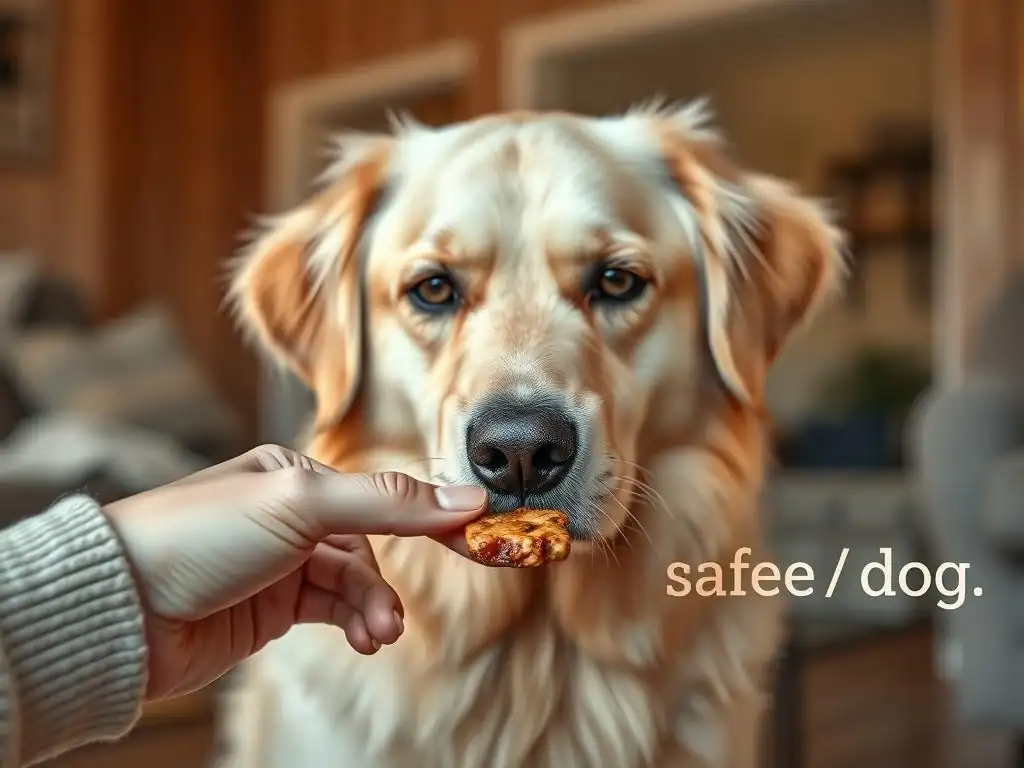
Welcome to PetCareWorld, your ultimate guide to a happier, healthier life for your beloved pet! Are you struggling with resource guarding in your canine companion? Discover how to navigate this common challenge with our expert guide on "Safe dog resource guarding introduction". Learn practical, proven strategies to introduce new items safely and confidently, fostering a harmonious relationship with your furry friend. Dive in and unlock the secrets to a more peaceful and enriching life together.
- Understanding Resource Guarding in Dogs
- Safe Introduction Strategies for New Items
- Preventing Future Resource Guarding Issues
- When to Seek Professional Help
- Managing Resource Guarding During Veterinary Care
- Safe Dog Resource Guarding Introduction: A Holistic Approach
-
Frequently Asked Questions
- What is resource guarding in dogs?
- How can I safely introduce a new item to a resource-guarding dog?
- What if my dog shows signs of aggression during the introduction?
- What are some high-value treats to use during the introduction process?
- Is it possible to completely eliminate resource guarding behavior?
- Final Reflection: Building Bridges, Not Walls: A Path to Peaceful Resource Sharing
- Unlock Your Dog's Confidence: Safe Resource Sharing Starts Now!
Understanding Resource Guarding in Dogs
Resource guarding in dogs is a serious behavioral issue that can significantly impact the pet-owner relationship and even pose safety risks. It's characterized by a dog's possessive behavior towards valued items or resources, exhibiting aggression or anxiety when those resources are approached or threatened. This isn't simply playful possessiveness; it's a deeply ingrained instinctual response that, if left unaddressed, can escalate into dangerous situations. This comprehensive guide will equip you with the knowledge and strategies to safely introduce new items to your resource-guarding dog, minimizing the risk of conflict and fostering a more harmonious household.
Understanding the nuances of resource guarding is the crucial first step towards effective management and modification of this behavior. We'll explore how to identify the signs, pinpoint triggering resources, and assess the severity of the problem to develop a tailored approach. Remember, patience and consistency are key to success in resolving resource guarding issues.
Recognizing the Signs of Resource Guarding
Resource guarding manifests in various ways, depending on the dog's personality and the severity of the issue. Some subtle signs might include growling, snapping, or whale eye (showing the whites of their eyes) when near their valued possessions. More overt signs include lunging, biting, or even attacking individuals who approach the guarded resource.
These behaviors aren't always directed at people; a dog might also display guarding behaviors towards other pets in the household. It's important to note that these behaviors are often driven by fear and anxiety, not malice. The dog isn't necessarily trying to be aggressive; they are simply protecting what they perceive as their own.
Recognizing these subtle and overt signs early is crucial for intervention. For example, a dog might subtly tense their body, flatten their ears, or tuck their tail when someone approaches their food bowl, even before exhibiting more aggressive behaviors. Observing these early warning signs allows for proactive management and prevents escalation.
Identifying Triggering Resources (Food, Toys, etc.)
Identifying the specific resources your dog guards is vital for effective management. Common triggering resources include food bowls, toys, beds, bones, and even people! Some dogs may guard only certain types of food, while others might guard any food item.
Similarly, some dogs might only guard specific toys, particularly those that hold sentimental value or are associated with positive experiences. Creating a detailed inventory of these resources will help you anticipate potential triggers and develop a plan to mitigate the risk of guarding behavior. For instance, if your dog guards only their favorite squeaky toy, you can focus your training efforts on that specific item.
This targeted approach makes the training process more efficient and effective. Keep a detailed log; note the time of day, location, and the specific resource guarded, along with a description of the dog's behavior. This record will be invaluable in understanding the patterns and triggers of your dog's resource guarding.
Assessing the Severity of Resource Guarding Behavior
The severity of resource guarding ranges from mild to severe. Mild resource guarding might involve a low growl or a slight snap when someone gets too close to the resource. Severe resource guarding, however, involves aggressive biting, lunging, and potential injury.
Assessing the severity is essential for determining the appropriate intervention strategy. Mild cases may respond well to simple management techniques, such as providing separate feeding areas, whereas severe cases might require professional help from a certified veterinary behaviorist or a qualified dog trainer experienced in addressing aggression. Remember that even seemingly mild resource guarding can escalate if left unaddressed.
It's crucial to seek professional guidance if you are unsure about how to manage the situation safely and effectively. Ignoring the problem could lead to dangerous consequences, both for your dog and for those around them. Early intervention is critical to prevent escalation and ensure the safety and well-being of everyone involved.
Safe Introduction Strategies for New Items
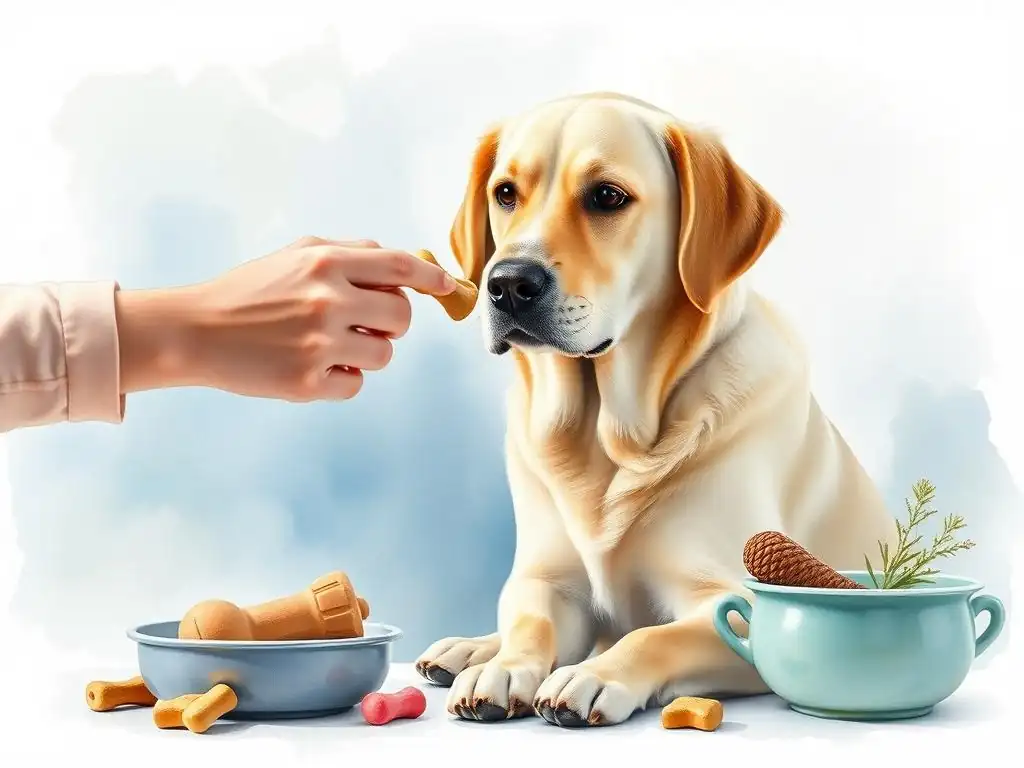
This section details practical strategies for safely introducing new items to a dog exhibiting resource guarding behaviors. Remember, patience and consistency are key to success. A rushed approach can worsen the guarding behavior. The goal is to create positive associations with the new item, reducing the dog's perception of it as a threat to their resources. This approach helps establish a "safe dog resource guarding introduction."
Gradual Introduction: A Step-by-Step Approach
This method focuses on slowly desensitizing your dog to the new item, building positive associations along the way. It's crucial to proceed at your dog's pace; if they show signs of stress (whale eye, lip licking, yawning), immediately back up a step.
Step 1: Distance Management and Positive Association
Begin by placing the new item at a significant distance from your dog's valued resources (food bowl, bed, toys). While they are calmly interacting with their resources, toss high-value treats near the new item. The goal is to create a positive association—the new item predicts good things! Repeat this process multiple times daily for several days, gradually decreasing the distance between the item and the resource.
Step 2: Controlled Access to the Resource
Once your dog remains calm with the new item at a close distance, introduce controlled access to their resource. For example, if the resource is their food bowl, place the new item nearby while they eat. Supervise closely and immediately reward any calm behavior. If they show guarding signs, increase the distance again.
Step 3: Increasing Proximity Gradually
Continue slowly decreasing the distance between the new item and the resource, always rewarding calm behavior. You might try placing the new item directly beside the resource, then progressively closer until it's within their immediate vicinity. Remember to consistently reward relaxed behavior. This process requires patience and careful observation of your dog's body language.
Step 4: Introducing the New Item During Mealtimes
Once your dog is comfortable with the new item near their resource, try incorporating it into their meal routine. For example, place the item on the floor near their food bowl. Maintain close supervision, rewarding calm eating. This helps normalize the presence of the new item during a vulnerable time.
Step 5: Monitoring and Reinforcement
Even after successful introduction, continue monitoring your dog's behavior around the new item and their resources. Continue rewarding calm behavior to reinforce the positive association. Any signs of guarding should trigger a return to a previous step in the process. Consistency is crucial for long-term success in managing resource guarding.
The Power of Positive Reinforcement Training
Positive reinforcement is paramount in modifying resource guarding behaviors. It focuses on rewarding desired behaviors instead of punishing unwanted ones. This fosters a positive relationship with you and reduces stress, making the introduction process smoother. A "safe dog resource guarding introduction" relies heavily on this approach.
Rewarding Calm Behavior Around Resources
Consistently reward your dog for calm behavior near their resources, even in the absence of the new item. This reinforces the desired behavior and reduces the likelihood of guarding. Use high-value treats and enthusiastic praise. This builds a strong positive association with calm behavior.
Using High-Value Treats Strategically
High-value treats are crucial for positive reinforcement. These are treats your dog finds incredibly appealing, such as small pieces of cooked chicken or cheese. Use these strategically during training sessions to maximize their effectiveness. The reward should be immediate and consistent to strengthen the desired response.
Counter-Conditioning Techniques for Resource Guarding
Counter-conditioning involves associating the presence of the new item with positive experiences. This is particularly effective for resource guarding. Instead of the new item causing anxiety, it becomes a predictor of something wonderful, such as delicious treats or fun games. This gradual shift in association is key to overcoming resource guarding. Remember to always prioritize your dog's comfort and safety throughout the process. A slow, patient approach, combined with positive reinforcement, will yield the best results for a safe and successful introduction.
Preventing Future Resource Guarding Issues
Resource guarding, while a natural instinct in dogs, can become a serious behavioral problem if not addressed proactively. Preventing future issues is far easier than managing existing ones. This involves a multi-faceted approach focusing on establishing clear boundaries, providing sufficient resources, and implementing early socialization and training. A proactive strategy minimizes the likelihood of your dog developing severe resource guarding behaviors later in life. Understanding the underlying causes of resource guarding is key to effective prevention. Dogs may guard resources due to insecurity, past negative experiences, or simply a lack of proper training and socialization.
Establishing Clear Ownership and Boundaries
Establishing clear ownership and boundaries from a young age is paramount in preventing resource guarding. This means teaching your dog that you are the provider and manager of resources, not a competitor. This involves consistently controlling access to valuable items like food, toys, and sleeping areas. Never allow your dog to freely take these items without your permission. Instead, implement a system where you offer resources and control their accessibility.
For example, instead of leaving a food bowl down all day, feed your dog at scheduled mealtimes. Similarly, toys should be introduced and removed under your supervision. This helps to create a predictable environment where your dog understands that you control the flow of resources. This predictability is crucial in preventing anxiety and the subsequent guarding behavior.
Implementing a "leave it" command is also effective. Practice this command frequently, rewarding your dog for ignoring valuable items you place within their reach. Consistency and positive reinforcement are key to success. The more predictable and controlled the environment, the less likely your dog is to feel the need to guard resources. This proactive approach builds trust and reduces the likelihood of resource guarding developing.
Providing Ample Resources to Reduce Competition
Competition for resources is a significant trigger for resource guarding. Ensure your dog has ample access to food, water, toys, and comfortable resting spaces. This reduces the likelihood of them feeling the need to hoard or guard what little they have. A well-fed, well-rested dog is less likely to exhibit guarding behaviors.
Consider using multiple food and water bowls, especially if you have multiple pets. This prevents competition and reduces stress. Similarly, rotating toys and providing a variety of enrichment activities can help keep your dog stimulated and less likely to become possessive of specific items. This preventative measure is essential, especially in multi-dog households. Adequate resources mitigate the underlying causes of resource guarding, creating a more harmonious environment. Remember, a dog's emotional well-being is directly linked to their behavior.
Think of it this way: a dog constantly worried about food scarcity is far more likely to guard its bowl than a dog that knows it will always have access to sufficient food. This simple act of providing abundance can significantly reduce the risk of resource guarding.
Early socialization and training are crucial in preventing a wide range of behavioral problems, including resource guarding. Exposing your puppy to various people, dogs, and environments from a young age helps them develop appropriate social skills and reduces anxiety. A well-socialized dog is less likely to perceive others as threats, thereby decreasing the likelihood of resource guarding.
Training should begin early, focusing on basic obedience commands like "leave it," "drop it," and "come." These commands provide you with control over your dog's behavior, making it easier to manage access to resources. Positive reinforcement methods, such as rewarding desired behaviors with treats and praise, are most effective. Avoid punishment-based training, as this can increase anxiety and worsen resource guarding.
Furthermore, engage in regular training sessions that involve controlled access to resources. Gradually introduce other dogs or people near your dog while it's eating or playing with a valued toy, carefully monitoring for any signs of guarding. If you notice any signs of guarding behavior, immediately remove the resource and redirect your dog's attention with a positive reinforcement technique.
This teaches your dog that appropriate behavior is rewarded and guarding is not tolerated. Early intervention is key to preventing resource guarding from becoming a deeply ingrained behavior. Consistent positive reinforcement training, combined with early and thorough socialization, is a powerful tool in preventing resource guarding and building a strong, trusting relationship with your dog.
When to Seek Professional Help
Resource guarding, while a common canine behavior, can escalate into dangerous situations if not managed effectively. Understanding when professional intervention is crucial is paramount for both your safety and your dog's well-being. Ignoring escalating resource guarding can lead to bites, injuries, and a severely strained relationship between you and your dog. A safe dog resource guarding introduction relies heavily on early intervention and professional guidance when necessary.
Recognizing When Professional Intervention is Necessary
Several warning signs indicate that you should seek professional help for your dog's resource guarding. These aren't just minor issues; they represent a potential threat. Don't dismiss these as "normal" dog behavior. Consider professional intervention if your dog exhibits any of the following:
- Escalating aggression: Initially, your dog might show subtle signs like growling or snapping. However, if this progresses to biting, lunging, or more severe aggressive displays, professional help is urgently needed. This escalation signifies a loss of control and a heightened risk of injury.
- Inability to manage the situation: Even with consistent, positive training techniques, you find yourself unable to reliably prevent resource guarding incidents. Your attempts at management are unsuccessful, and the problem persists or worsens.
- Multiple resources guarded: If the guarding isn't limited to one specific item (like a toy or food bowl), but extends to multiple resources (e.g., beds, people, specific locations), this indicates a more deeply rooted issue requiring expert assessment and a tailored training plan.
- Fear-based guarding: Some dogs guard resources out of fear, not dominance. Distinguishing between these motivations is crucial for effective training. A professional can help identify the underlying cause and develop a suitable strategy.
- Injury resulting from guarding: If someone, including yourself, has been injured due to your dog's resource guarding, immediate professional help is mandatory. This indicates a significant safety risk that requires immediate remediation.
Finding a Qualified Certified Professional Dog Trainer (CPDT-KA)
Finding the right professional is critical. Look for a Certified Professional Dog Trainer – Knowledge Assessed (CPDT-KA). This certification ensures a high standard of training and ethical practices. A CPDT-KA has undergone rigorous training and examination, demonstrating competency in various training methodologies.
Avoid trainers who rely solely on punishment-based methods; positive reinforcement techniques are far more effective and humane for addressing resource guarding. Ask potential trainers about their experience with resource guarding specifically, their training philosophy, and their success rate. Request references and reviews to gauge their effectiveness and client satisfaction. Remember, a safe dog resource guarding introduction hinges on the expertise of your chosen professional.
Collaborative Approach: Vet and Trainer Consultation
In some cases, a collaborative approach involving both a veterinarian and a certified professional dog trainer is beneficial. Underlying medical conditions can sometimes contribute to or exacerbate resource guarding behaviors. For example, pain or discomfort can make a dog more protective of its resources. A veterinary examination can rule out any physical issues.
The vet can also provide guidance on medication or other interventions that might support the training process. The trainer, in turn, can implement a behavior modification plan tailored to your dog's specific needs and the vet's recommendations. This integrated approach maximizes the chances of a successful and safe dog resource guarding introduction. This collaborative approach ensures a holistic and effective solution, addressing both the behavioral and potential medical aspects of the problem.
Managing Resource Guarding During Veterinary Care

Resource guarding in dogs can significantly complicate veterinary visits, creating stressful situations for both the pet and the veterinary staff. Successfully navigating these challenges requires proactive planning, careful handling, and excellent communication with your veterinary team. Ignoring the issue can lead to dangerous situations for everyone involved. This section will provide practical strategies for managing resource guarding during veterinary appointments, ensuring a smoother and safer experience for your canine companion.
Preparing for Vet Visits with Resource Guarding Dogs
Before even setting foot in the veterinary clinic, preparation is key for a successful visit. This begins with understanding your dog's specific triggers. What resources does your dog guard? Is it food bowls? Chew toys? Their bed? Knowing this allows you to anticipate potential problems. For example, if your dog guards food, avoid feeding them right before the appointment. A hungry dog might be less inclined to guard resources, although it is not guaranteed.
Consider using positive reinforcement techniques in the days leading up to the appointment. Practice associating the carrier or vet-related items (leash, etc.) with positive experiences, such as treats or praise. This helps to create positive associations, mitigating some of the anxiety often associated with vet visits. The goal is to make these normally anxiety-inducing items positive predictors.
Finally, plan your transportation carefully. Ensure your dog is securely restrained in a well-ventilated carrier to prevent escape and minimize stress. A calm and predictable journey will reduce anxiety levels, making the veterinary experience less triggering. Consider using calming aids like pheromone diffusers or calming treats, but always consult with your veterinarian before introducing new medications or supplements.
Safe Handling Techniques for Resource Guarding Dogs at the Vet
Once at the veterinary clinic, safe handling is paramount. Communicate clearly with the veterinary staff about your dog's resource guarding behaviors before the examination begins. Providing a detailed history of the dog's guarding behaviors, including triggers and intensity, allows the veterinary team to adapt their approach accordingly. This collaborative approach is crucial for minimizing stress and ensuring a safe examination.
The veterinary team should ideally use a calm and confident approach, avoiding sudden movements or direct confrontation. Using high-value treats can distract the dog and create positive associations with the examination process. If possible, allow your dog to approach the examination table voluntarily, rewarding calm behavior with praise and treats. If your dog exhibits signs of aggression, such as growling or snapping, the veterinary team should back off and try a different approach.
Remember, forcing interactions can worsen resource guarding. Patience and a gentle approach are always preferred. If the dog is highly stressed, the vet may opt for a less intrusive examination or suggest using sedation to ensure a safe procedure. This is not a sign of failure but a pragmatic approach to prioritize the dog's well-being.
Working with the Veterinary Team to Minimize Stress
Effective communication with the veterinary team is vital throughout the entire process. This goes beyond simply informing them about the resource guarding; it involves active participation in developing a tailored plan. Work collaboratively to devise strategies that minimize stress and maximize safety.
This might include scheduling appointments during off-peak hours to reduce the number of potential triggers (other animals, loud noises), using a separate examination room, or even having a veterinary technician handle the initial interaction to build trust before the veterinarian examines the dog. The use of calming techniques, such as pheromone diffusers or even gentle music, can also be discussed.
Finally, it is crucial to debrief with the veterinary team after the appointment. Discuss what worked well, what could be improved, and how to further refine your approach for future visits. This continuous feedback loop is essential for improving the management of your dog's resource guarding and ensuring positive veterinary experiences in the future. This collaborative approach ensures a safer and more positive experience for both the dog and the veterinary team, improving the overall management of "safe dog resource guarding introduction".
Safe Dog Resource Guarding Introduction: A Holistic Approach
Resource guarding in dogs is a serious behavior issue that requires a multifaceted approach. A safe dog resource guarding introduction isn't about simply giving your dog a new toy; it's about managing the dog's emotional response and building positive associations with the new item. Ignoring the problem is not an option, as it can escalate and lead to aggressive behaviors.
This section will explore a holistic approach encompassing training techniques and environmental modifications to safely introduce new items to your resource-guarding dog. Remember, patience and consistency are key to success. The goal isn't to eliminate the guarding behavior overnight, but to gradually desensitize and counter-condition your dog.
Combining Training Methods for Optimal Results
Successfully managing resource guarding often involves a combination of several training methods. We'll focus on two highly effective strategies: desensitization and counter-conditioning.
Desensitization gradually exposes the dog to the resource (the new item) at a distance and intensity that doesn't trigger a guarding response. This involves starting far away from the item and slowly decreasing the distance as the dog remains calm. For example, if introducing a new food bowl, initially place it several feet away from your dog while they are eating from their current bowl. Gradually move the new bowl closer over multiple sessions, rewarding calm behavior with high-value treats and praise.
Counter-conditioning pairs the presence of the new item with positive experiences. This associates the item with something wonderful, like delicious treats or a favorite game. Continuing the food bowl example, as the new bowl is introduced, simultaneously toss high-value treats near or into the new bowl. The goal is to create a positive association that overwrites the negative association the dog has with the new item.
Here's a sample schedule combining both methods:
| Day | Distance from New Bowl | Reward Type | Notes |
|---|---|---|---|
| 1 | 10 feet | High-value treats | Observe dog's reaction, ensure no guarding behaviors |
| 2 | 7 feet | High-value treats & praise | Increase frequency of treats if dog remains calm |
| 3 | 4 feet | High-value treats, praise, gentle petting | Introduce a toy alongside the treats |
| 4 | 1 foot | High-value treats, praise, interactive play | Dog should be comfortable near the bowl |
| 5 | Directly next to old bowl | High-value treats, praise, interactive play | Start feeding small amounts in the new bowl |
| 6+ | Sole use of new bowl | Normal kibble | Monitor for any regression |
Remember to adjust the schedule based on your dog's individual response. If any signs of guarding reappear, increase the distance and restart the process. Consistency is paramount; even small setbacks shouldn't discourage you. Positive reinforcement remains the cornerstone of this method.
Long-term Management Strategies for Resource Guarding
Successfully introducing a new item is only the first step. Long-term management is crucial to prevent relapse and solidify the positive associations built during training. A key element is maintaining a predictable routine and clear communication with your dog. This involves:
- Consistent feeding schedule: Avoid inconsistent feeding times, as this can exacerbate resource guarding.
- Controlled access to resources: Manage access to valuable items, such as toys or food, to prevent opportunities for guarding. Consider using puzzle feeders or other methods to make mealtime more engaging and less stressful.
- Ongoing positive reinforcement: Continue rewarding calm behavior around resources, even after the initial introduction period.
- Professional guidance: If you are struggling to manage your dog's resource guarding, seek professional help from a certified veterinary behaviorist or a qualified dog trainer experienced in addressing this issue. They can provide tailored guidance and support.
- Medication: In severe cases, medication may be recommended by a veterinarian to help manage anxiety and improve the effectiveness of training. This should always be done under veterinary supervision.
Maintaining a Safe and Predictable Environment for Your Dog
A safe and predictable environment plays a significant role in reducing the likelihood of resource guarding. Consider these points:
- Designated safe spaces: Provide your dog with a safe, quiet space where they can retreat and feel secure. This could be a crate, a dog bed in a quiet corner, or another designated area.
- Predictable routines: Stick to consistent daily routines, including feeding times, walks, playtime, and rest periods. This helps reduce anxiety and creates a sense of security.
- Minimize stress: Identify and minimize stressors in your dog's environment. This might involve reducing noise levels, limiting interactions with unfamiliar people or animals, or creating a calmer home environment.
- Body language awareness: Learn to recognize your dog's body language cues indicating stress or anxiety. This allows you to intervene before guarding behaviors escalate. Signs include whale eye, lip licking, yawning, tucked tail, and tense posture. Addressing these early warning signs is crucial for preventing more serious problems. Early intervention is key to preventing more serious resource guarding issues.
Remember, addressing resource guarding requires patience, consistency, and a commitment to positive reinforcement training. By combining training methods and creating a safe and predictable environment, you can successfully introduce new items to your dog and foster a positive relationship with their resources. Always prioritize your dog's safety and well-being.
Frequently Asked Questions
What is resource guarding in dogs?
Resource guarding is when a dog protects its valued possessions, like food, toys, or even people, from others. This can manifest as growling, snapping, or even biting. It's a serious behavioral issue.
How can I safely introduce a new item to a resource-guarding dog?
Slowly introduce new items while your dog is already eating or playing with something they enjoy. Toss a high-value treat near the new item and gradually decrease the distance. Positive reinforcement is key.
What if my dog shows signs of aggression during the introduction?
If your dog shows aggression, immediately remove the new item and the dog from the situation. Consult a certified professional dog trainer or veterinary behaviorist for personalized guidance.
What are some high-value treats to use during the introduction process?
Use treats your dog finds incredibly desirable, such as small pieces of cooked chicken or cheese, or their favorite commercial treats. The goal is to create a positive association with the new item.
Is it possible to completely eliminate resource guarding behavior?
While complete elimination isn't always possible, you can significantly reduce the intensity of resource guarding with consistent training and management. Professional help is often invaluable in these cases.
Final Reflection: Building Bridges, Not Walls: A Path to Peaceful Resource Sharing
Successfully introducing new items to a resource-guarding dog isn't just about avoiding a bite; it's about fostering a trusting relationship built on mutual respect and understanding. This seemingly small act of introducing a new toy or food bowl can have profound implications for the dog's overall well-being and the human-animal bond. It's a foundational step in creating a harmonious home environment.
The journey of learning to manage resource guarding has been deeply impactful, not only for the dogs and their owners I've worked with, but also for my own understanding of canine behavior. It's a constant reminder that patience, consistency, and positive reinforcement are key. A dog's behavior is a reflection of its environment and training.
This simple truth underscores the importance of proactive management and the power of positive reinforcement in shaping a dog's response to potentially stressful situations. The ripple effect of successful resource guarding management extends beyond the individual dog, influencing the entire family dynamic and creating a safer, more peaceful home.
Now, consider your own dog. Perhaps you've witnessed a flash of teeth or a low growl over a cherished bone. Don't let fear dictate your actions. Instead, use the strategies outlined in this article as a starting point for building a stronger, more trusting relationship with your canine companion. Take the time to understand your dog's signals, implement positive reinforcement techniques, and celebrate even the smallest victories. Remember, every step forward, no matter how small, contributes to a more harmonious and loving home life for you and your furry friend.
Unlock Your Dog's Confidence: Safe Resource Sharing Starts Now!
Thank you for learning how to help your resource-guarding dog feel secure! You've gained valuable insights into understanding and addressing this common canine behavior. Now, let's put that knowledge into practice.
- Start practicing the "Drop it" command with a reward system today: Begin with low-value items, gradually introducing more desirable items while consistently rewarding your dog for releasing them on command. This is a crucial step in building a trusting relationship.
- Share your progress (and any challenges!): Join the PetCareWorld community and share your experiences with other dog owners. Your insights could be incredibly helpful to others facing similar situations.
- Seek professional help if needed: If you encounter persistent challenges, don't hesitate to consult a certified dog trainer or veterinary behaviorist. They can provide tailored guidance and support.
Ready to build a stronger, more trusting bond with your furry friend? What's one small step you can take right now to help your dog feel safer around their belongings?