
The Power of Desensitization in Treating Resource Guarding

Welcome to PetCareWorld, your ultimate guide to a happier, healthier life for your beloved pets! Are you struggling with your dog's possessive behavior? Discover the transformative power of dog resource guarding desensitization and learn how to build a more trusting and harmonious relationship with your canine companion. Dive into our expert advice and practical solutions to address this common challenge – your journey to a more peaceful home starts here!
- Understanding Canine Resource Guarding and its Manifestations
- Desensitization: A Humane Approach to Resource Guarding in Dogs
-
Step-by-Step Guide to Desensitizing Your Dog to Resource Guarding
- Assessing Your Dog's Resource Guarding Severity
- Creating a Safe and Controlled Environment for Training
- Step 1: Identifying Triggering Resources and Distances
- Step 2: Introducing the Resource at a Safe Distance
- Step 3: Gradually Decreasing the Distance While Maintaining Calmness
- Step 4: Incorporating Positive Reinforcement (Rewards)
- Step 5: Introducing Distractions During Training Sessions
- Step 6: Generalizing the Training to Different Environments
- Step 7: Maintaining Consistency and Patience
- Advanced Techniques for Persistent Resource Guarding
- Preventing Future Resource Guarding Issues
- Long-Term Management and Success with Desensitization Training for Resource Guarding in Dogs
- Frequently Asked Questions
- Final Reflection: Unleashing the Power of Gentle Desensitization
- Unleash Your Pet's Relaxed Potential!
Understanding Canine Resource Guarding and its Manifestations
Resource guarding in dogs is a serious behavioral issue stemming from a dog's instinct to protect what it perceives as its own. This isn't simply about possessiveness; it's a deeply ingrained survival mechanism that can manifest in various ways, ranging from subtle growls to outright aggression. Understanding the underlying causes and recognizing the signs are crucial steps in addressing this problem effectively.
This article will delve into the power of desensitization as a key method for treating dog resource guarding, providing you with practical strategies to help your canine companion overcome this challenging behavior and foster a safer, more harmonious home environment. We will explore how to identify resources commonly guarded, recognize the subtle and overt signs of resource guarding, and understand the potential dangers of ignoring or mishandling this issue. Successfully managing resource guarding requires patience, consistency, and a clear understanding of canine behavior – ultimately leading to a stronger bond between you and your furry friend.
Learning about desensitization techniques, specifically, offers a humane and effective path towards resolving this common canine challenge. Let's begin by examining the resources dogs often guard.
Identifying Resources Dogs Commonly Guard
Dogs can guard a wide variety of resources, often depending on their individual personalities and past experiences. These resources aren't limited to food; they can encompass anything the dog perceives as valuable or belonging to them. Some common examples include:
- Food: This is perhaps the most frequently guarded resource. It can include kibble, treats, leftovers, or even food in a bowl.
- Toys: Favorite toys, especially those that are soft, cuddly, or unique, often elicit guarding behavior.
- Chew Items: Bones, rawhides, and other chew toys can trigger protective instincts.
- Beds/Sleeping Areas: A dog's bed or favorite sleeping spot is considered their personal sanctuary.
- People: While less commonly discussed, some dogs may exhibit resource guarding towards their owners, particularly if they feel threatened or perceive a lack of control.
- Locations: Specific areas within the home, such as a corner, a room, or even a specific piece of furniture, can become guarded territories.
Recognizing the Signs of Resource Guarding in Dogs
Recognizing the signs of resource guarding is crucial for early intervention. These signs can range from subtle displays of anxiety to overt aggression. It's important to note that not all dogs will exhibit the same signs, and some may show only a few. The intensity of the signs also varies greatly. Here are some common indicators:
- Stiff body posture: The dog's body might become tense and rigid.
- Whale eye: Showing the whites of their eyes.
- Lip licking: Excessive lip licking can be a sign of stress and anxiety.
- Yawning: Similar to lip licking, yawning can indicate anxiety.
- Growling: This is a clear warning sign that the dog feels threatened and is protecting its resource.
- Snapping or biting: This is a more severe sign and indicates a significant escalation of the guarding behavior.
- Snarling: A more aggressive display than growling.
- Lunging: The dog may lunge at anyone who approaches the guarded resource.
- Hiding the resource: The dog may attempt to hide the resource to prevent others from accessing it.
The Dangers of Ignoring or Mishandling Resource Guarding
Ignoring or mishandling resource guarding can lead to several dangerous consequences. The dog's behavior may escalate, resulting in more severe aggression, potentially causing injury to people or other animals. Furthermore, untreated resource guarding can severely damage the relationship between the dog and its owner, creating a climate of fear and distrust.
It's crucial to address this issue proactively and seek professional help when necessary. Ignoring the problem only allows it to worsen, and attempting to forcibly take the resource away can significantly increase the dog's anxiety and aggression, potentially leading to a dangerous situation for everyone involved. Remember, early intervention is key to preventing escalation and ensuring a safe and harmonious environment for both the dog and its family.
Desensitization: A Humane Approach to Resource Guarding in Dogs
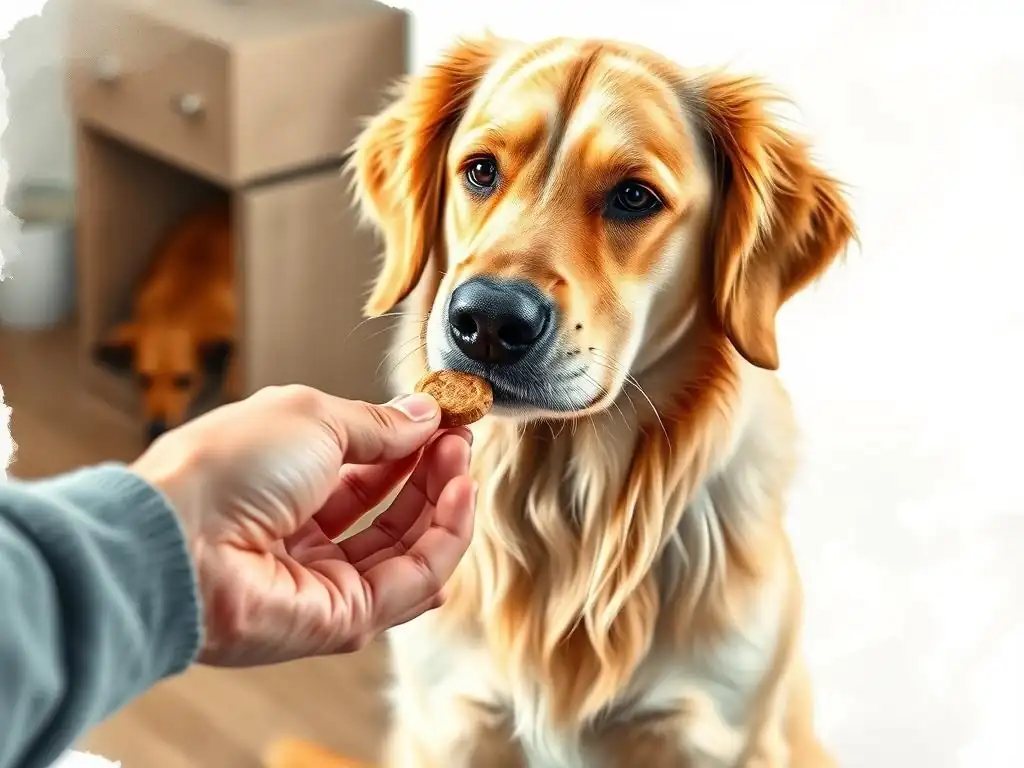
This section delves into the effective and humane method of desensitization for addressing dog resource guarding. Resource guarding, a common canine behavior issue, involves a dog's protective response towards valued possessions, such as food, toys, or even people. Desensitization, paired with counter-conditioning, offers a powerful solution, transforming a dog's negative association with a resource into a positive one.
Understanding and implementing this technique requires patience, consistency, and a deep understanding of canine behavior. It's crucial to remember that forceful interventions are counterproductive and can worsen the problem. This approach prioritizes building trust and positive associations, fostering a stronger bond between owner and dog.
What is Desensitization Training?
Desensitization training focuses on gradually reducing a dog's emotional response to a triggering stimulus—in this case, the guarded resource. The goal isn't to eliminate the resource guarding completely; rather, it's to lower the dog's anxiety and reactivity to a manageable level. This is achieved by exposing the dog to the trigger (the resource) at a distance and intensity that doesn't elicit a fearful or aggressive response.
As the dog demonstrates relaxed behavior, the proximity and intensity of the stimulus are incrementally increased. This process requires meticulous observation of the dog's body language. Signs of stress, such as whale eye (showing the whites of their eyes), lip licking, yawning, or tucked tail, indicate the stimulus is too intense and needs to be further distanced or reduced in intensity.
Think of it like this: imagine your dog is intensely guarding their food bowl. Instead of immediately approaching the bowl, you start by simply placing the bowl in the room while your dog is relaxed and engaged in another activity. Gradually, you move closer, always monitoring their body language. If they show any signs of stress, you immediately increase the distance.
The key is to maintain a safe distance where they remain calm. Over time, as they consistently associate the presence of the bowl (the trigger) with positive experiences (like calm presence and maybe even a tasty treat! ), their anxiety decreases. This is the essence of desensitization.
The Principles of Counter-Conditioning in Resource Guarding Cases
Counter-conditioning works hand-in-hand with desensitization. While desensitization reduces the dog's negative response, counter-conditioning replaces that negative association with a positive one. This involves pairing the presence of the guarded resource with highly rewarding experiences, such as delicious treats, favorite toys, or enthusiastic praise. The timing is critical; the reward must be presented before the dog shows any signs of guarding behavior, effectively changing their emotional response from anxiety or aggression to anticipation of something pleasant.
For example, if your dog guards their bed, you might start by placing high-value treats near the bed while they are elsewhere. Gradually, you'll move the treats closer to the bed, rewarding them for simply being in the same room. The ultimate goal is for them to associate the bed not with territorial anxiety, but with positive reinforcement. This process requires patience and consistent positive reinforcement. Inconsistency can confuse the dog and hinder progress. Remember to celebrate even the smallest successes. Positive reinforcement is the cornerstone of successful dog resource guarding desensitization.
Gradual Exposure and Positive Reinforcement Techniques
Effective desensitization and counter-conditioning require a structured approach. Here's a step-by-step guide illustrating the process:
| Step | Action | Key Considerations | Example (Food Bowl) |
|---|---|---|---|
| 1 | High Distance: Start far from the resource. | Ensure the dog shows no signs of guarding. The distance should be significant. | Place the food bowl across the room while the dog is relaxing. |
| 2 | Low Intensity: Gradually decrease the distance. | Watch for stress signals. If observed, increase the distance immediately. | Slowly move closer to the bowl, stopping if the dog shows any tension. |
| 3 | Positive Reinforcement: Reward calm behavior. | Use high-value treats, praise, or toys. Timing is crucial – reward before any guarding. | Give a treat as you approach, rewarding calm behavior. |
| 4 | Increase Intensity: Gradually increase proximity. | Maintain a calm demeanor. Avoid staring directly at the dog. | Continue to slowly decrease the distance, always rewarding calm behavior. |
| 5 | Introduce Interaction: Introduce a hand near the resource. | Very gradually and slowly. Stop immediately if any guarding behavior occurs. | Gently reach towards the bowl while still rewarding calm behavior. |
| 6 | Maintenance: Continue practicing regularly. | Even after success, maintain regular sessions to prevent relapse. | Regularly practice the procedure, even when the dog is relaxed. |
Remember, this is a process that requires patience and consistent effort. Every dog is different, and the rate of progress will vary. Celebrate small victories and don't get discouraged by setbacks. With dedication and positive reinforcement, you can help your dog overcome resource guarding and build a stronger, more trusting relationship. The use of professional guidance from a certified dog trainer experienced in behavior modification can significantly enhance the success rate of this process. 🐶
Step-by-Step Guide to Desensitizing Your Dog to Resource Guarding
This section provides a practical, step-by-step approach to desensitizing your dog to resource guarding behaviors. Remember, patience and consistency are key to success. This process requires careful observation and a gradual increase in the intensity of the stimuli. Improper handling can worsen the situation, so if you're unsure, consult a certified professional dog trainer. Effective dog resource guarding desensitization takes time and dedication.
Assessing Your Dog's Resource Guarding Severity
Before starting desensitization, accurately assess your dog's resource guarding severity. This helps determine the appropriate training approach and pace. We'll use a simple scale:
| Severity Level | Description | Example |
|---|---|---|
| Mild | Shows subtle signs of guarding, like stiffening or a slight growl when approached. | Dog tenses slightly when you walk near their food bowl but doesn't snap. |
| Moderate | Displays clear signs of guarding, including growls, snaps, and lunges. | Dog growls and snaps if you reach for their toy, but doesn't bite hard. |
| Severe | Exhibits aggressive guarding behavior, including biting and potentially injuring. | Dog bites when approached near their food or toys, causing injury. |
Understanding your dog's level helps tailor the desensitization process. For example, a dog exhibiting severe resource guarding might require a longer desensitization period and professional guidance. Always prioritize safety; if your dog's behavior is severely aggressive, seek immediate professional help. It's crucial to avoid escalating the situation. Remember, early intervention is key for effective dog resource guarding desensitization.
Creating a Safe and Controlled Environment for Training
A safe and controlled environment is crucial for successful desensitization training. This minimizes distractions and ensures your dog feels secure. Here's how to create this environment:
- Quiet, distraction-free area: Choose a room with minimal distractions – no loud noises, other pets, or family members.
- Controlled access to resources: Keep all valued resources (food, toys, beds) in a designated area, readily accessible to you during training.
- Positive reinforcement tools: Have high-value treats readily available to reward calm behavior. A clicker can be particularly helpful for marking desired responses.
- Safety for everyone: If your dog's guarding is severe, consider using a barrier (baby gate) initially to create physical distance. Prioritize safety for both you and your dog. This ensures a positive and productive training experience.
Remember, the goal is to create an environment where your dog feels safe and confident, promoting positive associations with your presence near their resources. This careful setup significantly improves the effectiveness of dog resource guarding desensitization.
Step 1: Identifying Triggering Resources and Distances
The first step is to identify precisely what resources your dog guards (food, toys, bones, beds, even people!) and the distance at which they exhibit guarding behaviors. This requires careful observation.
- Resource identification: Make a list of everything your dog guards. Be thorough – it might surprise you!
- Distance assessment: Gradually approach your dog while they possess the resource. Note the distance at which they first show signs of guarding (e.g., stiffening, lip licking, growling). This is your starting point for desensitization.
For example: Let's say your dog guards their food bowl. You might find they start showing signs of guarding when you're 10 feet away. This 10-foot distance becomes your starting point. You'll gradually decrease this distance over several training sessions. This meticulous approach is essential for effective dog resource guarding desensitization. Remember to always prioritize your dog's comfort and safety throughout this process.
Step 2: Introducing the Resource at a Safe Distance

This crucial step focuses on establishing a positive association with the guarded resource without triggering your dog's guarding instincts. Begin by placing the resource—be it a food bowl, toy, bed, or even a person—at a significant distance from your dog. The distance should be far enough that your dog displays no signs of tension or guarding behavior. Observe your dog carefully; subtle signs like lip licking, whale eye (showing the whites of their eyes), yawning, or a tucked tail can indicate stress. If you see any of these, you're too close.
Remember, the goal is to create a relaxed environment. Your dog should be comfortable and able to freely move around without feeling threatened by the presence of the resource. This might involve starting in a separate room, with the resource placed in a corner.
Spend several minutes in this initial session, simply focusing on positive interactions with your dog—gentle petting, praise, and perhaps a few high-value treats unrelated to the guarded resource. The key is to build confidence and positive associations in the dog's mind before even approaching the resource itself. Repeat this process for several sessions, gradually decreasing the distance only when your dog remains consistently calm.
Step 3: Gradually Decreasing the Distance While Maintaining Calmness
Once your dog consistently shows no signs of guarding behavior at a particular distance, it's time to slowly reduce the distance between your dog and the resource. This should be done incrementally and cautiously. Reduce the distance only by a few feet each session, carefully monitoring your dog's body language. If you notice any signs of stress or guarding, immediately increase the distance again and try again later. Patience is paramount here; rushing this process can undo all your previous work and worsen the resource guarding.
It's important to maintain a calm and relaxed demeanor throughout this process. Avoid any sudden movements or loud noises that might startle your dog. Your calm energy will help your dog feel secure and less likely to react defensively. Remember, consistency is key. Regular, short sessions are more effective than infrequent, lengthy ones. Aim for multiple short sessions throughout the day, rather than one long session. This also helps prevent your dog from becoming overwhelmed or frustrated. This gradual reduction in distance allows your dog to adapt slowly and comfortably to the resource’s proximity.
Step 4: Incorporating Positive Reinforcement (Rewards)
Positive reinforcement is the cornerstone of successful desensitization training. Once your dog is comfortable with the resource at a relatively close distance, start incorporating high-value rewards. These could be delicious treats, favorite toys, or even enthusiastic praise. The timing of the reward is crucial. Reward your dog immediately when they display calm behavior in the presence of the resource. This creates a strong positive association between the resource and a pleasant experience.
Don’t reward your dog for approaching the resource, but rather for remaining calm near it. The focus is on building a positive emotional response to the resource's presence, not on encouraging interaction with it at this stage. Continue to monitor your dog's body language closely. If any signs of guarding reappear, increase the distance again and return to the previous stage.
The goal is to build a robust positive association, so don't hesitate to regress if necessary. Remember, every dog learns at its own pace, and consistency and patience are key to success in this crucial step of dog resource guarding desensitization. 🎉
Step 5: Introducing Distractions During Training Sessions
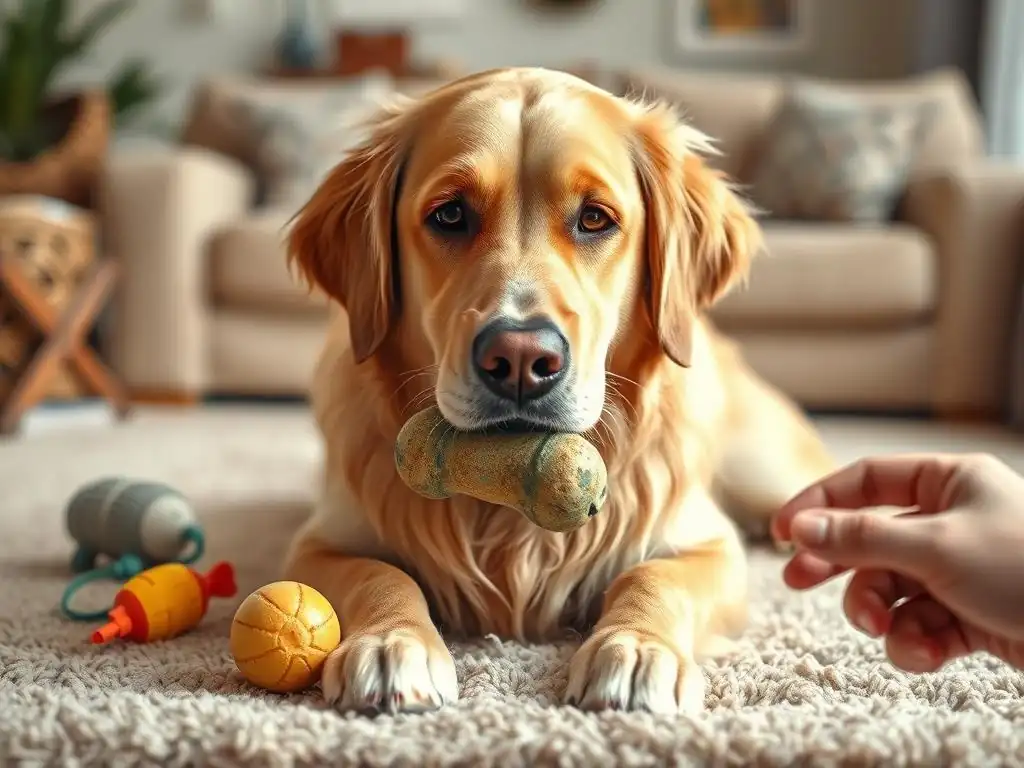
Once your dog reliably performs the desired behaviors (e.g., calmly allowing you to approach their resource) at a close distance without showing any signs of guarding, it's time to gradually increase the difficulty. This involves introducing distractions. Start with minimal distractions, such as a quiet background noise like a radio playing softly. Observe your dog's reaction carefully. If they remain calm and continue to perform the desired behavior, you can slowly increase the intensity of the distraction.
This could involve adding more noise, moving the training location slightly, or having another person calmly present in the room. Remember to always reward calm behavior immediately. If your dog shows any signs of guarding, immediately reduce the level of distraction and return to a level where they are comfortable. This process requires incremental steps and patience. It's crucial to avoid overwhelming your dog, as this can undo the progress made.
A good indicator of success is a relaxed body posture, wagging tail, and soft eyes. If you see signs of stress like lip licking, yawning, whale eye, or tucked tail, you're pushing too hard and need to back off. The key is to find the sweet spot where your dog is challenged but not stressed. For example, you might start with a single, quiet toy nearby, then progress to two, then introduce a different texture of toy, and finally, even another person gently tossing a ball in the vicinity. Each successful step strengthens the association between calm behavior and the presence of the resource.
Step 6: Generalizing the Training to Different Environments
The goal of desensitization isn't just to modify your dog's behavior in one specific location, but to generalize it to various environments. This is critical for long-term success in managing resource guarding. Once your dog consistently demonstrates calm behavior during training sessions in your home, start gradually introducing new environments. This might involve moving training sessions to your backyard, then to a less familiar area in a park (avoiding high-traffic locations initially), and eventually to other settings.
Each new environment should be introduced gradually, starting with minimal distractions and slowly increasing the complexity as your dog’s confidence grows. It’s important to monitor your dog’s body language closely in each new setting. If they display any signs of stress or guarding, return to a previously mastered environment to reinforce their learned behavior before attempting the new environment again.
This gradual generalization prevents setbacks and ensures that the desensitization process is effective across various contexts. This process might take weeks or even months, depending on your dog's progress and the severity of their resource guarding. For instance, if your dog initially shows signs of guarding only in the kitchen, you might first practice in the living room, then move to the dining room, gradually approaching the kitchen over multiple sessions.
Step 7: Maintaining Consistency and Patience
Maintaining consistency and patience is paramount throughout the entire desensitization process. Inconsistent training can lead to confusion and hinder your dog's progress. All members of the household must be on board and consistently apply the training techniques. Even after your dog shows significant improvement, continue practicing regularly, even if it's just for a few minutes each day. This helps to reinforce the learned behavior and prevent any relapse.
Remember that resource guarding is a complex behavior with deep-rooted causes. It's a process, not a quick fix. Be patient with your dog, celebrate small victories, and understand that setbacks can occur. If you encounter a setback, don't get discouraged.
Simply return to a previously mastered step and gradually work your way back up. Professional guidance from a certified dog trainer or veterinary behaviorist can be invaluable, especially if you encounter significant challenges. Their expertise can help you tailor the desensitization plan to your dog's specific needs and ensure the process is both effective and safe. The long-term commitment to consistent training and patience will ultimately lead to a more relaxed and confident dog, free from the anxieties associated with resource guarding.
Advanced Techniques for Persistent Resource Guarding
This section delves into more advanced strategies for managing dog resource guarding, particularly in cases where basic desensitization and counter-conditioning haven't yielded sufficient results. We'll explore techniques that address underlying emotional states and discuss when professional intervention becomes crucial. Remember, patience and consistency are key throughout this process. Successful dog resource guarding desensitization often requires a multifaceted approach.
Addressing Underlying Anxiety or Fear
Many dogs exhibiting resource guarding aren't simply being possessive; they're driven by underlying anxiety or fear. A dog might guard food not because it wants to hoard it, but because it's afraid someone will take it away. This fear can stem from past negative experiences, inconsistent access to resources, or a generally insecure temperament. Therefore, addressing this underlying anxiety is paramount for effective dog resource guarding desensitization.
This involves creating a safe and predictable environment for your dog. This means establishing consistent feeding routines, providing ample space and quiet areas for retreat, and minimizing stressful situations. Techniques like calming signals, pheromone diffusers (like Adaptil), and gentle massage can also help reduce anxiety levels. Remember, a relaxed dog is less likely to perceive threats and resort to guarding behaviors.
Regular, positive interactions unrelated to resources are vital to build trust and confidence. Focusing on building a strong, positive relationship reduces the likelihood of guarding behavior. Observe your dog's body language closely to identify triggers and avoid them where possible.
Utilizing Professional Guidance: When to Seek Help from a Vet or Trainer
While self-guided desensitization can be effective for mild cases, persistent or severe resource guarding often requires professional intervention. A certified veterinary behaviorist or a qualified, positive reinforcement dog trainer can provide a personalized assessment and tailored treatment plan. They can identify underlying medical conditions that might be contributing to the behavior (such as pain or illness), as well as assess the severity of the guarding and recommend appropriate management strategies.
A professional can also help you develop a structured desensitization and counter-conditioning program, addressing specific triggers and refining your techniques. They'll provide guidance on how to safely manage interactions with other animals and people, ensuring everyone's safety and well-being. Seeking help early can prevent the behavior from escalating and potentially leading to more serious issues or even injury. Don't hesitate to reach out for professional support if you're struggling to manage your dog's resource guarding. Their expertise can significantly improve your chances of successful dog resource guarding desensitization.
Medication and its Role in Resource Guarding Management (In consultation with a vet)
In some cases, medication might be a necessary component of a comprehensive treatment plan for resource guarding, but only in consultation with a veterinarian. Medication doesn't cure the underlying problem; rather, it helps manage the dog's anxiety or other emotional states that contribute to the guarding behavior. This allows for more effective training and desensitization. Think of medication as a tool to help level the playing field, making the dog more receptive to training.
It's crucial to understand that medication is not a standalone solution. It should always be used in conjunction with behavioral modification techniques like desensitization and counter-conditioning. The veterinarian will work with you to determine the appropriate medication, dosage, and monitoring plan. Regular veterinary check-ups are essential to assess the effectiveness of the medication and adjust the treatment as needed.
Never administer medication without veterinary consultation. The goal is to improve your dog’s overall well-being and ultimately reduce resource guarding through a holistic approach combining medication and behavior modification. Remember, responsible and informed medication management is a key factor in successful dog resource guarding desensitization.
Preventing Future Resource Guarding Issues
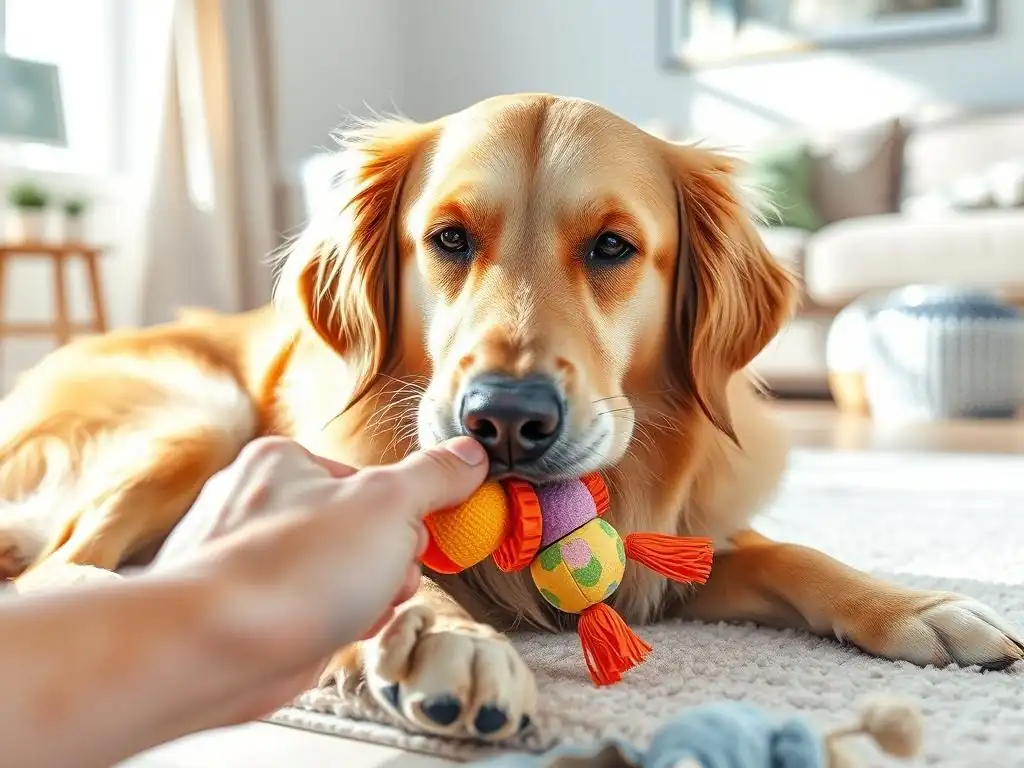
Resource guarding, while a challenging behavior, is often preventable with proactive measures. Understanding the root causes and implementing preventative strategies is crucial for maintaining a harmonious relationship with your canine companion and avoiding the need for intensive desensitization later on. This section focuses on building a strong foundation to minimize the risk of resource guarding developing in the first place. Consistent application of these techniques contributes significantly to a well-adjusted and confident dog, less likely to exhibit guarding behaviors.
Early socialization is paramount in preventing resource guarding. Exposing puppies to a variety of people, dogs, and environments from a young age helps them develop appropriate social skills and reduces anxiety surrounding resources. This includes gentle handling of their food bowls, toys, and bedding from the very beginning. Positive reinforcement, such as rewarding calm behavior during handling, reinforces positive associations with these items.
Positive handling involves careful and gentle interactions. Avoid sudden movements or loud noises that might startle the puppy. Instead, use a calm and reassuring tone. Regularly touch your puppy all over their body, including their paws, mouth, and ears, making it a positive experience. This desensitizes them to being touched and examined, reducing the likelihood of them feeling threatened when these areas are approached.
Consider enrolling your puppy in a puppy socialization class. These classes provide a controlled environment for puppies to interact with others, under the supervision of a professional trainer. This supervised interaction allows for early correction of any guarding tendencies before they become ingrained habits. Early intervention is key. The earlier you address potential issues, the easier it is to manage them.
Establishing Clear Rules and Boundaries for Resource Access
Clear rules and boundaries are vital in preventing resource guarding. Dogs thrive on routine and predictability. Establish clear rules regarding access to resources. This means designating specific areas for eating, sleeping, and playing. Avoid allowing free access to all resources at all times. Controlled access reduces the perceived need to guard.
For example, feed your dog in a quiet, designated area, free from distractions. Remove the food bowl once the meal is finished. Do not allow your dog to “guard” their food by leaving it down for extended periods. Similarly, rotate toys, ensuring not all toys are available simultaneously. This prevents the dog from feeling possessive of every item.
The use of management techniques is crucial. Using baby gates or crates to temporarily separate your dog from resources or other household members can be highly effective in preventing conflicts. This provides a safe space for your dog and prevents unwanted interactions. This is particularly useful during feeding times or when visitors are present.
Maintaining a Predictable Routine for Feeding and Play
A predictable routine significantly reduces stress and anxiety, key factors contributing to resource guarding. Feeding your dog at the same time each day, in the same location, establishes a sense of security and reduces uncertainty. This predictability helps create a sense of normalcy and reduces the likelihood of your dog feeling threatened by interruptions during mealtimes. A regular schedule also helps regulate their digestive system and overall well-being.
Similarly, maintain a consistent play schedule. Regular playtime helps to burn excess energy and reduce anxiety. However, avoid playing with your dog directly after feeding, as this can inadvertently trigger guarding behaviors. Instead, separate these activities to prevent confusion and potential conflict.
Remember, consistency is paramount. All members of the household must adhere to the established rules and routines. Inconsistent application of rules can confuse your dog and inadvertently reinforce guarding behaviors. Therefore, family agreement and participation are crucial for success. This unified approach reinforces the clear boundaries and minimizes opportunities for your dog to exhibit resource guarding.
Long-Term Management and Success with Desensitization Training for Resource Guarding in Dogs
Successfully managing dog resource guarding through desensitization requires a long-term commitment and consistent effort. It's not a quick fix; rather, it's a process of gradually changing your dog's emotional response to valued resources. This involves careful planning, patience, and a deep understanding of your dog's individual triggers and thresholds. Remember, even after significant progress, ongoing management is crucial to prevent relapse. The goal isn't just to eliminate guarding behaviors but to build a strong, positive association with the presence of the resource and other individuals around it.
Recognizing Signs of Regression and Addressing Them Effectively
Even with diligent training, occasional regressions can occur. Recognizing these early signs is critical for preventing a full-blown relapse. Regression might manifest as subtle changes in body language, such as a stiffer posture, tucked tail, or lip licking around the guarded resource. Increased growling, snapping, or even a slight change in the dog's overall demeanor could also indicate a regression. For example, a dog who previously tolerated your approach to their food bowl might now exhibit subtle signs of discomfort, like moving the bowl away or showing a slight increase in tension.
It's vital to document these regressions. Keeping a training journal can be incredibly helpful. Note the date, time, location, the specific resource involved, and the observed behaviors. This detailed record allows you to identify patterns and potential triggers for the regression. For instance, were they particularly stressed that day? Was there a change in their routine? Understanding the context surrounding the regression is key to finding effective solutions.
Addressing regressions requires a return to the foundational principles of desensitization and counter-conditioning. You may need to temporarily decrease the intensity of the training or revert to easier steps. Avoid punishment; instead, focus on rewarding calm behavior and gradually reintroducing the trigger at a lower intensity. A sudden escalation in the dog's anxiety can undo weeks of progress, highlighting the importance of patience and a gradual approach. Consistent positive reinforcement and maintaining a calm, predictable environment are crucial during these periods.
The Importance of Continued Training and Positive Reinforcement
Desensitization training for dog resource guarding isn't a one-time fix; it's an ongoing process. Even after your dog demonstrates consistent improvements, continued training is essential to maintain the progress and prevent future issues. Think of it like maintaining a healthy diet – you wouldn't eat perfectly for a week and then expect to stay healthy without continued effort. The same principle applies to dog training.
Continued training should focus on maintaining the positive associations built during the initial desensitization phase. This involves regularly practicing the exercises, even when no issues are apparent. Regular, short training sessions are more effective than infrequent, long ones. For example, you could briefly practice approaching the food bowl while your dog is eating several times a day.
Positive reinforcement remains the cornerstone of this ongoing training. Reward your dog generously for calm behavior around the resource, even if they don't initially show signs of guarding. This consistent positive reinforcement strengthens the positive associations and helps prevent the re-emergence of guarding behaviors. The consistent use of high-value rewards, like small pieces of extremely tasty treats, is crucial for maintaining motivation and solidifying the positive associations. Remember, the goal is to reinforce the desired behavior – a calm and relaxed demeanor around the valued resource – not to punish the undesired behavior.
Celebrating Successes and Maintaining a Positive Training Environment
Celebrating successes is vital for both you and your dog. Acknowledge and reward even small achievements. This positive reinforcement is not only beneficial for your dog's training but also helps maintain your own motivation and prevents burnout. A positive and encouraging training environment is crucial for the success of any dog training program, especially one as intricate as desensitization for resource guarding.
Consider incorporating fun activities and games into your training sessions. This helps prevent boredom and keeps your dog engaged. Positive interactions outside of training are equally important. Spend quality time with your dog, engaging in activities they enjoy, to strengthen your bond and build trust. This positive relationship significantly contributes to the success of the desensitization process.
Remember, consistency and patience are key. There will be ups and downs, but celebrating the small victories along the way will help keep you motivated and focused on the long-term goal of a happy, well-adjusted dog who no longer exhibits resource guarding behaviors. This celebration reinforces the positive learning experience for both you and your canine companion, leading to a more harmonious and rewarding relationship. The journey may be long, but the rewards of a confident and secure dog are immeasurable.
Frequently Asked Questions
What is resource guarding in dogs?
Resource guarding is when a dog displays aggressive or possessive behaviors towards objects or resources they perceive as theirs, like food, toys, or even people. This is a serious behavioral issue requiring professional help.
How does desensitization work for resource guarding?
Desensitization gradually reduces a dog's anxiety and fear associated with the guarded resource. It involves slowly and carefully exposing the dog to the resource at a distance and increasing proximity as they remain calm.
What are the key steps in desensitizing a dog with resource guarding?
Start by identifying the trigger resources, then gradually expose your dog to them at a safe distance while rewarding calm behavior. Slowly decrease the distance over time, always maintaining a positive and rewarding environment.
Is desensitization effective for all dogs with resource guarding?
Desensitization is highly effective for many dogs, but its success depends on factors like the severity of the guarding, the dog's temperament, and the owner's consistency. Professional guidance is often crucial for severe cases.
How long does desensitization training usually take?
The timeframe varies greatly depending on the dog and the severity of the issue. It can take weeks or even months of consistent training to see significant improvement. Patience and persistence are key.
Final Reflection: Unleashing the Power of Gentle Desensitization
The gentle art of desensitization offers a powerful, humane alternative to forceful methods in addressing canine resource guarding, a problem impacting countless dog owners today. Understanding and implementing these techniques not only improves the dog-owner relationship but also fosters a more peaceful and trusting environment for our beloved companions. The potential for positive change is immense, offering hope where frustration once reigned.
Witnessing the transformation in a dog's behavior through careful desensitization is profoundly rewarding. It's a testament to the power of patience, understanding, and positive reinforcement. The process underscores the importance of recognizing our canine companions as sentient beings with complex emotional needs. The greatest reward in life is to love and be loved in return.
This quote, while seemingly simple, encapsulates the essence of the human-animal bond and the profound impact of positive training methods. The journey of desensitization is not just about changing a dog's behavior; it's about strengthening the bond of trust and mutual respect.
Consider the impact of your interactions with your dog. Are you fostering a climate of fear and anxiety, or one of understanding and cooperation? You have the power to shape your dog's experience, to build a relationship based on trust and mutual respect. Embrace the principles of desensitization, practice patience, and celebrate the small victories along the way. The journey may require time and dedication, but the rewards – a happier, more confident dog and a deeper, more meaningful bond – are immeasurable.
Unleash Your Pet's Relaxed Potential!
Thanks for exploring desensitization techniques with us! You've learned valuable ways to help your pet overcome resource guarding. Ready to put this knowledge into practice?
- Start your desensitization training today! Begin with small, manageable steps, focusing on positive reinforcement to build your pet's confidence. Consistency is crucial.
- Share your progress and experiences with other pet owners in the comments below! Your insights can inspire and help others.
- Consider keeping a training journal—note your pet's reactions and adjust your approach as needed. This will greatly improve your effectiveness and build your pet's confidence.
What small step will you take today to help your pet feel more secure and relaxed around their possessions?