
Dog Car Safety: What To Do After a Minor Car Accident

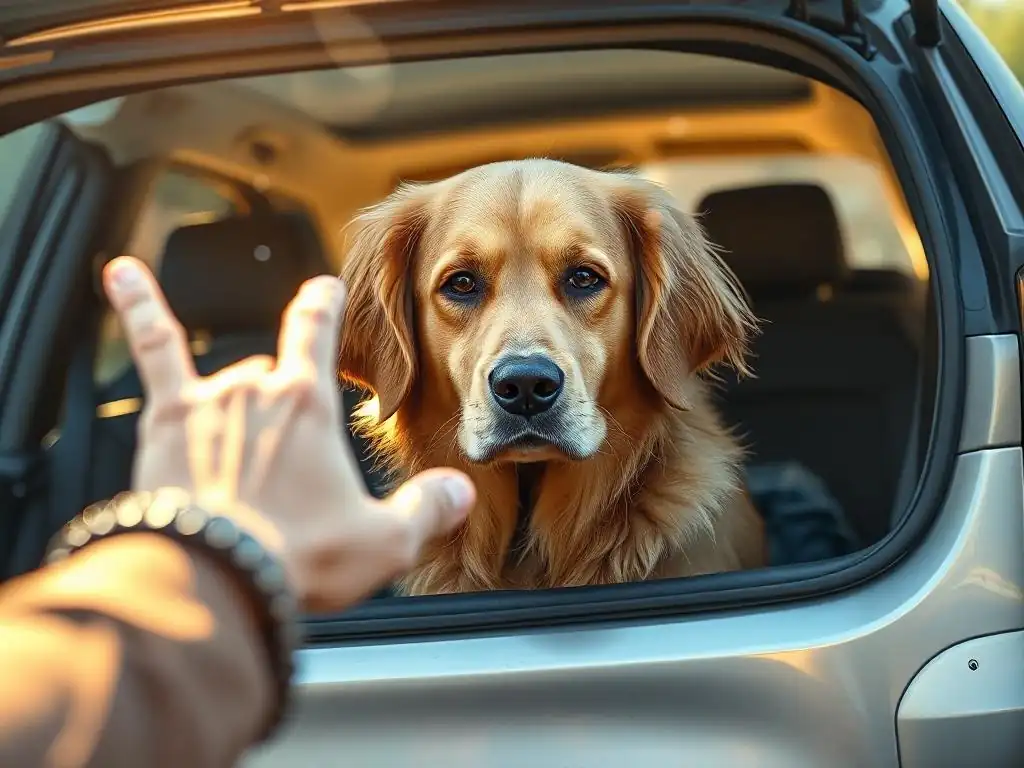
Welcome to PetCareWorld, your ultimate guide to a happier, healthier life for your beloved companions! Are you prepared for the unexpected? We delve into a critical aspect of pet ownership: navigating minor car accidents with your canine friend. Learn what immediate steps to take after a dog car accident involving minor injuries in our comprehensive guide, ensuring your furry family member receives the best possible care. Discover the crucial information you need to keep your dog safe and sound. Let's get started!
- Assessing Your Dog After a Minor Car Accident: Initial Steps
- Transporting Your Injured Dog After a Minor Car Accident
- Post-Accident Veterinary Care for Minor Dog Injuries
- Preventing Future Dog Car Accidents: Safety Measures
- Long-Term Care and Monitoring After Minor Dog Car Injuries
- Common Minor Injuries in Dogs After Car Accidents
- Insurance Considerations After a Dog Car Accident
-
Frequently Asked Questions
- What should I do immediately after a minor car accident involving my dog?
- My dog seems unharmed after the car accident, should I still take them to the vet?
- What kind of minor injuries should I look out for in my dog after a car accident?
- How can I prevent future car accidents involving my dog?
- My dog has minor injuries; what kind of treatment can I expect at the vet?
- Final Reflection: Protecting Our Furry Passengers: Beyond the Immediate Aftermath
- Take Charge: Protecting Your Pup After a Car Accident
Assessing Your Dog After a Minor Car Accident: Initial Steps
A minor car accident can be incredibly stressful, especially when your beloved canine companion is involved. Even if the damage to your vehicle seems insignificant, it's crucial to thoroughly assess your dog for injuries, no matter how small the accident may appear. This guide provides a step-by-step approach to handling the aftermath of a minor car accident involving your dog, focusing on immediate actions and when professional veterinary care is absolutely necessary.
Remember, even seemingly minor impacts can cause internal injuries unseen to the naked eye, so thorough assessment is paramount. This article will help you navigate this situation calmly and effectively, prioritizing your dog's well-being and providing the best possible care following a dog car accident with minor injuries.
We'll cover initial visual inspections, immediate first aid, and when to seek immediate veterinary attention. This information is crucial for pet owners concerned about "dog car accident minor injuries" and aims to equip you with the knowledge to act quickly and confidently.
Checking for Obvious Injuries: Initial Visual Inspection
After ensuring your own safety and the safety of others involved in the accident, gently approach your dog. Avoid sudden movements or loud noises that could further frighten or injure them. Begin with a calm and thorough visual inspection. Look for:
- External Bleeding: Note the location and severity of any bleeding. Apply gentle pressure with a clean cloth if necessary.
- Lacerations or Wounds: Carefully examine your dog's body for cuts, scrapes, or other open wounds. Avoid touching the wound directly; use a clean cloth if you need to apply pressure.
- Swelling or Bruising: Check for any swelling or discoloration, which could indicate internal injuries or broken bones. Pay particular attention to the legs, head, and torso.
- Limb Deformities: Inspect your dog's legs and paws for any signs of deformity, such as unnatural angles or inability to bear weight. Gently feel the legs for any unusual tenderness or pain.
- Behavioral Changes: Observe your dog's behavior closely. Are they whimpering, crying, lethargic, or unusually quiet? Any change in their normal demeanor could suggest pain or injury. Note any changes in their breathing patterns or unusual vocalizations.
Remember to remain calm and reassuring throughout this process. Your dog will sense your anxiety, so a calm demeanor will help them stay calm too. A systematic approach, checking each body part methodically, will help you identify any potential injuries. Even if you don't see anything immediately obvious, it's essential to monitor your dog closely for the next few hours. 🐕
Minor Dog Car Accident: Immediate First Aid for Common Injuries
Once you've completed the initial visual inspection, you can provide basic first aid for minor injuries. This may include:
- Cleaning Minor Wounds: For small, superficial wounds, gently clean the area with a clean, damp cloth. Avoid using harsh chemicals or antiseptic solutions without veterinary guidance.
- Applying Pressure to Bleeding: If there is minor bleeding, apply gentle but firm pressure to the wound with a clean cloth.
- Immobilizing Injured Limbs: If you suspect a fracture or sprain, try to gently immobilize the affected limb using a soft, clean cloth or towel. Avoid attempting to forcibly straighten or manipulate the limb.
- Keeping Your Dog Warm and Quiet: Ensure your dog is kept warm and comfortable in a quiet, safe environment. Provide fresh water, but avoid feeding them until you've assessed their condition more thoroughly.
Important Considerations: Never attempt to administer human medications to your dog without explicit veterinary guidance. Improper medication can cause more harm than good. The information provided here is for immediate first aid only; professional veterinary care is always recommended following a car accident. This is especially crucial if you suspect internal injuries, even if external injuries appear minor.
When to Call the Vet Immediately Following a Dog Car Accident
Even if your dog seems fine after a minor car accident, it's essential to contact your veterinarian immediately under certain circumstances:
- Any signs of internal bleeding (pale gums, rapid breathing, lethargy)
- Obvious fractures or dislocations
- Difficulty breathing or labored breathing
- Loss of consciousness or seizures
- Vomiting or diarrhea
- Any persistent pain or discomfort
- Unusual behavior changes (restlessness, aggression, hiding)
- If you are unsure about the extent of your dog's injuries
Don't hesitate to seek professional help. It's always better to err on the side of caution. Prompt veterinary care can significantly improve your dog's chances of a full recovery. Early intervention is crucial in managing potential complications and ensuring the best possible outcome after a dog car accident. 🤕 Remember, your veterinarian is the best resource for assessing your dog's condition and providing appropriate treatment.
Transporting Your Injured Dog After a Minor Car Accident
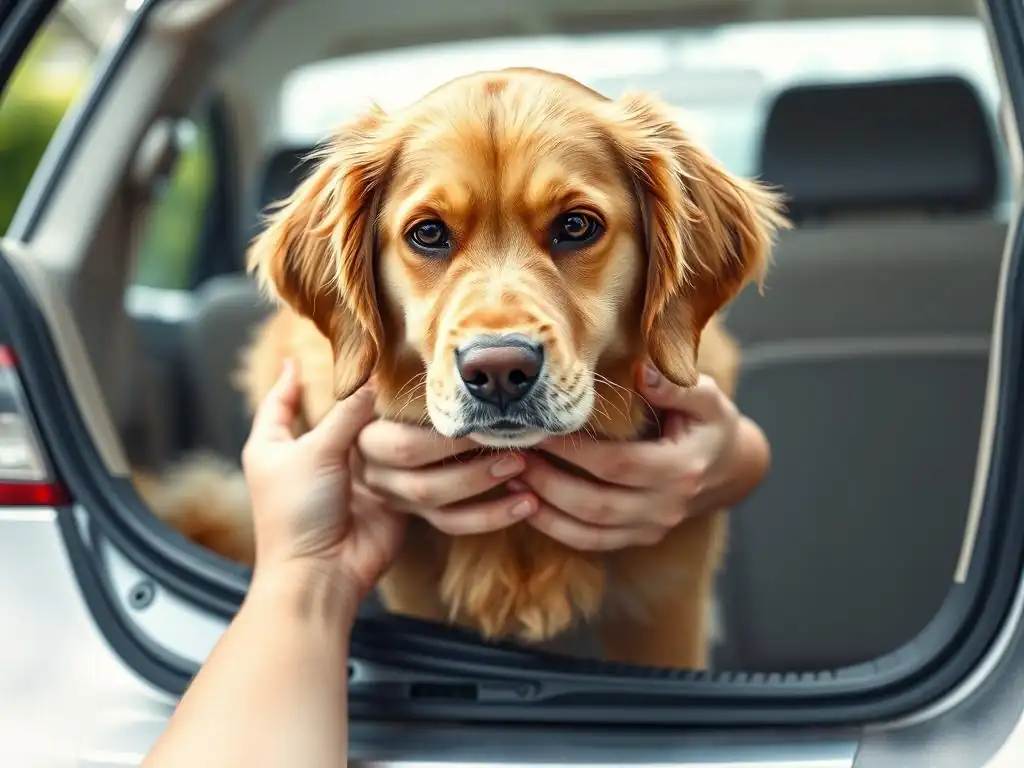
Following a minor car accident involving your dog, ensuring safe transport to a veterinarian is paramount. Even seemingly minor injuries can worsen without prompt attention. The way you handle your dog during transport can significantly impact their recovery and overall well-being. Remember, prioritizing your dog's comfort and safety is key, especially when dealing with potential "Dog car accident minor injuries".
Safe Transportation Methods for Dogs with Minor Injuries
The best method for transporting your dog after a minor car accident depends on the severity of their apparent injuries and their size. Avoid unnecessary movement as this could exacerbate any existing injuries.
- For smaller dogs (under 25 lbs): A sturdy pet carrier offers excellent protection. Ensure it's well-ventilated and adequately padded to minimize further trauma. Place the carrier securely in the backseat, away from airbags. Consider using a seatbelt attachment specifically designed for pet carriers to prevent movement during travel.
- For larger dogs: If your dog is able to stand and walk, a secure dog harness and seatbelt system is recommended. This method provides better support and prevents your dog from jumping or falling around the vehicle. However, if your dog is exhibiting signs of pain or distress, such as whimpering, limping, or reluctance to move, a carrier or even a blanket to support them on the floor of the car may be safer.
- Emergency Situations: If your dog is unconscious or severely injured, avoid moving them unless absolutely necessary. Contact emergency veterinary services immediately and wait for their instructions. They may advise you on how to safely stabilize your dog before transport.
Remember to observe your dog closely during transit. Note any changes in their behavior or condition, such as increased bleeding, labored breathing, or loss of consciousness. Document these observations to share with the veterinarian upon arrival.
Preparing Your Dog for Veterinary Care After a Car Accident
Even with minor injuries, thorough preparation before the veterinary visit is crucial for a smoother and more efficient process. Consider these steps:
- Gather Information: Before leaving for the vet, gather any relevant information, including details of the accident (time, location, etc. ), any visible injuries, and any medication your dog is currently taking. This information will help the veterinarian assess your dog's condition accurately.
- Secure Necessary Items: Prepare a small bag containing your dog's medical records (including vaccination history), a current photo of your dog (for identification purposes), and any necessary medications. A small towel or blanket can also be helpful to comfort your dog during the examination.
- Maintain Calmness: Dogs are very sensitive to their owners' emotions. Maintaining a calm and reassuring demeanor will help reduce your dog's stress and anxiety during transport and at the veterinary clinic. Speak to your dog in a soothing voice and offer gentle reassurance. A calm environment facilitates a better examination and reduces the risk of your dog becoming more agitated due to the already stressful situation.
- Post-Accident Care: After the accident, even if injuries seem minor, monitor your dog closely for any changes in behavior, appetite, or elimination habits. Look for signs of pain, such as limping, whining, or reluctance to move. Note any swelling, bruising, or bleeding. Document these observations and report them to the veterinarian immediately. Early detection of potential complications can greatly improve your dog's prognosis.
Remember, prompt veterinary attention is crucial even for seemingly minor injuries following a car accident. By following these steps, you can help ensure a safe and efficient journey for your dog to receive the best possible care. The focus should be on minimizing further stress or injury to your pet, keeping "Dog car accident minor injuries" to a minimum.
Post-Accident Veterinary Care for Minor Dog Injuries
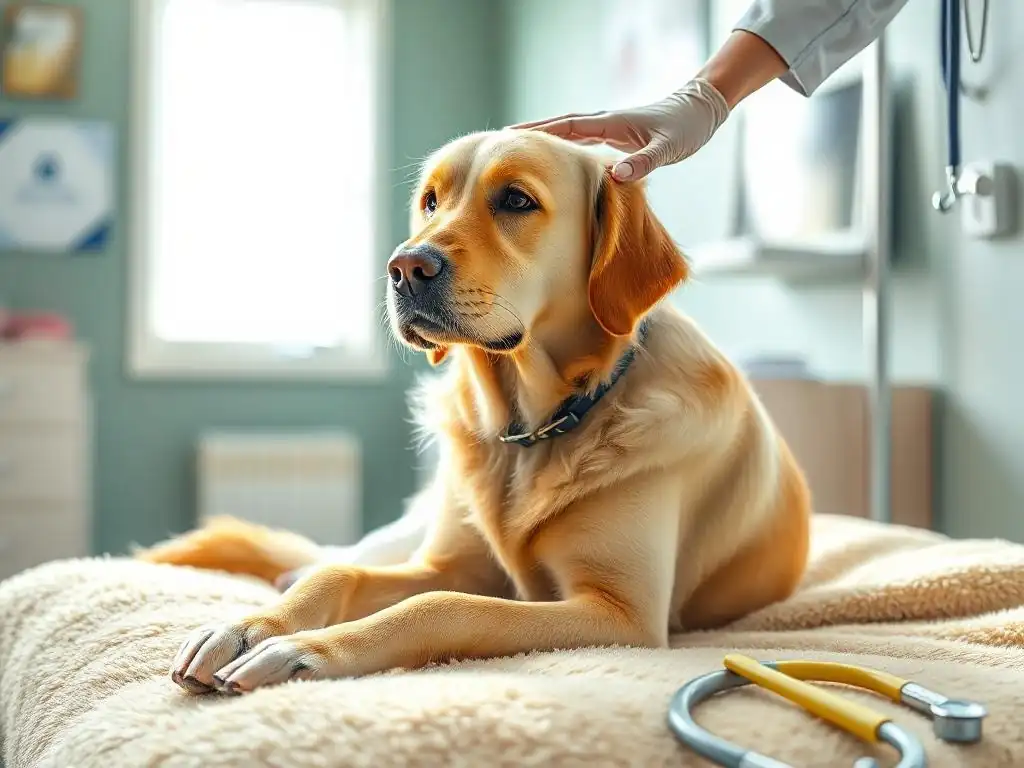
Even if your dog appears unharmed after a minor car accident, a veterinary examination is crucial. Many injuries, especially internal ones, may not be immediately apparent. Delaying veterinary care can lead to complications and worsen the prognosis for your canine companion. Prioritizing your dog's well-being after a dog car accident is paramount, even if the accident seems insignificant. This proactive approach helps ensure a swift and complete recovery. Remember, a minor injury today could become a significant problem tomorrow.
Veterinary Examination After a Minor Dog Car Accident
Following a minor car accident involving your dog, a thorough veterinary examination should be scheduled immediately. This involves a complete physical assessment, checking for external wounds, bruises, and any signs of lameness or pain. The vet will palpate your dog's abdomen to check for internal injuries.
They will also assess your dog's vital signs, including heart rate, respiratory rate, and temperature, looking for any abnormalities that might indicate underlying problems. Furthermore, the veterinarian may order diagnostic tests, such as X-rays or blood work, to rule out any fractures, internal bleeding, or other hidden injuries. Don't hesitate to ask questions; your vet is there to help you understand your dog's condition and the best course of action.
Remember, early detection of injuries is key to effective treatment and a faster recovery. The cost of a preventative veterinary examination is far less than the potential cost of treating a delayed diagnosis. This proactive approach is crucial for addressing dog car accident minor injuries.
Diagnosis and Treatment of Common Minor Dog Car Accident Injuries
Common minor injuries sustained in dog car accidents include soft tissue trauma (bruises, sprains, and muscle strains), minor cuts and abrasions, and whiplash. Diagnosis often involves a physical examination, palpation, and potentially X-rays to rule out fractures. Treatment typically involves rest, pain management (often with non-steroidal anti-inflammatory drugs or NSAIDs), and possibly cold compresses for swelling. For minor cuts and abrasions, cleaning and bandaging are usually sufficient. In cases of whiplash, rest and gradual return to activity are crucial.
Severe cases might require more extensive treatment, including physiotherapy or medication. The specific treatment plan will depend on the severity and type of injury. It's important to follow your veterinarian's instructions carefully to ensure your dog's complete recovery. Documentation of the injuries and treatment plan is vital for future reference, especially regarding any potential long-term effects related to the dog car accident minor injuries.
| Injury Type | Common Symptoms | Treatment |
|---|---|---|
| Soft Tissue Trauma | Bruising, swelling, lameness, pain | Rest, NSAIDs, cold compresses |
| Minor Cuts & Abrasions | Bleeding, superficial wounds | Cleaning, bandaging |
| Whiplash | Neck pain, stiffness, reluctance to move head | Rest, gradual return to activity, possibly medication |
Follow-up Care and Monitoring After a Minor Car Accident
After a minor car accident, even with seemingly minor injuries, follow-up care is essential. Your veterinarian will likely schedule a follow-up appointment to monitor your dog's progress. This allows them to assess the effectiveness of the treatment and make any necessary adjustments. At home, monitor your dog for any changes in behavior or signs of worsening injury.
These could include increased pain, swelling, limping, loss of appetite, or lethargy. Report any concerns to your veterinarian immediately. Continue administering any prescribed medication as directed. Provide a quiet and comfortable environment for your dog to rest and recover.
Avoid strenuous activity until your veterinarian clears your dog for a return to normal activity. Careful monitoring and adherence to your vet's instructions are crucial for ensuring a complete recovery from dog car accident minor injuries. Remember, patience and consistent care are key elements in the healing process. Even seemingly minor injuries require diligent observation and care to prevent complications.
Preventing Future Dog Car Accidents: Safety Measures
After a minor car accident involving your dog, your priority shifts from immediate care to preventing future incidents. Implementing robust safety measures is crucial for your dog's well-being and peace of mind. Failing to do so increases the likelihood of more serious accidents and injuries in the future. This section outlines key strategies to minimize risks and ensure your canine companion's safety during car travel. Remember, even minor accidents can highlight vulnerabilities in your current safety protocols.
Secure Dog Car Restraints: Harnesses and Carriers
The most effective way to prevent dog injuries in car accidents, regardless of severity, is using appropriate restraints. Improper restraint or lack thereof can lead to serious injuries or even fatalities for your pet. Avoid using only a seatbelt or letting your dog roam freely in the car. These practices are dangerous and illegal in many jurisdictions.
Choosing the right restraint is vital. Consider the size and temperament of your dog. For smaller dogs, sturdy carriers offer excellent protection. Ensure the carrier is securely fastened with appropriate seatbelts or straps. For larger dogs, a well-fitted harness designed specifically for car travel is essential. These harnesses typically attach to the car's seatbelt system, preventing your dog from being thrown around during sudden stops or collisions.
Here's a quick comparison:
| Restraint Type | Pros | Cons | Suitable for |
|---|---|---|---|
| Dog Car Harness | Secure, allows some movement, relatively inexpensive | Can be uncomfortable for some dogs, may not offer complete protection | Most dogs |
| Dog Car Carrier | Excellent protection, confines dog for safety | Less convenient, may be unsuitable for larger dogs, can be expensive | Small to medium dogs |
Remember to always check the harness or carrier's fit regularly. A loose restraint is as dangerous as no restraint at all. A properly fitted restraint should allow minimal movement while keeping your dog secure. Consider purchasing a restraint that is crash-tested and meets relevant safety standards. This will give you added confidence in its ability to protect your dog during an accident.
Safe Driving Practices to Minimize Risk of Dog Car Accidents
Beyond securing your dog, responsible driving habits significantly reduce the risk of accidents. Distracted driving is a leading cause of accidents, and the presence of a dog can exacerbate this risk. Avoid actions like reaching for your dog or interacting excessively while driving.
- Maintain a safe following distance: This allows for more reaction time in case of sudden stops or unexpected events.
- Avoid sudden braking and acceleration: Smooth driving reduces the likelihood of your dog being thrown around the vehicle.
- Be extra cautious in adverse weather conditions: Reduce your speed and increase your following distance when driving in rain, snow, or ice.
- Plan your route: Familiarize yourself with the route to minimize distractions.
- Take breaks: Regular breaks allow you to check on your dog and give them a chance to stretch their legs and relieve themselves. This also prevents driver fatigue.
Prioritizing safe driving practices alongside secure pet restraints establishes a layered approach to car safety, significantly reducing the chances of future dog car accidents, regardless of their severity. Careful driving and responsible pet management are crucial.
Regular Vehicle Checks for Potential Dog Safety Hazards
Proactive vehicle maintenance plays a vital role in preventing dog car accidents. Regular checks can identify potential hazards before they lead to incidents.
- Check seatbelts and anchors: Ensure they are in good working order and capable of securely holding a dog restraint.
- Inspect your car's interior: Look for any loose objects that could become projectiles in an accident, such as toys or tools. Secure these items properly.
- Check for any potential sharp edges or exposed wires: These could injure your dog if they were to be thrown around during a collision. Pad any sharp corners or cover exposed wiring.
- Regularly clean your vehicle: A clean car is a safer car. Remove any debris or items that could pose a hazard to your dog.
Performing these routine checks will help identify and rectify potential dangers before they escalate into accidents. This preventative maintenance, combined with secure restraints and responsible driving, creates a comprehensive approach to dog car safety, minimizing the risk of future incidents and ensuring your canine companion’s well-being. Remember, a proactive approach is the best way to protect your furry friend.
Long-Term Care and Monitoring After Minor Dog Car Injuries
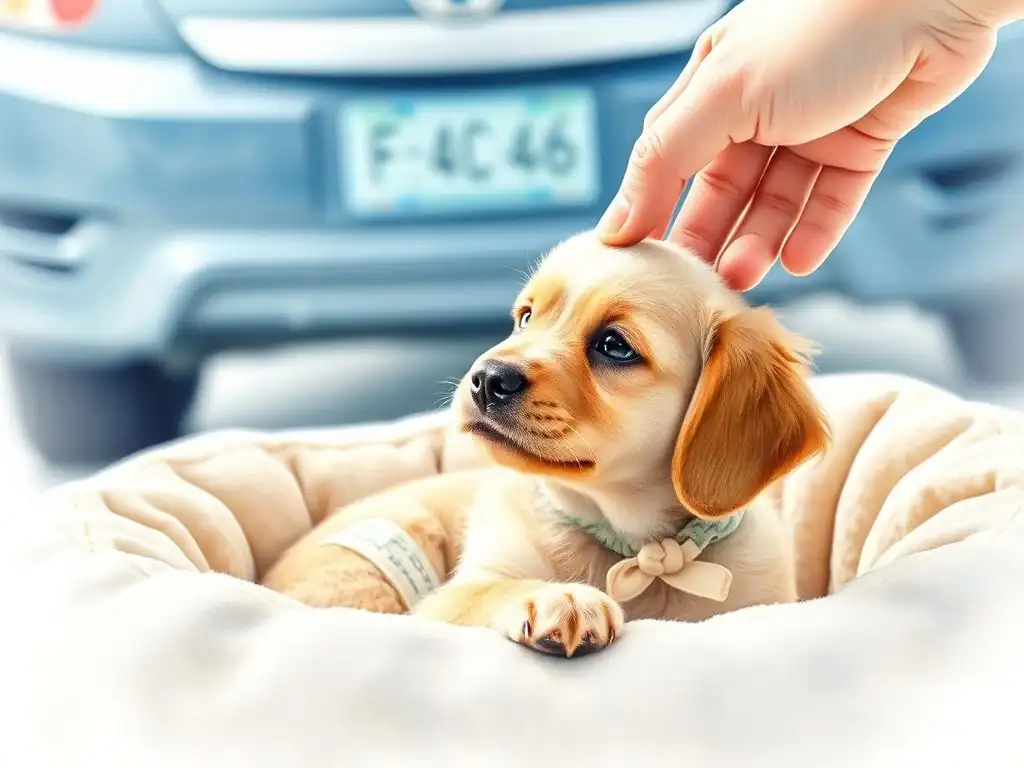
Even after seemingly minor car accidents, vigilant monitoring of your dog is crucial. While immediate injuries may be subtle, hidden internal damage can manifest later. This section details the long-term care and observation necessary to ensure your canine companion's complete recovery from a dog car accident involving minor injuries. Remember, consistent monitoring is key to early detection of any complications.
Managing Pain and Discomfort After a Dog Car Accident
Pain management is paramount in the aftermath of a dog car accident, even if injuries seem superficial. Your veterinarian will likely prescribe pain medication, possibly NSAIDs (Non-Steroidal Anti-Inflammatory Drugs) like carprofen or meloxicam. Never administer human pain medication to your dog without explicit veterinary guidance. Dosage must be precisely calculated based on your dog's weight and breed. Observe your dog closely for any signs of continued pain, such as whimpering, limping, lethargy, or changes in appetite. Document these observations meticulously and report them to your vet.
A detailed pain management plan, tailored to your dog's specific needs and responses, is essential for a smooth recovery. Consider providing a comfortable, quiet space for your dog to rest and recover. Soft bedding and limiting strenuous activity are crucial. Providing a supportive environment can significantly contribute to minimizing stress and discomfort. Remember, consistent monitoring and reporting are vital for effective pain management.
Physical Therapy and Rehabilitation for Dogs
Depending on the nature and severity of even minor injuries sustained during a dog car accident, physical therapy may be recommended. This can involve a range of treatments designed to restore mobility, strength, and flexibility. These therapies could include:
- Passive range of motion exercises: Gentle stretching and manipulation of joints to maintain flexibility and prevent stiffness.
- Hydrotherapy: Underwater treadmill exercises to provide low-impact exercise and support injured limbs.
- Massage therapy: Helps to relieve muscle tension and improve circulation.
- Laser therapy: Stimulates healing and reduces inflammation.
The need for physical therapy will depend on the specific injuries sustained. Your veterinarian will assess your dog's condition and recommend the appropriate course of action. It’s crucial to follow the therapist's instructions meticulously to maximize the effectiveness of the rehabilitation program. Regular sessions, coupled with home exercises, are often necessary for optimal recovery. The duration of physical therapy will vary depending on your dog's progress and response to treatment. Patience and consistency are key to a successful outcome. Consistent monitoring of your dog's progress and regular communication with the therapist are crucial components of effective physical therapy.
Behavioral Changes After a Minor Dog Car Accident
Even minor car accidents can trigger significant behavioral changes in dogs. These changes can manifest as:
- Increased anxiety: Dogs may exhibit signs of fear, such as trembling, hiding, or excessive barking. They might become more clingy or reluctant to be left alone.
- Changes in sleep patterns: Disrupted sleep, nightmares, or increased restlessness are common.
- Loss of appetite: A decrease in food intake or refusal to eat can be a sign of stress or pain.
- Aggression: Some dogs may become more aggressive or protective, exhibiting behaviors they didn't show before the accident.
Addressing these behavioral changes is essential for your dog's overall well-being. Consider consulting a veterinary behaviorist or a certified professional dog trainer for guidance and support. They can help you develop a behavior modification plan tailored to your dog's specific needs. Positive reinforcement techniques, such as rewarding calm behavior, can be particularly effective.
Creating a safe and predictable environment can also help alleviate anxiety and promote relaxation. Remember, patience and consistency are crucial in addressing post-accident behavioral changes. Early intervention is key to prevent these changes from becoming long-term issues. Your dog's recovery is a journey that requires understanding and support.
Common Minor Injuries in Dogs After Car Accidents
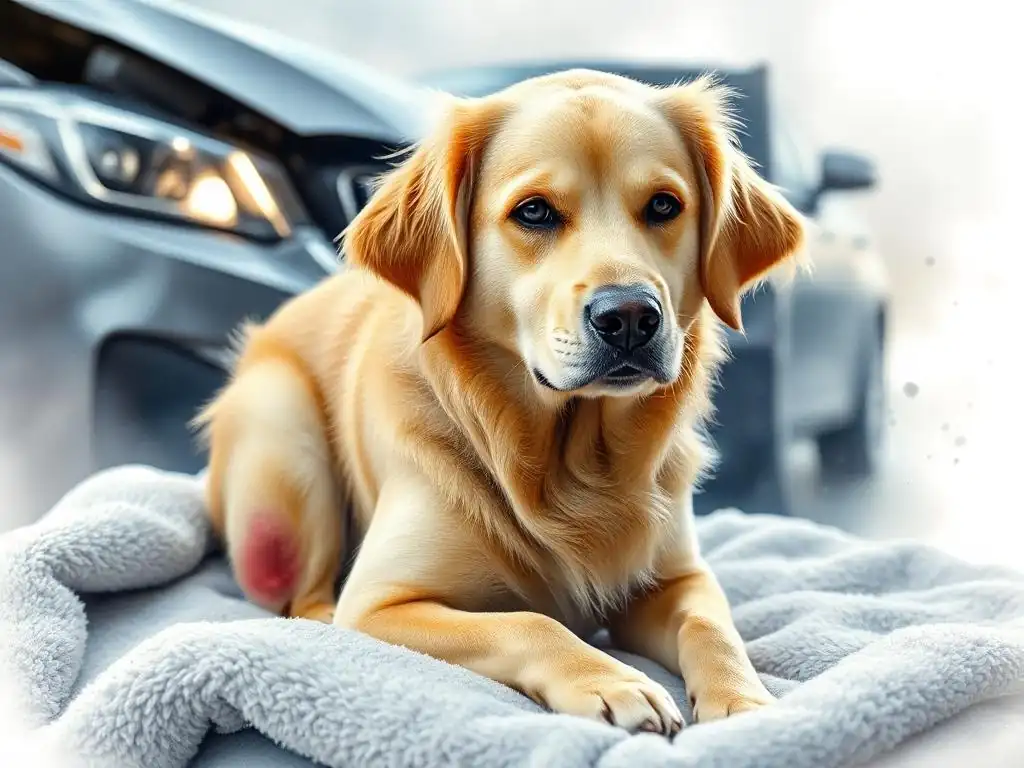
Minor car accidents, while seemingly insignificant to humans, can cause a range of injuries in our canine companions. Their smaller size and different skeletal structure make them more vulnerable to impact forces. Understanding common minor injuries is crucial for prompt and appropriate care, preventing escalation to more serious conditions.
This section focuses on the prevalent minor injuries dogs sustain in low-impact car accidents, offering guidance on recognizing symptoms and implementing effective treatment strategies. The frequency of these injuries varies depending on factors such as the dog's size, breed, restraint methods, and the severity of the collision; however, a proactive approach to post-accident care is always advisable. Remember, even if your dog appears unharmed immediately following the accident, a veterinary checkup is strongly recommended.
Bruises and Lacerations: Treatment and Prevention
Bruises (contusions) and lacerations (cuts) are among the most frequently observed minor injuries following dog car accidents. Bruises result from the impact force damaging underlying blood vessels, causing blood to pool under the skin. Lacerations, on the other hand, are open wounds caused by sharp objects or the impact itself. These can range from superficial scratches to deep, bleeding wounds.
Recognizing these injuries is relatively straightforward. Bruises appear as swollen, discolored areas, often purplish or bluish. Lacerations are easily identified as open wounds, which may or may not be bleeding. The severity dictates the urgency of treatment.
Treatment for bruises typically involves rest, ice packs (applied intermittently for 15-20 minutes at a time), and possibly pain relief medication prescribed by a veterinarian. Deep bruises or those accompanied by significant swelling warrant immediate veterinary attention.
Lacerations require careful cleaning and disinfection. Minor cuts can be cleaned at home with mild antiseptic solution, but deep or heavily bleeding lacerations need immediate professional veterinary care to prevent infection and ensure proper wound closure (stitches may be necessary). Always avoid using hydrogen peroxide, as it can damage the tissue.
Prevention involves using appropriate dog restraints during travel. Harnesses designed for car safety are far superior to collars, which can cause choking or injury in an accident. Securing your dog in a crate or using a well-fitted car seat provides optimal protection.
Whiplash and Spinal Injuries: Recognizing the Signs
While often associated with more significant collisions, whiplash and minor spinal injuries can occur even in low-impact accidents. The sudden, forceful movement of the dog's body during the impact can strain the neck and spine. These injuries might not be immediately apparent, making post-accident veterinary examination crucial. Dogs may exhibit subtle signs, requiring careful observation by the owner. Early detection is key to effective management and prevention of long-term complications.
Recognizing the signs of whiplash and spinal injuries is vital. Symptoms can include neck stiffness, pain when the neck is touched, difficulty moving the neck or head, reluctance to jump or climb stairs, unusual posture (hunched back), whining or yelping when touched, and changes in gait (limping, stumbling). In severe cases, paralysis or loss of bladder/bowel control can occur.
Immediate veterinary attention is essential if you suspect whiplash or a spinal injury. Diagnosis may involve physical examination, X-rays, and possibly MRI scans. Treatment will vary depending on the severity, ranging from rest and pain medication to more intensive therapies such as physiotherapy.
Emotional Trauma in Dogs After Car Accidents: Recognizing and Addressing
Car accidents can be profoundly traumatic for dogs, even if they sustain only minor physical injuries. The sudden loud noises, jarring movements, and potential for injury can trigger fear, anxiety, and even post-traumatic stress disorder (PTSD). Recognizing and addressing the emotional consequences is as important as treating any physical wounds. Ignoring the emotional aspect can lead to behavioral issues and long-term distress for your pet. Understanding the signs and providing appropriate support are essential for their recovery and well-being.
Recognizing emotional trauma in dogs after a car accident can be challenging, as signs vary widely. Some dogs might exhibit increased anxiety, clinginess, or fear of cars or similar loud noises. Others might become withdrawn, lose their appetite, or show signs of aggression. Changes in sleep patterns, house soiling, or excessive licking are also possible indicators.
Addressing emotional trauma requires patience, understanding, and a supportive environment. Creating a safe and calm space for your dog is crucial. Positive reinforcement training can help rebuild confidence and reduce anxiety. In some cases, veterinary behaviorists or professional trainers can offer specialized guidance and support, employing techniques such as desensitization and counter-conditioning. Providing plenty of love, reassurance, and consistent routines can significantly aid in your dog's emotional recovery after a minor car accident. Remember, patience and understanding are key to helping your furry friend overcome this stressful experience.
Insurance Considerations After a Dog Car Accident
Following a minor car accident involving your canine companion, addressing insurance implications is crucial. Even seemingly insignificant bumps and bruises can lead to unforeseen veterinary expenses. Proactive management of insurance claims can significantly reduce the financial burden associated with your pet's recovery. This section details the essential steps to take to ensure your pet receives the necessary care without undue financial stress. Remember, prompt action is key when dealing with pet insurance claims, so don't delay!
Pet Insurance Coverage for Minor Car Accidents
Many pet insurance policies cover veterinary expenses resulting from accidents, including those occurring in vehicles. However, the specifics vary widely depending on your policy's terms and conditions. Some policies might have deductibles, co-pays, or annual limits that affect your out-of-pocket costs. For instance, a policy might cover 80% of eligible veterinary bills after a deductible of $100. This means you'd pay the first $100, and the insurance would cover 80% of the remaining costs.
It's vital to carefully review your policy document to understand the extent of coverage for accidents, particularly those involving car travel. Look for clauses specifically addressing accidents, injuries sustained in vehicles, or emergency veterinary care. Don't hesitate to contact your insurance provider directly to clarify any ambiguities. Knowing your policy inside and out will help you navigate the claims process smoothly.
Understanding the specific coverage for "Dog car accident minor injuries" is paramount. While some policies might explicitly mention car accidents, others might categorize it under "accidental injuries" or "unexpected illness and injury." Thorough comprehension of your policy's wording is crucial to avoid complications later. Many providers offer different levels of coverage, with higher premiums often reflecting broader coverage and lower out-of-pocket expenses. Consider whether your current coverage adequately addresses potential car accident scenarios. Perhaps upgrading to a more comprehensive plan might provide greater peace of mind.
Filing a Claim with Your Pet Insurance Provider
After a minor car accident, immediately document everything. Take photos of any visible injuries to your dog. Obtain a copy of the accident report if applicable. Gather all veterinary bills and receipts related to your dog's treatment. This comprehensive documentation is essential when filing a claim.
Most pet insurance providers have an online portal or a dedicated claims phone line. Follow their instructions carefully and submit all necessary documentation promptly. A delay in submitting your claim could potentially impact the processing time and your reimbursement. Remember to keep copies of all submitted documents for your records. Clearly describe the circumstances of the accident and your dog's injuries in your claim form.
Be detailed and precise; this will help the provider assess your claim efficiently. Be prepared to answer questions from the insurance provider's claims adjuster. Cooperation and clear communication are essential for a smooth claims process. The entire process might involve several steps, including initial claim submission, review of supporting documents, and final approval for reimbursement.
Understanding Your Policy's Limitations Regarding Car Accidents
While many pet insurance policies cover accidents, there might be limitations. Some policies might exclude pre-existing conditions that are exacerbated by the accident. For example, if your dog had a pre-existing hip issue, and the car accident worsened it, the insurance might not cover the full cost of treatment related to the pre-existing condition. Other limitations might involve specific types of accidents or the level of care covered.
Some policies might only cover emergency veterinary care immediately following the accident, while others might offer broader coverage for subsequent treatments. Moreover, some policies might have waiting periods before coverage starts for certain types of accidents. It's crucial to read the fine print and understand these limitations before an accident occurs. Policies might also have clauses regarding liability, especially if the accident involved another vehicle.
Knowing your policy's limitations upfront can prevent misunderstandings and disputes during the claims process. Understanding the nuances of your policy is critical for managing expectations and ensuring a fair and efficient claims process. Consider reviewing your policy annually to ensure it continues to meet your needs and expectations.
Frequently Asked Questions
What should I do immediately after a minor car accident involving my dog?
First, ensure your own safety and that of your passengers. Then, check your dog for visible injuries. Call your veterinarian or an emergency animal hospital.
My dog seems unharmed after the car accident, should I still take them to the vet?
Yes, even if your dog appears fine, internal injuries might not be immediately apparent. A veterinary check-up is crucial to rule out any problems. Prevention is key.
What kind of minor injuries should I look out for in my dog after a car accident?
Look for limpness, swelling, bleeding, difficulty breathing, or any changes in behavior. Even subtle signs like lethargy warrant a vet visit.
How can I prevent future car accidents involving my dog?
Use a properly fitted and secured pet car seat or carrier. Never allow your dog to roam freely in the car. Secure them safely during travel.
My dog has minor injuries; what kind of treatment can I expect at the vet?
Treatment depends on the injuries but may include bandaging, pain medication, X-rays, and monitoring. Your vet will create a personalized treatment plan.
Final Reflection: Protecting Our Furry Passengers: Beyond the Immediate Aftermath
The unsettling truth is that minor car accidents involving dogs happen far more frequently than we realize. A seemingly insignificant fender bender can leave our beloved canine companions shaken, injured, and in need of immediate care. This article has highlighted the crucial steps to take immediately following such an incident, emphasizing the importance of swift action to ensure your dog's well-being.
The impact of a car accident, even a minor one, on a dog's emotional and physical state can be profound and long-lasting. It's a stark reminder of our responsibility as pet owners to prioritize their safety. The quiet fear in their eyes, the trembling body, the subtle limp – these are the unseen consequences that often go unnoticed. The bond between humans and animals is one of the most profound and enriching relationships we can have. It is our duty to protect them.
This quote encapsulates the core message of this article: proactive care and responsible ownership are paramount.
Consider the steps outlined within this article – the immediate assessment, the careful transportation, the prompt veterinary check-up. These aren't just procedures; they are acts of love and commitment. You are your dog's advocate, their protector, their lifeline in moments of vulnerability. Take the time to review these steps, to familiarize yourself with them, and to prepare for the unexpected. Because when the unexpected happens, your preparedness will be the difference between a quick recovery and a prolonged struggle. Let's work together to ensure the safety and well-being of our canine companions on every journey.
Take Charge: Protecting Your Pup After a Car Accident
Thank you for learning how to keep your canine companion safe after a car accident. We hope this information provides peace of mind and equips you to react effectively in such a situation. Now, let's focus on proactive steps to ensure your furry friend's continued well-being.
- Schedule a Veterinary Check-up: Even if your dog appears unharmed, a thorough veterinary examination is crucial to detect potential internal injuries or hidden problems. This is the most important step to take after any car accident involving your pet.
- Review Your Pet's Car Safety: Assess your current pet car safety equipment and identify areas for improvement. Consider adding more padding or investing in a new restraint system to better protect your dog during travel.
- Share Your Experience (Optional): Help other pet owners by sharing your experience and advice in the comments below. Let's build a supportive community to help keep our canine companions safe!
Have you considered assembling a comprehensive emergency car kit specifically for your dog? Include essential items beyond standard first-aid supplies, such as water, a collapsible bowl, and a blanket.