
The Importance of a Dog Car Safety Seat: A Detailed Look

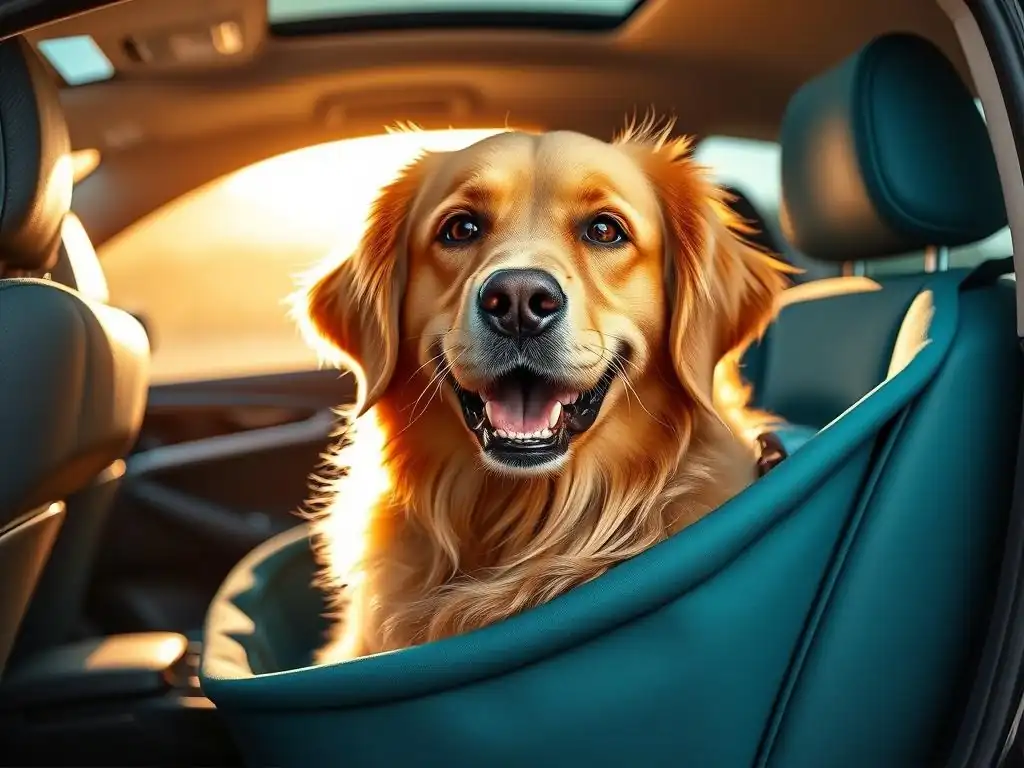
Welcome to PetCareWorld, your ultimate guide to a happier, healthier life for your beloved pets! Are you ready to discover the unseen benefits of a safe dog car seat and ensure your furry friend travels in comfort and complete safety? Dive into our detailed exploration of "Safe Dog Car Seat Benefits" and learn how to prioritize your dog's well-being on every journey. Let's embark on this essential journey together!
- Understanding the Risks of Unrestrained Dogs in Cars
- Safe Dog Car Seat Benefits: Protecting Your Canine Companion
- Choosing the Right Dog Car Seat: A Comprehensive Guide
- Installing and Using Your Dog Car Seat Safely
- Beyond the Basics: Additional Safety Tips for Traveling with Your Dog
- Frequently Asked Questions about Dog Car Seats
- Frequently Asked Questions
- Final Reflection: Securing Our Furry Family Members on the Road
- Secure Your Furry Friend: Take the Next Step Towards Safer Travels!
Understanding the Risks of Unrestrained Dogs in Cars
Traveling with your canine companion should be a joyful experience, filled with tail wags and happy panting. However, many pet owners unknowingly put their beloved dogs at significant risk by allowing them to ride unrestrained in the car. This article delves into the critical importance of using a dog car safety seat, highlighting the dangers of unsecured travel and the numerous benefits of keeping your furry friend safe and secure during car journeys.
We'll explore the potential for serious injury or even fatality for your dog, the legal ramifications of irresponsible pet transportation, and the ethical considerations involved in ensuring your pet's well-being on the road. Understanding these risks is the first step towards providing your dog with the safest and most comfortable travel experience possible.
Choosing a safe dog car seat isn't just about convenience; it's a demonstration of responsible pet ownership and a commitment to your dog's health and safety. This commitment translates directly into the numerous benefits associated with using a safe dog car seat, benefits we will explore in detail throughout this guide.
Dangers of Unsecured Dogs During Sudden Stops and Accidents
The consequences of an unrestrained dog during a sudden stop or accident are potentially catastrophic. Imagine a scenario: you're driving along, and suddenly, you have to brake hard. A dog not secured in a car seat will become a projectile, potentially injuring itself severely by hitting the dashboard, windows, or even other passengers.
In a more serious accident, the force of impact could be lethal. The lack of restraint means the dog is completely at the mercy of inertia, with potentially devastating results. Studies [specific information pending] have shown a significant correlation between unrestrained dogs in car accidents and severe injuries, including broken bones, internal bleeding, and head trauma.
The force exerted on an unrestrained animal during even a minor collision can be many times its body weight. This underscores the crucial need for proper restraint, turning a potentially life-threatening situation into one with a much higher chance of survival. A safe dog car seat dramatically mitigates these risks, providing a secure and protective environment for your beloved pet.
Injuries to Dogs from Unrestrained Travel
Even without a major accident, unrestrained travel can lead to various injuries. Constant jostling and bumping around inside the vehicle can cause bruises, scrapes, and muscle strains. Dogs can also injure themselves by jumping around or trying to climb into the front seat, potentially leading to falls and further injuries.
Long journeys can be particularly taxing on an unsecured dog, leading to exhaustion and stress. The risk of a dog escaping from an open window or door is also significantly increased without proper restraint. A lost or injured dog on a busy highway presents a dangerous situation for both the animal and other drivers.
The cumulative effect of these minor injuries and stresses can negatively impact your dog's overall health and well-being over time. Investing in a safe dog car seat is an investment in your dog's long-term health, preventing these minor but cumulative injuries and ensuring a more comfortable travel experience.
Legal and Ethical Responsibilities for Pet Safety
Beyond the potential for physical harm, there are also legal and ethical considerations surrounding the transportation of pets. Many jurisdictions have laws regarding pet restraint in vehicles, and failure to comply can result in fines or other penalties. [specific information pending] Even where no specific laws exist, responsible pet ownership dictates that you take all necessary precautions to ensure your dog's safety. Leaving your dog unrestrained is not only potentially dangerous but also demonstrates a lack of care and consideration for your pet's well-being.
A safe dog car seat shows that you prioritize your dog's safety and are committed to responsible pet ownership. It's a clear demonstration of your love and care, ensuring your dog's comfort and safety on every journey. The peace of mind that comes from knowing your dog is secure is invaluable. 🐶
Safe Dog Car Seat Benefits: Protecting Your Canine Companion
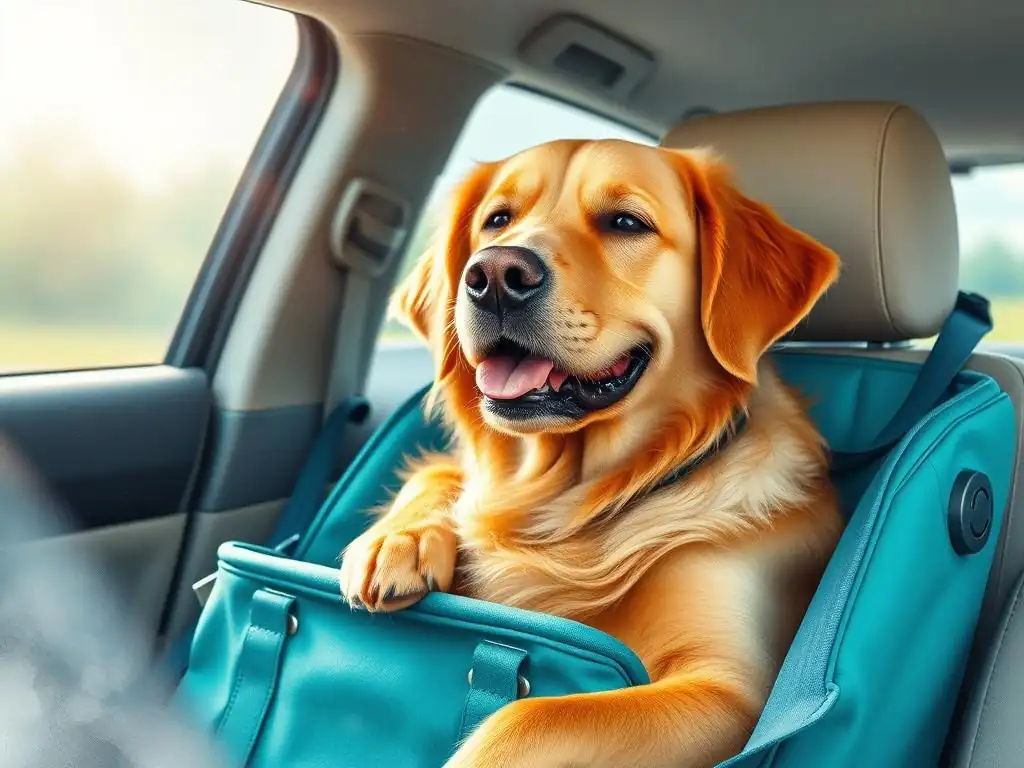
This section delves into the numerous advantages of using a safe dog car seat, focusing on how these specialized products contribute to a safer and more comfortable journey for your furry friend. Choosing the right car seat significantly reduces the risk of injury during accidents and provides a secure, comfortable space for your dog during travel. Understanding these benefits is crucial for responsible pet ownership and ensuring your dog's well-being on the road. The keyword "safe dog car seat benefits" is central to this discussion.
Enhanced Safety and Reduced Risk of Injury During Travel
The primary benefit of a dog car seat is undoubtedly enhanced safety. In the event of a sudden stop or collision, an unrestrained dog can become a projectile, causing severe injury to themselves and other passengers. A properly installed and secured dog car seat acts as a restraint system, significantly mitigating this risk. Studies have shown that properly restrained pets are far less likely to suffer fatal or serious injuries in car accidents. 1 The design of many dog car seats incorporates features like reinforced sides, sturdy construction, and secure harnesses to absorb impact and protect your dog from potential harm. Consider the difference between a 50-pound dog flying through the car at 30 mph versus being safely contained within a well-designed car seat. The difference is life-altering. Choosing a car seat with high safety ratings and appropriate crash-testing certifications is paramount. This translates directly to a reduction in potential vet bills and the emotional distress of a pet injury.
Peace of Mind for Pet Owners on the Road
Beyond the tangible safety benefits, using a dog car seat provides immeasurable peace of mind for pet owners. Knowing your dog is securely fastened and protected allows you to focus on driving safely, reducing stress and anxiety associated with pet travel. This improved focus translates directly to safer driving practices for everyone in the vehicle. No longer will you be constantly glancing in the rearview mirror, worried about your dog's movements or potential for injury.
Instead, you can concentrate on the road, reducing the chance of accidents caused by driver distraction. This peace of mind is invaluable, especially on longer journeys or during challenging driving conditions. It's a significant contributor to a more relaxed and enjoyable travel experience for both you and your canine companion. The feeling of security knowing your beloved pet is safe is a powerful benefit that extends beyond mere practicality.
Preventing Distracted Driving Caused by Unrestrained Pets
Unrestrained pets can be a significant source of distracted driving. A playful dog jumping around the car, a cat attempting to escape its carrier, or even a dog simply needing attention, can easily divert a driver's attention from the road. This distraction, even for a few seconds, dramatically increases the risk of accidents.
A safe dog car seat eliminates this problem by keeping your pet securely in place. This allows you to maintain your focus on driving, promoting safer driving habits and reducing the likelihood of collisions. The improved concentration allows for better reaction times to unexpected events on the road, protecting both you and your pet.
Consider the statistics surrounding distracted driving; even a momentary lapse in concentration can have catastrophic consequences. A dog car seat is a simple yet highly effective tool for mitigating this serious risk. This contributes to responsible pet ownership and promotes safer roads for everyone.
1 [Specific study data pending]
Choosing the Right Dog Car Seat: A Comprehensive Guide
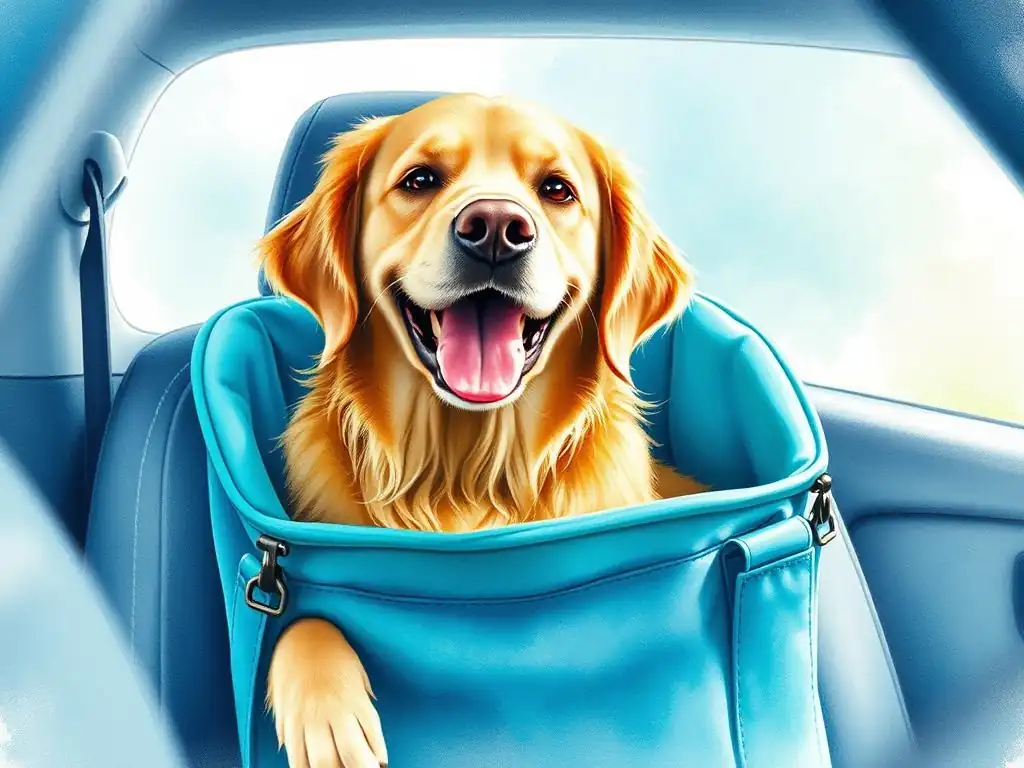
Selecting the appropriate dog car seat is crucial for ensuring your canine companion's safety and comfort during travel. This decision shouldn't be taken lightly; a poorly chosen seat can compromise your pet's security and even lead to injury. This section delves into the key factors to consider when choosing a safe and effective dog car seat, ultimately maximizing the benefits of using one.
Understanding these factors will help you navigate the plethora of options available and find the perfect fit for your furry friend. Remember, investing in a high-quality, well-fitting dog car seat is an investment in your pet's well-being and your peace of mind. The benefits of a safe dog car seat are undeniable.
Types of Dog Car Seats: Harnesses, Booster Seats, and Carriers
The market offers a variety of dog car seats, each designed with different features and functionalities. Understanding these differences is paramount in selecting the best option for your dog's size, breed, and temperament. Let's explore the three main types:
- Harnesses: These are arguably the most common type of dog car restraint. They typically attach to your car's seatbelt system, securing your dog in place. Harnesses provide a good balance between restraint and freedom of movement, allowing your dog to sit or lie down comfortably while preventing them from becoming projectiles in case of an accident. Look for harnesses with strong, durable straps and sturdy buckles. Consider the harness's adjustability; a properly fitted harness is key to its effectiveness.
- Booster Seats: These elevated seats provide a comfortable and elevated vantage point for smaller dogs. They often come with built-in safety harnesses and are designed to keep your dog secure and visible. Booster seats are a great option for dogs who prefer to sit upright and enjoy looking out the window. However, ensure the booster seat is stable and securely fastened to prevent tipping or movement during sudden stops or turns.
- Carriers: Carriers offer the highest level of containment. These enclosed spaces are ideal for anxious dogs or puppies who need a more secure environment. While they limit movement, carriers provide excellent protection in an accident. Choose a carrier that is appropriately sized for your dog and that has secure latches and ventilation to prevent overheating. Always secure the carrier itself to the car seat using a seatbelt or other appropriate restraint.
Key Features of Dog Car Seats: Size, Safety Ratings, and Comfort
Beyond the basic type, several key features determine a dog car seat's effectiveness and suitability. These features directly impact the safe dog car seat benefits you'll experience.
- Size: The most crucial aspect is finding a seat that's the right size for your dog. Too small, and it won't offer adequate restraint; too large, and your dog might be able to wriggle free. Measure your dog from the base of their neck to the base of their tail and consult the manufacturer's size guidelines before purchasing.
- Safety Ratings: While not all dog car seats have formal safety ratings like child car seats, look for seats made from durable, crash-tested materials. Strong stitching, reinforced seams, and sturdy buckles are indicators of quality and safety. Check customer reviews to see if other owners have reported any issues with the seat's durability or safety.
- Comfort: Your dog will likely spend considerable time in their car seat, so comfort is vital. Look for seats with plush padding, breathable materials, and features that promote good posture. Consider your dog's preferences; some dogs prefer a snug fit, while others prefer more space.
Material and Durability Considerations for Long-lasting Use
The materials used in constructing a dog car seat significantly impact its longevity and effectiveness. Investing in a durable seat will save you money in the long run and ensure your dog's safety for years to come.
- Material Selection: Durable materials like heavy-duty nylon, reinforced polyester, or even water-resistant fabrics are ideal. Avoid flimsy or easily-torn materials. Consider the climate where you live; breathable materials are essential in warmer climates, while water-resistant materials may be preferable in rainy conditions.
- Durability Testing: Look for seats that are specifically designed for car travel and have undergone rigorous testing to ensure their ability to withstand the stresses of sudden stops and impacts. Check for reinforced stitching, strong buckles, and sturdy construction.
- Cleaning and Maintenance: Easy-to-clean materials are a must. Accidents happen, so choose a seat with a removable and washable cover or that can be easily wiped clean. Regular cleaning will extend the life of your dog car seat and maintain its hygiene. Consider stain-resistant materials for added convenience.
Choosing the right dog car seat involves careful consideration of several factors. By prioritizing safety, comfort, and durability, you can ensure your canine companion enjoys safe and comfortable travels for years to come, reaping all the safe dog car seat benefits. 🐶
Installing and Using Your Dog Car Seat Safely
This section delves into the practical aspects of installing and using a dog car safety seat, ensuring your canine companion enjoys safe and comfortable car rides. Proper installation is paramount for maximizing the protective benefits of the seat and minimizing the risk of injury during sudden stops or accidents. Understanding the nuances of different seat types and securing your dog correctly are key elements in achieving optimal safety.
We'll explore these crucial steps in detail, providing a comprehensive guide to safe dog car travel. Remember, the ultimate goal is to provide a secure and stress-free travel experience for your furry friend. This contributes significantly to the overall benefits of using a safe dog car seat.
Step-by-Step Guide to Installing Different Types of Dog Car Seats
Different dog car seats offer varying installation methods. Let's examine some common types:
- Harness-Style Seats: These seats typically use straps that attach to your car's seatbelts.
- Step 1: Locate the seatbelt anchor point in your vehicle.
- Step 2: Thread the seat's straps through the anchor point, ensuring a snug fit. Avoid excessive slack.
- Step 3: Securely fasten the seatbelt buckle. Double-check for any looseness.
- Step 4: Adjust the straps on the seat itself to ensure your dog has enough room but is still securely held.
- Booster-Style Seats: These elevated seats often use straps or clips to attach to the car seat.
- Step 1: Place the booster seat on the car seat.
- Step 2: Fasten any straps or clips according to the manufacturer's instructions. This usually involves securing them to the car's headrest or seatback.
- Step 3: Ensure the booster seat is stable and won't easily slide or tip.
- Step 4: Secure your dog in the seat using the provided harness or tether.
- Crate-Style Seats: These are essentially carriers designed for car use, often with additional straps for securing them to the car seat.
- Step 1: Place the crate on the car seat, ensuring it's positioned correctly.
- Step 2: Use the provided straps to attach the crate to the car seat or seatbelt anchors. Follow the manufacturer's instructions carefully.
- Step 3: Ensure the crate is stable and secure.
- Step 4: Place your dog inside the crate and ensure the door is securely fastened.
Remember to always consult your specific car seat's instruction manual for detailed installation guidelines. Improper installation can severely compromise safety. The benefits of a safe dog car seat are only realized with correct installation.
Securing Your Dog in the Car Seat Properly
Once the car seat is installed, securing your dog is equally crucial. Never allow your dog to roam freely in the car. Use the seat's harness or tether to restrain your dog. The harness should fit snugly but not restrict breathing or movement excessively. A properly fitted harness distributes impact forces during accidents, minimizing injury. Check the harness regularly for wear and tear and replace it as needed. A properly secured dog is a safe dog; this is a key benefit of utilizing a dog car safety seat. Consider the following:
- Harness Type: Choose a harness specifically designed for car safety; these often have different features than walking harnesses.
- Adjustability: Ensure the harness is adjustable to fit your dog comfortably and securely.
- Buckling: Double-check the harness buckle to make sure it's securely fastened.
Failing to properly secure your dog negates the safety benefits of the car seat itself.
Training Your Dog to Accept the Car Seat
Introducing your dog to the car seat gradually is essential for a positive experience. Don't force your dog into the seat; this will only create negative associations. Instead:
- Positive Reinforcement: Reward your dog with treats and praise when they approach or enter the car seat.
- Gradual Introduction: Start by letting your dog sniff and explore the car seat. Gradually increase the amount of time they spend in it.
- Comfort Items: Include familiar blankets or toys to make the car seat more inviting.
- Short Trips: Begin with short car rides to build positive associations. Gradually increase the duration of trips as your dog becomes more comfortable.
Patience and positive reinforcement are key to successfully training your dog to accept the car seat. A comfortable and happy dog is a safe dog, further emphasizing the overall benefits of a safe dog car seat. Remember, a calm and secure dog is less likely to be a distraction while driving.
Beyond the Basics: Additional Safety Tips for Traveling with Your Dog
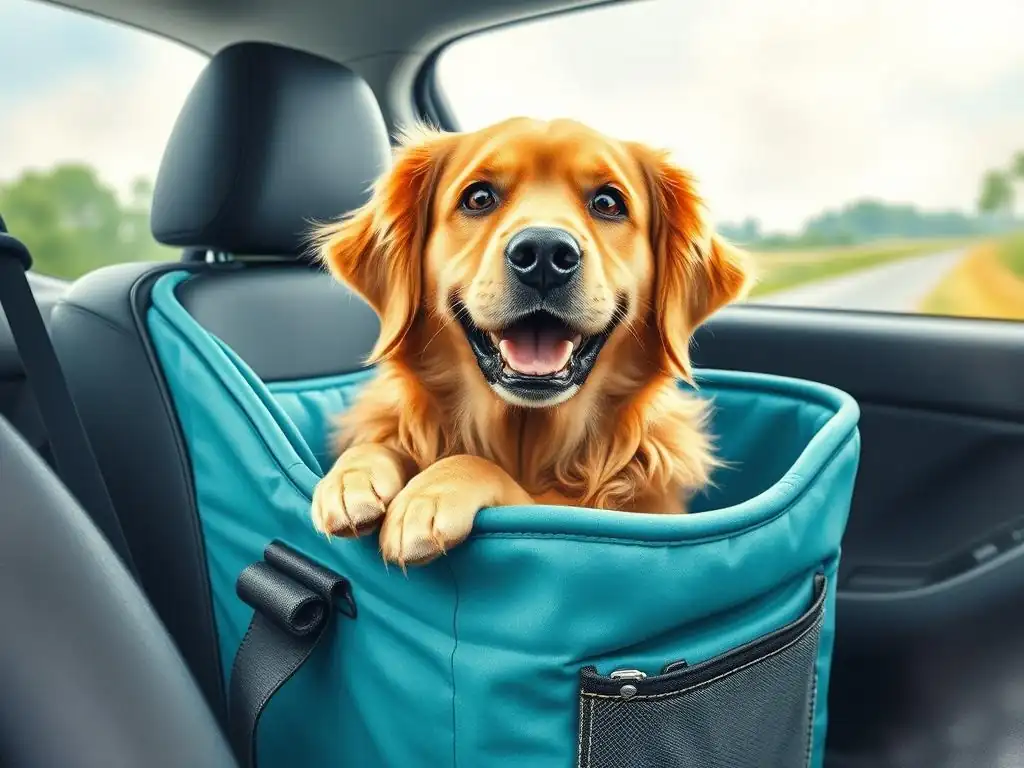
Beyond simply securing your canine companion in a dog car safety seat, several other strategies significantly enhance their safety and comfort during car journeys. These supplemental measures, when combined with a properly installed and appropriate car seat, create a truly secure and stress-free travel experience for both you and your furry friend. Understanding these additional safety tips is crucial for maximizing the "safe dog car seat benefits" and ensuring your dog's well-being on the road.
Preparing Your Dog for Car Rides: Reducing Anxiety and Fear
Many dogs experience anxiety or fear during car rides. This anxiety can manifest in destructive behaviors, excessive panting, or even attempts to escape. Proactive desensitization and counter-conditioning are key to mitigating these issues. Start by associating positive experiences with the car. Begin with short, positive trips to nearby locations with treats and praise. Gradually increase the duration and distance of these trips.
Consider using calming aids like pheromone diffusers or calming treats, always consulting your veterinarian before introducing any new supplements or medication. Remember, a relaxed dog is a safer dog, especially when traveling in a vehicle. Positive reinforcement techniques, such as rewarding calm behavior during car rides, are invaluable in building a positive association with travel. Consistency and patience are essential during this training process. The goal is to make car rides a pleasant and predictable experience, minimizing anxiety and maximizing the overall "safe dog car seat benefits."
Essential Items for Safe and Comfortable Travel
Equipping your car with essential items beyond the dog car safety seat itself significantly boosts your dog's safety and comfort. A well-stocked travel kit should include:
- Fresh water: Dehydration is a common concern during travel, especially on longer journeys. Always provide ample fresh water.
- Food: Pack familiar food to avoid digestive upset. Portion it out appropriately for the trip length.
- Waste bags: Essential for cleaning up any accidents.
- Towels: For wiping up spills or cleaning your dog after a walk.
- First-aid kit: Include items specifically for canine first aid, such as antiseptic wipes, bandages, and any necessary medications your veterinarian has recommended.
- Toys: Familiar toys can help keep your dog entertained and reduce anxiety.
This comprehensive approach ensures your dog's comfort and safety, truly maximizing the "safe dog car seat benefits." Remember that a comfortable and prepared dog is a safer dog.
Regular Car Seat Inspections and Maintenance
Regular inspection and maintenance of your dog's car seat are critical for ensuring its continued effectiveness and your dog's safety. Check the straps, buckles, and overall structural integrity frequently, looking for any signs of wear and tear. Replace any damaged components immediately. Consult the manufacturer's instructions for specific cleaning recommendations. Regular cleaning will extend the car seat's lifespan and maintain its hygiene.
Remember that a well-maintained car seat is a safer car seat, directly impacting the "safe dog car seat benefits". By diligently performing these routine checks and maintenance tasks, you'll contribute significantly to your dog’s long-term safety and well-being during travel. Consider keeping a log of inspections and maintenance performed to help track the car seat's condition over time. This proactive approach is a vital part of responsible pet ownership and travel preparedness.
Frequently Asked Questions about Dog Car Seats
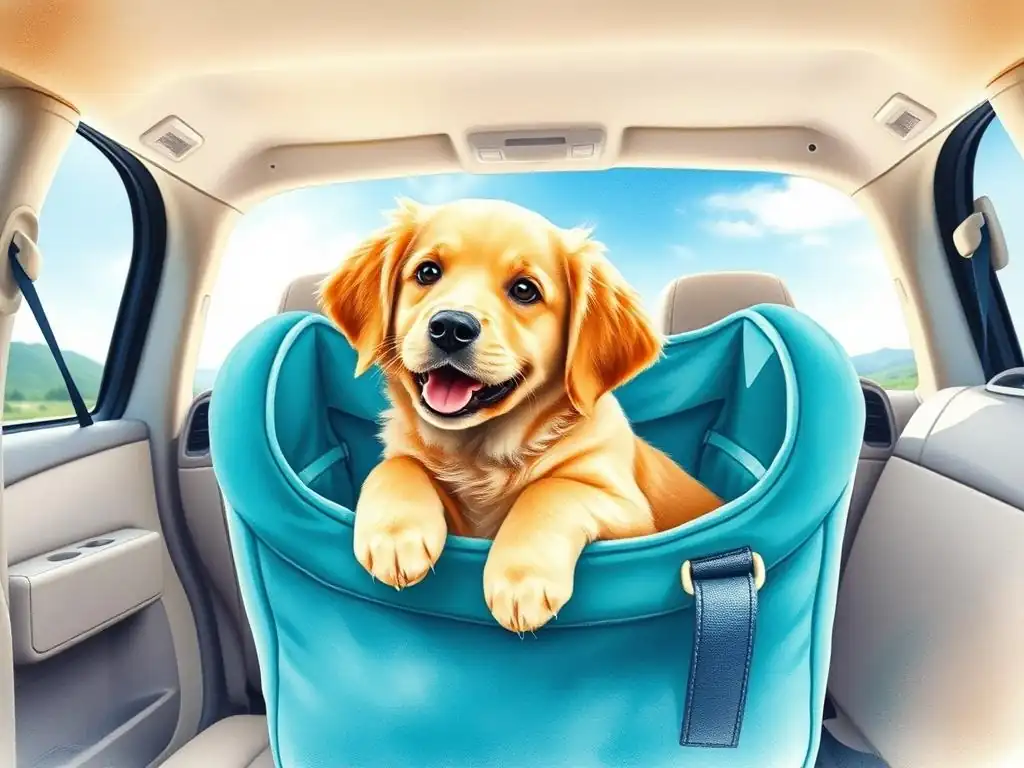
This section addresses common queries regarding dog car safety seats, focusing on legal aspects, size selection, and the suitability of human car seats for canine passengers. Understanding these points is crucial for ensuring your canine companion's safety and compliance with regulations.
What are the legal requirements for dog car seats?
The legal requirements concerning dog car seats vary significantly depending on your location. While many countries don't have specific laws mandating the use of dog car seats, it's crucial to understand the broader context of driver and passenger safety laws. In many jurisdictions, a driver is responsible for ensuring all passengers are safely secured. This often translates to the need to prevent unsecured objects, including pets, from becoming projectiles in the event of an accident. Failure to secure a pet properly could result in penalties if an accident occurs and the unsecured pet contributes to injuries or damages.
Many regions have laws regarding distracted driving, and an unrestrained pet jumping around in the car could easily qualify as a distraction. Therefore, even without specific dog car seat laws, securing your dog is strongly recommended to avoid potential legal repercussions. Always check your local traffic laws and regulations for the most up-to-date information. It's advisable to err on the side of caution and prioritize your dog's safety and your own legal standing. Remember, the safe dog car seat benefits extend beyond the animal’s well-being; they also encompass legal compliance and responsible pet ownership.
How do I choose the right size car seat for my dog?
Choosing the right size dog car seat is paramount for both safety and comfort. A seat that's too small will be uncomfortable and potentially ineffective in restraining your dog during a sudden stop or collision. Conversely, a seat that's too large might allow your pet excessive movement, negating the safety benefits.
To determine the appropriate size, consider the following factors:
- Your dog's weight and breed: Smaller breeds naturally require smaller seats than larger breeds. Weight limits are clearly stated by manufacturers, so always check this before purchase.
- Your dog's body type: Some dogs are longer and leaner than others, impacting the ideal seat shape and design.
- The type of car seat: Harnesses, booster seats, and carriers all come in various sizes. Consider the level of containment required for your dog's temperament. A more active dog might need a more secure carrier, while a calmer dog might be suitable for a harness system.
Before purchasing, consult size charts provided by manufacturers and consider measuring your dog to ensure a proper fit. Remember that a snug, but not restrictive, fit is key for optimal safety and comfort. A well-fitting seat ensures that the safe dog car seat benefits are fully realized.
Can I use a human car seat for my dog?
While it might seem like a convenient solution, using a human car seat for your dog is generally not recommended. Human car seats are designed for human anatomy and physiology, and they may not provide adequate support or restraint for a dog's body structure. The design features, such as harness placement and overall structure, may not be suitable for a dog, potentially jeopardizing their safety in the event of a collision.
Furthermore, the material and construction of human car seats may not be durable enough to withstand the potential stress of a dog's movement during a vehicle accident. Investing in a specifically designed dog car seat offers superior safety features and a better fit for your canine companion, maximizing the safe dog car seat benefits. Prioritize your pet's safety by opting for a product specifically engineered for their needs.
What to do if my dog is anxious in the car?
Car travel anxiety in dogs is a common problem, manifesting in various ways, from excessive panting and drooling to trembling, whining, and even vomiting. Addressing this anxiety is crucial not only for your dog's comfort but also for your safety while driving. A gradual desensitization process is often the most effective approach. Start by associating the car with positive experiences, even if it's just letting your dog sniff around the car or placing their favorite treats inside. Short, positive car rides to nearby locations, followed by rewarding experiences like a walk in the park, can help build positive associations.
Consider using calming aids like pheromone sprays or diffusers specifically designed for dogs. These products release synthetic versions of canine appeasing pheromones, which can help reduce anxiety. For severe anxiety, consult a veterinarian or a certified veterinary behaviorist. They may recommend medication or other behavioral modification techniques, such as counter-conditioning or desensitization training. Remember, patience and consistency are key; it takes time to help a dog overcome car anxiety.
Avoid forcing your dog into the car; this will likely worsen their anxiety. Instead, focus on creating a safe and comfortable environment within the car, using their car seat as a positive space. This positive reinforcement will be instrumental in helping your dog associate the car with good things. Providing a familiar toy or blanket can also provide comfort and a sense of security during travel.
How often should I replace my dog's car seat?
The lifespan of a dog car seat depends on several factors, including the frequency of use, the quality of materials, and the level of wear and tear. While there's no single, universally recommended replacement schedule, regular inspection is crucial. Look for signs of significant wear and tear, such as frayed straps, damaged stitching, or cracks in the plastic. If any of these issues are present, it's time to replace the car seat. A damaged car seat compromises your dog's safety and may not provide adequate protection in the event of an accident.
Consider the material: some materials degrade faster than others under prolonged sun exposure. If the seat shows signs of significant fading or deterioration from sun exposure, this is another indicator that it needs to be replaced. Additionally, think about the overall integrity of the seat. If the structure is compromised, or if the seat no longer provides the level of support and safety it once did, it's crucial to replace it to maintain your dog's security while traveling.
As a general guideline, aim for replacing your dog's car seat every 2-3 years, or sooner if you notice any significant damage. Regularly checking the straps for wear and tear is also very important, as damaged straps can lead to a dangerous situation for your pet. Prioritizing your dog's safety should always be the top priority when choosing and maintaining a car seat. Investing in a high-quality, durable car seat will ultimately contribute to a longer lifespan and better protection for your furry friend.
Frequently Asked Questions
What are the benefits of using a dog car safety seat?
Using a dog car safety seat offers numerous benefits, including enhanced safety for your pet during travel by reducing injury risk in accidents and preventing distracted driving. It also keeps your dog secure and comfortable during the journey.
Are all dog car seats created equal? What should I look for?
No, dog car seats vary greatly in safety features, comfort, and design. Look for a seat with secure straps, adequate ventilation, and a suitable size for your dog. Consider crash-tested models for optimal safety.
How do I properly install a dog car safety seat?
Installation varies depending on the specific seat model. Always carefully follow the manufacturer's instructions. Generally, this involves securing the seat to your car's seatbelt or headrest using the provided straps.
My dog hates being in the car. Will a car seat help?
A car seat can help, but it won't magically solve car anxiety. A safe and comfortable seat can reduce stress, but positive reinforcement training before and during car rides is crucial for building a positive association.
What types of dogs benefit most from a car safety seat?
While all dogs benefit from increased safety, smaller breeds and puppies are particularly vulnerable in accidents. Senior dogs with mobility issues also benefit from the support and stability a car seat provides.
Final Reflection: Securing Our Furry Family Members on the Road
The safety of our canine companions shouldn't be an afterthought; it's a crucial aspect of responsible pet ownership. Failing to secure our dogs properly in the car puts them, and us, at significant risk during even minor accidents. The statistics are sobering, and the potential for injury or fatality is simply too high to ignore.
The impact of prioritizing pet safety extends far beyond the immediate well-being of our dogs. It reflects a broader societal shift towards recognizing animals as integral members of our families, deserving of the same care and consideration we give our human loved ones. The bond with a pet is as powerful as any human relationship.
This sentiment underscores the emotional toll of a preventable accident involving our furry friends, highlighting the importance of proactive measures like using a dog car safety seat. The ongoing conversation surrounding animal welfare is directly linked to our commitment to their safety in everyday situations, like car travel.
Consider the simple act of buckling your dog into a car seat. It's a small gesture, yet it represents a profound commitment to their safety and well-being. Think about the peace of mind it provides, knowing your beloved companion is protected. You have the power to make a difference, to ensure every journey is a safe one for your furry friend. Choose a car seat, buckle up, and embark on your adventures together, secure in the knowledge that you've taken every precaution to protect your loyal companion.
Secure Your Furry Friend: Take the Next Step Towards Safer Travels!
Thank you for learning about the vital role of car safety seats for your canine companion! You've gained valuable insights into protecting your beloved pet during travel. Ready to put this knowledge into action?
- Prioritize your dog's safety: Research and purchase a car safety seat that's appropriate for your dog's size and breed. Consider factors like harness type and your dog's comfort level.
- Practice safe travel techniques: Learn how to securely install the car seat and properly restrain your dog. Begin with short trips to help your furry friend adjust to car travel.
- Share your newfound expertise: Spread the word among fellow pet owners! Educate them about the importance of dog car safety and share this article to help keep more dogs safe on the road.
Will you commit to prioritizing your dog's safety on your next trip?