
How to Properly Secure Your Dog in the Car: A StepbyStep Guide

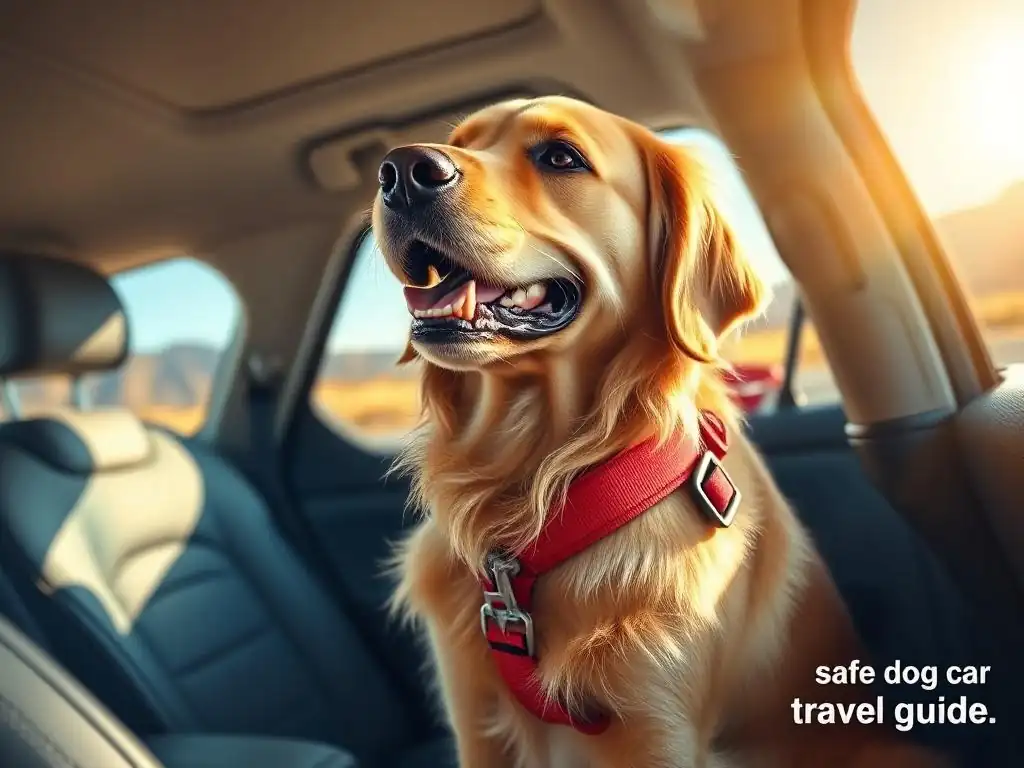
Welcome to PetCareWorld, your ultimate guide to a happier, healthier life for your beloved pet! Are you ready to embark on stress-free adventures with your canine companion? Then dive into our comprehensive Safe Dog Car Travel Guide, a step-by-step resource packed with essential tips and tricks to ensure safe and comfortable journeys for both you and your furry friend. Discover how to properly secure your dog in the car and avoid potential hazards. Let's hit the road together!
- Understanding the Importance of Safe Dog Car Travel
- Choosing the Right Car Safety Restraint for Your Dog
- Step-by-Step Guide to Securing Your Dog in the Car
- Ensuring Your Dog's Comfort and Safety During the Journey
- Additional Tips for Safe Dog Car Travel
- Frequently Asked Questions
- Final Reflection: The Unbreakable Bond: Safeguarding Our Canine Companions on the Road
- Ready to Roll Safely? Secure Your Furry Friend Today!
Understanding the Importance of Safe Dog Car Travel
Traveling with your canine companion can be a joyful experience, strengthening the bond between you and your furry friend. However, ensuring your dog's safety during car journeys is paramount. This comprehensive guide, designed to be your ultimate "Safe dog car travel guide," will equip you with the knowledge and practical steps to make every trip a safe and comfortable one for both you and your dog.
Failing to properly secure your dog in a vehicle not only puts your pet at risk of serious injury or even death in the event of an accident but also exposes you to legal repercussions and potential fines. We'll delve into the legal aspects, explore effective safety measures to prevent injuries, and discuss how to mitigate the risks associated with distracted driving. By the end of this guide, you'll be confident in your ability to transport your dog responsibly and safely.
Remember, a secured dog is a happy and safe dog! 🐶
Legal Requirements and Responsibilities for Pet Transportation
Many jurisdictions have laws regarding pet transportation, emphasizing the importance of securing animals in vehicles. These regulations vary, but generally, they mandate that pets must be restrained to prevent them from becoming projectiles in the event of a sudden stop or collision. Failure to comply can result in hefty fines and even legal action. Understanding your local laws is crucial. For example, some areas may specify the types of restraints permitted, such as harnesses or carriers, while others might prohibit pets from riding unrestrained in the passenger compartment altogether. It's essential to research your local and state regulations to ensure you are fully compliant. Furthermore, responsible pet ownership extends beyond legal compliance; it's about prioritizing your dog's well-being and safety above all else. Ignoring safety precautions demonstrates negligence and jeopardizes your dog’s life. Always prioritize safe travel practices, regardless of specific legal mandates.
Note: Specific legal requirements vary by location. Consult your local authorities for detailed information.
Preventing Injuries During Sudden Stops and Accidents
The force of an impact during a sudden stop or accident can be devastating for an unrestrained dog. A small dog can be thrown with considerable force, leading to severe injuries or even death. Larger dogs, while less likely to be thrown completely, can still suffer significant trauma from colliding with the interior of the vehicle. Using appropriate safety restraints is crucial for mitigating these risks.
A properly fitted dog harness attached to a vehicle's seatbelt is the most effective restraint system. Avoid using collars, as these can cause injury to the neck during impact. Consider investing in a well-reviewed and appropriately sized dog car seat or crate for added security and protection.
These enclosures provide a contained space, preventing your dog from moving around freely and minimizing the risk of injury. Remember to secure the crate itself using the vehicle's seatbelts or appropriate straps. The goal is to create a secure environment for your dog, limiting their movement and protecting them from the impact forces of a collision.
Protecting Your Dog from Distracted Driving Hazards
Distracted driving is a significant safety concern for both drivers and passengers, including our furry friends. A dog's unexpected movements, barking, or attempts to escape can seriously distract a driver, increasing the risk of an accident. Securing your dog appropriately minimizes these distractions. A calm and secure dog is less likely to jump, bark excessively, or otherwise interfere with your driving.
Furthermore, avoid feeding your dog or interacting with it excessively while driving. Keep treats and toys out of reach to prevent your dog from becoming agitated or seeking your attention. Prioritize your focus on the road, ensuring a safe and controlled driving environment for both yourself and your canine companion. Remember, a safe journey begins with responsible preparation and a commitment to minimizing all potential distractions.
Minimizing Stress and Anxiety for Your Canine Companion During Car Rides
Car rides can be a source of significant stress and anxiety for many dogs. The unfamiliar sights, sounds, and smells, combined with the confinement of the car, can trigger fear responses. Understanding and mitigating this anxiety is crucial for both the dog's well-being and the safety of everyone in the vehicle. A stressed dog is more likely to behave unpredictably, potentially leading to accidents.
One effective strategy is to gradually desensitize your dog to car rides. Start by simply letting your dog spend time near the car, rewarding calm behavior with treats and praise. Gradually increase the duration of these sessions, eventually leading to short trips around the block. Positive reinforcement is key; never force your dog into the car if they show signs of distress.
Another important aspect is creating a comfortable and safe environment within the car. A familiar blanket or toy can provide comfort and a sense of security. Consider using a pheromone diffuser, which releases calming scents that can help reduce anxiety. Ensure the car is well-ventilated to prevent overheating and provide fresh air. Avoid sudden stops and starts, and maintain a smooth driving style to minimize jarring movements that could exacerbate anxiety.
For dogs with severe car anxiety, consulting a veterinarian or a certified professional dog trainer is highly recommended. They can offer personalized advice and potentially suggest behavior modification techniques or even medication to manage the anxiety. Remember, patience and consistency are crucial when addressing car anxiety in dogs. It's a gradual process that requires understanding and empathy towards your canine companion.
The ultimate goal is to create positive associations with car rides, transforming them from a stressful experience into something more enjoyable. This not only improves your dog's well-being but also ensures safer travel for everyone involved. A relaxed dog is a safer dog, making the journey smoother and more pleasant for both you and your furry friend. Remember, a safe dog car travel guide emphasizes not just physical safety but also the emotional well-being of your pet.
Choosing the Right Car Safety Restraint for Your Dog
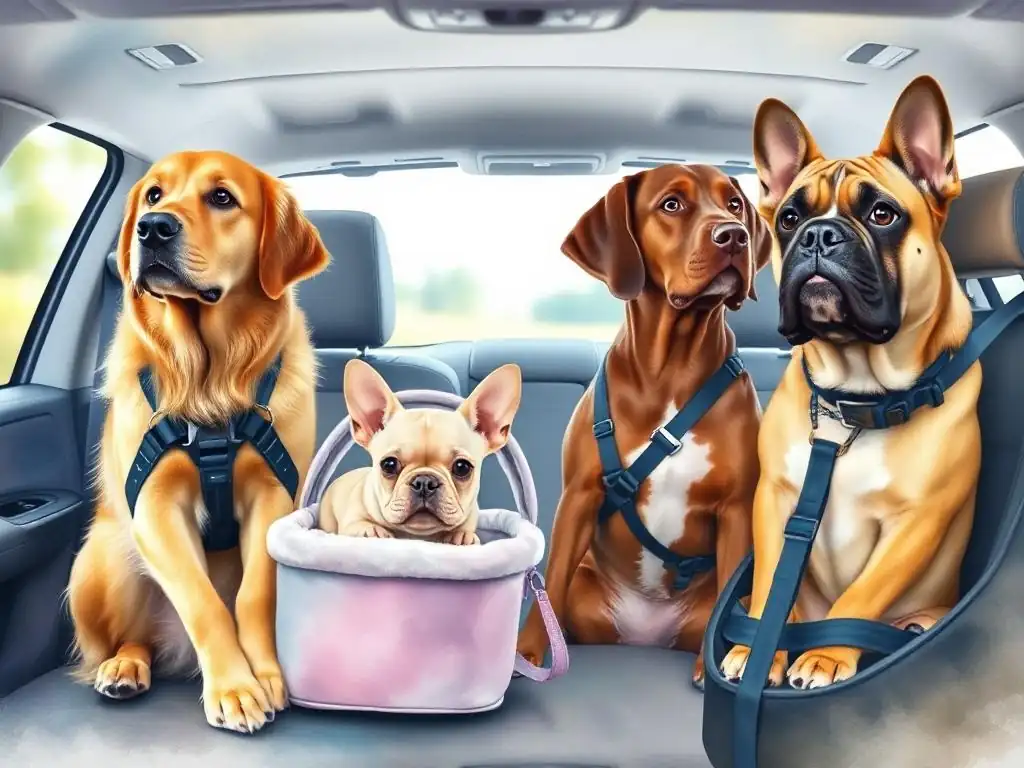
Harness vs. Crate vs. Seat Belt: A Comparison of Dog Car Restraints
Choosing the right car safety restraint for your canine companion is crucial for a safe and stress-free journey. Several options exist, each with its own pros and cons. Let's delve into a comparison of harnesses, crates, and seat belts designed specifically for dogs.
A harness is a popular choice, offering a balance of freedom and security. Many harnesses are designed to attach directly to your car's seat belt system, preventing your dog from jumping around the vehicle. However, ensure it's a harness specifically designed for car travel, not just a regular walking harness. Look for features like sturdy construction, multiple adjustment points for a secure fit, and strong clips. Some harnesses even offer additional features like padded chest plates for extra comfort during long journeys. Remember, a poorly fitted harness can be as dangerous as no restraint at all.
A crate provides the most secure option, acting as a protective barrier and preventing your dog from distracting the driver. Larger dogs might require a significant portion of your car's space, however. The crate should be securely fastened to prevent movement during sudden stops or accidents. Ensure the crate is appropriately ventilated and sized to comfortably accommodate your dog, allowing them to stand, turn around, and lie down. While it offers superior safety, using a crate might not be practical for all car journeys or dog breeds.
Using a standard seat belt designed for humans is generally discouraged for canine passengers. These belts aren't designed to withstand the force of an accident involving a dog, potentially causing injury to both your pet and yourself. Furthermore, the seat belt's design is often unsuitable for a dog's body shape, leading to discomfort and potential escape. While some adapters exist to attach a dog harness to a human seat belt, it's crucial to select a high-quality, specifically designed adapter to ensure reliability.
| Restraint Type | Pros | Cons | Safety Rating |
|---|---|---|---|
| Harness | Relatively inexpensive, allows some movement | Requires proper fitting, potential for injury if poorly made | ⭐⭐⭐ |
| Crate | Highest level of safety, prevents distraction | Takes up significant space, may not suit all breeds | ⭐⭐⭐⭐⭐ |
| Human Seat Belt | Convenient if properly adapted | Generally unsafe for dogs, risk of injury | ⭐ |
Choosing the right restraint depends on your dog's size, temperament, and your personal preferences. Consider factors like the length of the journey and your dog's comfort level before making a decision.
Selecting the Correct Size and Fit for Your Dog's Restraint
Proper sizing and fit are paramount for the effectiveness of any dog car restraint. A restraint that's too loose can allow your dog to wriggle free, while one that's too tight can be uncomfortable and even cause injury.
For harnesses, measure your dog's girth (chest circumference) and neck circumference accurately, referring to the manufacturer's sizing chart. The harness should be snug but not constricting, allowing for two fingers to fit comfortably between the harness and your dog's body. Avoid harnesses that are too loose around the chest or neck, as they can easily slip off. Always check the buckles and straps for any signs of wear or damage.
When selecting a crate, ensure sufficient space for your dog to stand, turn around, and lie down comfortably. A crate that's too small will cause stress and discomfort, while one that's too large might allow excessive movement during travel. The crate should fit snugly in your vehicle to prevent shifting during braking or sudden stops. Consider using a secure tie-down system to anchor the crate to the vehicle's floor.
Remember, a properly fitted restraint is not just about comfort; it's a critical safety measure. Regularly inspect the restraint for any damage or wear and replace it as needed. A damaged restraint compromises your dog's safety.
Considering Your Dog's Breed, Size, and Temperament
Your dog's individual characteristics should greatly influence your choice of car restraint. A small, docile chihuahua will have different needs than a large, energetic Great Dane.
For smaller breeds, a well-fitted harness might be sufficient. However, for larger, more powerful breeds, a crate offers superior safety and prevents them from becoming a projectile in the event of an accident. Consider your dog's tendency to jump or climb; if your dog is prone to escaping, a crate is generally the safer option.
Highly energetic or anxious dogs might benefit from a crate, which provides a secure and calming environment. A harness, while offering more freedom, might not be suitable for dogs that are prone to excessive movement or panic during car rides. For anxious dogs, consider adding familiar comfort items like a blanket or toy to their crate.
Consider your dog's temperament when choosing between a harness and a crate. A calmer dog might tolerate a harness better, while a more excitable dog might need the added security of a crate. Remember, the goal is to choose a restraint that keeps your dog safe and comfortable throughout the journey. Regularly monitor your dog's behavior during car trips and adjust your approach if necessary. Always prioritize your dog’s safety and well-being above all else. A safe and comfortable journey for your furry friend is a happy journey for everyone involved. 🐶
Top-Rated Dog Car Safety Products and Recommendations
Choosing the right car safety restraint for your dog is crucial for a safe and comfortable journey. The market offers a wide variety of options, each with its own strengths and weaknesses. It's important to consider your dog's size, breed, temperament, and your vehicle's features when making your selection. A poorly fitted or inappropriate restraint can be ineffective and potentially dangerous.
For smaller dogs, harnesses specifically designed for car travel are often the best choice. These harnesses typically have sturdy clips that attach securely to your car's seatbelt, preventing your dog from moving around freely. Look for harnesses with strong, durable materials and comfortable padding to ensure your dog's comfort during longer drives. Many models offer adjustable straps for a customized fit. Remember to always check the manufacturer's weight limits to ensure the harness is appropriate for your dog's size. A properly fitted harness should allow your dog some freedom of movement without restricting breathing or causing discomfort.
Larger dogs may benefit from using a dog car seat or a crate. Dog car seats are essentially elevated beds secured to the car seat with seatbelts or straps. They provide a comfortable and contained space for your dog, preventing them from jumping around or distracting the driver. However, make sure the seat is securely fastened to prevent it from moving during sudden stops or accidents.
Crates, on the other hand, offer a more secure and enclosed environment, ideal for dogs who are anxious or prone to motion sickness. Choose a crate that is appropriately sized for your dog, allowing them to stand, turn around, and lie down comfortably. Always secure the crate to your vehicle using appropriate straps or tie-downs.
Regardless of the type of restraint you choose, always prioritize safety and comfort. Regularly inspect your chosen restraint for any signs of wear and tear and replace it if necessary. Remember, a properly secured dog is a safe dog. Investing in a high-quality, properly fitted car restraint is a worthwhile investment in your dog's safety and your peace of mind.
Consider reading reviews and comparing features before purchasing to make an informed decision. Don't hesitate to seek advice from your veterinarian or a professional dog trainer if you have any questions or concerns about choosing the right restraint for your furry friend. A happy and safe road trip starts with the right equipment! 🐶🚗💨
Step-by-Step Guide to Securing Your Dog in the Car
This section provides a detailed, step-by-step guide on how to safely secure your canine companion during car travel, contributing to a safer and more enjoyable journey for both you and your furry friend. This guide focuses on ensuring your dog's safety and complies with best practices for "safe dog car travel."
Step 1: Acclimating Your Dog to the Car Restraint
Before embarking on any road trip, it's crucial to familiarize your dog with their car restraint. A sudden introduction to a harness or crate during a journey can be stressful and potentially dangerous. Start by introducing the restraint in a positive way at home.
First, let your dog sniff and explore the restraint. Offer treats and praise to create positive associations. Then, place the harness or crate in a familiar area, allowing your dog to investigate it at their own pace. Gradually increase the duration your dog spends near the restraint. Some dogs may adapt quickly, while others may require more time. Patience and positive reinforcement are key. Remember that a calm and comfortable dog is a safe dog.
Next, begin short, incremental car rides with the restraint present but not yet fastened. Keep the trips short and rewarding, ending each session on a positive note with treats and praise. This helps your dog associate the car and the restraint with positive experiences. The goal is to build trust and confidence, making the entire process less stressful for your dog. Consider using a favorite toy or blanket to make the restraint feel more comfortable and inviting.
Finally, once your dog is comfortable with the harness or crate in the car, practice fastening the restraint for short periods. Again, reward your dog's calm behavior with treats and praise. Do not force the issue; instead, focus on positive reinforcement and gradual desensitization. Observe your dog's body language carefully. Signs of stress include excessive panting, whining, trembling, or attempts to escape. If you observe any stress signals, take a break and try again later.
Step 2: Properly Installing the Chosen Restraint System
Selecting the right restraint system is only half the battle; proper installation is equally crucial for ensuring your dog's safety during car travel. The effectiveness of any restraint, whether it's a harness, crate, or barrier, depends heavily on correct installation. Improper installation can compromise safety and potentially lead to injury in the event of an accident.
For harnesses, ensure the harness is properly fitted to your dog's size, ensuring it's snug but not restrictive. Consult the manufacturer's instructions for specific guidance on proper adjustment and attachment to the car's seatbelt system. Avoid harnesses that allow too much movement or have easily detachable parts.
For crates, secure the crate using seatbelts or appropriate straps, preventing it from shifting during sudden braking or turns. Ensure the crate is properly ventilated and large enough for your dog to stand, turn, and lie down comfortably. Never use a crate that's too small, as this can cause discomfort and stress for your dog.
For car barriers, ensure the barrier is securely attached to the designated anchor points in your vehicle. Consult your vehicle's owner's manual or the barrier's instructions for specific guidance. A properly installed barrier should prevent your dog from moving freely between the front and back seats. Remember, the goal is to create a safe and confined space for your dog, preventing them from becoming a projectile in the event of a sudden stop or collision. This is a critical aspect of a comprehensive "safe dog car travel guide."
This step requires meticulous attention to detail. Carefully review the instructions provided with your chosen restraint system and ensure everything is correctly installed before starting your journey.
Step 3: Securely Fastening Your Dog to the Restraint
Once the restraint is properly installed, securely fasten your dog to it. For harnesses, ensure the harness is snug and the tether is securely attached to the car's seatbelt anchor. Double-check all connections to ensure they are secure and won't easily come undone. For crates, ensure the crate door is securely latched and the crate itself is firmly secured to the vehicle.
Avoid using makeshift solutions or relying on methods that are not specifically designed for restraining dogs in vehicles. Using a simple leash tied to a seatbelt is not safe and can lead to serious injury in the event of an accident. The force generated during a sudden stop or collision can easily break a leash, potentially injuring both your dog and other passengers.
Remember, the primary goal is to prevent your dog from becoming a projectile in the event of an accident. A securely fastened restraint will help protect your dog and minimize the risk of injury. Regularly check the restraint system during long journeys to ensure it remains securely fastened. This final step is paramount for achieving safe and responsible "safe dog car travel." A well-secured dog is a happy and safe dog, contributing to a more peaceful and enjoyable journey for everyone involved.
Step 4: Adjusting the Restraint for Optimal Comfort and Safety
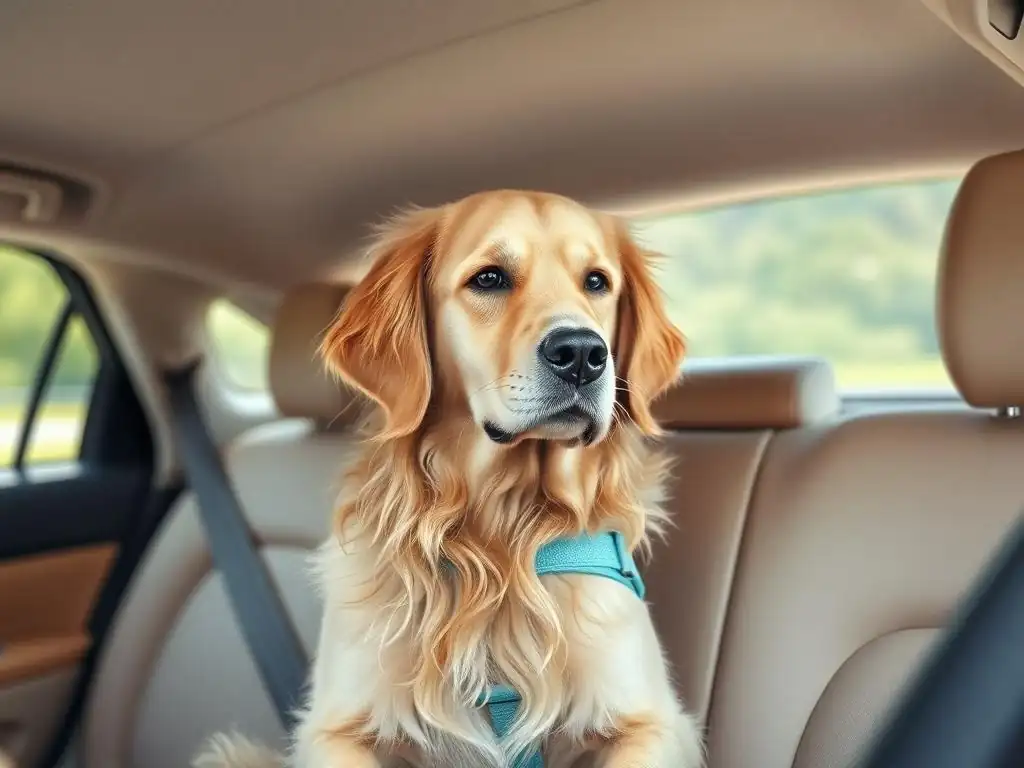
Once your dog is secured in the chosen restraint, take a moment to ensure it's both comfortable and safe. This is crucial for preventing injury and ensuring your dog remains calm during the journey. For harnesses, check that the straps aren't too tight, restricting movement or causing discomfort. You should be able to fit two fingers comfortably between the harness and your dog's chest. Too loose, and the harness won't provide adequate protection in an accident.
For crates, ensure your dog has enough room to stand, turn around, and lie down comfortably. Avoid overcrowding; a cramped crate can increase anxiety and stress. Remember, a happy and relaxed dog is a safer dog. Consider adding a comfortable bed or blanket to the crate to further enhance your furry friend's travel experience. For seat belts, ensure the attachment is secure and doesn't rub against your dog's body.
Adjust the length of the tether to allow for some movement but prevent your dog from reaching the front seat. Regularly assess your dog's body language – signs of discomfort such as excessive panting, whining, or restlessness indicate a need for adjustment. Remember, a properly adjusted restraint contributes significantly to a safe and stress-free journey for both you and your canine companion. Always prioritize your dog's well-being and comfort during car travel. This proactive approach ensures a positive travel experience and minimizes the risk of accidents.
Step 5: Regularly Checking and Maintaining the Restraint System
Regular inspection and maintenance of your chosen dog car restraint system are paramount for ensuring continued safety and effectiveness. A damaged or malfunctioning restraint could compromise your dog's safety during an accident. For harnesses, regularly check the straps, buckles, and stitching for any signs of wear and tear, fraying, or damage. Replace the harness immediately if you notice any issues, as a weakened harness could fail under stress. Similarly, inspect crates for any cracks, broken welds, or loose bolts.
These issues could compromise the structural integrity of the crate, putting your dog at risk. For seat belts, inspect the attachment points and ensure the tether is securely fastened. Regularly check for signs of wear and tear on the tether itself. It's advisable to replace the restraint every [Number] months or after a significant accident, even if no visible damage is apparent. The materials might weaken over time, even without visible signs.
Consider keeping a log of inspections and replacements to track maintenance and ensure timely replacements. This proactive approach ensures that your dog's safety is never compromised and contributes to a safe and secure travel experience for many journeys to come. Remember, preventative maintenance is key to ensuring the longevity and effectiveness of your dog's car restraint system. A small investment in regular checks can save you from a much larger problem down the line. Prioritize your dog's safety; it's worth it.
Ensuring Your Dog's Comfort and Safety During the Journey
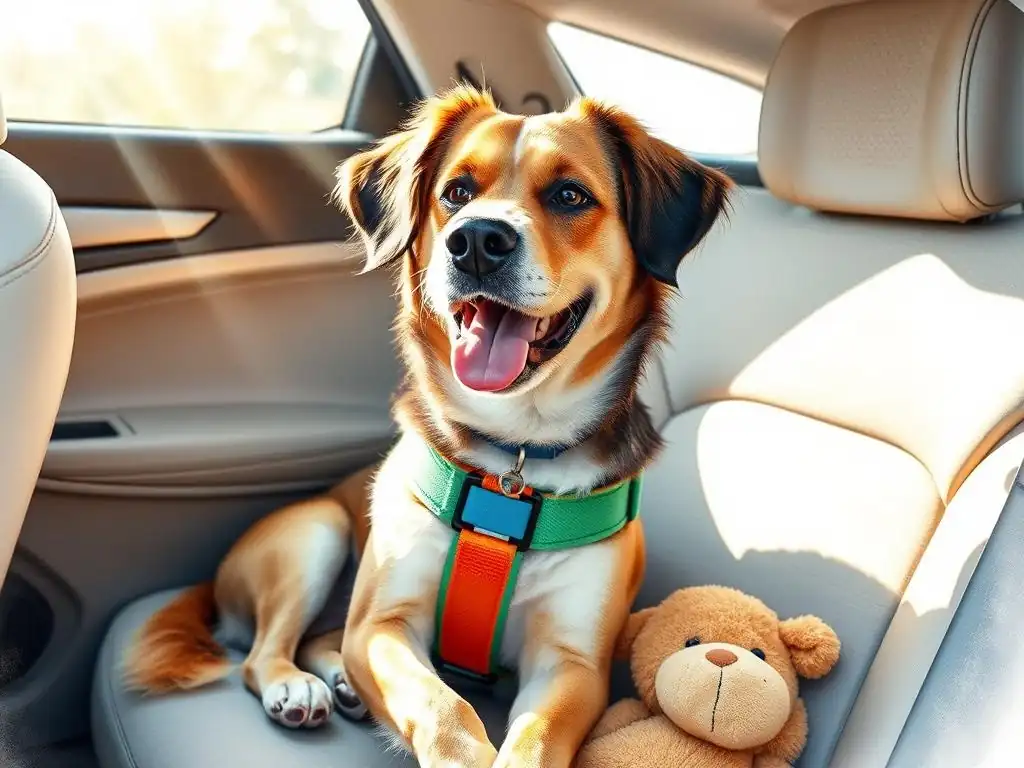
This section focuses on optimizing your dog's well-being throughout the car journey, beyond just secure restraint. A comfortable and safe travel experience minimizes stress and ensures your canine companion enjoys the ride, regardless of the destination. Remember, a happy dog is a safer dog! This is crucial for a successful and safe dog car travel guide.
Providing Water and Breaks During Long Car Trips
Dehydration is a significant concern during long car journeys, especially in warmer climates. Never underestimate the importance of regular hydration for your furry friend. Plan for frequent stops – at least every 2-3 hours for shorter trips and more often for longer journeys. This allows your dog to relieve themselves, stretch their legs, and, most importantly, drink plenty of fresh water.
Consider using a portable, spill-proof water bowl. These are readily available at most pet stores and make hydrating your dog on the go much easier. Avoid giving your dog large quantities of water immediately before or after strenuous activity (like a long car ride) to prevent vomiting. Instead, offer small amounts frequently throughout the trip.
Remember to always monitor your dog's water intake and adjust as needed based on their size, breed, and the weather conditions. Always check the water level and refill as needed. A well-hydrated dog is a happier, healthier dog, contributing significantly to a positive and safe travel experience. This is a vital part of any safe dog car travel guide.
Planning Your Route to Minimize Stressful Situations
Route planning is often overlooked but plays a crucial role in ensuring a stress-free journey for your dog. Avoid busy highways and congested areas whenever possible, opting for quieter routes with fewer stops and less traffic. This significantly reduces exposure to loud noises and sudden movements that can trigger anxiety in dogs. Consider using a GPS navigation system that allows you to plan your route in advance, identifying potential problem areas and finding alternative routes if necessary. Mapping out rest stops with designated pet areas is also beneficial.
Furthermore, consider your dog's temperament and past experiences. If your dog is sensitive to certain stimuli – such as loud noises or crowds – adjust your route accordingly to minimize exposure. A well-planned route contributes greatly to a smooth and safe travel experience, making your safe dog car travel guide even more effective. The goal is to create a predictable and comfortable journey for your canine companion.
Recognizing Signs of Anxiety and How to Manage Them
Even with meticulous planning, some dogs may still exhibit signs of anxiety during car travel. Recognizing these signs is paramount for ensuring their safety and well-being. Common signs include excessive panting, drooling, trembling, whining, pacing, restlessness, and attempts to escape. Some dogs may even vomit or have diarrhea due to stress.
If you observe any of these signs, immediately pull over to a safe location and assess your dog's condition. Offer them water and allow them to rest. Consider using calming techniques, such as gentle petting or speaking in a soothing voice. For dogs with severe anxiety, a veterinarian may recommend anti-anxiety medication or other behavioral modification strategies.
Remember, early intervention is key. Addressing anxiety promptly helps ensure a safe and comfortable journey for both you and your canine companion, reinforcing the importance of a comprehensive safe dog car travel guide. Regular practice and positive reinforcement can also help desensitize your dog to car travel.
What to Do in Case of an Emergency During Travel
Accidents can happen, and knowing how to react swiftly and calmly in an emergency is crucial for your dog's safety. A sudden stop, a collision, or even a minor fender bender can be incredibly stressful for your canine companion. Your preparedness can significantly impact the outcome. First and foremost, remain calm. Your dog will pick up on your anxiety, so maintaining a composed demeanor will help reassure them.
Assess the situation immediately. Check on your dog's well-being first. Are they visibly injured? Are they exhibiting signs of distress like excessive panting, whimpering, or trembling? Minor injuries may only require a quick check for cuts or bruises, while more serious injuries necessitate immediate professional veterinary attention. If your dog is injured, carefully remove them from the car, ensuring their safety and avoiding further harm. If possible, gently restrain your dog to prevent further injury during transport.
If the accident is significant, contact emergency services immediately. Clearly explain the situation, including your location and the nature of the injuries (if any). Follow the instructions of the emergency responders and cooperate fully. Remember to prioritize the safety of both yourself and your dog.
Even if the damage appears minimal, it's advisable to take your dog to a veterinarian for a thorough checkup to rule out any underlying injuries that might not be immediately apparent. Regularly practicing emergency scenarios – mentally preparing yourself for what actions to take – will help you respond more effectively in the event of an unexpected incident. This proactive approach is key to ensuring the best possible outcome for your furry friend's safe dog car travel.
Creating a Safe and Comfortable Car Environment for Your Dog
Creating a safe and comfortable car environment is paramount for a stress-free journey for your canine companion. This involves more than just securing them in a crate or harness; it's about minimizing distractions and ensuring their comfort throughout the trip. Consider the temperature inside your vehicle. On warmer days, ensure adequate ventilation to prevent overheating. Never leave your dog unattended in a parked car, especially during hot weather, as temperatures can rise rapidly, leading to heatstroke and potentially fatal consequences. Conversely, on colder days, provide adequate warmth, perhaps with a dog bed or blanket.
Think about your dog's sensory needs. Some dogs are sensitive to noise; consider playing calming music to help reduce anxiety during the drive. Others may be easily distracted by external stimuli. Using a travel cover for your dog's crate or harness can help minimize visual distractions and reduce stress. For long journeys, plan for regular stops to allow your dog to stretch their legs, relieve themselves, and drink water.
These breaks are not only essential for their physical well-being but also for preventing restlessness and potential accidents. Remember, a well-prepared and comfortable dog is a safer and happier passenger, ensuring a smoother and more enjoyable experience for both you and your furry friend. Providing fresh water and perhaps a familiar toy can also contribute to a more positive experience, making your "safe dog car travel guide" a success. 🐕
Additional Tips for Safe Dog Car Travel
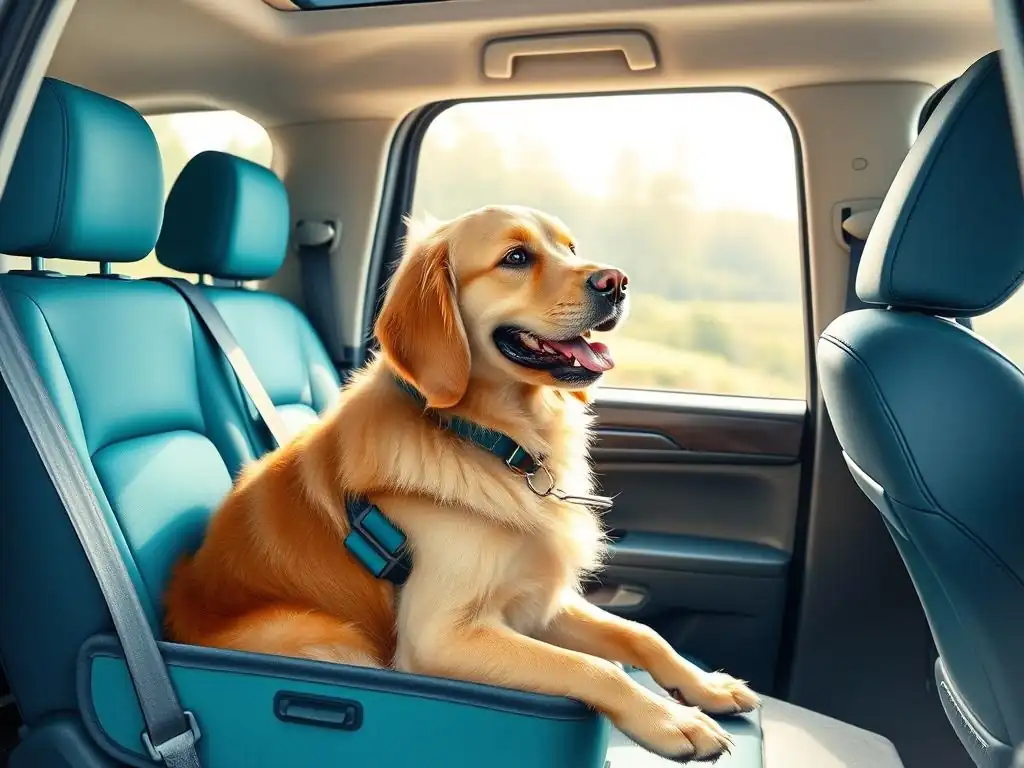
This section delves into supplementary strategies to ensure your canine companion's safety during car journeys, expanding on the core principles of secure transportation outlined in the main article. We'll explore scenarios beyond the basics, focusing on practical solutions for multifaceted travel situations and unforeseen circumstances. Remember, a well-prepared pet owner is a safer pet owner. This guide aims to equip you with the knowledge and preparedness to navigate various challenges, ultimately guaranteeing a stress-free and safe travel experience for both you and your furry friend. This is crucial for a truly safe dog car travel guide.
Traveling with Multiple Dogs: Safety Strategies and Considerations
Transporting multiple dogs requires meticulous planning and execution to ensure everyone's safety. Simply placing them in the same crate isn't always the safest approach, especially if they have conflicting personalities or different size and weight. The key is to prioritize individual security while maintaining a manageable travel environment.
Consider these factors:
- Individual Crates: If possible, using separate, appropriately sized crates for each dog is the safest option. This prevents fighting, reduces stress, and allows for individual access to food and water. Ensure each crate is securely fastened to prevent movement during sudden stops or turns.
- Harness and Seatbelt Combinations: If using a larger vehicle and individual crates aren't feasible, consider a combination of harnesses and seatbelts. Each dog should wear a well-fitting harness securely attached to a seatbelt. This method requires careful monitoring to prevent dogs from interfering with each other.
- Size and Compatibility: Evaluate your dogs' temperaments and sizes. If one dog is significantly larger or more dominant, separate containment might be essential to prevent injury. Aggression during travel can be a serious concern, demanding a proactive approach.
- Regular Breaks: Extended journeys necessitate frequent stops to allow your dogs to stretch their legs, relieve themselves, and receive fresh water. This prevents restlessness and reduces the potential for in-car accidents. Aim for breaks every 2-3 hours for longer trips.
Preparing for Unexpected Situations: Emergency Kits and Supplies
Unexpected events can occur during any road trip. Being prepared for emergencies is paramount to your dog's safety and well-being. A well-stocked emergency kit can be the difference between a minor inconvenience and a major crisis.
Here's a checklist for your dog's car emergency kit:
| Item | Quantity | Notes |
|---|---|---|
| First-aid kit (dog-specific) | 1 | Include antiseptic wipes, gauze, bandages, and any necessary medication. |
| Water | 2 liters | Ensure ample supply, especially during warmer months. |
| Food (canned or dry) | 1-2 days worth | Choose your dog's preferred food. |
| Bowl | 1 | Collapsible bowls are convenient for space-saving. |
| Leash | 1 | Essential for controlling your dog outside the vehicle. |
| Waste bags | Several | For easy and responsible waste disposal. |
| Blanket or towel | 1 | For comfort and warmth. |
| Flashlight | 1 | Essential for nighttime emergencies. |
| Jumper cables | 1 set | For unexpected car battery issues. |
| Dog's medical records | 1 copy | Including vaccination records and contact information for your vet. |
Remember to regularly check the expiration dates on any medications or food items. This proactive approach will ensure your kit remains effective during emergencies.
Maintaining Your Dog's Safety During Hot or Cold Weather
Extreme temperatures pose significant risks to dogs traveling in cars. Heatstroke and hypothermia are serious conditions that can be fatal. Therefore, adapting your travel strategies to the weather conditions is critical for your dog's well-being. This is a crucial aspect of any safe dog car travel guide.
- Hot Weather: Avoid traveling during the hottest parts of the day. Ensure adequate ventilation in the car, even with the air conditioning running. Never leave your dog unattended in a parked car, even for short periods, as temperatures can rise rapidly. Consider bringing a cooling mat or vest for your dog.
- Cold Weather: Use a dog-specific car seat cover to provide insulation and warmth. Ensure your dog has a warm blanket or coat. Regularly check your dog for signs of hypothermia, such as shivering, lethargy, or stiffness. Shorten travel times during extremely cold conditions and increase the frequency of breaks.
Understanding and addressing these temperature-related concerns are crucial for responsible pet ownership and a vital part of creating a truly safe dog car travel guide. Always prioritize your dog's comfort and safety above all else.
Traveling with a Dog with Special Needs or Disabilities
Traveling with a dog with special needs or disabilities requires extra planning and preparation to ensure a safe and comfortable journey. The specific needs will vary greatly depending on the disability. For example, a dog with arthritis may need more frequent stops for stretching and relieving themselves, potentially requiring a longer travel time than usual. Their crate should be well-padded to minimize discomfort.
Consider bringing along their regular medications, and perhaps even a small first-aid kit tailored to their specific needs. Always consult your veterinarian before embarking on a long journey with a dog with special needs; they can provide tailored advice and potentially prescribe medication to help manage pain or anxiety during travel. They might also recommend specific equipment to make the journey easier, such as ramps or harnesses designed for dogs with mobility issues. Remember to pack extra water and potentially some familiar blankets or toys to help reduce stress and anxiety during the trip.
Always prioritize your dog's comfort and safety; if the journey seems too stressful for them, consider alternative transportation methods or breaking the journey into shorter segments. Regular check-ups during long trips are also crucial to ensure your dog remains healthy and comfortable throughout the journey. Proper planning and communication with your veterinarian are key to mitigating risks and ensuring a positive travel experience for your pet.
Responsible Pet Ownership and Safe Driving Practices
Safe dog car travel is not solely about securing your dog; it also involves responsible driving habits. Distracted driving is a serious issue, and having a dog in the car can potentially add to this risk. Avoid reaching for or interacting with your dog while driving. Before you start your journey, ensure everything is prepared: your dog is securely restrained, your route is planned, and any necessary stops are accounted for.
Focus on the road and adhere to traffic laws; speeding or sudden braking can endanger both you and your canine companion. Remember that a well-secured dog is less likely to distract you, but it's still crucial to maintain your full attention on driving. Planning for regular breaks is essential, allowing your dog to stretch their legs, relieve themselves, and drink water. These stops also provide you with a chance to check on your dog's overall wellbeing.
This responsible approach to driving ensures the safety of not only your dog but also other road users. Prioritizing safe driving practices demonstrates responsible pet ownership and contributes to a safer environment for everyone on the road. Remember, a safe journey starts with a prepared driver and a securely restrained pet.
Frequently Asked Questions
What's the safest way to transport my dog in a car?
The safest method is using a properly fitted dog crate secured with a seatbelt or other restraint system. This prevents your dog from becoming a projectile in an accident and keeps them contained.
Are harnesses better than seatbelts for dogs in cars?
While harnesses are better than nothing, crated travel is the safest option. Harnesses can still allow for some movement, increasing risk. Choose a harness specifically designed for car safety.
What if my dog is too big for a crate?
Larger dogs can use a dog car seat cover or a heavy-duty dog seatbelt harness that is properly secured to the vehicle's seatbelt system. Ensure it's designed to prevent movement during sudden stops.
My dog gets anxious in the car. How can I make travel easier?
Start with short trips to build positive associations. Use a familiar comfort item like a toy or blanket. Consider a calming supplement, but always consult your vet first.
What are the legal requirements for transporting dogs in a car?
Laws vary by location. Many areas require that dogs are secured to prevent them from distracting the driver or becoming a hazard. Check your local regulations for specific requirements.
Final Reflection: The Unbreakable Bond: Safeguarding Our Canine Companions on the Road
The safety of our beloved pets is not merely a matter of convenience; it's a moral imperative. Failing to properly secure our dogs in vehicles puts them, and others, at significant risk, a risk easily mitigated with the right knowledge and proactive measures. The statistics on dog-related car accidents are sobering, highlighting the urgent need for widespread adoption of safe travel practices.
The journey of responsible pet ownership extends beyond walks in the park and belly rubs; it encompasses a commitment to their well-being in every aspect of our lives, including travel. The emotional toll of a preventable accident involving our furry friends is immeasurable. A dog is the only thing on earth that loves you more than he loves himself.
This unwavering devotion deserves our utmost care and protection, especially when sharing the road. The simple act of choosing the right restraint, and using it correctly, speaks volumes about our dedication to their safety and well-being.
Consider the impact of your choices. Will you continue to prioritize convenience over safety, or will you actively champion the cause of responsible pet travel? Take the steps outlined in this guide, and become a voice for safe dog travel. Share this information with your friends, family, and community. Let's work together to create a safer world for our canine companions, ensuring that every road trip is a happy and safe adventure for both you and your furry friend.
Ready to Roll Safely? Secure Your Furry Friend Today!
Thank you for taking the time to learn how to keep your canine companion safe while traveling! We hope this guide has provided you with the knowledge and confidence to make every car journey a happy and secure one for both you and your pet. Now, let's put that knowledge into action:
- Prioritize your dog's safety: Invest in a high-quality, properly fitting car harness or crate. This is the single most important step to ensure your dog's safety during travel.
- Share your newfound expertise! Tell your friends and family about the importance of safe pet travel—you could save a life!
- Enhance your dog's comfort: Consider how you can make your dog's car rides even more comfortable and enjoyable. What small adjustments can you make to improve their experience?
What small change will you make today to improve your dog’s car safety?