
Shetland Sheepdog Care: Tailoring Your Approach to a Sensitive Breed

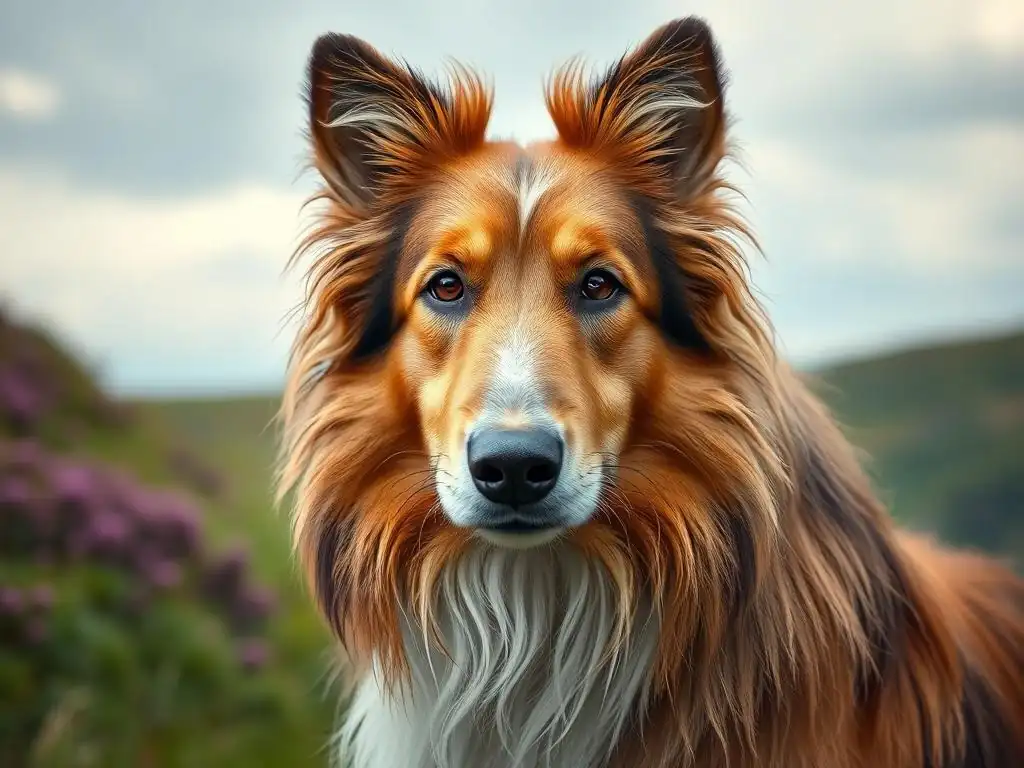
Welcome to PetCareWorld, your ultimate guide to a happier, healthier life for your beloved pet! Are you ready to unlock the secrets to providing the best possible care for your furry, feathered, or scaled friend? We delve into every aspect of pet ownership, and today, we're focusing on a truly special breed: discover the comprehensive Shetland Sheepdog care guide and learn how to tailor your approach to this sensitive and intelligent companion. Dive in and uncover the expert advice you need to nurture a thriving bond with your Shetland Sheepdog!
- Understanding the Shetland Sheepdog Temperament: A Key to Effective Care
- Shetland Sheepdog Grooming: Maintaining Their Luxurious Coat
- Shetland Sheepdog Nutrition: Fueling a Healthy and Energetic Sheltie
- Shetland Sheepdog Exercise and Activity: Meeting Their High Energy Levels
- Shetland Sheepdog Health and Wellness: Preventing and Managing Potential Issues
- Shetland Sheepdog Training: Positive Reinforcement for Optimal Results
- Finding the Right Shetland Sheepdog: Considerations for Potential Owners
- Shetland Sheepdog Lifespan and Senior Care: Providing Support in Their Golden Years
- Frequently Asked Questions
- Final Reflection: Shedding Light on the Sheltie's Soul
- Unleash Your Sheltie's Inner Joy: A Personalized Care Journey
Understanding the Shetland Sheepdog Temperament: A Key to Effective Care
The Shetland Sheepdog, affectionately known as the Sheltie, is a captivating breed renowned for its intelligence, beauty, and herding instincts. However, beneath that fluffy exterior lies a sensitive soul requiring a nuanced approach to care. This comprehensive Shetland Sheepdog care guide will delve into the specific needs of this breed, providing you with the knowledge and tools to ensure your Sheltie thrives.
We'll explore their unique temperament, highlighting their sensitivity, intelligence, and socialization requirements. Understanding these key aspects is paramount to building a strong bond with your Sheltie and providing them with a happy, healthy life. This guide aims to equip you with the knowledge to become a confident and informed Sheltie owner, addressing common challenges and celebrating the joys of sharing your life with this remarkable breed.
Successfully navigating Shetland Sheepdog care involves recognizing their emotional depth and tailoring your approach to their individual needs. This guide will serve as your roadmap to successful Shetland Sheepdog ownership, helping you provide the best possible care for your furry friend.
The Shetland Sheepdog's Sensitive Nature: Recognizing and Responding to Emotional Cues
Shetland Sheepdogs are highly sensitive creatures, deeply attuned to their environment and the emotions of those around them. This sensitivity manifests in various ways, from subtle body language changes to more overt displays of anxiety or fear. For example, a Sheltie experiencing stress might exhibit signs such as excessive panting, tucked tail, avoidance of eye contact, or changes in appetite.
Understanding these subtle cues is crucial for preventing behavioral problems and fostering a trusting relationship. Harsh training methods or inconsistent discipline can severely impact a Sheltie's emotional well-being, leading to anxiety, fear, or even aggression. Positive reinforcement techniques, such as reward-based training, are far more effective and create a positive learning environment for these sensitive dogs.
Remember, patience and understanding are key when interacting with your Sheltie. Creating a calm and predictable home environment will significantly reduce stress and promote emotional stability. Providing a safe space, such as a comfortable bed or crate, where your Sheltie can retreat when feeling overwhelmed is also beneficial.
Consistent routines, gentle handling, and a calm, patient approach will help your Sheltie feel secure and confident. Early socialization is also vital in helping your Sheltie develop resilience and cope with various situations. Exposure to different people, places, sounds, and animals from a young age will help them become well-adjusted adults. Furthermore, paying close attention to your Sheltie’s body language and responding appropriately to their emotional cues will strengthen your bond and ensure their overall well-being. Regular veterinary check-ups are also essential for early detection and management of any health issues that may impact their emotional state.
Shetland Sheepdog Intelligence and Trainability: Harnessing Their Sharp Minds
Shetland Sheepdogs are incredibly intelligent and quick learners, making them highly trainable. Their innate herding instincts and sharp minds mean they excel at learning commands and tricks. However, their intelligence also means they can become easily bored if their minds are not stimulated. This requires a training approach that is engaging, challenging, and rewarding.
Simple repetition of commands is unlikely to hold their attention for long. Instead, incorporate a variety of training methods, including puzzle toys, agility courses, and scent work, to keep them mentally stimulated and prevent boredom-related behavioral issues. Consider enrolling your Sheltie in obedience classes – the social interaction and structured learning environment will further enhance their training and socialization.
Remember, positive reinforcement is crucial. Reward your Sheltie with praise, treats, or toys for good behavior, and avoid punishment-based methods. Consistency is key; everyone in the household should use the same commands and training techniques to avoid confusing your Sheltie. Early training should focus on basic obedience commands such as "sit," "stay," "come," and "leave it."
As your Sheltie progresses, you can introduce more advanced commands and tricks. Remember to keep training sessions short, fun, and rewarding to maintain your Sheltie's enthusiasm and prevent them from becoming overwhelmed. Their eagerness to please makes them highly receptive to positive reinforcement, leading to a strong bond built on mutual trust and understanding.
Proper socialization is vital for Shetland Sheepdogs to develop into well-adjusted and confident companions. Early and consistent exposure to various people, animals, and environments is essential for preventing fear-based aggression or anxiety later in life. Start socializing your Sheltie puppy from a young age, gradually introducing them to new experiences in a controlled and positive manner. This includes interactions with other dogs, cats, children, and adults of varying ages and appearances. Controlled introductions are key; avoid overwhelming your Sheltie with too much stimulation at once. Positive experiences will build their confidence and help them develop appropriate social skills.
Regular visits to dog parks (under supervision) or participation in puppy classes provide valuable opportunities for socialization. However, always ensure that the interactions are positive and supervised to prevent negative experiences that could lead to fear or aggression. If your Sheltie shows signs of fear or anxiety during socialization, gently remove them from the situation and try again later in a calmer environment.
Remember, patience and understanding are paramount. A well-socialized Sheltie will be a confident, friendly, and well-behaved companion, capable of navigating various social situations with ease. A lack of proper socialization can lead to behavioral problems, so investing time and effort in this crucial aspect of Shetland Sheepdog care is essential for their overall well-being and your enjoyment of their company.
Shetland Sheepdog Grooming: Maintaining Their Luxurious Coat
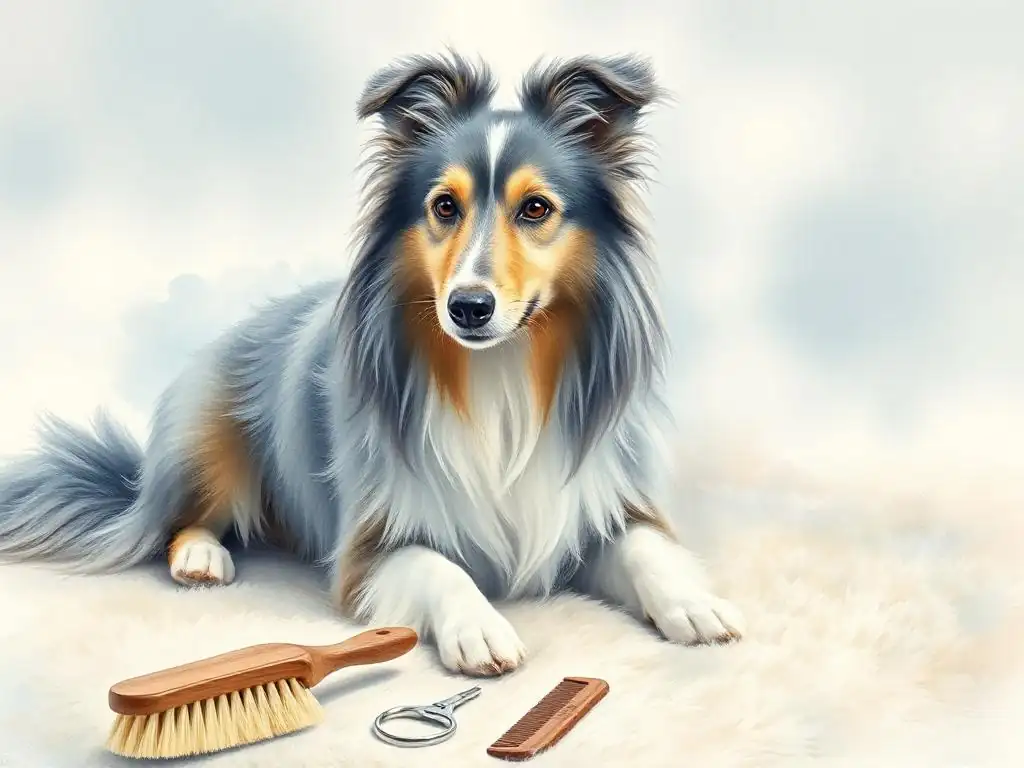
The Shetland Sheepdog, affectionately known as the Sheltie, boasts a stunning double coat that requires dedicated grooming to prevent matting, tangles, and skin issues. Regular grooming is not just about aesthetics; it's crucial for the Sheltie's overall health and well-being. This luxurious coat, while beautiful, needs consistent attention to maintain its shine and prevent discomfort for your canine companion.
Neglecting grooming can lead to skin infections, parasites, and even heatstroke in warmer climates. Therefore, understanding and implementing a proper grooming routine is paramount for responsible Shetland Sheepdog ownership. This section will detail the essential aspects of Sheltie grooming, providing you with a comprehensive Shetland Sheepdog care guide for maintaining their magnificent coat.
Shetland Sheepdog Brushing Techniques: Preventing Matting and Tangles
Regular brushing is the cornerstone of Sheltie grooming. Aim for daily brushing, especially during shedding seasons (spring and fall), to remove loose hair and prevent matting. Using the right tools is crucial. A slicker brush is excellent for removing undercoat and loose hair, while a wide-toothed comb is ideal for detangling and reaching the skin.
Start by brushing in the direction of hair growth, gently working your way through the coat. Pay close attention to areas prone to matting, such as behind the ears, around the legs, and on the tail. If you encounter a mat, gently work through it with your fingers or a de-matting tool; never pull forcefully, as this can cause pain and skin damage.
Remember, patience and a gentle touch are key. Consistent brushing not only prevents matting but also strengthens the coat and improves its shine, contributing significantly to your Sheltie's overall health and presentation. For particularly stubborn mats, consider using a leave-in conditioner before brushing to soften the hair.
Shetland Sheepdog Bathing and Drying: A Gentle Approach
While daily brushing is essential, bathing your Sheltie should be done less frequently, typically every 4-6 weeks, or as needed. Over-bathing can strip the coat of its natural oils, leading to dryness and irritation. Use a dog shampoo specifically formulated for their coat type; human shampoos are too harsh. When bathing, ensure the water is lukewarm, not hot, and thoroughly wet the coat before applying the shampoo.
Gently massage the shampoo into the coat, avoiding the eyes and ears. Rinse thoroughly to remove all traces of shampoo, as residue can cause skin irritation. After bathing, carefully towel-dry your Sheltie's coat.
You can also use a low-heat hairdryer on a low setting, keeping it at a safe distance to prevent burning the skin. Always ensure the coat is completely dry to prevent skin issues and a musty odor. This careful approach to bathing ensures your Sheltie maintains a healthy, clean coat without compromising its natural oils.
Shetland Sheepdog Coat Trimming and Styling: Maintaining Breed Standards
While Shelties don’t require extensive trimming, regular maintenance is necessary to keep their coat looking its best and to adhere to breed standards. This might include trimming the hair around the feet, keeping the hair tidy around the eyes, and ensuring the tail feathers are neatly maintained. You can use blunt-ended scissors or clippers designed specifically for dogs. Always proceed with caution and ensure you have the knowledge or seek professional guidance before undertaking any significant trimming.
If you're unsure about any aspect of trimming or styling, it's best to consult a professional groomer experienced with Shetland Sheepdogs. Maintaining the breed standard doesn't just enhance the dog's appearance; it also helps prevent the hair from becoming excessively matted and tangled, contributing to a healthy and comfortable life for your beloved Sheltie. Regular maintenance, even if minimal, is a vital part of a comprehensive Shetland Sheepdog care guide.
Shetland Sheepdog Nutrition: Fueling a Healthy and Energetic Sheltie
Shetland Sheepdogs, affectionately known as Shelties, are intelligent, energetic herding dogs with specific nutritional requirements to maintain their vibrant health and boundless energy. Understanding these needs is crucial for responsible Sheltie ownership and contributes significantly to their overall well-being. This section delves into the essential aspects of Sheltie nutrition, offering practical guidance for pet owners seeking to provide the best possible diet for their beloved companions. A well-crafted diet is a cornerstone of preventative Shetland Sheepdog care, minimizing the risk of future health complications.
Choosing the Right Food for Your Shetland Sheepdog: Breed-Specific Nutritional Needs
Selecting the appropriate food for your Sheltie requires careful consideration of several factors. Breed-specific nutritional needs are paramount. Shelties, being a relatively small breed, have different energy requirements compared to larger breeds. They also have a predisposition to certain health issues, such as eye problems and hip dysplasia, which can be influenced by diet. Therefore, choosing a high-quality dog food formulated for small breeds is vital.
Look for foods with:
- High-quality protein sources: Chicken, lamb, or fish should be listed prominently as the primary ingredients, indicating a digestible and easily utilized protein source. Avoid fillers like corn, wheat, or soy, which can be poorly digested and contribute to allergies.
- Moderate fat content: Shelties are active dogs, but excessive fat can lead to weight gain and related health problems. A balanced fat content provides energy without contributing to obesity.
- Essential fatty acids: Omega-3 and Omega-6 fatty acids are crucial for maintaining healthy skin and coat, as well as supporting cognitive function. Look for foods that specifically list these fatty acids.
- Added nutrients: Vitamins and minerals tailored to the specific needs of small breeds are essential for overall health and well-being. Check the label for a comprehensive list of added vitamins and minerals.
Choosing the right food is a critical element of a comprehensive Shetland Sheepdog care guide. It's always advisable to consult with your veterinarian to determine the best dietary plan for your individual Sheltie, considering their age, activity level, and any pre-existing health conditions.
Dietary Considerations for Shetland Sheepdogs at Different Life Stages: Puppy, Adult, and Senior
Nutritional needs vary significantly throughout a Sheltie's life. Providing the appropriate diet at each stage is crucial for optimal growth and longevity.
| Life Stage | Nutritional Needs | Food Considerations |
|---|---|---|
| Puppy (0-12 months) | High protein, high calorie diet to support rapid growth and development. | Puppy food formulated for small breeds with added calcium and phosphorus for bone development. Frequent, smaller meals. |
| Adult (1-7 years) | Balanced diet with moderate protein and fat to maintain ideal weight and energy levels. | Adult food formulated for small breeds. Adjust portion sizes based on activity level and body condition. |
| Senior (7+ years) | Lower calorie, easily digestible food to support joint health and maintain energy levels. | Senior food formulated for small breeds with added glucosamine and chondroitin for joint support. Monitor weight closely. |
Remember, consistent monitoring of your Sheltie's weight and body condition is essential, regardless of their life stage. Adjusting food portions as needed will help prevent obesity and related health issues.
Avoiding Common Shetland Sheepdog Dietary Problems: Allergies and Sensitivities
Shetland Sheepdogs, like many breeds, are prone to certain dietary sensitivities and allergies. Common allergens include:
- Beef: A frequent culprit in canine allergies.
- Dairy products: Lactose intolerance is common in dogs.
- Chicken: Although a popular protein source, it can also cause allergic reactions in some dogs.
- Wheat and corn: These are common fillers in lower-quality dog foods and can trigger allergies or sensitivities.
Symptoms of food allergies can include:
- Itchy skin
- Chronic ear infections
- Gastrointestinal upset (vomiting, diarrhea)
If you suspect your Sheltie has a food allergy or sensitivity, consult your veterinarian immediately. They can conduct allergy testing and recommend a suitable elimination diet to identify the culprit and manage the symptoms effectively. A veterinarian can provide invaluable guidance in creating a tailored Shetland Sheepdog care plan to address these specific needs, ensuring your furry friend thrives. Careful diet management is a crucial part of responsible Shetland Sheepdog ownership and contributes significantly to their overall health and happiness. This commitment to preventative care makes a substantial difference in the longevity and well-being of your beloved Sheltie.
Shetland Sheepdog Exercise and Activity: Meeting Their High Energy Levels

Shetland Sheepdogs, affectionately known as Shelties, are intelligent and energetic herding dogs. Their high energy levels necessitate a structured exercise regimen to prevent boredom, destructive behaviors, and potential health problems. Failing to meet their physical and mental needs can lead to anxiety, depression, and even obesity.
This section will delve into the specific exercise requirements for Shelties, outlining daily needs and suggesting suitable activities to keep them happy and healthy. A well-exercised Sheltie is a happy Sheltie – and a happy Sheltie is a well-behaved Sheltie, making this aspect of their care crucial for a positive owner-pet relationship. This guide will assist in tailoring your approach to meet the unique needs of this sensitive breed, solidifying its position as a top resource for any "Shetland Sheepdog care guide" search.
Daily Exercise Requirements for Shetland Sheepdogs: Balancing Physical and Mental Stimulation
Shelties require a significant amount of daily exercise, typically ranging from 60 to 90 minutes. This shouldn't be a single, strenuous session, but rather broken down throughout the day. A brisk walk in the morning, a playtime session in the afternoon, and a shorter evening walk can be an effective strategy. Remember, exercise isn't solely about physical exertion; mental stimulation is equally important. A Sheltie left to their own devices for extended periods can easily become restless and frustrated.
The intensity of the exercise should be tailored to the dog's age and fitness level. Puppies require shorter, more frequent exercise sessions, while older Shelties may benefit from gentler activities. Always monitor your Sheltie for signs of fatigue, such as panting, slowing down, or reluctance to continue. Ignoring these signals can lead to injury.
Consider incorporating a variety of activities to keep your Sheltie engaged and prevent monotony. A balanced approach to physical and mental stimulation is key to a happy and healthy Shetland Sheepdog. For example, a morning walk could focus on physical activity, while the afternoon session might include a training exercise or a game of fetch to stimulate their minds.
Suitable Activities for Shetland Sheepdogs: Agility, Obedience, and Herding
Shelties excel in activities that challenge both their physical abilities and intelligence. Agility training is an excellent way to provide both physical and mental stimulation. The intricate courses require focus, coordination, and obedience, keeping your Sheltie engaged and mentally sharp. Obedience training is another crucial aspect of Sheltie care.
Not only does it enhance your bond, but it also provides mental stimulation and helps establish clear boundaries. Furthermore, Shelties are natural herders, and participating in herding activities (if properly guided and supervised) can be incredibly fulfilling for both the dog and the owner. These activities tap into their innate instincts and provide a significant outlet for their energy.
Beyond these structured activities, simple games like fetch, hide-and-seek, and tug-of-war can also contribute to their daily exercise quota. Remember to always use positive reinforcement methods during training and playtime. A positive and encouraging approach helps build confidence and strengthens the bond between you and your Sheltie. This positive approach is crucial for managing this sensitive breed effectively. The variety of activities will prevent boredom and promote a well-rounded approach to Shetland Sheepdog care.
Preventing Boredom and Destructive Behaviors in Shetland Sheepdogs: Enrichment Activities
Boredom can lead to destructive behaviors in Shelties, such as excessive barking, chewing, digging, or even escape attempts. Providing environmental enrichment is crucial to preventing these issues. This can include puzzle toys that dispense treats, interactive games, and rotating their toys regularly to maintain interest. Creating a stimulating environment, both indoors and outdoors, is key to keeping your Sheltie engaged and preventing destructive behaviors.
Consider providing a variety of chew toys made of durable materials to satisfy their chewing instincts and prevent them from targeting your furniture. Rotate these toys frequently to prevent boredom. Providing a designated digging area in the garden can also help channel their natural digging instincts.
Remember, a well-stimulated Sheltie is less likely to engage in destructive behaviors. Implementing these enrichment activities is a proactive and essential part of responsible Shetland Sheepdog care, ultimately contributing to a harmonious coexistence. The implementation of these strategies, combined with adequate exercise, will significantly reduce the likelihood of behavioral problems, making your Sheltie a happier and more well-adjusted companion.
Shetland Sheepdog Health and Wellness: Preventing and Managing Potential Issues

Shetland Sheepdogs, affectionately known as Shelties, are intelligent and charming companions, but their inherent predisposition to certain health issues necessitates a proactive approach to their care. This section delves into common health concerns, early detection strategies, and preventative measures to ensure your Sheltie enjoys a long and healthy life. A comprehensive Shetland Sheepdog care guide must prioritize their well-being, and understanding potential health risks is crucial. This proactive approach is key to responsible Shetland Sheepdog ownership.
Common Health Concerns in Shetland Sheepdogs: Genetic Predispositions and Preventative Care
Shelties, like many purebred dogs, are prone to specific genetic health problems. Understanding these predispositions allows for early intervention and preventative care. Some of the most common concerns include:
- Progressive Retinal Atrophy (PRA): This degenerative eye disease leads to blindness. Regular veterinary eye exams, especially starting around age 3, are vital for early detection. While there's no cure, early diagnosis can help manage the progression.
- Hip and Elbow Dysplasia: These conditions affect the hip and elbow joints, causing pain and lameness. Careful breeding practices by reputable breeders aim to minimize the risk, but responsible owners should monitor their Sheltie's gait and activity levels for any signs of discomfort. Maintaining a healthy weight and avoiding strenuous activities during growth phases are preventative measures.
- Epilepsy: Seizures can occur in Shelties. If your Sheltie experiences seizures, immediate veterinary attention is crucial for diagnosis and treatment. While epilepsy can't always be prevented, managing stress and providing a stable environment can help.
- Von Willebrand's Disease: This bleeding disorder affects blood clotting. Regular veterinary checkups and careful monitoring are essential. It's important to note that not all Shelties will develop these conditions, but understanding the risks allows for informed decision-making regarding their care.
| Health Concern | Description | Preventative Measures |
|---|---|---|
| Progressive Retinal Atrophy (PRA) | Degenerative eye disease leading to blindness. | Regular eye exams, especially after age 3. |
| Hip & Elbow Dysplasia | Joint disorders causing pain and lameness. | Maintaining healthy weight, avoiding strenuous activity during growth. |
| Epilepsy | Neurological disorder causing seizures. | Managing stress, providing a stable environment, prompt veterinary care if seizures occur. |
| Von Willebrand's Disease | Bleeding disorder affecting blood clotting. | Regular veterinary checkups and careful monitoring. |
Recognizing Signs of Illness in Shetland Sheepdogs: Early Detection and Prompt Veterinary Attention
Early detection is crucial in managing Shetland Sheepdog health. While some conditions are genetically predisposed, others can develop unexpectedly. Learning to recognize subtle signs of illness is paramount. Changes in behavior, appetite, or elimination habits can indicate underlying health issues. These might include:
- Lethargy and decreased activity levels: A Sheltie that suddenly becomes less playful or sleeps more than usual should be checked by a vet.
- Changes in appetite: Loss of appetite or excessive thirst can signal illness.
- Vomiting or diarrhea: These symptoms can indicate various problems, ranging from mild indigestion to more serious infections.
- Changes in urination or defecation: Straining to urinate or defecate, increased frequency, or changes in stool consistency warrant veterinary attention.
- Coughing or sneezing: Persistent coughing or sneezing may indicate respiratory issues.
- Lameness or limping: This could be a sign of injury or joint problems.
Prompt veterinary attention is crucial. Don't hesitate to contact your veterinarian if you notice any of these signs. Early intervention significantly improves the chances of successful treatment and a positive outcome for your Sheltie. A proactive approach to your Sheltie's health is a testament to responsible pet ownership.
Shetland Sheepdog Vaccination and Parasite Prevention: Protecting Your Sheltie's Health
A robust vaccination and parasite prevention program is essential for maintaining your Sheltie's health. Consult your veterinarian to determine the appropriate vaccination schedule for your dog, considering factors such as age, lifestyle, and local disease prevalence. Regular vaccinations protect against serious and potentially fatal diseases.
Parasite prevention is equally important. Fleas, ticks, heartworms, and intestinal parasites can cause significant health problems. Your veterinarian can recommend appropriate preventative medications, such as flea and tick collars, oral medications, or topical treatments. Regular fecal examinations can help detect intestinal parasites. A proactive approach to parasite prevention safeguards your Sheltie's well-being and prevents potential complications. Remember, a healthy Sheltie is a happy Sheltie! 🐶
Shetland Sheepdog Training: Positive Reinforcement for Optimal Results
Shetland Sheepdogs, often called Shelties, are intelligent and eager-to-please dogs, making them highly trainable. However, their sensitivity requires a training approach based on positive reinforcement, focusing on rewarding desired behaviors rather than punishing mistakes. This method fosters a strong bond between you and your Sheltie, resulting in a well-behaved and happy companion. A consistent and patient approach is crucial for success. Remember, the goal is to build a positive association with training, making it an enjoyable experience for both you and your dog. This is key to achieving optimal results with your Shetland Sheepdog care guide.
Basic Obedience Training for Shetland Sheepdogs: Building a Strong Foundation
Building a strong foundation in basic obedience is paramount for any dog, and Shelties are no exception. Start with simple commands like "sit," "stay," "come," and "down." Use high-value treats, praise, and gentle encouragement. Keep training sessions short and frequent, ideally several times a day for 5-10 minutes. This prevents your Sheltie from becoming overwhelmed or bored.
Avoid harsh corrections; instead, redirect unwanted behaviors with positive reinforcement. For example, if your Sheltie starts to jump, calmly redirect its attention with a command like "sit" and reward it immediately upon compliance. Consistency is key; ensure all family members use the same commands and training techniques. A well-structured training plan, even a simple one, is essential for a Shetland Sheepdog care guide.
Consider using a clicker for training. The clicker marks the exact moment your Sheltie performs the desired behavior, making it easier for them to understand what they are being rewarded for. Remember to pair the clicker with immediate positive reinforcement, such as a tasty treat. Gradually increase the duration and difficulty of the commands as your Sheltie masters each one. For instance, start with a short "stay" and gradually increase the time. Celebrate even the smallest successes! This positive reinforcement will build your Sheltie's confidence and make training a fun experience.
Advanced Training Techniques for Shetland Sheepdogs: Agility, Herding, and Competitive Obedience
Once your Sheltie has mastered basic obedience, you can explore more advanced training techniques tailored to their herding instincts and intelligence. Agility training is a fantastic way to engage your Sheltie's physical and mental abilities, providing excellent exercise and mental stimulation. Agility courses challenge your dog to navigate obstacles like jumps, tunnels, and weave poles. This requires focus, coordination, and obedience, strengthening the bond between you and your dog. Remember to start slowly and gradually increase the difficulty of the course.
Shetland Sheepdogs are naturally predisposed to herding, making herding activities a rewarding and fulfilling experience. Whether you have livestock or not, you can simulate herding behaviors through games and exercises. This can involve directing your Sheltie to move toys or other objects, reinforcing their natural instincts. This is an excellent way to channel their energy and provide mental stimulation. Proper herding instruction ensures safety for both your dog and the livestock.
Competitive obedience is another challenging and rewarding avenue. It requires precision, focus, and a strong understanding between you and your Sheltie. This advanced training builds upon basic obedience, incorporating more complex commands and routines. The structured environment and clear expectations of competitive obedience further enhance your Sheltie’s training and reinforce your bond.
Addressing Behavioral Problems in Shetland Sheepdogs: Patience and Consistency are Key
Even the most well-trained Shelties can sometimes exhibit undesirable behaviors. Addressing these issues requires patience, consistency, and a deep understanding of your dog's needs. Common problems include excessive barking, nipping, digging, or separation anxiety. It's crucial to identify the underlying cause of the behavior before attempting to correct it. For example, excessive barking might stem from boredom, loneliness, or a lack of exercise. Addressing the root cause is more effective than simply suppressing the symptom.
| Problem | Possible Cause(s) | Solution |
|---|---|---|
| Excessive Barking | Boredom, anxiety, territoriality, attention-seeking | Provide more exercise, mental stimulation, and training; address anxiety. |
| Nipping/Biting | Fear, playfulness, teething (in puppies) | Redirect behavior with toys, provide appropriate chew toys, positive training. |
| Digging | Boredom, anxiety, instinct | Provide enriching activities, address anxiety, create a designated digging area. |
| Separation Anxiety | Anxiety, fear of being alone | Gradual desensitization, crate training, calming aids. |
Remember, consistency is key. All members of the household should use the same training methods and commands to avoid confusing your Sheltie. If you are struggling to address a behavioral problem, consider consulting a certified professional dog trainer or veterinary behaviorist for personalized guidance. They can offer tailored advice and support, ensuring the well-being of your Sheltie and a harmonious relationship. A comprehensive Shetland Sheepdog care guide should always include this crucial aspect.
Finding the Right Shetland Sheepdog: Considerations for Potential Owners
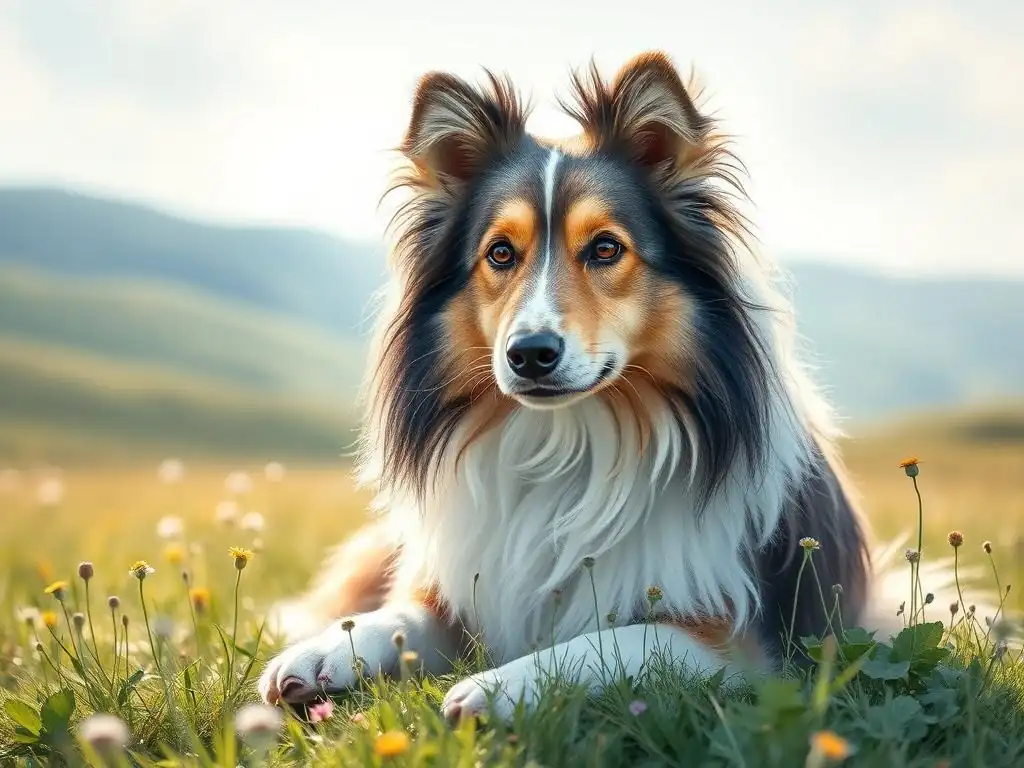
Choosing a Shetland Sheepdog, often affectionately called a Sheltie, is a significant decision. These intelligent and sensitive dogs require owners committed to providing them with the right environment, training, and care. Before bringing a Sheltie home, potential owners should carefully consider several key factors to ensure a harmonious and fulfilling relationship. This involves understanding the breed's specific needs, assessing your lifestyle, and making an informed choice about the type of Sheltie that best suits your circumstances.
Are you prepared for the energy levels of a young Sheltie, or would a slightly older dog better fit your lifestyle? Do you have the time to dedicate to grooming, training, and socialization? These are crucial questions to answer honestly before proceeding.
Failing to do so can lead to challenges down the line and potentially a less-than-ideal experience for both you and your Sheltie. Responsible ownership begins with careful consideration and realistic expectations. Remember, a Sheltie is a commitment of 12-15 years, demanding consistent care and attention.
Selecting a reputable Shetland Sheepdog breeder is paramount to obtaining a healthy and well-adjusted puppy. Irresponsible breeding practices can lead to genetic health problems and behavioral issues. A responsible breeder will prioritize the health and temperament of their dogs, conducting necessary health screenings (such as hip and eye examinations) and carefully matching puppies to suitable homes. They should be knowledgeable about the breed standard and willing to answer your questions thoroughly.
Red flags to watch out for include breeders who are unwilling to show you their facilities, provide health clearances for their breeding dogs, or pressure you into a quick sale. A good breeder will take the time to learn about your lifestyle and ensure the puppy is a good fit for your family. Look for breeders who socialize their puppies early, exposing them to various sights, sounds, and people to foster well-rounded development. Invest time in researching potential breeders; reviews and recommendations from other Sheltie owners can be invaluable.
Remember, adopting a dog from a shelter or rescue organization is another wonderful way to find a loving companion. However, if you choose to buy from a breeder, careful selection is key to a successful and joyful partnership with your Sheltie. Choosing a responsible breeder is an investment in the long-term health and happiness of your future canine companion.
Preparing Your Home for a Shetland Sheepdog: Creating a Safe and Enriching Environment
Bringing a Shetland Sheepdog home requires preparation. Shelties are intelligent and active, needing a stimulating environment to prevent boredom and destructive behaviors. Puppy-proofing your home is crucial, removing any potential hazards such as toxic substances, small objects that could be swallowed, and electrical cords. A designated space for your Sheltie, such as a comfortable bed or crate, should be provided.
The crate should never be used for punishment but can serve as a safe haven. Shelties are prone to separation anxiety, so gradual crate training is recommended. Consider enriching your Sheltie's environment with interactive toys, puzzle feeders, and opportunities for exploration. A securely fenced yard is ideal for exercise and play, but always supervise your Sheltie outdoors.
Indoor enrichment can include training sessions, which are crucial for mental stimulation. Remember, a bored Sheltie can become a destructive Sheltie. Providing a safe and enriching environment is a key element in ensuring a happy and well-adjusted Sheltie. Planning ahead and creating a welcoming space minimizes stress for both you and your new furry family member.
Welcoming Your Shetland Sheepdog into Your Family: A Smooth Transition and Happy Beginnings
The arrival of your Shetland Sheepdog marks the beginning of a wonderful journey. To ensure a smooth transition, create a calm and welcoming atmosphere. Allow your Sheltie time to adjust to its new surroundings, avoiding overwhelming it with too much attention initially. Introduce the dog gradually to other pets and family members, always supervising interactions.
Establish a consistent routine, including feeding times, walks, and training sessions. Positive reinforcement training techniques, such as reward-based methods, are most effective with Shelties due to their sensitivity. Early socialization is key to developing a well-adjusted dog, exposing your Sheltie to various environments and experiences. Remember, patience and consistency are crucial during this initial phase.
Celebrate milestones and enjoy the unique bond you’ll share with your new Sheltie. A smooth transition fosters trust and confidence, paving the way for a long and happy life together. This initial period of adjustment sets the tone for your future relationship – a positive start ensures a positive future.
Shetland Sheepdog Lifespan and Senior Care: Providing Support in Their Golden Years
Shetland Sheepdogs, affectionately known as Shelties, are intelligent and loyal companions who typically enjoy a lifespan of 12 to 15 years. However, like all breeds, their senior years bring unique challenges and require a tailored approach to care. Understanding the typical aging process in Shelties is crucial for ensuring their comfort and well-being during this stage of their lives.
This section focuses on recognizing the signs of aging, addressing potential health concerns, and providing the necessary support to make their golden years as happy and healthy as possible. Proper Shetland Sheepdog care in their senior years is paramount to extending their quality of life.
Recognizing the Signs of Aging in Shetland Sheepdogs: Adapting Your Care Routine
As Shelties age, subtle changes in their behavior and physical condition can signal the onset of senior years. These changes often creep in gradually, making it crucial to be observant and proactive. Common signs include a decrease in energy levels – your once-vibrant Sheltie might show less enthusiasm for walks or playtime. They might become less interested in their usual activities, perhaps sleeping more frequently.
Cognitive changes can also manifest as confusion, disorientation, or even a change in their personality. Physically, you might notice stiffness in their joints, leading to difficulty climbing stairs or jumping. Their coat might become thinner or duller, and their eyesight or hearing might decline. Weight changes, either gain or loss, are also significant indicators.
Regular veterinary check-ups become even more critical during this phase, allowing for early detection and management of any developing health issues. Adapting your care routine to accommodate these changes is key to providing optimal Shetland Sheepdog care. This might involve shorter, more frequent walks, providing ramps or steps for easy access to furniture, and adjusting their diet to support their changing nutritional needs. A gradual transition to senior-specific food is often beneficial.
Senior Shetland Sheepdogs are prone to certain health conditions. Hip and elbow dysplasia, common in many breeds, can worsen with age, leading to pain and mobility issues. Similarly, arthritis is a frequent concern, causing stiffness and discomfort. Eye problems, such as cataracts and glaucoma, can also affect vision. Dental disease is another common issue that needs to be addressed proactively.
Regular dental check-ups and professional cleanings are highly recommended. Furthermore, certain types of cancer can occur more frequently in older Shelties. Early detection through regular veterinary visits is crucial in improving the chances of successful treatment. Monitoring your dog's weight, appetite, and elimination habits are crucial.
Any significant deviation from their norm warrants a visit to the veterinarian. Remember, proactive veterinary care is essential for managing these age-related issues and extending the quality of your Shetland Sheepdog's life. The earlier these problems are addressed, the better the prognosis. A proactive approach to Shetland Sheepdog care is vital in these later years.
Providing Comfort and Care for Senior Shetland Sheepdogs: Ensuring a Peaceful and Dignified Old Age
As your Shetland Sheepdog enters their senior years, providing a comfortable and supportive environment is crucial. This involves making adjustments to their living space to accommodate their physical limitations. Soft bedding, easy access to food and water, and ramps or stairs can significantly improve their comfort and mobility. Regular grooming remains important, even if their coat becomes thinner. Gentle brushing helps maintain skin health and prevents matting.
Maintaining a consistent routine provides a sense of security and stability, which is particularly important for senior dogs who may experience cognitive decline. Consider enrichment activities tailored to their reduced energy levels, such as gentle puzzle toys or interactive sessions. Pay close attention to their emotional well-being, offering plenty of affection and reassurance. As their health declines, you may need to increase the frequency of veterinary visits and consider pain management options. The goal is to ensure that your Sheltie enjoys their remaining years with dignity and comfort.
Remember, providing a loving and supportive environment is a crucial aspect of responsible Shetland Sheepdog care in their senior years. This commitment to their well-being demonstrates your deep love and appreciation for your loyal companion. Providing the best possible care in their twilight years is a testament to the special bond you share. 🐶
Frequently Asked Questions
What are the key characteristics of a Shetland Sheepdog?
Shetland Sheepdogs, or Shelties, are known for their intelligence, loyalty, and herding instincts. They are active and require significant exercise and mental stimulation.
What kind of grooming does a Sheltie need?
Shelties have a double coat requiring regular brushing (at least several times a week) to prevent mats and tangles. Professional grooming may be needed every few months.
How much exercise does a Shetland Sheepdog need?
Shelties are energetic dogs needing daily walks, playtime, and mental challenges. Lack of exercise can lead to behavioral problems. Consider agility training or other stimulating activities.
What are some common health concerns for Shetland Sheepdogs?
Shelties are prone to eye problems, such as progressive retinal atrophy (PRA), and hip dysplasia. Regular veterinary checkups are crucial for early detection and management.
Are Shetland Sheepdogs good family pets?
Yes, Shelties are generally excellent family dogs, especially with children who understand how to interact gently with animals. Their loving and playful nature makes them wonderful companions.
Final Reflection: Shedding Light on the Sheltie's Soul
Understanding the Shetland Sheepdog's unique needs is not merely about proper grooming and feeding; it's about fostering a deep and trusting bond with a truly remarkable creature. The sensitive nature of this breed demands a tailored approach, one that goes beyond the surface level of care and delves into the heart of their intelligent and often anxious personalities. This understanding is crucial in ensuring the well-being and happiness of these beloved companions.
The Sheltie's enduring popularity speaks volumes about their captivating charm, but it also highlights the responsibility that comes with welcoming one into your life. Their inherent sensitivity, often misinterpreted as stubbornness or defiance, requires patience, consistency, and a deep understanding of their emotional landscape. As the saying goes, The best things in life are worth fighting for, but the best relationships are built on understanding and compromise.
This perfectly encapsulates the journey of caring for a Shetland Sheepdog – a journey filled with challenges, yes, but ultimately rewarding beyond measure.
Now, consider your own relationship with your pet, or the potential relationship you'll have with a Sheltie in the future. Are you ready to embrace the unique challenges and rewards of caring for this intelligent and sensitive breed? Take the time to reflect on the information presented in this guide, and remember that every Sheltie is an individual with unique needs and quirks.
By approaching their care with empathy, patience, and a willingness to learn, you can unlock a profound and enriching bond with one of the most loyal and loving companions imaginable. Embrace the journey, and watch your relationship blossom.
Unleash Your Sheltie's Inner Joy: A Personalized Care Journey
Thank you for learning more about the wonderful Shetland Sheepdog! We hope you've gained valuable insights into caring for this intelligent and sensitive breed. Now let's put that knowledge into action!
- Develop a personalized care plan: Consider your Sheltie's unique personality and needs, tailoring your approach to their individual temperament and energy levels. Building a strong bond with your dog is a rewarding experience!
- Share your Sheltie's success story: We'd love to hear about your experiences! Share your tips and tricks, challenges you've overcome, or even funny anecdotes in the comments below. Let's build a supportive community of Sheltie lovers.
- Explore enriching activities: Don't limit yourself to simple walks. Challenge your Sheltie mentally and physically with puzzles, agility training, or scent work – discover what truly excites them!
What unique approach are you most excited to try with your Shetland Sheepdog? Let's discuss!