
Demystifying Dog Shedding: Effective Brushing Strategies for a Cleaner Home

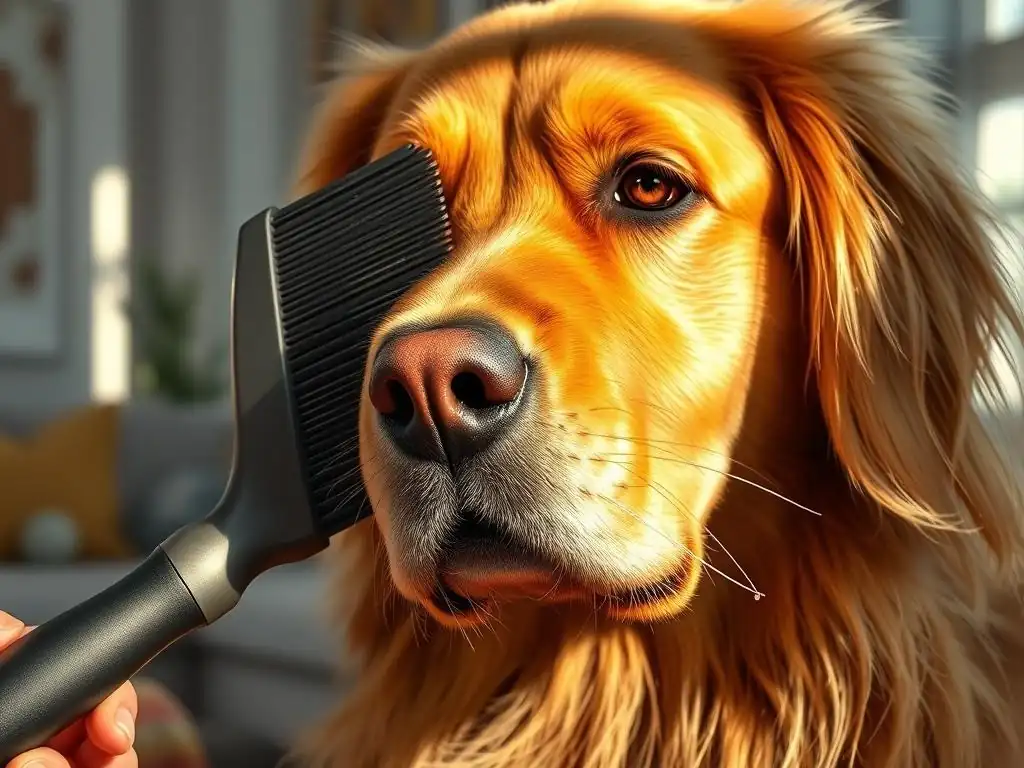
Welcome to PetCareWorld, your ultimate guide to happy and healthy pets! Are you tired of battling mountains of dog hair? Discover the secrets to significantly reducing dog shedding with our comprehensive Reduce dog shedding brushing guide. Learn effective brushing strategies and reclaim your home from the fur – dive in and unlock a cleaner, more comfortable life with your furry friend!
- Understanding Dog Shedding: Types and Causes
- Choosing the Right Brush for Your Dog's Coat
- Effective Brushing Techniques to Minimize Shedding
- Advanced Strategies for Reducing Dog Shedding
- Maintaining a Clean Home Despite Dog Shedding
- Frequently Asked Questions
- Final Reflection: Beyond the Brush: A Cleaner Home, a Stronger Bond
- Unleash Your Inner Groomer: Taming the Shedding Beast!
Understanding Dog Shedding: Types and Causes
Dog shedding is a natural process, but the amount of hair your canine companion loses can vary dramatically depending on several factors. This comprehensive guide will demystify dog shedding, helping you understand the underlying causes and providing effective brushing strategies to minimize the fur flying around your home and keep your living space cleaner. We'll explore the different types of shedding, breed-specific patterns, and potential health concerns that can contribute to excessive hair loss.
By the end, you'll be equipped with the knowledge and techniques to manage your dog's shedding effectively and maintain a harmonious home environment, even with a furry friend. This guide will help you effectively reduce dog shedding, providing a practical brushing guide to achieve a cleaner home.
Seasonal Shedding vs. Year-Round Shedding in Dogs
Dogs shed for a variety of reasons, and understanding the difference between seasonal and year-round shedding is crucial for effective management. Seasonal shedding is often more pronounced, occurring in spring and autumn as the dog's coat adapts to changing temperatures. During these periods, you'll likely notice a significant increase in the amount of hair your dog sheds.
This is their body's natural way of regulating its temperature. In contrast, year-round shedding is a more gradual process, with a consistent, albeit smaller, amount of hair lost daily. The intensity of year-round shedding depends on factors like breed, diet, and overall health.
The difference can be striking. For example, a husky might experience a dramatic "blow" of their undercoat in the spring, leaving significant amounts of fur everywhere. Conversely, a poodle, a breed known for minimal shedding, might only experience a slight increase in hair loss during seasonal changes. Understanding these differences helps in setting realistic expectations and adjusting your brushing routine accordingly. Regular brushing, even during periods of lower shedding, helps to remove dead hair and prevent matting.
Breed-Specific Shedding Patterns and Expectations
Not all dogs shed the same. Breed plays a significant role in determining shedding patterns and the amount of hair a dog will lose. Some breeds, like Poodles and Bichon Frises, are considered "hypoallergenic" because they shed minimally. However, it's crucial to remember that no dog is truly 100% hypoallergenic; even these breeds produce dander, which can trigger allergies. Other breeds, such as Huskies, German Shepherds, and Golden Retrievers, are known for heavy shedding, especially during seasonal changes. Knowing your dog's breed helps you anticipate shedding levels and adjust your grooming routine accordingly.
Consider this table for a quick overview:
| Breed Category | Shedding Level | Notes |
|---|---|---|
| Heavy Shedders | High | Requires frequent brushing, especially during seasonal changes. |
| Moderate Shedders | Medium | Regular brushing is recommended to manage shedding. |
| Minimal Shedders | Low | Less frequent brushing is needed, but regular grooming is still beneficial. |
| Non-Shedding (rare) | Very Low | Still requires occasional grooming to prevent matting and tangles. |
Understanding these breed-specific tendencies allows for realistic expectations and proactive shedding management. This proactive approach will significantly contribute to reducing the amount of dog hair in your home.
Underlying Health Issues Contributing to Excessive Shedding
While shedding is natural, excessive shedding can sometimes indicate an underlying health issue. Conditions like allergies (food, environmental, or flea allergies), hormonal imbalances, skin infections, and parasitic infestations can all lead to increased hair loss. If you notice a sudden or significant increase in shedding, accompanied by other symptoms such as skin irritation, redness, or changes in appetite, it's crucial to consult your veterinarian. They can conduct a thorough examination to rule out any underlying medical problems.
Early detection and treatment are key to preventing further complications. Ignoring excessive shedding could lead to more serious health issues for your dog. A veterinarian can help determine the cause of the excessive shedding and recommend appropriate treatment, which may include dietary changes, medication, or specialized grooming techniques. Remember, a healthy dog typically sheds less than a dog with underlying health problems. Regular veterinary checkups are essential for maintaining your dog's overall health and well-being, including managing any shedding-related issues.
Choosing the Right Brush for Your Dog's Coat
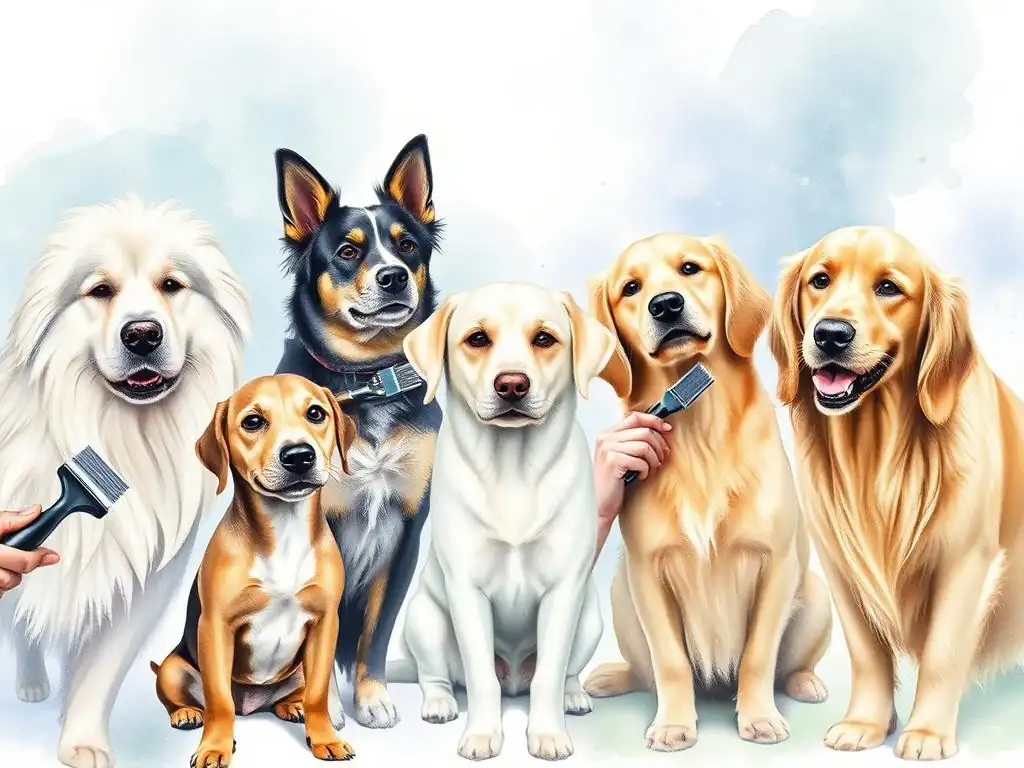
Selecting the appropriate brush is paramount when aiming to reduce dog shedding and maintain a clean home. The effectiveness of your brushing routine hinges on this crucial first step. Ignoring this can lead to frustration and less-than-optimal results. The wrong brush can even damage your dog's coat, leading to further problems. Let's delve into the specifics.
Brush Types for Different Coat Lengths and Textures
Dog coats vary dramatically in length, texture, and density. A one-size-fits-all approach simply won't work. Understanding your dog's coat type is essential for choosing the right brush. Here's a breakdown:
- Short, smooth coats (e.g., Doberman Pinschers, Whippets): A rubber curry brush or a soft bristle brush is ideal for removing loose hair and stimulating the skin. These brushes are gentle yet effective. The rubber curry brush excels at loosening undercoat.
- Medium-length coats (e.g., Beagles, Cocker Spaniels): A slicker brush is a good choice for these coats, effectively removing mats and tangles while also collecting loose hair. Supplementing with a bristle brush can further enhance shedding reduction.
- Long, silky coats (e.g., Afghan Hounds, Yorkshire Terriers): A wide-toothed comb is crucial for detangling, followed by a slicker brush to remove loose fur. Regular brushing is key here to prevent matting.
- Wirehaired coats (e.g., Terriers, Schnauzer): A stripping comb or a specialized de-shedding tool is needed to remove dead hair without damaging the wiry texture. These brushes are designed to work with the unique structure of wirehaired coats.
- Double-coated breeds (e.g., Huskies, Golden Retrievers): These breeds require a more comprehensive approach. A rake-style undercoat brush is essential for removing the dense undercoat, followed by a slicker brush to tackle the outer coat. This two-pronged approach significantly reduces shedding.
Consider this table summarizing suitable brush types:
| Coat Type | Recommended Brush Type(s) | Primary Benefit |
|---|---|---|
| Short, Smooth | Rubber curry brush, soft bristle brush | Gentle cleaning, loose hair removal |
| Medium-Length | Slicker brush, bristle brush | Detangling, shedding reduction |
| Long, Silky | Wide-toothed comb, slicker brush | Detangling, loose hair removal |
| Wirehaired | Stripping comb, de-shedding tool | Removing dead hair without damaging the coat |
| Double-Coated | Rake-style undercoat brush, slicker brush | Effective undercoat removal, shedding control |
Remember, consulting a professional groomer can offer personalized recommendations based on your dog's specific breed and coat condition.
Selecting Brushes for Reducing Dog Shedding
The goal of many brushing routines is to minimize shedding. Certain brush types are particularly effective in achieving this. For example, the aforementioned rake-style undercoat brushes are designed to penetrate deep into the coat and remove the loose undercoat, which is a major contributor to shedding in double-coated breeds. These brushes have long, thin tines that reach down to the base of the coat, gently lifting and removing the dead hair. Using these tools in conjunction with a good quality slicker brush can drastically reduce the amount of hair your dog sheds around your home.
Another tool to consider for shedding reduction is a de-shedding tool. These are often designed with a unique blade or comb configuration that can effectively remove loose fur from the coat without causing discomfort to the dog. They are particularly useful for dogs with thicker coats. Always ensure the tool is used gently to prevent skin irritation. It's imperative to choose a de-shedding tool appropriate for your dog's coat type and thickness. Using the wrong tool can lead to skin damage and discomfort.
Regular use of a high-quality slicker brush is also beneficial for shedding control. Slicker brushes are effective at removing loose hair from the outer coat and preventing matting, which can contribute to more shedding in the long run. However, remember to use a slicker brush gently to avoid irritating your dog's skin, particularly on sensitive areas.
Importance of Regular Brush Maintenance
Regular brush maintenance is often overlooked, yet it's crucial for maintaining the brush's effectiveness and ensuring hygiene. A clogged brush will be less efficient at removing hair, and accumulated hair can become a breeding ground for bacteria. Cleaning your brush after each use is ideal, but at minimum, clean it thoroughly after each brushing session.
For brushes with removable heads, simply remove the head and discard the collected hair. For other brushes, use a comb or your fingers to remove the hair from the bristles. You can also use a pair of scissors to carefully trim away any matted hair. Regular cleaning will prolong the life of your brush and ensure it remains effective in reducing dog shedding. A clean brush also minimizes the risk of transferring allergens or bacteria to your dog's skin. This simple step contributes significantly to maintaining both your brush and your dog's health.
Effective Brushing Techniques to Minimize Shedding

This section delves into the practical techniques you can employ to effectively reduce dog shedding through regular brushing. The right technique, combined with the right tools, makes a significant difference in managing your dog's coat and keeping your home cleaner. Remember, the goal is not just to remove loose hair, but to also stimulate the skin, promoting healthy coat growth and reducing the amount of shedding in the long run.
We'll explore different brush types and their optimal applications shortly. Understanding your dog's breed and coat type is crucial for selecting the most appropriate tools and developing a personalized brushing routine that minimizes shedding effectively.
Brushing Frequency for Different Dog Breeds
The frequency of brushing varies drastically depending on your dog's breed and coat type. Short-haired breeds like Labradors generally need less frequent brushing than long-haired breeds like Yorkshire Terriers or Afghan Hounds. Here's a general guideline, but always observe your dog's individual needs:
| Breed Type | Brushing Frequency | Notes |
|---|---|---|
| Short-haired Breeds | 1-2 times per week | Focus on removing loose hair and stimulating the skin. |
| Medium-haired Breeds | 2-3 times per week | Pay attention to potential mats and tangles, especially around the legs. |
| Long-haired Breeds | Daily or every other day | Regular brushing is essential to prevent matting and excessive shedding. |
Remember, these are just guidelines. Dogs with allergies or skin conditions might require more frequent brushing under veterinary guidance. Observe your dog; if you notice excessive shedding or skin irritation, consult a veterinarian. Regular brushing is a proactive measure to reduce dog shedding, but professional grooming may be necessary for certain breeds or situations. Always prioritize your dog's comfort and well-being during the brushing process. A calm and patient approach is key.
Step-by-Step Guide to Brushing Your Dog Effectively
Follow these steps for an effective brushing session that minimizes shedding and promotes a healthy coat:
- Gather your supplies: You'll need a selection of brushes appropriate for your dog's coat type (slicker brush, undercoat rake, bristle brush, etc. ), a de-shedding tool, and a comfortable space for both you and your dog. Having treats handy can also help keep your dog calm and cooperative.
- Prepare your dog: Make your dog comfortable. Some dogs appreciate being brushed while lying down; others prefer to stand. Speak calmly and reassuringly throughout the process.
- Start with a wide-toothed comb or undercoat rake: This helps remove loose undercoat and prevents matting. Work systematically, starting from the head and moving towards the tail.
- Follow up with a slicker brush: This removes loose surface hair. Use gentle, short strokes, avoiding pulling or tugging. Be mindful of sensitive areas like the belly and legs.
- Use a bristle brush for finishing: This helps to distribute natural oils and give the coat a shine. Brush in the direction of hair growth.
- Check for mats and tangles: If you find any, carefully work them out with your fingers or a de-matting tool. Never force it, as this can hurt your dog.
- Reward your dog: End the session on a positive note with praise, petting, and a treat. This will help your dog associate brushing with positive experiences.
Consistent brushing is crucial for reducing dog shedding and maintaining a healthy coat. Remember, patience and a gentle touch are key to a successful brushing session. Regularly inspect your dog's coat for any abnormalities, and seek veterinary advice if you notice anything unusual.
Handling Matted Fur and Tangles
Matted fur is a common problem, especially in long-haired breeds. Untreated mats can lead to discomfort, skin irritation, and even infection. Here's how to tackle them:
- Prevention is key: Regular brushing is the best way to prevent matting.
- Gentle detangling: For small mats, try carefully working them out with your fingers or a de-matting tool. Work slowly and gently, applying a detangling spray if necessary.
- Professional help: For large or stubborn mats, it's best to seek professional help from a groomer. They have the expertise and tools to safely remove mats without harming your dog. Never attempt to cut through a mat yourself, as this can injure your dog's skin.
- Post-mat removal care: After removing mats, brush your dog thoroughly to remove any remaining loose hair and prevent future matting. Regular brushing and the use of a high-quality detangling spray will help keep your dog’s coat healthy and tangle-free. Always use a gentle touch, and if you are unsure about any aspect of mat removal, seek professional advice. Your dog's comfort and well-being are paramount.
Advanced Strategies for Reducing Dog Shedding
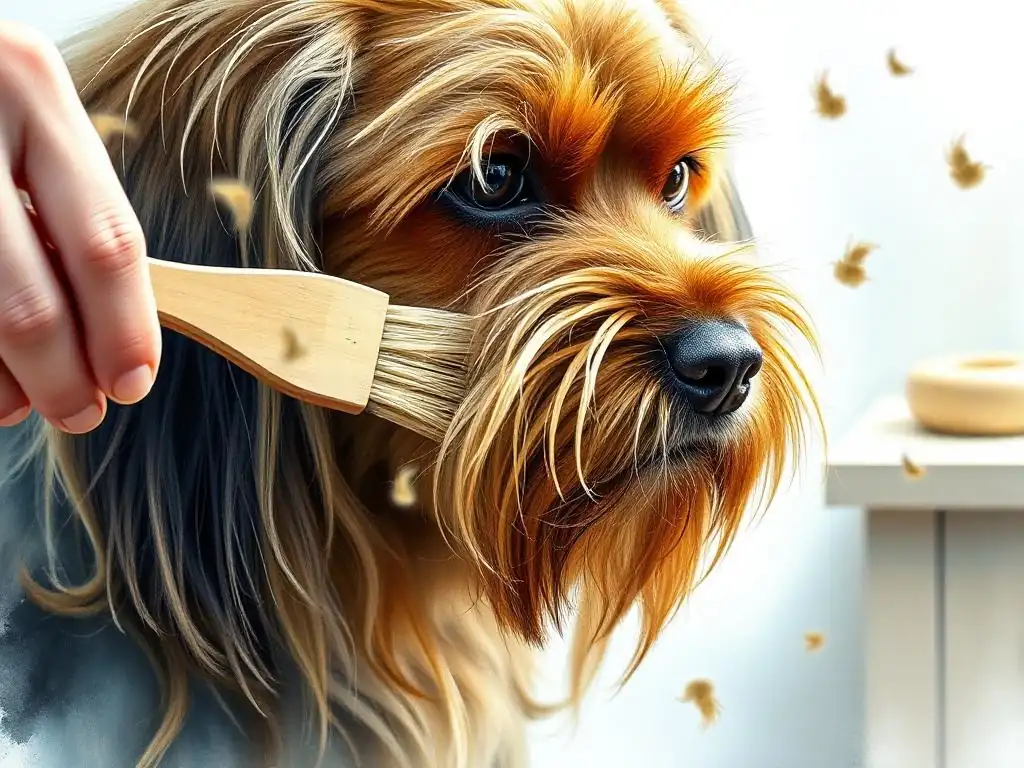
This section delves into more advanced techniques beyond basic brushing to significantly reduce dog shedding and maintain a cleaner home. We'll explore specialized tools, dietary considerations, and the potential benefits of nutritional supplements. Remember, consistency is key to success in managing your dog's shedding.
Utilizing Deshedding Tools and Techniques
Beyond standard brushes, specialized deshedding tools can dramatically improve shedding control. These tools are designed to penetrate the undercoat, removing loose hair more effectively than a regular brush. The effectiveness varies depending on your dog's breed and coat type.
For example, the FURminator is a popular deshedding tool known for its ability to reach deep into the undercoat. However, it's crucial to use it correctly to avoid damaging the skin. Overuse can irritate the skin, leading to discomfort for your dog. Always follow the manufacturer's instructions carefully.
Other effective deshedding tools include undercoat rakes and slicker brushes. Undercoat rakes have long, thin teeth that reach deep into the coat, while slicker brushes have fine wires that remove loose hair and mats. The choice of tool depends on your dog's breed and coat type. Short-haired breeds might benefit more from a slicker brush, while long-haired breeds might require a combination of tools, including an undercoat rake and a de-shedding tool.
A crucial aspect often overlooked is the technique involved. Brushing should be done systematically, working in sections to ensure thorough coverage. Start at the neck and work your way down the body, paying close attention to areas where shedding is most prevalent. Regular brushing sessions, even daily for heavily shedding breeds, are essential. This proactive approach helps prevent matting and reduces the amount of hair released into your environment.
The Role of Diet and Nutrition in Shedding Control
A balanced diet plays a crucial role in minimizing shedding. A dog's coat is a reflection of its internal health, and nutritional deficiencies can lead to excessive shedding, dull coat, and other skin problems. High-quality dog food formulated with essential fatty acids (like omega-3 and omega-6), proteins, and vitamins is paramount.
Specific nutrients directly impact coat health:
- Omega-3 and Omega-6 Fatty Acids: These are crucial for maintaining a healthy skin barrier and reducing inflammation, both of which contribute to a healthier coat and less shedding. Look for dog foods that specifically list these fatty acids in their ingredient list.
- Protein: Protein is the building block of hair, so a diet deficient in protein can lead to thinning hair and increased shedding. Ensure your dog's food contains a sufficient amount of high-quality protein sources.
- Biotin: This vitamin is essential for healthy hair growth and can help reduce shedding. Some commercial dog foods are fortified with biotin, but you should consult your veterinarian before supplementing.
Failing to provide adequate nutrition can result in increased shedding, dull coat, and even skin problems. Consider consulting a veterinary nutritionist for personalized dietary recommendations based on your dog's breed, age, and health status. They can help you determine the best food and supplement plan to optimize your dog's coat health.
Incorporating Supplements for a Healthier Coat
While a balanced diet is crucial, supplements can provide additional support for a healthier coat and reduced shedding. However, it's vital to consult your veterinarian before introducing any supplements to your dog's diet. They can assess your dog's individual needs and recommend appropriate supplements, avoiding potential interactions with existing medications or health conditions.
Some commonly used supplements for coat health include:
- Fish oil: A rich source of omega-3 fatty acids, fish oil can improve skin and coat condition.
- Salmon oil: Similar benefits to fish oil, often preferred for its palatability.
- Coconut oil: Contains medium-chain triglycerides (MCTs) that can improve skin hydration and reduce shedding.
Remember that supplements are not a replacement for a balanced diet. They should be considered as complementary support to address specific nutritional gaps. Always follow the recommended dosage instructions on the supplement label, and monitor your dog for any adverse reactions. If you notice any changes in your dog's behavior or health, discontinue use and consult your veterinarian immediately. 🐶 A healthy, shiny coat is a sign of a happy and healthy dog!
Maintaining a Clean Home Despite Dog Shedding
This section focuses on practical strategies to minimize the impact of dog shedding on your home environment. While regular brushing significantly reduces shedding (as detailed in previous sections), a proactive cleaning approach is crucial for maintaining a clean and comfortable living space. The key is to combine regular cleaning with targeted solutions to tackle pet hair effectively. Remember, consistency is key in reducing the visible impact of dog shedding. A little effort each day goes a long way in preventing a massive cleaning undertaking later.
Effective Cleaning Strategies for Pet Hair
Effective cleaning isn't just about vacuuming; it's a multi-pronged approach. Regular vacuuming is essential, but other methods can significantly enhance your efforts. Consider these strategies:
- Daily Quick Cleans: A quick sweep or wipe-down of high-traffic areas each day can prevent hair from accumulating and becoming deeply embedded in carpets and upholstery. This proactive approach minimizes the overall cleaning time required.
- Targeted Spot Cleaning: Use a lint roller or a damp microfiber cloth to remove pet hair from furniture, clothing, and other surfaces. This is particularly effective for smaller, more localized areas of hair accumulation.
- Laundry Habits: Wash pet bedding regularly and promptly clean any clothing or blankets that have collected significant pet hair. Using a cold water wash cycle can help to remove hair more effectively.
- Microfiber Cloths: These cloths are exceptionally effective at trapping pet hair, making them superior to other cleaning materials. Their electrostatic properties help attract and hold onto loose hairs.
- Rubber Gloves: Believe it or not, wearing rubber gloves and running your hands over upholstery can surprisingly effectively lift pet hair. The rubber acts like a magnet, collecting hair that you can then easily remove.
Think of it as a layered defense against dog shedding. By combining these strategies, you can significantly reduce dog shedding and keep your home cleaner.
Choosing the Right Vacuum Cleaner for Pet Hair Removal
Selecting the right vacuum cleaner is vital for efficient pet hair removal. Not all vacuums are created equal when it comes to tackling pet hair. Look for these key features:
- Strong Suction: Powerful suction is paramount for removing embedded pet hair from carpets and upholstery. Weaker vacuums will struggle to lift the hair effectively.
- Specialized Pet Hair Attachments: Many vacuums now offer specialized attachments like motorized brushes or crevice tools, designed specifically to remove pet hair from various surfaces.
- HEPA Filtration: A HEPA filter is crucial for trapping allergens and pet dander, preventing them from being recirculated into the air. This is beneficial for allergy sufferers and improves overall air quality.
- Easy-to-Empty Dustbin: A large-capacity, easily emptied dustbin saves time and reduces the frequency of interruptions during cleaning. Some models even have self-emptying features.
Consider your budget and the size of your home when making your selection. Investing in a quality vacuum cleaner specifically designed for pet hair will significantly improve your cleaning efficiency and reduce the overall frustration associated with dog shedding. Regular maintenance of your vacuum cleaner, such as cleaning the filters, is also crucial for optimal performance.
Utilizing Pet Hair Removal Tools and Products
Beyond vacuuming, several tools and products can help you effectively manage pet hair. These can supplement your cleaning routine and target specific areas:
| Tool/Product | Description | Effectiveness |
|---|---|---|
| Lint Rollers | Reusable or disposable rollers for quick hair removal from clothing, etc. | High (localized) |
| Pet Hair Removal Gloves | Rubber gloves that attract and trap hair | Medium |
| Microfiber Cloths | Highly effective at trapping pet hair from various surfaces | High |
| Sticky Pet Hair Removers | Reusable pads or tapes designed to lift pet hair from furniture and carpets | Medium-High |
| Specialized Pet Brushes | Brushes with stiff bristles designed to remove loose hair from pet's coat | High (proactive) |
Remember that proactive pet hair management is a continuous process. By combining regular brushing of your dog (as discussed in previous sections), strategic cleaning techniques, a suitable vacuum cleaner, and the use of helpful tools, you can significantly reduce the impact of dog shedding on your home and maintain a cleaner, more comfortable environment. The key is to find a combination of strategies that works best for you and your pet. 🐶🏠
Frequently Asked Questions
How often should I brush my dog to reduce shedding?
The frequency depends on your dog's breed and coat type. Generally, daily brushing for heavy shedders, and 2-3 times a week for others, is recommended. Adjust as needed.
What type of brush is best for reducing dog shedding?
The ideal brush depends on your dog's coat. Slicker brushes work well for most breeds, while undercoat rakes are excellent for removing loose underfur. De-shedding tools are also very effective.
My dog still sheds a lot even after brushing. What should I do?
Consider factors like diet, allergies, and underlying health conditions. Consult your veterinarian to rule out any medical issues. A professional grooming may also help.
Are there any specific brushing techniques to minimize shedding?
Yes, use long, smooth strokes following the direction of hair growth. Pay close attention to areas where shedding is most prominent, such as the underbelly and flanks.
What should I do with the collected dog hair after brushing?
Proper disposal is crucial. Dispose of hair in sealed bags to prevent clogging drains and avoid spreading allergens. You can also consider recycling dog hair through specialized programs.
Final Reflection: Beyond the Brush: A Cleaner Home, a Stronger Bond
The relentless battle against dog hair is a universal experience for pet owners, but it doesn't have to be a losing one. Effective brushing techniques are not just about a cleaner home; they're about fostering a healthier, happier relationship with your furry friend. This guide has explored the science behind shedding, offering practical strategies to minimize the fluff and maximize the cuddles.
The impact of shedding goes beyond simple aesthetics; it speaks to our connection with our pets. Regular grooming isn't just about managing hair; it's a vital part of maintaining their overall health, strengthening the bond between human and animal. As the saying goes, A dog is the only thing on earth that loves you more than he loves himself.
This love deserves to be nurtured, and a simple brush can be a powerful tool in that nurturing. The time spent brushing isn't just about removing hair; it's about creating a moment of connection, a quiet exchange of affection that strengthens the bond between you and your canine companion.
Now, consider your own relationship with your dog. What small changes can you implement to improve your grooming routine? Perhaps dedicate a specific time each day for a quick brush, transforming it into a cherished ritual. Remember, a cleaner home is a byproduct of a deeper connection – a connection built on mutual respect, understanding, and the simple act of a loving brush. Embrace the opportunity to not only reduce shedding, but to deepen the love you share with your furry friend.
Unleash Your Inner Groomer: Taming the Shedding Beast!
Thanks for exploring the world of dog shedding with us! We hope you've gained valuable insights into managing excessive shedding and keeping your home cleaner. Now it's time to put your new knowledge into practice.
Here's how you can take the next steps:
- Master the Art of Brushing: A daily 10-minute brushing session, focusing on the areas discussed in the article, will make a significant difference in reducing shedding.
- Find the Right Brush: Experiment with different brushes to find the perfect one for your dog's coat type and shedding pattern. This can even become a fun bonding experience for you and your pet!
- Share Your Success! Tell us about your brushing routine and the positive results you've seen in the comments below. Let's build a supportive community of pet owners!
So, what's your biggest challenge with shedding, and how will you overcome it using your newly acquired brushing skills?