
Beyond the Basics: Advanced Brushing Tips for LongHaired Dog Breeds

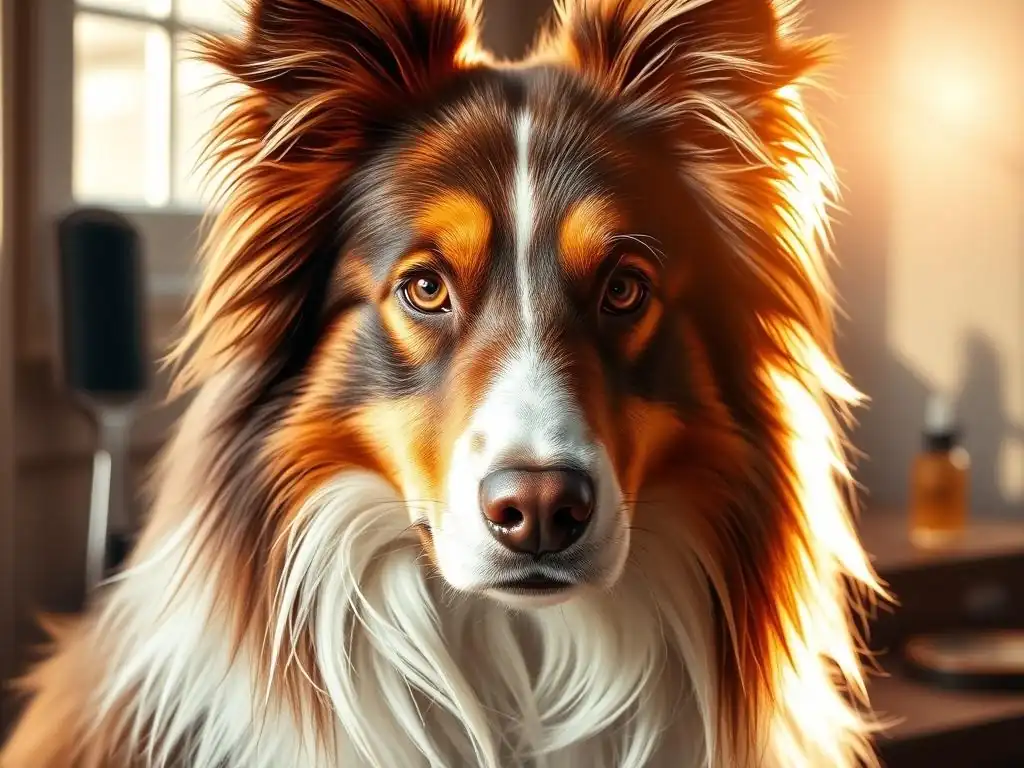
Welcome to PetCareWorld, your ultimate guide to a happier, healthier life for your beloved companion! Are you ready to unlock the secrets to a truly magnificent coat for your longhaired canine friend? We delve into Beyond the Basics: Advanced Brushing Tips for LongHaired Dog Breeds, revealing expert techniques to prevent matting, promote healthy skin, and keep your furry friend looking their absolute best. Discover the simple yet transformative brushing strategies that will leave you and your dog feeling pampered and confident. Let's dive in!
- Understanding Your Longhaired Dog's Coat: A Breed-Specific Approach
- Mastering the Art of Brushing: Techniques for Longhaired Dogs
- Advanced Brushing Techniques for Specific Areas
- Maintaining Your Longhaired Dog's Coat Health Between Brushing Sessions
- Longhaired Dog Breed Brushing: A Comprehensive Guide to Maintaining a Healthy and Gorgeous Coat
- Frequently Encountered Brushing Challenges and Solutions for Longhaired Dogs
- Frequently Asked Questions
- Final Reflection: The Untangled Truth About Longhaired Dog Care
- Unlock Your Dog's Radiant Coat: Mastering the Brush
Understanding Your Longhaired Dog's Coat: A Breed-Specific Approach
Maintaining a healthy and beautiful coat for your longhaired dog is more than just a weekly brushing session; it's a commitment to their overall well-being. This comprehensive guide delves beyond the basics, providing advanced brushing techniques tailored to the specific needs of various longhaired breeds. We'll explore how to identify your dog's unique coat characteristics, assess its health, and implement a personalized brushing routine that prevents matting, reduces shedding, and promotes a shiny, vibrant coat.
Understanding your dog's breed-specific requirements is the cornerstone of effective grooming, and this guide will empower you to become a confident and capable groomer for your furry friend. Proper brushing isn't just about aesthetics; it's a crucial element in preventing skin problems and detecting potential health issues early on. Let's dive into the world of longhaired dog grooming and unlock the secrets to a happy, healthy, and beautifully groomed companion.
Identifying Your Breed's Unique Coat Needs
Longhaired dog breeds exhibit a stunning diversity in coat types. Understanding your dog's specific breed will guide your brushing strategy. Coat characteristics vary significantly, impacting the frequency and technique required for effective grooming. For example, a Yorkshire Terrier's long, silky coat demands a different approach than the thick, double coat of an Old English Sheepdog. Some breeds, like Afghan Hounds, are known for their luxurious, flowing coats prone to tangles, while others, like Shih Tzus, have a dense undercoat that requires more thorough brushing to prevent matting.
Consider these factors when identifying your breed's unique needs:
- Coat length: Does your dog have a short, medium, or long coat? This directly impacts brushing frequency and tool selection.
- Coat texture: Is the coat silky, wiry, straight, curly, or wavy? Different textures require different brushes to avoid damage.
- Undercoat density: Does your breed have a dense undercoat? This affects shedding patterns and the need for de-shedding tools.
- Prone to matting: Some breeds are more prone to matting than others. Knowing this helps you implement preventative measures.
Failing to account for these breed-specific differences can lead to matting, skin irritations, and even discomfort for your dog. A well-informed approach ensures a positive grooming experience for both you and your canine companion. Remember, regular consultation with your veterinarian or a professional groomer can provide valuable breed-specific guidance.
Assessing Coat Health
Regularly assessing your dog's coat health is paramount. A healthy coat is shiny, smooth, and free from mats and tangles. However, changes in coat texture, color, or shedding patterns can indicate underlying health problems. During your brushing sessions, pay close attention to the following:
- Shedding patterns: Increased or decreased shedding can signal hormonal imbalances, nutritional deficiencies, or allergies.
- Skin condition: Look for any signs of redness, irritation, dryness, or lesions. These may indicate allergies, parasites, or skin infections.
- Coat texture: Changes in texture (e.g., becoming dull, brittle, or excessively oily) can be indicative of health issues.
- Presence of mats and tangles: These can trap dirt and moisture, leading to skin problems. Regular brushing helps prevent mat formation.
- Parasites: Carefully check for fleas, ticks, and other parasites during brushing.
Detailed Checklist for Coat Health Assessment
- Examine the coat for any unusual smells.
- Check for areas of thinning or patchy hair loss.
- Note any changes in coat color or pigmentation.
- Feel the skin for any lumps, bumps, or unusual growths.
By carefully assessing your dog's coat during each brushing session, you can detect potential health issues early and seek veterinary attention if necessary. Remember, proactive coat care is an essential part of responsible pet ownership. A healthy coat is a reflection of a healthy dog.
Mastering the Art of Brushing: Techniques for Longhaired Dogs
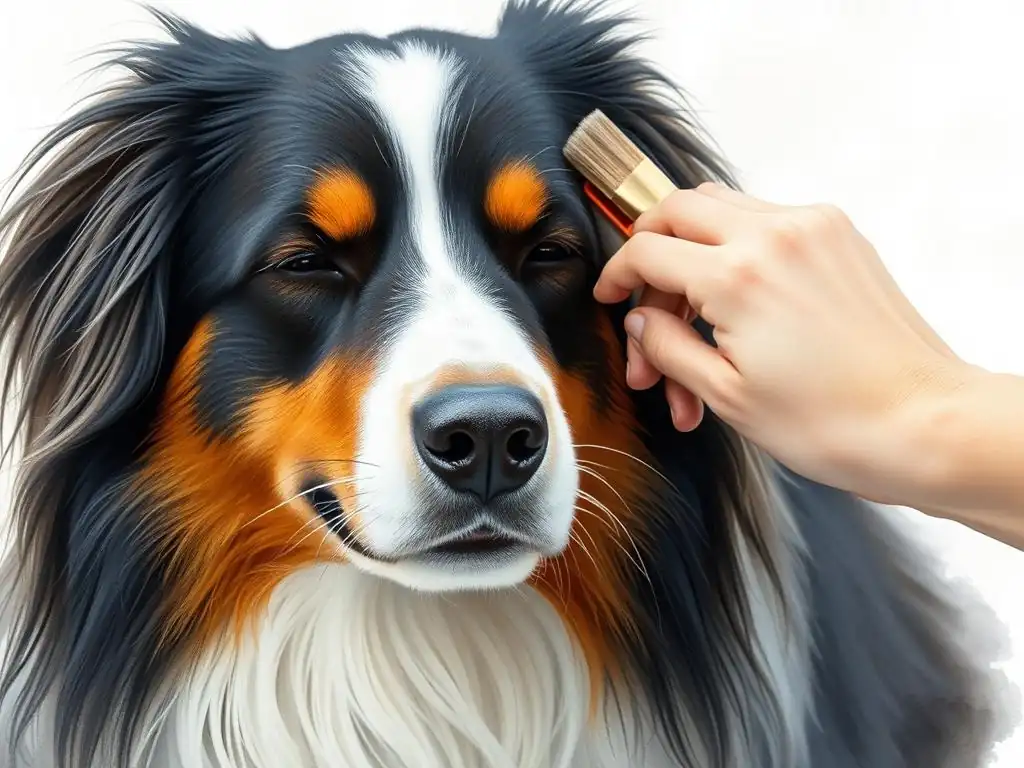
This section delves into the advanced techniques required for maintaining the luxurious coats of longhaired dog breeds. Proper brushing isn't just about aesthetics; it's crucial for preventing matting, skin irritation, and even certain health problems. Understanding the nuances of brushing for these breeds is key to your dog's comfort and well-being. We'll explore the essential steps, from preparation to tackling stubborn mats, ensuring your furry friend enjoys a healthy, shiny coat. This guide focuses on providing practical, actionable longhaired dog breed brushing tips for optimal coat care.
The Pre-Brushing Prep
Before you even pick up a brush, proper preparation is essential for a successful brushing session. Think of it as setting the stage for a masterpiece. A well-prepared dog is a calm dog, leading to a smoother and less stressful experience for both you and your canine companion.
First, gather your supplies. This includes a variety of brushes suitable for longhaired breeds – a slicker brush, a wide-tooth comb, and potentially a de-shedding tool. Having these tools readily available prevents interruptions during the brushing process.
Next, ensure your dog is comfortable and relaxed. A calm environment minimizes anxiety. Consider brushing in a quiet area, perhaps with a favorite toy nearby. Some dogs appreciate a treat reward system during brushing.
Finally, thoroughly check your dog's coat for any existing mats or tangles before beginning a full brushing session. Addressing smaller issues early prevents them from becoming larger, more difficult-to-manage problems. This pre-check allows you to strategize your approach and allocate the appropriate time for the task.
Effective Brushing Techniques
Effective brushing involves more than just running a brush through the coat. It's a systematic process that requires patience and the right technique to avoid pulling or causing discomfort. This section outlines the best practices for brushing longhaired dogs, minimizing stress and maximizing the benefits for both you and your pet.
- Systematic Approach: Begin brushing from the head, working your way down the body. This ensures that you cover all areas thoroughly and don't miss any spots. Pay special attention to areas prone to matting, such as behind the ears, under the legs, and around the tail.
- Brush Selection: Use the appropriate brush for each stage. Start with a wide-tooth comb to gently detangle any minor knots. Then use a slicker brush to remove loose undercoat and dead hair. Finish with a final comb-through to ensure a smooth, tangle-free coat.
- Gentle Pressure: Avoid applying excessive pressure, which can hurt your dog and potentially damage their coat. Use gentle, even strokes, working slowly and carefully through any tangles. If you encounter resistance, carefully work through the knot with your fingers before using the brush.
- Frequency: The frequency of brushing depends on the breed and the time of year. Generally, daily brushing is recommended for longhaired breeds, but this might increase during shedding seasons. Regular brushing prevents the accumulation of mats and promotes healthy skin and coat.
| Brush Type | Purpose | Ideal for |
|---|---|---|
| Slicker Brush | Removing loose undercoat and dead hair | All longhaired breeds |
| Wide-Tooth Comb | Detangling and smoothing the coat | Longhaired breeds, especially those prone to mats |
| De-shedding Tool | Efficiently removing large amounts of undercoat | Breeds with heavy undercoats during shedding |
Dealing with Mats and Tangles
Mats and tangles are a common problem for longhaired dogs, especially if brushing isn't consistent. These can be painful and even lead to skin infections if left untreated. This section provides practical strategies for effectively removing mats and tangles, minimizing discomfort for your dog.
- Small Mats: For small, manageable mats, carefully try to work them out with your fingers. You can use a detangling spray to help loosen the mat before gently pulling it apart.
- Large Mats: Large, stubborn mats often require more intervention. In these cases, it's best to use sharp scissors to carefully cut the mat away, being extremely cautious to avoid cutting your dog's skin. If you're uncomfortable doing this yourself, consult a professional groomer.
- Prevention is Key: The best way to deal with mats and tangles is to prevent them from forming in the first place. Regular brushing is crucial, as is using high-quality dog shampoos and conditioners that help keep the coat healthy and tangle-free. Consider adding a leave-in conditioner to help manage tangles between brushing sessions. Addressing even minor mats promptly can prevent them from becoming larger and more difficult to remove. Remember, patience and a gentle approach are key to a stress-free experience for both you and your furry friend. Consistent brushing is your best defense against matted fur and the associated discomfort. 🐶
Shedding Management for Longhaired Breeds
Shedding is a natural process for all dogs, but longhaired breeds present a unique challenge. Their luxurious coats require diligent brushing to prevent matting, tangles, and excessive shedding throughout the house. Effective shedding management isn't just about aesthetics; it's crucial for your dog's skin health and overall well-being. A matted coat can trap dirt, moisture, and irritants, leading to skin infections and discomfort. Regular brushing helps remove dead hair, preventing these problems and keeping your furry friend comfortable.
Understanding your breed's shedding cycle is paramount. Some longhaired breeds, like the Afghan Hound, shed more seasonally, while others, such as the Yorkshire Terrier, shed more consistently throughout the year. Knowing your dog's shedding patterns allows you to adjust your brushing routine accordingly.
During peak shedding seasons, you might need to brush daily or even twice daily to keep up with the increased hair loss. Outside of these periods, a few times a week might suffice. Always observe your dog's coat for any changes in texture or shedding patterns, as this could indicate an underlying health issue requiring veterinary attention.
The tools you use significantly impact shedding management. A slicker brush is excellent for removing loose undercoat, while a wide-tooth comb is ideal for detangling and removing mats. Consider using a de-shedding tool, specifically designed to remove large amounts of undercoat efficiently. These tools often have different types of teeth or bristles that can reach deep into the coat, effectively extracting loose hair.
Remember to always brush gently, avoiding harsh strokes that could irritate your dog's skin. Regularly clean your brushes to remove accumulated hair, maintaining their effectiveness and preventing the spread of potential skin irritants. A good quality undercoat rake can also be a valuable addition to your grooming arsenal, particularly during heavy shedding periods. The right tools, used correctly, make a significant difference in managing your longhaired dog's shedding effectively and minimizing the amount of hair around your home.
Advanced Brushing Techniques for Specific Areas
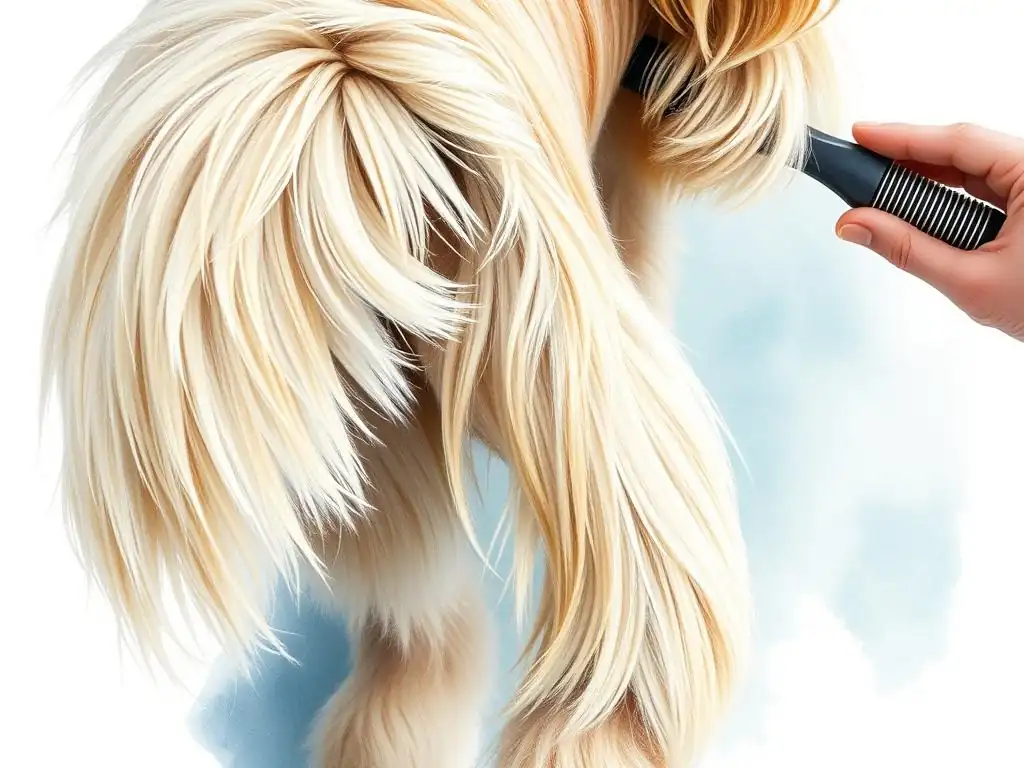
This section delves into the nuanced art of brushing longhaired dog breeds, focusing on areas requiring special attention to prevent matting and maintain a healthy coat. Remember, gentle and consistent brushing is key to avoiding discomfort for your furry friend. Regular brushing not only improves coat appearance but also helps detect skin irritations or parasites early on. Let's explore techniques for specific areas prone to tangles and mat formation.
Brushing the Face and Ears
The face and ears of longhaired dogs are particularly sensitive and require a delicate approach. Avoid using harsh strokes or pulling on the fur. Opt for a soft-bristled brush, perhaps a small, specialized grooming brush designed for delicate areas. Begin by gently brushing around the eyes, using short, upward strokes to remove any debris or loose hair. Be mindful of the eyes themselves – avoid direct contact with the bristles.
Next, carefully brush the ears, paying close attention to the area behind the ears where mats often form. For dogs who dislike having their ears touched, try a distraction technique such as offering a treat while you gently brush. If you encounter mats, use your fingers to carefully separate the tangled fur before gently brushing it out. Never pull forcefully, as this could cause pain and damage the hair follicles.
If a mat is particularly stubborn, consider using a detangling spray designed specifically for pets to help loosen the knots. Regular, frequent brushing – ideally daily – will significantly minimize mat formation in these sensitive areas. Remember to check the ears for any signs of infection, such as redness, swelling, or discharge.
Brushing the Legs and Paws
The legs and paws of longhaired dogs often accumulate dirt, debris, and burrs, making regular brushing crucial. These areas are also prone to matting, especially between the toes. Use a combination of brushes to effectively tackle this challenge. A slicker brush can help remove loose hair and surface dirt, while a smaller, more precise brush can be used to navigate between the toes and around the paw pads.
When brushing the legs, start at the top and work your way down, using gentle, consistent strokes. Pay special attention to the areas behind the knees and ankles, where fur tends to be thicker and more prone to matting. For stubborn mats, carefully separate them with your fingers before using the brush.
Again, avoid pulling or tugging to prevent discomfort. After brushing, you may wish to use a paw cleaner to remove any remaining dirt or debris from the paws. This routine grooming not only keeps your dog looking their best but also helps maintain healthy paws and prevents the development of painful mats.
Brushing the Tail
The tail of a longhaired dog is a frequent site of matting, often due to its length and the dog's natural movements. Proper brushing technique is essential to prevent tangles and maintain a healthy, clean tail. Use a longer-handled brush to reach the entire length of the tail comfortably. Begin at the base of the tail and work your way towards the tip, using gentle, consistent strokes. Pay close attention to the fur at the underside of the tail, where mats are most likely to form.
For longhaired breeds, the tail often requires more frequent brushing than other areas. Daily brushing is often recommended to prevent matting. If you discover mats, carefully untangle them with your fingers before using the brush. If a mat is particularly stubborn, consider using a detangling spray. Remember, patience and gentle handling are essential when brushing your dog's tail. Regular brushing will not only keep your dog's tail looking its best but also helps prevent the development of painful mats and maintain the overall health of their coat. A well-groomed tail is a happy tail! 🐶
Brushing the Undercoat
The undercoat, that soft, dense layer beneath the topcoat, is crucial for temperature regulation and protection in longhaired breeds. Neglecting the undercoat leads to matting, tangles, and even skin problems. Effective undercoat brushing requires specialized tools and techniques. A slicker brush, with its fine, closely-spaced wires, is ideal for penetrating the dense undercoat and removing loose fur. However, be gentle to avoid scratching your dog's skin. Start with light, sweeping strokes, gradually increasing pressure as needed.
Pay close attention to areas where the undercoat tends to be thicker, such as the belly, flanks, and legs. Regular brushing, ideally several times a week, prevents excessive shedding and keeps the undercoat healthy and clean. Remember to always check your dog's skin for any irritations or abnormalities while brushing the undercoat. Addressing these promptly can prevent more significant issues. For particularly stubborn mats in the undercoat, a de-matting tool can be helpful. Use it carefully and gently, working slowly to unravel the mat without pulling or causing pain.
If a mat is too tightly bound, it's best to seek professional grooming assistance to avoid injuring your dog. Regular undercoat maintenance is a key component of maintaining a healthy and beautiful coat for your longhaired companion. The time invested in this crucial step will reward you with a happier, healthier pet. Ignoring the undercoat can lead to serious problems, so make it a regular part of your grooming routine. Consider the breed-specific needs; some longhaired breeds have significantly denser undercoats than others, requiring more frequent and thorough brushing.
Brushing the Face and Ears
The face and ears of longhaired dogs require extra care due to their sensitivity and the tendency for tangles to form around the eyes, muzzle, and inside the ears. A soft-bristled brush, such as a natural boar bristle brush, is best for these delicate areas. Use gentle, short strokes, avoiding any pressure that could irritate your dog's sensitive skin. Around the eyes, be particularly cautious to avoid getting any hair or debris into their eyes. Use a damp cloth to gently wipe away any debris.
For long hair around the ears, carefully brush outward, avoiding pulling or tugging. Regular brushing prevents matting and keeps the hair around the eyes and ears clean and comfortable. Check the ears regularly for any signs of infection, such as redness, swelling, or discharge. If you notice any problems, consult your veterinarian immediately. Inside the ears, use a cotton ball dampened with a veterinarian-recommended ear cleaning solution to gently remove any wax or debris.
Never insert a cotton swab into the ear canal, as this can cause damage. Keeping these areas clean and free of mats will help prevent infections and discomfort for your furry friend. Remember, patience and gentleness are key when brushing these sensitive areas. Your dog will appreciate the extra care you take to keep them comfortable and clean. Using the correct tools and techniques helps prevent injury and ensures a positive grooming experience.
Brushing the Legs and Paws
The legs and paws of longhaired dogs can easily accumulate debris and become tangled. While the tools used may be similar to those used elsewhere, the process requires a little extra attention to detail. Begin by brushing the hair on the legs, working from the top down towards the paws. Use a slicker brush to remove loose hair and tangles from the longer hair on the legs, paying attention to the areas between the toes and around the paw pads.
For the paw pads themselves, use a soft-bristled brush or a damp cloth to remove dirt and debris. Regularly check for any foreign objects embedded in the fur or between the paw pads. Long hair between the paw pads can easily become matted and uncomfortable, so regular brushing is essential. If you encounter any mats, use a de-matting tool carefully and gently to unravel them.
Trim any excessively long hair between the paw pads to prevent slipping and potential injury. Remember to reward your dog with praise and treats throughout the process to make grooming a positive experience. The legs and paws are often overlooked, but their proper care is essential for the overall health and well-being of your longhaired dog. Careful and regular brushing of these areas will help to prevent matting, discomfort, and potential injury.
Maintaining Your Longhaired Dog's Coat Health Between Brushing Sessions
Maintaining a healthy coat for your longhaired dog isn't just about regular brushing; it's a holistic approach encompassing several key elements. Consistent care between brushing sessions is crucial to prevent matting, tangles, and skin issues. Neglecting this aspect can quickly undo the benefits of diligent brushing.
Think of brushing as the primary maintenance, and the practices detailed below as essential preventative care. This proactive approach will save you time and effort in the long run, keeping your canine companion looking and feeling their best. Proper care minimizes the risk of developing serious coat problems down the line, saving you potential veterinary expenses.
Regular Bathing and Conditioning for Longhaired Dogs
Regular bathing is essential, but the frequency depends on your dog's lifestyle and coat type. Over-bathing can strip natural oils, leading to dryness and irritation. A good rule of thumb is to bathe your longhaired dog every 4-6 weeks, or as needed. Always use a dog-specific shampoo and conditioner formulated for longhaired breeds. These products are designed to gently cleanse without harsh chemicals that can damage the coat. Look for shampoos enriched with moisturizing ingredients like oatmeal or aloe vera to soothe and hydrate the skin.
After shampooing, thoroughly rinse all traces of soap. Residual shampoo can lead to skin irritation and a dull coat. Follow up with a high-quality conditioner specifically designed for longhaired dogs. Conditioners help detangle, add shine, and improve manageability, making subsequent brushing sessions much easier. Gently work the conditioner through the coat, paying special attention to any tangled areas. Rinse thoroughly again. After bathing, gently towel dry your dog before allowing them to air dry completely. Avoid using harsh rubbing, as this can damage the hair and irritate the skin.
Remember to always check the water temperature before bathing your dog. The water should be lukewarm, never hot. Hot water can dry out their skin and coat. Regular bathing, combined with appropriate products, contributes significantly to a healthy and vibrant coat, reducing the need for frequent brushing to address tangles.
Nutritional Support for a Healthy Coat
The saying "you are what you eat" applies to your canine companion as well. A balanced diet plays a crucial role in maintaining a healthy coat. Just as in humans, certain nutrients are essential for hair growth and strength. Look for dog food with high-quality protein sources, essential fatty acids (like omega-3 and omega-6), and biotin. These nutrients contribute directly to coat health, making the hair stronger, shinier, and more resilient to damage.
Consider supplementing your dog's diet with fish oil or flaxseed oil capsules, which are rich in omega-3 fatty acids. These fatty acids are known for their beneficial effects on skin and coat health. Always consult your veterinarian before adding any supplements to your dog's diet to ensure it's appropriate for their individual needs and health status.
A well-nourished dog will naturally have a healthier, more manageable coat, reducing the overall time and effort needed for brushing and maintenance. Observe your dog's coat; if you notice any significant changes in its texture or shine, consult your vet to rule out any underlying health issues.
Recognizing and Addressing Coat Problems
Even with diligent brushing and care, your longhaired dog may encounter coat problems. Early detection and intervention are key. Common issues include matting, tangles, hotspots (areas of inflamed skin), and parasites. Regularly inspect your dog's coat for any signs of these problems.
Matting occurs when hair becomes tangled and felted together. If you notice small mats, try gently working them out with your fingers or a wide-toothed comb. For larger mats, you may need to use specialized detangling sprays or, in severe cases, carefully trim them out with scissors. Always be cautious when using scissors near your dog's skin. If you're unsure how to handle matting, consult a professional groomer.
Hotspots are areas of irritated and inflamed skin, often caused by allergies, parasites, or excessive licking. They appear as red, raised, and often weepy patches of skin. If you suspect a hotspot, consult your veterinarian immediately. They can diagnose the underlying cause and recommend appropriate treatment. Similarly, if you notice any signs of parasites (fleas, ticks, etc. ), consult your veterinarian for treatment and preventative measures. Regularly checking your dog's coat for these problems allows for prompt treatment, preventing more serious complications and maintaining the overall health of their coat.
Longhaired Dog Breed Brushing: A Comprehensive Guide to Maintaining a Healthy and Gorgeous Coat
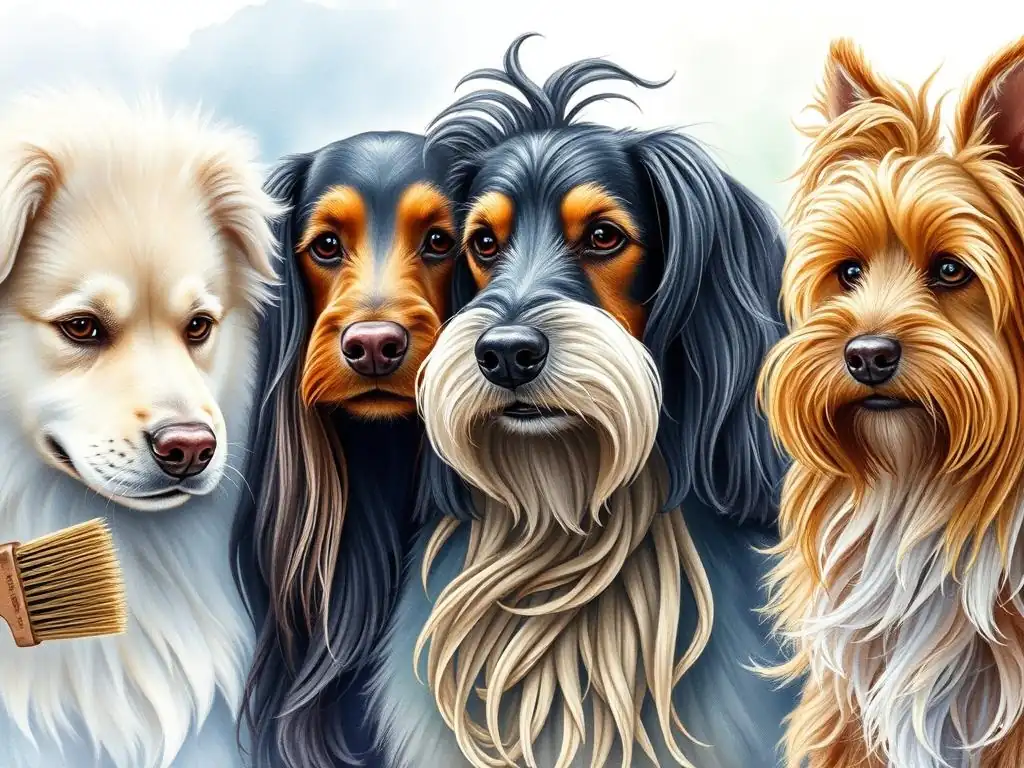
This section delves into the specifics of maintaining the luxurious coats of longhaired dog breeds. Regular brushing isn't just about aesthetics; it's crucial for preventing matting, reducing shedding, and detecting potential skin issues early. Neglecting proper brushing can lead to uncomfortable matting, skin infections, and even digestive problems if your dog ingests loose hair. The frequency and technique will vary depending on the breed and individual dog, but consistent care is key. We'll explore the best practices to keep your longhaired companion looking and feeling their best.
Putting it All Together: A Step-by-Step Brushing Routine
A successful brushing session involves more than just running a brush through the fur. It's a multi-step process requiring the right tools and a gentle touch. Here's a comprehensive routine to follow:
- Preparation: Before you begin, gather your supplies: a slicker brush, an undercoat rake (for breeds with dense undercoats), a wide-toothed comb, and a shedding blade (optional, but helpful for heavy shedders). Find a well-lit area where your dog is comfortable and can easily be reached. Consider using a grooming table for larger breeds to ensure proper posture and avoid strain on your back.
- Initial Detangling: Start with a wide-toothed comb to gently remove any large tangles or mats. Work slowly and carefully, avoiding pulling or tugging on the fur. If you encounter a stubborn mat, use your fingers to gently separate the hair before combing. For severely matted areas, you may need to use mat-breaking spray or seek professional help.
- Slicker Brushing: Use the slicker brush to remove loose hair and dead undercoat. Work in sections, starting from the top of the dog's body and working your way down. Use short, gentle strokes, following the direction of hair growth. Pay close attention to areas prone to matting, such as behind the ears, under the legs, and around the tail.
- Undercoat Removal (If Necessary): If your dog has a dense undercoat, use the undercoat rake to remove excess fur. Be cautious not to brush too aggressively, as this can damage the topcoat. Regular undercoat removal will significantly reduce shedding.
- Final Combing: Finish with a final comb-through to ensure all tangles and mats have been removed. This step is crucial to identify any missed spots and to ensure a smooth, even coat.
- Reward and Clean Up: Finish the session with praise and treats to reinforce positive associations with brushing. Clean up any loose hair to maintain a clean grooming environment. Remember, consistency is key! A short daily brushing session is far more effective than infrequent, lengthy sessions.
When to Seek Professional Grooming
While regular at-home brushing is essential, there are times when professional grooming is necessary. This is especially true for longhaired breeds, whose coats require specialized attention and expertise. Here are some key indicators that it's time to call a professional groomer:
- Severe Matting: If you're struggling to remove mats at home, or if the mats are large and close to the skin, a professional groomer can safely and effectively remove them. Attempting to remove severe matting at home can cause pain and injury to your dog.
- Lack of Time or Skill: If you lack the time or experience to properly groom your longhaired dog, a professional can provide the necessary expertise and ensure your dog's coat is healthy and well-maintained. This is particularly important for breeds with complex coat types requiring specific techniques.
- Skin Issues: If you notice any skin irritations, redness, or unusual bumps, a groomer can help identify the problem and recommend appropriate treatment. They can also help to prevent further complications.
- Preparation for Shows: If you participate in dog shows, professional grooming is essential to ensure your dog's coat is in optimal condition. Professional groomers have the skills and knowledge to create show-ready styles.
Regular professional grooming, combined with diligent home brushing, will ensure your longhaired dog maintains a healthy, beautiful coat for years to come. Remember, a happy dog is a healthy dog, and a well-groomed coat is a big part of that happiness! 🐕
Frequently Encountered Brushing Challenges and Solutions for Longhaired Dogs
This section delves into the common hurdles pet owners face when brushing longhaired dog breeds, offering practical solutions to maintain a healthy and lustrous coat. Understanding these challenges is crucial for preventing more serious issues and ensuring your canine companion remains comfortable. Proper brushing techniques are key to managing longhaired dog breeds, minimizing shedding, and preventing matting. Remember, regular brushing is a cornerstone of responsible longhaired dog breed care.
Dealing with Excessive Shedding
Excessive shedding in longhaired dogs is a common concern. The amount of shedding varies depending on factors like breed, age, diet, and overall health. For instance, breeds like Afghan Hounds and Old English Sheepdogs are known for their profuse shedding, particularly during seasonal changes. Effective shedding management involves a multi-pronged approach:
- Regular Brushing: Daily brushing, or at least every other day, is vital for removing loose undercoat and dead hair before it falls out. Utilize a slicker brush for removing undercoat and a comb to detangle. This prevents the hair from accumulating and matting, and reduces the amount of hair scattered around your home.
- Nutritional Considerations: A balanced diet rich in omega-3 and omega-6 fatty acids can contribute to a healthier coat and reduce shedding. Consult your veterinarian for recommendations on appropriate food for your dog's breed and age. Supplements can also be helpful, but always consult your vet before introducing them.
- Underlying Health Issues: Excessive shedding can sometimes indicate an underlying health problem, such as allergies, hormonal imbalances, or parasites. If you notice a sudden increase in shedding or other concerning symptoms, consult your veterinarian immediately. Early detection is key to effective treatment.
- Brushing Tools: Investing in high-quality brushing tools is essential. A good quality slicker brush, undercoat rake, and a wide-toothed comb are invaluable for efficient and thorough brushing. Avoid using tools that are too harsh, as they can irritate the skin.
The frequency of brushing should increase during shedding seasons (spring and fall). You might even consider adding a shedding blade to your grooming arsenal during these periods. Remember, patience and consistency are key to effectively managing shedding in longhaired dogs.
Managing Matting in Difficult-to-Brush Areas
Matting, the dreaded entanglement of hair, is a particularly challenging issue for longhaired breeds. These mats can be painful for your dog and can even lead to skin infections. Areas prone to matting include behind the ears, armpits, and the groin area. Prevention is key, and consistent brushing is the best defense. However, if mats do develop, here's how to tackle them:
- Prevention: Daily brushing, especially in these prone areas, significantly reduces the risk of mat formation. Pay special attention to these areas during each brushing session.
- Detangling Sprays: Use a detangling spray to help loosen the mats before attempting to brush them out. These sprays usually contain conditioners to make the hair softer and more manageable.
- Careful Removal: Use a wide-toothed comb and gently work through the mats, starting from the ends and working your way towards the roots. Never pull or yank at the mats, as this can hurt your dog and damage their skin. For stubborn mats, you may need to use thinning shears to carefully cut them out. If you are not confident in using thinning shears, seek professional help from a groomer.
- Professional Grooming: If you are struggling to manage matting, don't hesitate to seek the help of a professional groomer. They have the expertise and tools to safely remove mats without causing your dog any discomfort. Regular professional grooming can be a valuable investment, especially for dogs with particularly thick or prone-to-matting coats.
Remember, preventing matting is far easier than removing it. Regular brushing and diligent attention to detail are crucial for maintaining a healthy and comfortable coat.
Addressing Skin Irritations and Allergies During Brushing
Brushing, while essential, can sometimes irritate sensitive skin or trigger allergic reactions. Certain breeds are predisposed to skin allergies, and brushing can exacerbate these issues if not done correctly.
- Gentle Brushing Techniques: Use gentle, sweeping strokes, avoiding harsh pulling or scrubbing. This is particularly important for dogs with sensitive skin or known allergies.
- Appropriate Brushing Tools: Choose brushes with soft bristles to minimize skin irritation. Avoid using brushes with sharp or metal teeth that could scratch the skin.
- Post-Brushing Care: After brushing, check your dog's skin for any redness, irritation, or signs of inflammation. If you notice any problems, consult your veterinarian.
- Allergies and Sensitivities: If your dog has known allergies or skin sensitivities, you may need to adjust your brushing routine and use hypoallergenic products. Consult with your veterinarian or a veterinary dermatologist for guidance on appropriate brushing techniques and products. They can also help identify the allergens and recommend appropriate treatment plans.
- Regular Veterinary Checkups: Regular veterinary checkups are crucial for monitoring your dog's skin health and identifying any potential problems early on. Early detection and treatment can prevent more serious complications.
By following these tips and paying close attention to your dog's skin, you can ensure that brushing remains a positive and beneficial experience, contributing to their overall health and well-being. Remember, a happy, healthy dog is a well-groomed dog!
Frequently Asked Questions
How often should I brush my longhaired dog?
Ideally, you should brush your longhaired dog daily to prevent matting and tangles. At a minimum, aim for several times a week. This prevents discomfort and reduces the need for professional grooming.
What type of brush is best for my longhaired dog?
The best brush depends on your dog's coat, but a combination of a slicker brush for removing loose undercoat and a wide-toothed comb for detangling is usually recommended. Consider adding an undercoat rake for heavy shedders.
My dog has mats. How can I remove them safely?
Small mats can sometimes be carefully removed with your fingers or a de-matting tool. For larger or stubborn mats, professional grooming is recommended to avoid hurting your dog. Never pull forcefully.
What are the signs of a healthy longhaired dog coat?
A healthy coat is shiny, soft, and free of mats and tangles. It should also be evenly distributed across the body and not excessively dry or oily. Consult a vet if you notice changes.
Are there any specific brushing techniques for longhaired dogs?
Yes, always brush with the direction of hair growth to avoid breakage. Work in small sections, holding the fur taut to prevent pulling. Pay special attention to areas prone to matting, like behind the ears and under the legs.
Final Reflection: The Untangled Truth About Longhaired Dog Care
The art of brushing a longhaired dog is far more than just a chore; it's a vital act of love and preventative care. Neglecting proper brushing techniques can lead to matting, skin infections, and even significant discomfort for your beloved canine companion. This transcends mere aesthetics; it's about ensuring their overall well-being.
The impact of proper grooming on the bond between owner and pet is immeasurable. It's a moment of connection, a chance to check for skin irritations or injuries, and a way to build trust and understanding. This simple act fosters a deeper relationship, enriching the lives of both dog and owner. A dog is the only thing on earth that loves you more than he loves himself.
– Josh Billings. This quote highlights the profound connection we can share with our furry friends, a connection strengthened through attentive care like proper brushing.
Now, consider the knowledge you've gained. Think about your own dog, their unique coat, and the specific challenges you might face. Take the time today to implement these advanced brushing techniques. Observe your dog's reaction, notice the difference in their coat's health, and relish the strengthened bond that comes from dedicated care. Remember, every stroke of the brush is an investment in a happier, healthier, and more confident companion.
Unlock Your Dog's Radiant Coat: Mastering the Brush
Thank you for exploring the world of long-haired dog grooming! We hope you've gained valuable insights into keeping your furry friend looking and feeling their best. Now let's put that knowledge into action.
Here's how to elevate your dog's grooming routine:
- Master the Art of Brushing: Daily brushing for about 15 minutes will significantly improve your dog's coat health, especially if you pay attention to those hard-to-reach areas. You'll be amazed by the results!
- Experiment with Different Brushes: Try a slicker brush, a detangling comb, or a shedding blade to discover what works best for your dog's unique coat type.
- Share Your Brushing Successes! Let's build a supportive community of happy, healthy dogs with radiant coats. Share your favorite brushing techniques and tips in the comments below!
Ready to see your dog's coat transformed? What's your biggest brushing challenge, and how will you overcome it today?